
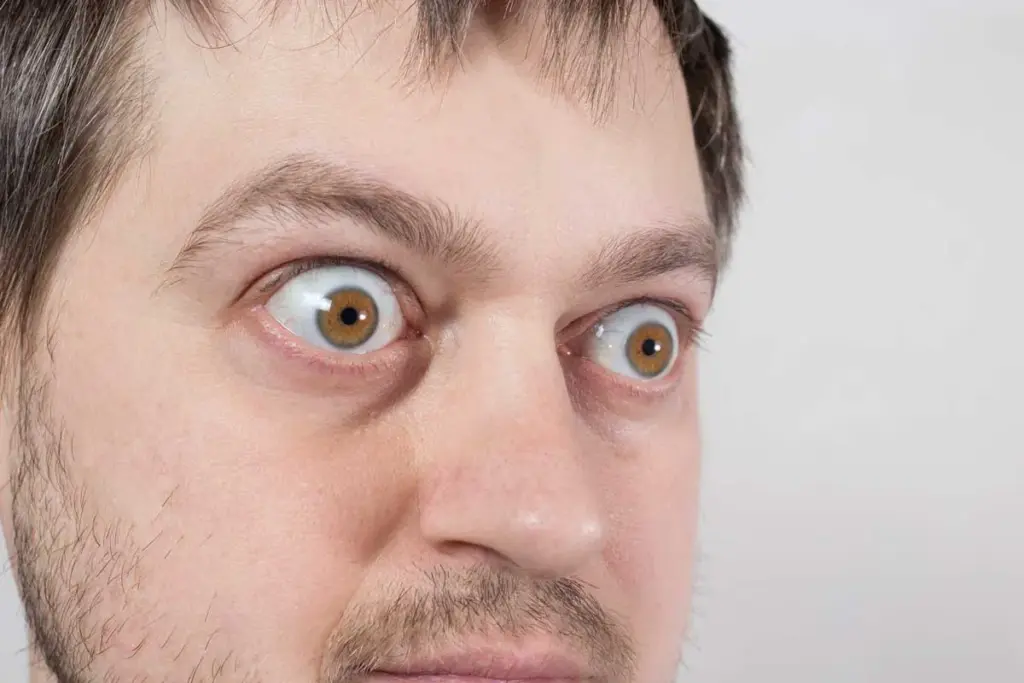
Graves’ disease is an autoimmune disorder that usually leads to hyperthyroidism. This is when the thyroid gland makes too much thyroid hormone. But, some medical studies show a rare case: patients can have both hyperthyroidism and hypothyroidism at the same time.
We look into how Graves’ disease and thyroid function are connected. We focus on the antibodies that cause this mix-up. Knowing this is key to treating the condition well.
Key Takeaways
- Graves’ disease can lead to both hyperthyroidism and hypothyroidism.
- The autoimmune nature of Graves’ disease causes complex thyroid dysfunction.
- Some patients experience a switch from hyperthyroidism to hypothyroidism.
- Understanding the antibody mechanisms is key to managing the condition.
- Coexistence of hyperthyroidism and hypothyroidism is a rare but recognized phenomenon.
Understanding Autoimmune Thyroid Disorders

Autoimmune thyroid disorders are key to diagnosing and treating thyroid issues. These disorders include autoimmune thyroiditis and Graves’ disease (GD). They are at opposite ends of the spectrum.
What is Graves Disease?
Graves’ disease is an autoimmune disorder that leads to hyperthyroidism. This is when the thyroid gland makes too many thyroid hormones. The immune system mistakenly attacks the thyroid gland, causing it to make more hormones than needed.
A study on NCBI explains that thyroid-stimulating immunoglobulins (TSI) are a key feature of Graves’ disease. This results in an overactive thyroid gland.
The Spectrum of Thyroid Function
The thyroid gland is essential for metabolism and energy. It works on a spectrum from hypothyroidism (underactive) to hyperthyroidism (overactive). Graves’ disease usually causes hyperthyroidism, but thyroid function can change over time.
| Thyroid State | Characteristics | Common Symptoms |
| Hyperthyroidism | Excess thyroid hormones | Weight loss, palpitations, anxiety |
| Hypothyroidism | Insufficient thyroid hormones | Fatigue, weight gain, cold intolerance |
| Euthyroid | Normal thyroid function | No symptoms or mild symptoms |
From Hyperthyroidism to Hypothyroidism
Patients can move from hyperthyroidism to hypothyroidism. This can happen naturally or due to treatment. The presence of thyroid receptor antibodies determines thyroid function and symptoms.
Less than 1 percent of patients with autoimmune thyroid disease have both TSAb and TBAb. This shows how complex these disorders are.
Understanding this transition is key for managing Graves’ disease. It requires monitoring and adjusting treatment plans to match changing thyroid function.
Graves Disease and Hypothyroidism: The Dual Existence
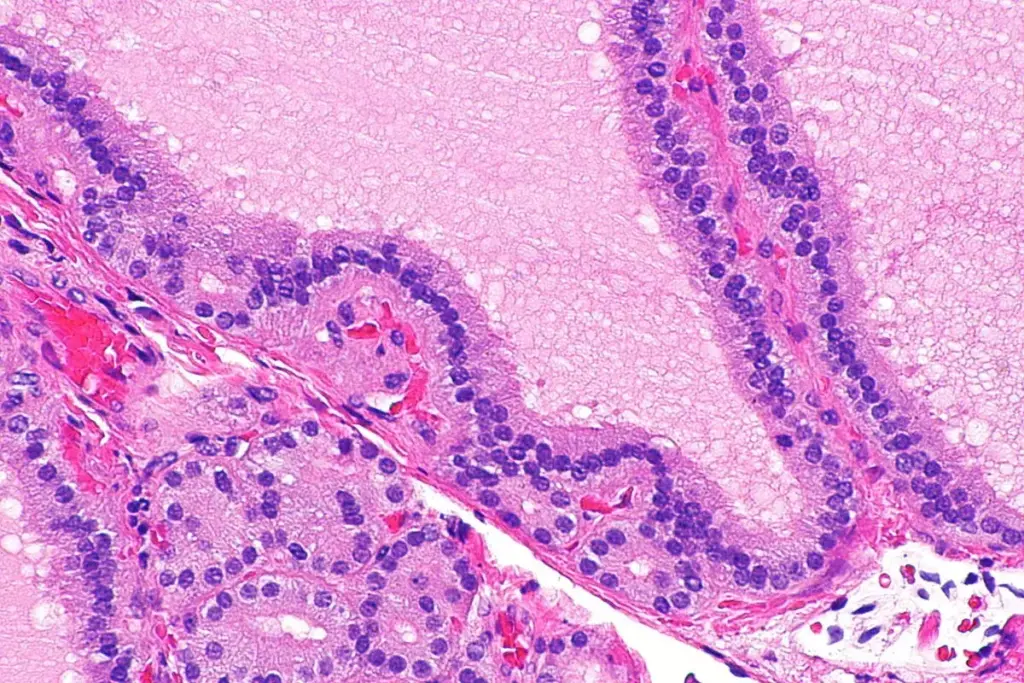
Graves’ disease and hypothyroidism are complex conditions. They involve the balance of thyroid-stimulating and thyroid-blocking antibodies. This balance affects how the thyroid works and how the disease is seen in patients.
The Battle of Thyroid Antibodies
In Graves’ disease, patients have both TSAb and TBAb. TSAb makes the thyroid work too hard, causing hyperthyroidism. TBAb, on the other hand, can slow down the thyroid, leading to hypothyroidism. This mix of antibodies can make the thyroid’s function change back and forth.
Key factors influencing this balance include:
- The relative levels of TSAb and TBAb
- The affinity of these antibodies for the thyroid-stimulating hormone receptor
- The overall autoimmune activity
The Autoimmune Switch Phenomenon
The switch between hyperthyroidism and hypothyroidism in Graves’ disease is due to TSAb and TBAb. This switch is a key part of the disease and affects how it’s treated. Studies have shown that this switch can happen on its own or because of treatment as noted in endocrine studies.
Prevalence and Clinical Significance
Hypothyroidism is more common in Graves’ disease than thought. This means doctors need to watch thyroid function closely. They must be ready to adjust treatment plans as needed.
The key to effective management is understanding the patient’s specific autoimmune profile and thyroid function at any given time.
- Regular monitoring of thyroid function tests
- Assessment of TSAb and TBAb levels
- Adjustments to treatment plans based on clinical presentation and antibody profiles
Diagnosis and Management of Fluctuating Thyroid Function
Diagnosing and treating thyroid function changes in Graves’ disease is tough. People with Graves’ often swing between being too and too little thyroid. It’s key to watch their health closely.
Recognizing the Signs of Shifting Thyroid States
It’s important to spot the signs of thyroid state changes. Symptoms can differ for everyone, but common signs include heart rate changes, weight shifts, and energy level swings. We need to keep an eye on these to adjust treatments.
Regular thyroid tests are a must to catch these changes early. By tracking hormone levels, we can get ready for thyroid function shifts.
Treatment Challenges and Approaches
Dealing with thyroid function changes in Graves’ disease is hard. Treatments include radioactive iodine, surgery, and medicine. Each has its own pros and cons, which we must think about.
| Treatment Option | Benefits | Drawbacks |
| Radioactive Iodine Ablation | Permanent solution, effective in treating hyperthyroidism | Risk of hypothyroidism, radiation exposure |
| Thyroidectomy | Immediate resolution of hyperthyroidism, reduced risk of thyroid storm | Surgical risks, possible hypoparathyroidism |
| Pharmacological Therapy | Reversible, can be tailored to individual needs | Needs regular checks, possible side effects |
Choosing the right treatment needs a deep understanding of the patient’s health and history. We must carefully consider the good and bad of each option.
Monitoring and Long-term Prognosis
Keeping an eye on Graves’ disease over time is key. Regular check-ups and tests help us tweak treatments and catch new problems fast.
How well patients do with Graves’ disease depends on treatment success and any extra health issues. With the right care, many can get their thyroid working right and feel better.
By being proactive and tailoring care to each patient, we can better their outcomes and lower risks of problems.
Conclusion
Understanding Graves’ disease and thyroid function is key to managing it well. We’ve seen how Graves’ disease can cause both too much and too little thyroid hormone. This rare mix-up is called oscillating thyroid function.
This back-and-forth can happen because of special antibodies in the body. These antibodies can make thyroid hormone levels go up and down. This is important to know because it affects how we treat the disease.
When both types of antibodies are present, it can switch the thyroid’s state from overactive to underactive. This switch is called autoimmune switch. Spotting these changes early is vital for the right treatment.
Knowing how to handle these shifts is critical to avoid serious problems later. Our talk has shown how important it is to keep an eye on thyroid function closely.
In short, Graves’ disease’s impact on the thyroid shows we need a detailed approach to care. By grasping the details of this condition, doctors can help patients live better lives. As we learn more about autoimmune thyroid diseases, we can meet the needs of those with Graves’ disease better.
FAQ
Can you have both hyperthyroidism and hypothyroidism?
Yes, it’s possible to have both conditions, often in Graves’ disease. The autoimmune response can cause these function changes.
Can Graves’ disease cause hypothyroidism?
Yes, Graves’ disease can lead to hypothyroidism. This can happen through treatment or the autoimmune switch phenomenon.
What is the autoimmune switch phenomenon in Graves’ disease?
The autoimmune switch phenomenon is when Graves’ disease shifts from hyperthyroidism to hypothyroidism. This is due to a change in the balance of thyroid-stimulating and blocking antibodies.
How do thyroid receptor antibodies affect thyroid function in Graves’ disease?
Thyroid receptor antibodies, like TSAb and TBAb, are key in Graves’ disease. TSAb stimulates hormone production, while TBAb blocks it, causing function changes.
Can you have hypo and hyperthyroidism at the same time?
No, you can’t have both hypo and hyperthyroidism at once. They are opposite states. But, Graves’ disease can cause these states to switch.
How is fluctuating thyroid function diagnosed and managed in patients with Graves’ disease?
Diagnosing and managing fluctuating thyroid function in Graves’ disease involves monitoring hormone levels and antibody titers. Adjustments to treatment are also needed to manage the changing thyroid state.
Can hyperthyroidism become hypothyroidism?
Yes, hyperthyroidism can turn into hypothyroidism, often in Graves’ disease. The autoimmune response can cause this shift.
What are the challenges of treating Graves’ disease with fluctuating thyroid function?
Treating Graves’ disease with fluctuating thyroid function is challenging. It requires ongoing monitoring and adjustments to treatment. Managing the risk of overtreatment or undertreatment is also a concern.
Is Graves’ disease a cause of hypothyroidism?
Yes, Graves’ disease can cause hypothyroidism. This can happen through treatment or the autoimmune switch phenomenon.
References
https://pmc.ncbi.nlm.nih.gov/articles/PMC6132101


 Departments
 Related Videos
 Our Doctors
 News
News