
Cancer inside the cheek, also known as buccal mucosa cancer, is a rare but aggressive form of cancer. It starts in the inner lining of the cheeks. Medical Expert, an oncologist at Medical organization, says it happens when cells in the mouth or lips change. Key symptoms and visual cues for detecting Cancer inside cheek (buccal mucosa carcinoma).
These changes often start in the thin, flat cells lining the mouth’s interior. We will look at the important signs and symptoms of this condition. Early recognition can be lifesaving. In the Western world, buccal mucosa cancer makes up about 10 percent of all oral cavity cancers.
At Liv Hospital, we offer top-notch care for oral cancer detection and treatment. Knowing the risk factors, symptoms, and how to diagnose buccal mucosa cancer is key. This knowledge helps patients get the best medical care and support.
Key Takeaways
- Buccal mucosa cancer is a rare and aggressive form of oral cancer.
- Early detection is key for effective treatment.
- Oral abnormalities often begin with cell mutation in the mouth.
- Liv Hospital offers world-class expertise in oral cancer detection.
- Understanding risk factors and symptoms is vital for patients.
Understanding Cancer Inside Cheek
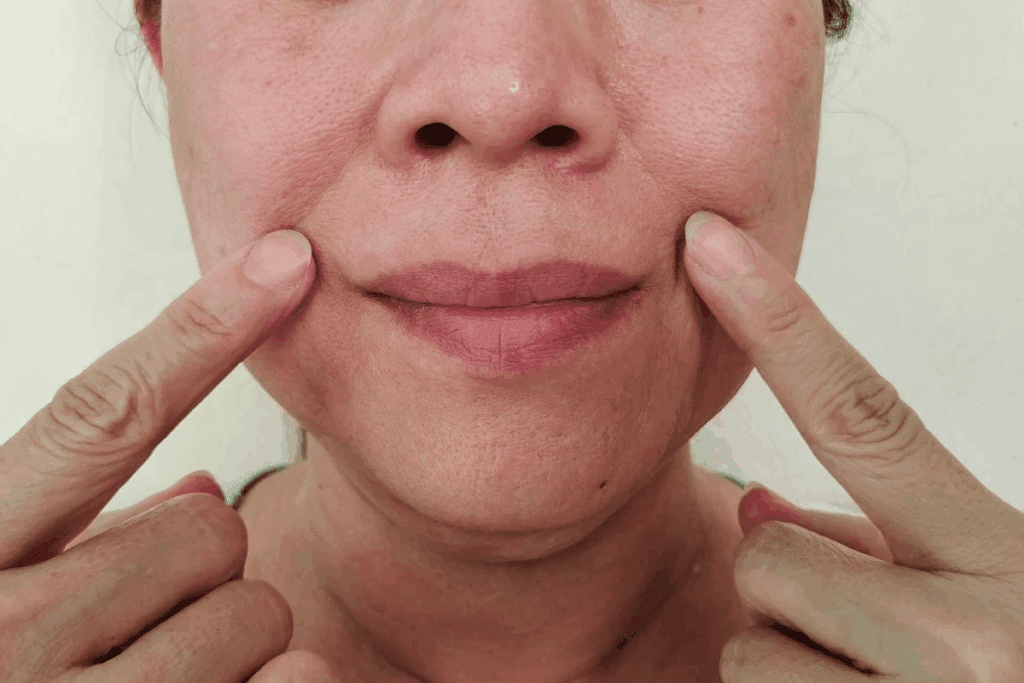
The inner lining of the cheeks is where buccal mucosa cancer occurs. It’s a type of oral cancer. Knowing about it helps in early detection and treatment.
What is Buccal Mucosa Cancer?
Buccal mucosa cancer is a cancer in the mucous membrane of the cheeks. It’s a serious form of oral cavity cancer. If not treated early, it can cause severe health problems.
Key characteristics of buccal mucosa cancer include:
- Location: Inner lining of the cheeks
- Nature: Malignant growth
- Classification: Subset of oral cavity cancers
Prevalence and Demographics
Oral cancer, including buccal mucosa cancer, is a big health issue worldwide. People diagnosed with oral cancer are usually 63 years old. But, about 20% of cases are in people under 55. This shows why awareness is key across all ages.
| Age Group | Percentage of Oral Cancer Cases |
|---|---|
| Below 55 | 20% |
| 55 and above | 80% |
A medical expert notes,
“The rising incidence of oral cancer among younger populations is a concerning trend that necessitates increased awareness and preventive measures.”
Types of Oral Cavity Cancers
Oral cavity cancers include buccal mucosa cancer and others. These are:
- Cancer of the tongue
- Cancer of the floor of the mouth
- Cancer of the lips
- Cancer of the gingiva (gums)
Each type has its own traits and treatment needs. Knowing these differences is key for proper care.
Risk Factors for Developing Cancer Inside Cheek

Knowing the risk factors for cancer inside the cheek is key to preventing and catching it early. Many lifestyle choices and infections can raise the risk of getting this condition.
Tobacco Products and Usage
Tobacco use is a big risk for oral cancer, including cancer inside the cheek. The Medical organization says tobacco use greatly increases the risk of oral cancers. This includes smoking cigarettes, cigars, or pipes, and using smokeless tobacco products.
The risks of tobacco use are well-known:
- Chemicals in tobacco can harm the DNA of cells in the mouth, leading to cancer.
- The risk goes up with how much and for how long you use tobacco.
- Quitting tobacco can greatly lower the risk over time.
Alcohol Consumption
Drinking a lot of alcohol is another big risk for oral cancer. Alcohol can irritate the mouth’s lining, making it more likely to get cancer. When you use tobacco and alcohol together, the risk gets even higher.
“The combined effect of tobacco and alcohol use on the risk of oral cancer is synergistic, meaning that the risk is greater than the sum of the individual risks.” Source: American Cancer Society
| Risk Factor | Increased Risk |
|---|---|
| Tobacco Use | Significantly increased |
| Alcohol Consumption | Increased, specially with heavy use |
| Combined Tobacco and Alcohol | Synergistically increased |
Betel Nut and Paan Chewing
Betel nut and paan chewing are common in some cultures and are risk factors for oral cancer. The International Agency for Research on Cancer has classified betel quid (paan) as a human carcinogen.
The risks of betel nut and paan chewing include:
- Increased risk of oral cancer due to the carcinogenic effects of betel quid.
- Potential for chronic irritation and inflammation in the mouth.
Human Papillomavirus (HPV)
Some strains of HPV, like HPV-16, are linked to a higher risk of oropharyngeal cancers, which can include the inside of the cheek. HPV-related oral cancers are rising, mainly among the young.
The link between HPV and oral cancer shows why HPV vaccination is so important.
By knowing these risk factors, people can take steps to lower their chance of getting cancer inside the cheek. Prevention and early detection are key to successful treatment.
Early Warning Signs of Cancer Inside Cheek
It’s important to know the early signs of cancer inside the cheek. This can help get medical help quickly. We’ll look at the main signs that might mean you have this condition.
Persistent Sores and Ulcers
Persistent sores or ulcers that don’t heal in two weeks are a key sign. Research shows that a mouth sore that doesn’t heal in two weeks could be oral cancer. If you see such sores, see a doctor right away.
White or Red Patches (Leukoplakia and Erythroplakia)
White or red patches inside the cheek are another warning sign. These are called leukoplakia and erythroplakia. They might turn into cancer over time. Watch for any changes in their look or size.
Unusual Bleeding from the Cheek
Unusual bleeding from the cheek is a sign of cancer. This bleeding happens because cancerous tissues are fragile. If you bleed, get medical help fast.
Painless Lumps in Cheek Tissue
Painless lumps in the cheek tissue could mean cancer. These lumps grow slowly and can be found by checking yourself or during a dental visit. Any new or changing lumps need a doctor’s check.
Knowing these early signs can help find and treat cancer inside the cheek early. If you notice any of these symptoms, see a doctor for a full check-up.
Advanced Symptoms of Buccal Mucosa Cancer
As buccal mucosa cancer gets worse, patients face many symptoms that hurt their quality of life. These symptoms can be very hard to deal with and need quick medical help.
Changes in Speech and Voice
One symptom is changes in speech and voice. The tumor can mess with how the lips, tongue, and other parts move. This makes it hard to speak clearly and change voice.
Difficulty Swallowing (Dysphagia)
Another symptom is trouble swallowing, or dysphagia. The tumor can block food and liquids, causing pain and possibly leading to not getting enough nutrients.
Jaw or Lip Numbness
Numbness in the jaw or lip can be a sign of advanced cancer. This numbness happens when the tumor touches nearby nerves, messing with how we feel things.
Limited Mouth Opening (Trismus)
Trismus is when it’s hard to open your mouth wide. This can happen because of the tumor or how the body reacts to it. It affects the muscles and joints that help us move our jaw.
The table below shows the advanced symptoms of buccal mucosa cancer and how they can affect patients:
| Symptom | Description | Potential Impact |
|---|---|---|
| Changes in Speech and Voice | Affects articulation and voice modulation | Difficulty communicating effectively |
| Difficulty Swallowing (Dysphagia) | Obstructs normal passage of food and liquids | Nutritional deficiencies and discomfort |
| Jaw or Lip Numbness | Disrupts normal sensory functions due to nerve invasion | Altered sensation and possible pain |
| Limited Mouth Opening (Trismus) | Affects jaw movement due to tumor growth or body response | Difficulty eating, speaking, and keeping mouth clean |
How to Differentiate Benign vs. Cancerous Conditions
Telling the difference between harmless and dangerous conditions inside the cheek is key. We’ll look at the main differences. This will help you know when to get medical help.
Common Benign Mouth Conditions
Many harmless conditions can happen in the mouth. These include canker sores, oral cysts, and benign tumors. They might be uncomfortable but are usually not serious.
Benign conditions like oral cysts or mucocele are fluid-filled sacs. They can appear due to injury or blocked glands. They can be annoying but are not usually a worry.
Warning Signs That Suggest Cancer
Some signs inside the cheek could mean cancer. Look out for sores or ulcers that won’t heal, white or red patches, and unusual bleeding. If you see these, see a doctor right away.
Leukoplakia shows up as white patches that can’t be rubbed off. It might be a sign of oral cancer. Erythroplakia is red patches that could mean a higher risk of cancer.
Duration of Symptoms
How long symptoms last is important. Benign conditions usually get better or stay the same. But cancerous ones often keep growing or don’t go away.
If a sore or ulcer in your cheek lasts over two weeks, see a doctor. Long-lasting symptoms could mean cancer.
Pain Patterns and Progression
Pain can also tell us about the condition. Benign issues might hurt, but cancer might not at first. As cancer grows, it can cause pain, numbness, or trouble swallowing.
Watching how symptoms change is key. If pain gets worse or new symptoms appear, like trouble swallowing or numb jaw, get help fast. These signs could mean a serious problem.
Self-Examination Techniques for Inner Cheek Cancer
Early detection of inner cheek cancer is vital for better treatment outcomes. Regular self-examinations can help. By knowing what your inner cheek looks and feels like normally, you can spot any unusual changes more easily.
Step-by-Step Visual Inspection
To inspect your inner cheek visually, start by using a mirror in a well-lit area. A bright LED light is best for clear visibility.
- Open your mouth wide and gently pull your cheek away from your teeth to get a clear view of the inner lining.
- Look for any unusual changes such as white or red patches, sores, or thickening of the mucosa.
- Check for any asymmetry or changes in the texture of your cheek lining.
Palpation Methods
Palpation (feeling with your fingers) is also useful. It can find abnormalities that aren’t visible.
- Using your gloved fingers, gently feel the inside of your cheek, checking for any lumps, thickening, or areas of tenderness.
- Press lightly on the areas you are examining to assess for pain or discomfort.
Tools and Lighting Needed
For an effective self-examination, you will need:
- A mirror that allows you to see the inside of your mouth clearly.
- Good lighting; a bright LED light is recommended.
- Gloves for palpation to maintain hygiene.
Frequency of Self-Examinations
We suggest doing self-examinations monthly. This helps in catching any changes in your inner cheek early. Early detection is key for treating inner cheek cancer effectively.
Early detection is key: Regular self-examinations can greatly improve your chances of catching inner cheek cancer early. This makes it more treatable.
Medical Diagnosis of Cancer Inside Cheek
To diagnose cancer inside the cheek, doctors use several methods. Medical Expert, biopsy, and imaging tests. These tests are CT scans, PET scans, and MRIs.
Initial Clinical Assessment
The first step is a clinical assessment. A healthcare provider checks the patient’s health and looks at the mouth. They examine the cheek mucosa and feel for lumps or irregularities.
Biopsy Procedures
If a doctor finds something suspicious, a biopsy is done. This confirms if cancer cells are present. There are two main types of biopsies:
- Incisional Biopsy: A sample of tissue is removed.
- Excisional Biopsy: The whole area is removed.
Imaging Tests
Imaging tests help find out how big the cancer is and where it is. Common tests include:
- CT Scans: Show detailed images of the mouth.
- PET Scans: Check if cancer has spread.
- MRIs: Show soft tissue details, helping to understand the tumor.
Staging and Grading of Buccal Mucosa Cancer
After confirming cancer, the next step is staging and grading. Staging finds out how big the tumor is and if it has spread. Grading looks at the cancer cells under a microscope.
Knowing the stage and grade is key for treatment. The stages range from Stage I (early) to Stage IV (advanced).
When to See a Doctor About Cheek Symptoms
It’s important to know when to see a doctor for cheek symptoms. This can help catch oral cancer early. Knowing the signs that mean you need to see a doctor is key.
Urgent Warning Signs
Some symptoms need immediate attention. These include:
- Persistent sores or ulcers that don’t heal within two weeks
- White or red patches (leukoplakia or erythroplakia) that are persistent
- Unexplained bleeding from the cheek
- Painless lumps or thickening in the cheek tissue
- Difficulty swallowing or changes in speech
If you see any of these signs, see your doctor or dentist right away.
What to Expect at Your Appointment
Your doctor will check your cheek and mouth carefully. They might use special tools to see better. If they find something suspicious, they might take a biopsy.
| Procedure | Description |
|---|---|
| Visual Examination | A thorough look at the cheek and oral cavity |
| Biopsy | Removal of tissue for pathological examination |
| Imaging Tests | X-rays, CT scans, or MRI to assess the extent of the condition |
Questions to Ask Your Healthcare Provider
Being ready with questions can help you understand your situation. Ask:
- What is the likely cause of my symptoms?
- What tests are needed to confirm the diagnosis?
- What are my treatment options?
- Are there any clinical trials available for my condition?
Finding an Oral Cancer Specialist
If you have oral cancer, seeing a specialist is important. Ask your doctor for a referral or look for recommendations from:
- Oral and maxillofacial surgeons
- Otolaryngologists (ENT specialists)
- Oncologists with experience in head and neck cancers
Choosing the right specialist can greatly improve your treatment and care.
Conclusion
It’s important to know about the risks, symptoms, and how to diagnose cancer inside the cheek. Early detection and treatment are key to managing buccal mucosa cancer well.
The Medical organization says oral cancer can be cured if caught early. Being aware of warning signs and taking action can lower the risk of advanced cancer.
We talked about risk factors like tobacco, alcohol, betel nut, and HPV. Knowing the early signs, like sores, patches, bleeding, and lumps, helps get medical help fast.
By understanding risks and symptoms, and doing self-exams and check-ups, people can protect their health. Early detection is vital for effective treatment and better survival rates for cheek cancer.
FAQ
What are the early warning signs of cancer inside the cheek?
Early signs of cancer inside the cheek include sores and ulcers that don’t heal. You might also see white or red patches, or notice bleeding. Painless lumps in the cheek tissue are another warning sign. If you see any of these, see a doctor right away.
What are the risk factors associated with developing buccal mucosa cancer?
Risk factors for buccal mucosa cancer include tobacco and alcohol use. Chewing betel nut or paan and HPV infection also increase the risk. Knowing these can help prevent and catch cancer early.
How can I differentiate between benign and cancerous conditions in the mouth?
Look for signs like sores, bleeding, or lumps that don’t hurt. Benign conditions usually get better with treatment. But cancerous ones keep getting worse.
What is the importance of self-examination for inner cheek cancer?
Checking your mouth for cancer is key. Look for any changes or symptoms in your inner cheeks. Do this every month with good lighting and tools.
What can I expect during a medical diagnosis for cancer inside the cheek?
Expect a check-up first, then maybe a biopsy. You might also have imaging tests. This helps figure out the best treatment.
When should I see a doctor about cheek symptoms?
See a doctor if you have sores, bleeding, or lumps without pain. Early action can make a big difference in treatment.
What are the advanced symptoms of buccal mucosa cancer?
Advanced symptoms include changes in speech and swallowing trouble. You might also feel numbness in your jaw or lips, or have trouble opening your mouth. These signs mean the cancer is more serious.
How is buccal mucosa cancer staged and graded?
Cancer is staged based on the tumor size, lymph nodes, and if it has spread. Accurate staging helps choose the right treatment and predict outcomes.
Can human papillomavirus (HPV) cause buccal mucosa cancer?
Yes, HPV is a risk factor for buccal mucosa cancer. Knowing this can help in early detection and prevention.
What is the prevalence of buccal mucosa cancer?
About 10 percent of oral cancers are buccal mucosa cancer in the Western world. Knowing this can help raise awareness and encourage early detection.
References
National Center for Biotechnology Information. Evidence-Based Medical Guidance. Retrieved fromhttps://www.ncbi.nlm.nih.gov/books/NBK565867/