


Medical Oncology specialist at Liv Hospital.
View doctor profile →


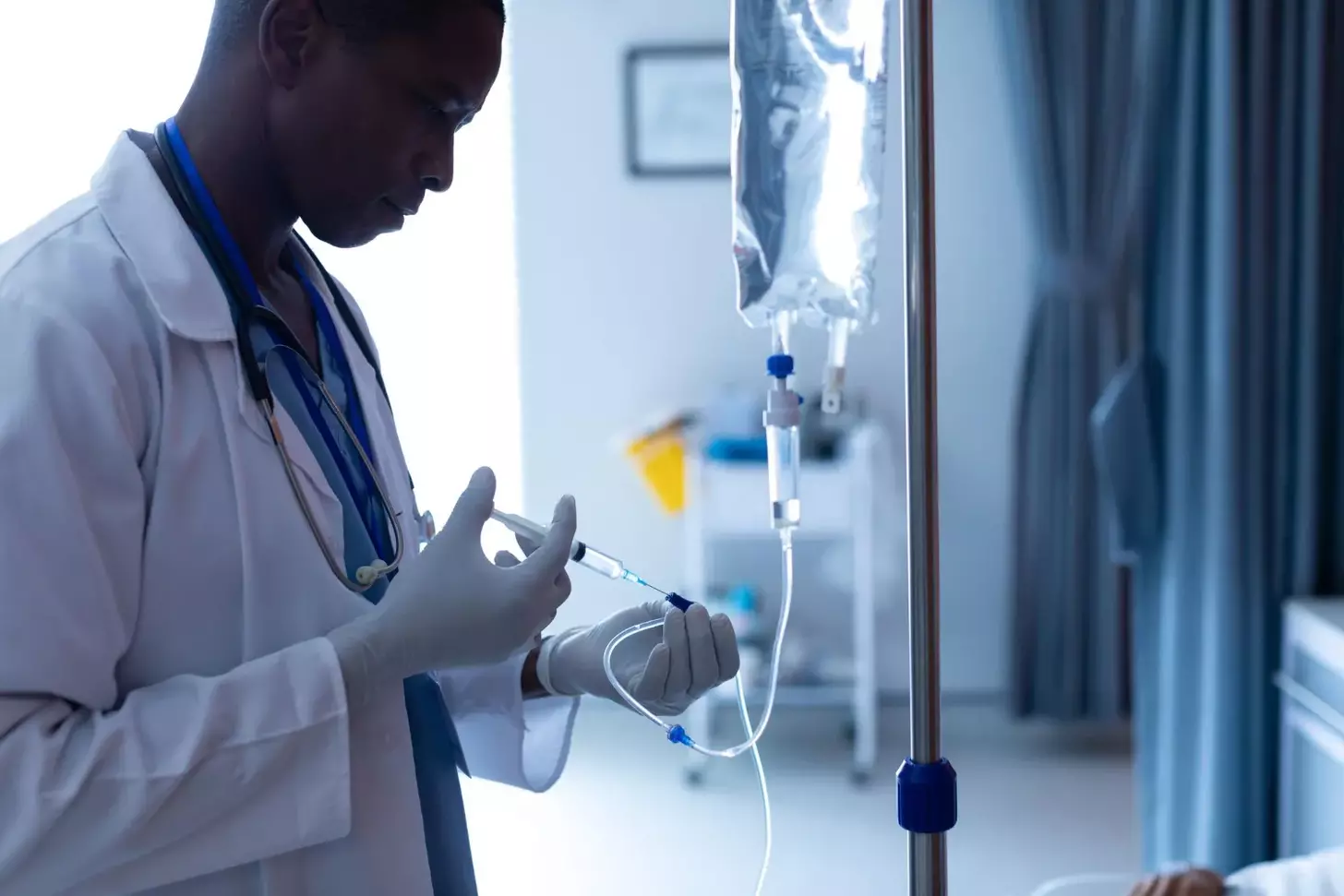
Receiving a cancer diagnosis can be overwhelming, and navigating IV treatment options can be challenging. At Liv Hospital, we understand the importance of patient education in achieving successful treatment outcomes.
We are committed to supporting you throughout your journey. IV chemotherapy remains a primary approach for managing both localized and metastatic cancers. Our goal is to empower you with the necessary knowledge to navigate your IV cancer treatment effectively.
Key Takeaways
- Understanding the role of IV chemo education sheets in cancer treatment
- Accessing reliable resources for IV cancer treatment information
- The importance of patient education in achieving successful treatment outcomes
- Liv Hospital’s commitment to providing world-class healthcare services
- Empowering patients with knowledge to navigate their treatment effectively
The Growing Impact of Cancer in America
As we examine the current landscape of cancer in America, it becomes clear that the disease is having an increasingly significant impact on public health. Cancer statistics reveal a concerning trend, with projections indicating a substantial number of new cases and deaths expected in the coming years.
We understand that these numbers can be alarming, but it’s crucial to comprehend the scope of the issue to address it effectively. The growing impact of cancer affects not only patients but also their families and the healthcare system as a whole.
2025 Projections: Over 2 Million New Cases and 618,000 Deaths
Recent studies project that in 2025, the United States will witness over 2 million new cancer cases and more than 618,000 cancer deaths. These projections underscore the urgent need for continued research, early detection, and effective treatment strategies.
The anticipated rise in cancer cases and fatalities highlights the importance of maintaining a robust healthcare infrastructure and supporting ongoing cancer research initiatives.
Most Common Cancer Types: Breast, Lung, and Colorectal
The most common types of cancer diagnosed in the United States include breast cancer, lung cancer, and colorectal cancer. These cancer types account for a significant proportion of new cases and deaths, emphasizing the need for targeted interventions and patient education.
Understanding the specific challenges associated with these common cancer types is crucial for developing effective treatment plans and improving patient outcomes.
Understanding Cancer IV Treatment Options and Protocols

Intravenous chemotherapy is a cornerstone in cancer treatment, offering a systemic approach to targeting cancer cells throughout the body. This method involves administering chemotherapy drugs directly into the bloodstream through a vein, allowing for a more widespread distribution of the medication.
How Intravenous Chemotherapy Targets Cancer Cells
Intravenous chemotherapy works by delivering high doses of cancer-killing drugs directly into the bloodstream. This approach enables the treatment to target cancer cells that may have spread to different parts of the body, making it particularly effective for stage IV cancer patients.
The process involves using a catheter or needle to administer the chemotherapy drugs into a vein. Once in the bloodstream, the drugs circulate throughout the body, identifying and destroying rapidly dividing cancer cells.
Treatment Statistics: 64% of Stage IV Cases Utilize Chemo and/or Radiation
According to recent statistics, a significant proportion of stage IV cancer patients rely on intravenous chemotherapy as part of their treatment regimen. In fact, about 64% of these patients utilize chemotherapy and/or radiation therapy to manage their condition.
This high percentage underscores the importance of IV treatment in advanced cancer care. By understanding the role of intravenous chemotherapy in treating stage IV cancer, patients can better navigate their treatment options and make informed decisions about their care.
The Critical Role of Patient Education in Treatment Success
Effective patient education is the cornerstone of successful cancer treatment. When patients are well-informed about their treatment regimens, they are better equipped to manage their care and achieve positive outcomes. We recognize that patient education is crucial in improving treatment adherence and overall success.
One of the significant challenges in cancer treatment is ensuring that patients adhere to their prescribed treatment plans. Studies have shown that only 43% of patients achieve good adherence to their cancer treatment. This low adherence rate can be attributed to various factors, including lack of understanding about the treatment, fear of side effects, and complex treatment regimens.
Adherence Challenges
Poor adherence to cancer treatment can have severe consequences, including reduced treatment efficacy and increased risk of disease progression. Factors contributing to poor adherence include:
- Complex treatment schedules
- Lack of understanding about treatment benefits and risks
- Fear and anxiety related to treatment side effects
- Inadequate support systems
Addressing these challenges requires a comprehensive approach to patient education, focusing on clear communication, emotional support, and accessible resources.
Improving Treatment Outcomes
Education resources play a vital role in enhancing patient understanding and adherence to treatment plans. By providing patients with comprehensive information about their treatment, we can empower them to take an active role in their care. Some key education resources include:
- Detailed treatment guides
- Symptom management tools
- Nutrition and hydration advice
- Support contact information
These resources not only improve adherence but also contribute to better treatment outcomes. By understanding their treatment and managing side effects effectively, patients can achieve a better quality of life during and after treatment.
We believe that by combining comprehensive patient education with supportive care, we can significantly improve treatment outcomes for cancer patients. Our goal is to provide patients with the knowledge and tools they need to navigate their treatment journey successfully.
Essential Sheet #1: IV Chemotherapy Treatment Schedule and Protocol Guides
IV chemotherapy treatment schedules and protocol guides are essential tools for patients undergoing cancer treatment. These documents provide a clear outline of the treatment plan, enabling patients to understand their regimen and manage potential side effects effectively.
Components of Comprehensive IV Chemo Ed Sheets
A comprehensive IV chemo education sheet should include several key components. First, it should outline the treatment schedule, including the dates and times of each IV chemotherapy session. Second, it should detail the protocol guides, explaining the specific medications used, their dosages, and any necessary pre-medications.
Additionally, these sheets should cover potential side effects and provide guidance on how to manage them. This information empowers patients to take an active role in their care, improving adherence to the treatment plan.
Using IV Cancer Sheets to Track Your Treatment Journey
IV cancer sheets are invaluable for tracking your treatment journey. By using these sheets, patients can monitor their progress, record any side effects, and note any changes in their condition. This information is crucial for healthcare providers, as it helps them adjust the treatment plan as needed.
To effectively use IV cancer sheets, patients should:
- Keep their sheets up-to-date, recording each treatment session and any relevant information.
- Bring their sheets to each appointment, allowing healthcare providers to review their progress.
- Use the information on their sheets to ask informed questions about their care.
By following these steps, patients can ensure that their treatment plan is tailored to their specific needs, optimizing their chances of success.
Essential Sheet #2: Medication Information and Drug Interaction Resources
Understanding your IV cancer treatment medications is crucial for effective treatment. When patients are well-informed about their medications, they can better manage their treatment and potential side effects.
Understanding Your IV Cancer Treatment Medications
IV cancer treatment typically involves a combination of medications, including chemotherapy agents, supportive care medications, and sometimes targeted therapy drugs. It’s essential to keep a detailed list of all medications, including their names, dosages, and administration schedules.
| Medication Name | Dosage | Administration Schedule |
|---|---|---|
| Drug A | 100mg/m² | Day 1, Day 8 |
| Drug B | 50mg | Daily |
Critical Drug Interactions to Monitor During Treatment
Drug interactions can significantly impact the effectiveness and safety of your IV cancer treatment. It’s crucial to inform your healthcare team about all medications you’re taking, including over-the-counter drugs, supplements, and herbal remedies.
- Interactions between chemotherapy agents and other medications
- Interactions between supportive care medications and other drugs
- Interactions between herbal supplements and cancer treatments
By understanding your medications and potential drug interactions, you can work more effectively with your healthcare team to manage your IV cancer treatment.
Essential Sheet #3: Side Effect Management and Symptom Tracking Tools
Effective side effect management is crucial for patients undergoing intravenous chemotherapy. As we navigate the complexities of cancer treatment, it’s essential to have the right tools and resources to manage side effects and track symptoms.
Intravenous chemotherapy, while effective in targeting cancer cells, can lead to a range of side effects. Understanding and managing these side effects is vital for maintaining the patient’s quality of life during treatment.
Common Side Effects of Intravenous Chemotherapy
Patients receiving IV chemotherapy may experience a variety of side effects, including:
- Fatigue
- Nausea and vomiting
- Hair loss
- Numbness or tingling in hands and feet
- Changes in appetite
According to a study published in the Journal of Clinical Oncology,
“Symptoms such as pain, fatigue, and nausea are common among cancer patients undergoing chemotherapy, affecting their quality of life.”
Recognizing these side effects is the first step in managing them effectively.
A comprehensive side effect management plan can significantly improve a patient’s treatment experience. This is where the third essential IV chemo education sheet comes into play, providing patients with the tools they need to track and manage their symptoms.
Daily Symptom Documentation Using IV Chemo Sheets
Daily symptom documentation is a critical component of effective side effect management. By using IV chemo sheets to track their symptoms, patients can:
| Benefit | Description |
|---|---|
| Improved Communication | Accurate tracking helps patients communicate more effectively with their healthcare team. |
| Personalized Care | Detailed symptom records enable healthcare providers to tailor treatment plans to the patient’s specific needs. |
| Better Symptom Management | By identifying patterns in their symptoms, patients can take proactive steps to manage their side effects. |
As an oncologist, notes,
“Using IV chemo sheets for daily symptom documentation can significantly enhance patient care by providing a clear picture of their treatment experience.”
This proactive approach to symptom management empowers patients to take an active role in their treatment journey.
Essential Sheet #4: Nutrition and Hydration Guidance for IV Cancer Patients
IV cancer patients require specific guidance on nutrition and hydration to support their treatment journey. Proper nutrition helps manage treatment side effects, maintains strength, and supports overall health.
Nutritional Needs During Active IV Cancer Treatment
During active IV cancer treatment, patients have unique nutritional needs. Caloric intake is crucial as it helps maintain energy levels and supports the body’s ability to recover from treatment. We recommend a diet rich in protein, complex carbohydrates, and healthy fats. “A well-balanced diet is essential for patients undergoing chemotherapy,” says a leading oncologist. “It helps in managing side effects and improving overall outcomes.”
A practical approach to meeting these nutritional needs includes:
- Eating small, frequent meals to manage nausea and maintain energy levels
- Incorporating nutrient-dense foods such as lean proteins, whole grains, and a variety of fruits and vegetables
- Avoiding foods that are high in sugar, salt, and unhealthy fats
Hydration Tracking Methods and Requirements
Adequate hydration is equally important as nutrition during IV cancer treatment. Hydration tracking helps ensure that patients drink enough fluids to support their treatment and overall health. We recommend using a hydration log to monitor daily fluid intake.
Here are some effective hydration tracking methods:
| Method | Description | Benefits |
|---|---|---|
| Hydration Log | Record daily fluid intake | Helps in monitoring and maintaining adequate hydration |
| Smart Water Bottles | Track water intake through mobile apps | Provides real-time data and reminders |
| Fluid Intake Apps | Log fluids consumed throughout the day | Easy to use and customizable |
As highlighted by a cancer nutrition specialist, “Staying hydrated is crucial for patients undergoing IV chemotherapy. It helps in reducing the risk of dehydration and managing treatment side effects.”
By focusing on both nutrition and hydration, patients can better manage their treatment journey and improve their overall well-being.
Essential Sheet #5: Self-Care and Wellness Education Resources
As patients navigate the challenges of IV chemotherapy, self-care and wellness education become crucial components of their treatment journey. We recognize that a comprehensive approach to cancer care includes not only medical treatment but also support for the physical and emotional well-being of our patients.
Self-care and wellness education resources empower patients to take an active role in their recovery. These resources cover various aspects of care, from physical activity guidelines to mental health support documentation.
Physical Activity Guidelines During IV Chemotherapy
Maintaining physical activity during IV chemotherapy can significantly improve a patient’s quality of life and treatment outcomes. We recommend the following guidelines:
- Consult with your healthcare provider before starting or continuing any exercise program during treatment.
- Opt for low-impact activities such as walking, yoga, or swimming.
- Listen to your body and adjust your activity level based on your energy levels and any side effects you’re experiencing.
Regular physical activity can help manage fatigue, reduce stress, and improve overall physical function. It’s essential to balance activity with rest to avoid overexertion.
Mental Health Support Documentation and Resources
Mental health support is a critical aspect of cancer care. We provide patients with resources and documentation to help manage their mental well-being during treatment.
Some key resources include:
- Mental health professionals specializing in oncology care.
- Support groups for patients and their families.
- Guided relaxation and mindfulness exercises.
By prioritizing mental health and utilizing these resources, patients can better cope with the emotional challenges of IV chemotherapy.
Essential Sheet #6: Emergency Response and Contact Information Documents
Emergency preparedness is a vital aspect of IV cancer treatment that patients should not overlook. Having the right information and plans in place can significantly impact how effectively patients respond to emergencies.
Recognizing Emergency Situations During IV Cancer Treatment
During IV cancer treatment, patients may encounter various emergency situations that require immediate attention. These can include severe allergic reactions, infection symptoms, or unexpected side effects from the treatment. It’s crucial for patients to recognize these emergencies early to ensure timely medical intervention.
Some common emergency situations include:
- Fever above 100.4°F (38°C)
- Severe pain or difficulty breathing
- Unusual bleeding or bruising
- Signs of infection at the IV site
According to medical professionals, being aware of these potential emergencies can help patients take appropriate actions. As emphasized in a recent medical plan document, having a clear understanding of emergency procedures is crucial for patient safety.
Creating a Comprehensive Healthcare Contact List
A well-organized healthcare contact list is an essential tool for IV cancer patients. This list should include contact information for their primary care physician, oncologist, nurses, and other healthcare providers involved in their treatment.
Having this information readily available can help patients quickly reach out for help when needed. It’s also beneficial to include emergency contact numbers and the contact information for family members or friends who can provide support.
“Having a comprehensive healthcare contact list is not just about having phone numbers; it’s about having peace of mind during a challenging time.” – Medical Professional
By being prepared and having the necessary contact information at hand, patients can navigate their IV cancer treatment journey with greater confidence and less stress.
Essential Sheet #7: Financial and Insurance Documentation for IV Cancer Therapy
Managing the financial aspects of IV cancer therapy can be overwhelming, but with the right documentation, patients can better navigate their treatment journey. The financial burden of cancer treatment is significant, and having the necessary financial and insurance documentation in place is crucial for ensuring that patients receive the support they need.
Tracking Treatment Costs and Insurance Claims
One of the critical components of financial documentation is tracking treatment costs and insurance claims. This involves keeping a detailed record of all expenses related to IV cancer therapy, including:
- Medical bills
- Insurance claims
- Out-of-pocket expenses
- Travel and accommodation costs related to treatment
By maintaining accurate records, patients can ensure that they are reimbursed for eligible expenses and can better manage their financial obligations.
Available Financial Assistance Programs for IV Chemotherapy
There are various financial assistance programs available to help patients cover the costs of IV chemotherapy. These programs may include:
- Patient assistance programs offered by pharmaceutical companies
- Non-profit organizations providing financial aid to cancer patients
- Government programs, such as Medicaid or Medicare, that cover certain treatment costs
Patients should explore these options to determine their eligibility and to access the support they need to manage their treatment expenses.
Key Benefits of Financial Documentation:
- Improved financial planning and management
- Reduced financial stress
- Better access to necessary treatment and care
By utilizing the seventh essential IV chemo education sheet, patients can gain a clearer understanding of their financial obligations and the resources available to them, enabling them to focus on their recovery.
Conclusion: Empowering Your Cancer Journey Through Education
As we have discussed throughout this article, patient education is a vital component of cancer care, enabling patients to navigate their treatment effectively. The 7 essential IV chemo education sheets we highlighted are crucial in empowering patients throughout their cancer journey.
By providing comprehensive cancer education resources, we can support patients in achieving optimal treatment outcomes. Patient empowerment is key to managing the complexities of cancer treatment, and education is the foundation upon which this empowerment is built.
We believe that by working together and utilizing these education sheets, patients can take an active role in their cancer journey, making informed decisions about their care and improving their overall quality of life.
What is the importance of patient education in cancer IV treatment?
Patient education is crucial in cancer IV treatment as it enables patients to understand their treatment regimens, manage potential side effects, and make informed decisions about their care, ultimately leading to improved treatment outcomes.
What are the benefits of IV treatment for cancer?
IV treatment for cancer offers several benefits, including targeted therapy, improved treatment outcomes, and enhanced patient empowerment through education and support.
How does intravenous chemotherapy target cancer cells?
Intravenous chemotherapy targets cancer cells by delivering medications directly into the bloodstream, allowing for systemic treatment and targeting cancer cells throughout the body.
What are the most common side effects of intravenous chemotherapy?
Common side effects of intravenous chemotherapy include nausea, fatigue, hair loss, and increased risk of infection, among others, which can be managed with proper education and support.
How can patients track their treatment journey using IV chemo sheets?
Patients can track their treatment journey using IV chemo sheets by documenting their treatment schedule, medication information, side effects, and symptom tracking, enabling them to stay informed and empowered throughout their care.
What is the role of nutrition and hydration during IV cancer treatment?
Proper nutrition and hydration are essential during IV cancer treatment, as they help manage side effects, support overall health, and optimize treatment outcomes.
How can patients manage financial aspects during IV cancer treatment?
Patients can manage financial aspects during IV cancer treatment by tracking treatment costs, understanding insurance claims, and exploring available financial assistance programs, enabling them to navigate the financial complexities of care.
What are the emergency situations that patients should be aware of during IV cancer treatment?
Patients should be aware of emergency situations such as severe allergic reactions, febrile neutropenia, and other life-threatening complications, and have a comprehensive healthcare contact list to respond promptly.
How can patients prioritize self-care and wellness during IV chemotherapy?
Patients can prioritize self-care and wellness during IV chemotherapy by following physical activity guidelines, practicing mental health support, and engaging in activities that promote overall well-being.


