What are the most common cancers in oncology?

Knowing the most common cancers worldwide is key for better prevention and treatment. Lung, breast, colorectal, prostate, and stomach cancers top the list. In 2022, lung cancer saw 2.5 million new cases, followed by 2.3 million breast cancer cases and 1.9 million colorectal cancer cases.
These prevalent cancers have a big impact globally. Lung cancer is the main cause of cancer deaths. For more on cancer stats and research, check out the World Health Organization’s fact sheet on.
Key Takeaways
- Lung, breast, colorectal, prostate, and stomach cancers are the most common worldwide.
- In 2022, lung cancer had 2.5 million new cases, making it a leading cause of cancer deaths.
- Breast cancer is the most common cancer diagnosis in women.
- Prostate cancer is a leading diagnosis in men.
- Understanding these statistics is key for public health and cancer research.
The Nature and Development of Cancer
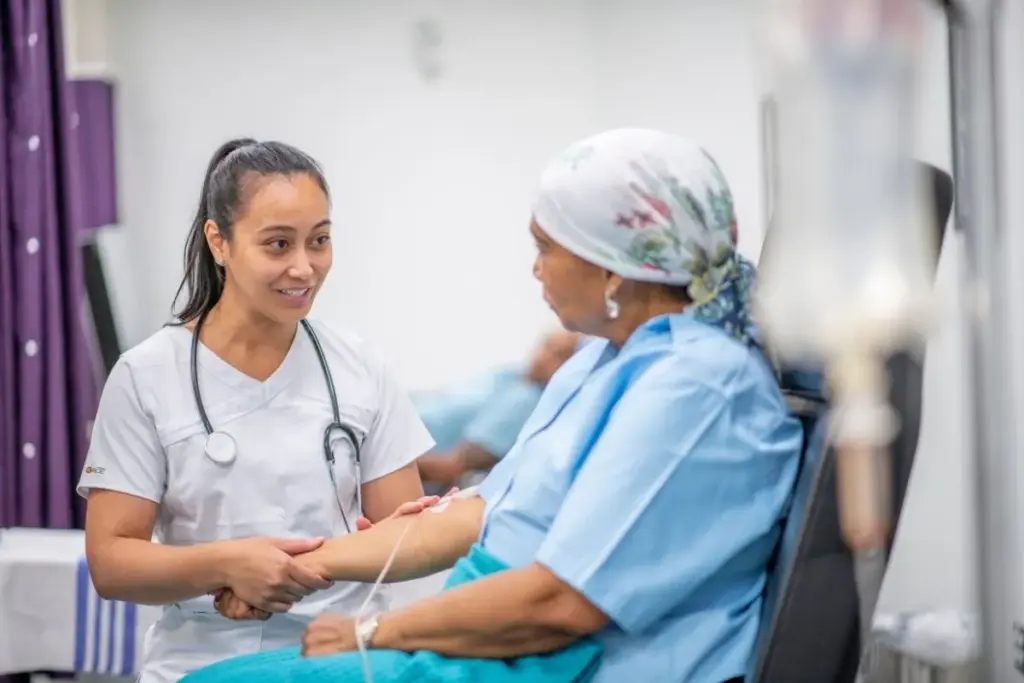
To understand cancer, we must explore its nature and how it develops. This involves a mix of cell changes and genetic mutations. Cancer is a complex disease shaped by genetics, environment, and lifestyle.
Cellular Changes in Cancer Formation
Cancer starts with genetic mutations in cells. These can come from many sources like environment, lifestyle, and genes we inherit. These changes mess up cell function, causing cells to grow out of control and form tumors.
The process includes several important steps:
- Genetic mutations that change how cells behave
- Disruption of normal cell control
- Cells start growing uncontrollably
- Tumors form and can grow into cancer
Metastasis and Cancer Progression
Metastasis is a key part of cancer growth, where cancer cells move to other parts of the body. This makes treatment harder and is a big reason for cancer deaths.
Metastasis has different stages:
- Cancer cells invade nearby tissues
- They enter the bloodstream or lymph system
- They travel to other places
- They form new tumors
Distinguishing Benign from Malignant Tumors
Telling benign from malignant tumors is key for treatment. Benign tumors are not cancer and don’t spread. Malignant tumors are cancer and can spread.
|
Characteristics |
Benign Tumors |
Malignant Tumors |
|---|---|---|
|
Growth Pattern |
Slow, expansive growth |
Rapid, invasive growth |
|
Metastasis |
No metastasis |
Can metastasize |
|
Treatment |
Often surgical removal |
Multimodal treatment (surgery, chemotherapy, radiation) |
At Liv Hospital, our oncology team deals with tough cancer cases. We offer full care, from diagnosis to treatment and support during therapy.
Global Cancer Statistics: By the Numbers
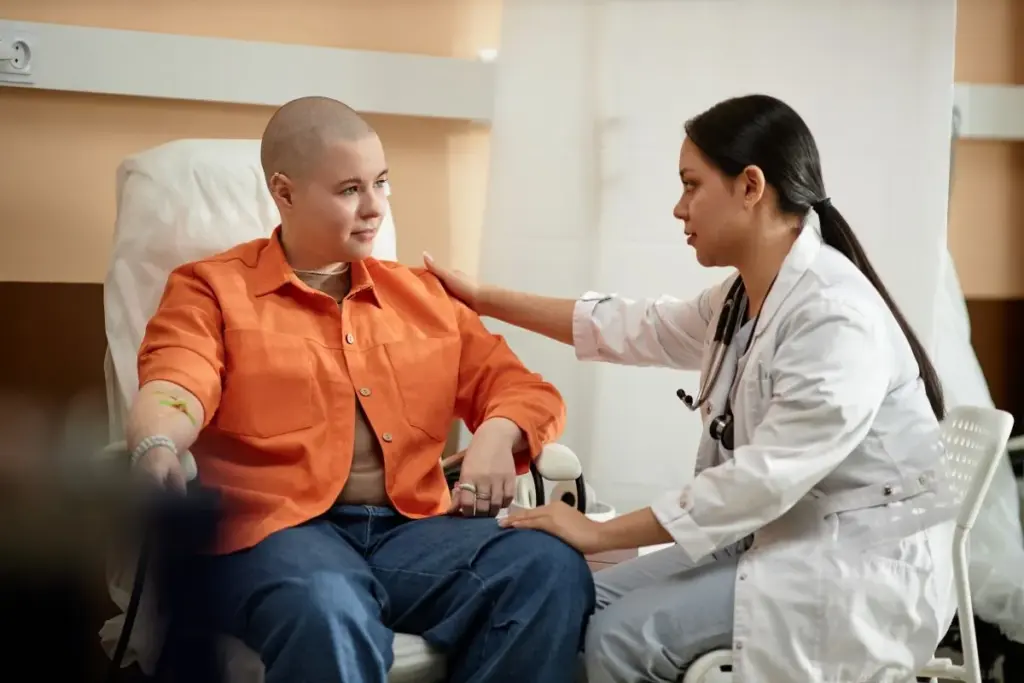
It’s important to know the global cancer statistics to fight cancer effectively. Cancer is a major cause of death around the world. It affects different areas and people in various ways. We look at the latest data on cancer cases, deaths, and where cancer is more common.
Worldwide Cancer Incidence in 2022
In 2022, the number of new cancer cases was very high. Some cancers were more common than others. Lung cancer was the most common, followed by breast, colorectal, prostate, and stomach cancers.
These numbers show how different cancer types are. They also show we need many ways to fight cancer. For more information, check out the World Cancer Research Fund.
Mortality Rates Across Different Cancers
Death rates from cancer vary by type. Lung cancer has one of the highest death rates, mainly because of smoking. Breast and prostate cancers have lower death rates thanks to better detection and treatment.
Knowing these rates helps us focus our cancer research and prevention efforts.
Geographical Variations in Cancer Prevalence
Where cancer is more common changes based on lifestyle, genetics, and environment. For example, stomach cancer is common in some Asian areas because of diet and Helicobacter pylori infections. Breast cancer is more common in Western countries due to diet and reproductive habits.
These differences highlight the need for cancer prevention plans that fit each area’s needs. At Liv Hospital, we offer cancer care that meets the needs of patients from all over.
Lung Cancer: The Leading Cause of Cancer Deaths
Lung cancer is the top cause of cancer deaths worldwide. It’s a major public health issue. Knowing its causes and how to prevent it is key to fighting it.
Incidence and Mortality Statistics
In 2022, lung cancer caused about 1.8 million deaths. This shows its deadly impact. The rates of getting and dying from lung cancer differ by place, due to various risk factors.
|
Region |
Incidence Rate |
Mortality Rate |
|---|---|---|
|
North America |
55.5 per 100,000 |
45.6 per 100,000 |
|
Europe |
53.5 per 100,000 |
43.8 per 100,000 |
|
Asia |
40.9 per 100,000 |
38.4 per 100,000 |
Risk Factors with Focus on Smoking
Smoking is the biggest risk for lung cancer, causing 80-90% of deaths. Other risks include asbestos, radon, pollution, and genes.
Smoking Cessation: Stopping smoking greatly lowers lung cancer risk. Many resources help people quit.
Symptoms, Detection Methods, and Treatment Options
Finding lung cancer early is key to better survival chances. Signs include coughing, chest pain, and breathing trouble. For those at high risk, LDCT scans are a good screening.
Advanced Treatment Options: Treatments include surgery, chemo, radiation, targeted therapy, or immunotherapy. Liv Hospital offers the latest care to help patients.
Knowing the risks and taking steps to prevent lung cancer can help. Early detection and new treatments are vital for managing the disease and saving lives.
Breast Cancer: Most Diagnosed Cancer in Women
Breast cancer is a big health problem, with over 2.3 million new cases in 2022. It’s the most common cancer in women worldwide. This makes it a big challenge for health efforts globally.
Global Impact and Statistical Significance
Breast cancer affects many places and people differently. Its high numbers make it a key focus for research and health policies.
It’s a major cause of cancer in women, according to global data. We need to keep working on early detection and treatment to save more lives.
|
Region |
Incidence Rate |
Mortality Rate |
|---|---|---|
|
North America |
124.8 per 100,000 |
19.6 per 100,000 |
|
Europe |
113.6 per 100,000 |
20.4 per 100,000 |
|
Asia |
35.8 per 100,000 |
10.3 per 100,000 |
Risk Factors and Genetic Considerations
Knowing the risk factors for breast cancer is key to preventing and catching it early. Genetic mutations in BRCA1 and BRCA2 genes raise the risk a lot.
Other factors include family history, age, and lifestyle. Women with a family history of breast cancer should get regular screenings and think about genetic counseling.
- Genetic mutations (BRCA1 and BRCA2)
- Family history of breast cancer
- Age (risk increases with age)
- Lifestyle factors (e.g., alcohol consumption, obesity)
Screening Guidelines and Treatment Advances
Screening early is vital for better survival rates. Screening guidelines suggest regular mammograms for certain ages or high-risk groups.
New treatments have greatly helped patients. These include surgical options, chemotherapy, radiation therapy, and targeted therapies. Now, treatments are more personalized to fit each patient’s needs.
- Mammography screening
- Clinical breast examination
- Genetic testing for high-risk individuals
Colorectal Cancer: Third Most Common Worldwide
Colorectal cancer is a big health issue globally, ranking as the third most common cancer. In 2022, it led to 1.9 million new cases. This puts a big strain on healthcare systems worldwide.
Incidence and Mortality Rates
The number of colorectal cancer cases differs by region. Developed countries see more cases. The death rates from this cancer are also high, showing the need for better screening and treatment.
|
Region |
Incidence Rate |
Mortality Rate |
|---|---|---|
|
North America |
45.6 per 100,000 |
16.3 per 100,000 |
|
Europe |
42.1 per 100,000 |
15.1 per 100,000 |
|
Asia |
23.8 per 100,000 |
10.4 per 100,000 |
Dietary and Lifestyle Risk Factors
Diet and lifestyle greatly affect colorectal cancer risk. Eating less fiber and more processed meat, not being active, and being overweight are big risks. Changing these habits can lower the risk of colorectal cancer.
- A low-fiber diet
- High consumption of processed meat
- Lack of physical activity
- Obesity
Screening Methods and Prevention Strategies
Good screening is key to catching colorectal cancer early. Colonoscopy is the best way to find and remove polyps before they turn cancerous. Other tests like fecal occult blood tests (FOBT) and sigmoidoscopy also help.
- Colonoscopy
- Fecal occult blood tests (FOBT)
- Sigmoidoscopy
At Liv Hospital, we stress the importance of screening. Our gastroenterology team uses the latest technology for accurate diagnoses and effective treatments.
Prostate Cancer: Leading Male Cancer Diagnosis
Prostate cancer is a major health issue for men, with over 1.5 million new cases in 2022. It affects men worldwide, with many factors leading to its development.
Statistical Overview and Global Impact
Prostate cancer statistics show a worrying trend. In 2022, 1 in 8 men were expected to get diagnosed with prostate cancer. The disease’s global impact is huge, with different rates in different places.
Regional Variations: The rate of prostate cancer varies a lot around the world. It’s more common in developed countries, thanks to more PSA tests being done.
Understanding Risk Factors and Age Correlation
Age is a big risk factor for prostate cancer, with most cases found in men over 65. Family history also matters, with a higher risk if a first-degree relative has had it.
Genetic Considerations: Some genetic mutations, like in BRCA1 and BRCA2, raise the risk of prostate cancer. Knowing these risk factors helps with early detection and prevention.
Detection Methods and Treatment Approaches
Screening with the PSA test and DRE can lead to better treatment results. New tests like MRI and biopsy help in planning treatment.
Treatment Options: Treatment depends on the cancer’s stage and how aggressive it is. Options include active surveillance, surgery, radiation, and hormone therapy.
At Liv Hospital, we use a team approach for prostate cancer treatment. We work with the latest in oncology to create personalized plans for each patient.
Stomach Cancer: Regional Variations and Risk Factors
Stomach cancer, also known as gastric cancer, is a big health problem worldwide. It shows up more in some places than others. This means the rates of stomach cancer vary greatly around the globe.
Global Incidence and Geographical Hotspots
Stomach cancer is a major health issue globally. Its rates differ a lot in different areas. The highest rates are seen in East Asia, like Japan and South Korea. Eastern Europe and parts of South America also have high rates.
|
Region |
Incidence Rate (per 100,000) |
|---|---|
|
East Asia |
35.4 |
|
Eastern Europe |
20.6 |
|
South America |
18.3 |
|
North America |
7.4 |
|
Western Europe |
10.3 |
H. pylori Infection and Other Risk Factors
A big risk for stomach cancer is Helicobacter pylori (H. pylori) infection. This bacterium can cause long-term stomach problems. Other risks include eating too much salt, not enough fruits and veggies, smoking, and having a family history of stomach cancer.
Some lifestyle and environmental factors also raise stomach cancer risk. For example, eating too much salt and not enough fresh foods can be harmful. Smoking and being overweight also increase the risk.
Symptoms, Diagnosis, and Treatment Options
The symptoms of stomach cancer can be hard to spot. They might include stomach pain, losing weight, and trouble swallowing. Finding it early is key to treating it well.
Doctors use endoscopy, imaging tests, and more to find and check how far the cancer has spread. Treatment depends on how far the cancer has gone. It might include surgery, chemo, radiation, or a mix of these.
At Liv Hospital, we treat stomach cancer with a team effort. We use the newest ways to diagnose and treat to help our patients as much as we can.
Liver Cancer: High Mortality Despite Lower Incidence
Liver cancer is a big worry worldwide, even though it’s not as common as other cancers. It’s deadly, and we need to look at the numbers and how to stop it.
Global Statistics and Mortality Impact
Liver cancer is the sixth most common cancer globally but is the fourth leading cause of death. In 2022, over 840,000 new cases were reported, leading to about 780,000 deaths. The high death rate comes from late diagnosis and few treatment options.
|
Region |
Incidence Rate (per 100,000) |
Mortality Rate (per 100,000) |
|---|---|---|
|
Global |
9.5 |
8.7 |
|
Eastern Asia |
20.1 |
18.3 |
|
South-Eastern Asia |
13.4 |
12.1 |
|
Northern America |
6.3 |
4.9 |
|
Europe |
7.1 |
5.6 |
Viral Hepatitis and Other Contributing Factors
Viral hepatitis, like hepatitis B and C, is a big risk for liver cancer. It can cause cirrhosis and cancer. Other risks include aflatoxin, alcohol, and fatty liver disease.
Viral Hepatitis: Hepatitis B and C are behind many liver cancer cases. Vaccines and screenings are key to preventing it.
Prevention Strategies and Current Treatments
To fight liver cancer, we can vaccinate against hepatitis B, screen for hepatitis C, and avoid aflatoxins. We also need to drink less and eat right. Treatments include surgery, transplantation, and new medicines.
At Liv Hospital, we use the latest in cancer treatment. Our team works together to give each patient the best care.
Cancer Types by Gender: Significant Differences
Cancer types vary a lot between men and women. This is due to biological and lifestyle factors. Knowing these differences helps us create better prevention and treatment plans.
Male-Predominant Cancers and Their Characteristics
Men are more likely to get prostate, liver, and stomach cancers. Prostate cancer is a big deal in many countries, mainly in the West. Risk factors include age, family history, and genetics.
Prostate Cancer Statistics:
|
Region |
Incidence Rate |
Mortality Rate |
|---|---|---|
|
North America |
120 per 100,000 |
20 per 100,000 |
|
Europe |
100 per 100,000 |
25 per 100,000 |
|
Asia |
50 per 100,000 |
15 per 100,000 |
Female-Predominant Cancers Beyond Breast Cancer
Breast cancer is the top cancer in women, but thyroid and cervical cancers are also more common. Thyroid cancer, for example, is linked to hormones and genetics.
“The incidence of thyroid cancer is significantly higher in women, highlighting the need for gender-specific research into risk factors and treatment options.”
Endocrinologist
Biological and Lifestyle Factors Explaining Differences
Biological, hormonal, and lifestyle factors explain why men and women get different cancers. Sex hormones, like estrogen and testosterone, play a big role in cancer risk.
- Biological Factors: Genetic predispositions, hormonal influences.
- Lifestyle Factors: Smoking, diet, physical activity levels.
Understanding these factors helps us make better prevention and treatment plans for both men and women.
Age-Related Patterns in Cancer Diagnosis
Cancer diagnosis shows different patterns in different age groups. This is due to genetics, environment, and lifestyle. Knowing these patterns helps us give better care and improve outcomes for all ages.
Pediatric Cancers: Types and Considerations
Pediatric cancers are rare but challenging. They have unique biology and affect young patients. Common types are leukemias, brain tumors, and lymphomas.
Treatments for kids with cancer aim to protect their development and quality of life. Diagnosing and treating cancer in children needs special care. This includes the child’s health, the cancer type, and its stage.
Young Adult Cancer Patterns
Cancer in young adults is different from children or older adults. It includes types like testicular cancer and certain leukemias. Lifestyle, genetics, and environment are key factors.
Young adults with cancer face unique challenges. These include fertility, career, and family planning. Supportive care that addresses these is vital for their well-being.
Cancer in Older Adults: Increased Risk and Comorbidities
Older adults face a higher risk of cancer. This is due to genetic damage and body changes with age. Comorbidities make diagnosis and treatment harder, needing careful health assessment.
It’s important to tailor treatments for older adults. We need to balance cancer treatment with managing other health issues. This helps preserve their quality of life.
|
Age Group |
Common Cancer Types |
Key Considerations |
|---|---|---|
|
Pediatric |
Leukemias, Brain Tumors, Lymphomas |
Minimizing long-term treatment effects, specialized pediatric care |
|
Young Adults |
Testicular Cancer, Specific Leukemias |
Lifestyle factors, fertility preservation, impact on life plans |
|
Older Adults |
Prostate, Breast, Colorectal, Lung Cancers |
Comorbidities, age-related health changes, quality of life |
Understanding Cancer Types and Their Classifications
It’s important to know the different types of cancer and how they are classified. Cancer is a term for many diseases where cells grow and spread without control. The main way to classify cancer is by the type of cell or tissue it affects.
Carcinomas: The Most Common Cancer Type
Carcinomas are the most common type of cancer. They start in cells that cover the surfaces and cavities of organs. These cancers can happen in many places, like the skin, breast, lung, colon, and prostate. Carcinomas are split into two main types: adenocarcinomas and squamous cell carcinomas, each with its own features.
Adenocarcinomas come from glandular cells and are often found in the breast, prostate, and colon. Squamous cell carcinomas start in squamous cells and are common in the skin, lung, and cervix.
Sarcomas, Leukemias, and Lymphomas
There are other important types of cancer too, like sarcomas, leukemias, and lymphomas. Sarcomas start in connective tissues like bones, muscles, and fat. They are less common than carcinomas.
- Sarcomas can be divided into osteosarcomas (bone cancers) and soft tissue sarcomas.
- Leukemias are cancers of the blood and bone marrow, marked by abnormal blood cell growth.
- Lymphomas are cancers of the lymphocytes, a key white blood cell for the immune system.
Brain and Central Nervous System Cancers
Cancers in the brain and central nervous system are complex and hard to treat. They can be primary (starting in the brain or CNS) or metastatic (spreading to the brain or CNS from elsewhere).
|
Cancer Type |
Origin |
Common Locations |
|---|---|---|
|
Carcinomas |
Epithelial cells |
Skin, breast, lung, colon, prostate |
|
Sarcomas |
Connective or supportive tissues |
Bones, muscles, fat |
|
Leukemias |
Blood and bone marrow |
Blood, bone marrow |
|
Lymphomas |
Lymphocytes |
Lymph nodes, spleen |
|
Brain and CNS Cancers |
Brain or CNS tissues |
Brain, spinal cord |
Less Common but Significant Cancer Types
We often focus on the most common cancers. But it’s also important to look at less common types that affect many lives. These cancers, while not as common, have big impacts on patients and their families. Knowing about their risk factors, symptoms, and treatments is key to better outcomes.
Pancreatic Cancer: A High Mortality Rate
Pancreatic cancer is rare but deadly. It’s often found late, making treatment hard. Risk factors include smoking, obesity, and a family history of pancreatic cancer. Researchers are working on early detection, but more is needed to save lives.
Esophageal Cancer: Regional Variations
Esophageal cancer rates vary worldwide. Risk factors include chronic gastroesophageal reflux disease (GERD), smoking, and alcohol. Knowing these differences helps in creating targeted prevention plans.
Cervical Cancer: A Preventable Malignancy
Cervical cancer is mainly caused by HPV, making it preventable. Regular Pap smears and HPV vaccinations are key to lowering cervical cancer rates. We stress the importance of these steps in our care.
Bladder and Kidney Cancers
Bladder and kidney cancers are big concerns in urology. Risk factors for bladder cancer include smoking and certain chemicals, while kidney cancer is linked to obesity and high blood pressure. Early detection and treatment can greatly improve outcomes.
At Liv Hospital, we’re dedicated to caring for patients with these less common cancers. Our team of experts works together to provide the best treatments. This includes surgery, chemotherapy, targeted therapies, and supportive care.
Common Risk Factors Across Multiple Cancer Types
It’s important to know the common risk factors for different cancers. This knowledge helps us find ways to prevent cancer. Many cancers have similar causes, and knowing these can help us fight cancer better.
Tobacco and Alcohol Consumption
Tobacco is the biggest preventable cause of cancer, causing about 22% of cancer deaths. Tobacco use is linked to lung, mouth, throat, and esophageal cancers. Alcohol also increases cancer risk, affecting breast, liver, and colorectal cancers. Using both tobacco and alcohol raises the risk even more.
- Lung cancer is the leading cause of cancer deaths worldwide, with tobacco smoking being the primary risk factor.
- Alcohol consumption is associated with an increased risk of breast cancer in women.
Dietary Patterns and Obesity
Dietary patterns and obesity are big risks for many cancers. Eating too much processed food and red meat, and not enough fruits and veggies, raises cancer risk. Being overweight increases the risk of breast, colon, and kidney cancers. Eating well and staying active can help lower this risk.
- Eating more fruits, veggies, and whole grains can lower cancer risk.
- Regular exercise is linked to lower cancer risk.
Environmental Exposures and Occupational Hazards
Some environmental carcinogens and occupational hazards raise cancer risk. For example, asbestos causes mesothelioma, and workplace chemicals can increase cancer risk. The World Health Organization (WHO) says we need to know more about these risks. For more info, check out the WHO’s report on global cancer burden.
Genetic Predispositions and Family History
Genetic predispositions and family history are key in cancer risk. People with a family history of cancer might be at higher risk. They should think about genetic counseling and screening. Knowing your genetic risk can help in early detection and prevention.
- Genetic testing can identify mutations that increase cancer risk.
- Family history is a significant risk factor for certain cancers, such as breast and ovarian cancer.
Modern Approaches to Cancer Treatment
Today, cancer treatment includes many therapies. From old methods to new technologies, we use them all. Our goal is to give our patients the best care possible.
Surgery and Radiation Therapy
Surgery is key in fighting cancer. It lets us remove tumors and affected tissues. New surgical methods, like minimally invasive surgery, help patients heal faster.
Radiation therapy uses high-energy rays to kill cancer cells. We use advanced techniques like IMRT and SBRT. These methods aim to hit tumors hard while protecting healthy tissue.
Chemotherapy and Targeted Therapies
Chemotherapy uses drugs to kill or slow cancer cells. We choose the right drugs for each cancer type and stage.
Targeted therapies are more precise. They focus on specific cancer molecules. This approach can be more effective and have fewer side effects than traditional chemotherapy.
Immunotherapy and Precision Medicine
Immunotherapy boosts the immune system to fight cancer. We use different immunotherapies, like checkpoint inhibitors and CAR-T cell therapy. These help the body fight cancer better.
Precision medicine tailors treatment to each patient’s cancer. By looking at genetic and molecular data, we find the best treatments. This way, we avoid unnecessary treatments.
Emerging Treatment Modalities
New treatments are always coming. We’re seeing oncolytic virus therapy, cancer vaccines, and advanced targeted therapies. These are being tested and could change cancer treatment.
|
Treatment Modality |
Description |
Benefits |
|---|---|---|
|
Surgery |
Removal of tumors and affected tissues |
Can be curative for localized cancers |
|
Radiation Therapy |
Use of high-energy rays to destroy cancer cells |
Precise targeting of tumors, sparing healthy tissue |
|
Chemotherapy |
Use of drugs to kill cancer cells or stop their growth |
Systemic treatment, effective for various cancer types |
|
Targeted Therapies |
Focus on specific molecules involved in cancer growth |
More precise than chemotherapy, fewer side effects |
|
Immunotherapy |
Harnesses the immune system to fight cancer |
Can provide long-term cancer control |
|
Precision Medicine |
Tailors treatment to individual cancer characteristics |
Maximizes effectiveness, minimizes unnecessary treatment |
Academic Protocols in Cancer Care: The Liv Hospital Approach
At Liv Hospital, we stick to strict academic protocols in cancer care. This means our patients get the best treatment possible. We follow global standards and the latest in oncology to ensure top-notch care.
International Standards in Oncology Practice
We follow international standards in oncology practice. This lets us give our patients the best care. Every patient gets a treatment plan made just for them.
By sticking to these standards, our patients get the newest cancer treatments. Our team keeps up with the latest research and guidelines. This keeps our practice leading in oncology.
Preventative and Curative Treatment Philosophy
Our preventative and curative treatment philosophy is all-encompassing. We focus on preventing cancer and treating it well when it happens. This approach is tailored to each patient’s needs.
This philosophy shapes our treatment plans. They’re holistic, including treatment and supportive care. This improves patient outcomes and quality of life.
Interdisciplinary Healthcare for Complete Cancer Management
At Liv Hospital, we believe in interdisciplinary healthcare for complete cancer care. Our teams include experts from many fields. They work together for cohesive care.
This teamwork ensures our patients get a wide range of care. From diagnosis to treatment and follow-up, we address all health aspects. This approach supports our patients’ health and well-being fully.
Conclusion: Advances in Understanding and Treating Common Cancers
Big steps have been taken in fighting common cancers. This has led to better care for patients through early detection and personalized treatments. The National Cancer Institute says there will be about 2,041,910 new cancer cases in the U.S. in 2025. This shows we need to keep working on cancer treatments.
New treatments are more focused and work better, thanks to precision medicine and immunotherapy. Cancers like breast, prostate, lung, and colorectal are being fought with surgery, radiation, and chemo. For example, cancer stats for 2025 show breast cancer will top the list for women, and prostate cancer for men.
At Liv Hospital, we aim to give top-notch cancer care. Our team uses a team effort to help patients from start to finish. We’re all about making sure patients get the best care possible. As we keep learning and improving cancer treatments, we’re here to offer hope and healing to people everywhere.
FAQ
What are the most common types of cancer worldwide?
The top cancers globally are lung, breast, and colorectal cancers. Prostate and stomach cancers also rank high. Each has a big impact and different rates of occurrence.
What is the leading cause of cancer deaths globally?
Lung cancer leads in deaths worldwide. It’s caused by smoking and other factors. This cancer has high rates of occurrence and death.
What are the risk factors for developing common cancers?
Common cancers are linked to lifestyle choices. Smoking and drinking too much alcohol are big risks. So are bad diets, being overweight, and exposure to harmful substances. Genetics also play a role.
How do cancer types vary by gender?
Cancer types differ by gender. Men are more likely to get prostate cancer. Women are more likely to get breast cancer. Each has its own risk factors and characteristics.
What are the different classifications of cancer?
Cancer is classified into several types. These include carcinomas, sarcomas, and leukemias. There are also lymphomas and cancers of the brain and nervous system. Each type has its own treatment options.
What are the modern approaches to cancer treatment?
Today, cancer treatment is diverse. It includes surgery, radiation, and chemotherapy. There are also targeted therapies, immunotherapy, and precision medicine. These methods are often used together.
How does Liv Hospital approach cancer care?
Liv Hospital follows international standards in cancer care. They have a team of experts who work together. This team offers both prevention and treatment options.
What is the significance of early detection in cancer treatment?
Finding cancer early is key. It allows for better treatment and outcomes. Early detection means catching cancer before it spreads.
What are the geographical variations in cancer prevalence?
Cancer rates vary by region. This shows the need for local cancer control plans. Each area has its own cancer patterns.
How do age-related patterns impact cancer diagnosis?
Cancer types change with age. Some cancers are more common in certain age groups. This affects how they are treated and managed.
References
- World Health Organization. (2024). Global cancer burden growing, amidst mounting need for services. Retrieved from https://www.who.int/news/item/01-02-2024-global-cancer-burden-growing–amidst-mounting-need-for-services
- World Cancer Research Fund International. (n.d.). Worldwide cancer data. Retrieved from https://www.wcrf.org/preventing-cancer/cancer-statistics/worldwide-cancer-data/
- Hematology Advisor. (2025). Cancer Statistics for 2025. Retrieved from https://www.hematologyadvisor.com/news/cancer-statistics-for-2025/
- World Health Organization. (n.d.). Cancer. Retrieved from https://www.who.int/news-room/fact-sheets/detail/cancer
- National Cancer Institute. (n.d.). Cancer Statistics. Retrieved from https://www.cancer.gov/about-cancer/understanding/statistics