
Cancer involves abnormal cells growing uncontrollably, invading nearby tissues, and spreading to other parts of the body through metastasis.
Send us all your questions or requests, and our expert team will assist you.

Hematopoietic Stem Cell Transplantation, often called Bone Marrow Transplant, is a leading treatment in cellular therapy and regenerative medicine. Instead of being just a surgery, it is a process that replaces a damaged or diseased blood-forming system with a healthy one. In medical terms, this means giving patients an infusion of stem cells through a vein to restore bone marrow function. This approach uses the special ability of CD34-positive stem cells to rebuild the body’s immune and blood systems.
The meaning of this therapy has changed over time. While ‘bone marrow transplant’ originally meant taking liquid marrow from the hip bones, today stem cells can also come from the bloodstream or umbilical cord blood collected at birth. No matter the source, the main goal is the same: to help patients recover from strong chemotherapy or to let the donor’s immune system fight any remaining cancer cells.
Doctors divide these transplants into two main types based on where the stem cells come from. In autologous transplants, patients get their own stem cells back after high-dose chemotherapy, which helps treat cancers like lymphoma or multiple myeloma. In allogeneic transplants, the stem cells come from a matched donor, either a family member or a volunteer. This type not only replaces the blood but also gives the patient a new immune system that can help find and destroy cancer cells, known as the graft versus leukemia effect.
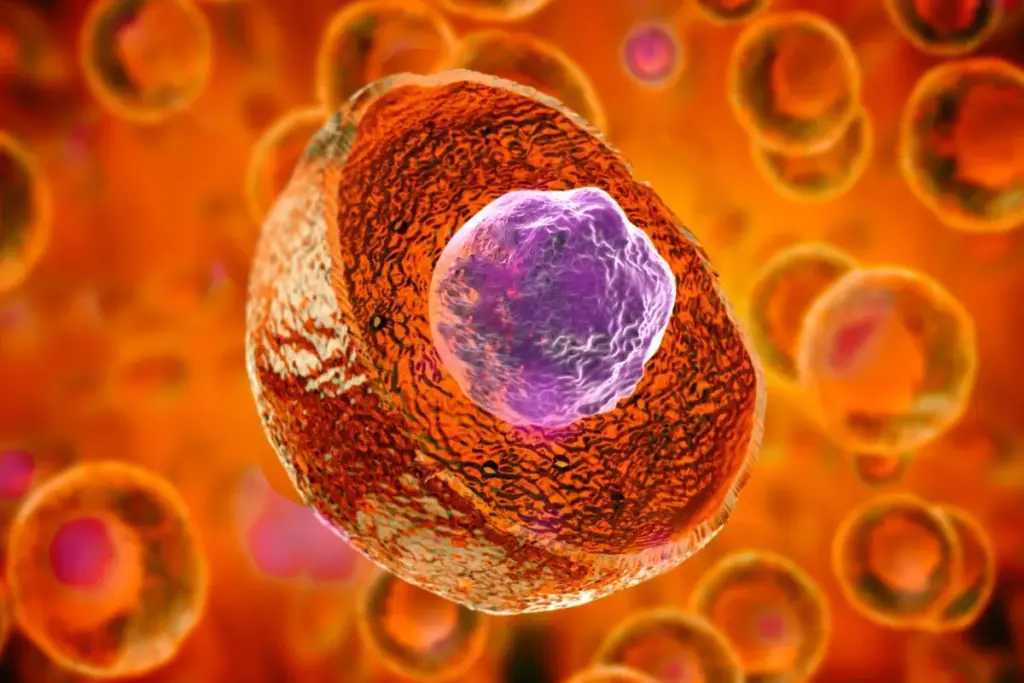
The success of a transplant depends on the environment where stem cells live, called the stem cell niche, found in the spongy part of bone. This area helps stem cells stay inactive, renew themselves, or become different types of blood cells. Transplantation disrupts this environment. Chemotherapy or radiation clears out the patient’s own cells, making room and sending signals that attract the new donor cells. This process, called homing, is when the new stem cells move from the blood into the bone marrow, guided by specific molecules on the cell surfaces.
From a regenerative perspective, the transplant is a race against time. Once the stem cells home to the niche, they must proliferate rapidly to restore protective levels of blood cells before the patient succumbs to infection or bleeding. This period of aplasia is the defining physiological crisis of the procedure. The success of the transplant is defined by engraftment, the sustained production of blood cells by the donor stem cells, marking the successful colonization of the host marrow by the graft.
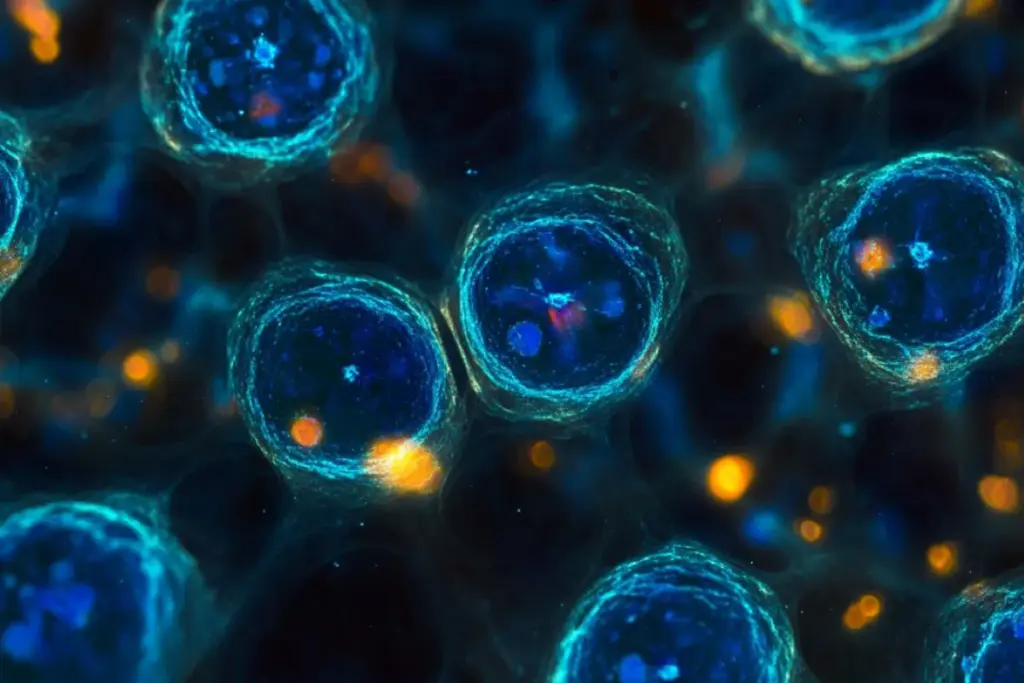
Allogeneic transplantation is special because it rebuilds the patient’s immune system, not just a single organ. Unlike a kidney or liver transplant, the new immune system must adjust to the patient’s body and still fight infections and cancer. This rebuilding process can take months or even years. The thymus gland helps train new immune cells, but in older adults, it works less well, so the immune system has to rely on expanding existing cells from the donor, which is less efficient.
Key Physiological Mechanisms Utilized
Send us all your questions or requests, and our expert team will assist you.
Autologous transplant uses the patient’s own stem cells, collected before high-dose chemotherapy, acting as a rescue to restore blood counts. Allogeneic transplant uses stem cells from a donor, either a relative or a registry match, which provides a new immune system to fight the cancer but carries a risk of the donor cells attacking the patient.
Hematopoietic stem cells are immature cells found in the bone marrow and blood that have the unique ability to develop into all types of blood cells, including red blood cells, white blood cells, and platelets. They are the essential seeds used in a transplant to regenerate the patient’s blood and immune system.
No, the transplant itself is not a surgery. It is a non-invasive procedure similar to a blood transfusion. The stem cells are infused intravenously through a central line and naturally travel through the bloodstream to reach the bone marrow, a process called homing.
The name has evolved because the source of the cells has changed. While cells can still be taken from the bone marrow, they are now more commonly collected from the bloodstream, peripheral blood stem cells, after being mobilized with medication. The term hematopoietic stem cell transplant covers all sources, including marrow, blood, and umbilical cord.
The Graft versus Tumor effect is a beneficial biological response in which the donor’s healthy immune cells recognize the patient’s residual cancer cells as foreign and attack them. This is the primary curative mechanism in allogeneic transplants and is a powerful form of natural immunotherapy.


A nuclear bone scan is a test that doctors use to find and track bone problems. This includes cancer, infections, and fractures. Did you know

When bone metastases happen, knowing the symptoms and how to diagnose them is key. At Liv Hospital, we focus on giving top-notch care to those


A CT-guided bone marrow biopsy is a safe and precise way to take a sample of bone marrow. It uses CT imaging to find the

A CT guided bone marrow biopsy is a medical test that uses computed tomography to take samples of bone marrow. The price of a CT

Nearly 1 in 2 people will face a bone-related issue at some point. This makes tools like bone scans very important for treatment. A bone
