Learn about Colorectal Cancer (Colon), its definition, causes, and the main types of cancer that affect the colon and rectum, guiding treatment planning.
Send us all your questions or requests, and our expert team will assist you.
Colon cancer is a malignant growth that begins in the large intestine, which is the final part of the digestive tract. It typically starts as small, noncancerous clumps of cells called polyps that form on the inside of the colon. Over time, some of these polyps can become colon cancers.
The colon acts as the body’s waste processor, absorbing water and electrolytes from food matter before eliminating the rest. When cells in the colon develop errors in their DNA, they grow uncontrollably. This unchecked cell division creates a mass that can invade local tissues and spread to other parts of the body.
Modern oncology categorizes colon cancer as a highly treatable disease when detected in its early stages. The shift towards precision medicine allows doctors to understand the specific genetic makeup of a tumor. This understanding leads to targeted therapies that are more effective and less toxic than traditional treatments.

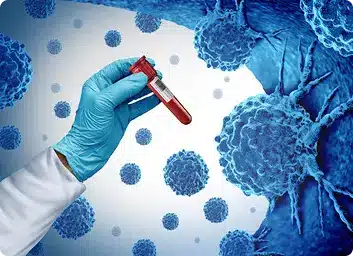
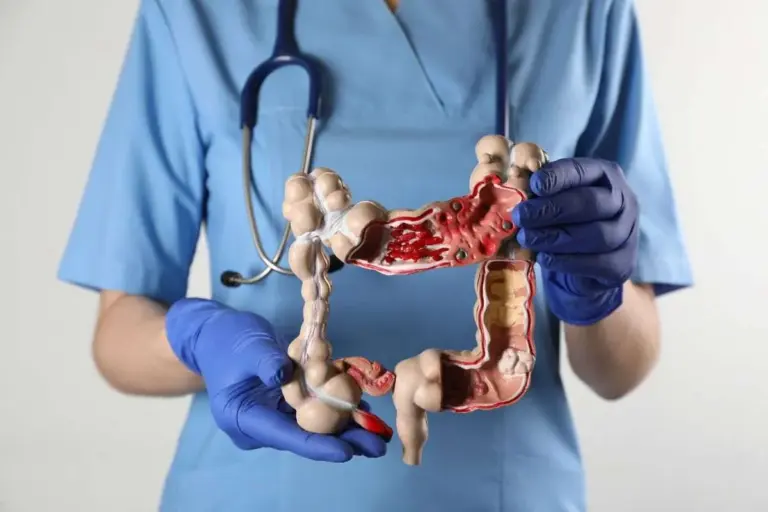
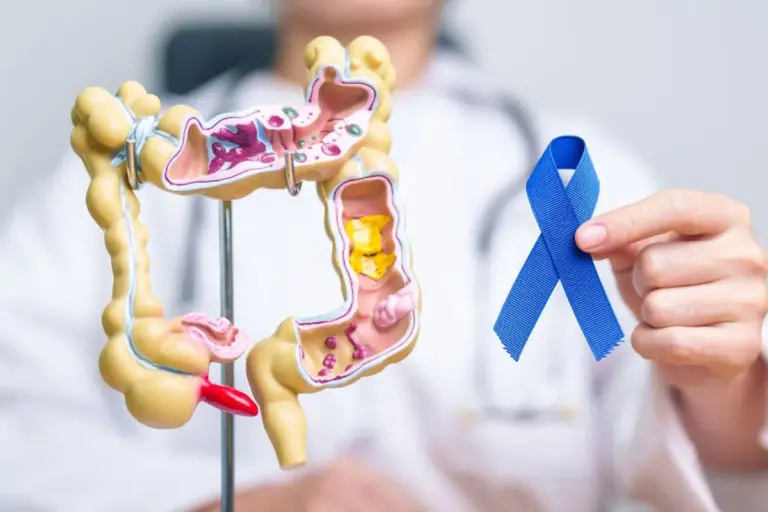
The colon is a muscular tube approximately five feet long. It connects the small intestine to the rectum. It is divided into four main sections: the ascending colon, the transverse colon, the descending colon, and the sigmoid colon.
Each section plays a role in processing waste. The right side of the colon generally handles liquid waste, while the left side handles more solid waste. Understanding which section is affected helps doctors predict symptoms and determine the surgical approach.

Most colon cancers develop slowly over several years. This process usually begins with a polyp, which is a small growth on the inner lining of the colon. Not all polyps become cancer, but almost all colon cancers start as polyps.
There are different types of polyps. Adenomatous polyps are considered precancerous. Hyperplastic polyps are more common but generally carry a lower risk. Identifying and removing these polyps during screening is the primary method for preventing colon cancer.
Cancer occurs when the body’s normal mechanism for cell renewal breaks down. In a healthy colon, cells grow and divide in an orderly fashion to keep the body healthy. When cells grow old or become damaged, they die, and new cells take their place.
In colon cancer, this process is disrupted. New cells form when the body does not need them, and old or damaged cells do not die as they should. The buildup of extra cells often forms a mass of tissue called a tumor.

Recent research highlights the significant role of the gut microbiome in colon health. The colon hosts trillions of bacteria that aid in digestion and immunity. An imbalance in this bacterial community, known as dysbiosis, may contribute to inflammation and carcinogenesis.
Certain bacteria can produce toxins that damage DNA or promote inflammation. Conversely, a healthy microbiome produces short chain fatty acids that nourish colon cells and protect against cancer. This area of study is opening new avenues for prevention and treatment.
Colon cancer is fundamentally a disease of the genes. Two major pathways lead to genetic instability in colon cells. The first is chromosomal instability, where cells gain or lose parts of chromosomes. This is the most common pathway.
The second is microsatellite instability (MSI). This occurs when the DNA repair system is defective. Tumors with high MSI often behave differently and respond differently to treatment, particularly immunotherapy. Testing for these markers is now standard practice.
Colon cancer is one of the most common cancers worldwide. While it has historically affected older adults, there is a concerning rise in diagnoses among people under the age of 50. This trend has led to updates in screening guidelines.
Lifestyle factors prevalent in industrialized nations contribute to these rates. Sedentary behavior, dietary habits, and obesity are strongly linked to the disease. Understanding these demographic shifts helps public health officials target screening and prevention efforts.
The vast majority of colon cancers are adenocarcinomas. These cancers start in the cells that make mucus to lubricate the inside of the colon and rectum. When doctors speak about colon cancer, they are almost always referring to this type.
Other, rarer types of tumors can occur in the colon. These include carcinoid tumors, gastrointestinal stromal tumors (GISTs), lymphomas, and sarcomas. Each of these requires a different treatment approach than adenocarcinoma.
One of the defining characteristics of cancer is its ability to spread. Colon cancer cells can break away from the original tumor and travel through the blood or lymph systems. The liver is the most common site for colon cancer metastasis due to blood flow patterns.
The lungs, peritoneum (lining of the abdomen), and bones are other potential sites of spread. Modern treatments aim not only to remove the primary tumor but also to treat or prevent these distant metastases through systemic therapies.
The rise of early onset colorectal cancer is a critical public health issue. Diagnoses in individuals as young as 20 or 30 are becoming more frequent. The biology of these cancers can sometimes differ from late onset disease.
Researchers are investigating environmental exposures, diet, and potential changes in the microbiome to explain this trend. This shift has resulted in the recommended screening age being lowered to 45 for average risk individuals.
We have moved away from a one size fits all approach. Precision medicine involves analyzing the genetic mutations within a specific patient’s tumor. This allows oncologists to predict which drugs will work best.
For example, tumors with specific mutations may not respond to certain targeted therapies. Knowing this in advance spares the patient from ineffective treatment and unnecessary side effects. It optimizes the care pathway for the individual.

Send us all your questions or requests, and our expert team will assist you.
A polyp is a small clump of cells that forms on the lining of the colon. Most are benign, meaning they are not cancer. However, over time, some polyps can change and become malignant. A tumor refers to a mass of abnormal tissue which can be benign (non cancerous) or malignant (cancerous).
The terms are often used interchangeably, but there is a distinction. Colon cancer affects the large intestine, while rectal cancer affects the last few inches of the digestive tract. Colorectal cancer is a broad term that encompasses both. They are grouped together because they share many features.
Colon cancer generally grows slowly. It often takes years for a small polyp to develop into a cancerous tumor. This slow growth rate is what makes screening so effective, as it provides a large window of opportunity to catch the disease early.
No, having a polyp does not mean you have cancer. Most polyps are harmless. However, because most colon cancers start as polyps, removing them is a preventative measure to ensure they never turn into cancer.
Survival rates vary significantly based on the stage at diagnosis. Localized cancer found early has a very high survival rate, often exceeding 90 percent. Detection at later stages, where it has spread to distant organs, poses more challenges, but treatments are improving survival even in advanced cases.

 Cancer
 Cancer
 Cancer
 Cancer
 Cancer
 Cancer
Leave your phone number and our medical team will call you back to discuss your healthcare needs and answer all your questions.
Your Comparison List (you must select at least 2 packages)