Cancer involves abnormal cells growing uncontrollably, invading nearby tissues, and spreading to other parts of the body through metastasis.
Send us all your questions or requests, and our expert team will assist you.
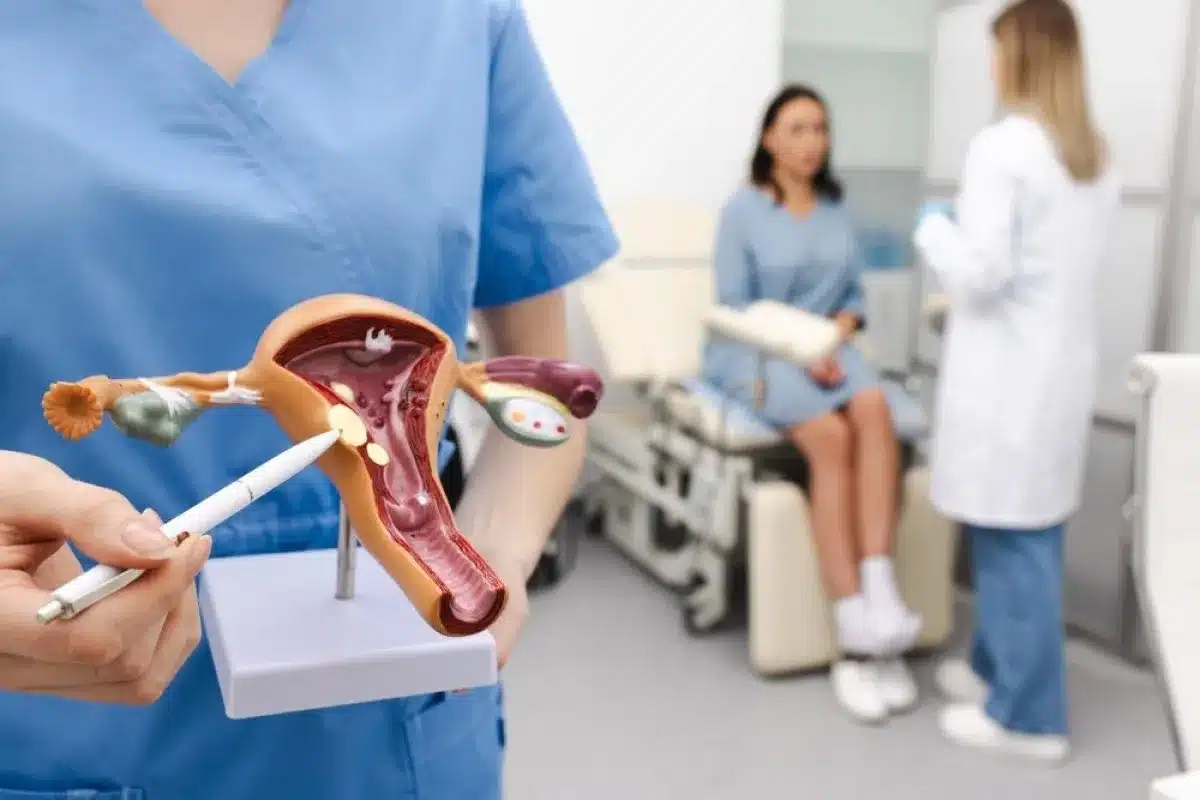
The uterus, also called the womb, is a hollow, pear-shaped organ in the female pelvis between the bladder and rectum. Its main job is to support a developing fetus during pregnancy. The uterus has two main parts: the cervix, which is the lower, narrow opening to the vagina, and the corpus, or body, which is the larger upper part. Endometrial cancer starts in the lining of the corpus. Knowing how the uterus is built helps us understand how this disease develops.
The wall of the uterus has three layers. The outer layer, called the serosa, is a thin protective covering. The middle layer, the myometrium, is made of smooth muscle and produces the strong contractions needed for childbirth. The innermost layer is the endometrium, a tissue that changes in response to hormone levels, especially estrogen and progesterone.
The endometrium has two main layers: the stratum basalis, which is the deep, permanent layer that helps regenerate the lining, and the stratum functionalis, which is the top layer that thickens each month for possible pregnancy and is shed during menstruation if pregnancy does not happen. Cancer usually starts in the gland cells of this top layer. If the normal balance between growth and shedding is disturbed, often due to hormone problems, the cells can grow too much (hyperplasia), which increases the risk of genetic changes and cancer.

The main theory about how endometrial cancer develops is called the “unopposed estrogen” hypothesis. Normally, estrogen causes the endometrial lining to grow, while progesterone, made after ovulation, helps mature the lining and stops further growth. If there is too much estrogen and not enough progesterone, the endometrial cells keep growing without control.
When the endometrial cells keep growing for a long time, the chance of random DNA mistakes goes up. Over time, these mistakes can build up and cause atypical hyperplasia, a precancerous state where the gland cells are crowded and look abnormal. If high estrogen levels continue, these cells may start to invade deeper tissues, which is when cancer forms.
Unopposed estrogen can come from different sources. It can be made inside the body, such as from obesity (where fat tissue turns other hormones into estrogen) or from not ovulating regularly, as in Polycystic Ovary Syndrome. It can also come from outside the body, like taking estrogen-only hormone therapy or Tamoxifen. Most endometrial cancers (Type I) are linked to this hormonal pathway, but some (Type II) develop for other reasons, such as genetic mutations in tumor suppressor genes like p53, and often happen in women with a thin uterine lining.


Doctors have long divided endometrial cancer into two main types based on how the cells look and behave, using the Bokhman classification. Knowing the difference helps predict the outlook and guides how aggressive the treatment should be.
Type I tumors, also called Endometrioid Adenocarcinomas, make up about 80% of cases. These are the typical “estrogen-dependent” cancers. They often start from endometrial hyperplasia, are well-differentiated (the cells look similar to normal endometrial glands), and are usually found early. They generally have a good outlook and respond well to progesterone treatment. These tumors often have estrogen and progesterone receptors, so hormone therapy can be used.
Type II tumors are non-endometrioid cancers, including aggressive types like Serous Carcinoma and Clear Cell Carcinoma. These are usually not caused by too much estrogen and often develop in older, thinner women with a thin uterine lining. The cells look very abnormal and different from normal tissue. Type II tumors tend to spread early to lymph nodes and the abdomen, so they need more aggressive treatment no matter when they are found.
The Bokhman classification was used for many years, but now a more accurate system based on genetics, developed by The Cancer Genome Atlas (TCGA), is taking its place. This new approach divides endometrial cancer into four groups based on genetic changes, helping doctors choose more precise treatments. Instead of just looking at the cells, doctors now focus on the genetic mistakes that cause the cancer.
The first group is called POLE-ultramutated tumors. These cancers have a mutation in the POLE gene, which helps repair DNA. Even though they may look aggressive under the microscope, they usually have a very good outlook and may not need strong treatments like chemotherapy. The second group is called Microsatellite Instability-High (MSI-H) or Mismatch Repair Deficient (MMRd) tumors. These have problems with the proteins that fix DNA mistakes. They are often linked to Lynch Syndrome and respond well to immunotherapy.
The third group, Copy Number Low, mostly includes the usual low-grade endometrioid tumors, which have a good or moderate outlook. The fourth group, Copy Number High (Serous-like), has many mutations in the p53 gene. These cancers are unstable, act aggressively, and have the worst outlook, so they need strong chemotherapy and radiation. Using this genetic information in pathology reports is changing care by helping doctors adjust treatment intensity for each patient.
Endometrial cancer is the most common gynecologic cancer in developed countries, and cases are rising worldwide. This increase is closely linked to the global rise in obesity and metabolic syndrome. Body fat is active and contains an enzyme called aromatase, which turns male hormones into estrogen. In women after menopause, fat becomes the main source of estrogen. So, being overweight leads to higher estrogen levels, which can cause the endometrial lining to grow too much.
Endometrial cancer mostly affects women after menopause, with the average age at diagnosis around 60. Still, some younger women also get it, often due to conditions like Polycystic Ovary Syndrome (PCOS), which causes irregular ovulation. Not having children (nulliparity) is another risk factor, since pregnancy gives the uterus a break from constant estrogen exposure.
On the other hand, things that lower a woman’s lifetime exposure to unopposed estrogen help protect against endometrial cancer. Taking combined birth control pills (with both estrogen and progesterone) lowers the risk, and this benefit lasts for years after stopping the pills. Being physically active also helps by reducing body fat and improving how the body uses insulin. Overall, the data show that endometrial cancer is strongly linked to lifestyle.

Send us all your questions or requests, and our expert team will assist you.
Endometrial hyperplasia is a condition where the lining of the uterus becomes too thick due to an overgrowth of glandular cells. It is not cancer, but it is a precursor. Specifically, “atypical hyperplasia” means the overgrown cells look abnormal and have a high risk of turning into cancer if not treated. Endometrial cancer occurs when these cells have become malignant and have the potential to invade tissues.
Primary endometrial cancer starts in the lining of the uterus. However, as the tumor grows, it can spread downwards into the cervix. This is known as cervical stromal involvement. It is essential to distinguish this from primary cervical cancer (which starts in the cervix), as the causes and treatments are very different.
Most endometrial cancers are sporadic, caused by aging and lifestyle factors. However, about three to five percent are caused by Lynch Syndrome, an inherited genetic condition that impairs DNA repair. Families with Lynch Syndrome often have high rates of colon, endometrial, and ovarian cancers.
Tamoxifen is a drug used to treat breast cancer. While it blocks estrogen in breast tissue, it essentially acts like weak estrogen in the uterus. This can stimulate the uterine lining and slightly increase the risk of endometrial cancer. Women taking Tamoxifen should report any abnormal bleeding immediately, though the benefits for breast cancer usually outweigh this small risk.
Fat cells are not just for energy storage; they are active hormone producers. They contain an enzyme that turns adrenal hormones into estrogen. In women who have gone through menopause, this fat-derived estrogen is the primary source of the hormone. Having more body fat means higher estrogen levels, which overstimulate the uterine lining.


Patients often ask if they’ll be asleep during polyp removal. It depends on the polyp’s type and where it is. At our place, we focus
Gynecological malignancies are cancers that affect the female reproductive system. They need accurate ICD-10 coding for proper diagnosis and treatment. At Liv Hospital, we know

Diagnosis code C57.9 is a key ICD-10 code. It classifies malignant neoplasms of unspecified female genital organs. This code is important for keeping accurate medical

The Canadian Cancer Society says most women with uterine cancer get surgery. The surgery type depends on the cancer stage. A hysterectomy is a big

Having a total hysterectomy is a big decision that affects a woman’s health. One worry is the chance of getting certain cancers after surgery. Studies
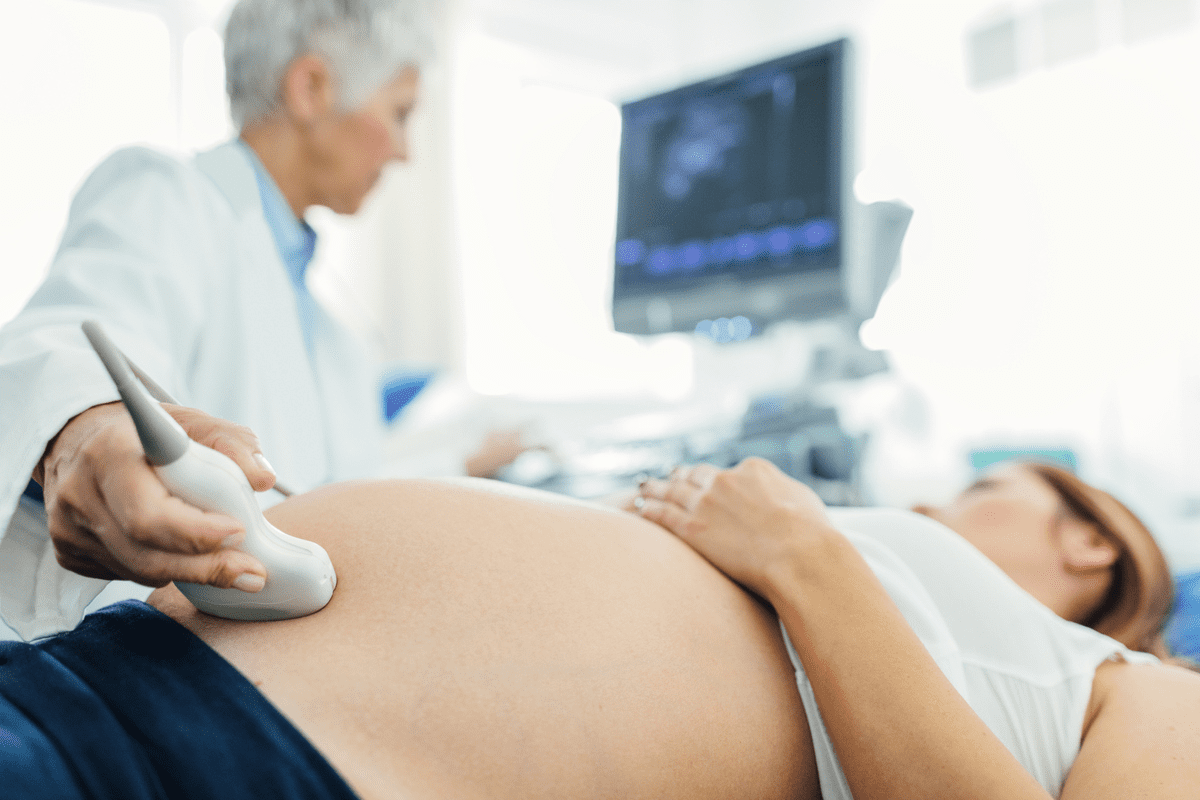
Many women feel anxious about medical imaging procedures. A transvaginal ultrasound is a tool used to see inside the female reproductive organs. It gives a

Leave your phone number and our medical team will call you back to discuss your healthcare needs and answer all your questions.
Leave your phone number and our medical team will call you back to discuss your healthcare needs and answer all your questions.
Your Comparison List (you must select at least 2 packages)