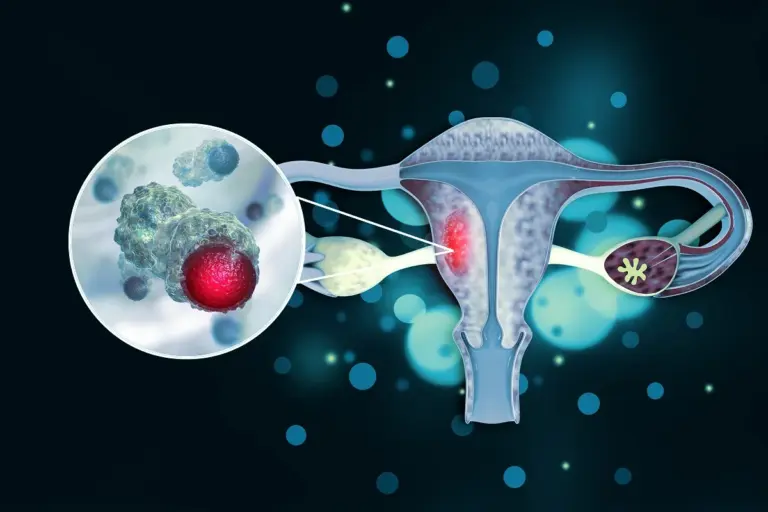
Cancer involves abnormal cells growing uncontrollably, invading nearby tissues, and spreading to other parts of the body through metastasis.
Send us all your questions or requests, and our expert team will assist you.
The overview and definition of cancer immunotherapy provides a clear picture of how the body’s own immune system can be harnessed to fight malignant cells. This page is designed for international patients and caregivers seeking a thorough understanding of this cutting‑edge treatment option. According to recent studies, immunotherapy accounts for more than 30% of all new oncology drug approvals worldwide, underscoring its growing importance in modern cancer care. In the following sections, we will explain the science behind immunotherapy, outline the major treatment categories, discuss potential benefits and risks, and show why Liv Hospital is uniquely positioned to support patients throughout their journey.
By the end of this overview and definition, readers will have the knowledge needed to make informed decisions, ask the right questions during consultations, and feel confident about the role immunotherapy can play in their treatment plan. Let us begin with a concise definition that sets the foundation for the detailed topics that follow.

Cancer immunotherapy is a therapeutic approach that stimulates or restores the immune system’s ability to recognize and destroy cancer cells. Unlike conventional chemotherapy, which directly attacks rapidly dividing cells, immunotherapy works by empowering immune cells—such as T‑lymphocytes, natural killer cells, and dendritic cells—to target tumor antigens with precision.
Key characteristics of immunotherapy include:
Below is a simple comparison that highlights the differences between immunotherapy and traditional treatments:
Aspect | Immunotherapy | Traditional Therapy |
|---|---|---|
Mechanism | Activates immune response | Direct cytotoxic effect |
Side‑Effect Profile | Immune‑related (e.g., colitis, dermatitis) | Systemic toxicity (e.g., nausea, hair loss) |
Long‑Term Benefit | Potential durable remission | Often temporary response |
This overview and definition establishes the foundation for understanding the mechanisms that make immunotherapy a transformative option for many cancer types.
The immune system relies on a complex network of signals to distinguish self from non‑self. Cancer cells exploit these checkpoints to evade detection. Immunotherapy intervenes at several critical points:
Checkpoint inhibitors block proteins such as PD‑1, PD‑L1, and CTLA‑4, which normally act as brakes on T‑cells. By releasing these brakes, T‑cells can recognize and attack tumor cells more effectively.
In adoptive cell therapy, immune cells are extracted from the patient, genetically modified or expanded ex vivo, and then reinfused. CAR‑T cell therapy is a prominent example, where T‑cells are engineered to express chimeric antigen receptors that bind specific tumor antigens.
Vaccines introduce tumor‑associated antigens to the immune system, prompting a targeted response. These can be peptide‑based, dendritic‑cell based, or use viral vectors.
The following list summarizes the primary mechanisms:
Understanding these pathways is essential for patients when discussing treatment options with their oncologists, as each mechanism may be more suitable for certain tumor types or disease stages.
Several distinct modalities fall under the umbrella of cancer immunotherapy. The most widely used categories include:
Type | Examples | Typical Indications |
|---|---|---|
Immune Checkpoint Inhibitors | Pembrolizumab, Nivolumab, Ipilimumab | Melanoma, NSCLC, renal cell carcinoma |
CAR‑T Cell Therapy | Tisagenlecleucel, Axicabtagene ciloleucel | B‑cell acute lymphoblastic leukemia, diffuse large B‑cell lymphoma |
Cancer Vaccines | Provenge (sipuleucel‑T), personalized neoantigen vaccines | Prostate cancer, melanoma (experimental) |
Oncolytic Virus Therapy | Talimogene laherparepvec (T‑VEC) | Advanced melanoma |
Each type has unique administration routes, dosing schedules, and monitoring requirements. For instance, checkpoint inhibitors are typically given intravenously every 2–4 weeks, while CAR‑T cell therapy involves a single infusion after a conditioning chemotherapy regimen.
In the context of this overview and definition, recognizing the diversity of immunotherapy options helps patients and families navigate the complex treatment landscape and identify which modality aligns with their clinical profile.
Immunotherapy offers several compelling advantages over traditional cancer treatments:
However, there are important limitations to consider:
Clinicians use biomarkers—such as PD‑L1 expression, microsatellite instability (MSI), and tumor mutational burden (TMB)—to predict who is most likely to respond. A thorough overview and definition of these factors equips patients to ask informed questions during consultations.
Liv Hospital’s international patient program streamlines the entire immunotherapy journey, from initial assessment to post‑treatment follow‑up. Eligibility typically involves:
Preparation steps include:
Step | What to Do | Support Provided by Liv Hospital |
|---|---|---|
1. Initial Consultation | Submit medical records and schedule a virtual meeting. | Dedicated coordinator arranges interpreter and shares a personalized treatment plan. |
2. Pre‑Treatment Testing | Complete blood work, imaging, and biomarker tests. | On‑site lab services and fast‑track results delivery. |
3. Logistics | Arrange travel, visa, and accommodation. | Airport pick‑up, hotel partnership, and multilingual staff assistance. |
4. Treatment Initiation | Begin immunotherapy infusion under specialist supervision. | State‑of‑the‑art infusion suites and 24‑hour monitoring. |
Liv Hospital’s JCI accreditation guarantees adherence to international safety standards, and its multilingual team ensures clear communication throughout the process. This comprehensive support framework embodies the practical side of the overview and definition of immunotherapy for global patients.
The field of cancer immunotherapy continues to evolve rapidly. Current research focuses on:
Clinical trials at Liv Hospital give patients early access to these innovations. Participation is evaluated on a case‑by‑case basis, ensuring that each candidate receives care aligned with the latest scientific evidence.
In this final segment of our overview and definition, we emphasize that immunotherapy is not a static treatment but a dynamic platform that continues to reshape oncology worldwide.
Liv Hospital combines JCI‑accredited clinical excellence with a dedicated international patient service model. Our multidisciplinary oncology team has extensive experience in delivering personalized immunotherapy protocols, supported by cutting‑edge laboratory facilities and a compassionate care environment. From visa assistance to post‑treatment follow‑up, every step is coordinated to ensure a seamless experience for patients traveling from abroad.
Ready to explore how immunotherapy can become part of your cancer treatment plan? Contact Liv Hospital today to schedule a personalized consultation and let our expert team guide you toward a healthier future.

Send us all your questions or requests, and our expert team will assist you.
Cancer immunotherapy works by activating or restoring the patient’s own immune response against tumor antigens. Treatments such as checkpoint inhibitors, CAR‑T cells, and cancer vaccines help immune cells recognize and destroy cancer cells with precision. In contrast, chemotherapy attacks all rapidly dividing cells, affecting both cancerous and healthy tissue, which often leads to broader side effects like nausea and hair loss. Immunotherapy can provide durable responses and immune memory, potentially leading to long‑term remission, while chemotherapy typically offers temporary tumor shrinkage. The choice between them depends on cancer type, stage, and individual patient factors.
Immunotherapy intervenes at several points in the immune response. Checkpoint inhibitors block proteins such as PD‑1, PD‑L1, and CTLA‑4, releasing the brakes on T‑cells so they can attack tumors. Adoptive cell transfer, including CAR‑T therapy, expands or engineers patient‑derived immune cells to target specific antigens. Cancer vaccines introduce tumor‑associated antigens to prime the immune system, while oncolytic viruses selectively infect and lyse tumor cells while stimulating an anti‑tumor immune response. Each mechanism can be used alone or combined with other treatments to improve efficacy.
At Liv Hospital, patients can receive FDA‑approved immune checkpoint inhibitors such as pembrolizumab, nivolumab, and ipilimumab for cancers like melanoma, NSCLC, and renal cell carcinoma. The center also provides CAR‑T cell therapies (e.g., tisagenlecleucel) for B‑cell malignancies. Cancer vaccine options include Provenge and personalized neoantigen vaccines, primarily for prostate cancer and experimental melanoma trials. Additionally, oncolytic virus therapy with talimogene laherparepvec (T‑VEC) is offered for advanced melanoma. Each modality follows specific dosing schedules and monitoring protocols.
Immunotherapy can produce long‑lasting remissions by harnessing the body’s own defenses, often with less damage to healthy tissue compared with chemotherapy. It also allows combination with other modalities to boost outcomes. However, overactivation of the immune system may cause immune‑related adverse events (irAEs) such as colitis, dermatitis, pneumonitis, hepatitis, or endocrine disorders. Not all patients respond; efficacy depends on biomarkers like PD‑L1 expression, tumor mutational burden, and immune infiltrates. Cost and insurance coverage can also be limiting factors.
Current research focuses on combining checkpoint inhibitors with targeted therapies, radiation, or novel agents to overcome resistance. Next‑generation cell therapies aim to create off‑the‑shelf allogeneic CAR‑T cells and NK‑cell products, broadening accessibility and reducing manufacturing time. Biomarker discovery is expanding beyond PD‑L1 to include gut microbiome composition, circulating tumor DNA, and other molecular signatures that may predict response. Liv Hospital participates in clinical trials exploring these innovations, offering patients early access to cutting‑edge treatments.

 Cancer
 Cancer
 Cancer
 Cancer
 Cancer
 Cancer
Leave your phone number and our medical team will call you back to discuss your healthcare needs and answer all your questions.
Your Comparison List (you must select at least 2 packages)