Cancer involves abnormal cells growing uncontrollably, invading nearby tissues, and spreading to other parts of the body through metastasis.
Send us all your questions or requests, and our expert team will assist you.
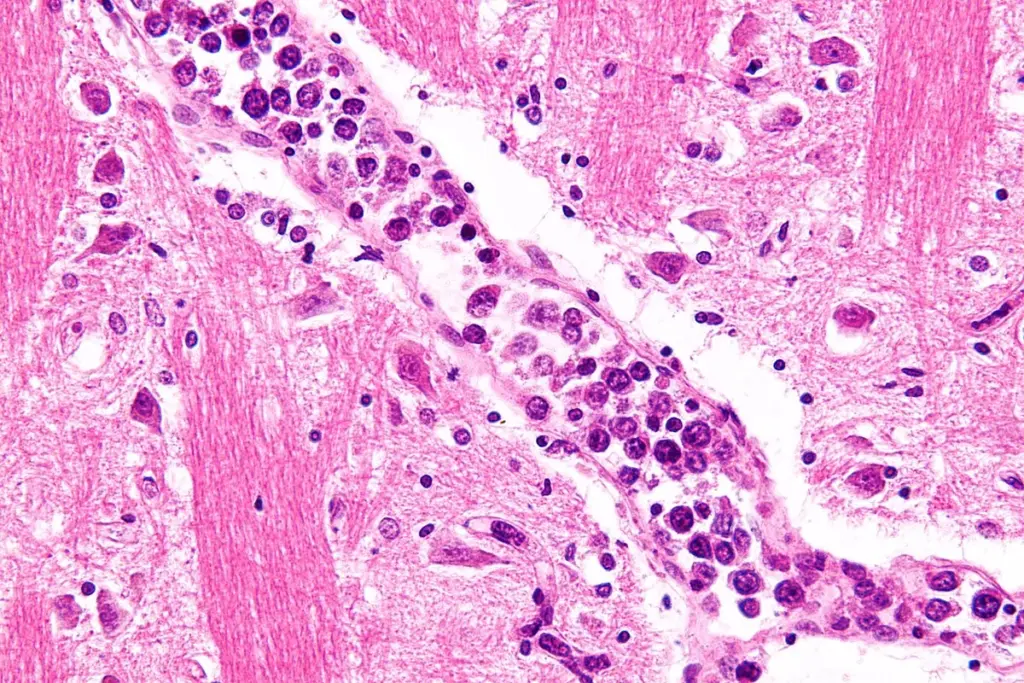
The lymphatic system is a complex network in the body that helps protect us from illness. Unlike the heart-driven blood system, it moves lymph—a clear fluid with white blood cells—through muscle and tissue movement. This system includes vessels, nodes, and organs like the spleen, thymus, adenoids, and bone marrow. Its main job is to filter out germs, waste, and abnormal cells from tissues and return clean fluid to the bloodstream.
Lymph nodes act as control centers for the immune system. These small, bean-shaped nodes are found in groups in the neck, armpits, chest, abdomen, and groin. Immune cells gather inside the nodes to check the lymph fluid for any threats. If they find something harmful, the nodes swell as immune cells multiply to fight it off. This swelling shows the immune system is working. But if the immune cells become cancerous, the system that should protect the body can actually cause harm.
Lymphoma is a type of cancer that starts in the lymphatic system. It happens when lymphocytes, a kind of white blood cell, become cancerous. Lymphocytes help the body recognize and remember germs. There are two main types: B cells, which make antibodies, and T cells, which kill infected cells and help control the immune response. Lymphoma develops when a B cell or T cell has a genetic change that stops it from maturing or dying as it should, causing these abnormal cells to build up in lymph nodes and other tissues.

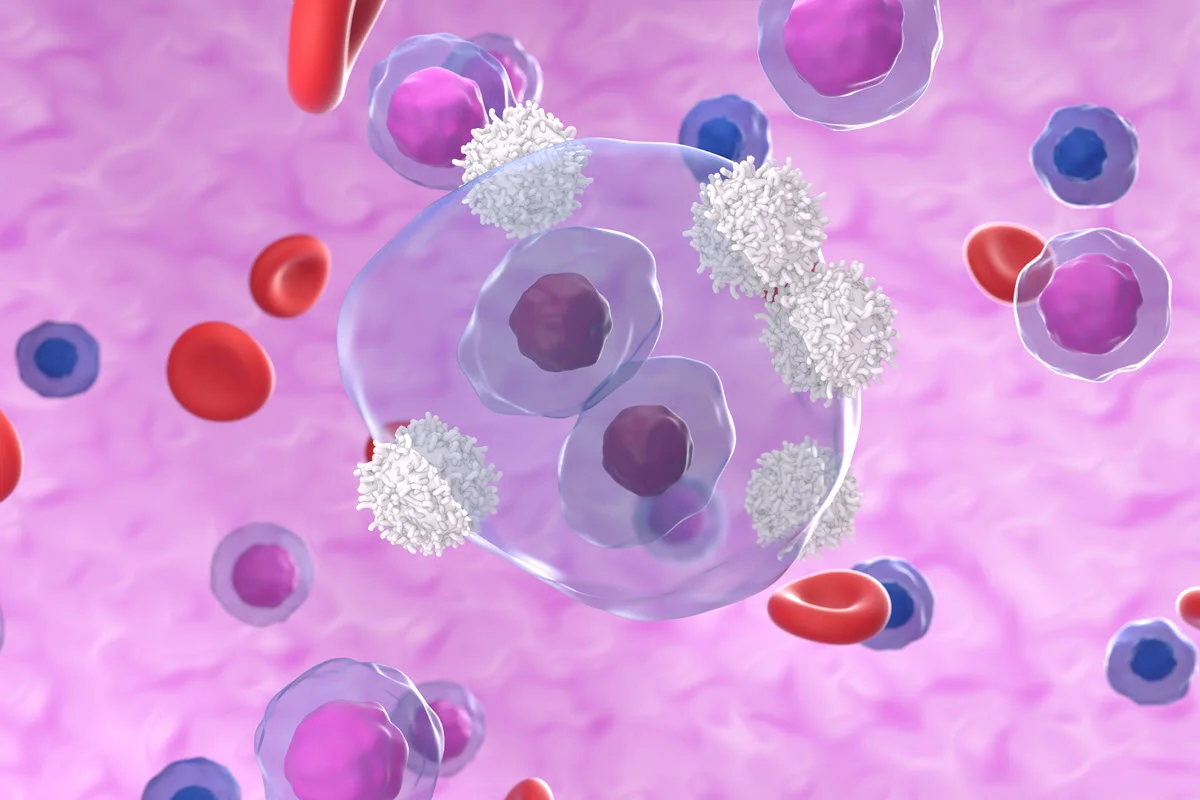
Lymphoma is mainly divided into two groups: Hodgkin Lymphoma (HL) and Non-Hodgkin Lymphoma (NHL). This split is important because it affects how the disease is treated and what to expect. Doctors tell the difference by looking for a certain abnormal cell under the microscope.
Hodgkin Lymphoma is identified by the presence of Reed-Sternberg cells, which are large, abnormal B cells that often look like they have “owl eyes.” These cancerous cells are actually few in number; most of the tumor is made up of normal immune cells that gather around them. Hodgkin Lymphoma usually spreads in an orderly way from one group of lymph nodes to the next.
Non-Hodgkin Lymphoma (NHL) is a far more heterogeneous group of diseases, comprising over sixty different subtypes. By definition, NHL is any lymphoma that lacks Reed-Sternberg cells. Unlike Hodgkin Lymphoma, NHL can arise from both B cells and T cells (though B cell origin is much more common) and often displays a non-contiguous spread pattern. This means it can skip lymph node groups and frequently involves extranodal sites, such as the stomach, skin, or brain, early in the disease course. The sheer diversity of NHL means that two patients with “Non Hodgkin Lymphoma” may effectively have two entirely different diseases requiring vastly different treatments.

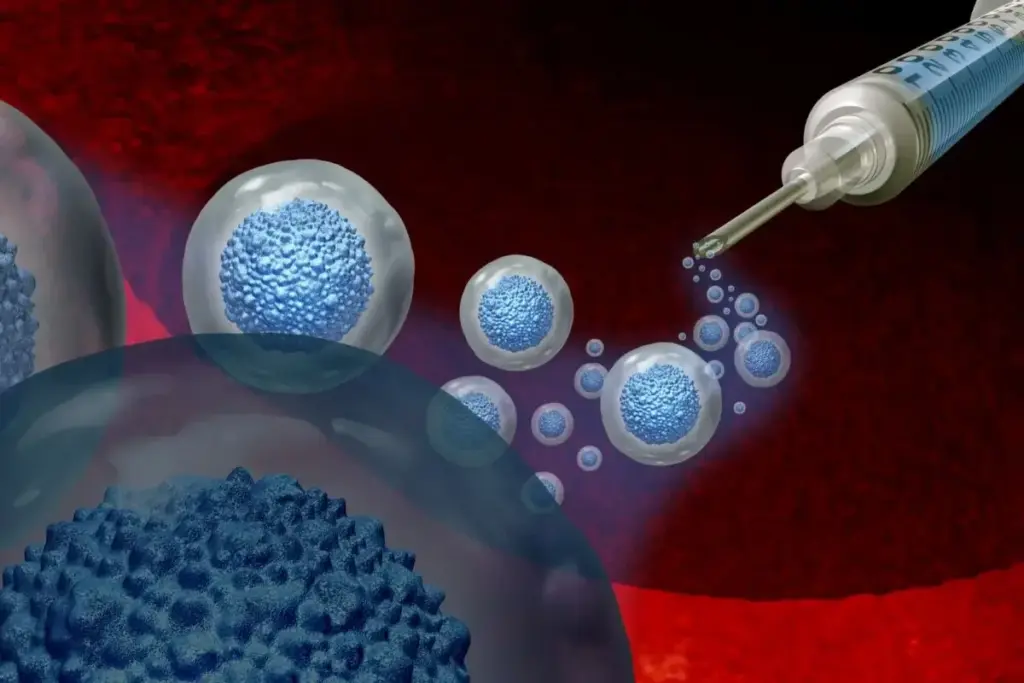
In Non-Hodgkin Lymphoma, the type of cell that becomes cancerous is important for classification. Most cases—about 85% in Western countries—are B-cell lymphomas. B cells make antibodies for the immune system. Cancer can develop at different stages of B cell growth, from early cells in the bone marrow to mature cells in the lymph nodes. The stage where the change happens helps determine the exact type of lymphoma.
Diffuse Large B Cell Lymphoma (DLBCL) is the most common aggressive B cell lymphoma. It features large, fast-growing cells that disrupt the normal structure of the lymph node. In contrast, Follicular Lymphoma is the most common slow-growing B cell lymphoma. It starts from certain cells in the lymph node and usually keeps a round, nodular pattern. Other types include Mantle Cell Lymphoma and Burkitt Lymphoma, each with their own genetic causes.
T cell and Natural Killer (NK) cell lymphomas are less common and usually have a worse outlook than B cell lymphomas. T cells help control and direct the immune system. Cancers in this group include Peripheral T Cell Lymphoma (PTCL) and Cutaneous T Cell Lymphoma (CTCL), like Mycosis Fungoides, which mainly affects the skin. Since T cells often move into tissues to fight infection, T cell lymphomas are more likely than B cell types to show up outside the lymph nodes, such as in the skin, liver, or digestive tract.
Doctors also classify lymphomas by how fast they grow. Indolent (slow-growing) lymphomas are called low-grade, while aggressive (fast-growing) ones are high-grade. Interestingly, aggressive lymphomas are often curable, but indolent lymphomas usually cannot be cured, though they can be managed like a long-term illness.
Aggressive lymphomas, such as Diffuse Large B Cell Lymphoma (DLBCL) and Burkitt Lymphoma, grow rapidly. Without treatment, life expectancy is measured in weeks or months. However, because these cells are dividing so furiously, they are highly susceptible to chemotherapy, which targets dividing cells. Consequently, a significant proportion of patients with aggressive lymphoma can be cured—meaning the cancer is eradicated and does not return—with intensive initial therapy.
Indolent lymphomas, like Follicular Lymphoma and Chronic Lymphocytic Leukemia/Small Lymphocytic Lymphoma (CLL/SLL), grow slowly. People with these types may have few or no symptoms for years. Because the cancer cells divide less often, standard chemotherapy is less effective. Treatment can put the disease into remission for a long time, but it usually comes back. So, the main goal is to control the disease and maintain quality of life, much like managing diabetes or high blood pressure. Sometimes, if there are no symptoms, doctors may recommend a “watch and wait” approach, starting treatment only if the disease progresses.
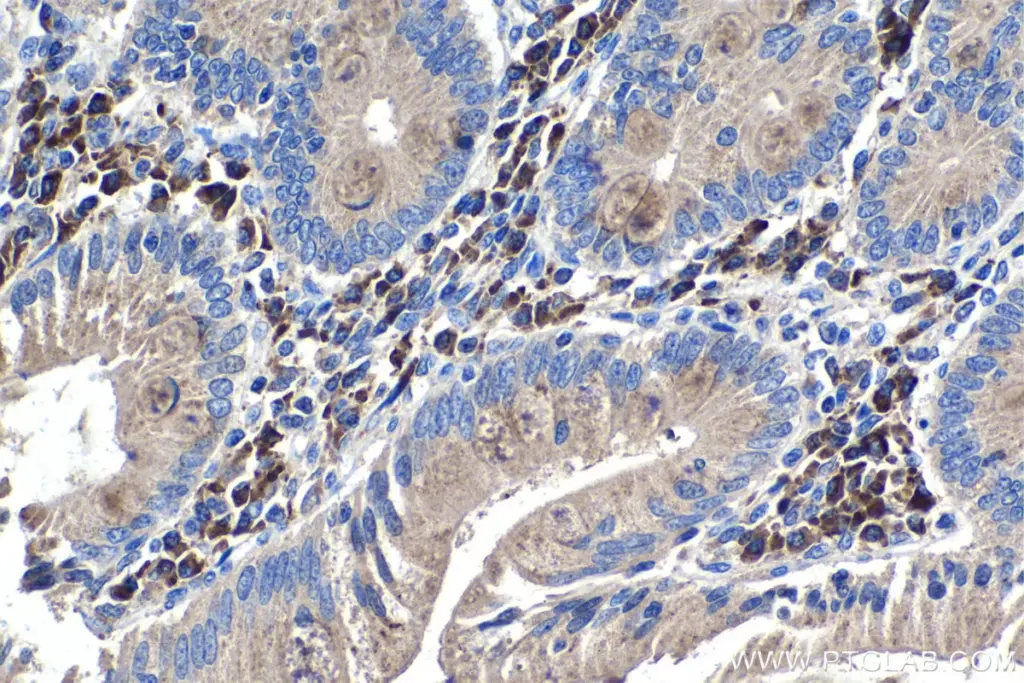
Lymphoma affects people worldwide, but how common it is varies by region. Non-Hodgkin Lymphoma is more common than Hodgkin Lymphoma. In developed countries, cases of NHL have been rising for years. This is partly because people are living longer, and the risk goes up with age, and partly because better tests now find cases that might have been missed before.
Certain types of lymphoma are more common in specific parts of the world. For example, Burkitt Lymphoma is very common in equatorial Africa, where it is linked to early Epstein-Barr Virus (EBV) infection and chronic malaria, which weakens the immune system. Follicular Lymphoma is seen more often in North America and Europe than in Asia or Africa. T-cell lymphomas caused by the HTLV-1 virus are found mainly in places like southwestern Japan and the Caribbean.
The age at which people get lymphoma depends on the type. Hodgkin Lymphoma has two peaks: it is most common in young adults (15 to 35 years old) and again in people over 55. Non-Hodgkin Lymphoma, especially aggressive B cell types, is more common as people get older, with most cases diagnosed around age 65. Knowing these patterns helps with early detection and planning public health efforts.

Send us all your questions or requests, and our expert team will assist you.
Lymphocytes are a specific type of white blood cell that forms the backbone of the adaptive immune system. B lymphocytes produce antibodies that bind to viruses and bacteria, neutralizing them, while T lymphocytes directly destroy infected cells and help coordinate the overall immune response. In lymphoma, these are the cells that become cancerous.
While both are blood cancers, they are distinct. Leukemia primarily affects the bone marrow and blood, leading to an increased number of abnormal cells circulating in the bloodstream. Lymphoma primarily affects the lymph nodes and lymphatic system, forming solid tumors within these immune organs. However, there is overlap, and some conditions can present as both.
Bimodal distribution refers to the age pattern of diagnosis. Unlike most cancers that get more common as you get older, Hodgkin Lymphoma peaks in two distinct age groups: young adults in their 20s and older adults over 55. It is less common in middle age.
For slow-growing (indolent) lymphomas that are not causing symptoms, immediate treatment does not improve survival and exposes the patient to unnecessary toxic side effects. Doctors monitor the patient closely and begin treatment only when the disease starts to progress or cause symptoms, preserving quality of life for as long as possible.
Yes, lymph node swelling (lymphadenopathy) is usually benign. It is the body’s normal reaction to infection or inflammation. When you have a sore throat, the nodes in your neck swell as they fight the bacteria. In lymphoma, the swelling persists without an infection and is caused by the accumulation of cancer cells, not a reaction to an infection.


An Achilles tendon rupture is a serious injury. It can greatly affect your mobility and quality of life. The American Academy of Orthopaedic Surgeons says

deep brain therapy for parkinson’s disease For many with Parkinson’s disease, Deep Brain Stimulation (DBS) surgery has been a lifesaver. It greatly helps with symptoms.
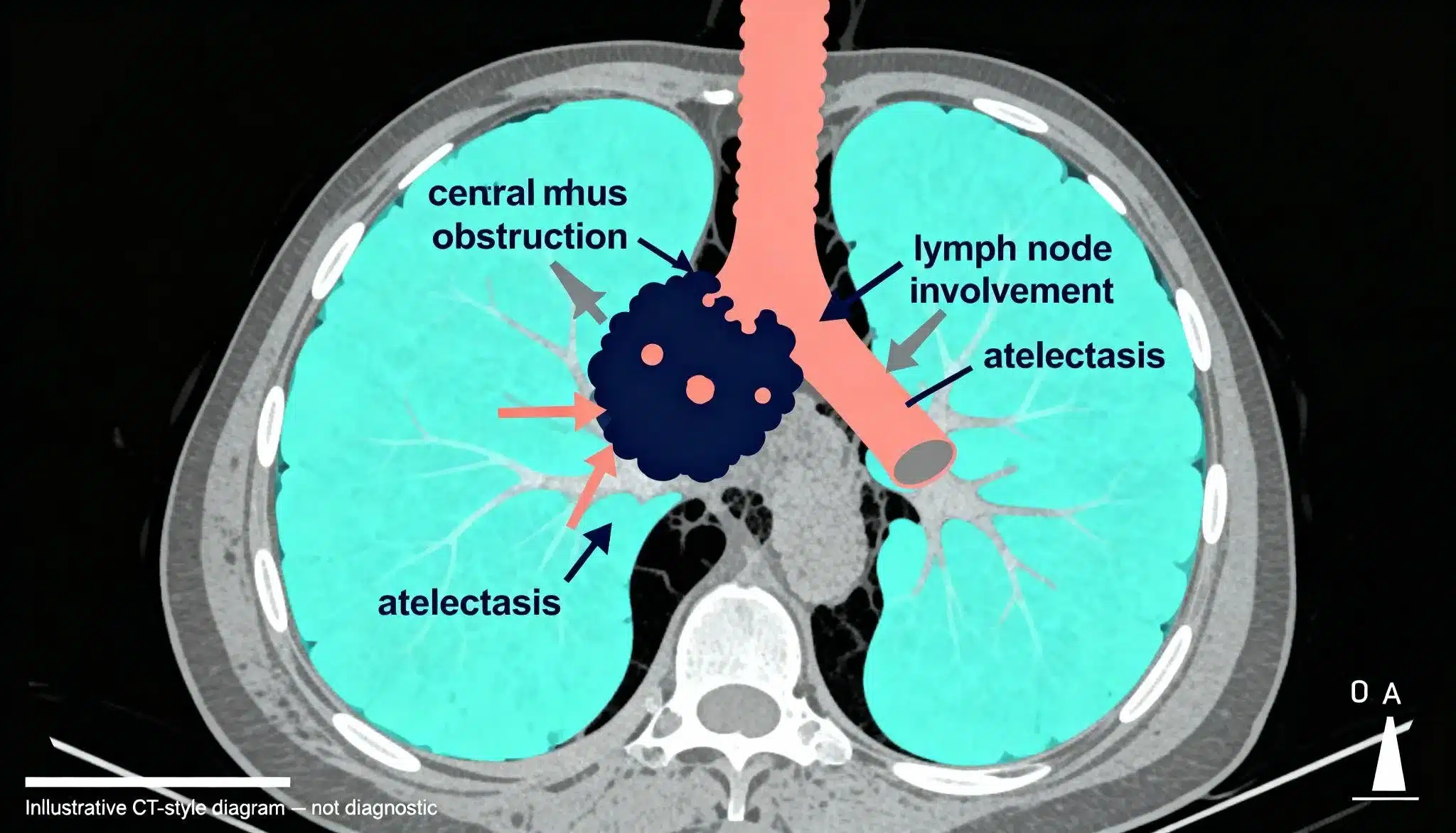
Getting a diagnosis of squamous cell lung carcinoma can be scary. But, it’s important to know that catching it early can greatly improve your chances

Abdominal trauma can quickly become life-threatening if not addressed promptly. We strongly advise seeking immediate ER care if you experience severe or persistent symptoms. When


Going through a failed IVF cycle can be tough on your body and mind. At Liv Hospital, we get how hard it is. We offer

Leave your phone number and our medical team will call you back to discuss your healthcare needs and answer all your questions.
Leave your phone number and our medical team will call you back to discuss your healthcare needs and answer all your questions.
Your Comparison List (you must select at least 2 packages)