
Every year, over 1 million heart catheterizations are done in the U.S. This makes it a common way to check and treat heart problems. If you’re having a heart cath, you might wonder if you’ll be asleep during it.
We get your worries. A heart cath means putting a thin, flexible tube into an artery and guiding it to the heart. Rest assured, you’re not alone, and we’re here to help. You won’t be under general anesthesia. Instead, we use conscious sedation to make you relax and feel at ease during the procedure.
Key Takeaways
- Cardiac catheterization is a common procedure for diagnosing and treating heart conditions.
- You won’t be “put to sleep” under general anesthesia; instead, conscious sedation is used.
- Conscious sedation helps you relax and feel comfortable during the procedure.
- The procedure involves inserting a thin, flexible tube into an artery and guiding it to the heart.
- You’re not alone; over 1 million procedures are performed annually in the United States.
What Is Cardiac Catheterization and Why It’s Performed

Cardiac catheterization is a key medical procedure for heart health. It lets doctors see how the heart works and find problems like coronary artery disease. They can even treat some heart issues during the same visit.
Definition and Purpose of Heart Catheterization
Cardiac catheterization, or cardiac cath, uses a thin tube called a catheter. It’s inserted into a blood vessel in the arm or leg and guided to the heart. This method helps diagnose and treat heart problems without big surgery.
Diagnostic vs. Interventional Purposes
Cardiac catheterization has two main uses. It helps find problems like blockages in the coronary arteries. It also treats these problems by opening up blocked arteries with angioplasty.
It’s used for many reasons, including:
- Coronary angiography to see the coronary arteries
- Measuring heart pressures
- Checking heart valve function
- Finding congenital heart defects
Common Conditions Requiring Cardiac Cath
Many heart issues need a cardiac cath. These include coronary artery disease and heart valve problems. It’s also used for congenital heart defects.
|
Condition |
Description |
Role of Cardiac Cath |
|---|---|---|
|
Coronary Artery Disease |
Buildup of plaque in the coronary arteries |
Diagnosis through coronary angiography; treatment with angioplasty/stenting |
|
Heart Valve Disease |
Diseases affecting the heart valves, such as stenosis or regurgitation |
Assessment of valve function; possible intervention |
|
Congenital Heart Defects |
Structural heart defects present at birth |
Diagnosis and possible treatment of certain defects |
Knowing about cardiac catheterization is important for heart health. It’s a key tool in cardiology. It helps doctors see inside the heart and treat problems effectively.
Types of Sedation Used During Cardiac Catheterization
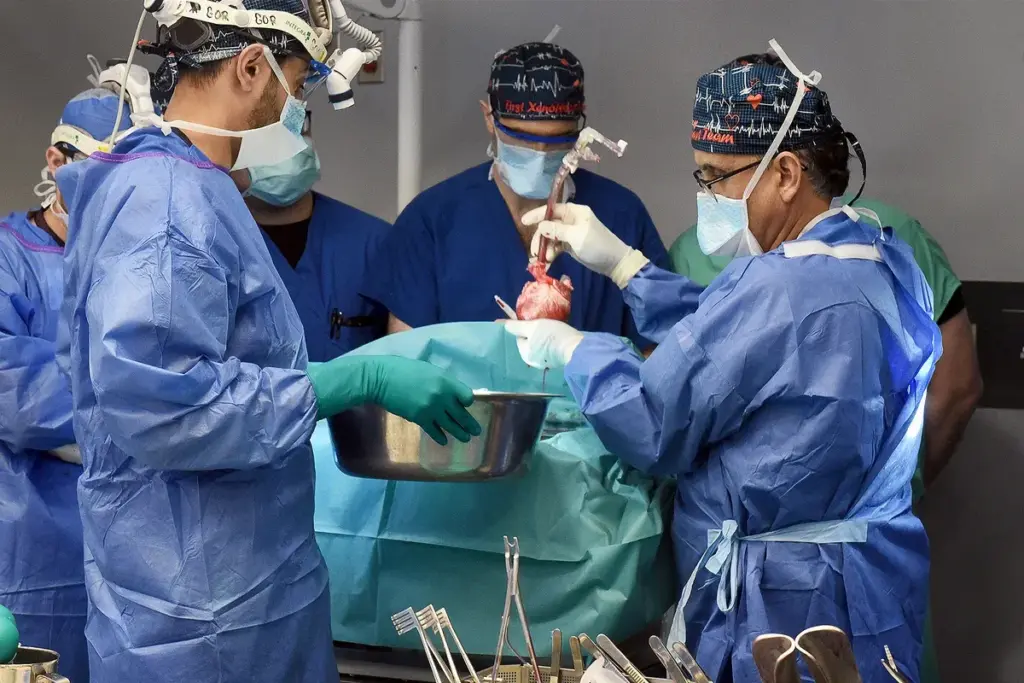
Sedation is key to making cardiac catheterization comfortable for patients. The type and level of sedation greatly affect the patient’s comfort and safety during the procedure.
Conscious Sedation: The Most Common Approach
Conscious sedation is the most common method used during cardiac catheterization. It keeps patients relaxed and comfortable. They can also respond to medical staff when needed. Conscious sedation involves medications that reduce anxiety and discomfort without making the patient unconscious.
This type of sedation leads to a quicker recovery. Patients can breathe on their own and follow instructions. This makes it easier for medical staff to monitor them during the procedure.
Moderate Sedation vs. Deep Sedation
Moderate sedation is often used alongside conscious sedation. It makes patients more relaxed but not fully unresponsive. Deep sedation is more intense, making patients less responsive and possibly needing help with breathing.
|
Sedation Type |
Level of Consciousness |
Breathing Assistance |
Response to Stimuli |
|---|---|---|---|
|
Conscious/Moderate Sedation |
Relaxed, responsive |
Not typically required |
Responsive to verbal commands |
|
Deep Sedation |
Less responsive, may be asleep |
May be required |
May not respond to verbal commands |
General Anesthesia: When It’s Necessary
General anesthesia is rarely used for cardiac catheterization. It’s usually for very complex procedures or when the patient’s condition requires it. General anesthesia makes the patient completely unconscious. It requires close monitoring of vital signs and often involves a ventilator to support breathing.
The choice to use general anesthesia depends on several factors. These include the patient’s health, the procedure’s complexity, and any past experiences with anesthesia.
The Typical Sedation Experience: Are You Actually “Asleep”?
Patients often wonder about sedation before cardiac catheterization. They want to be ready and comfortable. Conscious sedation is common, helping you relax while staying alert to medical staff.
Level of Awareness During Conscious Sedation
Conscious sedation makes patients relaxed and somewhat aware. Awareness levels vary, but most can follow instructions. Sedative meds reduce anxiety and discomfort.
What Patients Can See, Hear, and Feel
Under conscious sedation, some see and hear around them, but less clearly. The team keeps you comfortable, adjusting sedation as needed. You might feel drowsy but not asleep.
Communication with Medical Staff During the Procedure
Conscious sedation lets patients talk to medical staff if needed. You can respond to cues, ensuring a safe procedure. Our team is skilled in working with sedated patients.
Knowing what conscious sedation is like can ease your mind for cardiac catheterization. Our team aims for a comfortable, safe experience, addressing all your concerns.
Factors That Determine Your Sedation Level
The level of sedation for cardiac catheterization depends on several factors. We know each patient is different. So, we tailor sedation to fit their needs.
Procedure Complexity and Duration
The complexity and length of the procedure affect sedation levels. More complex procedures, like those with many blockages, need deeper sedation. This ensures the patient’s comfort.
Patient Health Status and Medical History
A patient’s health and medical history are key in choosing sedation. Patients with certain health issues, like respiratory or cardiac problems, might need special sedation. This helps reduce risks.
Patient Anxiety and Preferences
We also consider patient anxiety and preferences. We aim to make patients as comfortable as possible. Their input helps us choose the best sedation.
Emergency vs. Planned Procedures
The type of procedure, whether urgent or planned, affects sedation. Emergency procedures need quick sedation. Planned procedures allow for more time to discuss sedation options.
By looking at these factors, we ensure each patient gets the right sedation. This makes the cardiac catheterization experience safe and comfortable.
Preparing for Your Cardiac Cath Procedure
Knowing what to expect can make your cardiac cath experience less stressful. We’ll guide you through the steps to ensure a smooth and successful procedure.
Pre-Procedure Testing and Evaluation
Before your cardiac catheterization, we do several tests to check your heart. These tests include:
- Blood tests to check your blood chemistry and clotting factors.
- Electrocardiogram (ECG) to assess your heart’s rhythm.
- Chest X-ray to examine your heart and lung condition.
- Echocardiogram to evaluate your heart’s structure and function.
These tests help us understand your heart’s condition and plan the best approach for the catheterization.
Medication Adjustments Before the Procedure
Certain medications may need to be adjusted or stopped before your cardiac cath. We will instruct you on:
- Which medications to continue or stop.
- Any dosage adjustments.
- The timing of your medications in relation to the procedure.
It’s important to follow our instructions to minimize risks during the procedure.
Fasting and Dietary Requirements
You will be required to fast for a certain period before the procedure. We will advise you on:
- The duration of fasting.
- Any specific dietary restrictions.
- Medications that can be taken with water.
Following these guidelines is essential for your safety during the procedure.
What to Bring and Wear to the Hospital
To ensure your comfort and the success of the procedure, please:
|
Item |
Description |
|---|---|
|
Comfortable clothing |
Wear loose, comfortable clothing to the hospital. |
|
Personal documents |
Bring your identification, insurance cards, and any relevant medical records. |
|
Medications |
Pack a list of your medications and dosages. |
Arriving prepared will help streamline the admission process and allow our team to focus on your care.
Step-by-Step: The Complete Cardiac Catheterization Process
The cardiac catheterization process has several key steps. From the start to the end, we’ll guide you through each stage. This will help you know what to expect.
Arrival and Initial Preparation
When you arrive at the hospital or cath lab, our medical team will welcome you. They will help you get ready. This includes wearing a hospital gown, getting an IV line, and lying on the table. They will also check your medical history and any allergies.
Administration of Sedation
Before starting, we give you sedation to relax. The type and amount depend on your health, the procedure’s complexity, and what you prefer. We aim to keep you comfortable during the process.
The Catheterization Procedure Itself
With sedation, the cardiologist makes a small cut in your groin or arm. They then insert a catheter through the artery to your heart. X-ray imaging helps guide the catheter.
Once in place, the cardiologist can do various tests or treatments. This might include angiography or angioplasty.
Continuous Monitoring Throughout
Your vital signs are watched closely during the procedure. We track your heart rate, blood pressure, and oxygen levels. Our team is ready to handle any issues that come up.
Knowing the steps of cardiac catheterization can make you feel more ready and less worried. Our team is dedicated to giving you the best care and support during your treatment.
Managing High Blood Pressure Before and During Cardiac Cath
It’s key to manage high blood pressure before and during cardiac catheterization. This ensures the procedure is safe and works well. High blood pressure can make the procedure harder, so it’s important to keep an eye on blood pressure levels.
Hypertension’s Impact on Procedure Safety
High blood pressure can raise the risk of problems during cardiac catheterization. Uncontrolled hypertension might cause heart issues like arrhythmias or even cardiac arrest, though these are rare. So, it’s critical to manage hypertension to lower these risks.
We check patients with hypertension before the procedure to figure out the best way to manage their blood pressure. This might mean changing their medications or using special techniques during the catheterization to keep blood pressure in check.
Blood Pressure Monitoring During Catheterization
Keeping an eye on blood pressure is a key part of cardiac catheterization. We use top-notch monitoring tools to watch blood pressure in real-time. This lets us adjust things right away if needed.
This close watch lets us quickly respond to any blood pressure changes. This makes sure the procedure stays safe and effective. Our medical team is ready to handle any blood pressure shifts, adding an extra safety layer.
Medication Adjustments for Hypertensive Patients
For patients with hypertension, medication adjustments might be needed before cardiac catheterization. We team up with patients to get their blood pressure under control through medication and lifestyle changes.
In some cases, we might need to tweak the timing or amount of antihypertensive medications on the day of the procedure. Our aim is to balance blood pressure control with what the catheterization procedure needs.
Recovery After Cardiac Catheterization
After your cardiac catheterization, our team is here to help. We focus on your recovery, making sure you’re safe and comfortable. This is a key time for monitoring and care.
Immediate Post-Procedure Monitoring
You’ll go to a recovery area after the procedure. Our team will watch your heart rate, blood pressure, and oxygen levels closely. This helps catch any issues early.
Waking Up From Sedation: What to Expect
When the sedation fades, you might feel a bit fuzzy. Our team will help with any discomfort. It’s normal to feel a bit confused or forgetful at first, but this usually clears up in a few hours.
Hospital Stay Duration
How long you stay in the hospital varies. It depends on your health and the procedure. Some go home the same day, others stay overnight. Your doctor will tell you how long you’ll need to stay.
Discharge Instructions and Home Care
Before you leave, we’ll give you clear instructions for home care. This includes wound care, medication, and what activities to avoid. It’s also helpful to have someone with you for the first night.
Important home care tips include:
- Watch the catheter site for infection or bleeding
- Take your medications as directed
- Avoid heavy lifting and bending for a while
- See your cardiologist as scheduled
By following these steps and staying in touch with your healthcare team, you’ll have a smooth recovery.
Potential Risks and Complications of Sedation
Sedation is usually safe, but it’s important to know the risks. It helps patients relax during cardiac catheterization. Yet, like any medical treatment, it has risks.
Common Side Effects From Sedative Medications
Most people feel a bit drowsy, dizzy, or nauseous after sedation. These effects are usually short-lived. It’s key to follow the doctor’s advice after the procedure to lessen these side effects.
Rare but Serious Sedation Complications
Though rare, serious issues can happen. These include breathing problems and allergic reactions. In extreme cases, it might cause heart stop or anaphylaxis. Our team is ready to handle these emergencies.
Procedure-Related Risks vs. Sedation Risks
It’s hard to tell which risks come from the procedure or the sedation. Both are connected, and problems can come from both. Our doctors do everything they can to keep risks low and care for you well.
When to Seek Medical Attention After Discharge
Keep an eye on your health after discharge. If you have severe pain, trouble breathing, or signs of infection, get help right away. We give clear instructions on when to seek medical help.
Knowing the risks of sedation during cardiac catheterization is key for safety. Being informed helps patients prepare for the procedure and recovery.
Special Considerations for Different Patient Groups
Different patient groups face unique challenges during cardiac catheterization and sedation. As medical professionals, we must consider these factors to ensure the best outcomes for our patients.
Cardiac Catheterization in Elderly Patients
Elderly patients need special care due to comorbidities and age-related changes. We must assess their health status, including any cognitive impairments, to choose the right sedation.
Elderly patients may be more sensitive to sedatives, so we adjust doses. Their vascular anatomy can be complex, requiring precise imaging and possibly longer procedures.
Pediatric Cardiac Catheterization and Sedation
Pediatric patients face unique challenges due to their small size and developing bodies. We tailor our approach to their needs, often using specialized equipment and sedation techniques.
In pediatric cardiac catheterization, choosing the right sedation is key. General anesthesia may be used for younger or more anxious patients. Older children might receive conscious sedation.
Patients with Respiratory Conditions
Patients with respiratory conditions, like COPD, need careful management during cardiac catheterization. We must be ready to address respiratory complications, such as hypoventilation or bronchospasm, which can be worsened by sedation.
For these patients, we use sedation that minimizes respiratory depression. We closely monitor their oxygen saturation and end-tidal CO2 levels during the procedure.
Obese Patients and Sedation Challenges
Obese patients face unique challenges during cardiac catheterization and sedation. Their body habitus and comorbidities, like sleep apnea, require careful planning. We consider factors like vascular access and the risk of respiratory complications.
In obese patients, we use imaging techniques that can penetrate deeper tissues. We may need to adjust our sedation strategy to account for their altered pharmacokinetics.
By understanding and addressing the unique needs of different patient groups, we can improve the safety and effectiveness of cardiac catheterization procedures.
Cardiac Catheterization for Hypertension Diagnosis and Treatment
Cardiac catheterization is key for finding and fixing the causes of high blood pressure. We use it for both checking and fixing problems. This helps manage high blood pressure better.
Diagnosing Hypertension Causes
Cardiac catheterization lets us see the heart’s pressures and blood flow. It’s vital for spotting issues like blocked arteries or kidney problems. These can lead to high blood pressure.
Interventional Procedures
During the test, we can fix blockages with angioplasty and stenting. These steps help blood flow right again. This can lower blood pressure.
Post-Procedure Monitoring
We watch the patient’s blood pressure closely after the test. This helps us see if the treatment worked. We adjust plans if needed to keep blood pressure in check.
Here’s a quick look at what cardiac catheterization does for high blood pressure:
|
Procedure Aspect |
Description |
Benefit |
|---|---|---|
|
Diagnostic Capability |
Direct measurement of heart chamber pressures and coronary artery assessment |
Identifies causes of hypertension |
|
Interventional Procedures |
Angioplasty and stenting to address arterial blockages |
Restores normal blood flow, reduces blood pressure |
|
Post-Procedure Monitoring |
Close monitoring of blood pressure |
Ensures optimal blood pressure control, adjusts treatment plans as needed |
Understanding cardiac catheterization’s role in treating high blood pressure is important. It shows how it helps manage this serious condition.
Managing Anxiety About Cardiac Catheterization
Having a cardiac catheterization procedure can make patients anxious. They worry about pain, complications, and the process itself. It’s important to talk about these worries to make patients feel ready and calm.
Common Fears and Misconceptions
Patients fear the procedure, including pain and complications. They might also misunderstand what it’s about. Education and clear communication help clear up these fears.
Pre-Procedure Anxiety Management Techniques
There are ways to manage anxiety before the procedure:
- Deep breathing exercises
- Progressive muscle relaxation
- Meditation and mindfulness
- Visualization techniques
These methods calm the mind and body, lowering anxiety.
|
Technique |
Description |
Benefits |
|---|---|---|
|
Deep Breathing |
Slow, deliberate breathing to calm the nervous system |
Reduces heart rate, promotes relaxation |
|
Progressive Muscle Relaxation |
Tensing and relaxing different muscle groups |
Reduces physical tension, promotes relaxation |
Communicating Your Concerns to the Medical Team
Talking about your worries with the medical team is key. Open communication helps them understand and meet your needs. This can lower your anxiety.
Medication Options for Procedure Anxiety
In some cases, medication can help with anxiety. It can make patients feel more relaxed and comfortable during the procedure.
By learning about the procedure, using anxiety management techniques, and talking openly with healthcare providers, patients can reduce their anxiety about cardiac catheterization.
Alternative Diagnostic Procedures to Cardiac Catheterization
Cardiac catheterization is a key tool for diagnosing heart issues. Yet, other methods might be better for some patients. These alternatives offer insights into heart health without the need for invasive procedures.
Non-Invasive Cardiac Testing Options
Modern non-invasive tests are getting better. They show the heart’s structure and function without catheters or sedation. Some of these include:
- Echocardiography: Uses sound waves to create images of the heart.
- Stress Testing: Measures the heart’s function under stress, typically induced by exercise or medication.
- Cardiac MRI: Provides detailed images of the heart’s structure and function using magnetic fields.
- CT Angiography: Uses X-rays to create detailed images of the heart’s blood vessels.
Comparing Sedation Requirements Across Procedures
Sedation needs differ among diagnostic procedures. Unlike cardiac catheterization, many non-invasive tests need little to no sedation. For instance:
|
Procedure |
Sedation Requirement |
|---|---|
|
Echocardiography |
None |
|
Stress Testing |
None |
|
Cardiac MRI |
Sometimes mild sedation for claustrophobia |
|
CT Angiography |
None, but may require contrast dye |
When Alternatives May Be Recommended
Alternatives are suggested for those at high risk from cardiac catheterization. Or for those who prefer less invasive methods. The right procedure depends on the patient’s condition, medical history, and personal choices.
Discussing Options With Your Cardiologist
Talking to your cardiologist is key. They can help pick the best diagnostic procedure for you. They’ll explain the benefits and risks of each option.
Advancements in Cardiac Catheterization Techniques
Cardiac catheterization is changing how we treat heart issues. It’s now safer and more effective. This means better results and less discomfort for patients.
Minimally Invasive Approaches
There’s a big move towards minimally invasive methods. These smaller incisions cause less damage and pain. Patients heal faster and face fewer risks.
Radial vs. Femoral Access: Impact on Patient Comfort
Choosing between radial and femoral access matters a lot. Radial access through the wrist is preferred for comfort. It leads to less bleeding and happier patients.
Improved Sedation Protocols and Patient Experience
New sedation methods are making procedures easier for patients. Conscious sedation is now more tailored to each person. This reduces anxiety and makes the experience better.
- Personalized sedation plans based on patient health status and anxiety levels
- Use of advanced sedatives with better safety profiles
- Continuous monitoring to adjust sedation as needed
Same-Day Discharge Possibilities
Now, same-day discharge is possible thanks to new techniques. Quick recovery and care allow patients to go home the same day. This boosts satisfaction and saves costs.
Cardiac catheterization keeps getting better. We’ll see more improvements in patient care and results. Keeping up with new methods is key.
Conclusion: What to Remember About Sedation for Heart Catheterization
As we wrap up our talk on sedation during heart catheterization, remember that comfort and safety are key. Sedation helps make the procedure smooth and stress-free for patients.
We’ve looked at the different sedation types used, like conscious sedation and general anesthesia. We also talked about what decides the sedation level, like the procedure’s complexity and the patient’s health and anxiety.
It’s important to educate patients well before cardiac catheterization. Knowing what to expect can help manage anxiety and make the experience more comfortable. Always follow pre-procedure instructions and talk openly with your medical team.
Healthcare teams focus on providing high-quality care and support for patients. Our team works hard to give personalized care and ensure the best outcomes.. If you have more questions about sedation for heart catheterization, talk to your healthcare provider.
FAQ
What is cardiac catheterization?
Cardiac catheterization, or a heart cath, is a procedure to diagnose and treat heart issues. A thin, flexible tube (catheter) is inserted into a blood vessel in the leg or arm. It’s then guided to the heart.
Will I be put to sleep during cardiac catheterization?
Most people get conscious sedation during the procedure. This makes you relax and feel comfortable. You won’t be completely asleep but will be aware and relaxed.
What types of sedation are used during cardiac catheterization?
Conscious sedation, or moderate sedation, is the most common. It helps you relax and feel at ease. Sometimes, deep sedation or general anesthesia might be used, depending on your health and the procedure’s complexity.
How is high blood pressure managed during cardiac catheterization?
Your blood pressure is closely watched during the procedure. If it’s high, your team might adjust your meds before or during the procedure. This helps manage your blood pressure.
What should I expect during recovery after cardiac catheterization?
After the procedure, you’ll be in a recovery area. Your team will keep a close eye on you. You might feel groggy or drowsy from the sedation. You could also feel some discomfort or bruising at the catheter site.
Are there any risks or complications associated with sedation during cardiac catheterization?
Yes, there are risks like respiratory problems, allergic reactions, and heart issues. But these are rare. Your team will take steps to minimize these risks.
Can I have cardiac catheterization if I have hypertension?
Yes, it can be used to diagnose and treat heart conditions related to high blood pressure. Your team will assess your condition and decide the best treatment.
How can I manage my anxiety before cardiac catheterization?
You can use deep breathing, relaxation exercises, or talk to your team about your worries. Your doctor might also prescribe medications to help you relax.
Are there alternative diagnostic procedures to cardiac catheterization?
Yes, there are other tests like non-invasive cardiac testing. Your cardiologist will discuss these options with you. They’ll recommend the best one for your condition.
What are the latest advancements in cardiac catheterization techniques?
New advancements include minimally invasive methods, radial access, and better sedation protocols. These can make the procedure more comfortable and reduce recovery time.
How long does it take to recover from cardiac catheterization?
Recovery time varies based on the individual and the procedure’s complexity. Most people can get back to normal activities in a few days. It’s important to follow your doctor’s post-procedure care instructions.
Can I go home the same day after cardiac catheterization?
Same-day discharge is possible in some cases, depending on your condition and the procedure. Your team will assess your readiness to go home.
Reference
National Center for Biotechnology Information. Evidence-Based Medical Insight. Retrieved from https://www.ncbi.nlm.nih.gov/pmc/articles/PMC4246841/[4