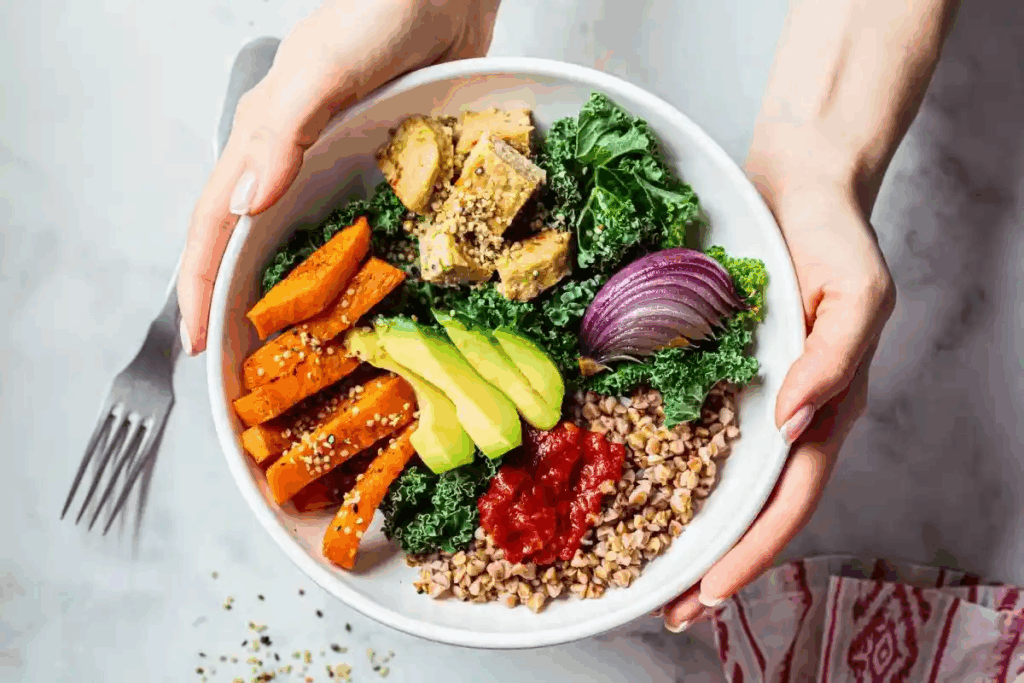
The DASH diet, or Dietary Approaches to Stop Hypertension, is a well-studied eating plan. It helps manage blood pressure and boost heart health. By eating nutrient-rich foods and cutting down on sodium, you can lower your risk of cardiovascular disease.
The DASH diet was created by the National Institutes of Health. It’s a flexible and balanced eating plan. At Liv Hospital, we offer science-backed nutrition plans. These plans are based on international research and focus on your health.
Key Takeaways
- The DASH diet is a complete, evidence-based nutritional strategy.
- It helps lower blood pressure and reduce cardiovascular disease risk.
- The diet focuses on nutrient-dense foods and limited sodium intake.
- Clinical evidence shows significant reductions in systolic blood pressure.
- The DASH diet offers a proven, medication-alternative solution.
Understanding the DASH Diet and Hypertension

The DASH diet is a great way to manage high blood pressure. It’s important to know what it is and how it affects blood pressure.
What DASH Actually Stands For
DASH means Dietary Approaches to Stop Hypertension. It focuses on eating lots of fruits, vegetables, whole grains, and lean proteins. It’s packed with nutrients like potassium, calcium, and magnesium to help lower blood pressure.
How Diet Impacts Blood Pressure Levels
What we eat greatly affects our blood pressure. Foods high in sodium can raise it, but foods rich in potassium, calcium, and magnesium can lower it. The DASH diet suggests eating a variety of foods to reduce blood pressure. This includes fruits, vegetables, and whole grains for the right nutrient balance.
Who Can Benefit from the DASH Approach
The DASH diet helps more than just those with high blood pressure. It’s good for anyone wanting to eat healthier. It’s great for those who need to cut down on sodium and boost their intake of healthy food for hypertension.
Learning about the DASH diet can help you manage your blood pressure through food. Eating the right foods to eat to reduce high blood pressure can really help.
The Science Behind DASH Diet Effectiveness

The DASH diet is known for lowering blood pressure thanks to lots of scientific research. This diet’s science shows it can greatly benefit heart health.
Clinical Research Results
Many studies have looked into the DASH diet program and blood pressure. They all agree: the DASH diet can lower blood pressure and heart disease risk. It works because it focuses on whole grains, fruits, veggies, lean proteins, and low-fat dairy.
Blood Pressure Reduction Statistics
Research shows the DASH diet can lower systolic blood pressure by 6.74 mmHg and diastolic by 3.54 mmHg. These numbers are big for people with high blood pressure. By following the DASH diet, people can improve their blood pressure and heart health.
Timeframe for Seeing Results
How fast you see the DASH diet’s effects on blood pressure varies. But studies say you can see big changes in just a few weeks. To get the best results, add the healthy diet for high cholesterol and high blood pressure to regular exercise and stress management.
By learning about the DASH diet’s science and using it in a heart-healthy lifestyle, you can actively manage your blood pressure. This can help lower your heart disease risk.
Key Nutritional Components That Lower Blood Pressure
The DASH diet is packed with nutrients that help manage blood pressure. It focuses on specific foods to support heart health.
Potassium, Calcium, and Magnesium Benefits
Potassium, calcium, and magnesium are key minerals for blood pressure. Potassium balances sodium and is found in bananas, leafy greens, and avocados. Calcium helps blood vessels and is in dairy, plant-based milk, and leafy greens. Magnesium improves blood vessel function and is in dark greens, nuts, and whole grains.
“A diet rich in potassium, calcium, and magnesium can lower blood pressure,” studies show. These minerals are key to the DASH diet.
Dietary Fiber’s Role in Heart Health
Dietary fiber is vital in the Dash diet for heart health. It lowers cholesterol, improves digestion, and controls blood sugar. Whole grains, fruits, vegetables, and legumes are high in fiber.
A high-fiber diet reduces heart disease and stroke risk. The DASH diet suggests eating a variety of fiber-rich foods every day.
Sodium Restriction Guidelines
The DASH diet emphasizes cutting down on sodium to lower blood pressure. Aim for 2,300mg or less daily. Be careful of sodium in processed foods.
To limit sodium, do the following:
- Read nutrition labels for sodium content.
- Choose low-sodium options when possible.
- Reduce processed and packaged foods.
- Use herbs and spices for flavor instead of salt.
By following these tips, you can lower sodium intake and improve heart health.
Foods to Prioritize for Blood Pressure Management
Eating a balanced diet is important for keeping blood pressure healthy. The DASH diet suggests eating foods rich in nutrients. This helps your heart stay healthy.
Colorful Fruits and Vegetables
Fruits and vegetables add vitamins and minerals to your diet. They fight heart disease. Berries, leafy greens, and citrus fruits are great choices.
- Berries (blueberries, strawberries, raspberries)
- Leafy greens (spinach, kale, collard greens)
- Citrus fruits (oranges, grapefruits, lemons)
Whole Grain Options
Whole grains are full of fiber. This fiber helps lower cholesterol and improves heart health. Examples include brown rice, quinoa, and whole-wheat bread.
- Brown rice
- Quinoa
- Whole-wheat bread
Lean Protein Sources
Lean proteins are good for blood pressure. Lean meats, fish, and legumes are great choices.
- Lean meats (chicken, turkey)
- Fish (salmon, tuna)
- Legumes (lentils, chickpeas, black beans)
Low-Fat Dairy Selections
Low-fat dairy products are full of calcium, potassium, and magnesium. These are key for healthy blood pressure. Examples include milk, yogurt, and cheese.
- Milk
- Yogurt
- Cheese
Foods to Limit or Avoid on the DASH Diet
To get the most from the DASH diet, knowing which foods to cut back on is key. The DASH diet is packed with nutrients that help lower blood pressure. But, eating too much of certain foods can undo these benefits.
High-Sodium Processed Foods
The DASH diet focuses on cutting down sodium. Foods like canned soups, frozen meals, and processed meats are high in sodium. It’s best to eat less of these to see the best results.
Examples of High-Sodium Foods:
- Canned goods like soups and vegetables
- Processed meats such as bacon and sausage
- Instant noodles and frozen dinners
Health experts say cutting down on sodium is key for blood pressure control.
“The DASH diet’s focus on less sodium has been proven to lower blood pressure in studies,” a top cardiologist notes.
Saturated and Trans Fat Sources
Foods high in saturated and trans fats can raise cholesterol and blood pressure. It’s wise to limit foods like butter, full-fat dairy, and processed snacks.
Food Category | High-Fat Examples | Lower-Fat Alternatives |
Dairy | Full-fat cheese, whole milk | Low-fat cheese, skim milk |
Meat | Processed meats, fatty cuts | Lean cuts, poultry without skin |
Sugary Beverages and Sweets
Drinking too much sugar can lead to weight gain and high blood pressure. It’s best to limit sugary drinks like soda and sweetened teas, as well as sweets and desserts.
Alcohol Considerations
While some alcohol can be good, too much can raise blood pressure. It’s advised to drink in moderation. For women, that’s up to one drink a day. For men, it’s up to two drinks a day.
By watching what you eat and making smart choices, you can better manage your blood pressure and health.
Building Your Cardiovascular Diet Menu
Creating a personalized diet menu for heart health is a big step. The DASH diet offers a detailed plan. It focuses on whole grains, fruits, vegetables, lean proteins, and low-fat dairy.
Daily Nutritional Targets by Food Group
The DASH diet suggests specific servings from each food group. For a 2,000 calorie diet, here’s what you should aim for:
- 6-8 servings of whole grains
- 4-5 servings of vegetables
- 4-5 servings of fruits
- 2-3 servings of low-fat or fat-free dairy
- 2 or fewer servings of lean meat, poultry, or fish
These guidelines help you get the right nutrients while keeping calories in check.
Calorie Considerations Based on Activity Level
Calories needed change with activity level, age, and other factors. For example, someone who’s moderately active might need more calories than a sedentary person.
Calorie Needs Based on Activity Level:
Activity Level | Calorie Needs |
Sedentary | 1,600-2,000 calories |
Moderately Active | 2,000-2,400 calories |
Active | 2,400-2,800 calories |
Balancing Macronutrients for Optimal Results
It’s important to balance macronutrients for the best results on the DASH diet. The diet suggests:
“The DASH diet is not just about cutting back on salt; it’s about focusing on a balanced eating plan that is rich in nutrients.”
- Carbohydrates should make up about 55% of total calories
- Protein should account for about 15-20% of total calories
- Fat should be limited to 27% of total calories, with a focus on healthy fats
Meal Timing Strategies
Meal timing is also key for the DASH diet. Eating smaller, more frequent meals can help manage hunger and support heart health.
Try spacing out your meals to keep your energy levels stable all day.
7-Day DASH Diet Meal Plan for Beginners
Looking to manage high blood pressure with diet? A 7-day meal plan is a great start. The DASH diet focuses on whole grains, fruits, veggies, lean proteins, and low-fat dairy. It’s flexible and balanced, making it easy to start and see benefits.
Quick and Easy Breakfast Ideas
Starting your day with a nutritious breakfast is key. Here are some quick, easy breakfast ideas for the DASH diet:
- Oatmeal with fresh fruits and nuts
- Whole-grain toast with avocado and eggs
- Greek yogurt with berries and honey
- Smoothies made with low-fat milk, fruits, and spinach
Packable Lunch Options
Packing a healthy lunch is important for sticking to the DASH diet. Here are some lunch ideas you can take on the go:
- Grilled chicken salad with mixed greens and whole-grain crackers
- Whole-grain wraps with lean turkey, avocado, and veggies
- Quinoa and black bean bowls with roasted veggies
- Lentil soup with whole-grain bread
Family-Friendly Dinner Recipes
Dinner is a great time to get the whole family involved in healthy eating. Here are some DASH diet-friendly dinner recipes:
- Baked salmon with roasted veggies and quinoa
- Grilled chicken with brown rice and steamed broccoli
- Vegetarian chili with whole-grain cornbread
- Stir-fried tofu with mixed veggies and brown rice
Satisfying Snacks and Desserts
Snacks and desserts can be part of a healthy diet if chosen wisely. Here are some satisfying options for the DASH diet:
- Fresh fruits and cut veggies with hummus
- Nuts and seeds, like almonds and pumpkin seeds
- Low-fat yogurt with honey and mixed berries
- Dark chocolate squares (in moderation)
Practical Shopping and Meal Prep Guide
To follow the DASH diet well, learning to shop smart and prep meals is key. The DASH diet helps manage blood pressure through food choices. It focuses on foods rich in nutrients and limits sodium to improve heart health.
Decoding Nutrition Labels for Sodium
Reducing sodium to about 1500 mg daily is a DASH diet goal. Reading nutrition labels is vital. Always check the Nutrition Facts panel for sodium content. Look for “low sodium,” “sodium-free,” or “no salt added” labels, but know their criteria.
DASH-Friendly Pantry Essentials
Building a DASH-friendly pantry means making smart choices. Focus on whole grains, lean proteins, and a variety of fruits and vegetables. Key items include:
- Whole grain rice and pasta
- Canned beans and lentils (low sodium or rinsed)
- Nuts and seeds
- Dried fruits
- Herbs and spices for flavor instead of salt
Having these items ready makes it easy to prepare healthy meals that follow the DASH diet.
Batch Cooking Strategies
Batch cooking saves time and sticks to the DASH diet. Preparing meals ahead ensures healthy options are always available. Plan meals for the week and spend a few hours cooking and portioning.
Use versatile ingredients for different meals. For example, roasted vegetables can be used in salads, as a side, or in omelets.
Budget-Friendly DASH Shopping
Eating healthy doesn’t have to be expensive. To shop on a budget on the DASH diet, follow these tips:
- Buy in bulk: Whole grains, nuts, and dried fruits in bulk save money.
- Shop seasonal: Produce in season is cheaper and fresher.
- Plan meals around sales: Use weekly ads to plan meals based on sales.
- Use coupons: Find coupons online or in newspapers to save on DASH-friendly foods.
By being smart about shopping and planning, we can stick to the DASH diet without overspending.
Combining DASH with Mediterranean Diet Principles
Mixing the DASH and Mediterranean diets can help you make a diet plan that’s good for your heart. Both diets are known for their health benefits. Together, they can help manage blood pressure and improve overall health.
Complementary Eating Patterns
The DASH and Mediterranean diets both focus on eating whole grains, fruits, and veggies. The DASH diet helps control blood pressure by increasing potassium, calcium, and magnesium. The Mediterranean diet emphasizes healthy fats from olive oil, nuts, and fish.
Nutritional Synergy: Mixing the DASH diet’s low-fat dairy with the Mediterranean diet’s healthy fats creates a heart-friendly eating pattern. This mix can improve blood fats and lower blood pressure.
Heart-Healthy Fats to Include
Heart-healthy fats are key in the Mediterranean diet. These fats, found in olive oil, avocados, nuts, and fish, help reduce inflammation and improve heart health. Adding these fats to the DASH diet makes for a varied and enjoyable diet that’s easy to stick to.
- Olive oil as a primary source of fat
- Avocados for healthy monounsaturated fats
- Nuts and seeds for added crunch and nutrition
- Fatty fish like salmon for omega-3 fatty acids
Cultural Food Adaptations
Both the DASH and Mediterranean diets are flexible and fit well with many cuisines. You can tweak traditional recipes to follow these diets, making it easier to eat heart-healthy over time. For instance, use herbs and spices instead of salt, or swap unhealthy fats for olive oil.
Cultural Adaptations: Adding cultural diversity to your diet can make it more enjoyable and sustainable. By using traditional foods and cooking methods, you can have a varied diet that’s good for your heart.
Lifestyle Modifications to Enhance Blood Pressure Results
The DASH diet is great for lowering blood pressure. But, adding healthy habits can make it even better. Regular exercise, managing stress, good sleep, and checking blood pressure at home can boost its effects.
Physical Activity Recommendations
Exercise is key for blood pressure control. Aim for 150 minutes of moderate exercise, or 75 minutes of vigorous exercise, each week. Also, do strength training two or more times a week for better heart health.
Examples of moderate-intensity aerobic exercises include:
- Brisk walking
- Swimming
- Cycling
Stress Management Techniques
Too much stress can hurt your blood pressure. Try meditation, deep breathing, or yoga to reduce stress. These can help your body relax.
Meditation, in particular, has been shown to have a positive impact on blood pressure by reducing stress and promoting relaxation.
Sleep Quality Optimization
Good sleep is vital for heart health. Aim for 7-8 hours of sleep each night. Keep your bedroom cool and dark to sleep better.
Monitoring Blood Pressure at Home
Checking your blood pressure at home is important. It helps you see how well you’re doing. Use a trusted blood pressure monitor and take readings at the same time every day.
By adding the DASH diet to these lifestyle changes, you can control your blood pressure better. This leads to better heart health overall.
Overcoming Common DASH Diet Challenges
Following the DASH diet is more than just knowing the diet. It’s about tackling common obstacles. The DASH diet is flexible, fitting into many lifestyles and dietary needs.
Dining Out While Following DASH
Dining out on the DASH diet can be tough. But, there are ways to make it easier. Look for restaurants that serve fresh, whole foods. Also, watch your portion sizes.
- Choose grilled or baked dishes over fried ones.
- Ask for sauces and dressings on the side.
- Go for dishes loaded with veggies and lean proteins.
Managing Salt Cravings
It’s important to control salt cravings on the DASH diet. Too much sodium can undo the diet’s benefits. Instead, use herbs and spices to flavor your food.
Herb/Spice | Use in |
Basil | Pasta dishes, salads |
Cumin | Mexican dishes, roasted vegetables |
Turmeric | Soups, curries |
Adapting DASH for Special Dietary Needs
The DASH diet can be tailored for different needs, like vegetarian or gluten-free diets. Adjust portion sizes and food choices based on your needs.
Vegetarians can use beans and lentils as protein sources. Those needing gluten-free options can choose gluten-free grains.
Maintaining Motivation Long-Term
Staying motivated is key to sticking with the DASH diet long-term. Set achievable goals, track your progress, and celebrate small wins.
Tips for staying motivated:
- Keep a food diary to track your eating habits.
- Find a diet buddy for support.
- Reward yourself for reaching milestones.
By tackling these challenges, you can keep up with the DASH diet. This will help manage blood pressure and improve overall health.
Conclusion
We’ve looked into the DASH diet as a key way to lower blood pressure and cut down on heart disease risk. By using a heart-healthy diet menu and sticking to the DASH diet program, people can greatly improve their heart health.
A good diet for high cholesterol and blood pressure isn’t just about cutting things out. It’s about making smart choices that boost your health. The DASH diet is known as one of the top diets for heart health, with a balanced and lasting approach to eating.
By mixing the DASH diet with other healthy habits like exercise and managing stress, you can really take charge of your heart health. We suggest you try this all-around approach, using the DASH diet to get a healthier, more balanced life.
In summary, the DASH diet is a strong tool for better heart health. By following this proven nutritional plan, you can lower your blood pressure, reduce heart disease risk, and improve your life quality.
FAQ
What does DASH stand for in the context of diet and blood pressure management?
DASH stands for Dietary Approaches to Stop Hypertension. It’s a diet plan aimed at managing blood pressure and improving heart health.
How does the DASH diet impact blood pressure levels?
The DASH diet lowers blood pressure by focusing on nutrient-rich foods. It limits sodium and emphasizes foods high in potassium, calcium, and magnesium.
Who can benefit from adopting the DASH diet approach?
People with high blood pressure, prehypertension, or at risk can benefit. It’s also good for those wanting to improve heart health.
What are the key nutritional components of the DASH diet that contribute to lowering blood pressure?
The DASH diet focuses on potassium, calcium, and magnesium. It also includes dietary fiber and limits sodium.
What foods should be prioritized for effective blood pressure management on the DASH diet?
Eat colorful fruits and vegetables, whole grains, lean proteins, and low-fat dairy. These foods help manage blood pressure.
What foods should be limited or avoided on the DASH diet?
Avoid high-sodium processed foods, saturated fats, trans fats, sugary drinks, sweets, and too much alcohol. These foods can harm blood pressure.
How can I build a cardiovascular diet menu using DASH diet principles?
Focus on daily nutritional targets by food group. Consider calorie needs based on activity level. Balance macronutrients and use meal timing to support heart health.
Is there a sample 7-day DASH diet meal plan available for beginners?
Yes, there’s a 7-day DASH diet meal plan. It includes quick breakfasts, packable lunches, family dinners, and snacks and desserts.
How can I successfully shop and prepare meals on the DASH diet?
Learn to read nutrition labels for sodium. Stock up on DASH-friendly foods. Use batch cooking and shop on a budget.
Can I combine the DASH diet with Mediterranean diet principles?
Yes, combining the DASH diet with Mediterranean principles can enhance heart health. It adds heart-healthy fats and cultural food adaptations.
What lifestyle modifications can enhance the blood pressure-lowering effects of the DASH diet?
Regular exercise, stress management, good sleep, and home blood pressure monitoring can boost the DASH diet’s effects.
How can I overcome common challenges faced while following the DASH diet?
Learn to eat out on the DASH diet, manage salt cravings, and adapt for special needs. Stay motivated over time.
What are some tips for maintaining a low-sodium diet on the DASH diet?
Limit processed foods, use herbs and spices for flavor, and watch sodium in restaurant meals and packaged foods.
How can I stay motivated to follow the DASH diet long-term?
Set realistic goals, track progress, try new recipes, and get support from healthcare professionals or registered dietitians.
References
National Center for Biotechnology Information. Evidence-Based Medical Guidance. Retrieved from https://www.ncbi.nlm.nih.gov/pmc/articles/PMC10551663/