
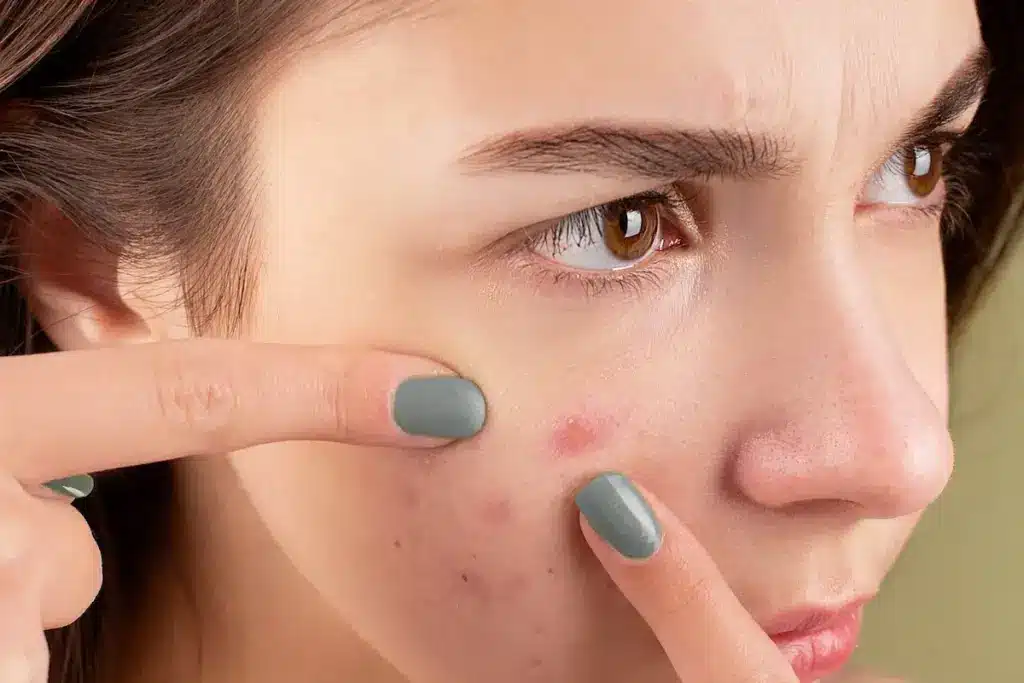
When we’re stressed or tired, our body’s stress response kicks in. It releases hormones like cortisol. This can cause inflammation and hormonal imbalances, leading to skin problems like acne.
Feeling run down can definitely lead to acne. Stress and fatigue can harm our skin more than we think. Knowing how stress and fatigue affect our skin helps us manage them better.
Key Takeaways
- Stress and fatigue can trigger hormonal imbalances that lead to acne.
- Being run down can cause inflammation, which can exacerbate acne-prone skin.
- Managing stress is key to preventing acne breakouts.
- A healthy lifestyle, including a balanced diet and regular exercise, can help mitigate the effects of stress on the skin.
- Understanding the link between stress and acne is key to developing effective prevention strategies.
Understanding Acne: Causes and Types
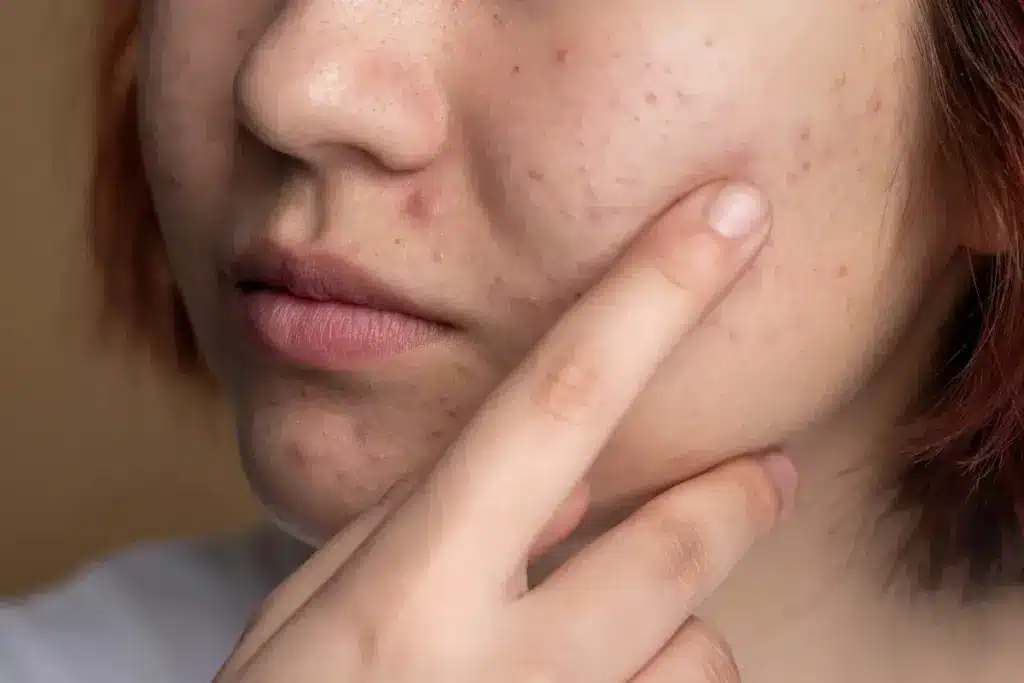
Acne is a complex condition with many forms and triggers. It affects millions worldwide. This makes it a big concern for dermatologists and people with acne.
What is Acne?
Acne happens when pores get clogged with oil, dead skin, and bacteria. This blockage causes inflammation, leading to different types of acne lesions. We’ll look at the various types of acne and what causes them.
The skin’s sebaceous glands make sebum, an oily substance. Sometimes, this oil clogs pores. When this happens, bacteria like Propionibacterium acnes (P. acnes) multiply, causing infection and inflammation.
Different Types of Acne
Acne can show up in several ways, including:
- Whiteheads: Small, white bumps from clogged pores with dead skin and oil.
- Blackheads: Small, dark spots from pores that have oxidized melanin.
- Papules: Pink or red bumps that are inflamed and tender.
- Pustules: Pus-filled lesions that show infection.
- Nodules: Large, painful lumps under the skin’s surface.
- Cysts: Deep, painful lesions that can cause scarring.
|
Type of Acne |
Description |
Characteristics |
|---|---|---|
|
Whiteheads |
Clogged pores with dead skin cells and oil |
Small, white bumps |
|
Blackheads |
Open comedones with oxidized melanin |
Small, dark spots |
|
Papules |
Inflamed bumps |
Pink or red, tender |
|
Pustules |
Pus-filled lesions |
Sign of infection |
Common Triggers for Acne
Several factors can make acne worse, including:
- Hormonal fluctuations: Hormone changes, like during puberty or pregnancy, can increase sebum and lead to acne.
- Stress: Stress can raise cortisol levels, which can cause acne.
- Poor skincare routines: Not cleaning well or using the wrong products can clog pores and cause acne.
- Diet: Eating foods high in sugar, dairy, or refined carbs can trigger inflammation and increase acne risk.
Knowing the causes, types, and triggers of acne helps us manage it better. Good skincare, lifestyle changes, and sometimes medical treatment can lead to clearer, healthier skin.
The Connection Between Stress and Acne
Stress can make acne worse. It’s not just in our minds; it affects our skin too. Knowing this helps us fight acne better.
Impact on Skin Health
Stress harms our skin in many ways. It causes inflammation, makes more oil, and weakens the skin’s defense. This makes it easier for acne-causing bacteria to get in. It also messes with how skin cells shed, causing pores to clog.
The skin reacts to stress by sending out chemicals that cause inflammation. This can make acne worse. By controlling stress, we might see fewer acne breakouts.
Cortisol and Its Role
Cortisol, or the “stress hormone,” is key in how we handle stress. It’s made by the adrenal glands and affects the skin. Cortisol makes more sebum, an oily stuff that can block pores and cause acne.
It also messes with our body’s hormone balance, leading to more androgen hormones. These hormones can make acne worse. Knowing how cortisol affects acne helps us find ways to fight stress-related acne.
Psychological Factors
Stress, anxiety, and depression can also cause acne. The link between our mental and skin health is strong. Dealing with these mental health issues is key to managing acne.
Practices like mindfulness, meditation, and therapy can help manage stress and acne. Recognizing the mental side of acne lets us treat it more fully.
The Role of Fatigue in Acne Development
Fatigue and acne are linked through hormonal changes and inflammation. When we’re tired, our body’s balance is off, affecting our skin. This can start a chain of events that leads to acne.
Disrupted Sleep Patterns and Skin Health
Not getting enough sleep harms our skin. Without rest, our skin’s protective layer weakens. This makes it more prone to damage and inflammation. It can cause more oil, clogged pores, and acne.
Research shows that sleep loss increases inflammation and stress, affecting skin health.Getting enough sleep is key for healthy skin.
The Importance of Rest and Recovery
Rest and recovery are vital for healthy skin. When we’re well-rested, our skin can heal and look clearer. This reduces the chance of acne.
- Keep a regular sleep schedule to keep your body’s rhythms in check.
- Make your bedroom sleep-friendly, avoiding screens and devices before bed.
- Choose calming activities before bed instead of stimulating ones.
Fatigue and Hormonal Imbalances
Fatigue can upset our hormonal balance, which affects acne. When we’re tired, our hormones, like cortisol, can increase. This can make our skin produce more oil and lead to acne.
|
Hormonal Change |
Effect on Skin |
|---|---|
|
Increased Cortisol |
Stimulates oil production, leading to clogged pores and acne. |
|
Insulin Resistance |
Can lead to increased androgen hormones, contributing to acne. |
|
Estrogen Fluctuations |
Can cause changes in skin clarity, potentially leading to acne. |
Understanding how fatigue, hormonal changes, and acne are connected helps us fight acne. We can take steps to improve our skin’s health.
Hormones: A Leading Cause of Acne Breakouts
Acne often comes from hormonal changes. These changes affect how much oil the skin makes and how inflamed it gets. Hormones change a lot in life, like during menstrual cycles, pregnancy, and menopause. These changes can make the skin produce more oil and get inflamed, leading to acne.
Fluctuations and Acne
Hormonal shifts can make the sebaceous glands produce more oil. This oil clogs pores and lets acne-causing bacteria grow. Androgens, like testosterone, are linked to more sebum production. This can cause more acne.
The Effect of Menstrual Cycles on Skin
The menstrual cycle affects many people’s skin. When estrogen drops and progesterone rises before a period, oil production and skin sensitivity go up. Knowing this can help manage acne during these times.
|
Hormonal Change |
Effect on Skin |
|---|---|
|
Increase in Androgens |
Increased sebum production, leading to clogged pores |
|
Drop in Estrogen |
Increased oil production and skin sensitivity |
|
Rise in Progesterone |
Water retention, potentially leading to inflammation |
How Stress Interferes with Hormonal Balance
Stress can mess with hormonal balance by raising cortisol levels. Stress management can lessen its effect on hormones and acne.
Knowing how hormones cause acne helps us manage them better. We can change our lifestyle, handle stress, and even get medical help to balance hormones. This can improve our skin health.
Diet’s Influence on Acne and Skin Health
The food we eat greatly affects our skin health. It can lead to clear skin or breakouts. Eating foods rich in nutrients supports our skin. But, some foods can make acne worse.
Trigger Foods and Acne
Some foods might make acne worse. These include:
- Dairy Products: Milk and dairy have hormones that can make oil glands work harder, causing acne.
- Refined Sugars: Too much sugar can cause inflammation, which is linked to acne.
- Processed Foods: Foods with lots of processed ingredients have unhealthy fats, sugars, and sodium. These can harm our skin.
The Importance of Hydration
Drinking enough water is key for clear skin. Water helps remove toxins and keeps our skin moist. This reduces acne risk. We suggest drinking at least eight glasses of water daily for better skin.
Nutrients for Healthy Skin
Eating the right foods can help our skin. Important nutrients include:
|
Nutrient |
Food Sources |
Benefits for Skin |
|---|---|---|
|
Vitamin C |
Citrus fruits, berries, leafy greens |
Boosts collagen production, improves skin elasticity |
|
Omega-3 Fatty Acids |
Salmon, walnuts, chia seeds |
Reduces inflammation, supports skin health |
|
Zinc |
Oysters, beef, chicken, pumpkin seeds |
Regulates oil production, supports wound healing |
By eating well and staying hydrated, we can improve our skin health. This helps reduce acne.
Skincare Routines for Acne-Prone Skin
A good skincare routine can really help with acne and make your skin clearer. If you have acne-prone skin, it’s key to stick to a routine. This helps control breakouts and makes your skin healthier.
Importance of Cleansing
Cleansing is the base of any skincare routine, more so for acne-prone skin. Gentle cleansing gets rid of dirt, oil, and bacteria that can block pores and cause acne. Use a mild cleanser twice a day to keep your skin clean without taking away its natural oils.
Exfoliation: How Often is Too Often?
Exfoliation is also key for acne-prone skin. It removes dead skin cells and clears pores, which helps prevent acne. But, over-exfoliation can cause irritation and dryness. Exfoliate 1-2 times a week, based on how your skin reacts and how sensitive it is.
Choosing the Right Products for Acne
Choosing the right products is essential for acne-prone skin. Look for “non-comedogenic” or “oil-free” products as they are less likely to clog pores. Ingredients like salicylic acid and benzoyl peroxide are good for controlling acne. Also, moisturizing is important to keep your skin hydrated, even if it’s oily, as dryness can make it produce more oil.
To wrap it up, a skincare routine for acne-prone skin should include gentle cleansing, moderate exfoliation, and the right products. By following these tips, you can manage your acne better and improve your skin’s health.
Lifestyle Changes to Combat Acne
Making lifestyle changes is key to controlling acne and improving skin health. Simple changes in our daily routines can greatly reduce acne and boost our overall well-being.
Exercise and Its Benefits for Skin
Regular exercise is vital for a healthy lifestyle and fighting acne. It boosts blood flow, which nourishes the skin. Exercise also helps lower stress, which can cause acne.
Here are some ways to add exercise to your day:
- Try to do at least 30 minutes of moderate exercise most days.
- Choose activities you like, like walking, jogging, cycling, or swimming.
- Include strength training to build muscle and increase metabolism.
Managing Stress Effectively
Stress management is key in fighting acne. High stress can lead to more oil production and acne. Using meditation, deep breathing exercises, and yoga can help manage stress.
|
Stress Management Technique |
Description |
Benefits |
|---|---|---|
|
Meditation |
Practice mindfulness and focus on the present moment. |
Reduces stress, improves mental clarity. |
|
Deep Breathing Exercises |
Focus on slow, deliberate breaths to calm the mind. |
Lowers cortisol levels, promotes relaxation. |
|
Yoga |
Combine physical postures with breathing techniques. |
Enhances flexibility, reduces stress and anxiety. |
Sleep Hygiene Tips for Healthier Skin
Good sleep hygiene is vital for healthy skin. Enough sleep helps balance hormones and prevent acne. A consistent sleep schedule and a calm sleep space can greatly improve your skin.
Here are some sleep tips:
- Avoid caffeine and electronics before bed.
- Make your sleep area dark and quiet.
- Have a relaxing bedtime routine, like reading or a warm bath.
By making these lifestyle changes, you can actively manage acne and improve your skin health.
When to Seek Professional Help for Acne
Knowing when to get help for acne is key to managing it well. Many cases can be handled with lifestyle changes and over-the-counter treatments. But, some may need a professional’s help.
Signs You Should Consult a Dermatologist
Look out for these signs to see if you need a dermatologist: acne that won’t go away with over-the-counter treatments, severe acne causing pain or scars, or acne that really gets you down mentally.
Treatment Options Available
Dermatologists have many treatments for your acne, like creams, pills, blue light therapy, and extractions. The right treatment depends on your acne’s type and how bad it is.
|
Treatment Option |
Description |
Best For |
|---|---|---|
|
Topical Retinoids |
Derivatives of vitamin A that prevent clogged pores |
Mild to moderate acne |
|
Oral Antibiotics |
Antibiotics that reduce bacteria and inflammation |
Moderate to severe acne |
|
Blue Light Therapy |
Light treatment that kills bacteria causing acne |
Mild to moderate acne |
Preventative Measures to Consider
To prevent acne, keep a regular skincare routine, don’t pick or pop pimples, and watch what you eat. Some foods can make acne worse, so knowing what to avoid is important.
Conclusion: Finding Balance for Clear Skin
Managing acne well means changing your lifestyle, skincare, and how you handle stress. Knowing what causes acne helps. By taking a whole-body approach, you can lower your risk of acne and keep your skin healthy.
Key Takeaways for Clear Skin
We’ve looked at what causes acne, like stress, tiredness, hormonal issues, and diet. By tackling these causes and sticking to a skincare routine, you can get clearer skin and better health.
Prioritizing Self-Care
Self-care is key for healthy skin. Getting enough rest, managing stress, and eating well are important. This means sleeping well, exercising often, and finding ways to handle stress.
A Holistic Approach to Acne Management
Managing acne means looking at your lifestyle, diet, and skincare together. Making smart choices and getting help when you need it helps. This way, you can create a plan that works for you to keep your skin clear.
FAQ
Can being run down really cause acne?
Yes, feeling run down can lead to acne. Stress and fatigue trigger our body’s stress response. This releases hormones like cortisol, causing inflammation and hormonal imbalances that lead to acne.
How does stress affect skin health?
Stress makes our skin more oily and inflamed. It releases cortisol, a hormone that increases oil production and inflammation. This makes our skin sensitive and weakens our immune system, making it harder to fight off bacteria.
What role does fatigue play in acne development?
Fatigue disrupts hormonal balances, leading to more oil and inflammation. Lack of sleep weakens our skin’s natural barrier, making it more prone to damage and inflammation.
How do hormonal fluctuations affect acne?
Hormonal changes, like during the menstrual cycle, increase oil and inflammation. Stress can also upset hormonal balance, making acne worse.
What dietary changes can help manage acne?
Eating fruits, vegetables, and whole grains supports skin health. Avoiding sugar and dairy can reduce acne. Drinking enough water is also key for clear skin.
How can I develop an effective skincare routine for acne-prone skin?
Use gentle cleansers and exfoliate to reduce acne. Choose products that control oil and reduce inflammation. It’s important to pick products made for acne-prone skin.
What lifestyle changes can help combat acne?
Regular exercise reduces stress and improves health. Stress management, like meditation, lowers cortisol levels. Getting enough sleep is also vital for healthy skin.
When should I seek professional help for acne?
If acne doesn’t get better or gets worse, see a dermatologist. They can offer personalized treatments and help create a treatment plan.
What are some common treatment options for acne?
Treatment depends on the acne type and severity. A dermatologist can suggest topical or oral medications, lifestyle changes, or other therapies.
How can I prevent acne scars?
To prevent scars, manage acne well with a skincare routine, stress management, and a healthy lifestyle. Early treatment can also help avoid scarring.
National Center for Biotechnology Information. Evidence-Based Medical Insight. Retrieved from https://pubmed.ncbi.nlm.nih.gov/26987681/