
A Complete Blood Count (CBC) test is a common blood test. It checks overall health and finds many diseases. It also helps track some medical conditions.Beyond the basics: CBC definition. Learn what this amazing test actually measures and what other lab work you need.
It’s used to find issues like anemia, infections, and leukemia. But does it also check liver and kidney function? A CBC test gives information on blood cells. But it mainly doesn’t focus on liver and kidney health.
It’s key for patients and doctors to know what a CBC test does and what it can’t do.
Key Takeaways
- A CBC test is a key tool for checking health.
- It looks at blood parts like red and white cells.
- Liver and kidney health aren’t its main goals.
- Other tests are needed for liver and kidney checks.
- A CBC test can spot many health problems.
What is a Complete Blood Count (CBC)?
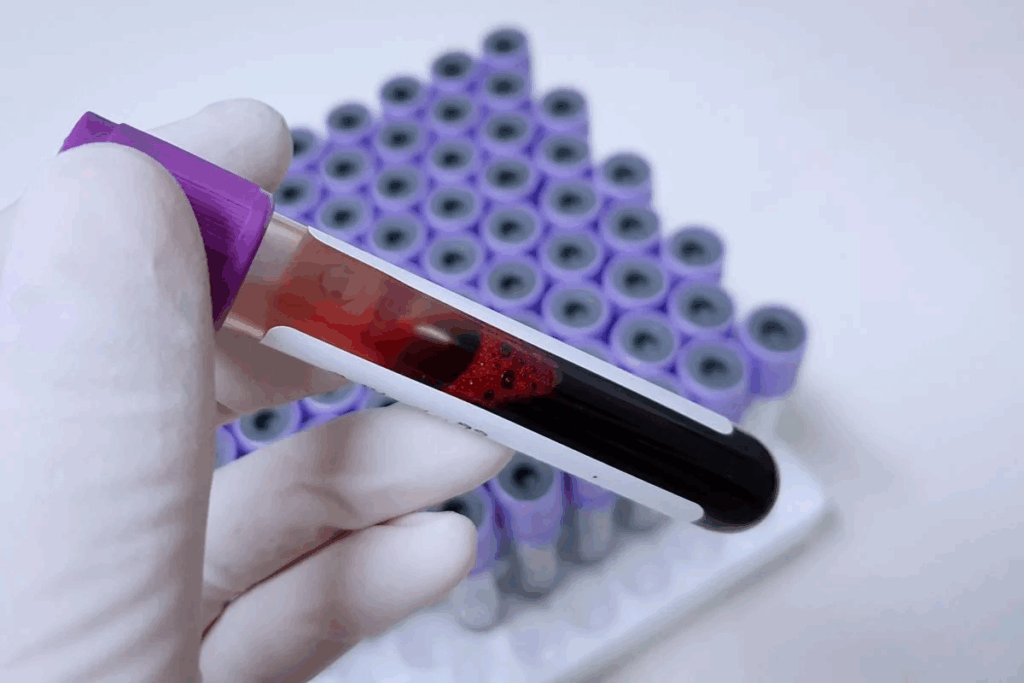
The Complete Blood Count (CBC) is a key test that shows what’s in your blood. It’s used a lot to check if you’re healthy and find problems like anemia or infections. It can even spot serious issues like leukemia.
Definition and Primary Purpose of CBC Testing
A CBC test looks at your blood’s parts, like red and white blood cells, and platelets. It helps doctors see how well you’re doing and find health problems. “A CBC is one of the most common blood tests used in medical practice.” It gives important info about your body’s health.
This test is key to finding out if your blood cells are okay. If they’re not, it could mean you have anemia or another issue.
When Doctors Typically Order CBC Tests
Doctors order CBC tests during check-ups or when you have symptoms like fever or weakness. They also use it before surgery to check for infections. It helps see how treatments affect your blood cells.
Guidelines say to do a CBC first if you’re feeling tired or have a fever. LabCorp, a big lab service, includes these tests in its standard checks. They use special CBC test codes for them.
“Blood tests like the CBC are essential diagnostic tools that provide critical information about a patient’s health status.”
Medical Professional
The CBC Definition and Its Medical Significance

It’s important to know what a Complete Blood Count (CBC) test is and what it means. A CBC checks the health of your blood by looking at red, white blood cells, and platelets.
Complete Medical Definition of CBC Testing
A CBC test is a way to check your health and find problems like anemia, infections, or leukemia. It looks at different parts of your blood, like:
- Red Blood Cell (RBC) count and characteristics
- White Blood Cell (WBC) count and differential
- Platelet count
- Hemoglobin and hematocrit levels
This info helps doctors see how well your body carries oxygen, fights off infections, and heals.
Role of CBC in Clinical Diagnosis
The CBC is key in finding and tracking health problems. If your CBC shows something off, it could mean you have a mild or serious issue, like:
| Condition | CBC Parameter | Typical Abnormality |
| Anemia | Red Blood Cell Count, Hemoglobin | Low |
| Infection or Inflammation | White Blood Cell Count | High |
| Bleeding Disorder | Platelet Count | Low or High |
Doctors use CBC results to find problems, see if treatments are working, and catch health issues early. Knowing what your CBC results mean is key for both doctors and patients to make smart health choices.
Interpreting CBC Results needs a deep understanding of what each part of the test means. It’s also important to think about your medical history, symptoms, and other tests when looking at CBC results.
Components of a Standard CBC Test
The standard CBC test checks many important measurements. These help diagnose and monitor health conditions. They give a full picture of a patient’s blood health.
Red Blood Cell Measurements
Red Blood Cell (RBC) measurements are key in a CBC test. They include:
- Hemoglobin (Hb): Shows the amount of hemoglobin in red blood cells. Hemoglobin carries oxygen to the body’s parts.
- Hematocrit (Hct): Tells the blood’s red cell proportion.
- Red Blood Cell Count: Counts the red blood cells.
- Mean Corpuscular Volume (MCV): Shows the average red blood cell size.
- Mean Corpuscular Hemoglobin (MCH) and Mean Corpuscular Hemoglobin Concentration (MCHC): Gives info on the average hemoglobin in red blood cells.
These measurements help find issues like anemia, dehydration, and other red blood cell disorders.
White Blood Cell Measurements
White Blood Cell (WBC) measurements are also key in a CBC test. They include:
- White Blood Cell Count: Counts the total white blood cells. They fight infections.
- White Blood Cell Differential: Shows the types of white blood cells, like neutrophils and lymphocytes.
A CBC with differential helps spot infections, inflammation, and diseases affecting white blood cells.
“A CBC test is like a snapshot of your blood health, providing valuable information about your overall well-being.”
A Hematologist
Platelet Count and Other Parameters
Platelet count measures the blood’s platelets. Platelets are key to clotting and stopping bleeding. Other parameters include:
| Parameter | Description |
| Platelet Count | Counts the platelets. |
| Mean Platelet Volume (MPV) | Shows the average platelet size. |
Abnormal platelet counts can signal conditions like thrombocytopenia or thrombocytosis.
In conclusion, a standard CBC test is a powerful tool. It includes various measurements to check blood health. Knowing these components helps patients and doctors make better health decisions.
CBC With Differential: Extended Blood Analysis
The CBC with differential test is key for diagnosing health issues. It looks at different white blood cell types. This detailed analysis helps doctors understand a patient’s health better, spotting issues a basic CBC might miss.
What a Differential Adds to Basic CBC
A differential count breaks down white blood cells into types like neutrophils and lymphocytes. Each type has a special role in fighting off infections. For example, changes in certain cells can show up as infections, allergies, or diseases like lupus.
Doctors use this info to figure out what’s causing symptoms. This helps them diagnose and treat conditions more accurately.
Interpreting Differential Results
Understanding CBC with differential results is important. For example, high neutrophil counts might mean a bacterial infection. High lymphocyte counts could point to a viral infection. Abnormal eosinophil or basophil counts might show allergic reactions or parasitic infections.
This knowledge helps both patients and doctors. It guides decisions on further tests, treatments, and lifestyle changes. If the test shows signs of a condition, more tests can confirm it. Then, a treatment plan can be made just for you.
In short, the CBC with differential is a vital tool for health insights. Knowing what it measures and how to read its results helps everyone navigate health care better.
Does a CBC Check Liver Function?
The link between CBC results and liver health is complex. It’s key to know what a CBC can and can’t show about liver function. A Complete Blood Count (CBC) checks many blood parts, like red and white blood cells and platelets. It gives important health info, but doesn’t directly show liver function.
Direct Liver Markers in CBC Tests
A CBC doesn’t measure liver enzymes or function directly. Liver-specific tests are needed for accurate liver health checks. Yet, some CBC parts can hint at liver problems.
- Low platelet count (thrombocytopenia) can hint at liver disease, like cirrhosis.
- Odd white blood cell counts might show infection or inflammation, linked to liver issues.
Indirect Signs of Liver Issues in CBC Results
Even though a CBC isn’t a liver function test, some odd results might suggest liver problems. For example, low red blood cell count or anemia could hint at chronic disease, including liver disease. It’s vital to look at CBC results with the whole clinical picture in mind.
“The CBC is a valuable tool, but it should be used in conjunction with other diagnostic tests to get a complete picture of a patient’s health.”
Limitations of CBC for Liver Assessment
The main issue with using a CBC for liver function is that it doesn’t measure liver enzymes or function directly. For a true liver check, specific liver function tests (LFTs) are needed. These tests look at enzymes like alanine transaminase (ALT) and aspartate transaminase (AST), which are clear liver health signs.
| Test | Purpose | Relevance to Liver |
| CBC | General health assessment | Indirect |
| Liver Function Tests (LFTs) | Direct assessment of liver health | Direct |
Does a CBC Check Kidney Function?
CBC tests don’t directly check kidney function. But they can hint at kidney health issues.
A Complete Blood Count (CBC) is a common test for overall health. It doesn’t directly measure kidney function. Yet, some CBC parts can hint at kidney problems.
Kidney-Related Parameters in CBC Tests
A CBC doesn’t measure kidney function like a serum creatinine test does. But it can show signs of kidney trouble. For example, it checks hemoglobin levels, which can be low in chronic kidney disease (CKD).
Key components of a CBC that might relate to kidney health include:
- Hemoglobin and hematocrit levels indicate anemia associated with chronic kidney disease.
- White blood cell count, which can be elevated in cases of kidney infection or inflammation.
- Platelet count, which can be affected in patients with kidney disease, potentially leading to bleeding disorders.
Indirect Indicators of Kidney Issues
A CBC isn’t a direct test for kidney function. But odd results can suggest kidney problems. For instance, odd red blood cell indices might point to anemia from kidney issues.
“The CBC is a valuable tool that, while not a direct measure of kidney function, can provide important clues that may lead to the diagnosis of kidney-related issues.”
Limitations of CBC for Kidney Assessment
Understanding the CBC’s limits in kidney function assessment is key. Tests like serum creatinine, blood urea nitrogen (BUN), and estimated glomerular filtration rate (eGFR) are needed for a full kidney health check.
In summary, a CBC can hint at kidney problems indirectly. But it’s not a replacement for specific kidney function tests. If you’re worried about your kidneys, talk to your doctor about the right tests.
Comprehensive Metabolic Panel vs. CBC
The Comprehensive Metabolic Panel (CMP) and Complete Blood Count (CBC) are key tests in medicine. They are blood tests, but they check different things about your health.
How CMP Complements CBC Testing
A Comprehensive Metabolic Panel shows how well your body is working. It checks your sugar levels, electrolytes, and kidney health. It’s like a special report card for your body’s metabolism.
On the other hand, a CBC looks at your blood cells and how they’re doing. It checks for things like anemia or infections. But a CMP gives more details about your body’s overall health and how your organs are doing.
When Both Tests Are Necessary
There are times when you need both a CMP and a CBC. For example, during a routine check-up, doctors might order both. This way, they get a full picture of your health.
A CBC can spot problems like leukemia or lymphoma. But a CMP can find issues like diabetes, kidney disease, or liver problems. Together, they give a clearer view of your health.
In short, knowing the difference between a CMP and a CBC is important. It helps doctors make better choices for your care. And it helps you understand your health better, too.
Specific Blood Tests for Liver Function
Beyond the CBC, liver function tests (LFTs) give us key insights into liver health. These tests are vital for spotting and tracking liver diseases.
Liver Function Tests (LFTs) Explained
Liver Function Tests, or LFTs, are a set of blood tests that check liver health. They look at enzymes and proteins made or cleared by the liver. This shows how well the liver is working.
The common parts of LFTs include:
- Alanine transaminase (ALT)
- Aspartate transaminase (AST)
- Alkaline phosphatase (ALP)
- Bilirubin levels
- Albumin levels
- Prothrombin time (PT)
These tests spot liver damage, track disease progress, and check treatment success.
When Liver Tests Are Needed Beyond CBC
LFTs are needed when symptoms point to liver issues, like jaundice, fatigue, or belly pain. They also help keep an eye on those with liver disease or at risk. This includes people affected by alcohol, certain meds, or viral hepatitis.
| Condition | LFT Parameter | Typical Finding |
| Liver Cell Damage | ALT, AST | Elevated levels |
| Bile Duct Obstruction | ALP, Bilirubin | Elevated levels |
| Liver Synthetic Function | Albumin, PT | Low albumin, prolonged PT |
Knowing LFT results helps doctors diagnose liver issues correctly and see if treatments are working.
Specific Blood Tests for Kidney Function
A CBC gives important info, but specific tests are needed to really check kidney function. These tests help find and track kidney disease early.
Kidney Function Tests Explained
Kidney function tests check how well the kidneys filter waste and extra fluids. The main tests are:
- Creatinine Test: Checks creatinine levels in the blood. High levels mean kidney problems.
- Urea Test (Blood Urea Nitrogen or BUN): Looks at urea levels in the blood. High levels mean the kidneys aren’t working right.
- Electrolyte Tests: Checks levels of important minerals like potassium, sodium, and phosphate. The kidneys help keep these levels balanced.
These tests are key for spotting kidney issues and tracking kidney disease.
When Kidney Tests Are Needed Beyond CBC
A CBC might hint at kidney problems, but it’s not enough. You need specific tests when:
- You have symptoms like swelling, tiredness, or changes in how you pee.
- You have a history of kidney disease or risk factors like diabetes or high blood pressure.
- You need to keep an eye on your kidneys if you already have problems.
| Test | Purpose | Indications |
| Creatinine Test | Measures creatinine levels | High levels indicate impaired kidney function |
| BUN (Urea) Test | Evaluates urea levels | Accumulation indicates kidney dysfunction |
| Electrolyte Tests | Assesses electrolyte levels | Abnormal levels can indicate kidney issues |
Knowing what these tests mean helps doctors diagnose and treat kidney disease. Always talk to a doctor to understand your test results and what to do next.
Understanding and Interpreting Abnormal CBC Results
It’s key to understand abnormal CBC results to manage health conditions well. A Complete Blood Count (CBC) test shows details about your blood. This includes red blood cells, white blood cells, and platelets.
Common CBC Abnormalities and Their Meanings
Abnormal CBC results can point to different health issues. For example, an odd white blood cell count might mean you have an infection or inflammation. Here are some common issues and what they might mean:
- Low Red Blood Cell Count (Anemia): This could be due to iron or vitamin deficiency, or chronic diseases.
- High White Blood Cell Count (Leukocytosis): Often shows infection, inflammation, or leukemia.
- Low White Blood Cell Count (Leukopenia): Can be from bone marrow problems, autoimmune issues, or severe infections.
- Low Platelet Count (Thrombocytopenia): May come from bone marrow issues, certain meds, or conditions like leukemia.
Understanding these results needs a deep look at your health and medical history.
When to Be Concerned About CBC Results
Some abnormal CBC results might not be a big deal, but others could be serious. Always talk to your healthcare provider about your results.
| CBC Parameter | Normal Range | Potential Concern |
| White Blood Cell Count | 4,500 – 11,000 cells/μL | Infection, Leukemia |
| Red Blood Cell Count | Male: 4.32 – 5.72 million cells/μL; Female: 3.90 – 5.03 million cells/μL | Anemia, Dehydration |
| Platelet Count | 150,000 – 450,000 cells/μL | Bleeding Disorders, Thrombosis |
It’s important to understand your CBC results in the context of your health history and other tests. If you’re worried about your CBC results, talk to your healthcare provider.
CBC Testing Procedures at Major Labs
LabCorp and other major labs use advanced technology for CBC testing. This ensures patients get accurate and reliable results.
LabCorp CBC Test Codes and Panels
LabCorp offers different CBC test panels, like the CBC with differential. This panel gives a detailed look at blood components. The test codes for these panels can change based on the test’s needs.
LabCorp CBC test codes help identify the tests being done. For example, a CBC with a differential has a different code than a standard CBC.
Comparing CBC Testing Across Different Labs
Major labs like LabCorp follow the same protocols for CBC testing. But there can be differences in how tests are done and results are read.
It’s key to know these differences when looking at test results or picking a lab for CBC testing. Things like test sensitivity and reference ranges can affect the results.
When comparing CBC testing across labs, the core parts of the test stay the same. But the specific ways and reports can vary.
Medical Conditions Detectable Through CBC Analysis
A Complete Blood Count (CBC) is a key tool in diagnosing many health issues. It looks at different parts of blood to give insights into a patient’s health.
The CBC test checks red and white blood cells, platelets, and hemoglobin levels. These checks help find conditions like anemia, infections, and leukemia.
Diseases and Disorders Reflected in CBC Results
CBC results can show many health problems. For example, an odd white blood cell count might mean an infection or inflammation. Low red blood cells or hemoglobin could point to anemia. High platelets might show a bleeding disorder or other issues.
Some conditions CBC can spot include:
- Infections and inflammatory disorders
- Anemia and other red blood cell disorders
- Leukemia and other cancers affecting blood cells
- Bleeding disorders and clotting issues
A hematologist says, “CBC is a basic test that gives vital info about blood health. It’s often the first step in finding blood-related problems.”
“The CBC is a vital tool in medicine, giving clues about many diseases. Its findings help guide further tests and treatments.”
| Condition | CBC Parameter | Typical Abnormality |
| Anemia | Red Blood Cell Count/Hemoglobin | Low |
| Infection | White Blood Cell Count | High |
| Leukemia | White Blood Cell Count | Abnormal cells present |
Limitations: What a CBC Cannot Detect
Even though a CBC is very useful, it can’t find everything. It doesn’t directly check liver or kidney health, though it might show some signs.
More tests, like metabolic panels or organ function tests, might be needed for some conditions. The American Medical Association says, “A CBC is just one tool for doctors. More tests are often needed to make a diagnosis.”
In summary, a CBC is great for finding many health issues. But knowing its limits is key to full patient care.
Conclusion
Knowing about Complete Blood Count (CBC) tests is key for doctors and patients. A CBC test helps find many health issues, like anemia or infections. It checks different parts of the blood, like red and white cells and platelets.
A CBC doesn’t check liver or kidney health directly. But it shows important signs that might need more tests. Labs like LabCorp do CBC tests, showing how important they are for making medical decisions.
It’s vital to understand what CBC results mean. Knowing what a CBC test measures helps people understand their health better. This knowledge helps patients work better with doctors, making smarter choices about their health.
FAQ
What is a Complete Blood Count (CBC) test?
A Complete Blood Count (CBC) is a blood test. It checks red and white blood cells, platelets, and hemoglobin. It helps find health problems by looking at blood cells.
Does a CBC check liver function?
No, a CBC doesn’t directly check liver function. But it might show signs of liver problems. Liver function tests (LFTs) are used to check liver health.
Does a CBC check kidney function?
No, a CBC doesn’t directly check kidney function. But it might show signs of kidney issues. Kidney function tests are used to check kidney health.
What is the difference between a CBC and a Complete Metabolic Panel (CMP)?
A CBC checks blood components. A CMP checks blood sugar, electrolytes, and liver and kidney function. A CMP gives a broader health picture than a CBC.
What does a CBC with differential test measure?
A CBC with differential tests different white blood cells. It shows the body’s immune response. This test gives detailed information about immune cells.
Can a CBC detect liver or kidney problems?
A CBC might show signs of liver or kidney issues. But it’s not a sure test for these problems. Specific tests are needed to check these organs’ function.
What are the common abnormalities found in CBC results?
Common CBC abnormalities include anemia, infection, and leukemia. These signs can mean different health issues. More tests are needed to find the cause.
How is a CBC test performed?
A CBC test takes blood from a vein in the arm. The blood is analyzed in a lab. This shows the different blood components.
What is the significance of CBC testing in medical diagnosis?
CBC testing is key to diagnosing health issues. It shows important information about blood cells and health. Doctors use it to find and monitor health problems.
Can a CBC detect cancer or other serious diseases?
A CBC might show signs of cancer or serious diseases. But it’s not a final test. More tests are needed to confirm a diagnosis.
How do I interpret my CBC results?
A healthcare professional must interpret CBC results. They consider your medical history and other tests. This helps give an accurate understanding of your health.
Reference:
PMC. (2023). Can CBC Profile and Liver Function Test Predict Chronic Kidney Disease?https://pmc.ncbi.nlm.nih.gov/articles/PMC10023837