

Many people face unexplained appetite loss, which can be worrying and confusing. A CBC test and unexplained appetite loss are often linked, as this test helps doctors uncover possible underlying causes.
A CBC test checks different components of the blood, including red and white blood cells, platelets, and hemoglobin levels. Abnormal results may point to infections, inflammation, or nutrient deficiencies—all of which can contribute to appetite problems.
Understanding the connection between CBC test and unexplained appetite loss is vital for accurate diagnosis and treatment. By analyzing CBC results, doctors can identify potential health issues and recommend the right steps to restore appetite and overall well-being.
Key Takeaways
- A CBC test measures various blood components to diagnose health issues.
- Abnormal CBC results can indicate underlying causes of appetite loss.
- Understanding CBC test results can provide insights into overall health.
- Appetite loss can be a symptom of various health conditions.
- A healthcare provider can help interpret CBC test results and identify possible causes of appetite loss.
Understanding Complete Blood Count (CBC) Tests
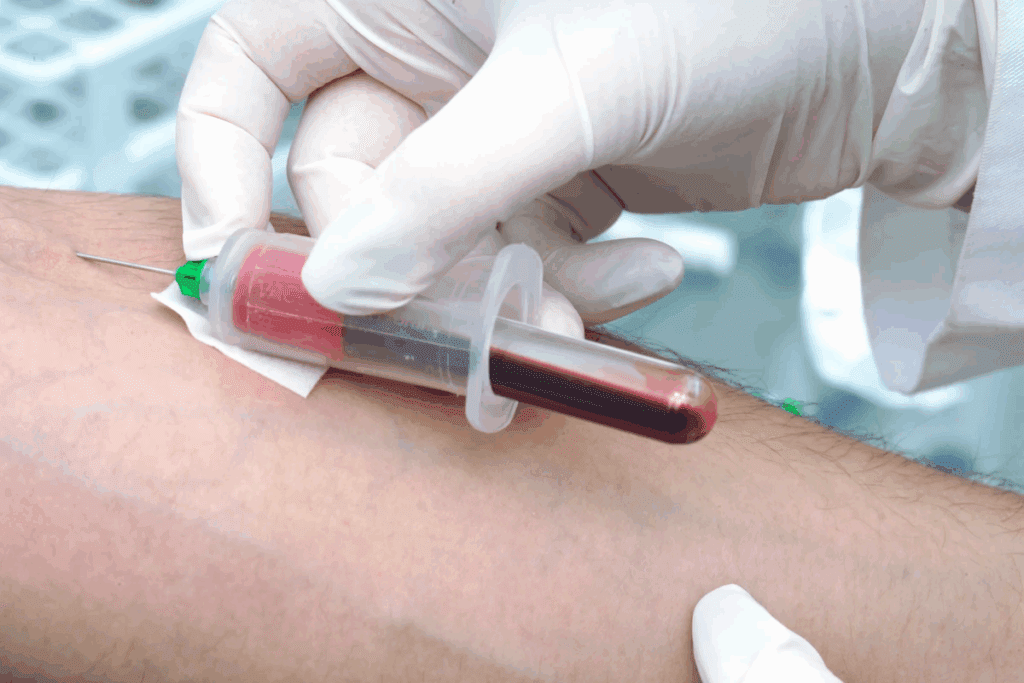
The CBC test is a key tool for checking blood health. It helps doctors see how well you’re doing and spot health problems.
What is a CBC Test?
A CBC test looks at different parts of your blood. It checks red and white blood cells and platelets. Doctors use it to check your health, find disorders, and keep an eye on some conditions.
Components of a CBC Test
The CBC test looks at several important parts:
- White Blood Cell Count (WBC): Shows how strong your immune system is.
- Red Blood Cell Count (RBC): Counts the cells that carry oxygen.
- Hemoglobin (Hb): Checks the protein in red blood cells that carries oxygen.
- Hematocrit (Hct): Shows how much red blood cells you have in your blood.
- Platelet Count: Checks the cells that help your blood clot.
When Doctors Order CBC Tests
Doctors order CBC tests for many reasons. They do it during routine check-ups, when you have symptoms like tiredness, or to watch your health if you have blood disorders.
| CBC Component | Significance |
| White Blood Cell Count | Shows how your immune system is doing; helps find infections or inflammation. |
| Red Blood Cell Count | Important for knowing if your body is getting enough oxygen; problems can mean anemia or too many red blood cells. |
| Hemoglobin | Key for carrying oxygen; low levels can mean anemia. |
| Hematocrit | Helps find dehydration or blood problems by showing red blood cell levels. |
| Platelet Count | Important for knowing if your blood can clot right; problems can cause bleeding or clotting issues. |
Knowing about the CBC test and its parts helps you see why it’s so important for your health.
The Connection Between Blood Health and Appetite

Blood health is key to controlling hunger. A Complete Blood Count (CBC) test shows how well blood is working. It checks red and white blood cells and platelets.
How Blood Composition Affects Hunger Signals
Blood’s makeup affects hunger and fullness. For example, hemoglobin levels in CBC tests play a part. Low hemoglobin can make you less hungry.
Nutrient deficiencies in CBC results also impact hunger control. They affect how the body feels full or hungry.
There are many ways blood health ties to appetite. For instance, blood glucose levels change hunger signals. These changes affect how full or hungry we feel.
Physiological Pathways Linking Blood and Appetite
Many paths connect blood health to appetite. Hormonal responses are a big part of this. Hormones like leptin, influenced by blood, help control hunger and fullness.
| Blood Component | Impact on Appetite | Related Conditions |
| Hemoglobin | Low levels can decrease appetite | Anemia |
| White Blood Cells | Abnormal counts can affect appetite | Infections, Leukemia |
| Platelets | Disorders can influence eating habits | Thrombocytopenia, Thrombocytosis |
Knowing these links helps doctors treat appetite issues. By looking at CBC results, they can find and fix problems. This helps create better treatment plans.
CBC Test and Unexplained Appetite Loss: The Direct Relationship
A CBC test can find the causes of unexplained appetite loss by checking the blood. It looks at red, white blood cells, and platelets. This helps doctors understand health issues that might cause less hunger.
How CBC Results Can Explain Appetite Changes
CBC results show things that can change appetite. For example, low red blood cell count means anemia, which makes you tired and less hungry. Also, a change in white blood cell count can mean you have an infection or inflammation, which can also make you lose your appetite.
Key components of CBC results that can affect appetite include:
- Red Blood Cell Count (RBC): Indicates anemia or other red blood cell disorders.
- White Blood Cell Count (WBC): Signals infections, inflammatory responses, or immune system disorders.
- Platelet Count: Can indicate bleeding disorders or thrombocytopenia.
Common CBC Abnormalities Associated with Decreased Appetite
Some CBC issues can make you eat less. These include:
| CBC Abnormality | Possible Condition | Effect on Appetite |
| Low Red Blood Cell Count | Anemia | Fatigue, weakness, decreased appetite |
| High White Blood Cell Count | Infection or Inflammation | Appetite suppression due to illness |
| Low Platelet Count | Thrombocytopenia | Potential for bleeding, which can indirectly affect appetite |
Knowing about these CBC issues and how they affect appetite helps doctors find and treat the real problems behind unexplained hunger loss.
Anemia and Its Impact on Appetite
Anemia can change how much you want to eat. It’s found through a Complete Blood Count (CBC) test. This condition means you don’t have enough red blood cells or hemoglobin. It makes it hard for your body to get oxygen to your tissues, which can mess with your appetite.
Types of Anemia Detected by CBC
A CBC test is key for finding different anemias. It looks at several blood parts, like:
- Hemoglobin levels
- Hematocrit (the proportion of red blood cells in the blood)
- Red blood cell count
- Mean corpuscular volume (MCV), which shows red blood cell size
These tests help spot anemia types, like iron-deficiency anemia or vitamin B12 deficiency.
How Low Hemoglobin Affects Hunger Signals
Low hemoglobin means less oxygen for your body. This can mess with your hunger signals. It’s because of how oxygen, energy, and hormones work together.
Anemia can make you feel tired, which might make you eat less. Some people with anemia also crave non-food items, called pica. This can make eating even harder.
Case Studies: Anemia-Related Appetite Loss
Many stories show how anemia affects appetite. For example, someone with iron-deficiency anemia might eat less. But eating more when they get iron supplements.
People with anemia from chronic diseases might also eat less. This is part of their illness.
“Anemia is a common condition that can significantly affect a patient’s quality of life, including their appetite. Proper diagnosis through CBC testing and subsequent treatment can lead to improvements in both anemia and related symptoms like appetite loss.”
These stories show why we should think about anemia when someone eats less. CBC tests help find the cause.
White Blood Cell Abnormalities and Appetite Changes
Changes in white blood cell count, shown by a CBC test, can hint at health problems that affect how much we eat. White blood cells are key to our immune system, helping us fight infections and diseases. If their count is off, it might mean we have infections or serious diseases like leukemia.
Infections and Inflammatory Responses
Infections and inflammation can really mess with our appetite. When our body finds an infection, it makes more white blood cells to fight it. This fight can cause inflammation and make us less hungry. For example, diseases like pneumonia or sepsis can make us lose our appetite because our body is using a lot of energy to fight the infection.
Infections that affect appetite:
- Pneumonia
- Sepsis
- Tuberculosis
Leukemia and Other Blood Cancers
Leukemia and other blood cancers can also mess with our appetite. Leukemia makes too many white blood cells, causing symptoms like tiredness, weight loss, and less hunger. It can also mess up our bone marrow, leading to anemia, infections, and bleeding problems, all of which can make us less hungry.
Leukemia can really affect our appetite, leading to malnutrition and making the disease worse.
Autoimmune Conditions Reflected in CBC
Autoimmune conditions, where our immune system attacks our own cells, can also show up in CBC tests. Diseases like lupus or rheumatoid arthritis can cause inflammation and affect our digestive system, changing our appetite. CBC tests can show white blood cell count changes that might mean we have an autoimmune disorder.
It’s important to understand how white blood cell changes and appetite issues are connected. By looking at CBC results and symptoms like loss of appetite, doctors can spot problems early and start the right treatment.
Platelet Disorders and Their Effect on Eating Habits
Changes in platelet counts can affect appetite and digestion. CBC tests help find these issues. They play a big role in how we eat.
Thrombocytopenia and Appetite
Thrombocytopenia means you have too few platelets. It can come from many things like bone marrow problems or autoimmune diseases. Symptoms like easy bruising and bleeding can make eating hard because of the discomfort or worry.
Key effects of thrombocytopenia on appetite include:
- Fatigue and weakness, making eating less appealing
- Potential for associated conditions like anemia, further complicating appetite regulation
- In some cases, medications used to treat underlying causes may have gastrointestinal side effects
Thrombocytosis and Digestive Symptoms
Thrombocytosis means you have too many platelets. It can happen due to inflammation, infection, or other health issues. While it might not directly affect hunger, the reasons behind it can cause stomach problems.
Common associations include:
- Inflammatory bowel disease, which can cause abdominal pain and affect appetite
- Chronic infections that may suppress appetite
- Malignancies, where thrombocytosis can be a paraneoplastic syndrome, potentially affecting appetite
It’s important for doctors to understand how platelet disorders and eating habits are connected. By looking at CBC results and the bigger picture, doctors can help more. They can address how platelet counts and hunger work together.
Nutritional Deficiencies Revealed by CBC
The CBC test is a common tool used to check for nutritional deficiencies. These deficiencies can affect our appetite and health. A CBC test can help find these issues.
Iron Deficiency and Appetite Suppression
Iron deficiency is widespread and can lower our appetite. It leads to iron deficiency anemia, where our body makes less hemoglobin. Hemoglobin carries oxygen to our body’s parts.
Iron deficiency anemia causes fatigue, weakness, and less appetite. Our body’s response to less oxygen is why we eat less.
“Iron deficiency is a common cause of anemia, which can lead to a decrease in appetite due to the reduced capacity of the blood to carry oxygen.”
Vitamin B12 and Folate Deficiencies
Vitamin B12 and folate are key for making red blood cells. Without enough, we can get anemia and feel less hungry. Vitamin B12 helps make energy, and folate is for DNA repair.
- Vitamin B12 deficiency can cause neurological symptoms and affect appetite.
- Folate deficiency can lead to fatigue and decreased appetite.
Other Micronutrient Imbalances
Other nutrients are also important for our appetite and health. Deficiencies in zinc, magnesium, and others can change how we eat. These nutrients help us feel full and healthy.
Zinc deficiency can make our sense of taste and smell worse, affecting our appetite. We need to get enough of these nutrients to stay healthy.
Chronic Diseases and Their Reflection in CBC and Appetite
CBC tests are more than just a tool for diagnosis. They help us see how chronic conditions like kidney disease and liver dysfunction affect our appetite. These diseases can change how our bodies work, and they can really mess with our hunger. By looking at CBC results, doctors can learn a lot about how these conditions affect our appetite.
Kidney Disease
Kidney disease can really change how we feel about food. When our kidneys aren’t working right, waste builds up in our blood. This can mess with our body’s functions. A CBC test can show changes in blood cells that might mean kidney disease.
Anemia, a common problem with kidney disease, can make us feel tired and less hungry. Kidney disease can also make us feel full because of toxins and changes in how our body handles food.
Liver Dysfunction
Liver problems can also mess with our appetite. The liver helps our body get rid of toxins and works on metabolism. When it’s not working right, we can see changes in our blood. CBC tests can show these changes.
Liver disease can make us lose our appetite in different ways. For example, it can mess with the levels of nutrients and hormones that control hunger. The pain and nausea from liver problems can also make us not want to eat.
Endocrine Disorders
Endocrine disorders, like diabetes and thyroid problems, can also affect our appetite. These conditions change hormone levels, which are important for feeling hungry or full. CBC tests can give doctors a better idea of how these disorders affect our body.
For example, too little thyroid hormone can make us less hungry, while too much can make us hungrier. Diabetes can also mess with our blood sugar levels, making us feel hungrier or less hungry. By looking at CBC results, doctors can understand why our appetite changes.
Medications That Affect Both CBC Results and Appetite
Medications help manage health issues but can harm CBC results and appetite. It’s key for patients and doctors to know these effects to manage side effects well.
Chemotherapy Agents
Chemotherapy treats many cancers but can harm CBC results. It can lead to low blood cell counts, causing fatigue and a higher risk of infections. It can also make you lose your appetite.
Chemotherapy-induced nausea and vomiting are common side effects. They can make appetite loss worse.
Immunosuppressants
Immunosuppressants prevent organ rejection in transplants and treat autoimmune diseases. They can change white blood cell counts, leading to infections or other issues.
Some may cause stomach problems, like nausea, and affect appetite.
Common Prescription Drugs
Many prescription drugs can affect CBC results and appetite. For instance, some antibiotics can change blood cell counts or cause stomach issues.
| Medication Class | Potential Effects on CBC | Potential Effects on Appetite |
| Chemotherapy Agents | Neutropenia, anemia | Nausea, vomiting, loss of appetite |
| Immunosuppressants | Changes in white blood cell counts | Gastrointestinal disturbances, changes in appetite |
| Antibiotics | Changes in blood cell counts | Gastrointestinal disturbances |
Interpreting CBC Results in the Context of Appetite Loss
Understanding CBC results for appetite loss is key. A Complete Blood Count (CBC) test shows important blood health details. It looks at red blood cells, white blood cells, and platelets. Knowing these helps find why appetite might change.
Normal CBC Values
Normal CBC values help spot problems linked to appetite loss. A CBC checks several blood parts. These include:
- Hemoglobin (Hb)
- Hematocrit (Hct)
- Red Blood Cell Count (RBC)
- White Blood Cell Count (WBC)
- Platelet Count
Each part has its own normal range. For example, hemoglobin levels for men are 13.8 to 17.2 g/dL. For women, they are 12.1 to 15.1 g/dL.
| Component | Normal Range (Male) | Normal Range (Female) |
| Hemoglobin (g/dL) | 13.8 – 17.2 | 12.1 – 15.1 |
| Hematocrit (%) | 40.7 – 50.3 | 36.1 – 44.3 |
| RBC Count (million cells/μL) | 4.32 – 5.72 | 3.90 – 5.03 |
Red Flags in CBC Results
Some CBC results can point to health issues that affect appetite. Look out for:
- Low Hemoglobin or Hematocrit: This can mean anemia, leading to tiredness and less hunger.
- Elevated White Blood Cell Count: It might show infection or inflammation.
- Abnormal Platelet Count: Either too few or too many platelets can affect appetite.
A hematologist, says, “Abnormal CBC results can show what’s causing symptoms like appetite loss. It’s important to understand these results in the context of the patient’s health.”
“The CBC is a powerful tool that, when interpreted correctly, can reveal a wealth of information about a patient’s condition.”
When to Seek Further Testing
If CBC results show issues that might affect appetite, more tests might be needed. This could include:
- More blood tests for nutrient deficiencies or inflammation.
- Imaging studies to find underlying causes.
- Special tests for anemia or blood cancers.
Talking to a healthcare provider is key. They will decide what tests are next based on your CBC results and health.
CBC Testing Process for Patients with Appetite Concerns
The CBC testing process helps find the reasons behind changes in appetite. If you’re losing your appetite without a clear reason, knowing what to expect can ease your worries. It’s a key step in finding out what’s going on.
Preparing for Your CBC Test
Before your CBC test, it’s important to understand what you need to do. Usually, you don’t need to fast for a CBC test. But, always listen to your doctor’s specific instructions. Some medicines or supplements might need to be stopped before the test.
What to Tell Your Doctor About Appetite Changes
Talk to your doctor about your appetite changes in detail. Keep track of when your appetite started to change and any other symptoms. Also, note what makes your appetite better or worse. This helps your doctor understand your CBC results better.
Follow-up Testing After Abnormal CBC Results
If your CBC shows something unusual, your doctor might suggest more tests. These could be specific blood tests, scans, or other exams. Knowing what your CBC results mean and why you need more tests helps you stay involved in your care.
Being ready for your CBC test and talking openly with your doctor is key. It helps you understand and tackle your appetite issues effectively.
Beyond CBC: Additional Tests for Unexplained Appetite Loss
When CBC results don’t explain appetite loss, doctors use more tests. These tests help find the real cause. They give a deeper look into what’s going on.
Comprehensive Metabolic Panel
A CMP is a key test that checks many body functions. It looks at kidney and liver health, electrolytes, and blood sugar. Problems in these areas can change appetite.
| CMP Component | Relevance to Appetite Loss |
| Liver Function Tests | Liver problems can mess with how the body uses nutrients and controls hunger. |
| Kidney Function Tests | Kidney disease can cause a buildup of toxins, which might lower appetite. |
| Electrolyte Levels | Not having the right balance of electrolytes like sodium or potassium can affect hunger. |
A gastroenterologist says, “CMP results can show metabolic issues that cause appetite loss. This helps doctors find the right treatment.”
Thyroid Function Tests
Thyroid problems can change appetite and how the body uses energy. TFTs check thyroid hormone levels. They help find issues like hypothyroidism or hyperthyroidism.
- TSH (Thyroid-Stimulating Hormone) test
- Free T4 and Free T3 tests
Not having the right thyroid hormone levels can affect hunger and energy. So, TFTs are important for diagnosing appetite loss.
Imaging and Other Diagnostic Procedures
At times, more tests are needed to understand appetite loss. These include:
- Endoscopy to look at the upper digestive tract
- Imaging like CT scans or MRI to find structural problems
- Ultrasound to check on abdominal organs
These tests can find things like tumors or inflammation that might be causing less appetite.
A study in a Journal says, “Advanced imaging has greatly helped find and treat gut problems that lead to less appetite.”
By using CBC results and these extra tests, doctors can understand a patient’s health better. This leads to better treatments for unexplained appetite loss.
Treatment Approaches for CBC Abnormalities Affecting Appetite
Treatment for CBC-related appetite issues is a multi-faceted approach. It addresses the underlying causes found through CBC tests. Healthcare providers use various strategies to improve appetite and health.
Addressing Underlying Blood Disorders
Abnormal CBC results often show underlying blood disorders that can affect appetite. For example, anemia, shown by low hemoglobin or hematocrit levels, can cause decreased appetite. Treatment may include:
- Iron supplements for iron-deficiency anemia
- Vitamin B12 injections for vitamin B12 deficiency anemia
- Blood transfusions in severe cases of anemia
For blood disorders like leukemia or lymphoma, treatment may include chemotherapy, radiation therapy, or targeted therapy. This depends on the specific diagnosis and stage.
Nutritional Interventions
Nutritional interventions are key in managing appetite loss from CBC abnormalities. Dietary adjustments can improve nutrient intake and stimulate appetite:
| Nutritional Strategy | Description | Benefit |
| Increased calorie intake | Consuming calorie-dense foods | Helps meet energy needs |
| Frequent small meals | Eating smaller meals throughout the day | Reduces feeling of fullness, improves overall intake |
| Nutrient-rich foods | Focusing on foods high in vitamins and minerals | Supports overall nutritional health |
Certain nutritional supplements may also be recommended to address specific deficiencies found through CBC results.
Medication Adjustments
In some cases, adjusting medications may be needed to address appetite loss from CBC abnormalities. This can involve:
- Reviewing current medications that may be contributing to appetite suppression
- Adjusting dosages or switching to alternative medications with fewer side effects on appetite
- Prescribing appetite stimulants in certain cases, under medical supervision
It’s essential for patients to work closely with their healthcare providers. They need to determine the most appropriate treatment plan based on their specific CBC results and overall health status.
Special Considerations: CBC and Appetite in Vulnerable Populations
Children, the elderly, and those with weakened immune systems need special care with CBC tests and appetite changes. These groups face health issues that can change their blood and eating habits.
Children and Adolescents
CBC tests in kids and teens show important health and nutrition info. Abnormal CBC results can mean anemia, infections, or leukemia, all affecting appetite.
Iron deficiency anemia is common in kids and can make them less hungry. Early detection through CBC tests helps ensure they get the right nutrition and stay healthy.
Elderly Patients
Elderly people often have changes in appetite due to chronic diseases, medication, and aging. CBC tests can find conditions like anemia or chronic inflammation that cause appetite loss.
In older adults, chronic diseases like kidney disease or cancer can change CBC results and appetite. Proper treatment can improve blood health and nutrition.
Immunocompromised Individuals
People with weakened immune systems, like those with HIV/AIDS or on chemotherapy, need CBC tests to monitor their health. Abnormal white blood cell counts can show infections or complications that affect appetite.
Nutritional support is key for these patients, as it boosts their immune system. CBC results help doctors tailor nutrition plans to meet their needs.
Understanding the special needs of CBC tests and appetite changes in vulnerable groups helps healthcare providers give better care. This improves health outcomes for these populations.
Conclusion: The Importance of CBC in Diagnosing Appetite Disorders
The Complete Blood Count (CBC) test is key in figuring out appetite disorders. It gives us important info about blood parts that can change how we eat.
When CBC results show problems, like anemia or issues with white blood cells, it might mean there’s a health issue. Doctors can then find the cause of appetite loss and plan the right treatment.
What makes CBC important is it shows if there are nutritional gaps, chronic diseases, or side effects from meds. Knowing how CBC results relate to appetite changes helps both patients and doctors tackle eating issues together.
In short, the CBC test is a vital tool for checking appetite disorders. It’s not just about blood tests; it shows how blood health affects our appetite. With CBC insights, people can get the right treatment for their appetite problems.
FAQ
What is a CBC test and how is it related to appetite loss?
A CBC test checks different parts of the blood. It looks at white and red blood cells, hemoglobin, and platelets. It helps find and track health issues, including those that affect how much we eat.
Can a CBC test detect anemia, and how does anemia affect appetite?
Yes, a CBC test can spot anemia by looking at hemoglobin and red blood cells. Anemia makes us feel tired and weak. It also makes us eat less because our bodies don’t get enough oxygen.
How do white blood cell abnormalities affect appetite?
Abnormalities in white blood cells, like infections or leukemia, can change our appetite. Infections can make us feel less hungry because of inflammation. Leukemia can also make us lose our appetite, among other symptoms.
What is the relationship between platelet disorders and appetite?
Platelet disorders, like low or high platelet counts, can affect our appetite. Low platelet counts make us tired and weak, leading to less hunger. High counts can cause nausea and make us eat less.
Can CBC tests reveal nutritional deficiencies that impact appetite?
Yes, CBC tests can show if we’re missing important nutrients like iron or B vitamins. These deficiencies can make us tired and less hungry.
How do chronic diseases, such as kidney disease or liver dysfunction, affect appetite, and can CBC tests detect these conditions?
Chronic diseases like kidney or liver problems can change our appetite. CBC tests can find blood cell count changes that might mean we have these diseases.
Can medications affect both CBC results and appetite?
Yes, some medicines, like chemotherapy or certain drugs, can change our CBC results and appetite. They can make us feel sick to our stomach and less hungry.
How do I interpret CBC results in the context of appetite loss?
To understand CBC results, know what’s normal and what’s not. If you’re not hungry, talk to your doctor. They can help find out why and what to do next.
What additional tests may be necessary to diagnose the causes of unexplained appetite loss?
More tests, like metabolic panels or imaging, might be needed to find why you’re not hungry. Your doctor will decide what’s best for you.
How are CBC abnormalities that affect appetite treated?
Treatment for CBC issues that affect appetite depends on the cause. It might include fixing blood problems, improving nutrition, or adjusting medicines.
Are there special considerations for CBC tests and appetite loss in vulnerable populations, such as children or the elderly?
Yes, special care is needed for certain groups, like kids, older adults, or those with weak immune systems. Always talk to a healthcare expert for the best advice.
References
- Poupore, N. F., & Murray-Kolb, L. E. (2021). Impact of iron deficiency on dietary intake and appetite regulation. Current Nutrition Reports, 10(4), 288-302. https://pubmed.ncbi.nlm.nih.gov/34200484/