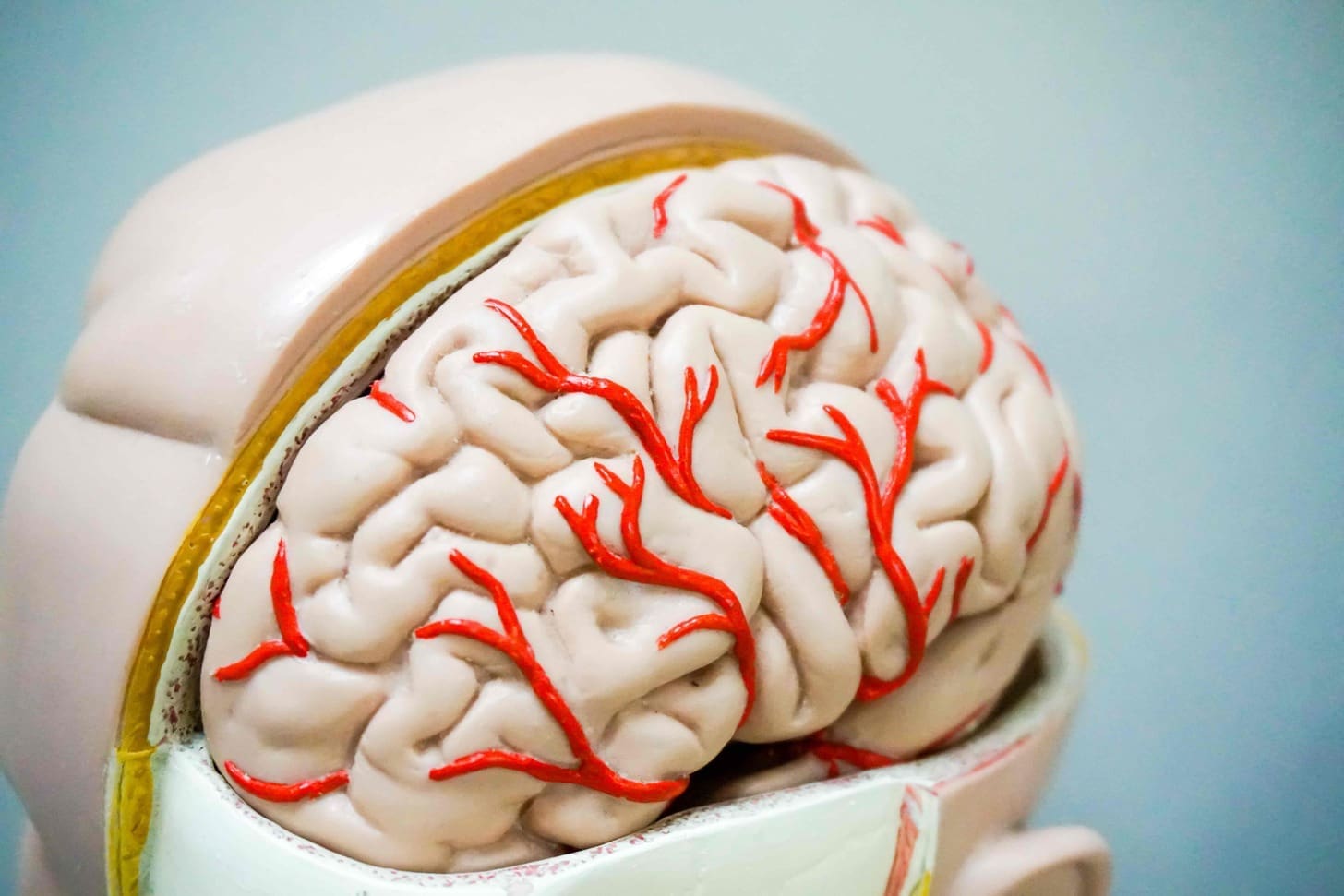
At Liv Hospital, we know how complex and risky cerebral arteriovenous malformations (AVMs) are. AVMs are rare, tangled blood vessels in the brain. They can cause symptoms and serious problems.
It’s important for patients and doctors to understand AVMs. This helps with diagnosis, treatment, and better outcomes.
AVMs can lead to bleeding and brain damage. We aim to give top-notch care to international patients. Our goal is to focus on each patient, using the newest medical tech and knowledge.
Key Takeaways
- AVMs are rare vascular anomalies with abnormal connections between arteries and veins.
- The risks associated with AVMs include hemorrhage and neurological deficits.
- Understanding AVMs is key for good diagnosis and treatment.
- Liv Hospital offers full care for AVM patients.
- We put patients first, using the latest in medical science.
What Are Cerebral Vascular Malformations?
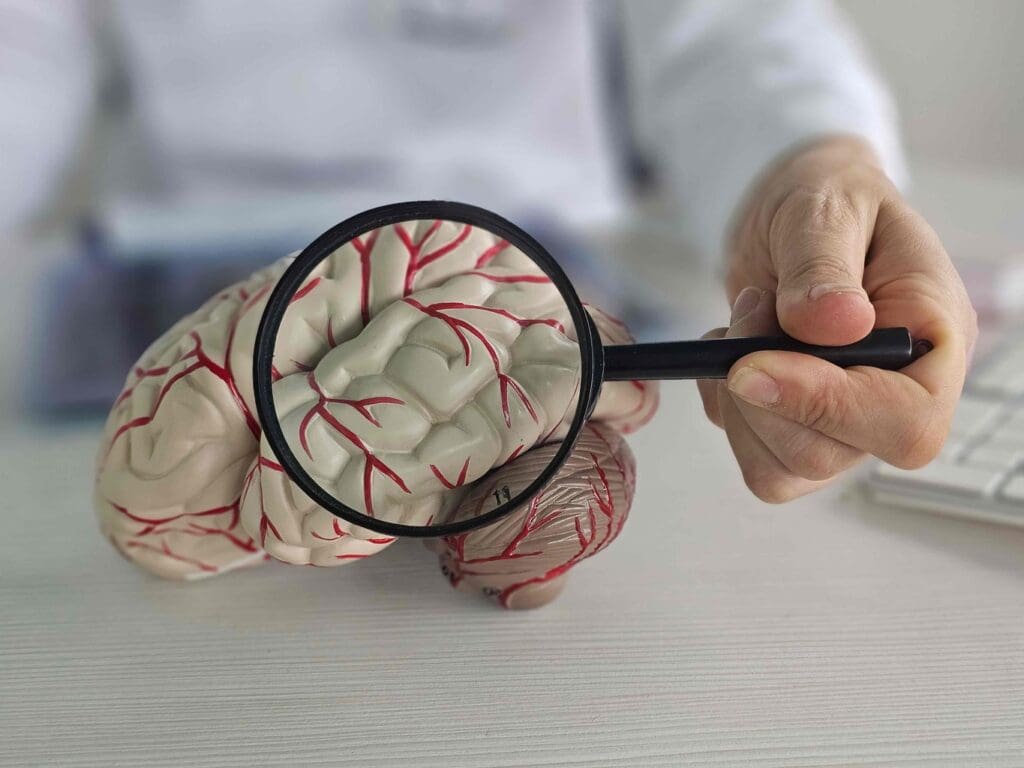
The brain’s blood vessels can have malformations, with AVMs being a major concern. They can disrupt blood flow. Cerebral vascular malformations are abnormal blood vessel formations in the brain. They can cause a variety of neurological problems.
Abnormal Blood Vessel Formations in the Brain
AVMs have direct arteriovenous shunting without a capillary bed. This means blood goes straight from arteries to veins, skipping capillaries. These malformations can appear anywhere in the brain and have big implications.
How AVMs Disrupt Normal Blood Flow
AVMs lack a capillary network, causing turbulent blood flow. This can lead to neurological problems. Capillaries usually exchange oxygen, nutrients, and waste. Without them, brain tissue near the AVM might not get what it needs, leading to damage or dysfunction.
The Missing Capillary Network
AVMs are known for lacking a capillary network. This is key to understanding their risks, like rupture and hemorrhage. We’ll explore these risks further in the next sections.
Fact 1: Prevalence and Origins of Brain AVMs
It’s important to know how common brain arteriovenous malformations (AVMs) are. These are abnormal blood vessels in the brain. They can rupture and cause bleeding.
Studies show that brain AVMs are rare, affecting less than 1% of people. This low rate helps us understand the risk they pose.
Less Than 1% of the Population is Affected
About 0.8% to 1% of the population has brain AVMs. This means only a small number of people have them in any given area.
| Prevalence Rate | Estimated Number of Cases (per 100,000 population) |
|---|---|
| 0.8% | 800 |
| 1% | 1000 |
Congenital Development: Present at Birth
Most brain AVMs are congenital, meaning they’re there from birth. They likely develop in the womb, but the exact process is not fully known.
These AVMs can be different sizes and complexities. They might not be found until later, often during tests for other reasons or when symptoms appear.
Acquired AVMs: Developing Later in Life
While most AVMs are present at birth, some develop later. Acquired AVMs can come from trauma, infection, or other changes in blood vessels.
The existence of acquired AVMs shows how complex blood vessels can be. They can change over a person’s life.
In summary, knowing about brain AVMs is key to managing them. Recognizing their congenital or acquired nature helps doctors assess risks and plan treatments.
Fact 2: Types of Cerebral Vascular Malformations
It’s important to know about the different types of cerebral vascular malformations. This knowledge helps us diagnose and treat them better. We sort these malformations by where they are and what they look like. This helps us decide the best treatment.
Cerebral Arteriovenous Malformations (AVMs)
Cerebral AVMs are odd connections between arteries and veins in the brain. They skip the capillary network. This can cause high-pressure blood flow through veins, which might make them burst.
Symptoms of cerebral AVMs can be different for everyone. They might include seizures and headaches or even serious brain problems. The risk of a vein bursting is a big worry. We have several ways to treat them, like surgery or endovascular embolization.
Cerebellar Arteriovenous Malformations
Cerebellar AVMs are found in the cerebellum. This part of the brain helps with balance and coordination. These malformations can lead to unique symptoms like trouble with balance and coordination.
- Difficulty with balance and walking
- Coordination problems
- Potential for hydrocephalus due to increased intracranial pressure
Cerebral Venous Malformations
Cerebral venous malformations, or developmental venous anomalies, have abnormal venous drainage. They are often asymptomatic but can be linked to other vascular issues.
Even though they are usually harmless, cerebral venous malformations can be a worry if they’re with other conditions like cavernous malformations.
Intracranial Arteriovenous Malformations
Intracranial arteriovenous malformations are AVMs inside the skull. They include both cerebral and cerebellar AVMs. These malformations have abnormal connections between arteries and veins. This can lead to serious health risks.
We know each type of cerebral vascular malformation is different. They each need a special approach to manage and treat. By understanding these differences, we can give better care to our patients.
Fact 3: Understanding AVM Rupture Risk
It’s important for patients and doctors to know about AVM rupture risk. Arteriovenous malformations (AVMs) can rupture and cause bleeding. We’ll look at how often this happens and what makes it more likely.
The 1-3% Annual Hemorrhage Risk
AVMs have a 2-4% chance of bleeding each year. This is a big reason why doctors might suggest treatment. “The annual hemorrhage rate for AVMs is a significant factor in assessing the overall risk-benefit analysis for treatment options,” say top vascular neurosurgeons. Even though it’s a small chance, it can have big effects over time.
Research shows that unruptured AVMs have a 2-3% chance of bleeding each year. But, this chance can change a lot based on different things.
Factors That Increase Rupture Probability
Some things can make it more likely for an AVM to rupture. These include:
- Previous hemorrhage: If you’ve bled before, you’re more likely to bleed again.
- AVM characteristics: The size, location, and how it drains blood can affect the risk.
- Deep venous drainage: AVMs that drain deep are at higher risk.
- Associated aneurysms: If there are aneurysms near or in the AVM, the risk goes up.
It’s key to know these risk factors to plan the best treatment. By looking at the AVM’s details, we can figure out the patient’s risk better.
Why Some AVMs Rupture and Others Don’t
Why some AVMs bleed and others don’t is complex. It involves many things like the AVM’s shape, how it works, and genetics. “The variability in AVM behavior highlights the need for tailored treatments,” say recent studies.
Every patient is different, and a detailed check is needed to find the best treatment. Knowing what makes an AVM more likely to rupture helps us care for patients better.
Fact 4: Symptoms and Clinical Presentation
It’s key to spot the signs of AVMs early for quick medical help. AVMs can show many symptoms, so doctors need to know all the ways they can appear.
Sudden Severe Headache: The Warning Sign
A sudden, severe headache is a big warning sign of AVM rupture. It’s often called “the worst headache of my life.” This headache comes on fast and strong, and might be with other signs like nausea and feeling dizzy.
Seizures and Their Relationship to AVMs
Seizures are common in AVM patients, happening in about 30%. They’re more likely with bigger AVMs and certain brain spots. Seizures can start as the first symptom or after treatment. Managing seizures well is key for AVM treatment.
Neurological Deficits and Muscular Weakness
AVMs can cause brain problems because of where they are. Symptoms include muscle weakness, numbness, or tingling. The exact symptoms depend on the AVM’s spot; for example, motor cortex AVMs can cause muscle weakness or paralysis.
Balance and Coordination Problems with Cerebellar AVMs
Cerebellar AVMs, in the back of the brain, affect balance and coordination. Symptoms like ataxia, dysarthria, or nystagmus can happen. This is because the cerebellum helps with movement and balance.
| Symptom | Description | Associated AVM Location |
|---|---|---|
| Sudden Severe Headache | Often described as “the worst headache of my life” | Any location, often indicative of rupture |
| Seizures | Can be the initial presenting symptom | Supratentorial locations, specially larger AVMs |
| Neurological Deficits | Muscular weakness, numbness, or tingling | Dependent on AVM location, e.g., motor cortex |
| Balance and Coordination Problems | Ataxia, dysarthria, nystagmus | Cerebellar AVMs |
Fact 5: Diagnosis and Detection Methods
Diagnosing AVMs involves using various imaging techniques. These methods help identify and understand these complex vascular lesions. Accurate diagnosis is key to choosing the right treatment.
Imaging Techniques for AVM Identification
Several imaging methods are used to spot AVMs. CT angiography is fast and good for emergency cases. It can also show if there’s bleeding. MR angiography gives detailed views of the AVM and its surroundings.
These tools are vital for knowing the AVM’s size, location, and details. This info helps doctors decide how to treat it.
The Gold Standard: Cerebral Angiography
Cerebral angiography is the top choice for AVM diagnosis. It’s an invasive method where contrast is injected into blood vessels. This lets doctors see the AVM’s structure in detail.
It’s great for finding the nidus of the AVM. Knowing this is key to planning treatment.
Incidental Findings vs. Symptomatic Discovery
AVMs can be found by accident or when they cause symptoms. More people are finding AVMs by chance with new imaging tech.
It’s important to know if an AVM is found by accident or if it’s causing problems. AVMs found by accident might be watched or treated later. But those causing symptoms need quick action.
Fact 6: Consequences of Cerebral AVM Rupture
When a cerebral arteriovenous malformation (AVM) ruptures, it can lead to severe and potentially life-threatening consequences. AVM rupture is a medical emergency that requires immediate attention.
Immediate Effects of Brain Hemorrhage
The immediate effect of an AVM rupture is often a brain hemorrhage. This can cause sudden and severe symptoms. These may include a sudden severe headache, often described as “the worst headache of my life,” as well as nausea, vomiting, and sometimes loss of consciousness.
The 10-20% Risk of Permanent Disability or Death
One of the most significant concerns with AVM rupture is the risk of permanent disability or death. Studies indicate that this risk is between 10-20%. The outcome largely depends on the location and size of the hemorrhage, as well as the individual’s overall health.
Stroke and Long-term Neurological Impact
AVM rupture can also lead to stroke and long-term neurological deficits. The hemorrhage can damage surrounding brain tissue. This results in various neurological problems, such as weakness, numbness, or difficulties with speech and coordination.
Recovery Expectations After Rupture
Recovery from an AVM rupture varies significantly from person to person. Some individuals may experience a full recovery, while others may have lasting neurological deficits. The road to recovery often involves a thorough rehabilitation program. This includes physical, occupational, and speech therapy, tailored to the individual’s specific needs.
Understanding the consequences of AVM rupture highlights the importance of timely and effective treatment. We will discuss the various treatment approaches for brain AVMs in the next section.
Fact 7: Treatment Approaches for Brain AVMs
There are several ways to treat brain AVMs, each with its own benefits. The right treatment depends on the AVM’s size, location, and the patient’s health. It also depends on the risk of the AVM rupturing.
Microsurgical Resection: Complete Removal
Microsurgical resection is a common and effective treatment. It involves removing the AVM through surgery. This method is best for AVMs that are easy to reach and at high risk of rupturing.
This approach can cure the AVM. But, it also comes with risks like brain damage and surgery complications.
Endovascular Embolization: Blocking Blood Flow
Endovascular embolization is a less invasive method. It blocks blood flow to the AVM by injecting materials. This treatment is often used with other methods like surgery or radiation.
It can make the AVM smaller, making it easier to treat further. It’s good for complex AVMs or those in sensitive brain areas.
Stereotactic Radiosurgery: Radiation Treatment
Stereotactic radiosurgery is a non-surgical treatment. It uses focused radiation to shrink the AVM. It’s best for smaller AVMs or those in hard-to-reach areas.
This method slowly closes the AVM over years. It’s effective but may not cure it right away. Patients need to be followed up for a long time.
Multimodal Approaches: Combining Therapies
Often, a multimodal approach is used. This combines different treatments for the best results. For example, embolization might be followed by surgery or radiation.
Using multiple treatments helps tailor the care to each patient. It aims for the best outcome while reducing risks.
Conclusion: Advances in AVM Management and Patient Outlook
Cerebral vascular malformations, like arteriovenous malformations (AVMs), are risky because they can rupture and cause brain hemorrhage. It’s important for patients and doctors to know about cerebral AVMs.
New ways to find and understand AVMs, like cerebral angiography, have helped a lot. Treatments like microsurgery, endovascular embolization, and radiosurgery have also improved. These steps have made treating AVMs more effective.
Now, doctors have many ways to treat AVMs, depending on the patient’s needs. Using different treatments together can help manage complex AVMs better. This approach lowers the chance of AVM rupture.
Future research will likely lead to even better care for AVM patients. As we learn more and develop new treatments, patients can look forward to better health and a better life.
What is a cerebral arteriovenous malformation (AVM)?
A cerebral arteriovenous malformation (AVM) is an abnormal tangle of blood vessels in the brain. It can disrupt normal blood flow. This can cause a range of symptoms or life-threatening complications.
How common are cerebral AVMs?
Cerebral AVMs affect less than 1% of the population. They are relatively rare.
Are AVMs present at birth?
Most AVMs are congenital, meaning they are present at birth. But some can develop later in life due to various factors.
What are the different types of cerebral vascular malformations?
The main types include cerebral arteriovenous malformations (AVMs), cerebellar arteriovenous malformations, cerebral venous malformations, and intracranial arteriovenous malformations. Each has distinct features and clinical implications.
What is the risk of AVM rupture?
The annual risk of hemorrhage from an AVM is generally between 1-3%. But this risk can vary based on several factors.
What factors increase the risk of AVM rupture?
Several factors can increase the risk of rupture. These include the size and location of the AVM, previous history of rupture, and certain anatomical characteristics.
What are the symptoms of a ruptured AVM?
Symptoms can include sudden severe headache, seizures, neurological deficits, muscular weakness, and balance or coordination problems. This depends on the location and severity of the rupture.
How are AVMs diagnosed?
Diagnosis typically involves imaging techniques like cerebral angiography, MRI, or CT scans. Cerebral angiography is considered the gold standard for detailed assessment.
What are the consequences of an AVM rupture?
Rupture can lead to immediate effects like brain hemorrhage. This can result in a 10-20% risk of permanent disability or death. It may also have long-term neurological impacts.
What treatment options are available for AVMs?
Treatment modalities include microsurgical resection, endovascular embolization, stereotactic radiosurgery, and multimodal approaches. These are chosen based on the AVM’s characteristics and the patient’s condition.
Can AVMs be treated effectively?
Yes, with advances in medical technology and treatment techniques, many AVMs can be effectively managed. This improves patient outcomes and reduces the risk of complications.
What is the outlook for patients with AVMs?
The outlook varies depending on the AVM’s characteristics, the presence of symptoms, and the effectiveness of treatment. Timely and appropriate management can significantly improve prognosis.
REFERENCES
- MedlinePlus. Cerebral Arteriovenous Malformation (AVM). Retrieved from https://medlineplus.gov/ency/article/000779.htm MedlinePlus