
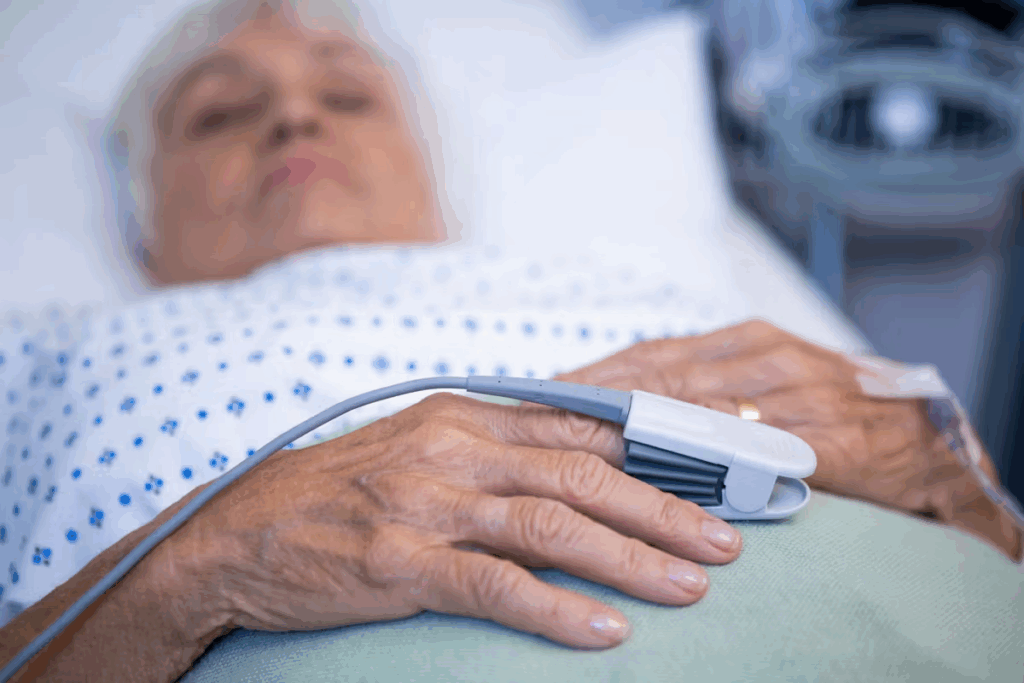
Women thinking about endometrial ablation for heavy periods need to know about the recovery process. At Liv Hospital, we focus on each woman’s needs. We make sure she gets the right support during her healing. What is cervical ablation recovery like? Discover 7 surprising facts about the healing process, bleeding, and activity restrictions.
Most women feel better in just a few days. After NovaSure endometrial ablation, it usually takes five days to fully recover. Our team helps patients deal with bleeding and get back to their daily routines safely.
Key Takeaways
- Knowing the recovery time is key for planning.
- Putting the patient first is vital for a smooth recovery.
- It usually takes five days to feel fully recovered after NovaSure endometrial ablation.
- Handling bleeding after the procedure is important.
- Getting back to daily activities should be done carefully and with guidance.
Understanding Endometrial Ablation Procedures

It’s important for women to understand endometrial ablation procedures. This treatment helps with very heavy periods. Knowing how it works helps you make the best health choices.
What Happens During the Procedure
The goal of endometrial ablation is to stop menstrual bleeding by destroying the uterus lining. It’s quick, usually under an hour, and done as an outpatient. We use different methods to fit each patient’s needs.
The steps can change based on the method used. Here’s a general overview:
- Preparation: You’ll be positioned on the table and might get anesthesia or sedation.
- Visualization: The cervix is opened to put in the ablation device.
- Ablation: The chosen method is used to destroy the lining.
Different Ablation Techniques
There are many endometrial ablation techniques, each with its own benefits. Some common ones are:
- Hydrothermal Ablation: Uses heated fluid to destroy the lining.
- Balloon Therapy: A balloon filled with heated fluid is used.
- Radiofrequency Ablation: Uses radiofrequency energy to destroy tissue.
- Cryoablation: Freezes the lining to destroy it.
Choosing the right method depends on several factors, including your health and preferences. For more information, check outMedical organization’s page on Endometrial Ablation.
Who Is a Good Candidate
Not everyone is a good candidate for endometrial ablation. The best candidates are those who:
- Have heavy or long periods.
- Have finished having children.
- Are in good health.
- Have tried other treatments without success.
Talking to a healthcare provider is key to see if this treatment is right for you. They’ll look at your health history and current condition to advise.
Fact 1: The Typical Cervical Ablation Recovery Timeline
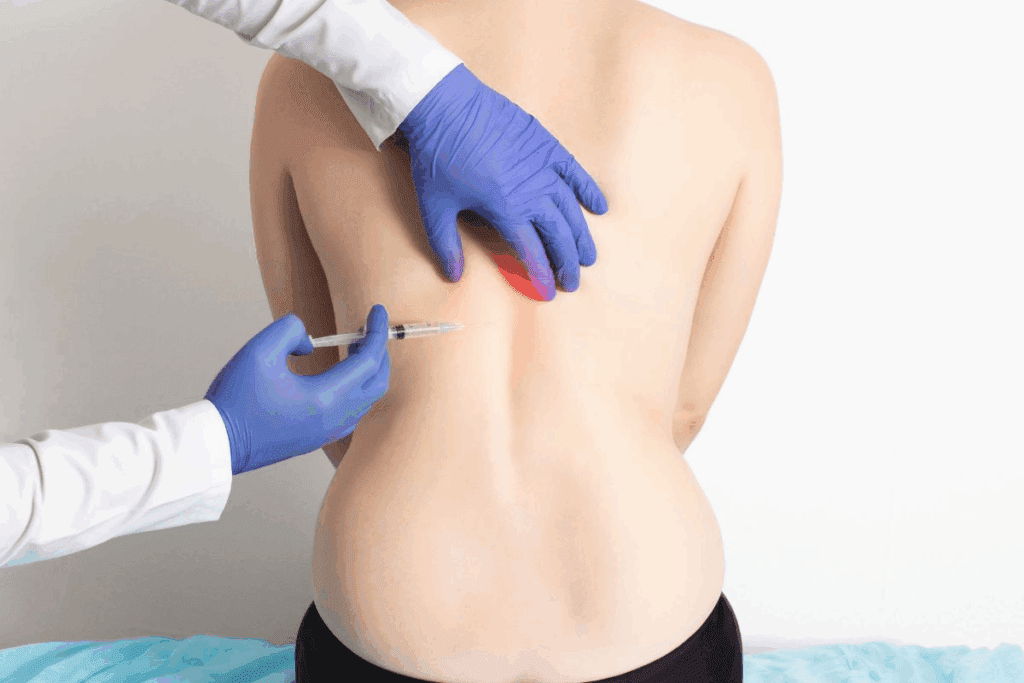
Knowing how long it takes to recover from cervical ablation is key. It helps manage your expectations and ensures a smooth healing. The recovery time can vary, but there are general guidelines. We’ll outline the typical recovery stages to help you prepare.
First 48 Hours After the Procedure
The first 48 hours are very important for a good recovery. Women might feel mild to moderate cramping, which can be eased with over-the-counter pain meds. Spotting or light bleeding is also common. Resting and avoiding hard activities helps your body heal.
Key Considerations for the First 48 Hours:
- Rest and avoid heavy lifting
- Manage pain with recommended medication
- Monitor bleeding and report any heavy flow
Days 3-7: Turning the Corner
By days 3-7, most women start to feel much better. The cramping gets less, and the bleeding or spotting gets lighter. It’s okay to start doing normal activities again, but avoid hard exercise or heavy lifting.
It’s a turning point where the body starts to return to its normal state, and women often feel more like themselves.
| Day | Common Symptoms | Recommended Activities |
| 3-5 | Mild cramping, spotting | Light walking, gentle stretching |
| 5-7 | Minimal cramping, little to no bleeding | Gradually increase activity level |
When Most Women Feel Fully Recovered
Recovery times can differ, but most women feel fully recovered in 1-3 weeks. Healing of the uterus might take up to 4 weeks. Always follow your healthcare provider’s advice and attend follow-up appointments for a smooth recovery.
Understanding the typical cervical ablation recovery timeline helps women prepare for the post-procedure experience. This leads to a more comfortable and successful recovery.
Fact 2: Normal Bleeding Patterns After Endometrial Ablation
Knowing what normal bleeding looks like after endometrial ablation can ease worries during recovery. Every person heals differently, so it’s key to remember this.
Types and Colors of Discharge to Expect
After endometrial ablation, you might see different kinds of vaginal discharge and bleeding. At first, the discharge might be thick and include clots. It can be bright red, dark brown, or even black, showing old blood leaving the uterus.
As healing goes on, the discharge gets lighter. It might turn pinkish or yellowish before stopping completely.
How Long Post-Ablation Bleeding Typically Lasts
Bleeding and discharge after endometrial ablation can last up to 3-4 weeks. The first week is usually the heaviest. Bleeding gets lighter over the next weeks.
It’s important to remember that bleeding times can vary. If bleeding lasts too long or is too heavy, tell your doctor.
When Bleeding Peaks and When It Subsides
Bleeding after endometrial ablation is heaviest in the first few days. This is because the uterus is shedding its lining. This process can cause a lot of discharge.
As time goes on, bleeding gets less intense. It might turn into spotting and then stop. Knowing this can help manage your recovery and reduce anxiety.
Understanding normal bleeding patterns after endometrial ablation helps patients navigate their recovery. It lets them know what to expect and when to get medical help if needed.
Fact 3: Activity Restrictions During Recovery
After endometrial ablation, you need to follow some activity rules for healing. It’s important to find the right balance between rest and activity.
Daily Activities You Can Resume Quickly
You can start with light activities a few days after the procedure. These include:
- Reading or watching TV
- Short walks around the house
- Light stretching or gentle yoga
These activities help you feel more normal and support your recovery.
Activities to Avoid for At Least One Week
For at least a week, stay away from hard activities. These include:
- Heavy lifting (more than 20 pounds)
- High-impact exercises like running or aerobics
- Bending or straining
Staying away from these activities reduces the risk of problems and helps your body heal.
Dr. Jane Smith, a well-known gynecologist, says, “It’s key to let your body heal after an endometrial ablation. Avoiding hard activities for at least a week can greatly lower the chance of complications.”
“Rest is not idleness, and to lie sometimes on the grass under trees on a summer’s day, listening to the murmur of the water, or watching the clouds float across the sky, is by no means a waste of time.”
— John Lubbock
Timeline for Returning to Work
When you can go back to work depends on your job and how you feel. Generally:
| Job Type | Typical Return to Work Time |
| Desk job | 1-3 days |
| Physical labor | 1-2 weeks |
Always talk to your healthcare provider to figure out the best time to go back to work for you.
Following these activity rules helps you recover smoothly and lowers the risk of problems after endometrial ablation.
Fact 4: Managing Pain and Discomfort After Ablation
Managing pain well is key to a smooth recovery after endometrial ablation. The procedure is usually well-tolerated. But, some women might feel discomfort or pain during recovery.
Common Pain Symptoms and Their Duration
Women may feel different types of pain after endometrial ablation. This includes cramping, which feels like menstrual cramps. How severe and long-lasting these symptoms are can vary a lot.
- Cramping: Mild to moderate cramping is common in the first few days post-procedure.
- Duration: Most women see a big improvement in 3-5 days. But, some might feel discomfort for up to a week.
Some women might also feel mild nausea, fatigue, and general discomfort. These feelings are usually short-lived and can be managed.
Effective Pain Management Strategies
To manage pain after endometrial ablation, several strategies can be employed:
- Over-the-counter pain relievers: Medications like ibuprofen can help reduce cramping and discomfort.
- Rest: Getting plenty of rest is key in the first few days after the procedure.
- Heat therapy: Using a heating pad on the lower abdomen may help ease cramps.
It’s important to follow your healthcare provider’s advice on pain management. They can give personalized advice based on your medical history and the specifics of your procedure.
When Pain Indicates a Problem
While some pain is normal after endometrial ablation, severe or worsening pain can be a sign of a complication. It’s important to know the signs that may indicate a problem:
- Severe pain: Pain that’s not helped by prescribed medication or gets worse over time.
- Fever: A high body temperature can be a sign of infection.
- Heavy bleeding: Soaking more than one pad per hour or passing large clots.
If you notice any of these symptoms, it’s important to contact your healthcare provider right away. Early action can prevent more serious problems.
Fact 5: Hygiene Recommendations During Cervical Ablation Recovery

Keeping clean during cervical ablation recovery is key to avoid problems and help healing. We suggest following certain rules to lower infection risk and keep you healthy.
Showering vs. Bathing Guidelines
For personal hygiene after cervical ablation, showering is better than bathing for the first week. Showering cuts down on bacterial infection risks that baths can bring. We tell our patients to stay out of water, like hot tubs and pools, until they get the green light from their doctor.
Showering Tips:
- Use warm water to avoid discomfort.
- Avoid harsh soaps or scented products that can irritate the genital area.
- Gently pat the area dry with a clean towel.
Tampon Use Restrictions
After cervical ablation, it’s important to not use tampons for at least a week to avoid infection. Instead, use sanitary pads for any bleeding or discharge. This helps the cervix heal without bacteria.
Safe Intimate Hygiene Practices
Good intimate hygiene is important during recovery. We tell patients to avoid sex for at least a week or as their doctor advises. When you start again, make sure to practice safe hygiene to prevent infection.
Key Practices:
- Wash your hands before and after touching the genital area.
- Avoid using scented products or douches that can disrupt the natural balance.
- Use gentle, unscented soap for cleaning the genital area.
| Hygiene Practice | Recommended | Not Recommended |
| Showering/Bathing | Showering | Bathing, Hot Tubs, Swimming Pools |
| Menstrual Products | Sanitary Pads | Tampons |
| Intimate Activities | Safe Hygiene Practices | Intercourse for at least 1 week |
Fact 6: Resuming Sexual Activity After the Procedure
Many women wonder when they can safely start being intimate again after endometrial ablation. It’s a big step in getting better, and it’s important to be careful.
Recommended Waiting Period
We suggest waiting at least a week before starting sex again. This lets the cervix heal and lowers the chance of infection. Also, wait until any bleeding or discharge stops. This discharge is a mix of blood and tissue, and stopping is a sign of healing.
What to Expect During First Intercourse
When you first have sex again, you might feel some discomfort or dryness. This is usually short-lived and can be helped with lubricants. You might also feel a bit nervous about starting again after surgery. Talking to your partner about how you feel can really help.
Tips for a Comfortable Experience:
- Use a water-based lubricant to reduce friction.
- Take things slowly and gently.
- Communicate openly with your partner.
Potential Changes in Sexual Experience
Some women might notice changes in their sex life after endometrial ablation. These can include less menstrual cramps or lighter periods, which might make sex feel better. But, everyone is different, and some women might not see big changes. Also, endometrial ablation doesn’t directly affect how much you want sex or how well you can have it.
Remember, every woman’s body is unique, and how endometrial ablation affects sex can vary. If you’re worried about your sex life after the procedure, talk to your doctor. They can offer advice and reassurance tailored to you.
Fact 7: Warning Signs That Require Medical Attention
Knowing the warning signs after endometrial ablation is key to avoiding serious problems. The procedure is usually safe, but it’s important to watch for any issues. This helps ensure a smooth recovery.
Concerning Bleeding Patterns
Some bleeding is normal after endometrial ablation. But, certain patterns can signal a problem. Look out for:
- Heavy bleeding that soaks through more than one pad or tampon per hour
- Bleeding that lasts longer than expected or is heavier than your usual menstrual flow
- Passing large clots or experiencing sudden, severe bleeding
Signs of Infection After Ablation
Infection can happen after surgery, including endometrial ablation. Keep an eye out for these signs:
- Fever above 100.4°F (38°C)
- Foul-smelling vaginal discharge
- Increasing pelvic pain or cramping
- Redness, swelling, or warmth around the vaginal area
If you notice any of these symptoms, contact your healthcare provider right away.
Other Complications to Watch For
There are other complications to watch for after endometrial ablation:
- Severe abdominal pain that doesn’t respond to pain medication
- Nausea or vomiting that persists
- Dizziness or fainting
- Shortness of breath or chest pain
If you have any of these symptoms, seek medical help immediately.
Being careful about your health after endometrial ablation is important. Knowing when to seek help can greatly aid in a successful recovery. If unsure about your symptoms, always consult your healthcare provider.
Long-Term Recovery and Menstrual Changes

It’s important for women to know about the long-term effects of endometrial ablation. We’ll look at the recovery process and the menstrual changes that may happen after treatment.
Expected Changes in Menstrual Patterns
Changes in menstrual patterns are a big part of long-term recovery. Some women might see less bleeding, while others might have lighter or more irregular periods. In some cases, periods might stop altogether.
This is because the endometrial lining is removed. This lining is what sheds during menstruation.
These changes can differ a lot from one woman to another. The method used for the ablation, overall health, and any other health conditions can affect the outcome.
Weight Management After Endometrial Ablation
Some women notice changes in their weight after the procedure. The ablation itself doesn’t cause weight loss. But hormonal changes or menstrual pattern changes might help with weight management.
It’s key for women to eat well and exercise regularly. This helps support their health during recovery.
- Eating a nutrient-rich diet
- Engaging in regular physical activity
- Monitoring weight changes
Long-Term Success Rates
Endometrial ablation is often effective for heavy menstrual bleeding. Many women see big improvements in their symptoms. Studies show that the long-term success rates are high, with many being happy with the results.
But, results can vary. The cause of heavy bleeding, other gynecological issues, and the ablation method can all play a role in success.
Emotional and Hormonal Aspects of Healing
Recovery from endometrial ablation is more than just physical. It also involves emotional and hormonal changes. These can affect how women feel overall.
Mood Changes During Recovery
Mood swings are common during recovery. Hormonal changes and physical discomfort can make women feel irritable, anxious, or sad. It’s important to see these feelings as part of healing.
Some women might notice mild mood changes. Others might feel more intense emotions. Remember, these feelings are usually temporary and will get better as the body heals.
Hormonal Fluctuations to Expect
Even though endometrial ablation isn’t a hormonal treatment, some women might notice hormonal changes. These can happen because of how the body reacts to the procedure and heals.
Women often report changes in their menstrual cycle or other hormonal symptoms during recovery. We’ll talk more about these changes and how to manage them.
Coping Strategies for Emotional Well-being
To help with emotional well-being during recovery, we suggest a few strategies. Maintaining a healthy lifestyle, like eating well and exercising, can help stabilize mood and reduce discomfort.
- Practice relaxation techniques, such as deep breathing or meditation, to help manage stress and anxiety.
- Stay connected with friends and family to build a support network.
- Consider keeping a journal to track your emotions and physical symptoms.
By using these strategies, women can better handle the emotional and hormonal aspects of healing after endometrial ablation. We’re here to support and guide you every step of the way.
Preparing for Your Procedure: Pre-Ablation Considerations
Knowing what to expect and how to prepare for your endometrial ablation is key. It can make your recovery smoother. We want to make sure you’re well-informed and ready for a good experience.
Questions to Ask Your Doctor
Talking to your doctor before the procedure is important. Make a list of questions to ask. This includes:
- What are the possible risks and complications?
- How will the procedure be done, and what method will be used?
- What pain management options are available?
- Are there any special instructions before the procedure?
- What’s the expected recovery time, and how will I be supported?
Items to Have Ready at Home
To make your recovery comfortable, get your home ready. You’ll need:
- Comfortable clothes, like loose pants or skirts
- Sanitary pads or adult diapers for bleeding
- Over-the-counter pain relievers, as advised by your doctor
- A heating pad or warm compress for cramps
- Easy meals or snacks, in case you can’t cook
Setting Realistic Expectations
It’s important to have realistic expectations about your recovery. Remember that:
- Some discomfort and cramping are normal
- Bleeding and discharge may last for days to weeks
- You might need to take time off work or adjust your routine
- Follow-up appointments may be needed to check on your recovery
Being prepared and informed can help avoid complications. It ensures a smoother recovery from your endometrial ablation. If you have any worries or questions, talk to your healthcare provider.
Conclusion
Knowing how to recover after endometrial ablation is key for a smooth healing. Most women get better in a few days to weeks. It’s important to watch for normal bleeding, follow activity limits, and look out for signs that need doctor help.
By following the advice in this article, you can feel less pain and avoid problems. Remember, healing from cervical ablation takes time and care. If you’re worried or notice something odd, get medical help right away.
With the right care, you can handle the recovery well. We hope this info helps you manage your healing and make smart health choices.
FAQ
What is the typical recovery time after endometrial ablation?
Most women recover in a few days to a week. But, full recovery can take up to several weeks.
How long does bleeding last after endometrial ablation?
Bleeding can last weeks, peaking in the first week and then getting lighter.
What are the normal bleeding patterns after endometrial ablation?
You might see watery discharge, spotting, or light bleeding. Cramping can also happen.
Can I take a bath after endometrial ablation?
It’s best to avoid baths for at least a week. This helps prevent infection.
When can I resume sexual activity after endometrial ablation?
Wait 1-2 weeks before starting sex again. This lets your body heal properly.
What are the signs of infection after endometrial ablation?
Look out for fever, more pain, heavy or bad-smelling discharge, or belly tenderness. These are signs of infection.
How can I manage pain after endometrial ablation?
Use over-the-counter pain meds like ibuprofen or acetaminophen. Always follow your doctor’s advice.
Will I experience hormonal changes after endometrial ablation?
Hormonal changes aren’t usually a direct result of the procedure. But, some women might notice changes in their menstrual cycle or mood.
Can I lose weight after endometrial ablation?
Endometrial ablation isn’t for weight loss. But, some women might see changes in their menstrual cycle or health that could affect their weight.
How long does it take to return to work after endometrial ablation?
It depends on you, but most women can go back to work in a few days to a week.
What are the long-term success rates for endometrial ablation?
Success rates vary, but many women see a big drop or stop in menstrual bleeding.
Can I experience emotional changes after endometrial ablation?
Yes, some women might feel mood swings or anxiety. But these feelings are usually short-lived.
Reference:
Peng, J., et al. (2024). Systematic review and meta-analysis of current evidence in uterine artery embolization compared to myomectomy on symptomatic uterine fibroids. Scientific Reports, 14, Article 12345. https://www.nature.com/articles/s41598-024-69754-0