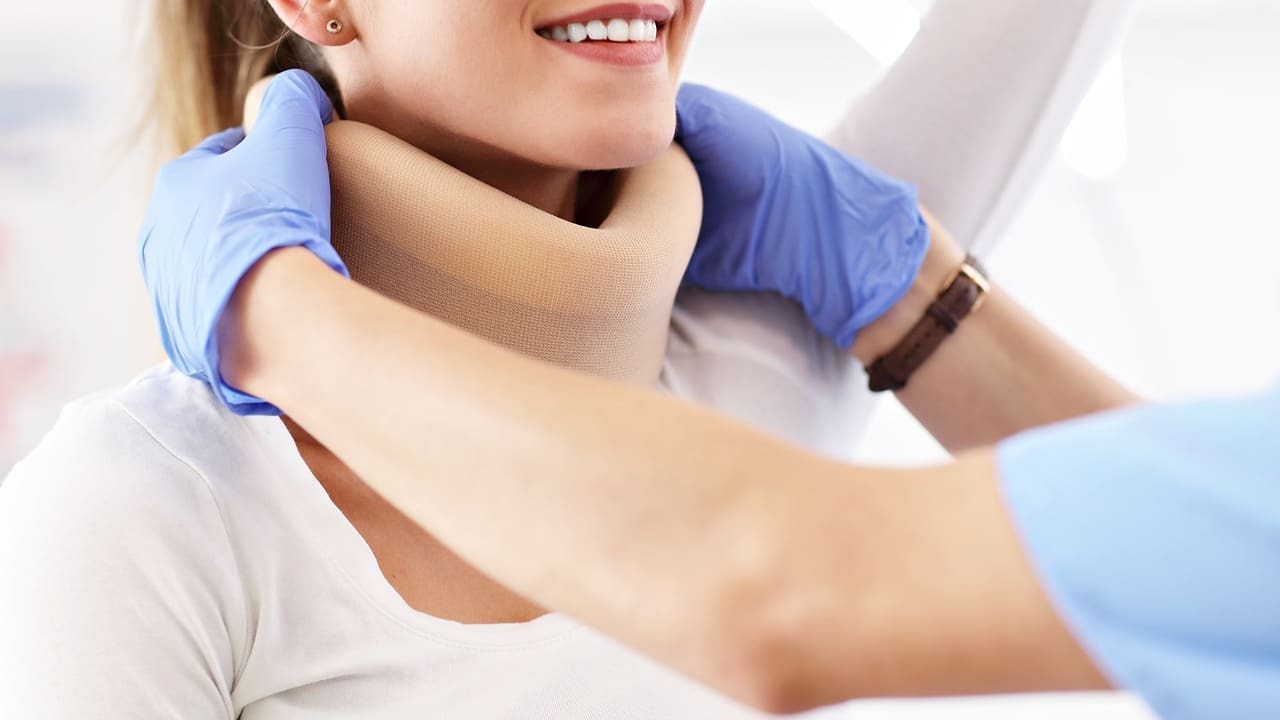
Cervical arthrodesis is a surgery that helps with nerve issues and spinal problems. It’s a big step in fixing spinal health.
At Liv Hospital, we work with top doctors like Alan Hilibrand MD. His knowledge on cervical arthrodesis helps patients get better safely.
We’ll look at seven key points from Alan Hilibrand MD. They can greatly improve the results of cervical spine fusion surgery. We focus on making the recovery safer.
Key Takeaways
- Understanding the basics of cervical arthrodesis and its benefits.
- Insights from Alan Hilibrand MD on improving surgical results.
- Preoperative and postoperative care for the best recovery.
- The role of advanced technology in cervical spine fusion.
- Rehabilitation strategies for a smoother recovery.
- Potential risks and how to avoid them.
- The importance of follow-up care in the recovery process.
The Science Behind Cervical Arthrodesis and Its Applications
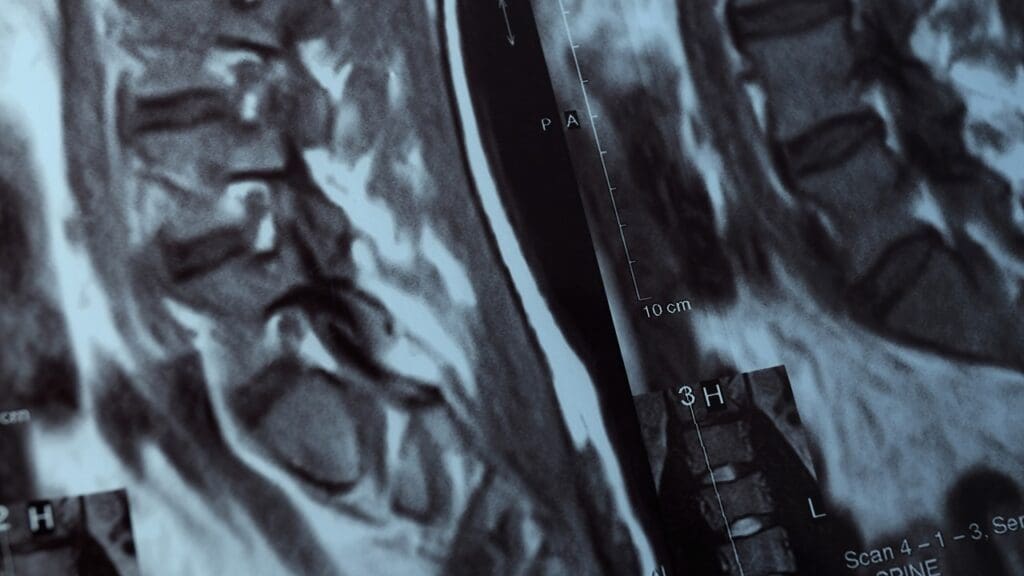
It’s important to know how cervical arthrodesis works to treat cervical spine problems. This surgery, also called cervical spine fusion, joins two or more vertebrae together. This makes the spine more stable.
Definition and Purpose of Cervical Spine Fusion
The main goal of cervical spine fusion is to stop pain and make the spine stable again. It does this by removing movement between vertebrae. This is done by placing bone grafts between the vertebrae to help them fuse together.
Common Conditions Requiring Surgical Intervention
Several conditions need cervical arthrodesis surgery. These include:
Degenerative Disc Disease
Degenerative disc disease happens when discs between vertebrae wear out. This causes pain and makes the spine unstable. Surgery is often needed when other treatments don’t work. A study in the Journal of Orthopaedic Surgery and Research shows that fusion surgery can greatly help with pain and improve function https://josr-online.biomedcentral.com/articles/10.1186/s13018-025-06189-x.
Spinal Instability and Trauma
Spinal instability and trauma are also reasons for this surgery. Trauma can make the spine unstable, needing surgery to fix. -Dr. is a leading expert in treating these conditions.
The table below shows the common conditions treated with cervical arthrodesis and their characteristics:
| Condition | Description | Treatment Outcome |
|---|---|---|
| Degenerative Disc Disease | Deterioration of intervertebral discs | Pain relief and functional improvement |
| Spinal Instability | Instability due to trauma or disease | Stabilization of the spine |
| Trauma | Acute injury to the cervical spine | Stabilization and prevention of further injury |
Cervical arthrodesis is a key surgery for many cervical spine problems. Knowing how it works helps both patients and doctors make better choices.
-Dr. A Pioneer in Cervical Spine Surgery
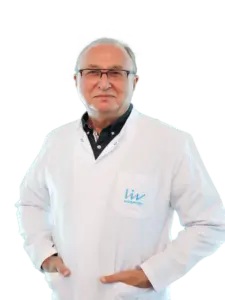
-Dr. has made a big impact on cervical spine surgery. He is a leading expert in cervical spine surgery. His work has changed how surgeries are done today.
Professional Background and Research Contributions
-Dr. as spent his career studying cervical spine surgery. He has looked into how spinal fusion works and its long-term effects. His research contributions have made him a leader in his field.
His studies have been published in top medical journals. He has won awards for his work. As Becker’s Spine notes, he has received several leadership awards.
Impact on Modern Surgical Techniques
-Dr. work has changed how surgeries are done. He has shown the importance of choosing the right patients and using precise techniques. This has led to better results for patients.
Landmark Studies and Publications
-Dr. has done important studies on spinal fusion and its long-term effects. His work has helped shape current surgical practices.
-Dr. research has improved treatment options for patients around the world. His work continues to shape the future of spinal surgery.
Key Fact #1: Adjacent Segment Disease – Critical Insights from -Dr.
-Dr. research has uncovered new insights into adjacent segment disease after cervical arthrodesis. This disease is when spinal segments near a fused area start to degenerate. It can lead to more surgeries.
Understanding the Long-term Effects of Fusion
Cervical spine fusion, or arthrodesis, is a surgery that joins vertebrae to stabilize the spine. It helps treat many spinal issues but can change the spine’s mechanics. This might speed up degeneration at other levels.
Preventative Approaches to Reduce Adjacent Level Degeneration
To lower the risk of adjacent segment disease, -Dr. stresses the need for careful patient choice and precise surgery. He suggests looking at the patient’s spinal health and using surgery that affects less of the spine.
Patient Selection Considerations
Choosing the right patient is key to avoiding adjacent segment disease. Age, spinal health, and any existing conditions at nearby levels are important factors.
Surgical Technique Modifications
Changing surgery techniques can also help. Using advanced imaging and navigation systems helps place instruments accurately. This reduces harm to nearby tissues.
| Surgical Technique | Benefits | Risk Reduction |
|---|---|---|
| Minimally Invasive Surgery | Less tissue disruption, reduced recovery time | Lower risk of adjacent segment disease |
| Advanced Navigation Systems | Improved precision in instrumentation placement | Reduced risk of adjacent level degeneration |
| Motion Preservation Techniques | Preserves natural spinal motion | Potential reduction in adjacent segment disease |
Understanding fusion’s long-term effects and using preventive methods can help surgeons. This way, they can lower the risk of adjacent segment disease. It improves outcomes for patients with cervical arthrodesis.
Key Fact #2: Minimally Invasive Cervical Arthrodesis Techniques
The development of minimally invasive cervical arthrodesis techniques is a big step forward in spinal surgery. We’ve seen a big change towards less invasive methods. This has improved patient outcomes and recovery times.
Evolution from Traditional to Less Invasive Approaches
Older cervical arthrodesis methods were very invasive, leading to longer recovery times. Minimally invasive techniques have come along to reduce tissue damage. This is thanks to better advanced imaging and navigation systems.
Advanced Imaging and Navigation Systems
The use of advanced imaging has changed how precise cervical arthrodesis can be. Navigation systems give surgeons real-time feedback. This helps them place instruments accurately for better results.
Reduced Tissue Trauma and Blood Loss
Minimally invasive cervical arthrodesis greatly reduces tissue damage and blood loss. This means less pain after surgery and fewer complications.
Accelerated Recovery Timelines
With less tissue damage, patients recover faster. This means they can get back to their normal lives sooner. It makes patients happier with their care.
| Benefits | Traditional Methods | Minimally Invasive Methods |
|---|---|---|
| Tissue Trauma | High | Low |
| Blood Loss | Significant | Minimal |
| Recovery Time | Extended | Accelerated |
As we keep improving minimally invasive cervical arthrodesis techniques, patient care will get even better. The mix of advanced imaging, navigation systems, and skilled surgeons is key to this progress.
Key Fact #3: Complication Prevention Strategies
-Dr. has changed the game in spinal fusion by focusing on preventing complications. Even with the best care, problems can happen. But, with the right steps, many can be avoided or lessened.
Common Risks Following Spinal Fusion
Spinal fusion surgery is mostly safe, but it comes with risks. These include infections, nerve damage, and problems with the hardware used. Knowing these risks is the first step to avoiding them.
- Infection: A big risk because the surgery is invasive.
- Neurological damage: There’s a chance of hurting the spinal cord or nerves.
- Hardware failure: Implants can fail or move out of place.
-Dr. Evidence-Based Protocols
-Dr. has come up with several proven ways to lower these risks. These include:
Infection Prevention Measures
To fight infections, -Dr. uggests using strict sterile methods, antibiotics before surgery, and careful wound care. These steps greatly cut down on infections after surgery.
Neurological Complication Avoidance
To prevent nerve problems, -Dr. stresses the need for precise surgery, monitoring during surgery, and choosing the right patients. These steps help lower the chance of nerve damage.
By using these proven protocols, surgeons can greatly lower the chance of problems in spinal fusion surgery. This leads to better results for patients.
Key Fact #4: Optimizing Post-Surgical Rehabilitation
Getting the best results after cervical arthrodesis surgery depends on good post-surgical care. A well-planned recovery plan can greatly help patients. It can lower the risk of problems and make life better overall.
Structured Recovery Timeline
A clear recovery plan is key for guiding patients after surgery. –Dr. methods focus on a step-by-step recovery. This plan is split into immediate, short-term, and long-term phases. It helps set realistic goals and keeps patients on track with their recovery.
Physical Therapy Protocols for Cervical Fusion Patients
Physical therapy is vital for cervical fusion patients. Early exercises are used to avoid stiffness and aid healing. Later, strengthening programs are added to build muscle and improve movement.
Early Mobilization Techniques
Early exercises help keep the neck mobile and prevent scar tissue. These include gentle neck movements and stretches. A physical therapist guides these to ensure they are safe and work well.
Progressive Strengthening Programs
As patients get better, strengthening exercises are added. These exercises are designed to fit each patient’s needs. They help safely get back to normal activities.
By sticking to a structured recovery plan and using the right physical therapy, patients can get the best results. Our team, led by -Dr. provides full care during recovery.
Key Fact #5: Patient-Reported Outcomes After Cervical Arthrodesis
It’s key to know how patients feel after cervical arthrodesis surgery. We look at what makes patients happy and improves their life after surgery.
Quality of Life Measurements
Measuring quality of life is vital. It checks on physical health, emotional state, and social life. Doctors use special questionnaires to see how well patients are doing after surgery.
Factors Influencing Patient Satisfaction
Many things affect how happy patients are after surgery. These include less pain, better function, and no complications. –Dr. research shows that how well the surgery works and post-op care matter a lot.
Pain Reduction Metrics
Reducing pain is a big deal for patients. We use tools like the Visual Analog Scale (VAS) to see how much pain patients have before and after surgery. This helps doctors know if the surgery helped with pain.
Functional Improvement Assessment
How well patients can do things is also important. We check if patients can walk, dress, and take care of themselves. This tells doctors how much the surgery helped with daily activities.
Understanding what patients say helps doctors make care better. We aim to give each patient the best care for their needs after cervical arthrodesis.
Key Fact #6: Special Considerations for High-Risk Patients
High-risk patients need extra care when it comes to cervical arthrodesis. -Dr. research shows why managing their health is key to success.
Managing Comorbidities in Fusion Candidates
Patients with health issues like diabetes or heart disease must be checked carefully before surgery. Improving their health before the operation is very important to avoid problems.
Tailored Approaches for Complex Cases
For complex cases, like those with past surgeries or big deformities, custom plans are needed. New imaging and navigation tools help a lot in these situations.
Elderly Patient Considerations
Elderly patients face extra challenges, like bone thinning or many health issues. Their treatment must be carefully made to fit their needs.
Revision Surgery Challenges
Revision surgeries are very hard and need a lot of planning. Knowing why the surgery is needed and using new methods is key to success.
| Patient Group | Key Considerations | Surgical Approach |
|---|---|---|
| High-Risk Patients | Managing comorbidities, complex case profiles | Personalized surgical planning, advanced imaging |
| Elderly Patients | Osteoporosis, multiple comorbidities | Tailored treatment plans, careful patient selection |
| Revision Surgery | Reasons for revision, complexity of previous surgery | Advanced techniques, meticulous planning |
Key Fact #7: Liv Hospital’s Multidisciplinary Approach to Spine Care
Liv Hospital’s spine care program stands out. It uses international best practices and offers full support to patients. Our team is dedicated to top-notch healthcare, focusing on spine care with a mix of medical experts.
Integration of International Best Practices
At Liv Hospital, we follow a team approach. This method includes the newest spine care methods from around the world. Our team keeps learning and working together to give patients the best care.
Our commitment to excellence shows in our use of the latest technology and proven methods. We keep these up to date with global standards.
Comprehensive Patient Support Systems
Spine care is more than just treatment. It’s about caring for the whole person. Our support systems help with emotional, physical, and informational needs during treatment.
Personalized care plans are made with each patient. We make sure their specific needs are met.
Advanced Technology Implementation
Using the latest technology is key to our approach. We have top-notch tools for diagnosis and treatment. This helps improve patient results.
Personalized Treatment Planning
At Liv Hospital, we value personalized treatment planning. Our team creates a plan just for each patient. It’s based on their unique situation and needs.
By using international best practices, full patient support, and advanced technology, we offer top spine care. This care greatly improves our patients’ lives.
Conclusion: The Future of Cervical Spine Surgery
-Dr. insights on cervical arthrodesis show the field is ready for big changes. New research and tech advancements will improve patient care and recovery. This is a promising future for cervical spine surgery.
-Dr. work on adjacent segment disease, minimally invasive methods, and preventing complications is key. His efforts highlight the need for ongoing innovation. This will lead to better and safer surgeries for patients.
Liv Hospital is a great example of what’s next in cervical spine care. They use international best practices and support patients fully. With -Dr. and other experts, we’ll see even more progress. This will help patients get the best medical care available.
What is cervical arthrodesis, and when is it typically performed?
Cervical arthrodesis, or cervical spine fusion, is a surgery that joins neck vertebrae. It’s done to stabilize the spine and ease pain. -Dr.MD is a leading expert in this field, known for his work in modern surgical techniques.
What are the common conditions that require cervical spine fusion?
Conditions like degenerative disc disease, spinal instability, and trauma often need cervical spine fusion. These issues can cause a lot of pain and may need surgery to heal and stabilize the spine.
What is adjacent segment disease, and how can it be prevented?
Adjacent segment disease is when spinal segments near a fusion area degenerate. -Dr. research shows that choosing the right patients and using specific surgical techniques can lower this risk. New, less invasive surgery methods and advanced imaging help prevent it too.
What are the benefits of minimally invasive cervical arthrodesis techniques?
These techniques cause less damage to tissues and blood loss. They also help patients recover faster. Advanced imaging and navigation systems ensure the surgery is precise and safe.
How can complications be prevented after cervical spine fusion?
Following -Dr. evidence-based protocols can prevent complications. These include steps to avoid infections and protect the nervous system. These are key to ensuring the best results for patients.
What is the importance of post-surgical rehabilitation after cervical arthrodesis?
Rehabilitation after cervical arthrodesis is vital for recovery and avoiding complications. It includes structured recovery plans and physical therapy. Early movement and strengthening programs are important for the best outcomes.
How is patient satisfaction measured after cervical arthrodesis?
Satisfaction is measured by how well patients’ quality of life and pain improve. It’s also important to assess how well they can function. -Dr. research emphasizes the importance of these measures for patient care.
What special considerations are required for high-risk patients undergoing cervical spine fusion?
Patients at higher risk, like the elderly or those with health issues, need special care. Managing their health and tailoring treatment for complex cases is key. Liv Hospital’s approach, which combines international standards and patient support, is very helpful for these patients.
What is the role of advanced technology in cervical spine surgery?
Advanced technology, like imaging and navigation systems, is essential in cervical spine surgery. It allows for precise and safe procedures. -Dr. work and ongoing tech advancements improve patient results.


 Departments
 Related Videos
 Our Doctors
 News
News