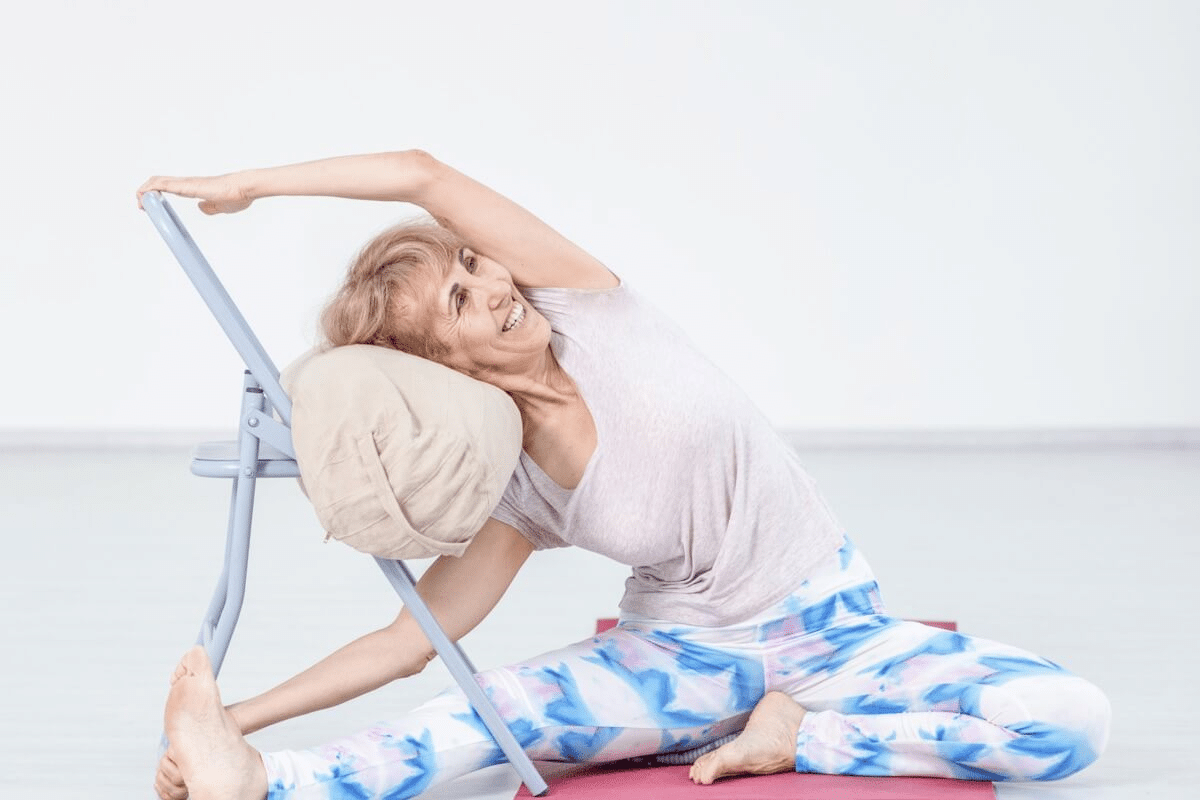
As we get older, keeping our bodies strong and our minds sharp is key. Chair yoga is a gentle way for seniors to stay fit and avoid falls. It’s done while sitting in a chair, making it easy and safe. Start a chair yoga routine for seniors. The best daily habit to build strength and protect vital joint function long-term.
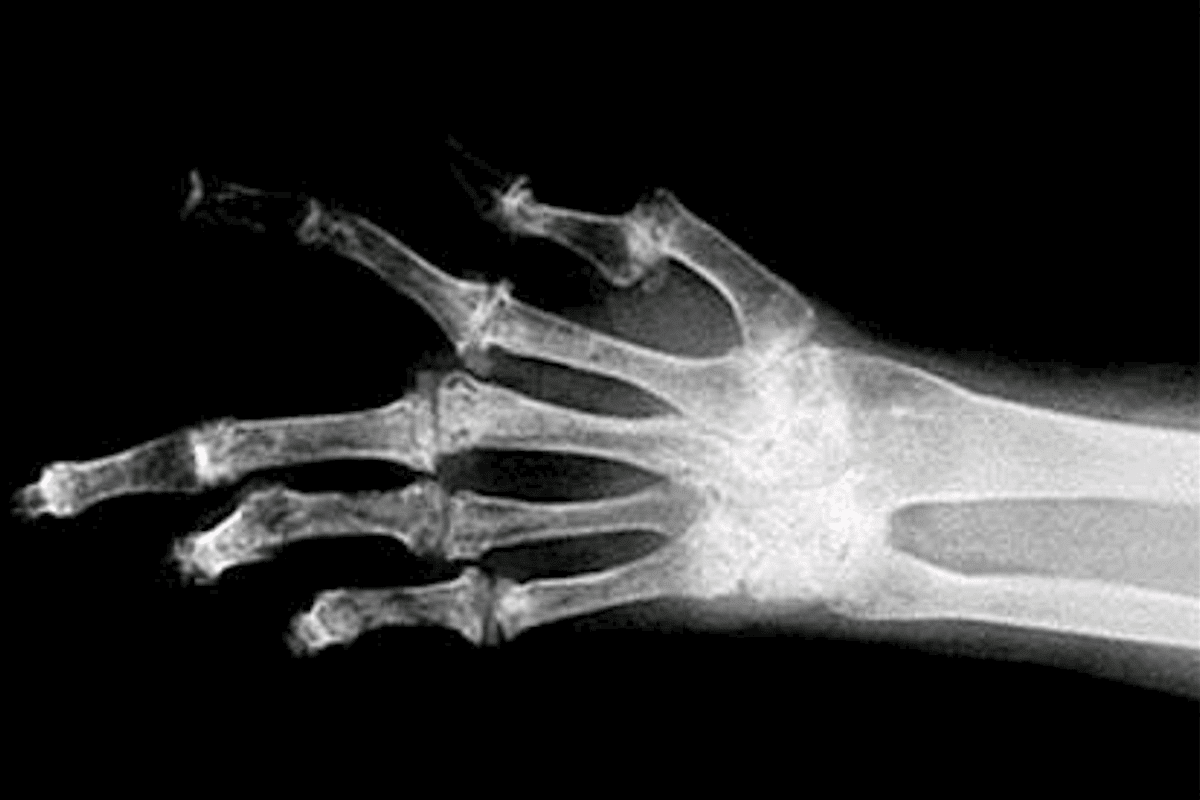
Studies show that 45 minutes of chair yoga, twice a week, can really help. It can lessen joint pain, improve movement, and make seniors more independent. It’s a trusted way to manage arthritis and boost flexibility.
Key Takeaways
- Chair yoga is a safe and accessible form of exercise for seniors.
- It can help reduce joint pain and enhance mobility.
- Regular practice can boost independence in older adults.
- Chair yoga is beneficial for managing arthritis and improving flexibility.
- It provides a complete solution for overall well-being.
What Is Chair Yoga and Why It Benefits Seniors
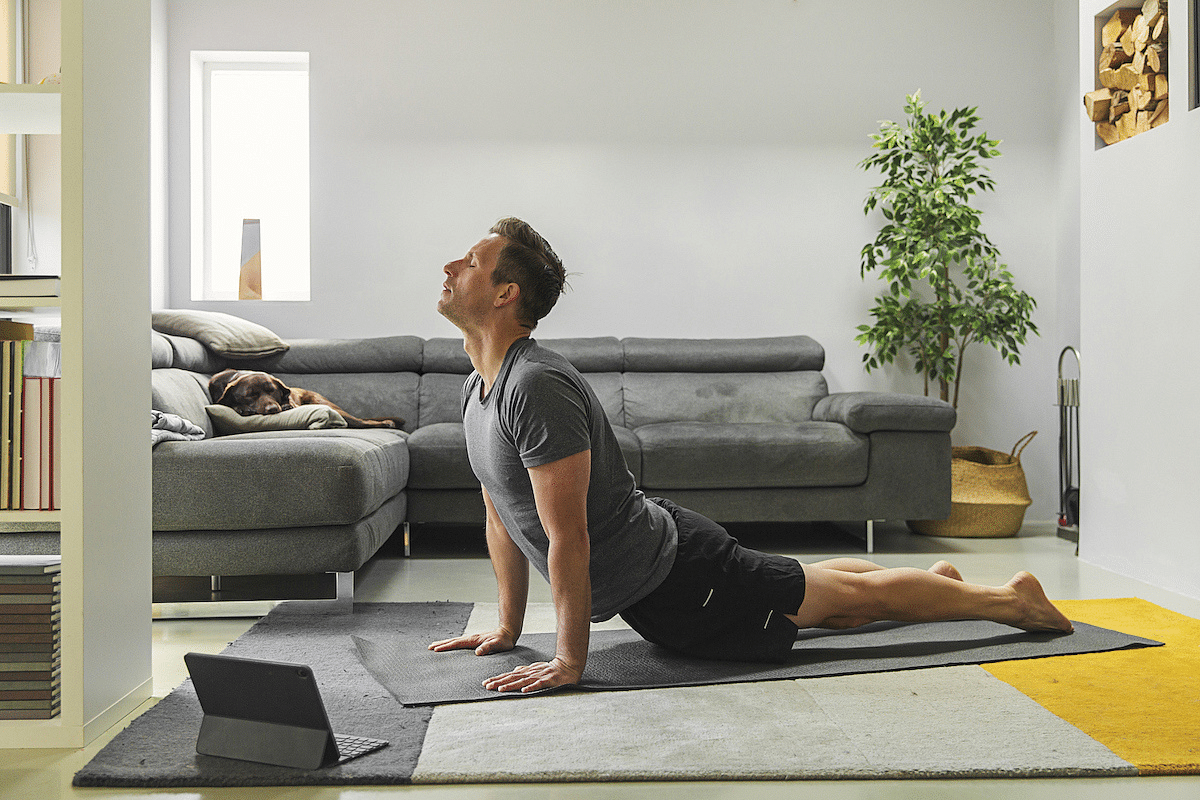
Chair yoga is a yoga version that you can do while sitting or using a chair for help. It’s great for seniors because it helps improve flexibility, balance, and strength safely and effectively.
Definition and Origins of Chair Yoga
Chair yoga mixes traditional yoga with the help of a chair. It’s perfect for those who have trouble moving or doing yoga poses the usual way. It was made for older adults or people with physical challenges.
It includes seated chair yoga poses and breathing exercises. You can do these while sitting or standing with a chair’s support. This makes it a great choice for seniors wanting to stay healthy.
Research-Backed Health Benefits
Research shows that chair yoga fitness can really help older adults. It improves their fitness and daily life activities. The benefits include:
- Improved flexibility and range of motion
- Enhanced balance and reduced risk of falls
- Increased strength and muscle tone
- Better breathing and cardiovascular health
- Reduced stress and anxiety
Studies prove that chair yoga boosts seniors’ fitness, balance, and mobility. It’s a great addition to their workout routine.
How Chair Yoga Differs from Traditional Yoga
Traditional yoga can be tough for seniors, but senior yoga chair exercises are easier. Chair yoga changes traditional poses to be done while seated or with a chair’s support. This lowers injury risk and makes it more welcoming.
Chair yoga includes poses like seated forward bends, chair twists, and leg lifts. These can be adjusted for different skill levels. This flexibility is why more seniors are trying it out.
Getting Started: Equipment and Safety Guidelines
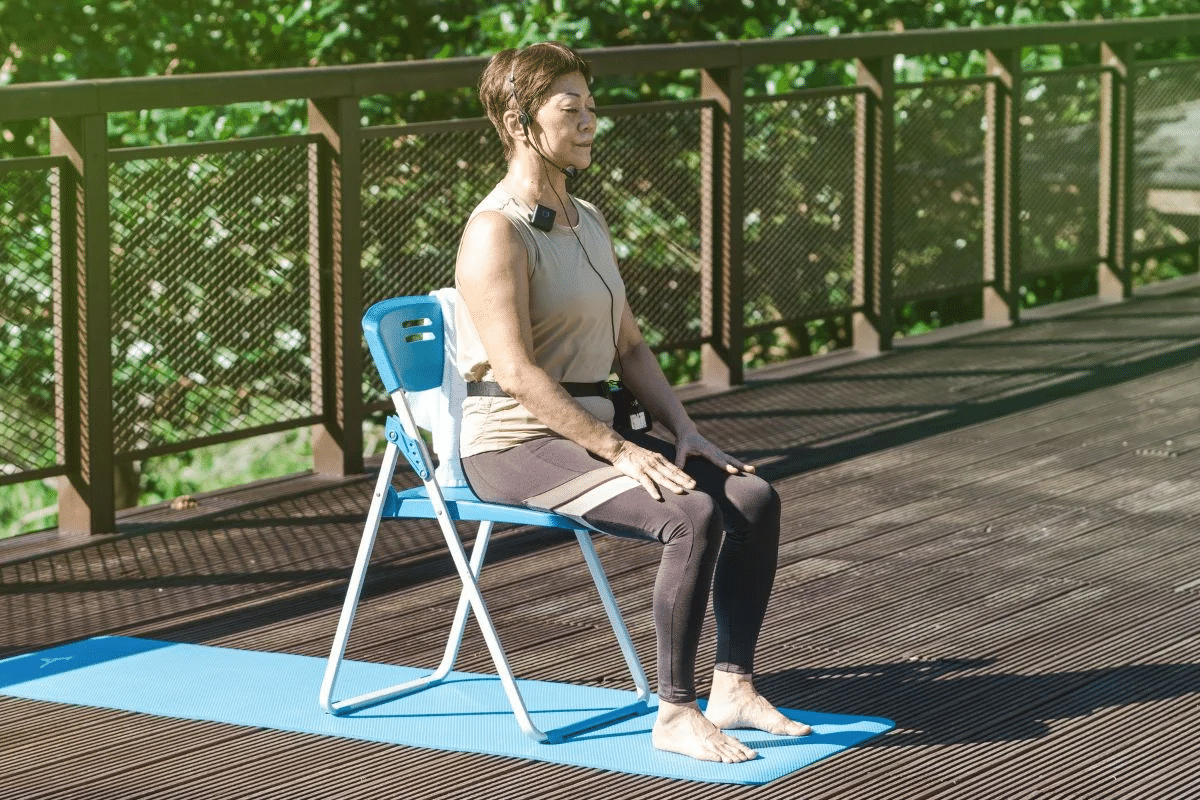
To start chair yoga safely and effectively, we need the right equipment and guidelines. Chair yoga is great for seniors, helping improve flexibility and strength. It’s important to begin with the basics to get the most benefits and avoid risks.
Selecting the Right Chair
The chair you pick for chair yoga is key. Look for a sturdy, armless chair with a straight back. It should be stable and not tip over when you lean or move. Make sure the chair doesn’t have wheels unless they can be locked.
Creating a Safe Practice Space
Having a safe space for chair yoga is essential. Clear the area around your chair of any obstacles or tripping hazards. You need enough room to move your arms and legs without bumping into things.
Comfortable Clothing Recommendations
Wearing comfy clothes is important for chair yoga. Choose loose, stretchy clothes that let you move freely. Avoid clothes that are too loose or might get tangled. Wearing the right clothes helps you focus and enjoy your practice.
When to Consult Your Doctor
Always talk to your doctor before starting any new exercise, like chair yoga. The CDC says older adults should check with their doctor before starting new exercises. This step helps you know any risks and adjust your practice to fit your health needs.
|
Guideline |
Description |
|---|---|
|
Chair Selection |
Sturdy, armless, straight back, stable |
|
Practice Space |
Clear of obstacles, enough room to move |
|
Clothing |
Loose, stretchy, comfortable |
|
Health Consultation |
Consult doctor before starting, specially with health conditions |
Essential Breathing Techniques for Chair Yoga
Breathing techniques are key in chair yoga, helping seniors feel less stressed and more relaxed. Let’s look at the main breathing methods that can boost your chair yoga.
Diaphragmatic Breathing Practice
Diaphragmatic breathing, or belly breathing, uses the diaphragm to fill the lungs fully. Sit comfortably in your chair with your feet flat on the floor. Place one hand on your belly and the other on your chest.
Inhale deeply through your nose, letting your belly rise while your chest stays steady. Exhale slowly through your mouth, feeling your belly fall. This breathing method reduces stress and promotes relaxation.
Benefits of Diaphragmatic Breathing:
- Reduces stress and anxiety
- Improves lung capacity
- Enhances overall relaxation
Calming Breath Exercises
Calming breath exercises calm the mind and body. Try the 4-4-4 method: inhale for a count of four, hold for a count of four, and exhale for a count of four. This balanced breathing calms the nervous system.
|
Breathing Technique |
Description |
Benefits |
|---|---|---|
|
4-4-4 Method |
Inhale for 4 counts, hold for 4 counts, exhale for 4 counts |
Calms the nervous system, reduces anxiety |
|
Diaphragmatic Breathing |
Inhale deeply through the nose, exhale slowly through the mouth |
Reduces stress, improves lung capacity |
Energizing Breath Techniques
Energizing breath techniques boost vitality and alertness. “Breath of Fire” is one such technique. It involves rapid, shallow inhalations and exhalations through the nose. This technique invigorates the body and improves circulation.
Adding these breathing techniques to your chair yoga can improve your well-being. It reduces stress and boosts physical and mental health.
Warm-Up Exercises to Prepare Your Body
Starting with gentle warm-up exercises is key for a safe chair yoga practice. These exercises boost blood flow, ease stiffness, and get our muscles ready for the next steps.
Gentle Neck and Shoulder Releases
Neck and shoulder releases are vital for better flexibility and less tension. To do a neck release, slowly tilt your head to the right, bringing your ear to your right shoulder. Hold for a few breaths and then go back to the start. Do the same on the left side.
For shoulder releases, roll your shoulders forward and backward in a circle. Do this several times to loosen your shoulder muscles.
Upper Body Mobility Exercises
Exercises for the upper body help loosen arms and boost flexibility. Start by holding your arms straight out to the sides at shoulder height. Make small circles with your hands for several reps. Then, swing your arms across your body, first to the right and then to the left.
Another good move is to hold your arm straight out in front and tilt your wrist up and down. Then, rotate your wrist in both directions.
Lower Body Warm-Up Movements
Lower body warm-ups are key for chair yoga. Start by lifting your legs off the floor, one at a time, and then lower them back down. Do this several times.
Another exercise is to lift your heels off the ground and then lower them back down. Lift your toes and then lower them. This loosens your ankles and boosts circulation.
Spinal Mobility Sequences
Spinal mobility sequences are essential for a healthy back and better flexibility. Start by arching your back, looking up, and then rounding your back, looking down. Repeat this several times to loosen your spine.
Another good sequence is to sit sideways in your chair and twist your torso to the right, holding for a few breaths. Then, do the same on the left side. This improves rotational flexibility and reduces spine stiffness.
Complete Chair Yoga Routine for Seniors
We’ll show you a detailed chair yoga routine for seniors. Chair yoga boosts fitness, balance, and mobility for older adults. It keeps flexibility and strength as we age.
Foundational Seated Poses
Seated poses are the base of chair yoga. They improve posture, balance, and prepare for more movements. Key poses include:
- Seated Mountain Pose: Sit upright with feet on the ground, core engaged, and spine straight.
- Seated Forward Bend: Lean forward, stretching from shoulders to heels.
- Seated Spinal Twist: Twist to one side, then the other, for spine flexibility.
“Chair yoga is great for seniors to stay flexible and strong without harming joints,” says Lauren, a top chair yoga teacher.
Core-Strengthening Movements
Strengthening the core is key for balance and fall prevention. Chair yoga has exercises for this:
- Seated Leg Lifts: Lift legs off the floor, working the abs.
- Seated Bicycle Crunches: Move elbows towards opposite knees, like cycling.
- Seated Russian Twists: Twist torso, using the chair for support.
These exercises boost core strength, stability, and coordination.
Upper Body Stretches and Strengtheners
Chair yoga has upper body exercises for shoulder and arm health:
- Seated Arm Raises: Raise arms overhead, then lower, repeating.
- Seated Shoulder Rolls: Roll shoulders forward and backward to relax.
- Seated Chest Opens: Pull shoulders back with hands behind you, opening the chest.
These exercises fight against a sedentary lifestyle and improve upper body health.
Lower Body Exercises
Chair yoga’s lower body exercises keep legs strong and flexible:
- Seated Leg Extensions: Lift one leg straight out in front.
- Seated Ankle Rotations: Rotate ankles in both directions.
- Seated Foot Taps: Lift feet and tap them gently on the ground.
These exercises are vital for leg mobility and preventing stiffness.
By adding these poses, movements, and exercises to your routine, you’ll enjoy a full chair yoga practice. It will boost your overall well-being.
Standing Poses Using Chair Support
Using a chair for support lets us add standing poses to our chair yoga routine. This helps improve balance and physical stability. Standing poses with chair support are great for seniors. They help build strength and balance, lowering the chance of falls.
Safe Transitions from Sitting to Standing
It’s important to move safely from sitting to standing to avoid injury. First, make sure your feet are flat on the floor, with your hips apart. Slowly stand up, using the chair if you need to. Take a moment to balance before starting the standing poses.
Chair-Supported Standing Poses
Chair-supported standing poses help us stay stable while stretching and building strength. For example, try a standing leg lift by holding the chair and lifting one leg straight. This strengthens your leg muscles and improves balance.
Balance Exercises with Chair Assistance
Balance exercises are key in chair yoga, with the help of a chair. Try standing on one leg while holding the chair, or stand with your feet together. These exercises boost your balance and proprioception.
Adding standing poses with chair support to our chair yoga routine boosts our physical stability and confidence. Regular practice improves our fitness and reduces the risk of falls.
Chair Yoga Modifications for Different Ability Levels
It’s important to make chair yoga fit for everyone. This way, it’s safe and helpful for all. Chair yoga can be changed to meet the needs of seniors with various health issues and mobility levels.
Adaptations for Limited Mobility
Seniors with limited mobility can enjoy chair yoga. We focus on easy movements that don’t need standing or moving from the chair. Seated breathing exercises and gentle neck stretches help with flexibility and stress relief. The chair also supports us during seated twists and shoulder rolls.
Modifications for Common Health Conditions
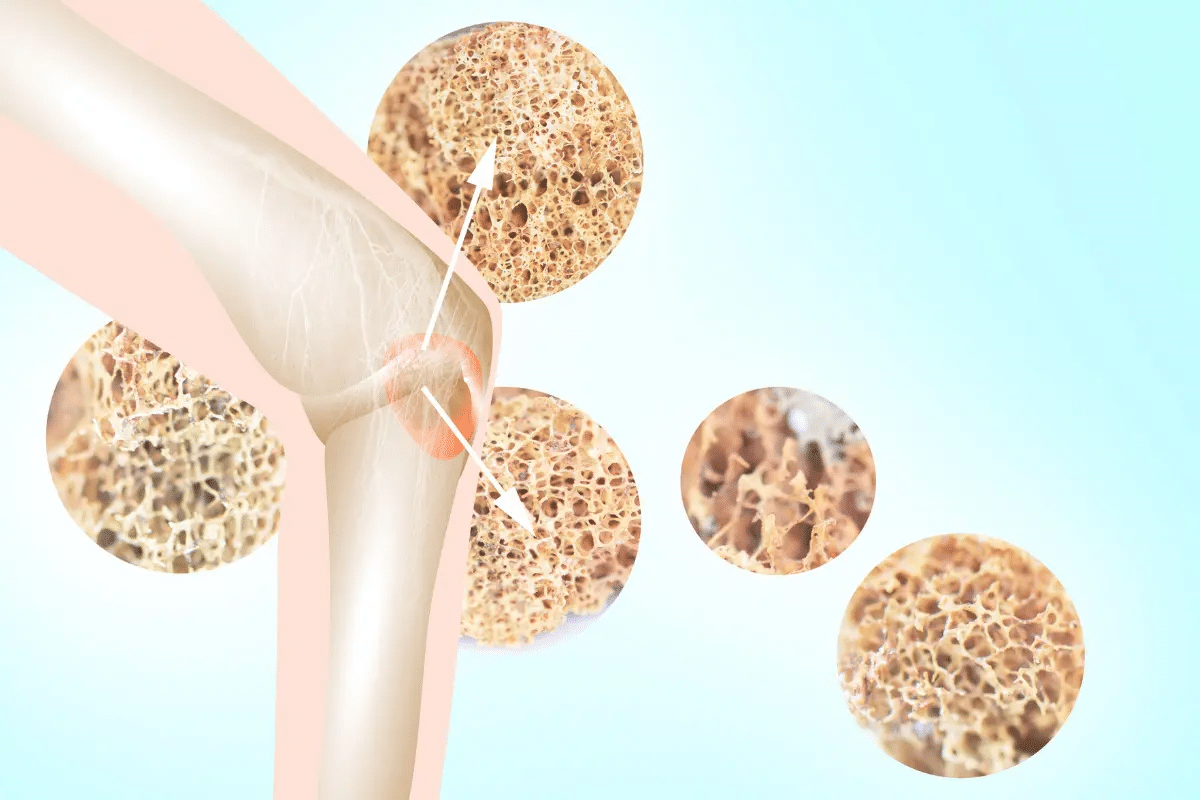
Some health issues, like osteoporosis or arthritis, need special care in chair yoga. People with osteoporosis should avoid bending or twisting to protect their bones. Those with arthritis can benefit from gentle stretches and movements to improve joint mobility and ease pain.
- For osteoporosis: Avoid forward bends and deep twists.
- For arthritis: Focus on gentle stretches and movements that promote joint mobility.
Progressive Options for Increasing Strength
As people get more comfortable with chair yoga, we can add more to the routine. We might use light hand weights for seated exercises or introduce more dynamic movements. Resistance bands can also be added to make the practice more challenging.
By adjusting the practice, we make sure chair yoga is good for seniors with different abilities and health conditions.
Enhancing Your Practice with Props and Weights
Adding props and weights to chair yoga boosts strength and flexibility for seniors. As we age, our bodies change, affecting balance, strength, and flexibility. Props and weights help us customize our chair yoga to fit our needs and abilities.
Using Blocks and Straps in Chair Yoga
Blocks and straps are great for chair yoga. Blocks support our bodies in poses, keeping us aligned and avoiding strain. For instance, in a seated forward bend, a block can support the hands, preventing overstretching.
Straps deepen stretches and boost flexibility. In a seated shoulder stretch, a strap can gently pull the shoulders, improving range of motion and reducing stiffness.
Chair Yoga with Light Hand Weights
Light hand weights add strength and endurance to chair yoga. We can use weights from 0.5 to 2 pounds, based on our comfort and ability. Light hand weights are used for arm movements like bicep curls and shoulder presses while seated.
For example, we can do bicep curls with weights in each hand. This strengthens the arm muscles and boosts upper body strength.
Incorporating Resistance Bands
Resistance bands are great for chair yoga. They provide resistance, strengthening muscles and improving flexibility. We can use them for exercises like banded shoulder rotations and arm curls.
To use resistance bands in chair yoga, we can anchor them to the chair or hold them. For example, we can loop the band around the chair leg and do arm curls or shoulder rotations. This enhances upper body strength and flexibility.
Creating a Consistent Chair Yoga Practice
Being consistent is key to enjoying chair yoga, which is great for older adults. Regular chair yoga can improve flexibility, balance, and strength. Find a routine that fits you and stick to it.
Recommended Practice Frequency
Studies show that doing chair yoga 2-3 times a week is best for seniors. But, even once a week is a good start for beginners or those with mobility issues. The goal is to find a schedule you can keep up with.
Setting Realistic Goals
When starting chair yoga, set goals you can reach. Start with 10-15 minute sessions and grow as you get more comfortable. Achievable goals keep you motivated and track your progress.
Tracking Your Progress
Tracking your chair yoga can be very motivating. Use a journal to record your exercises, practice time, and how you feel. It helps you see how far you’ve come and what to improve.
Sample Weekly Chair Yoga Schedule
Here’s a sample schedule for your chair yoga practice:
- Monday: 20-minute gentle chair yoga focusing on breathing and stretches (ideal for beginners)
- Wednesday: 30-minute chair yoga with upper body and core exercises
- Friday: 20-minute restorative chair yoga for relaxation and flexibility
Feel free to change this schedule to fit your needs and likes. The main goal is to make chair yoga a regular part of your life.
Incorporating chair yoga into your routine can greatly improve your health and well-being. We encourage you to make chair yoga a regular part of your life to enjoy its many benefits.
Conclusion: Embracing Chair Yoga for Lifelong Wellness
Chair yoga is a great way for seniors to stay healthy. It helps improve balance, mobility, and fitness. Seniors can do chair yoga exercises every day to feel better.
Seated chair yoga is safe and easy for seniors. It doesn’t strain the body too much. Doing these exercises regularly can really boost health and happiness.
We suggest seniors start with simple chair yoga exercises. Then, they can try more challenging poses. Chair yoga can help seniors stay independent and live better lives.
Chair yoga helps seniors take care of their health. It makes them feel better and enjoy life more.
FAQ
What is chair yoga, and how does it differ from traditional yoga?
Chair yoga is a version of yoga done while sitting in a chair. It’s easier for seniors or those with mobility issues. This way, they can enjoy yoga’s benefits while seated or with chair support.
What are the benefits of chair yoga for seniors?
Chair yoga boosts flexibility, balance, and strength for seniors. It also lowers stress and anxiety. It’s great for improving fitness, mobility, and range of motion.
How often should I practice chair yoga?
Practice chair yoga 2-3 times a week, for 20-30 minutes each time. Adjust based on your needs and goals.
What type of chair is best for chair yoga?
Choose a sturdy, armless chair with a flat seat and back. Avoid chairs with wheels to prevent accidents.
Can I practice chair yoga if I have underlying health conditions?
Yes, but talk to your doctor first, if you have health issues. Some conditions might need special care for safe practice.
How can I modify chair yoga to accommodate limited mobility?
Use gentle, seated movements and avoid deep twists or bends. Props like blocks or straps can also help make it easier.
Can I use weights or resistance bands with chair yoga?
Yes, light hand weights or resistance bands can add to your practice. Start with light weights and gradually increase to avoid injury.
How can I track my progress in chair yoga?
Keep a journal of your practice to track improvements. Set goals and celebrate your achievements.
Is chair yoga suitable for seniors with dementia or Alzheimer’s disease?
Chair yoga can help those with dementia or Alzheimer’s by reducing stress and improving mood. Work with an experienced instructor who knows how to adapt for cognitive impairments.
Can chair yoga help with balance and fall prevention?
Yes, chair yoga can improve balance and reduce fall risk. It strengthens muscles, improves flexibility, and enhances fitness. Many exercises focus on balance and coordination.
Reference
National Center for Biotechnology Information. Evidence-Based Medical Guidance. Retrieved from https://www.ncbi.nlm.nih.gov/pmc/articles/PMC10094373/