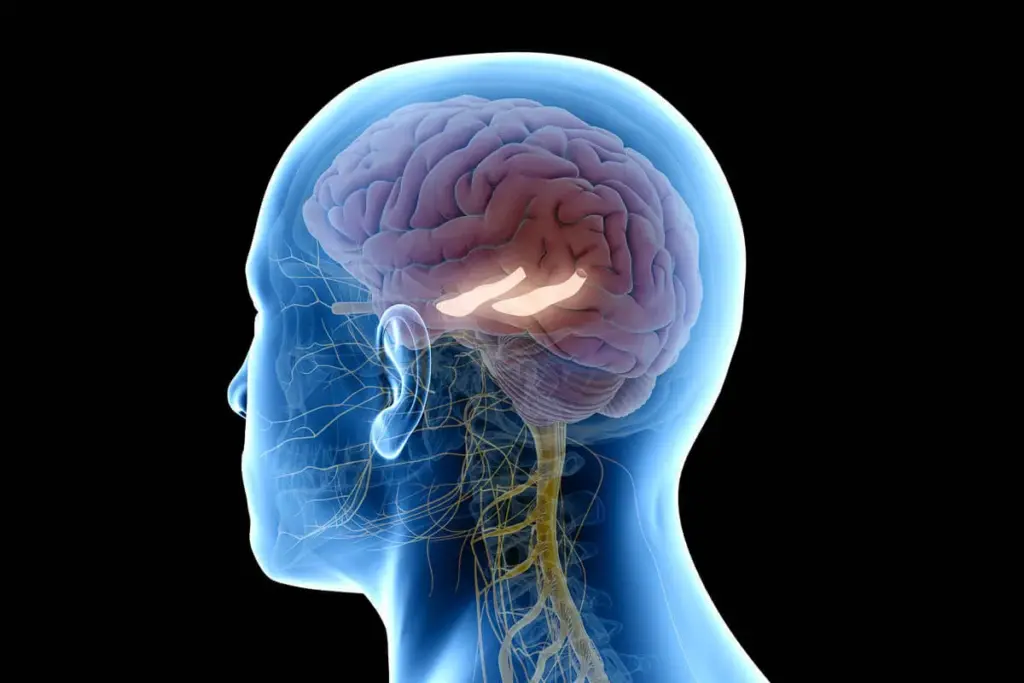
A rare neurological condition, Chiari malformation affects thousands of people worldwide. It causes severe headaches and other debilitating symptoms.
This condition happens when the brain tissue extends into the spinal canal. It puts pressure on the brain and spinal cord. In some cases, it can be life-threatening if not treated or managed well.
Raising awareness about Chiari malformation is vital. It helps in early diagnosis and effective treatment. This improves the quality of life for those affected by this complex neurological condition.
Key Takeaways
- Chiari malformation is a rare condition that affects brain and spinal cord.
- It can cause severe symptoms, including headaches.
- Untreated, it can lead to life-threatening complications.
- Awareness is key to early diagnosis and treatment.
- Effective management can improve the quality of life.
What Is Chiari Malformation

Chiari malformation is a problem with the cerebellum. It controls balance and muscle coordination. The cerebellum extends into the spinal canal, which can block cerebrospinal fluid flow.
To understand Chiari malformation, it’s key to know the anatomical abnormality it causes. Normally, the cerebellum and brainstem stay inside the skull. But in Chiari malformation, part of the cerebellum, called the cerebellar tonsils, goes through the foramen magnum. This is the opening at the skull’s base where the spinal cord meets the brain.
Definition and Anatomical Abnormality
The main issue in Chiari malformation is the foramen magnum. This opening is vital for the brainstem to connect with the spinal cord. In Chiari malformation, the cerebellar tonsils push through this opening. This can press on the brainstem and mess up cerebrospinal fluid flow.
The Role of the Foramen Magnum
The foramen magnum is very important in Chiari malformation. Its size and shape affect how severe the condition is. When the cerebellar tonsils go through the foramen magnum, it can cause neurological symptoms. This is because of the brainstem compression and cerebrospinal fluid flow disruption.
Knowing about the foramen magnum’s role is key in diagnosing and treating Chiari malformation. MRI scans help see how much of the cerebellum is herniated. They also show how it affects nearby structures.
Types of Chiari Malformation

There are several types of Chiari malformation, each with its own set of symptoms. Knowing these differences is key for the right diagnosis and treatment.
Chiari Malformation Type I
Chiari Malformation Type I is the most common. It usually starts to show symptoms in young adults. The cerebellar tonsils bulge into the foramen magnum, but the brainstem is not affected. Symptoms include headaches, neck pain, and trouble with balance.
Key characteristics of Type I:
- Cerebellar tonsillar herniation
- Often diagnosed in adulthood
- Can be associated with syringomyelia
Chiari Malformation Type II (Arnold Chiari)
Type II Chiari malformation, also known as Arnold-Chiari malformation, is more severe. It’s usually found in babies or young children. The cerebellum bulges more into the spinal canal. It’s often linked with other brain issues like hydrocephalus and myelomeningocele.
Characteristics of Type II:
|
Feature |
Description |
|---|---|
|
Cerebellar displacement |
More extensive than Type I |
|
Associated conditions |
Hydrocephalus, myelomeningocele |
|
Diagnosis |
Often in infancy or early childhood |
Chiari Malformation Types III and IV
Types III and IV are rare and more serious. Type III has the cerebellum and brainstem bulging into a hole in the skull. Type IV shows a poorly formed cerebellum and brainstem.
“The severity and impact of Chiari malformation can vary significantly among the different types, stressing the need for tailored diagnosis and treatment plans.”
Common Symptoms of Chiari Malformation
It’s important to know the symptoms of Chiari malformation to get help early. This condition can really affect how well someone lives.
Headaches and Pain Patterns
Headaches are a big symptom of Chiari malformation. They often go with neck pain. These headaches can get worse when you cough, sneeze, or strain.
The pain from Chiari malformation can show up in different ways. But it usually includes:
- Occipital headaches: Pain at the base of the skull.
- Neck pain: Discomfort or stiffness in the neck.
- Suboccipital pain: Pain in the area just below the occipital bone.
Neurological Manifestations
Chiari malformation can cause many neurological symptoms. This is because the brain and spinal cord get compressed. Symptoms can be:
- Numbness or tingling in the hands and feet.
- Weakness in the arms or legs.
- Difficulty swallowing or speaking.
Balance and Coordination Issues
People with Chiari malformation often have trouble with balance and coordination. This is because the cerebellum and brainstem get compressed. It can affect:
- Balance: Difficulty maintaining posture or walking.
- Coordination: Impaired fine motor skills.
Spotting these symptoms early is key. It can help improve life for those with Chiari malformation.
Potential Life-Threatening Complications
Chiari malformation can lead to serious health issues. These issues can greatly affect a person’s life and survival. It’s important to know about these risks.
Respiratory Complications and Sleep Apnea
Respiratory problems are a big concern with Chiari malformation. The brainstem’s compression can disrupt breathing control. This can cause respiratory complications like sleep apnea and even respiratory failure.
Sleep apnea is very serious. It can cause low oxygen levels in the blood. This makes the condition even more complicated.
Hydrocephalus Development
Hydrocephalus is another serious issue with Chiari malformation. It happens when cerebrospinal fluid (CSF) builds up in the brain. This increases pressure inside the skull.
This can cause headaches, nausea, and vomiting. In severe cases, it can lead to cognitive decline and even death. Quick treatment is essential.
Syringomyelia and Spinal Cord Damage
Syringomyelia is when a fluid-filled cavity forms in the spinal cord. This can damage the spinal cord. Symptoms include pain, weakness, and loss of sensation in the arms and legs.
If not treated, syringomyelia can cause severe disability. It’s a serious condition that needs attention.
In conclusion, the risks of Chiari malformation are very serious. It’s vital to manage and monitor the condition carefully. Knowing these risks helps patients and healthcare providers act quickly.
Risk Factors for Severe Outcomes
It’s important to know what can make Chiari malformation worse. Some things can lead to serious problems. We need to find and fix these issues quickly.
Age and Symptom Onset
The age when symptoms start can affect how bad Chiari malformation gets. Early symptoms in babies or young kids often mean a worse case. People who first notice symptoms later in life might have a better chance.
Studies show that when symptoms start early, it can lead to more problems. This includes delays in development and other brain issues.
Severity of Brain Tissue Displacement
How much brain tissue moves into the spinal canal is a big risk factor. More movement means a higher chance of serious problems like syringomyelia and hydrocephalus. The amount of movement also affects how well treatments work.
- More than 5 mm displacement: Higher risk of syringomyelia and other issues.
- Big cerebellar tonsillar herniation: May need stronger treatments.
Presence of Associated Conditions
Having other health problems can make Chiari malformation worse. Issues like hydrocephalus, syringomyelia, and brain disorders can make treatment harder. They can also affect how well you do.
People with these conditions might need a treatment plan that involves many doctors. This way, they can get the best care possible.
Diagnosing Chiari Malformation
Diagnosing Chiari malformation takes a detailed approach. It includes advanced imaging and thorough neurological checks. This process is key to accurately finding the condition and its severity.
MRI and Imaging Techniques
Magnetic Resonance Imaging (MRI) is the main tool for diagnosing Chiari malformation. It shows detailed images of the brain and spinal cord. MRI scans can show how much the cerebellar tonsils are herniated and any other issues.
Other imaging methods like computed tomography (CT) scans might be used too. But MRI is the top choice because it’s very sensitive and gives a full picture of the condition.
Neurological Examination Process
A detailed neurological check is also vital for diagnosing Chiari malformation. A healthcare expert checks muscle strength, reflexes, sensation, and coordination. This helps spot any neurological problems linked to the condition.
The check-up includes various tests to see how the patient’s nervous system is working. These tests look at cranial nerve function, motor and sensory skills, and balance. The results from these tests, along with MRI images, help doctors diagnose Chiari malformation and plan treatment.
When Chiari Becomes an Emergency
Severe Chiari malformation can be life-threatening and needs urgent care. It’s important to know the warning signs of a medical emergency.
Warning Signs Requiring Immediate Medical Attention
Certain symptoms mean a Chiari malformation is a medical emergency. These include:
- Severe headache that worsens over time
- Difficulty swallowing or speaking
- Weakness or numbness in the arms or legs
- Loss of coordination or balance
- Vision problems, including double vision or loss of vision
- Shortness of breath or difficulty breathing
Recognizing these symptoms early can be lifesaving. If you or someone you know is experiencing these warning signs, seek immediate medical attention.
Emergency Treatment Protocols
Emergency treatments for Chiari malformation aim to relieve brain and spinal cord pressure. They manage symptoms and prevent further complications.
|
Treatment |
Description |
|---|---|
|
Posterior Fossa Decompression |
A surgical procedure to relieve pressure on the cerebellum and brainstem. |
|
Shunt Placement |
A surgical intervention to drain excess cerebrospinal fluid and reduce pressure. |
|
Emergency Medications |
Medications to manage severe symptoms such as pain, nausea, and respiratory distress. |
Emergency treatment for Chiari malformation is provided by specialists in neurology and neurosurgery. Quick action can greatly improve outcomes and prevent long-term damage.
Surgical Treatment Options
Surgery is often the best way to treat Chiari malformation, mainly for severe cases. The main goal is to ease pressure on the brain and spinal cord. This helps to reduce symptoms and prevent more problems.
Posterior Fossa Decompression Surgery
Posterior fossa decompression surgery is a common method for treating Chiari malformation. It involves removing part of the skull at the back of the head. This creates more space for the cerebellum and relieves spinal cord pressure.
The surgery can help with symptoms like headaches, neck pain, and balance issues.
Shunt Placement Procedures
In some cases, a shunt may be needed to manage conditions like hydrocephalus. A shunt is a device implanted in the brain. It helps to move excess cerebrospinal fluid (CSF) away from the brain. This reduces pressure and helps alleviate symptoms.
Surgical Risks and Success Rates
Like any surgery, Chiari malformation surgery comes with risks. These include infection, bleeding, and reactions to anesthesia. But, the success rate for posterior fossa decompression surgery is usually high.
Many patients see a big improvement in their symptoms. The success of the surgery depends on several factors. These include how severe the condition is and if there are any other complications.
Key Considerations:
- Deciding to have surgery should be done with a healthcare professional’s advice.
- Patients should know the risks and benefits of surgery.
- Good care after surgery and follow-up visits are key for the best results.
Non-Surgical Management Approaches
Non-surgical management is key for many Chiari malformation patients. It aims to ease symptoms and boost life quality without surgery. This is done through various non-invasive methods.
Pain Management Strategies
Pain management is vital for Chiari malformation care. The condition often causes chronic pain due to brain and spinal cord compression. To manage pain, treatments include medication, lifestyle changes, and alternative therapies like acupuncture or physical therapy.
Medication is a big help in controlling Chiari malformation pain. Over-the-counter drugs like acetaminophen or ibuprofen can ease headaches and other pains. For severe pain, prescription meds might be needed.
Physical and Occupational Therapy
Physical and occupational therapy are key in non-surgical Chiari malformation care. They help patients stay mobile, strong, and functionally able, despite their condition.
Physical therapy uses exercises and stretches to boost flexibility, cut pain, and improve physical function. Occupational therapy helps patients adjust to daily tasks and stay independent, even with physical limits.
- Physical therapy can improve balance and lower fall risks.
- Occupational therapy aids in adapting daily routines to physical limitations.
- Both therapies are vital for bettering the patient’s life quality.
By using these non-surgical methods, Chiari malformation patients can see big improvements in their symptoms and overall health.
Living with Chiari Malformation
Living with Chiari malformation is more than just medical treatment. It means making big changes in your lifestyle. You have to deal with many symptoms and treatment choices to handle your condition well.
Daily Lifestyle Adaptations
Every day, managing Chiari malformation requires big lifestyle changes. You might need to change your daily habits to fit your condition. For example, avoiding heavy lifting or bending can ease neck strain and symptoms.
- Maintaining a healthy diet and staying hydrated
- Engaging in gentle exercises, such as yoga or swimming, to improve flexibility and strength
- Practicing stress-reducing techniques, like meditation or deep breathing
These changes can lessen the effect of Chiari malformation on your daily life. Also, joining Chiari malformation support groups can offer emotional support and useful tips from others facing similar issues.
Long-term Monitoring Requirements
Keeping an eye on your condition is key to managing Chiari malformation. Regular visits to healthcare providers are vital. They help track how the condition is doing and adjust your treatment as needed.
- Regular MRI scans to monitor the condition’s progression
- Neurological examinations to assess symptom severity
- Adjustments to treatment plans based on the patient’s response
One patient said, “Regular monitoring and adjusting my treatment plan have helped me manage my Chiari malformation.” This shows the value of being proactive in managing your condition.
By making daily lifestyle changes and keeping up with long-term monitoring, people with Chiari malformation can manage their symptoms better. This improves their quality of life.
Mortality Rates and Long-term Prognosis
It’s important to know about mortality rates and long-term outcomes for Chiari malformation patients. This helps in planning treatments and managing expectations. The condition’s effect on life expectancy and quality of life varies a lot among people.
Statistical Overview of Outcomes
Research on Chiari malformation outcomes has given us valuable insights. It shows that the prognosis can change a lot. This depends on the malformation’s severity, any other conditions, and how well treatments work.
|
Prognostic Factor |
Impact on Survival |
Long-term Outcome |
|---|---|---|
|
Severity of Brain Tissue Displacement |
Significant displacement can lead to increased mortality risk. |
Poor |
|
Presence of Hydrocephalus |
Hydrocephalus can complicate the condition, affecting survival. |
Guarded |
|
Age at Symptom Onset |
Early onset can indicate a more severe form of the condition. |
Variable |
Factors Affecting Long-term Survival
Many factors influence the long-term survival of Chiari malformation patients. These include the malformation’s severity, any neurological conditions, and the patient’s health.
Key factors influencing long-term survival include:
- The extent of brain tissue displacement into the spinal canal.
- The presence of complications such as syringomyelia or hydrocephalus.
- The effectiveness of surgical interventions and other treatments.
The long-term outlook for Chiari malformation patients varies a lot. It depends on many factors. Understanding these helps healthcare providers give better guidance and support to patients.
Chiari Malformation in Children
Understanding Chiari malformation in kids is key for their well-being. It can greatly affect their life quality. So, a detailed approach to diagnosis and treatment is needed.
Pediatric-Specific Considerations
Children with Chiari malformation show unique symptoms. Pediatric-specific considerations include developmental delays and the need to watch their brain function.
To diagnose Chiari malformation in kids, a detailed check-up is required. This includes MRI scans. Early detection helps avoid long-term brain damage.
Impact on Growth and Development
Chiari malformation can deeply affect a child’s growth and development. Developmental delays and neurological deficits can happen if not managed well.
Managing the condition includes surgical intervention and physical and occupational therapy. These help with development. Keeping a close eye on the child’s health and adjusting treatment is essential.
It’s also important to tell Chiari malformation apart from other conditions. Like Budd-Chiari syndrome, which is a different issue related to liver vein blockage.
Related Conditions and Differential Diagnosis
Conditions like Budd-Chiari syndrome and encephalocele can be confused with Chiari malformation. This shows the need for precise diagnostic techniques. Chiari malformation involves brain tissue moving into the spinal canal, causing neurological symptoms.
Distinguishing Chiari malformation from other conditions is key. This requires a detailed examination and advanced imaging. It helps to accurately diagnose the condition.
Budd-Chiari Syndrome vs. Chiari Malformation
Budd-Chiari syndrome is a rare condition that blocks the hepatic veins or inferior vena cava. It’s different from Chiari malformation but can share symptoms like headaches and neurological deficits. This makes it hard to tell them apart.
|
Condition |
Primary Characteristics |
Common Symptoms |
|---|---|---|
|
Chiari Malformation |
Displacement of brain tissue into the spinal canal |
Headaches, neck pain, neurological deficits |
|
Budd-Chiari Syndrome |
Obstruction of hepatic veins or inferior vena cava |
Abdominal pain, ascites, liver enlargement |
Encephalocele and Other Neural Tube Defects
Encephalocele is a neural tube defect where brain tissue herniates through a skull defect. It’s different from Chiari malformation but shares some symptoms and brain tissue issues.
Conditions with Similar Symptoms
Other conditions like multiple sclerosis, syringomyelia, and spinal cord tumors can mimic Chiari malformation symptoms. A detailed diagnostic process is needed to accurately diagnose these conditions.
Differential diagnosis requires a mix of clinical evaluation, imaging, and sometimes genetic testing. Knowing each condition’s unique features is vital for proper management and treatment.
Support Resources for Chiari Patients
Support resources are key for those with Chiari malformation. They offer emotional support, guidance, and education. This helps patients and their families a lot.
Meeting others who face Chiari challenges is very helpful. Support groups let people share their stories. They also get emotional support and advice from others.
Support Groups and Communities
There are online and in-person Chiari support groups. This lets people join based on what they feel comfortable with. These groups are often led by experts or people who have Chiari themselves.
- Online forums and social media groups connect people widely.
- In-person groups offer face-to-face support and community.
- Some groups focus on specific topics, like pediatric Chiari or chronic pain.
Educational Resources for Patients and Families
Educational resources help patients and families understand Chiari. They learn about managing it and the healthcare system. These resources include:
- Websites and articles from trusted sources.
- Workshops and seminars by healthcare experts.
- Printed and digital materials with the latest research and treatments.
With these resources, Chiari patients can manage their condition better. They can also improve their life quality. And they connect with a community that gets their challenges.
Recent Advances in Chiari Malformation Research
Medical research has made big strides in understanding Chiari malformation. This condition affects the brain and spinal cord. New studies are looking into the genetic causes and better treatments for patients.
Genetic Studies and Causes
Genetic research is key to understanding Chiari malformation. Scientists have found genetic factors that might cause this condition. Genetic mutations affecting the brain and skull are being studied closely.
There’s also a hint of a family link in some cases. This suggests that genetic predisposition might be a factor. Knowing the genetic causes could lead to early diagnosis and new treatments.
Emerging Treatment Approaches
Treatment for Chiari malformation is getting better, with a focus on personalized care. Advances in neurosurgery have brought new surgical methods. These aim to ease pressure on the brain and spinal cord.
New treatments include minimally invasive surgical techniques and intraoperative MRI. These help make surgeries more precise. Such advancements are expected to improve patient outcomes.
The future of treating Chiari malformation looks bright. Ongoing research is exploring new treatments and understanding the condition better. As healthcare advances, patients will have more effective and personalized care options.
Conclusion
Chiari malformation is a serious condition that needs quick medical help. It’s important to know the types, symptoms, and possible complications. This knowledge helps in managing and treating it well.
Raising awareness about Chiari malformation is key. It helps people spot the warning signs early. This way, they can get medical help fast and avoid severe problems.
Managing Chiari malformation requires a team effort. This includes surgery and other treatments. Knowing the options and their risks helps people make better choices for their care.
Getting medical help quickly and managing the condition well can make a big difference. It can lower the risk of serious problems and improve a person’s quality of life.
FAQ
What is Chiari malformation?
Chiari malformation is a brain and spinal cord issue. It happens when the cerebellum goes into the spinal canal. This can block the flow of cerebrospinal fluid.
What are the symptoms of Chiari malformation?
Symptoms include headaches, neck pain, and dizziness. You might also feel numb or have trouble swallowing.
Can Chiari malformation be life-threatening?
Yes, it can be. Severe cases might cause breathing problems, hydrocephalus, and syringomyelia.
How is Chiari malformation diagnosed?
Doctors use MRI or CT scans and neurological tests. They might also do more tests to check for other conditions.
What are the treatment options for Chiari malformation?
Treatment includes surgery, shunt placement, and pain management. Physical therapy and lifestyle changes are also options.
What is the role of the foramen magnum in Chiari malformation?
The foramen magnum is a skull opening. In Chiari malformation, the cerebellum can herniate through it. This can cause neurological problems.
Can Chiari malformation be managed without surgery?
Yes, some cases can be managed without surgery. This includes pain management, physical therapy, and lifestyle changes.
What are the risks associated with Chiari malformation surgery?
Risks include infection, bleeding, and cerebrospinal fluid leakage. There are also risks from anesthesia.
How does Chiari malformation affect children?
It can affect growth and development in children. They may need special care and monitoring.
Are there support resources available for patients with Chiari malformation?
Yes, there are support groups and online communities. There are also educational resources for patients and their families.
What is the prognosis for patients with Chiari malformation?
The prognosis depends on the condition’s severity, treatment success, and any complications.
Can Chiari malformation be misdiagnosed?
Yes, it can be mistaken for other conditions like multiple sclerosis or fibromyalgia.
What is the difference between Chiari malformation Type I and Type II?
Type I involves herniation of the cerebellar tonsils. Type II, or Arnold-Chiari malformation, has more severe symptoms and complications.
How does Chiari malformation impact daily life?
It can cause chronic pain, fatigue, and difficulties with balance and coordination. It can also affect physical activities.
National Center for Biotechnology Information. Evidence-Based Medical Insight. Retrieved from https://pmc.ncbi.nlm.nih.gov/articles/PMC3994690/[5