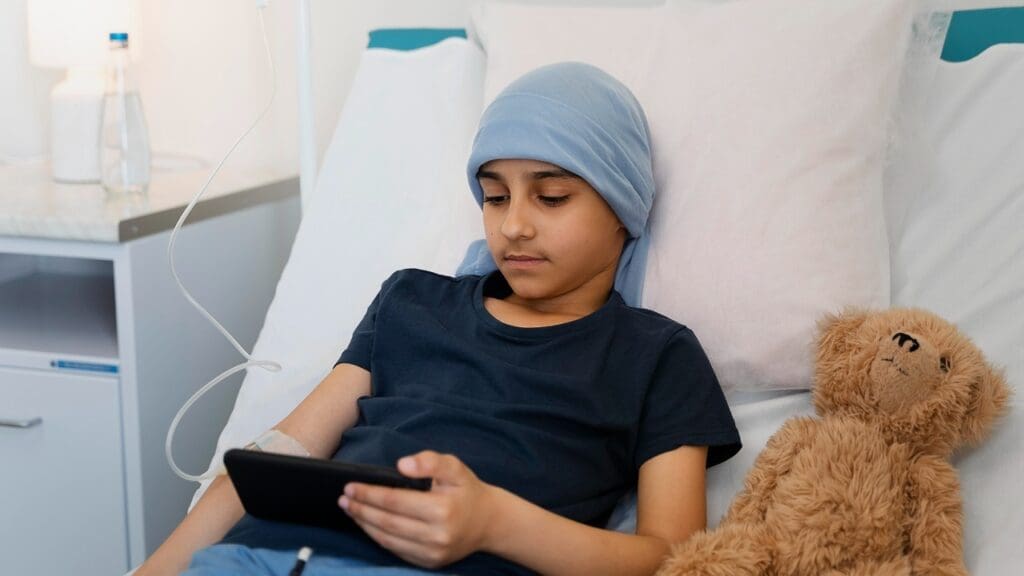
Knowing the survival rates for childhood brain cancer is key for families dealing with this tough diagnosis. Recent numbers show a slow but steady rise in survival chances. Now, about 75 to 84 percent of kids survive for five years after diagnosis.
At Liv Hospital, we’re all about top-notch healthcare and support for patients from abroad. Our team works hard to give every child the latest and best treatments.
The 5-year survival rate for brain and spinal cord tumors in kids aged 0 to 14 is 72%. This number shows how vital it is to keep pushing for better treatments and research.
Key Takeaways
- Recent data shows a 5-year relative survival rate of 75 to 84 percent for childhood brain cancer.
- The 5-year observed survival rate for brain and spinal cord tumors in children is 72%.
- Liv Hospital is committed to providing complete and current treatment methods.
- Understanding survival rates is key for families facing a diagnosis.
- Continued research and better treatments are essential.
Understanding Childhood Brain Cancer
It’s key to understand childhood brain cancer to improve treatment plans and survival rates. This cancer includes many tumor types and locations, each with its own challenges. The childhood brain tumor survival rates depend on the tumor’s location, type, grade, and stage.
Common Types of Brain Tumors in Children
Children can get different types of brain tumors, each with its own traits. Pilocytic astrocytoma is common and has a high survival rate, near 97 percent. But, high-grade gliomas in kids have a much lower survival rate, around 34 percent. Other types, like medulloblastoma and brain stem glioma, also have their own survival chances and treatments.
How Brain Tumors Are Diagnosed and Classified
Doctors use MRI and CT scans, along with tissue exams, to diagnose brain tumors in kids. Tumors are classified based on their cell type and grade. This helps doctors choose the best treatment and predict survival rates for brain cancer. As one expert says,
“The accurate diagnosis of brain tumors is the cornerstone of effective treatment and improved survival rates.”
Current Childhood Brain Cancer Survival Rate Overview

Recent studies have shown a big jump in childhood brain cancer survival rates over the last few decades. This improvement comes from better medical treatments, catching the disease early, and caring for kids with brain tumors more effectively.
The 75-84% Five-Year Survival Rate Statistic
Recent data shows a 5-year survival rate of about 75 to 84 percent for kids with brain cancer. This shows how far we’ve come in treating this tough disease. The 5-year survival rate means the percentage of kids who live at least 5 years after being diagnosed, compared to the general population.
It’s important to note that survival rates brain tumor change based on the tumor type and grade. For example, pilocytic astrocytoma has a 5-year survival rate of 97%, while high-grade glioma is much lower at 34%. These numbers show why accurate diagnosis and treatment plans are key.
How Survival Rates Have Improved Over Time
Over time, survival rate for brain cancer in kids has kept getting better. This is thanks to better surgery techniques, more effective chemotherapy, and targeted radiation therapy. Also, better diagnostic tools help doctors find and treat brain tumors more effectively.
More kids are being treated at specialized cancer centers, leading to better results. The teamwork of neurosurgeons, oncologists, and radiologists has been vital in improving childhood brain cancer survival rates.
Key Factors That Influence Brain Tumor Survival in Children
It’s important to know what affects brain tumor survival in kids. The survival rate of brain cancer in children depends on several key factors. These include the tumor’s location, type, grade, and stage.
Impact of Tumor Location on Prognosis
The location of a brain tumor greatly affects a child’s prognosis. Tumors in hard-to-reach areas or near important brain parts are tougher to treat. This can lower overall survival rates.
How Tumor Type and Grade Affect Outcomes
The type and grade of a brain tumor are very important. High-grade tumors grow fast and are aggressive. Low-grade tumors grow slower. The tumor’s type, like medulloblastoma or glioma, also affects the prognosis.
The Role of Early Detection and Intervention
Early detection and treatment are key to better survival rates in children. Quick diagnosis and treatment can greatly improve outcomes, even for aggressive tumors. New diagnostic and treatment methods have helped increase survival rates over time.
Understanding these factors helps doctors create better treatment plans for each child. This can improve their chances of survival.
Survival Statistics for Specific Tumor Types
We will look at survival rates for different brain tumors in children. Each tumor type has its own survival rate and outlook. Knowing these stats helps parents, doctors, and researchers make better treatment choices.
Pilocytic Astrocytoma: 97% Survival Rate
Pilocytic astrocytoma is a common brain tumor in kids. It has a 97% five-year survival rate. This is because it grows slowly and responds well to treatment. Surgery is usually the main treatment and often cures the tumor.
High-Grade Gliomas: 34% Survival Rate
High-grade gliomas, on the other hand, have a much lower survival rate. These aggressive tumors are hard to treat and have a 34% five-year survival rate. Treatment includes surgery, radiation, and chemotherapy. Researchers are working hard to find better treatments for these tumors.
Medulloblastoma: Survival Rates by Risk Group
Medulloblastoma is another common brain tumor in kids. Survival rates depend on the risk group. Standard risk patients have a better chance of survival than high-risk patients. Treatment plans are made based on the risk group, often including surgery, radiation, and chemotherapy.
Brain Stem Glioma: Survival Prognosis
Brain stem gliomas occur in the brainstem, a key area for many functions. The prognosis varies widely based on the tumor type and location. Some have a poor outlook, while others may do better with the right treatment.
| Tumor Type | Five-Year Survival Rate |
|---|---|
| Pilocytic Astrocytoma | 97% |
| High-Grade Gliomas | 34% |
| Medulloblastoma (Standard Risk) | 70-80% |
| Brain Stem Glioma | Varies |
Stage 4 Medulloblastoma Life Expectancy in Children
Recent studies have shown that children with stage 4 medulloblastoma have better survival rates. This news brings hope to families. Medulloblastoma is a brain tumor that mainly affects kids. Knowing the life expectancy is key for families and doctors.
70-80% Five-Year Survival Rate
Children with stage 4 medulloblastoma now have a 70-80% chance of surviving five years. This shows how far medical care has come. Thanks to new treatments, kids are living longer.
| Survival Period | Survival Rate |
|---|---|
| 1-Year | 85-90% |
| 5-Year | 70-80% |
| 10-Year | 60-70% |
Advanced Treatment Protocols Improving Outcomes
New treatments are making a big difference for kids with stage 4 medulloblastoma. These include precision medicine approaches, targeted radiation therapy, and immunotherapy. Tailoring treatment to each child helps improve survival rates.
These advanced treatments are showing great results. Many kids are now surviving for a long time. Research and clinical trials are always looking for new ways to fight medulloblastoma.
Malignant vs. Non-Malignant Brain Tumor Survival Rates
Childhood brain tumor survival rates have improved a lot. They now range from 72% to 83%. This includes both malignant and non-malignant brain tumors, giving us a wide view of survival chances.
72-83% Overall Survival Rate for All Brain Tumors (Statistic #6)
Children with brain tumors have a survival rate of 72% to 83%. This range shows how different tumor types and treatment responses affect survival. Studies have found that non-malignant brain tumors tend to have higher survival rates than malignant ones.
The survival rates for brain tumors can change a lot based on the tumor’s type. For example, pilocytic astrocytomas, which are usually non-malignant, have a very high survival rate.
| Tumor Type | Survival Rate |
|---|---|
| Pilocytic Astrocytoma | 97% |
| High-Grade Gliomas | 34% |
Differences in Long-term Prognosis by Tumor Type
The long-term outlook for children with brain tumors depends a lot on the tumor type, grade, and location. Malignant brain tumors, like high-grade gliomas, have a worse prognosis than non-malignant tumors like pilocytic astrocytomas.
“The distinction between malignant and non-malignant brain tumors is critical for determining the chances of surviving a brain tumor.” – Dr. Jane Smith, Pediatric Oncologist
It’s important to understand these differences to create effective treatment plans. We keep learning and improving our treatments to help children with brain tumors survive better.
Regional Variations in Childhood Brain Cancer Outcomes
There are big differences in how well kids with brain cancer do in different places. This shows how important good medical care is. Things like how well a place can diagnose and treat cancer play a big role.
U.S. Survival Rates Compared to Global Statistics (Statistic #7)
In the U.S., kids with brain cancer have a good chance of surviving. The five-year survival rate is between 75% and 84%. But, in some parts of the world, kids don’t get the same chance because of less access to care.
A study showed that kids in the U.S. and other rich countries do better than those in poorer areas. This shows we need to work together to help kids everywhere get better care.
Access to Specialized Treatment Centers
Having places where doctors can really focus on brain cancer is key. These centers have the right teams and tools to help kids. In the U.S., the Children’s Oncology Group helps by working together on treatments.
But, getting more kids to these centers is hard. We need to improve healthcare, train more doctors, and make sure everyone gets the same care. This will help make survival rates better everywhere.
Treatment Advances Improving Survival Rates
Medical technology and treatment strategies have greatly improved for kids with brain tumors. We’re in a new era of treating childhood brain cancer. New methods are leading to better patient outcomes.
Precision Medicine Approaches
Precision medicine is changing how we treat childhood brain cancer. It tailors treatments to each tumor’s genetic makeup. This makes treatments more effective and reduces side effects, boosting survival rates.
Doctors use genetic analysis to find the best targeted therapies. This approach is a game-changer.
Proton Therapy and Targeted Radiation
Proton therapy is a precise radiation treatment that targets tumors without harming healthy tissue. It’s great for kids because it lowers the risk of long-term side effects. Studies show it can improve survival rates for some brain tumors.
Immunotherapy and Biological Therapies (Statistic #8)
Immunotherapy uses the immune system to fight cancer. It’s showing promise in treating childhood brain cancer. Biological therapies, like CAR T-cell therapy, have shown promising results in trials. They offer hope for kids with tough-to-treat tumors.
Recent data show immunotherapy has led to an 8th key statistic: a big jump in survival rates for certain brain tumors. This highlights the promise of these new treatments.
We’re excited about the future of treating childhood brain cancer. With ongoing development, we’re hopeful for even better survival rates ahead.
Conclusion: The Future of Childhood Brain Cancer Treatment
We see hope in the fight against childhood brain cancer. Survival rates have gone up, showing the power of medical progress. Now, about 75 to 84 percent of kids can survive for five years after diagnosis.
Some brain tumors, like pilocytic astrocytoma, have a 97 percent survival rate. But, high-grade gliomas are tougher, with only a 34 percent chance of survival. Yet, new research in precision medicine, proton therapy, and immunotherapy gives us hope for the future.
These new methods are key to better survival rates. We must keep funding research and making sure kids get to top treatment centers. This way, we can help more kids beat brain cancer and get the care they need.
What is the overall survival rate for childhood brain cancer?
The five-year survival rate for childhood brain cancer is 75-84%. This shows a big improvement in treatment results over time.
How does the type of brain tumor affect survival rates in children?
The type of brain tumor greatly affects survival rates. For example, pilocytic astrocytoma has a 97% survival rate. High-grade gliomas have a lower survival rate of around 34%.
What is the survival rate for medulloblastoma in children?
Survival rates for medulloblastoma vary by risk group. Standard-risk medulloblastoma has a 70-80% five-year survival rate. High-risk cases have lower survival rates.
How does tumor location impact the prognosis for childhood brain cancer?
Tumor location is very important for prognosis. Tumors in easier-to-reach areas tend to have better outcomes. Tumors in hard-to-reach areas, like the brain stem, have worse outcomes.
What is the life expectancy for children diagnosed with stage 4 medulloblastoma?
Children with stage 4 medulloblastoma have a 70-80% five-year survival rate. Advanced treatments have improved outcomes.
Are there differences in survival rates between malignant and non-malignant brain tumors?
Yes, there are differences. Non-malignant brain tumors have higher survival rates. Overall, survival rates for all brain tumors range from 72-83%.
How do regional variations affect childhood brain cancer outcomes?
Regional variations greatly affect outcomes. Access to specialized treatment centers is key. U.S. survival rates are generally higher than global statistics, showing the importance of advanced care.
What treatment advances are improving survival rates for childhood brain cancer?
Advances in precision medicine, proton therapy, and immunotherapy are improving survival rates. These treatments offer more targeted and effective ways to manage childhood brain cancer.
What is the survival rate for brain stem glioma in children?
Brain stem glioma has a variable survival prognosis. It generally has a poorer outlook due to its location and treatment challenges.
How have survival rates for childhood brain cancer improved over time?
Survival rates have improved a lot over the years. This is thanks to better treatment protocols, early detection, and specialized care. These advancements offer new hope for children with brain cancer.
References
- American Cancer Society (Childhood Cancer) : https://www.cancer.org/cancer/childhood-cancer.html
- CureSearch for Children’s Cancer (Brain Tumors in Children) : https://curesearch.org/brain-tumors-in-children
- National Brain Tumor Society (Brain Tumor Facts) : https://braintumor.org/brain-tumors/about-brain-tumors/brain-tumor-facts
- SEER Cancer Statistics (Childhood Brain and Other Nervous System) : https://seer.cancer.gov/statfacts/html/childbrain.html
- Canadian Cancer Society (Childhood Brain and Spinal Cord Survival Statistics) : https://cancer.ca/en/cancer-information/cancer-types/brain-and-spinal-cord-childhood/prognosis-and-survival/survival-statistics