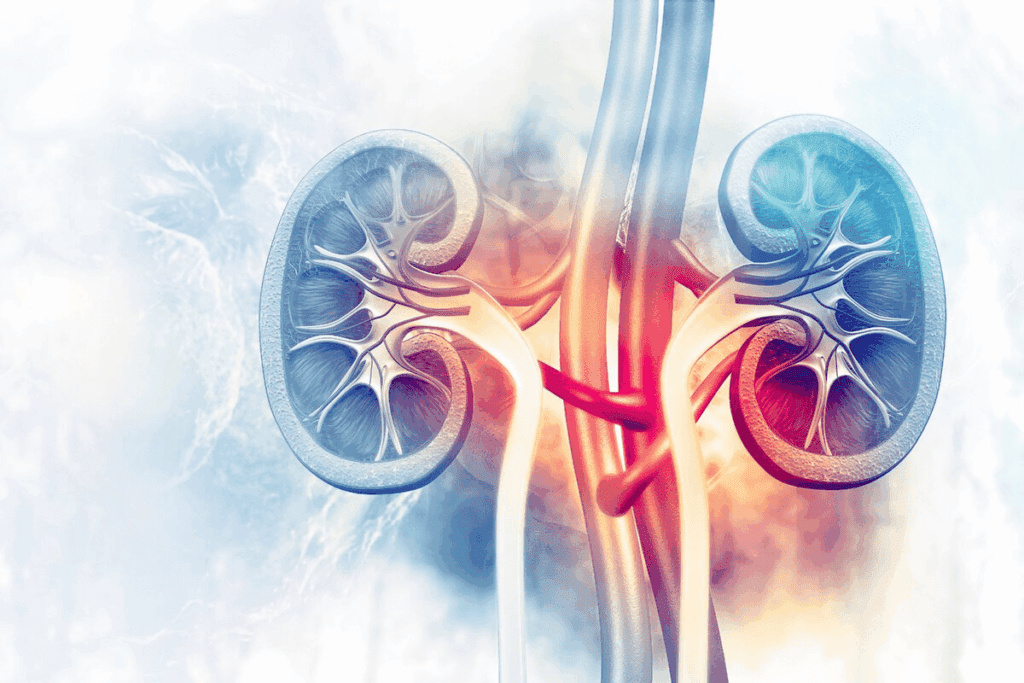
Chronic glomerulonephritis is a serious kidney disease that affects millions. It often starts quietly and is missed for years. This condition causes permanent damage to the kidneys, leading to less function. People with it may have symptoms like protein in the urine, blood in the urine, and high blood pressure. Learn about chronic glomerulonephritis. Our simple guide gives you the best, easy-to-understand explanation of symptoms, causes, and treatment.
We will look at the seven main signs of this disease. Knowing these symptoms is key for doctors to act fast and help patients better.
Key Takeaways
- Chronic glomerulonephritis is a silent and progressive kidney disease.
- The condition can lead to significant kidney damage if left undetected.
- Key manifestations include proteinuria, hematuria, and hypertension.
- Early detection and management are critical for improving patient outcomes.
- Understanding the symptoms is essential for timely interventions.
What Is Chronic Glomerulonephritis?
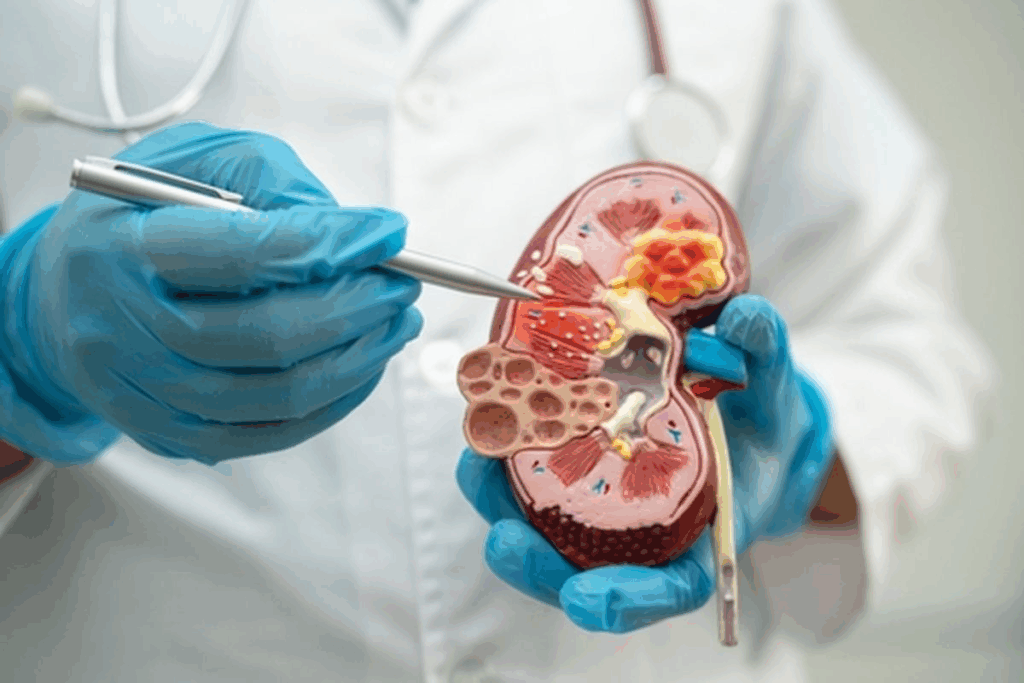
Chronic glomerulonephritis is a condition where the kidneys’ glomeruli get inflamed and damaged. This can lead to kidney failure if not treated. It’s a big problem in kidney care because it can cause permanent damage.
Definition and Pathophysiology
Chronic glomerulonephritis is when the glomeruli, the kidneys’ tiny filters, get inflamed. This inflammation can cause scarring and damage. It makes it hard for the kidneys to remove waste and extra fluids from the blood.
“The chronic form of glomerulonephritis is distinct from its acute counterpart in its prolonged and progressive nature.” Unlike acute glomerulonephritis, which might get better on its own, chronic glomerulonephritis needs ongoing care to slow its progress.
Prevalence and Impact on Kidney Function
Chronic glomerulonephritis is a major cause of kidney failure globally. Its prevalence varies by region, with more cases in areas with poor healthcare access. It can severely affect kidney function, leading to a gradual decline over time.
If not managed well, it can lead to end-stage renal disease (ESRD). This means needing dialysis or a kidney transplant.
The key difference between chronic and acute glomerulonephritis is in treatment. Knowing the GN medical abbreviation helps doctors create the right treatment plans.
In summary, chronic glomerulonephritis is a serious condition that needs early treatment to avoid long-term kidney damage. Understanding it helps us tackle the challenges it poses to kidney health.
The Silent Nature of Chronic Glomerulonephritis
Chronic glomerulonephritis is scary because it can quietly damage your kidneys. Many people don’t know they have it until it’s too late. We’ll look at how it starts and why it’s hard to catch early.
Early Disease Progression
It starts with inflammation in the kidneys’ filtering units, called glomeruli. This can cause scarring and loss of function. The disease can quietly get worse for years, making it hard to catch until it’s too late.
In the early stages, you might not feel any symptoms. You might not feel pain or discomfort until it’s too late. This makes it hard to catch and treat early.
Challenges in Early Detection
Finding chronic glomerulonephritis early is key to managing it. But, its silent nature makes it tough. Regular check-ups and knowing your risk factors are important for catching it early.
Risk Factors | Description | Impact on Disease Progression |
Family History | Having a family history of kidney disease | Increases the likelihood of developing chronic glomerulonephritis |
Previous Kidney Disease | History of kidney infections or other kidney conditions | May accelerate disease progression |
Hypertension | High blood pressure | Can exacerbate kidney damage |
Knowing the risk factors and how glomerulonephritis starts is key to catching it early. By spotting those at risk, doctors can act fast to slow it down.
Manifestation #1: Proteinuria – Protein in the Urine
Proteinuria, or the presence of excess proteins in the urine, is a key sign of chronic glomerulonephritis. It happens when the kidneys get damaged, letting proteins leak from the blood into the urine.
Mechanisms of Protein Leakage
The kidneys filter waste and excess fluids from the blood, keeping important proteins. In chronic glomerulonephritis, inflammation and damage to the glomeruli mess up this filtering. This lets proteins like albumin leak into the urine.
This damage comes from immune complex deposition and inflammation. As the disease gets worse, the glomerular basement membrane gets damaged too. This makes protein loss even worse.
Clinical Significance of Elevated Protein Levels
Proteinuria is more than just a symptom; it shows kidney damage and the risk of kidney disease getting worse. High protein levels in the urine are linked to a higher risk of heart problems and faster kidney disease.
Doctors check for and measure proteinuria to manage chronic glomerulonephritis. It helps them see how bad the kidney damage is and if treatment is working. Early detection and intervention can really help slow down the disease and improve the patient’s life.
Also, proteinuria is important for diagnosing and staging kidney disease. It helps doctors create treatment plans to slow down the disease and manage complications.
Manifestation #2: Hematuria – Blood in the Urine
Chronic glomerulonephritis can cause hematuria, which is blood in the urine. This can be seen with the naked eye or only under a microscope. It’s a sign that needs quick medical attention to find the cause and treatment.
Microscopic vs. Macroscopic Hematuria
Hematuria is divided into microscopic and macroscopic types. Microscopic hematuria is blood in the urine seen only under a microscope. Macroscopic hematuria is visible to the eye, making the urine look red, brown, or cola-colored.
Microscopic Hematuria: This type is often found during routine urine tests. It can be occasional or constant and is linked to several conditions, including chronic glomerulonephritis.
Macroscopic Hematuria: This type is noticeable and usually prompts people to see a doctor because of the urine’s color change.
Cola-Colored Urine as a Warning Sign
Cola-colored urine is a clear sign of macroscopic hematuria. It’s alarming because it shows blood in the urine. This could mean serious kidney damage or disease activity in chronic glomerulonephritis.
Characteristics | Microscopic Hematuria | Macroscopic Hematuria |
Visibility | Only visible under a microscope | Visible to the naked eye |
Urine Appearance | Normal color | Red, brown, or cola-colored |
Clinical Significance | May indicate early kidney disease | Often signifies significant kidney damage |
It’s important to know the difference between microscopic and macroscopic hematuria to treat chronic glomerulonephritis well. Anyone with hematuria needs a detailed check-up to find the cause and the right treatment.
Manifestation #3: Hypertension and Cardiovascular Complications
Hypertension is a big problem in chronic glomerulonephritis. It’s closely tied to heart issues. As kidneys get worse, blood pressure often goes up. This makes a bad cycle that harms both kidneys and the heart.
Kidney-Blood Pressure Relationship
The link between kidneys and blood pressure is complex. Chronic glomerulonephritis can cause high blood pressure. This is because the kidneys can’t manage fluids and blood pressure well.
High blood pressure, in turn, can hurt the kidneys more. It puts extra pressure on the tiny filters in the kidneys. This speeds up kidney disease.
It’s key to control blood pressure to slow kidney damage. This means using medicine and making lifestyle changes. These include eating right, exercising, and managing stress.
Long-term Cardiovascular Risks
Hypertension in chronic glomerulonephritis brings big risks for the heart. It can cause thickening of the heart muscle, heart failure, and more. These problems come from high blood pressure and the kidney disease itself.
Here’s a table showing heart problems and what can cause them:
Cardiovascular Complication | Associated Risk Factors |
Left Ventricular Hypertrophy | Chronic hypertension, age, obesity |
Heart Failure | Uncontrolled hypertension, diabetes, previous heart disease |
Coronary Artery Disease | Hypertension, high cholesterol, smoking |
Stroke | Hypertension, atrial fibrillation, carotid artery disease |
Controlling blood pressure is key to avoid these heart problems. It needs a full plan. This includes checking blood pressure often, taking medicine as told, and making lifestyle changes.
By understanding how hypertension and kidney disease are connected, we can manage the condition better. This helps lower the risk of heart problems. It improves how well patients do.
Manifestation #4: Peripheral Edema and Fluid Retention
Chronic glomerulonephritis often causes peripheral edema. This is when fluid builds up in the body’s tissues. It happens because the kidneys can’t manage fluid balance well.
Pathophysiology of Edema Formation
The process behind edema in chronic glomerulonephritis is complex. Damaged kidneys can’t filter waste and excess fluids properly. This leads to fluid retention and swelling in different body parts.
Key factors contributing to edema formation include:
- Reduced glomerular filtration rate (GFR)
- Increased sodium retention
- Proteinuria (loss of protein in the urine)
- Hormonal changes affecting fluid balance
Common Sites and Management Approaches
Peripheral edema often affects the legs, ankles, and feet. It can also happen in the hands and face. Managing it involves lifestyle changes and medical treatments.
Management Approach | Description |
Diuretics | Medications that help reduce fluid buildup by increasing urine production. |
Dietary Changes | Reducing sodium intake and managing fluid consumption. |
Elevation of Affected Limbs | Elevating the legs or other affected areas to reduce swelling. |
Compression Stockings | Wearing compression garments to help reduce swelling in the legs. |
Managing peripheral edema needs a multi-step approach. Understanding the causes and using the right strategies can help patients with chronic glomerulonephritis manage this symptom better.
Peripheral edema is a big problem for people with chronic glomerulonephritis. It affects their quality of life. It’s important to manage it well to improve patient outcomes.
“The management of peripheral edema in patients with chronic glomerulonephritis requires a complete approach. This includes lifestyle changes and medicines.”
— Expert in Nephrology
Manifestation #5: Fatigue and Decreased Energy Levels
Many people with chronic kidney disease feel very tired. This tiredness affects their daily life. It comes from changes in the body due to kidney problems.
Mechanisms of Fatigue in Kidney Disease
The reasons for tiredness in chronic kidney disease are not fully understood. But, several things play a role:
- Anemia: The kidneys don’t make enough erythropoietin, leading to anemia. This means less oxygen for the body’s tissues.
- Inflammation: Kidney disease often causes inflammation. This can make you feel tired by affecting how your body works.
- Electrolyte Imbalance: Too much or too little of certain minerals like potassium can make muscles weak and tired.
- Hormonal Imbalance: Kidney disease can mess with hormone levels. Hormones help control energy.
Impact on Daily Functioning and Quality of Life
Fatigue really affects the lives of those with chronic glomerulonephritis. It makes it hard to do everyday tasks, work, and socialize.
Aspect of Life | Impact of Fatigue |
Daily Activities | Reduced ability to perform household chores, personal care |
Employment | Decreased productivity, possible job loss |
Social Life | Less involvement in social events, feeling isolated |
It’s important to fight fatigue to improve life for these patients. Ways to do this include treating anemia, adjusting medicines, and making lifestyle changes. This includes regular exercise and finding ways to manage stress.
Manifestation #6: Nephrotic Syndrome Development
Chronic glomerulonephritis can lead to nephrotic syndrome. This condition is marked by severe protein loss in urine, low albumin levels, and swelling. It greatly affects a patient’s quality of life.
Nephrotic syndrome is a complex issue caused by losing a lot of protein in the urine. Severe proteinuria, or more than 3.5 grams of protein per 1.73 m body surface area per day, is a key sign. This loss results in hypoalbuminemia, or low albumin in the blood, causing swelling due to decreased pressure.
Diagnostic Criteria and Clinical Presentation
To diagnose nephrotic syndrome, doctors look for severe protein loss, low albumin, and swelling. Other signs include high cholesterol and a higher risk of infections. Doctors use urine tests to measure protein loss and blood tests to check albumin and cholesterol levels.
We use the following criteria to diagnose nephrotic syndrome:
- Severe proteinuria (>3.5 g/1.73 m2/day)
- Hypoalbuminemia (
- Edema
- Hyperlipidemia
Complications and Management Strategies
Nephrotic syndrome can lead to infections, blood clots, and heart disease. Treatment aims to reduce protein loss, manage swelling, control high cholesterol, and prevent complications.
Complication | Management Strategy |
Infections | Prophylactic antibiotics, vaccinations |
Thromboembolic Events | Anticoagulation therapy |
Hyperlipidemia | Lipid-lowering medications, dietary modifications |
Edema | Diuretics, dietary salt restriction |
Understanding nephrotic syndrome’s symptoms, complications, and treatment options helps us improve patient care.
Manifestation #7: Uremic Manifestations in Advanced Disease
As chronic glomerulonephritis gets worse, patients face many tough symptoms. These symptoms happen because the kidneys can’t clean the blood well. This leads to a buildup of harmful substances.
Gastrointestinal Symptoms
One of the first signs of uremia is stomach problems. People might feel sick, throw up, and lose their appetite. These issues can make it hard to get enough nutrients.
They might also notice their food tastes different or has a metallic taste. In some cases, they could bleed in their stomach because of uremia’s effect on blood cells.
Neurological Effects
Uremic encephalopathy is a serious problem in advanced kidney disease. It causes brain problems, confusion, and can lead to seizures or coma.
Other brain-related issues include restless legs, nerve damage, and muscle spasms. These problems can really affect a person’s life and need careful management.
Other Systemic Manifestations
Uremic symptoms can also affect other parts of the body. For example, some people might get pericarditis, which is inflammation around the heart.
In very bad cases, uremic frost can happen. This is when urea crystals form on the skin. Also, some people might feel very itchy, which can be very uncomfortable.
System | Uremic Manifestations |
Gastrointestinal | Nausea, vomiting, loss of appetite, changes in taste |
Neurological | Cognitive impairment, confusion, seizures, restless leg syndrome, peripheral neuropathy |
Cardiovascular | Pericarditis |
Dermatological | Uremic frost, pruritus |
Managing uremic symptoms needs a full plan. This includes dialysis, medicine, and changes in lifestyle. Finding and treating these symptoms early is key to better living and slowing the disease.
Risk Factors and Prevention of Chronic Glomerulonephritis
Chronic glomerulonephritis is caused by genetics, environment, and lifestyle. Knowing these factors helps prevent and manage the disease.
Genetic and Hereditary Factors
Genetics play a big role in chronic glomerulonephritis. People with a family history of kidney disease are at higher risk. Conditions like Alport syndrome can also cause it. We suggest regular screenings for those with a family history.
Environmental and Lifestyle Contributors
Exposure to toxins and infections can lead to chronic glomerulonephritis. Lifestyle choices like smoking and diet also matter. A diet high in salt can harm kidneys. We recommend a balanced lifestyle to reduce risks.
Associated Medical Conditions
Some medical conditions raise the risk of chronic glomerulonephritis. These include immune system issues like SLE and vasculitis. Effective management of these conditions is key to preventing glomerulonephritis.
Preventive Strategies
Preventing chronic glomerulonephritis requires a few steps. This includes:
- Regular health check-ups to monitor kidney function
- Managing underlying health conditions
- Adopting a healthy lifestyle, including a balanced diet and regular exercise
- Avoiding exposure to toxins and harmful substances
By understanding risk factors and using preventive strategies, we can lower the risk of chronic glomerulonephritis. This helps protect kidney function.
Conclusion
Chronic glomerulonephritis is a complex kidney disease that needs quick attention and detailed care. We’ve looked at the 7 main signs of this condition. These include proteinuria, hematuria, hypertension, peripheral edema, fatigue, nephrotic syndrome, and uremic manifestations.
It’s key to catch and manage this disease early to help patients. Knowing the risk factors and symptoms helps people get medical help fast. This can prevent serious kidney damage over time.
Healthcare providers stress the need for full care and management plans for glomerulonephritis patients. By teaming up, we can help patients manage their kidney health better. This improves their overall quality of life.
In summary, chronic glomerulonephritis is a serious issue that demands careful management. We aim to help you understand kidney disease glomerulonephritis and its effects.
FAQ
What is chronic glomerulonephritis?
Chronic glomerulonephritis is a condition where the kidneys slowly lose function. This happens because of inflammation and damage to the glomeruli, which are the kidneys’ filtering units.
What are the main manifestations of chronic glomerulonephritis?
The main signs include proteinuria, hematuria, and hypertension. Other signs are peripheral edema, fatigue, nephrotic syndrome, and uremic manifestations.
What is proteinuria, and how is it related to chronic glomerulonephritis?
Proteinuria is when there’s too much protein in the urine. It’s a sign of chronic glomerulonephritis. This happens because the glomeruli get damaged, letting proteins leak into the urine.
What is the difference between microscopic and macroscopic hematuria?
Microscopic hematuria means you can only see blood in the urine with a microscope. Macroscopic hematuria is when you can see it with your eyes, making the urine look like cola.
How does hypertension relate to chronic glomerulonephritis?
Hypertension is both a sign and a problem of chronic glomerulonephritis. Kidney damage can cause high blood pressure. This high blood pressure can then damage the kidneys even more.
What is nephrotic syndrome, and how is it related to chronic glomerulonephritis?
Nephrotic syndrome is a condition with heavy proteinuria, low albumin levels, and edema. It can happen in the later stages of chronic glomerulonephritis.
What are uremic manifestations, and how do they impact patients?
Uremic manifestations are symptoms from waste buildup in the blood due to kidney failure. They include gastrointestinal and neurological symptoms, affecting patients’ quality of life.
What are the risk factors for developing chronic glomerulonephritis?
Risk factors include genetic and hereditary factors, environmental and lifestyle factors, and other medical conditions. These can increase the chance of getting chronic glomerulonephritis.
Can chronic glomerulonephritis be prevented?
Some risk factors can’t be changed. But, managing hypertension, avoiding toxins, and living a healthy lifestyle can help lower the risk of chronic glomerulonephritis.
How is chronic glomerulonephritis diagnosed?
Diagnosis involves clinical evaluation, lab tests, and sometimes a kidney biopsy. This helps assess the kidney damage.
What is the treatment for chronic glomerulonephritis?
Treatment aims to manage symptoms, slow disease progression, and handle complications. It often includes medication, lifestyle changes, and in severe cases, dialysis or kidney transplant.
References
World Health Organization. Evidence-Based Medical Guidance. Retrieved from https://www.who.int/news-room/fact-sheets/detail/chronic-kidney-disease