Anemia is a common problem when kidney function goes down. It affects how many and how well red blood cells are made. Without enough erythropoietin, a hormone made by the kidneys, anemia or kidney disease can occur.
Red blood cells carry oxygen, giving us energy and helping our bodies work. For people with chronic kidney disease, anemia makes symptoms worse. It’s important to know about chronic kidney disease anemia treatment options.
Key Takeaways
- Anemia is a frequent complication of chronic kidney disease.
- Declining kidney function affects red blood cell production.
- Understanding anemia is key to managing kidney disease.
- Effective treatment options are available for anemia related to kidney disease.
- Early detection is vital for preserving quality of life.
What Is CKD Anemia and Why Does It Occur?
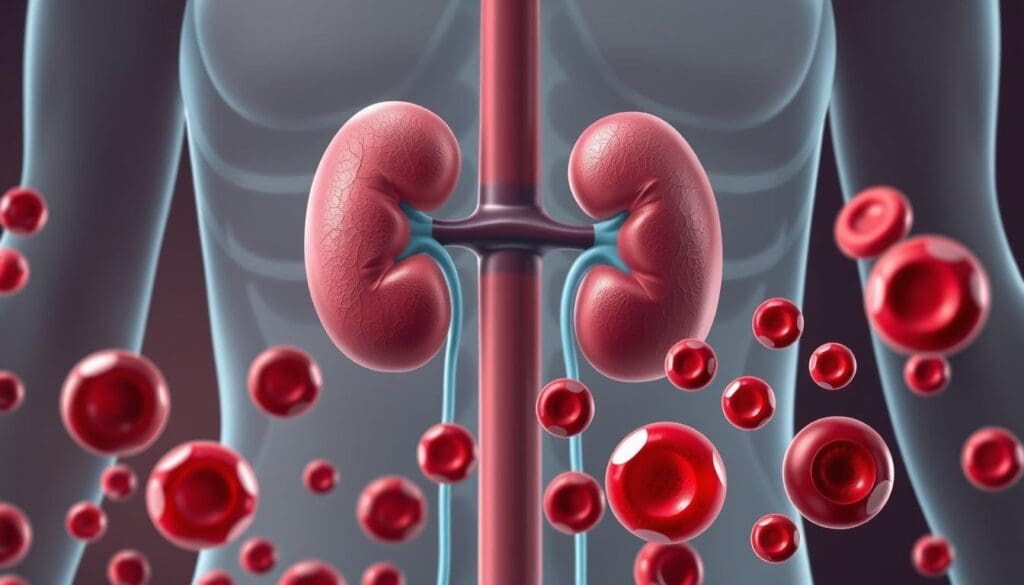
Anemia is a common problem for people with chronic kidney disease (CKD). It happens when the kidneys don’t work right. This leads to less erythropoietin (EPO), a hormone that helps make red blood cells.
Definition and Prevalence in Kidney Disease
CKD anemia means not enough red blood cells or not enough hemoglobin in them. Hemoglobin carries oxygen around the body. As CKD gets worse, more people develop anemia.
- Anemia is more common in patients with advanced CKD.
- The condition can significantly impact the quality of life.
- Early detection and treatment are key.
The Critical Link Between Kidney Function and Red Blood Cells
The kidneys are key in making EPO, which is vital for red blood cells. When kidneys are damaged, they make less EPO. This leads to fewer red blood cells and anemia.
The critical link between kidney function and red blood cell production shows why treating kidney disease is important for managing anemia.
The Underlying Mechanisms of CKD Anaemia
CKD anemia is a big problem for people with chronic kidney disease. It really affects their quality. We need to understand how kidney disease messes with making red blood cells.
Normal Erythropoiesis Process
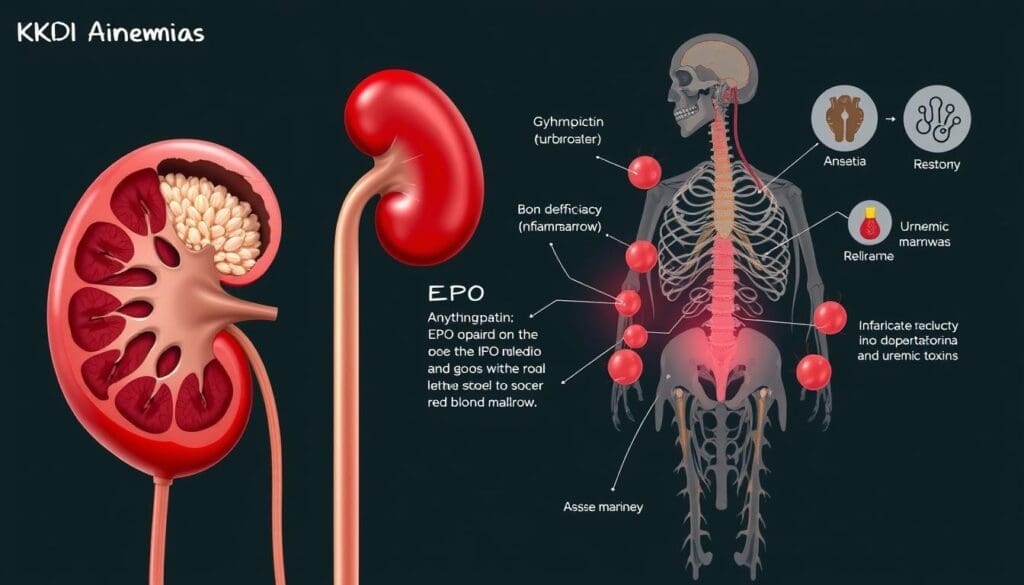
Erythropoiesis is how our body makes red blood cells. It’s a complex process that needs many cell types, growth factors, and nutrients. Erythropoietin (EPO), made mainly by the kidneys, is key. It helps make more red blood cells in the bone marrow.
How Kidney Disease Disrupts Red Blood Cell Production
In CKD, the kidneys can’t make enough EPO. This leads to fewer red blood cells. This results in anemia, with symptoms like tiredness and shortness of breath. Without enough EPO, the body can’t replace old red blood cells, making anemia worse.
Stages of CKD and Anemia Development
Anemia can happen at any CKD stage,, but is more common in later stages. As kidney function goes down, anemibecomests more common. CKD stages are based on kidney function, measured by the glomerular filtration rate (GFR).
Understanding how CKD stages and anemia are linked is key. It helps catch anemia early and manage it better. This is important for improving patients’ lives.
Key Fact #1: Erythropoietin Deficiency – The Primary Driver
CKD anemia mainly comes from not enough erythropoietin. Erythropoietin (EPO) is key to making red blood cells.
Production of EPO in Healthy Kidneys
Healthy kidneys make EPO when blood oxygen levels drop. This hormone tells the bone marrow to make more red blood cells. This keeps oxygen flowing to our bodies.
Consequences of Reduced EPO Production in CKD
CKD patients can’t make enough EPO. This means fewer red blood cells, causing anemia.
| Stage of CKD | EPO Production Level | Impact on Red Blood Cell Production |
| Stage 1-2 | Normal to slightly reduced | Minimal impact |
| Stage 3-4 | Significantly reduced | Noticeable decrease in red blood cell production |
| Stage 5 | Severely reduced | Marked anemia |
Bone Marrow Response to EPO Deficiency
The bone marrow makes fewer red blood cells when EPO is low. Without enough EPO, it can’t keep up with normal red blood cell counts. This makes anemia worse in CKD patients.
In summary, not enough erythropoietin is the main cause of anemia in CKD patients. Knowing how EPO affects red blood cell production is key to managing CKD anemia.
Key Fact #2: Iron Deficiency Complications in Kidney Disease
People with CKD often face iron deficiency, which can be absolute or functional. This deficiency is a big problem because it leads to anemia. Anemia makes their luality worse.
Absolute vs. Functional Iron Deficiency
There are two types of iron deficiency in CKD: absolute and functional. Absolute iron deficiency means the body has less iron than it needs. This can happen if you don’t eat enough iron or lose too much blood.
Functional iron deficiency is when the body has enough iron but can’t use it because of inflammation or other issues. Knowing the difference is key to treating it right.
A study found that more CKD patients have functional iron deficiency. This is because of ongoing inflammation.
Causes of Iron Dysregulation in CKD
CKD can mess with iron levels in several ways. These include:
- Chronic inflammation, which makes hepcidin levels go up. This reduces how much iron the body can absorb.
- Blood loss during dialysis wowers iron levels.
- Not getting enough iron from food or not absorbing it well.
These issues can cause both absolute and functional iron deficiency. This makes treating anemia in CKD patients harder.
Prevalence Statistics Across Different CKD Stages
About half of the people with CKD stages 2 to 5 have iron deficiency. The rate of iron deficiency goes up as CKD gets worse.
| CKD Stage | Prevalence of Iron Deficiency |
| Stage 2 | Approximately 30% |
| Stage 3 | Around 40% |
| Stage 4 | Nearly 50% |
| Stage 5 | Up to 60% |
These numbers show why it’s so important to watch and manage iron levels in CKD. This helps avoid problems linked to anemia and kidney failure.
Key Fact #3: Additional Factors Contributing to Renal Anemia
Many factors, not just a lack of erythropoietin, cause anemia in patients with chronic kidney disease (CKD). Knowing these factors is key to managing renal anemia well.
Vitamin B12 and Folate Deficiencies
Vitamin B12 and folate are vital for making red blood cells. Without enoughred blood cells can’t mature properly. This can lead to anemia, making CKD harder to manage. Keeping these vitamins at the right levels is important for treating anemia.
Blood Loss During Dialysis Procedures
Blood loss during dialysis also plays a role in anemia. This can happen for several reasons, like blood left in the dialyzer or needles coming out. To reduce blood loss, dialysis must be done carefully and with the right strategies.
Shortened Red Blood Cell Lifespan
Red blood cells in CKD patients don’t last as long as they should. Normally, they live about 120 days, but in CKD, this can be much shorter. The harmful environment of CKD can cause red blood cells to break down faster, adding to anemia. Expert panels stress the need to tackle this issue in treating renal anemia.
The main causes of renal anemia are:
- Deficiencies in vitamin B12 and folate
- Blood loss during dialysis procedures
- Shortened red blood cell lifespan
Dealing with these factors is essential for managing anemia in CKD patients. By understanding and addressing these causes, healthcare teams can create better treatment plans.
Key Fact #4: Recognizing the Symptoms of Kidney-Related Anemia
Anemia symptoms from kidney disease can vary. It’s key to know what to look for early. Anemia is common in chronic kidney disease (CKD) and affects quality of life.
Early Warning Signs and Symptoms
Early signs of kidney anemia include dizziness, trouble focusing, and pale skin. These signs can be mild and grow over time. ItPatients need to watchheir health closely.
Advanced Symptoms in Progressive CKD
As CKD worsens, anemia symptoms get stronger. Patients might feel chest pain, shortness of breath, or extreme tiredness. They may also feel cold easily. These signs mean it’s time to see a doctor right away.
When to Seek Medical Attention
If you notice any of these symptoms, get medical help. Early treatment can greatly improve life for those with kidney anemia.
| Symptom | Description |
| Dizziness | A feeling of lightheadedness or unsteadiness |
| Loss of Concentration | Difficulty focusing or making decisions |
| Pale Skin | A decrease in the natural color of the skin due to reduced red blood cells |
Key Fact #5: Diagnostic Approach to Anemia in CKD Patients
Diagnosing anemia in patients with chronic kidney disease (CKD) is complex. Anemia is common in CKD and must be diagnosed correctly for proper treatment.
Essential Laboratory Tests
The first step is to run essential laboratory tests. A complete blood count (CBC) is key to checking hemoglobin and red blood cell counts. Tests for iron, like serum iron and ferritin, are also important.
Evaluating Iron Status and EPO Levels
Checking iron status is vital in CKD patients. Both iron deficiency types can happen. Erythropoietin (EPO) levels are also checked, as EPO deficiency is common in CKD anemia.
Differential Diagnosis Considerations
When diagnosing anemia in CKD, other causes must be considered. Vitamin deficiencies, like B12 or folate, can also cause anemia. A detailed diagnostic process helps find the right cause and treatment for CKD anemia.
Key Fact #6: Health Consequences of Untreated CKD Anemia
Untreated CKD anemia can severely harm a patient’s health. It can lead to heart problems because the heart must work harder to supply blood.
Cardiovascular Complications
One major risk of untreated CKD anemia is cardiovascular complications. The heart pumps more blood because of fewer red blood cells. This can cause left ventricular hypertrophy and heart failure.
Impact on CKD Progression
Untreated anemia can also speed up CKD progression. The kidneys get less oxygen, which damages them further. This creates a cycle that makes both anemia and kidney disease worse.
Quality of Life and Functional Capacity
CKD anemia greatly affects a patient’s quality of life and ability to function. Symptoms like fatigue, weakness, and shortness of breath make daily tasks hard. They also lower overall well-being.
| Health Consequence | Description | Impact on Patient |
| Cardiovascular Complications | Increased risk of heart problems due to the heart working harder | Potential for left ventricular hypertrophy and heart failure |
| CKD Progression | Accelerated kidney disease due to a lack of oxygen delivery | Worsening of both anemia and kidney disease |
| Quality of Life | Symptoms like fatigue, weakness, and shortness of breath | Limitationss in daily activities and reduced well-being |
Key Fact #7: Comprehensive Treatment Strategies
Managing CKD anemia is key to bettering patients’ lives. It needs a mix of treatments, lifestyle changes, and regular checks.
Erythropoiesis-Stimulating Agents (ESAs)
ESAs are vital in treating CKD anemia. They boost red blood cell production, cutting down on blood transfusions. They help patients feel less tired and improve their hemoglobin levels. Bt, doctors must watch for side effects like high blood pressure and heart risks.
Iron Supplementation Approaches
Iron supplements are also essential for managing CKD anemia. Patients often need these to help make more red blood cell, when ESA therapy starts. Intravenous iron is often used, as it quickly adds iron. Oral iron is also used, but it might not work as well for those with CKD.
| Treatment Modality | Benefits | Considerations |
| Erythropoiesis-Stimulating Agents (ESAs) | Stimulates red blood cell production, reduces blood transfusions | Risk of increased blood pressure, cardiovascular events |
| Iron Supplementation | Replenishes iron stores, supports erythropoiesis | Potential for iron overload, gastrointestinal side effects with oral iron |
| Hypoxia-Inducible Factor Prolyl Hydroxylase Inhibitors (HIF-PHIs) | Novel mechanism that stabilizes HIF, promoting erythropoiesis | Emerging therapy with potentially fewer cardiovascular risks |
Emerging and Novel Therapies
New treatments like Hypoxia-Inducible Factor Prolyl Hydroxylase Inhibitors (HIF-PHIs) are being explored. They help by stabilizing hypoxia-inducible factors, boosting red blood cell production,, and iron use. These new options might reduce the need for ESAs and lower heart risks.
Managing CKD anemia needs a personalized plan. It should consider the patient’s health, CKD stage, and how they react to treatments. By using both old and new treatments, doctors can help patients live better lives.
Nutritional Management for CKD Anemia Patients
Nutritional management is ketoor managing anemia in CKD patients. A well-planned diet can help reduce anemia symptoms and boost overall health.
Dietary Iron Sources and Absorption
Dietary iron is vital for managing anemia. Foods rich in iron include shellfish, spinach, red meat, beans, and broccoli. There are two types of iron: heme iron in animal products and non-heme iron in plants. Heme iron is better absorbed by the body.
Vitamin Supplementation Guidelines
Vitamin supplements are also important for CKD anemia patients. Folic acid and vitamin B12 help make red blood cells. Patients should talk to their healthcare provider about the right supplements.
Balancing Renal Diet Restrictions with Anemia Management
CKD patients often need to follow certain diets, like limiting phosphorus and potassium. It can be hard to balance these diets with managing anemia. Working with a registered dietitian can help create a meal plan that meets their nutritional needs.
Special Considerations for Dialysis Patients
Managing anemia in dialysis patients is more complex than usual. Both hemodialysis and peritoneal dialysis bring their own challenges. These challenges affect how anemia is managed.
Blood Loss During Hemodialysis
Hemodialysis leads to blood loss. This loss happens because of the dialysis process itself. It also includes blood left in the dialyzer and tubing, and blood taken for tests. This blood loss can lead to iron deficiency and anemia.
To manage this, it’s important to reduce blood loss during dialysis. It’s also key to keep a close eye on iron levels.
Peritoneal Dialysis and Anemia
Peritoneal dialysis also faces challenges in managing anemia. Patients may lose blood due to the dialysis process. They are also at risk for inflammation and infection, which can harm their ability to make red blood cells. It’s vital to monitor and adjust anemia treatment closely.
Treatment Modifications for End-Stage Renal Disease
Patients with end-stage renal disease (ESRD) on dialysis need special anemia treatment. This might include changes to erythropoiesis-stimulating agents (ESAs) and iron supplements. Creating personalized treatment plans is essential for ESRD patients.
In summary, managing anemia in dialysis patients requires a detailed approach. It must consider the unique challenges of hemodialysis and peritoneal dialysis. It also needs to address the specific needs of patients with end-stage renal disease.
The Multidisciplinary Approach to Managing CKD Anemia
Managing anemia in chronic kidney disease patients needs a team effort. Doctors, including nephrologists and primary care physicians, work together. They make sure patients get the best care.
Role of the Nephrologist
Nephrologists are key in treating CKD anemia. They check how severe the anemia is and find the cause. They also plan treatments like ESAs and iron supplements.
Coordination with Primary Care
Primary care doctors are vital in managing CKD anemia. They keep an eye on patients’ health and adjust medicines as needed. They also help with diet changes to manage anemia. Good teamwork between doctors ensures patients get the best care.
Patient Self-Management Strategies
Patients with CKD anemia can help manage their condition. They can make dietary changes and stick to their medication. Learning about their role in managing anemia can lead to better health.
Regular Monitoring and Follow-up Protocols
Checking hemoglobin, iron, and kidney function regularly is important. Follow-up visits with doctors help adjust treatments. This ensures patients get the care they need.
Using a team approach improves care for CKD anemia. This leads to better health and quality of life for patients.
Conclusion: Living Well with CKD Anemia
Understanding and managing CKD anemia can greatly improve a patient’s life. This condition comes from several factor,s like low erythropoietin, iron issues, and chronic inflammation. Healthcare providers can use this knowledge to create effective treatment plans.
Dealing with CKD anemia needs a team effort. This includes using certain medicines, iron supplements, and good nutrition. By doing this, patients can feel better and lower their risk of heart problems and kidney disease getting worse.
Managing CKD anemia well means regular check-ups and care plans. Patients should work closely with their doctors to make a treatment plan that fits them. This way, they can manage their condition better and live a healthier life.
FAQ
What is CKD anem,,ia and how does it relate to kidney disease?
CKD anemia is a condition where patients with chronic kidney disease have fewer red blood cells and less hemoglobin. This happens because their kidneys can’t make enough erythropoietin (EPO). EPO is a hormone needed for making red blood cells.
How does kidney disease cause anemia?
Kidney disease damages the cells that make EPO. When kidney function goes down, EPO production drops. This leads to fewer red blood cells and anemia.
What are the symptoms of anemia related to kidney disease?
Symptoms include feeling tired, weak, and pale. You might also have shortness of breath and dizziness. As anemia gets worse, symptoms like chest pain and trouble thinking can happen.
How is anemia diagnosed in CKD patients?
Doctors use lab tests to find anemia in CKD patients. They check hemoglobin and hematocrit levels in a complete blood count (CBC). They also look at iron and EPO levels to see how bad the anemia is.
What is the role of erythropoietin in treating CKD anemia?
Erythropoietin, or ESAs, helps treat CKD anemia. They help make more red blood cells. This raises hemoglobin levels and cuts down on the need for blood transfusions.
How does iron deficiency contribute to anemia in CKD?
Iron deficiency is a big problem in CKD anemia. It can come from not enough iron in the diet, blood loss during dialysis, or inflammation. Both types of iron deficiency need different treatments.
What are the treatment options for anemia in CKD patients?
Treatments include ESAs to make more red blood cells and iron supplements. Sometimes, blood transfusions are needed. Eating right is also key to getting enough iron, vitamin B12, and folate.
How does CKD anemia impact the progression of kidney disease?
CKD anemia can make kidney disease worse. It reduces oxygen to tissues and increases heart stress. Treating anemia is important to slow down kidney disease.
What lifestyle changes can help manage CKD anemia?
To manage CKD anemia, change your diet to get more iron and vitamins. Avoid things that can make anemia or kidney disease worse. Stick to your treatment plan, including ESAs and iron supplements.
Why is a multidisciplinary approach important in managing CKD anemia?
A team of doctors, dietitians, and other experts is key in managing CKD anemia. They provide the right care, including medicine, diet advice, and monitoring. This helps improve patient outcomes and quality of life.
References
- Portolés, J., Ángel, P., & Botella, L. M. (2021). Anemia in chronic kidney disease: From pathophysiology to treatment. Frontiers in Medicine, 8, 642296. https://www.ncbi.nlm.nih.gov/pmc/articles/PMC8032930/