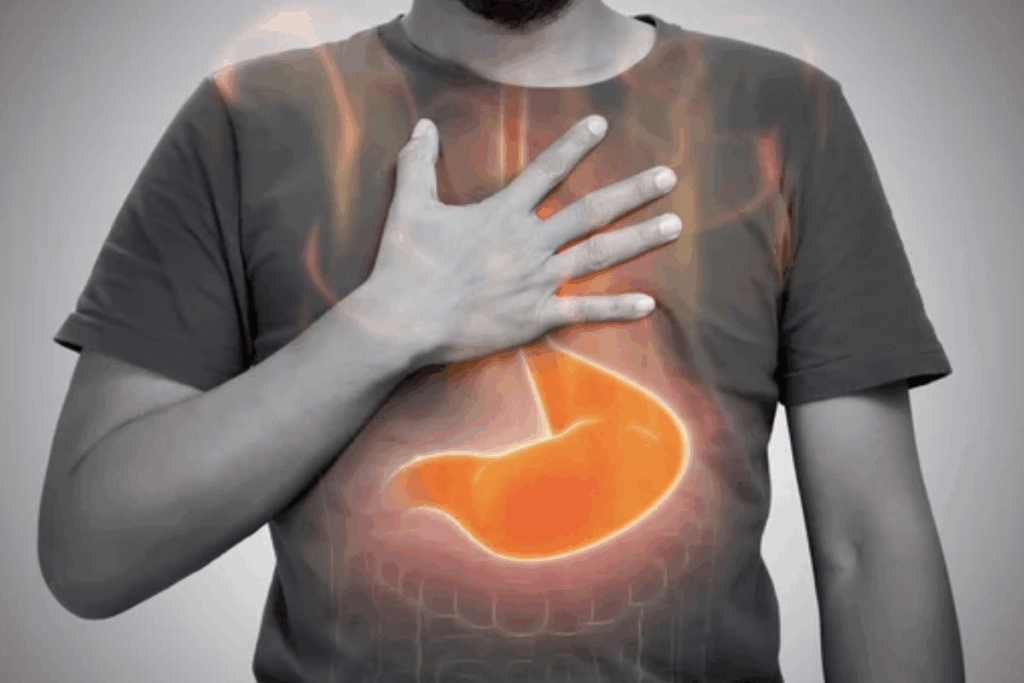
Your body talks to you through vomit color. It’s a key sign of your health. Urgent care doctor Allan Capin, MD, says the color of your vomit tells a lot about you.clear vomitDo I Need Chemo if Lymph Nodes Are Clear?
We look at the colors of stomach acid color and what they might mean. This helps you spot health problems and get help when you need it. Knowing about these colors helps you take care of your digestive health.
Key Takeaways
- Different vomit colors can indicate various health conditions.
- Understanding vomit color is key to spotting health issues.
- It’s important to see a doctor if you have bad stomach symptoms.
- Vomit color can show how well you’re doing overall.
- Knowing about digestive health is very important.
The Science Behind Stomach Acid and Vomiting

Stomach acid is key to digestion. Its color can change the look of vomit. First, we need to know what stomach acid is and its role in digestion.
What Is Stomach Acid and What Color Is It?
Stomach acid, or gastric acid, is a digestive fluid made by the stomach lining. It’s mostly hydrochloric acid, potassium chloride, and sodium chloride. Its color is usually clear or slightly yellowish.
The acidity of stomach acid helps break down food. This makes food smaller and easier to digest.
How Digestion Affects Vomit Appearance
Digestion changes how vomit looks. Food mixes with stomach acid and enzymes in the stomach. The stomach churns this mix until it’s semi-liquid, called chyme.
If you vomit, the vomit’s look depends on digestion’s stage and other substances like bile. Bile, a greenish-yellow liquid from the liver, aids in fat digestion. It can change the vomit’s color when it mixes with stomach acid.
Knowing about bile and other digestive fluids helps us understand vomit colors and consistency.
Normal vs. Abnormal Emesis Colors
Vomit colors can be clear to yellow, green, brown, or black. This depends on stomach acid, bile, blood, or other substances. Normal colors can vary, but some may mean health problems.
Vomit Color | Possible Causes |
Clear | Stomach acid, empty stomach |
Yellow/Green | Bile reflux, presence of bile |
Brown/Black | Digested blood, gastrointestinal bleeding |
Knowing about stomach acid and vomiting helps us tell normal from abnormal vomit colors. While some colors are okay, others might mean serious health issues that need doctor’s care.
Why Vomit Color Serves as a Diagnostic Tool

The color of vomit can help doctors figure out what’s wrong. By looking at the color and texture, they can find the cause of stomach problems.
What Doctors Look For in Emesis Color Charts
Doctors use color charts to understand vomit. These charts help them quickly find the cause of vomiting. They look at the color, texture, and if there’s blood or other stuff.
Key factors doctors consider when evaluating emesis color include:
- The presence of bile or stomach acid
- The color and consistency of the vomit
- The presence of blood or other substances
- The patient’s medical history and symptoms
How Different Digestive Conditions Affect Vomit Color
Different health issues can change the color and texture of vomit. For example, bile reflux can make it yellow or green. Bleeding can make it red or black. Knowing this helps doctors diagnose and treat.
Some common health issues that can change vomit color include:
- Gastroesophageal reflux disease (GERD)
- Bile reflux
- Gastrointestinal bleeding
- Infections and inflammatory conditions
The Relationship Between Diet and Vomit Appearance
What you eat can also affect vomit color and texture. Foods like beets or turmeric can change its color. It’s important to think about what you’ve eaten when looking at vomit.
But remember, diet isn’t the only thing that matters. Medical conditions can also change vomit color. If vomiting keeps happening or is worrying, you should see a doctor.
Clear Vomit: Empty Stomach and Excess Acid
Vomiting clear liquid often means your stomach is empty or has too much acid. This liquid is made of saliva, mucus, and stomach fluid. When your stomach is empty, it only has these fluids to throw up.
Why Did I Throw Up Clear Liquid?
Clear liquid vomiting can happen when you’ve thrown up a lot, leaving your stomach empty. It can also show you have too much stomach acid. This can be due to your diet, stress, or health issues.
Usually, clear vomit isn’t a big worry and might go away once the problem is fixed. But if it keeps happening, finding out why is key.
Puking Up Clear Liquid: Dehydration Connection
Dehydration is a big worry with clear liquid vomiting. It means you’re losing important fluids and salts. Rehydration is key to avoid more problems, if you’re throwing up a lot.
Drinking lots of water or electrolyte-rich drinks helps replace lost fluids. If vomiting is really bad, you might need to see a doctor for IV fluids.
Medical Conditions Associated with Clear Stomach Acid
Many health issues can lead to clear vomit, including:
- Gastroesophageal reflux disease (GERD)
- Peptic ulcers
- Gastritis
- Certain infections or inflammatory conditions
If you keep vomiting clear liquid, seeing a doctor is important. They can check for any serious health problems that need treatment.
Yellow or Green Vomit: Bile Reflux Explained
Yellow or green vomit might mean you have bile reflux. This is when bile moves up from the small intestine into the stomach. It happens when the muscle between the stomach and small intestine doesn’t work right.
Why Is My Vomit Green or Yellow?
Green or yellow vomit often means your body is bringing up bile. Bile is made by the liver and stored in the gallbladder. It helps digest fats in the small intestine. But if it comes up into the stomach and you vomit, it looks green or yellow.
Bile Reflux vs. Acid Reflux: It’s important to know the difference between bile reflux and acid reflux. Acid reflux is when stomach acid goes back up into the esophagus. Bile reflux is when bile moves up from the small intestine into the stomach.
The Role of Bile in Digestive Health
Bile is key for digestion because it breaks down fats. It also helps your body absorb fat-soluble vitamins. But if bile refluxes into the stomach, it can irritate and cause vomiting.
Conditions That Cause Bile to Appear in Vomit
Several things can make bile show up in vomit, including:
- Gastroparesis: This is when the stomach muscles are weak, causing food to stay in the stomach too long.
- Bile reflux: As we talked about, this is when bile flows back into the stomach.
- Intestinal obstruction: This is a blockage that stops the normal flow of intestinal contents.
Condition | Symptoms | Potential Complications |
Gastroparesis | Nausea, vomiting, bloating | Malnutrition, dehydration |
Bile Reflux | Vomiting bile, abdominal pain | Esophagitis, Barrett’s esophagus |
Intestinal Obstruction | Severe abdominal pain, vomiting | Peritonitis, bowel ischemia |
Knowing why you might vomit yellow or green is important. It helps find the cause of digestive problems. If you keep vomiting or it’s really bad, you should see a doctor.
Vomiting Bright Green Bile: Intestinal Obstruction Warning
Bright green vomit is a serious sign that might mean your intestines are blocked. When we vomit, our body is trying to get rid of something bad. The color and texture of the vomit can tell us a lot about what’s wrong.
Causes for Concern
Vomiting bright green bile is a big warning sign for your digestive system. The green color means bile is in your vomit. Bile helps with digestion, but seeing it in vomit means there’s a problem.
Some things to worry about with bright green bile vomiting are:
- Intestinal obstruction: A blockage in the intestines that stops things from moving.
- Bile reflux: When bile moves up from the small intestine into the stomach.
- Gastrointestinal infections: Some infections can change the color and texture of your vomit.
Distinguishing Between Normal and Dangerous Green Vomit
Not all green vomit is a big deal, but it’s important to know the difference. If you’re vomiting bright green bile, think about these things:
- Frequency and duration: How often and for how long are you vomiting?
- Associated symptoms: Do you have stomach pain, fever, or other symptoms?
- Overall health: Do you have any health problems that might be causing your symptoms?
When Bright Green Vomit Requires Emergency Care
If you’re experiencing any of these, get emergency help right away:
- Severe stomach pain
- Vomiting blood or stuff that looks like coffee grounds
- Fever over 101.5°F (38.6°C)
- Signs of dehydration, like too much thirst, dark urine, or feeling dizzy
- Can’t keep fluids down
Bright green vomit can be a sign of a serious problem like intestinal obstruction. If you’re vomiting a lot or it’s really bad, get medical help fast.
Orange Vomit Color: Partially Digested Food
When you see orange vomit, it means your body is getting rid of food that’s not fully digested yet. This color is common, mainly in the first times you vomit.
Why Is My Puke Orange?
The color of your vomit changes based on what’s in your stomach. Orange vomit usually means there’s food that’s not fully digested. This food often has certain pigments or dyes.
Eating foods or drinks with artificial colors or natural pigments, like carrots or sweet potatoes, can make your stomach contents turn orange.
Food Components That Create Orange Emesis
Several foods can make your vomit orange. These include:
- Carotenoid-rich foods like carrots and sweet potatoes
- Certain food dyes in processed foods and drinks
- Spicy or fatty foods that can irritate the stomach lining
When these foods aren’t fully digested, they can color your vomit orange.
Medical Conditions Associated with Orange Vomit
Orange vomit can also be linked to health issues. These include:
Condition | Description |
Gastroesophageal Reflux Disease (GERD) | A condition where stomach acid frequently flows back into the tube connecting your mouth and stomach (esophagus). |
Gastroenteritis | An inflammation of the gastrointestinal tract, usually caused by infection. |
Food Poisoning | Illness caused by consumption of contaminated or spoiled food. |
Usually, orange vomit isn’t a big worry and can be handled by changing your diet and staying hydrated. But, if you have other serious symptoms, you should see a doctor right away.
Pink Throw Up: Fresh Blood Sources in the Upper GI Tract
Vomiting pink or reddish fluid can be scary. It often means there’s fresh blood in the upper GI tract. This symptom needs attention and understanding. We’ll look at why it happens and when it’s a medical emergency.
Sources of Fresh Blood in Pink Vomit
The pink color in vomit usually comes from the upper GI tract. This can happen for several reasons. For example, irritation or ulcers in the esophagus, stomach, or small intestine’s upper part. The presence of fresh blood shows there’s active bleeding in these areas.
Common Causes of Pink Bile Vomit
Several things can cause pink or blood-tinged vomit. Some common causes include:
- Gastritis or Esophagitis: Inflammation of the stomach or esophagus lining can cause bleeding.
- Ulcers: Peptic ulcers can bleed, leading to blood in the vomit.
- Trauma: Physical injury to the upper GI tract can result in bleeding.
- Forceful Vomiting: Repeated or forceful vomiting can cause irritation and minor bleeding.
When Pink Vomit Signals a Medical Emergency
Not all pink vomit is an emergency. But, some situations need immediate medical help. If the vomit is heavy with blood, or if you have severe abdominal pain, dizziness, or fainting, get emergency care. Also, if you have a history of ulcers, liver disease, or other GI conditions, see a doctor.
Understanding pink throw up is key for quick medical help. If you’re experiencing these symptoms, talk to healthcare professionals. They can find the cause and suggest the right treatment.
Brown Throwup: Digested Blood and Serious Conditions
Brown vomit often means there’s digested blood in your gut. This is usually a sign of bleeding in the upper digestive system.
Why Is My Sick Dark Brown?
Dark brown vomit can mean there’s blood in your stomach that’s been partially digested. This can happen for many reasons. These include ulcers, inflammation, or other issues that cause bleeding in the upper gut.
Key factors that contribute to brown vomit include:
- Bleeding ulcers
- Gastrointestinal inflammation
- Trauma to the digestive tract
- Certain medications that cause stomach irritation
How Blood Changes Color in the Digestive System
Blood changes color as it’s digested by stomach acids and enzymes. Fresh blood is red or pink. But, as it meets stomach acid, it breaks down and turns brown or black.
Medical Conditions Associated with Brown Vomit
Several medical conditions can cause brown vomit. These include:
Condition | Description |
Gastrointestinal ulcers | Open sores that develop on the lining of the stomach or intestines, potentially causing bleeding. |
Esophageal varices | Enlarged veins in the esophagus that can bleed easily due to increased pressure. |
Gastritis | Inflammation of the stomach lining, which can lead to bleeding and brown vomit. |
If you’re experiencing brown throwup, it’s vital to see a doctor. They can find out why and treat you right.
Black Vomit: Recognizing Dangerous Bleeding
Black vomit can mean there’s bleeding in your digestive tract. It looks like coffee grounds and is a sign you should see a doctor. We’ll look at what causes it, how to tell it apart from other dark vomit, and when you need to go to the hospital right away.
What Causes Black Emesis?
Black vomit usually comes from bleeding in the upper GI tract. The acid in your stomach changes the blood’s color to dark. This can happen due to ulcers, inflammation, or tumors in your stomach or esophagus. It’s important to find out why to get the right treatment.
Distinguishing Between Coffee Ground Vomit and Other Dark Substances
Not all dark vomit is from blood. Foods or medicines can also make it look dark. But coffee-ground vomit means there’s digested blood. If you’re not sure, it’s best to talk to a doctor. They can figure out what’s going on.
When Black Vomit Requires Immediate Medical Attention
Black vomit can be a sign of a serious problem that needs quick medical help. If you have black vomit and other symptoms like a lot of pain, dizziness, or fainting, go to the emergency room. Getting medical help fast is key to avoid worse problems and get the right treatment. Don’t wait to see a doctor if you have these symptoms.
White or Foamy Vomit: Mucus and Stomach Problems
White or foamy vomit can be a distressing symptom that often indicates underlying stomach issues. This type of emesis is frequently associated with an excess of mucus in the stomach, which can be caused by various factors.
Causes of White or Foamy Emesis
Several reasons can cause white or foamy vomit. One common cause is gastroesophageal reflux disease (GERD), where stomach acid flows back into the esophagus, potentially leading to an increase in mucus production. Other causes include infections, allergies, or inflammatory conditions affecting the stomach or digestive tract.
Infections such as gastroenteritis can cause inflammation in the stomach, leading to increased mucus production and subsequent vomiting. Allergies to certain foods can also trigger this response.
Associated Digestive Conditions
White or foamy vomit is often linked to several digestive conditions. These include:
- Gastroesophageal reflux disease (GERD)
- Gastritis
- Peptic ulcer disease
- Irritable bowel syndrome (IBS)
Each of these conditions can cause an increase in mucus production, either through inflammation or irritation of the stomach lining.
Condition | Characteristics | Common Symptoms |
GERD | Stomach acid flows back into the esophagus | Heartburn, regurgitation |
Gastritis | Inflammation of the stomach lining | Nausea, vomiting, abdominal pain |
Treatment Approaches for Mucus-Heavy Vomiting
Treatment for white or foamy vomit depends on the underlying cause. For cases related to GERD or gastritis, antacids or proton pump inhibitors (PPIs) may be prescribed to reduce stomach acid. In cases of infection, antibiotics or antiviral medications might be necessary.
“The key to managing mucus-heavy vomiting is identifying and treating the underlying condition. This may involve lifestyle changes, medication, or in some cases, further diagnostic testing to rule out serious conditions.”
Managing symptoms and addressing the root cause are key steps in treating white or foamy vomit. It’s essential to consult a healthcare professional for a proper diagnosis and treatment plan.
When to Seek Medical Help for Vomiting
While occasional vomiting might not be a cause for concern, certain situations demand prompt medical evaluation. Vomiting can be a sign of an underlying medical condition that needs attention. We will explore the warning signs that require emergency care, concerns related to vomiting duration and frequency, and special considerations for vulnerable populations.
Warning Signs That Require Emergency Care
Some symptoms accompanying vomiting necessitate immediate medical attention. These include:
- Severe abdominal pain
- Difficulty breathing
- Severe dehydration symptoms (excessive thirst, dark urine, dizziness)
- Blood in the vomit or vomit that looks like coffee grounds
- High fever
- Severe headache or stiff neck
If you or someone else is experiencing these symptoms, it’s vital to seek emergency care.
Vomiting Duration and Frequency Concerns
The duration and frequency of vomiting are important factors in determining whether medical help is needed. Vomiting that lasts more than 48 hours in adults or 24 hours in children under 2 years old is a cause for concern. Also, if vomiting is severe or accompanied by other symptoms like diarrhea, it can lead to dehydration, which requires prompt treatment.
Special Considerations for Children and Elderly
Children and the elderly are more vulnerable to the complications of vomiting, such as dehydration. For children, signs of dehydration include fewer wet diapers, sunken eyes, and irritability. In the elderly, dehydration can manifest as confusion, dizziness, or a significant decrease in urine output. These populations require closer monitoring and earlier intervention.
Questions Your Doctor Will Ask About Your Vomit
When you visit your doctor, they will likely ask several questions about your vomiting, including its frequency, duration, and characteristics. They may also inquire about other symptoms you’re experiencing, such as abdominal pain, fever, or changes in appetite. Being prepared to provide this information can help your doctor make an accurate diagnosis and recommend appropriate treatment.
Conclusion: Understanding Your Body’s Warning Signals
Knowing the color of your vomit can tell you a lot about your digestive health. We’ve looked at different vomit colors and what might cause them. This includes clear, yellow, green, orange, pink, brown, and black.
By understanding these colors, you can spot health warnings from your body. This helps you know when to see a doctor. It might even save you from serious health problems.
We’ve also talked about how different health issues and diets can change vomit color. Paying attention to these signs can help you keep your digestive system healthy.
In short, knowing your body’s signals, like vomit color, is key to staying healthy. If you’re worried about your vomit or keep vomiting, see a doctor. They can help figure out what’s going on and treat it.
FAQ
What color is the acid in your stomach?
Stomach acid is usually clear or colorless. But, when you vomit, it might look like clear liquid. It can also change color if there’s food, bile, or blood in it.
Why is my puke pink?
Pink vomit means there’s fresh blood in your upper GI tract. This could be due to irritation, ulcers, or other bleeding issues.
Why did I throw up clear liquid?
Clear liquid vomit can mean your stomach is empty or has too much acid. It might also be a sign of dehydration or a medical problem.
What does stomach acid look like when you throw up?
Stomach acid vomit is usually clear. But, its color can change if there are other substances in it.
Why is my sick dark brown?
Dark brown vomit often means there’s digested blood in it. This happens when blood breaks down in your digestive system.
What color is stomach acid throw up?
Stomach acid vomit is usually clear. But, other substances can change its color.
Why did I throw up green liquid?
Green vomit can mean you have bile reflux. This happens when bile moves up from your small intestine into your stomach. It’s often due to digestive problems.
What causes orange vomit?
Orange vomit comes from partially digested food. Certain foods can make it turn orange.
Why is my vomit bright green?
Bright green vomit is a serious sign. It could mean you have an intestinal obstruction or another serious issue. You should see a doctor right away.
What does it mean when you vomit yellow or green bile?
Vomiting yellow or green bile might mean you have bile reflux. This could be a sign of a digestive problem.
Is black vomit a sign of severe bleeding?
Yes, black vomit is a sign of severe bleeding in your digestive tract. You need to get medical help fast.
What causes white or foamy vomit?
White or foamy vomit can be from stomach issues like mucus. It can also be a sign of other digestive problems.
References
National Center for Biotechnology Information. Evidence-Based Medical Guidance. Retrieved from https://www.ncbi.nlm.nih.gov/pmc/articles/PMC3418012/