A blood clot in the hand can cause a lot of pain and serious problems if not treated quickly. It’s important to know the signs to get help fast.
Pain, swelling, or a blue or purple bump near a vein in your finger might indicate a clot on hand. Liv Hospital’s internationally recognized team can help you understand these signs and know when to get urgent care.
Key Takeaways
- Blood clots can happen in different parts of the body, including the hands.
- Symptoms of a blood clot in the hand include pain, swelling, and visible bumps.
- Getting medical help right away is key if symptoms don’t go away or get worse.
- Liv Hospital offers expert care for diagnosing and treating blood clots.
- Knowing the risks and symptoms can help avoid serious problems.
Understanding Blood Clots in the Hand
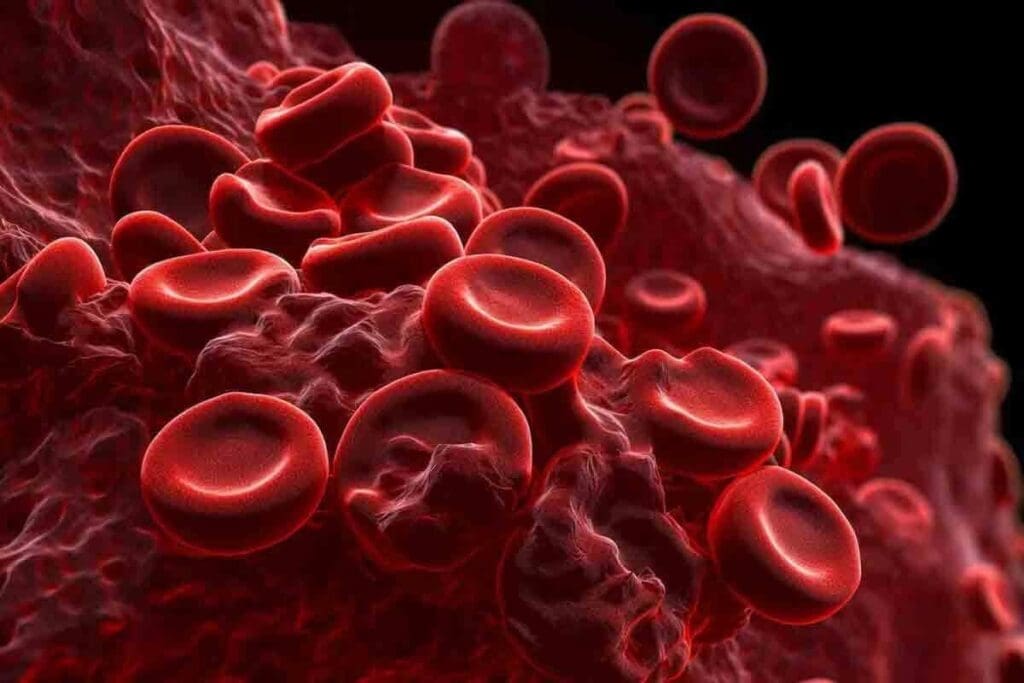
Blood clots in the hand form due to injury or vascular disorders. These clots are like jelly and can block blood flow. They can stay put or move, causing serious health issues.
Several things can cause blood clots in the hand. These include injury, tight jewelry, and vascular conditions. Knowing why these clots form helps us understand their symptoms and risks.
What Are Hand Blood Clots?
Hand blood clots are clots in the hand’s blood vessels. They can block blood flow, causing pain and swelling. These clots can happen in both arteries and veins, but veins are more common.
Key characteristics of hand blood clots include:
- Formation within the blood vessels of the hand
- Potential to cause pain and swelling
- Can be associated with underlying vascular conditions
How Common Are Hand Blood Clots?
Hand blood clots are less common than leg clots. But, they can happen, mainly in people with certain risk factors. These include hand injuries, tight jewelry, and vascular conditions.
| Risk Factor | Description | Impact on Hand Blood Clots |
| Trauma | Injury to the hand | Increases the likelihood of clot formation |
| Tight Jewelry/Rings | Constrictive items around fingers | Can impede blood flow, leading to clots |
| Vascular Disorders | Pre-existing conditions affecting blood vessels | Predisposes individuals to clot formation |
Knowing about these risk factors and hand blood clots is key. It helps us spot symptoms and get the right medical care.
7 Key Symptoms of Blood Clots in Hand

Knowing the signs of blood clots in the hand is key to getting the right medical care. Blood clots in the hand show up in different ways. It’s important not to ignore these signs.
Pain and Tenderness
Pain and tenderness in the hand are common signs of a blood clot. This pain can be mild or very severe. It often gets worse if not treated.
Swelling in the Affected Area
Swelling is another sign of a blood clot in the hand. The area may swell up because of blood or fluid buildup. This can cause discomfort and make it hard to move the hand.
Visible Blue or Purple Bump
A blood clot can also cause a visible blue or purple bump under the skin. This happens because the clot blocks normal blood flow.
Color Changes in the Skin
Changes in skin color are a big sign of a blood clot. The skin might look bluish, purplish, or reddish because of the clot.
The table below lists the main symptoms of blood clots in the hand:
| Symptom | Description |
| Pain and Tenderness | Mild to severe pain in the affected area |
| Swelling | Swelling due to blood or fluid accumulation |
| Visible Blue or Purple Bump | Discoloration under the skin due to clot |
| Color Changes | Bluish, purplish, or reddish skin discoloration |
Medical experts say it’s vital to spot these symptoms early. This is for effective treatment and to avoid serious problems.
“A blood clot in the hand can be a serious condition if not treated promptly. It’s essential to be aware of the symptoms and seek medical help when necessary.”
Other symptoms include warmth or redness, less mobility in the hand or fingers, and a cord-like structure under the skin. These symptoms can differ in how severe and how they show up, based on the case.
Identifying a Clot on Hand: Visual Indicators
Seeing a blue dot or lump on your finger might mean you have a blood clot. Spotting these signs early is key for getting the right medical help.
Blue Dot or Lump on Finger
A blue dot or lump on your finger could mean a blood clot. This happens when blood builds up under your skin, making it sore. If you see a lump, keep an eye on how big it gets and how sore it is.
Enlarged or Swollen Veins
Seeing bigger veins in your hand might also mean a blood clot. Usually, veins are not very noticeable, but some things can make them stand out more. Things like hot weather, working out, or wearing tight clothes can make veins more visible. But if your veins are swollen or sore, it could be a sign of something serious.
| Causes of Visible Veins | Associated Symptoms |
| Hot weather | No additional symptoms |
| Exercise | Temporary swelling |
| Tight clothing | Discomfort or redness |
| Blood clot | Pain, tenderness, swelling |
Fingertip Discoloration
Fingertip discoloration is another sign of a blood clot. If your fingertip turns blue or purple, it might mean blood flow is blocked. This is a serious sign that needs quick attention to avoid worse problems.
Key Takeaways:
- Watch for blue dots or lumps on fingers.
- Look for enlarged or swollen veins.
- Be aware of fingertip discoloration.
Blood Clots in Specific Hand Locations
Blood clots can show up in different parts of the hand. Each spot has its own signs. Knowing where they are helps doctors diagnose and treat them right.
Blood Clot in Fingertips
A blood clot in the fingertips hurts a lot. It might look like a tender, blue bump or change the color of your fingertip. It can happen from an injury or tight jewelry.
Blood Clot in Pinky Finger
A blood clot in the pinky finger can cause pain and swelling. Watch for any discoloration or a visible bump. These signs mean you might have a clot.
Palmar Digital Vein Thrombosis
Palmar digital vein thrombosis is a clot in the palm or finger veins. It can cause pain, swelling, and visible changes. This condition needs medical help to avoid serious problems.
In summary, blood clots in the hand, like in fingertips, pinky finger, or veins, are different. Knowing the signs helps you get the right medical care.
Common Causes of Blood Clots in Hands
Hand blood clots can come from many things, like trauma or vascular disorders. Knowing what causes them helps us spot risks and prevent them.
Trauma and Injury
Getting hurt in the hand can lead to blood clots. This might happen from accidents, sports injuries, or even small bumps that harm blood vessels.
Common scenarios include:
- Fractures or breaks in the hand or fingers
- Severe bruises or contusions
- Surgical procedures involving the hand
Tight Jewelry and Rings
Wearing tight jewelry or rings can cut off blood flow, causing clots. This is more likely for people with certain health issues that affect blood flow.
Precautions to avoid this issue include:
- Ensuring jewelry is not too tight
- Removing rings during activities that may cause hand swelling
- Choosing jewelry made from materials that are less likely to cause skin irritation
Underlying Vascular Disorders
Some vascular disorders raise the risk of blood clots in the hands. These conditions often mess with blood flow and vessel health.
Examples of vascular disorders include:
- Raynaud’s disease, which affects blood flow to the fingers
- Thoracic outlet syndrome, involving compression of blood vessels or nerves
- Vasculitis, inflammation of the blood vessels
Understanding these causes helps us take steps to lower our risk. If symptoms show up, we should see a doctor.
Risk Factors for Developing Hand Blood Clots
Knowing the risk factors for blood clots in hands is key to preventing them. Some medical conditions and lifestyle choices can raise your risk. It’s important to understand these to act early and prevent blood clots.
Medical Conditions That Increase Risk
Some medical conditions make you more likely to get blood clots in your hands. Deep vein thrombosis (DVT) and superficial thrombophlebitis are examples. DVT is a blood clot in deep veins, usually in the legs but can be in the arms. Superficial thrombophlebitis is inflammation of veins due to a blood clot, often in the hands’ superficial veins.
Patients with a history of DVT or thrombophilia are at a higher risk of developing blood clots in their hands.
| Medical Condition | Description | Risk Level |
| Deep Vein Thrombosis (DVT) | Blood clot in a deep vein | High |
| Superficial Thrombophlebitis | Inflammation of veins due to a blood clot | Moderate |
| Thrombophilia | Condition characterized by the formation of blood clots | High |
Lifestyle Factors
Lifestyle choices also affect your risk of blood clots in hands. Wearing tight jewelry or clothes can cut off blood flow, raising clot risk. Also, sitting or lying down for too long can lead to blood clots.
It’s vital to know these risk factors to prevent blood clots. By managing these risks, you can lower your chance of getting blood clots in your hands.
When to Seek Medical Help for Hand Blood Clots
Knowing when to get medical help for hand blood clots is key to avoiding serious problems. Blood clots can cause serious health issues if not treated quickly.
Emergency Warning Signs
Certain symptoms mean you need to see a doctor right away. These include:
- Severe pain or swelling in the hand
- Difficulty breathing or shortness of breath
- Chest pain or pressure
- Rapid heart rate
- Swelling or pain in one leg
Non-Emergency Situations That Require Attention
Even if your symptoms aren’t life-threatening, some situations need a doctor’s check-up. These include:
- Persistent pain or swelling in the hand
- Visible blue or purple discoloration
- Changes in skin temperature or color
“It’s better to err on the side of caution when dealing with blood clots. If you’re unsure about the severity of your symptoms, consult a healthcare professional.”
What to Expect at Your Doctor’s Visit
Your doctor will do a physical check and might order tests like an ultrasound or blood work. Be ready to talk about your symptoms, medical history, and any recent injuries or activities that might have caused the blood clot.
Knowing what to expect can make you feel less anxious and help you get the right care.
Diagnosis of Blood Clots in the Hand
Healthcare professionals use several tools to find blood clots in the hand. Finding out if there’s a clot and how big it is is key. This helps doctors treat it right and help it heal.
Physical Examination
The first thing doctors do is check the hand. They look for swelling, redness, or tenderness. They also check for lumps or anything out of the ordinary.
Doctors also ask about your medical history. This helps them understand if there’s something that might have caused the clot.
Imaging Tests and Blood Work
Imaging tests are needed to confirm the diagnosis. Ultrasound and venography help see the clot. They show where it is and how big it is.
In some cases, MRI or CT scans might be needed. They help check if there are other problems or how the clot affects nearby tissues.
Diagnosing blood clots in the hand involves physical checks, imaging, and blood tests. These steps help doctors find and treat clots well. This reduces risks and improves recovery chances.
Treatment Options for Hand Blood Clots
Dealing with blood clots in the hand needs a mix of medical treatments and home care. The right treatment depends on the clot’s size, location, and the patient’s health.
Medical Treatments
Medical treatments are key to stop the clot from getting worse. Anticoagulant medication is often used to prevent new clots and stop existing ones from growing. Sometimes, thrombolysis is needed to break down the clot.
Anticoagulant therapy includes drugs like heparin or warfarin. These drugs slow down clotting by affecting the liver or boosting anticoagulant proteins. The choice of medication depends on the patient’s kidney function, bleeding risk, and other health issues.
Home Care Strategies
Home care is also important for managing symptoms and aiding recovery. Elevation of the hand above the heart can lessen swelling and pain. Compression garments or bandages help improve blood flow and ease discomfort.
Managing pain at home is vital. Over-the-counter pain relievers like acetaminophen or ibuprofen can help. Always follow the dosage and talk to a doctor before starting any medication, considering any health conditions or other medications you’re taking.
Preventing Blood Clots in the Hand
To lower the chance of hand blood clots, knowing how to prevent them is key. It’s about making lifestyle changes and handling any health issues you might have. Taking steps early on can greatly cut down the risk of hand blood clots.
Lifestyle Modifications
Changing your lifestyle can help a lot in preventing blood clots. Regular exercise boosts blood flow, which lowers clot risk. Also, wearing loose clothes and avoiding tight jewelry on your hands is smart.
Eating well, with lots of fruits, veggies, and whole grains, is good for your blood vessels. Drinking enough water is also important. Dehydration can up the risk of blood clots.
Managing Underlying Conditions
It’s just as important to manage any health issues you have. Conditions like vascular disorders or blood clotting disorders raise your risk. Working with your doctor to manage these can help lower that risk.
If you’ve had blood clots before or are at high risk, your doctor might give you anticoagulant medications. It’s vital to follow your treatment plan and keep up with doctor’s visits. This helps keep your condition in check and treatment effective.
Conclusion
It’s important to know the signs of a blood clot in the hand to get help quickly. Symptoms include pain, tenderness, and changes in skin color. You might also see a blue or purple bump.
Blood clots in the hand can be serious but are treatable. Knowing what causes them, like injuries or tight jewelry, helps prevent them. Being aware of your health and lifestyle can also lower your risk.
Preventing and treating blood clots go together. Medical treatments are available, but making healthy lifestyle choices helps too. If you’ve had a blood clot, knowing what to expect can make you feel better.
Being informed is key to managing blood clots in the hand. Knowing the symptoms, treatment, and prevention helps you take care of yourself. This way, you can stay healthy and manage your condition well.
FAQ
What are the symptoms of a blood clot in the hand?
A blood clot in the hand can cause pain, tenderness, and swelling. You might also see blue or purple bumps or color changes in the skin. Sometimes, you might notice a blue dot or lump on your finger, swollen veins, or discoloration.
Can you get blood clots in your hands?
Yes, blood clots can happen in your hands, though it’s less common. They can be caused by injury, tight jewelry, or vascular disorders.
What does a blood clot in the finger look like?
A blood clot in the finger looks like a blue dot or lump. It might also cause swelling, pain, or tenderness. The skin around it might turn discolored.
What are the risk factors for developing blood clots in the hands?
Medical conditions like vascular disorders increase your risk. Lifestyle factors like smoking or being immobile for a long time also play a part. Trauma or injury to the hand is another risk factor.
When should I seek medical help for a blood clot in my hand?
Seek medical help right away if you have severe pain, swelling, or discoloration in your hand. Also, if you can’t move your hand or fingers easily. If you have a history of vascular disorders, get help too.
How are blood clots in the hand diagnosed?
Doctors diagnose blood clots in the hand through physical exams, imaging tests like ultrasound or X-rays, and blood work. They’ll look at your symptoms and medical history to figure out the best diagnosis.
What are the treatment options for blood clots in the hand?
Treatment for blood clots in the hand includes medicines like anticoagulants. You can also try home care like elevating your hand and using warm compresses. Sometimes, surgery is needed.
Can blood clots in the hand be prevented?
Yes, you can prevent blood clots in the hand by staying hydrated and avoiding being immobile for too long. Manage any medical conditions you have. Wearing loose jewelry and avoiding injuries can also help.
What is the difference between an arterial and venous clot?
Arterial clots in arteries can cause severe pain, pale skin, and no pulse. Venous clots in veins lead to swelling, pain, and discoloration. Both are serious and need medical attention.
Can a painful vein on my finger be a sign of a blood clot?
Yes, a painful vein on your finger could mean a blood clot, if it’s swollen, red, or warm. If you see these signs, get medical help to find out why.
References
- Medical News Today. (2023, December 19). Blood Clot in Arm: Symptoms, Is It Dangerous, Causes, and Treatment. Retrieved from https://www.medicalnewstoday.com/articles/325299