Anemia affects millions worldwide, but diagnosing it can be tough. Did you know that nearly 30% of anemia cases are initially misdiagnosed because of similar symptoms from other health issues? A CO2 blood test can help provide additional insights into a patient’s overall health and assist in accurate diagnosis.
Diagnosing anemia is complex. Some conditions can show the same symptoms, making it key to use tests like the CO2 levels in blood test. This helps find the real cause.
The CO2 blood test is important in figuring out what’s wrong. It helps doctors tell apart different conditions that might look like anemia.
Key Takeaways
- Anemia diagnosis can be challenging due to similar symptoms presented by other conditions.
- The CO2 blood test is a key tool in finding the cause of symptoms.
- Getting the diagnosis right is key for good treatment.
- Many conditions can look like anemia, making diagnosis hard.
- Healthcare pros need to understand all diagnostic options.
The Clinical Picture of True Anemia
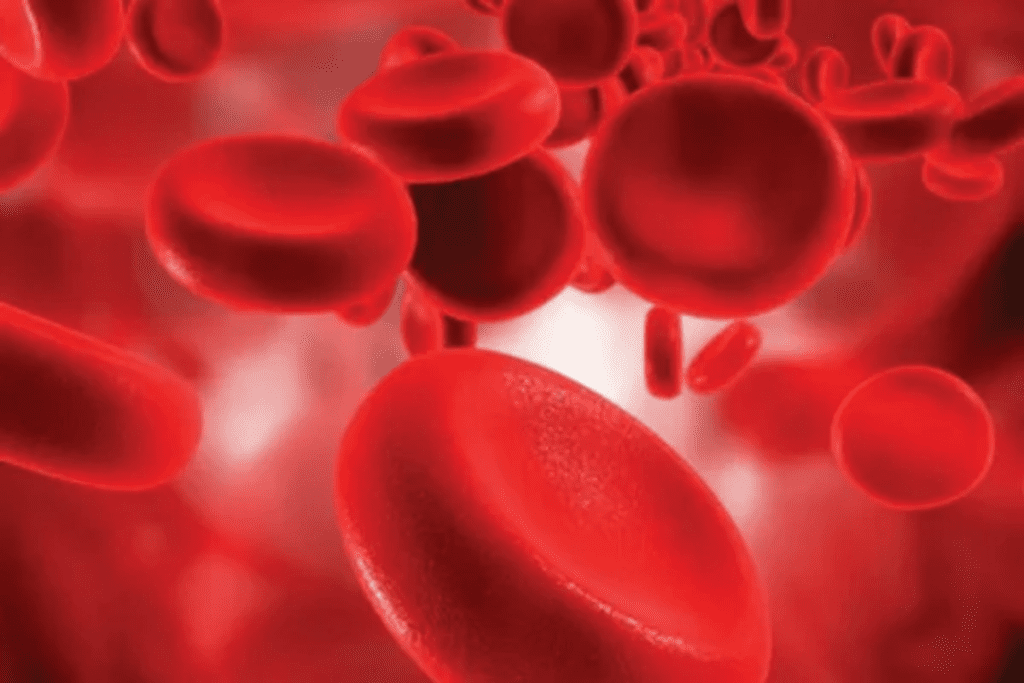
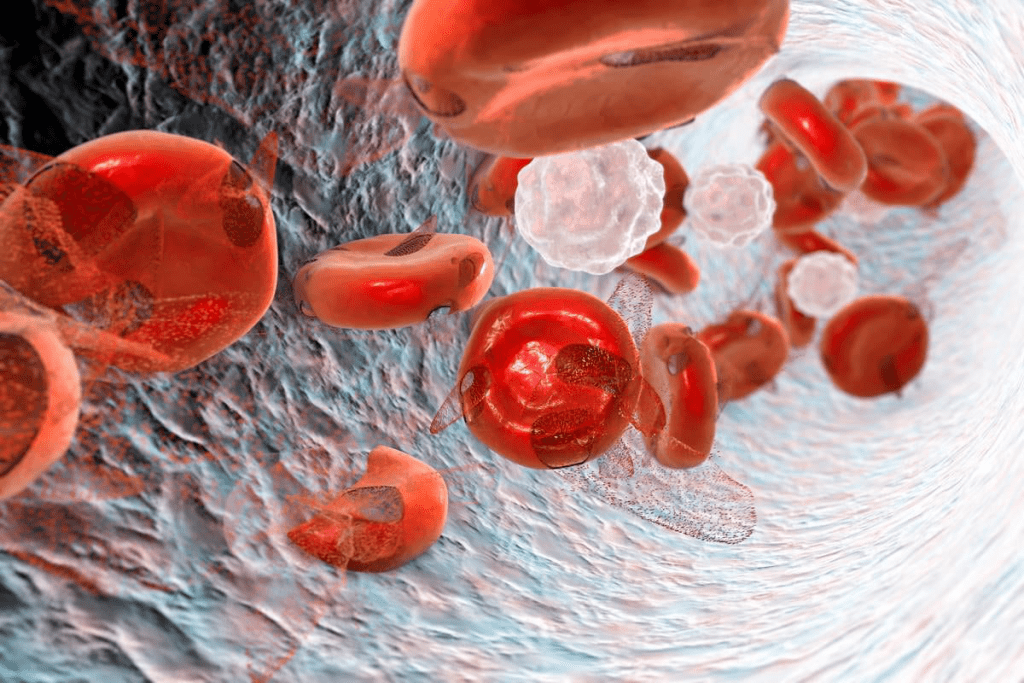
It’s key for doctors to spot true anemia early. This condition means there are fewer red blood cells or less hemoglobin. This makes it hard for tissues to get enough oxygen.
Common Symptoms and Physical Findings
People with anemia often feel fatigue, weakness, and shortness of breath. These signs show the body’s tissues aren’t getting enough oxygen. A doctor might see pale skin, tachycardia, and even heart failure in severe cases.
- Fatigue and weakness due to reduced oxygen delivery
- Shortness of breath as the body attempts to compensate for low oxygen levels
- Pale skin resulting from decreased hemoglobin
Laboratory Hallmarks of Anemia
To diagnose anemia, tests check hemoglobin and hematocrit levels. Low levels mean anemia. The mean corpuscular volume (MCV) test also helps figure out the type of anemia.
- Low hemoglobin levels, typically below 13.5 g/dL for men and 12 g/dL for women
- Low hematocrit levels, usually below 40% for men and 36% for women
- Abnormal MCV values that help classify anemia into microcytic, normocytic, or macrocytic types
CO2 Blood Test: A Key Diagnostic Tool for Differentiating Anemia Mimics
The CO2 blood test is a key tool for doctors to tell real anemia from other conditions that look like it. Anemia means not enough healthy red blood cells to carry oxygen. But, some other conditions can look like anemia, making it hard to diagnose.
What is CO2 in Blood Test and Normal Range
The CO2 blood test checks the carbon dioxide in your blood, shown in millimoles per liter (mmol/L). Normal CO2 levels are between 22 and 29 mmol/L, but this can change slightly between labs. Carbon dioxide is made when we metabolize and is carried to the lungs to be breathed out.
Having the right CO2 balance is important for our body to work right. If CO2 levels are off, it can mean health problems like breathing or metabolic issues.
How Abnormal CO2 Levels Can Mimic Anemia
CO2 levels that are not normal can cause symptoms like anemia, such as feeling tired, short of breath, or dizzy. For example, too much CO2 (hypercapnia) can make the blood too acidic, leading to symptoms like confusion, headaches, and feeling tired.
Too little CO2 (hypocapnia) can cause dizziness, fainting, or a fast heartbeat, which can also be mistaken for anemia. So, it’s important to understand CO2 levels to make the right diagnosis.
Interpreting CO2 Blood Test Results in Suspected Anemia
When looking at CO2 blood test results for suspected anemia, doctors must look at everything. They consider the patient’s symptoms, medical history, and other lab results.
If a patient has low hemoglobin levels that suggest anemia but also has abnormal CO2 levels, doctors must figure out the cause. Is it anemia or something else causing the CO2 imbalance?
| CO2 Level | Possible Condition | Symptoms |
| High CO2 (Hypercapnia) | Respiratory Acidosis | Fatigue, Confusion, Headache |
| Low CO2 (Hypocapnia) | Respiratory Alkalosis | Dizziness, Fainting, Rapid Heartbeat |
| Normal CO2 | Normal Condition | No related symptoms |
By looking closely at CO2 blood test results and other findings, doctors can make better diagnoses. This helps them create the right treatment plans.
Hemodilution: When Blood Values Appear Falsely Low

In some medical conditions, blood values can seem lower than they really are. This is called hemodilution. It happens when there are fewer red blood cells in the blood because of more blood volume. This can make lab tests show false low readings, hiding the real health status or making it seem like there’s anemia.
Pregnancy-Related Hemodilution
Pregnancy brings big changes, like more blood volume. This extra blood is needed for the mom and baby’s health and to get ready for delivery. But, it can also cause hemodilution, making it seem like there’s less hemoglobin than there really is.
After pregnancy, the blood volume usually goes back to normal. But during pregnancy, lab tests might show lower hemoglobin and hematocrit levels. This can be mistaken for anemia. It’s important to understand these changes to make the right diagnosis and treatment.
Fluid Overload States and Their Laboratory Findings
Fluid overload, like in heart failure or too much IV fluid, can also cause hemodilution. The extra fluid makes the blood’s components spread out, leading to low lab values. For example, heart failure makes it hard for the heart to pump, causing fluid buildup and diluting blood.
| Condition | Laboratory Finding | Effect of Hemodilution |
| Pregnancy | Decreased Hemoglobin and Hematocrit | Dilutional effect due to increased blood volume |
| Fluid Overload (e.g., Heart Failure) | Decreased Hemoglobin and Hematocrit | Dilutional effect due to excess fluid retention |
It’s key for doctors to spot hemodilution to avoid wrong diagnoses. Knowing the causes and lab signs of hemodilution helps doctors give better care and treatment plans.
Chronic Liver Disease Masquerading as Anemia
Liver problems can affect blood tests, making it seem like anemia. We’ll look at how liver disease changes blood tests. We’ll also talk about the differences between liver disease and real anemia.
Liver Function Impact on Hematological Parameters
Chronic liver disease can cause many blood problems. The liver is key in making proteins for blood clotting and blood cell production. When the liver doesn’t work right, it can’t make enough thrombopoietin, leading to low platelets.
It can also mess up bilirubin, causing jaundice. Liver disease can also make the spleen hold onto blood cells, making blood counts look off.
Distinguishing Features from True Anemia
To tell if liver disease is causing anemia or not, doctors look at several things. People with liver disease often have jaundice, ascites, and other liver signs. These aren’t seen in anemia alone.
Lab tests show liver disease, like abnormal liver function tests and low albumin. Thrombocytopenia and leukopenia from the spleen are also clues.
| Characteristic | Chronic Liver Disease | True Anemia |
| Jaundice | Common due to bilirubin metabolism issues | Rare, unless hemolytic anemia |
| Ascites | Common due to portal hypertension | Not typical |
| Liver Function Tests | Abnormal | Typically normal |
| Thrombocytopenia | Common due to splenic sequestration | Not typical, unless there’s bone marrow involvement |
| Hemoglobin Levels | May be low due to various factors, including hemodilution | Low due to decreased red blood cell mass or function |
Kidney Disorders That Resemble Anemia
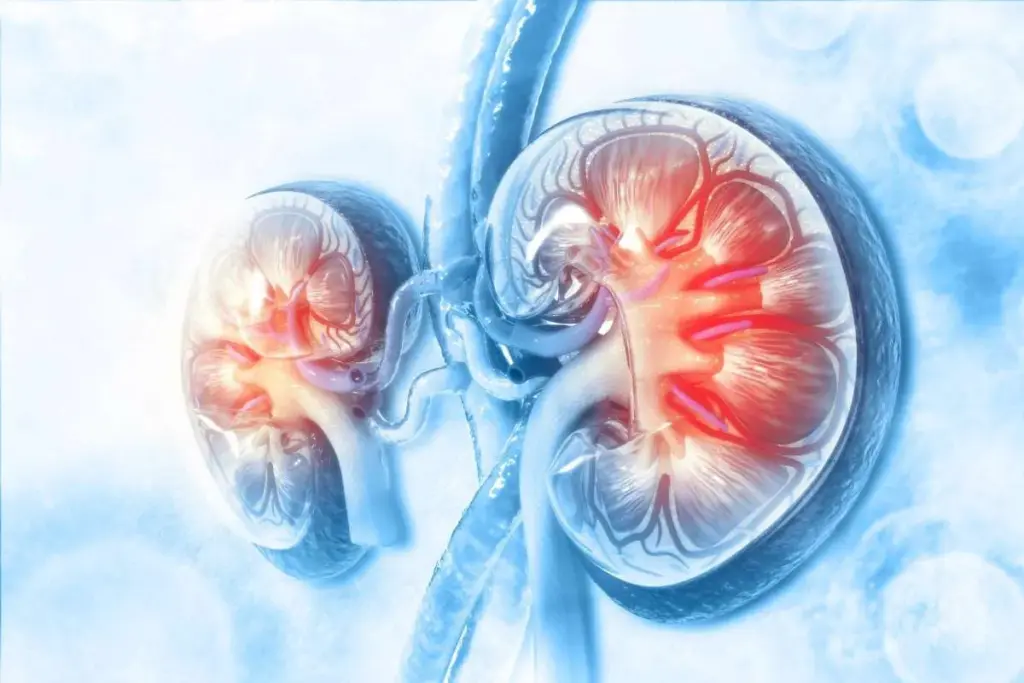
Kidney problems can sometimes look like anemia, making it hard to diagnose. We’ll look at how kidney issues can mimic anemia. This includes how kidneys work and make erythropoietin, as well as what urinalysis shows.
Renal Function and Erythropoietin Production
The kidneys are key in making erythropoietin, a hormone that helps make red blood cells. If the kidneys don’t work right, they can’t make enough erythropoietin. This can cause symptoms that look like anemia. We’ll see how different kidney problems affect erythropoietin and red blood cell counts.
RBC in Urine and Other Urinalysis Findings
Urinalysis is important for checking kidney health and finding signs of kidney problems. Seeing red blood cells (RBC) in urine can mean kidney damage or disease. We’ll talk about how urinalysis, including RBC in urine, can tell the difference between anemia and kidney issues.
Here’s a summary of key urinalysis findings in kidney disorders that may resemble anemia:
| Urinalysis Finding | Possible Indication |
| RBC in urine | Kidney damage or disease |
| Proteinuria | Kidney damage or glomerulonephritis |
| Casts | Kidney disease or inflammation |
In conclusion, kidney problems can look like anemia, so a detailed diagnosis is key. Understanding how kidneys work and analyzing urinalysis findings helps doctors accurately diagnose and treat kidney disorders.
Endocrine Conditions Presenting with Anemia-Like Symptoms
Endocrine conditions like thyroid issues and adrenal insufficiency can show symptoms similar to anemia. This makes it important to correctly diagnose them for proper treatment.
Thyroid Dysfunction and Blood Parameters
Thyroid hormones are key in making red blood cells. Both too little and too much thyroid hormone can change blood counts, making them seem like anemia.
Hypothyroidism can lower the production of a hormone that makes red blood cells, leading to anemia-like symptoms. On the other hand, hyperthyroidism can make more red blood cells but also cause anemia through other ways.
| Thyroid Status | Effect on Blood Parameters |
| Hypothyroidism | Decreased erythropoietin production, potentially leading to anemia-like symptoms |
| Hyperthyroidism | Increased erythropoiesis, but potentially leading to anemia due to increased red blood cell turnover |
“Thyroid dysfunction can significantly impact hematological parameters, necessitating a thorough evaluation to tell true anemia from endocrine-related changes.”
” Endocrinology Expert
Adrenal Insufficiency and Hematological Changes
Adrenal insufficiency, where the adrenal glands don’t make enough hormones, can also look like anemia. The lack of certain hormones can change blood volume and affect how much red blood cells there are.
People with this condition might feel tired, weak, and dizzy when standing up. These symptoms can be mistaken for anemia. Blood tests might show normal anemia or changes in electrolytes.
It’s vital to think about endocrine conditions when diagnosing anemia. Testing thyroid and adrenal hormones can help find the real cause of anemia-like symptoms.
Inflammatory States and Their Impact on Blood Values
It’s important to know how inflammation changes blood values. This knowledge helps doctors make the right diagnosis. If not understood, it can lead to wrong diagnoses.
Eosinophils Blood Test in Inflammation
Eosinophils are white blood cells that fight inflammation. They are key in allergic reactions and fighting parasites. The eosinophils blood test counts these cells to track inflammation.
An increase in eosinophils might show inflammation. We use this test for asthma, allergies, and parasitic infections.
Absolute Eosinophil Count Significance
The absolute eosinophil count (AEC) is more detailed than the eosinophils percentage. It’s the total white blood cell count times the eosinophils percentage. The AEC gives a clear count of eosinophils, helping diagnose and track inflammation.
An elevated AEC can point to conditions like eosinophilic esophagitis. This is when the esophagus gets inflamed with eosinophils.
Inflammatory Markers That Affect Hemoglobin Interpretation
Inflammatory markers like CRP and ESR can change how we read hemoglobin levels. High levels of these markers show chronic inflammation. This can affect hemoglobin production and cause anemia-like symptoms.
Knowing how these markers relate to hemoglobin is key for correct diagnosis and treatment.
| Inflammatory Marker | Normal Range | Elevated Level Indication |
| C-reactive Protein (CRP) | 0-10 mg/L | Acute inflammation or infection |
| Erythrocyte Sedimentation Rate (ESR) | 0-15 mm/hr | Chronic inflammation |
| Absolute Eosinophil Count (AEC) | 0-500 cells/ µL | Allergic reactions, parasitic infections |
Understanding how inflammation affects blood values helps doctors make better diagnoses. This leads to more effective treatments.
Nutritional Imbalances That Mimic Anemia
Nutritional imbalances, like vitamin deficiencies, can cause symptoms similar to anemia. This makes diagnosis tricky. It’s key to look at these factors for an accurate diagnosis and treatment.
B5 Vitamin Deficiency and Other B Vitamins
Vitamin B5, or pantothenic acid, is important for energy. A lack of it can cause fatigue and weakness, similar to anemia. Other B vitamins, like B12 and folate, are also essential for healthy red blood cells. Not having enough of these can lead to anemia or symptoms that look like it.
B vitamins are vital for making blood cells. For example, not enough vitamin B12 can cause megaloblastic anemia, with big, abnormal red blood cells. Folate deficiency can also cause similar problems.
- Vitamin B5 deficiency can cause fatigue and weakness.
- Vitamin B12 and folate deficiencies are common causes of megaloblastic anemia.
- Adequate intake of B vitamins is key to avoiding anemia-like symptoms.
Protein-Energy Malnutrition Effects on Blood Parameters
Protein-energy malnutrition (PEM) means not getting enough protein and calories. It can make blood parameters look like anemia. PEM affects red blood cell and hemoglobin production, making it important in diagnosing anemia.
PEM can happen for many reasons, like bad diet, chronic diseases, or certain medical conditions. It affects not just blood but also other important organs.
- PEM impairs red blood cell production.
- It can lower hemoglobin levels.
- Fixing PEM is key to managing anemia-like symptoms.
Cardiovascular Conditions Confused with Anemia
Cardiovascular diseases can look like anemia, making diagnosis tricky. They share symptoms like fatigue and shortness of breath. It’s key to tell them apart.
Heart Failure and Pseudo-Anemia
Heart failure means the heart can’t pump enough blood. It causes symptoms like fatigue and shortness of breath. This is not because of low red blood cells but because the heart can’t circulate blood well. Diagnosing heart failure needs a full check-up, including echocardiography and blood tests.
Jaw Pain in Heart Attack vs. Anemic Manifestations
Jaw pain can be a heart attack symptom, sometimes mixed up with anemia. Anemia might cause dizziness and fatigue, but jaw pain is rare. But, pain from a heart attack can feel like it’s coming from the jaw, neck, or arms. It’s important to look at the whole picture to figure out what’s causing the symptoms.
Carvedilol and Other Medications Affecting Blood Values
Some heart medicines can change blood values, making anemia hard to spot. Carvedilol, used for heart failure, doesn’t usually lower hemoglobin. But, other drugs, like some antibiotics and chemotherapy, can harm red blood cells. Knowing what medicines a patient takes is vital when checking for anemia.
In summary, heart problems can seem like anemia, making diagnosis complex. Understanding heart failure, recognizing pain from heart issues, and knowing how medicines affect blood is key. This helps doctors make the right diagnosis and treatment plan.
Neurological Manifestations That Overlap with Anemia
In summary, obtaining an accurate diagnosis requires a thorough understanding of the interplay between various health issues and lab results.
Brudzinski’s Sign and Other Neurological Assessments
Brudzinski’s sign is a tool to check for meningitis. It looks for symptoms like headache and fatigue, which can be like anemia. Other tests check muscle strength, reflexes, and senses. These help find the real cause of symptoms.
Neurological tests can tell anemia apart from other conditions. For example, Brudzinski’s sign checks for knee and hip flexion when the neck is bent. This shows if the meninges are irritated.
Central Nervous System Causes of Fatigue
Fatigue can come from many CNS disorders, like multiple sclerosis and Parkinson’s disease. These can make symptoms seem like anemia, making diagnosis harder.
It’s key to know why someone is tired. Fatigue from the CNS can come from many things, like imbalances in neurotransmitters or changes in hormones.
The table below shows the main differences between anemia and CNS fatigue:
| Characteristics | Anemia | CNS Causes of Fatigue |
| Primary Symptoms | Fatigue, weakness, pale skin | Fatigue, cognitive impairment, neurological deficits |
| Diagnostic Tests | CBC, iron studies | MRI, EEG, neurological exams |
| Treatment Approach | Iron supplementation, blood transfusions | Medications for underlying condition, lifestyle modifications |
Getting a correct diagnosis needs a full check-up. This includes a detailed medical history, physical exam, and tests. Knowing the difference between anemia and CNS fatigue helps doctors create better treatment plans.
Pediatric Conditions That Can Mimic Anemia
Many pediatric conditions can look like anemia. It’s important to know the difference. This helps doctors find the right treatment.
Fontanelle Abnormalities: Bulging and Sunken
Checking the fontanelles is key in kids’ health checks. A bulging fontanelle means the brain might be under too much pressure. On the other hand, a sunken fontanelle could mean the child is dehydrated.
Both can make a child look pale or tired, like they have anemia. So, it’s important to look at the fontanelles closely.
Intercostal Retractions and Respiratory Distress
Intercostal retractions show a kid is having trouble breathing. This can happen for many reasons, like infections or birth defects. It might make a child look pale or tired, like they have anemia.
Checking how well a child is breathing is very important. It helps avoid mistakes in diagnosing anemia.
| Condition | Clinical Findings | Potential Misdiagnosis |
| Fontanelle Abnormalities | Bulging or sunken fontanelle, possible altered mental status | Anemia due to pallor or lethargy |
| Intercostal Retractions | Visible retractions, respiratory distress | Anemia due to overall distress appearance |
| Stork Bite Birthmarks | Benign vascular marks, typically on the neck or face | Not typically associated with anemia |
Stork Bite Birthmarks and Other Benign Findings
Stork bite birthmarks, or naevus flammeus, are harmless marks on newborns. They are usually found on the neck or face. They don’t usually mean a child has anemia.
It’s important to tell the difference between harmless marks and signs of illness. Looking at the whole picture is key when checking a child’s health.
Gastrointestinal Disorders With Anemia-Like Presentation
Diagnosing anemia needs careful thought about other gut problems that might look like it. Some gut issues can cause tiredness, weakness, and pale skin, just like anemia.
Bowel Sounds Assessment: Hypoactive and Hyperactive
Checking bowel sounds is key in finding gut problems. Hypoactive bowel sounds might mean ileus or blockage. Hyperactive bowel sounds could point to bleeding or inflammation in the gut.
Doctors use a stethoscope to listen to the belly. They look for the sound, or lack of it, to learn about the problem.
| Bowel Sound Characteristic | Possible Causes |
| Hypoactive | Ileus, bowel obstruction, medication side effects |
| Hyperactive | Gastrointestinal bleeding, inflammatory bowel disease, infection |
Abdominal Quadrants Evaluation in Suspected Anemia
Checking the belly’s four parts is key when anemia is suspected. Some gut issues can make symptoms look like anemia. We look for tenderness, lumps, and big organs.
Abdominal tenderness can mean inflammation or irritation. For example,
“tenderness in the left upper quadrant may suggest splenomegaly, which can be associated with various hematological disorders.”
We follow a set way to check the belly. This includes:
- Looking for visible problems
- Feeling each area for tenderness and lumps
- Listening to bowel sounds
By looking at bowel sounds and checking the belly, we can tell apart gut problems from anemia.
Laboratory Errors and Pre-Analytical Variables
Pre-analytical variables can greatly impact the accuracy of lab tests. Mistakes can happen at many stages, from collecting samples to interpreting results. It’s vital for healthcare pros to know these issues to make better decisions.
Sample Collection and Processing Issues
Getting and processing samples is key in lab tests. Mistakes here can cause wrong results, affecting how patients are treated. Common problems include bad handling, contamination, and wrong labels.
- Improper Sample Handling: Samples need to be handled right to stay good.
- Contamination: Contamination during collection or processing can give false results.
- Incorrect Labeling: Wrong labels can cause mix-ups, leading to wrong diagnoses.
Chem7 Panel Interpretation Pitfalls
The Chem7 panel is a detailed test that shows a lot about a patient’s health. But, understanding its results needs careful thought. This includes the patient’s situation and possible lab mistakes.
Some common mistakes include:
- Misinterpretation of Electrolyte Imbalances: Electrolyte imbalances can mean different things, but getting it wrong can lead to bad treatment.
- Failure to Consider Clinical Context: Not thinking about the patient’s situation when looking at lab results can lead to wrong conclusions.
Oligoclonal Bands and Other Specialized Test Considerations
Oligoclonal bands are a special test for multiple sclerosis. But, they can also show up in other conditions. Getting them right needs a deep understanding of the patient’s situation and possible lab changes.
Comprehensive Diagnostic Approach to Differentiate True Anemia from Mimics
To tell true anemia from look-alikes, a detailed plan is key. This plan includes checking the patient, lab tests, and sometimes, imaging. It’s all about finding the real cause.
Blood Panel Analysis Beyond Hemoglobin
First, a complete blood count (CBC) is done. But just looking at hemoglobin isn’t enough. A deeper look at the blood shows more.
- Red Blood Cell (RBC) indices: MCV, MCH, and MCHC
- White Blood Cell (WBC) count and differential
- Platelet count
- Reticulocyte count
These tests help find the real reason for anemia. For example, a high reticulocyte count might mean the body is losing blood. A low count could mean the body isn’t making enough red blood cells.
| Parameter | Normal Range | Interpretation in Anemia |
| MCV | 80-100 fL | Microcytic, normocytic, or macrocytic anemia |
| MCHC | 32-36 g/dL | Hypochromic or normochromic anemia |
| Reticulocyte Count | 0.5-1.5% | Increased in hemolysis or blood loss, decreased in inadequate erythropoiesis |
Imaging Studies Including Arteriogram
Sometimes, pictures are needed to find the cause of anemia. An arteriogram can spot problems in blood vessels or where bleeding is happening.
- Endoscopy to investigate gastrointestinal bleeding
- Ultrasound to evaluate for splenomegaly or other abdominal pathology
- MRI to assess for bone marrow abnormalities
Specialized Testing for Specific Conditions
For some cases, special tests are needed. These tests help find specific problems that might look like anemia. They include:
- Erythropoietin level to assess for renal anemia
- Vitamin B12 and folate levels to diagnose deficiency states
- Hemoglobin electrophoresis to identify hemoglobinopathies
By using all these methods, doctors can tell real anemia from look-alikes. This ensures the right treatment is given.
Conclusion: Ensuring Accurate Diagnosis of Anemia vs. Mimics
Getting the right diagnosis is key to managing anemia and its look-alikes. This article has covered many conditions that can seem like anemia. This makes finding the right diagnosis a bit tricky.
Diagnostic tests, like the CO2 blood test, are important for telling true anemia apart from its look-alikes. Knowing the signs and lab results of anemia is critical for doctors.
Doctors should also think about other possible causes, like hemodilution, liver disease, and kidney issues. A detailed approach, including blood tests and special tests, helps to make the right call.
In summary, obtaining an accurate diagnosis requires a thorough understanding of the interplay between various health issues and lab results. By being careful and detailed in our diagnosis, we can give the best care to those with symptoms that seem like anemia.
FAQ
What is a CO2 blood test, and what does it measure?
A CO2 blood test checks the carbon dioxide level in your blood. It’s important for spotting health issues, like those that look like anemia.
How does hemodilution affect blood test results?
Hemodilution, seen in pregnancy or fluid overload, can make blood values seem low. This might make it look like someone has anemia when they don’t.
What is the role of eosinophils in inflammation, and how are they measured?
Eosinophils are white blood cells involved in inflammation. Their count, or absolute eosinophil count, is measured in a blood test. This helps check for inflammatory conditions.
Can chronic liver disease be mistaken for anemia?
Yes, chronic liver disease can look like anemia because it affects blood values. Special tests can tell the difference between the two.
How do kidney disorders resemble anemia?
Kidney problems can mess with erythropoietin production, causing anemia-like symptoms. Finding RBC in urine can help figure out the real issue.
What endocrine conditions can present with anemia-like symptoms?
Thyroid issues and adrenal insufficiency can cause symptoms like anemia. They affect blood values and hematological changes.
How do nutritional imbalances mimic anemia?
Nutritional deficiencies, like B5 vitamin lack and protein-energy malnutrition, can make blood values seem anemic.
Can cardiovascular conditions be confused with anemia?
Yes, heart failure and other heart issues can be mistaken for anemia. It’s important to tell the difference between heart attack symptoms and anemia signs.
What is Brudzinski’s sign, and how is it related to neurological assessments?
Brudzinski’s sign is a tool for checking meningeal irritation. It’s useful in diagnosing conditions that might seem like anemia.
How do pediatric conditions mimic anemia?
Pediatric issues, like fontanelle problems and intercostal retractions, can seem like anemia. They need careful checking.
What is the importance of bowel sounds assessment in suspected anemia?
Checking bowel sounds can spot gastrointestinal disorders that might seem like anemia. It shows the need for a full diagnostic approach.
What is the role of imaging studies, such as arteriogram, in diagnosing anemia mimics?
Imaging, like arteriogram, can find specific conditions mistaken for anemia. This ensures the right diagnosis and treatment.
How does a complete diagnostic approach help tell true anemia from mimics?
A complete diagnostic plan, with blood tests, imaging, and special tests, helps doctors accurately diagnose and treat anemia and its look-alikes.
References
BMJ Best Practice. (2024). Assessment of anaemia – Differential diagnosis of symptoms.
https://bestpractice.bmj.com/topics/en-gb/93
Explains common causes of anemia symptoms, key lab tests, and how to differentiate anemia from similar presenting conditions.