
Seborrheic dermatitis is a common skin problem that causes red, itchy, and flaky skin. It affects millions of people around the world. Many are looking for natural ways to treat it, and coconut oil is one option because it moisturizes and fights off germs. Coconut oil for dermatitis is a hot topic. Find out if this miracle oil really helps or if it causes a dangerous flare-up on your sensitive skin.
At Liv Hospital, we know how much seborrheic dermatitis can disrupt daily life. We’re looking into coconut oil as a treatment. We’re checking out the latest research and talking to experts to help us decide.
We’re looking into natural remedies for seborrheic dermatitis to help people make better choices. By looking at the science and listening to experts, we want to understand how coconut oil can help with this tough condition.
Key Takeaways
- Coconut oil is considered a natural remedy for seborrheic dermatitis.
- Its antimicrobial and anti-inflammatory properties may help manage symptoms.
- Liv Hospital is committed to evidence-based care for seborrheic dermatitis.
- Recent research and expert insights are key to figuring out coconut oil’s effectiveness.
- Making informed choices about natural remedies can greatly improve treatment results.
Understanding Seborrheic Dermatitis
Seborrheic dermatitis is a chronic skin condition. It has symptoms, causes, and affects people in different ways. Managing and treating it can be tough.
What is Seborrheic Dermatitis?
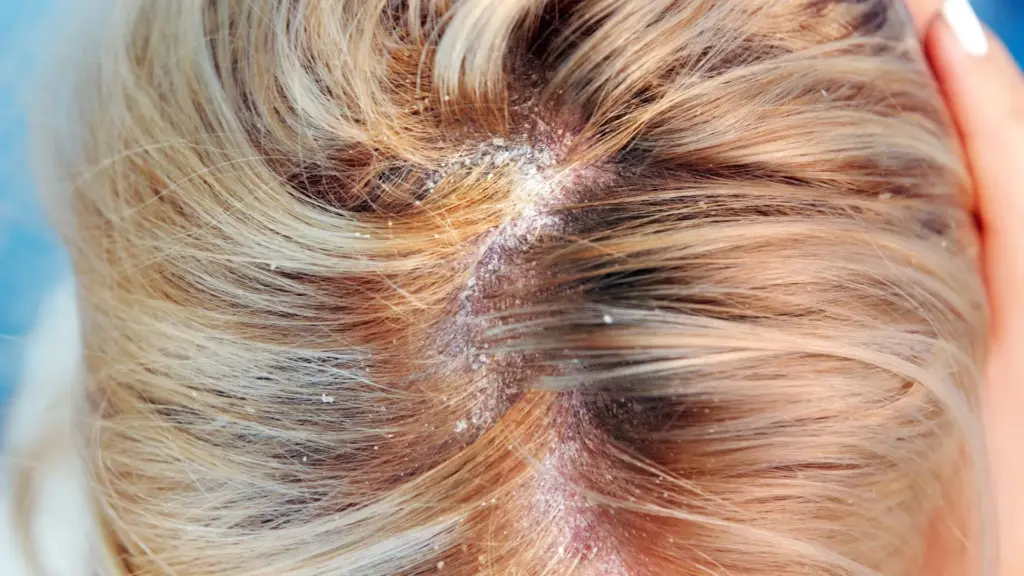
Seborrheic dermatitis causes inflammation, redness, and flaky skin. It mainly affects areas with lots of sebaceous glands. This includes the scalp, face, and torso.
Key characteristics include:
- Inflammation and redness
- Flaky skin or dandruff
- Itching and irritation
Common Symptoms and Affected Areas
Symptoms of seborrheic dermatitis vary. They often include red, itchy, and flaky skin. These symptoms mainly show up in areas with lots of sebaceous glands.
|
Symptoms |
Affected Areas |
|---|---|
|
Redness, itching, flaky skin |
Scalp |
|
Inflammation, irritation |
Face, ears, torso |
Causes and Triggers
The exact cause of seborrheic dermatitis is not known. But, genetics, hormones, and the environment play a role. These factors can lead to its development.
Potential triggers:
- Stress and emotional stress
- Hormonal changes
- Cold, dry weather
- Certain medical conditions
The Burden of Seborrheic Dermatitis
Seborrheic dermatitis is a chronic skin condition that affects millions worldwide. It causes significant physical and emotional distress. This condition not only affects the skin but also impacts a person’s quality of life.
Prevalence and Demographics
Seborrheic dermatitis is common globally. It is more common in males and people with neurological conditions. Knowing who is most affected helps tailor treatment.
- Prevalence rates vary globally, with higher rates observed in certain populations.
- It affects both infants and adults, though the manifestations may differ across age groups.
- There is a noted association with various neurological conditions, suggesting a complex interplay between skin health and neurological factors.
Physical and Psychological Impact
The condition has a multifaceted impact on patients. It affects not just their physical health but also their psychological well-being. The physical symptoms can be uncomfortable and persistent, leading to frustration and distress.
The psychological impact should not be underestimated. Individuals with seborrheic dermatitis may experience anxiety, depression, and lowered self-esteem. This is due to the visible nature of the condition and its chronic nature.
Key effects include:
- Physical discomfort and pain.
- Emotional distress and anxiety.
- Social withdrawal due to the appearance of skin lesions.
Challenges in Long-term Management
Managing seborrheic dermatitis long-term is challenging. It is chronic and requires ongoing treatment. Treatment strategies must be effective, safe for long-term use, and tailored to the individual’s specific needs.
Finding the right balance in treatment is key. This involves not just medical treatment but also lifestyle adjustments. These adjustments help manage triggers and symptoms effectively.
Conventional Treatments for Seborrheic Dermatitis
Many people use conventional treatments to fight seborrheic dermatitis. These include medicated shampoos and prescription drugs. They aim to lessen symptoms and improve life quality.
Medicated Shampoos and Topicals
Medicated shampoos and creams are often the first choice. They have ingredients like:
- Zinc pyrithione: It fights fungi and bacteria.
- Ketoconazole: It targets yeast, a common cause of the condition.
- Salicylic acid: It removes scales and reduces inflammation.
- Coal tar: It helps with scaling and inflammation, but its use is less common due to side effects.
These products can work well if used regularly and as directed.
Prescription Medications
For severe cases or when over-the-counter options don’t work, doctors may prescribe stronger treatments. These include:
- Topical corticosteroids: They are strong anti-inflammatory agents that quickly reduce redness and swelling.
- Topical immunomodulators: These medications, like pimecrolimus and tacrolimus, adjust the immune system to lessen inflammation.
- Antifungal medications: Oral antifungals might be given if a fungal infection is thought to be causing the condition.
While effective, these drugs can have side effects and need careful monitoring.
Limitations of Conventional Treatments
Conventional treatments for seborrheic dermatitis have some downsides. These include:
- Potential side effects: Long-term use of some medicated shampoos and creams can cause skin thinning, irritation, or allergic reactions.
- Need for ongoing management: Seborrheic dermatitis is a long-term condition that needs constant treatment to manage symptoms.
- Variable response: People may react differently to the same treatment, making it necessary to try different options.
Knowing these limitations is key to creating a complete treatment plan. This might include natural remedies to help manage seborrheic dermatitis better.
The Rise of Natural Remedies

Natural remedies are becoming more popular as people look for holistic ways to manage seborrheic dermatitis. This change is because of worries about the side effects of traditional treatments. People want more natural options.
Why People Seek Natural Alternatives
Many are choosing natural remedies because traditional treatments have limits and side effects. Traditional treatments often include medicated shampoos and creams that can be harsh on the skin. This leads some to look for gentler options. Also, the need for a holistic health approach makes people explore natural remedies.
- Concerns about chemical side effects
- Desire for holistic health approaches
- Seeking gentler, more natural treatments
Popular Natural Remedies for Skin Conditions
Several natural remedies are being looked at for their benefits in managing skin conditions like seborrheic dermatitis. Tea tree oil, coconut oil, and jojoba oil are favorites because they fight off microbes and moisturize the skin.
- Tea tree oil for its antifungal properties
- Coconut oil for its moisturizing and antimicrobial benefits
- Jojoba oil for its skin-balancing effects
Evidence-Based Approach to Natural Treatments
While natural remedies are getting more attention, it’s important to use them wisely. Not all natural remedies have been scientifically proven to work. Some might also interact with traditional treatments. Always talk to a healthcare professional before starting any new treatment.
By mixing traditional knowledge with modern science, we can learn more about the good and bad of natural remedies for seborrheic dermatitis.
Coconut Oil: Composition and Properties
Coconut oil is known for its unique nutritional profile and antimicrobial properties. It has gained attention for treating seborrheic dermatitis. We will look into its composition, focusing on what’s good for skin health.
Nutritional Profile
Coconut oil is mostly made up of medium-chain fatty acids (MCFAs). These are good for health. The main MCFAs are lauric acid, caprylic acid, and capric acid.
These fatty acids give coconut oil its antimicrobial and anti-inflammatory properties. This makes it a possible treatment for many skin problems.
- Lauric acid: Known for its antimicrobial activity.
- Caprylic acid: Exhibits antifungal properties.
- Capric acid: Contributes to the oil’s overall antimicrobial effect.
Antimicrobial and Anti-inflammatory Effects
The MCFAs in coconut oil, like lauric acid, fight off many pathogens. This is key in managing seborrheic dermatitis, as fungus can cause it. Coconut oil’s anti-inflammatory effects also help reduce redness and irritation.
Virgin vs. Refined Coconut Oil
Coconut oil comes in two forms: virgin and refined. Virgin coconut oil is made from fresh coconut meat and keeps more nutrients. Refined coconut oil is made from dried coconut and may lose some of its good stuff during processing.
For treating seborrheic dermatitis, virgin coconut oil is usually the better choice. It keeps more of the beneficial compounds.
Coconut Oil for Dermatitis: Mechanism of Action
Coconut oil may help manage seborrheic dermatitis. It has antimicrobial, moisturizing, and anti-inflammatory effects. Coconut oil is full of medium-chain fatty acids, like lauric acid. This acid fights off many harmful pathogens.
Combating Fungal Overgrowth
Coconut oil’s antimicrobial properties can fight fungal overgrowth in seborrheic dermatitis. Lauric acid in coconut oil kills Malassezia, a yeast that causes the condition.
|
Antimicrobial Component |
Action Against Malassezia |
|---|---|
|
Lauric Acid |
Fungicidal effects, reducing fungal load |
|
Capric Acid |
Enhances the antimicrobial activity of lauric acid |
Moisturizing Effects on Skin Barrier
Coconut oil moisturizes the skin, helping repair the skin barrier in seborrheic dermatitis. It hydrates the skin and reduces inflammation. This can ease symptoms like dryness, redness, and irritation.
Key moisturizing benefits include:
- Hydrating the skin
- Reducing transepidermal water loss
- Enhancing skin elasticity
Anti-inflammatory Benefits for Irritated Skin
Coconut oil also has anti-inflammatory properties. It soothes irritated skin and reduces inflammation in seborrheic dermatitis. This can help lessen symptoms like redness, itching, and scaling.
Understanding how coconut oil works helps us see its value as a treatment for seborrheic dermatitis.
Scientific Research on Coconut Oil and Seborrheic Dermatitis
Coconut oil is being studied for its role in treating seborrheic dermatitis. This is based on new clinical research. It’s important to look at the scientific evidence to understand its benefits.
Key Clinical Studies and Their Findings
Several studies have looked into coconut oil’s effect on seborrheic dermatitis. A study in the Journal of Cosmetic Dermatology found coconut oil’s antimicrobial properties helped patients. It improved their symptoms.
Another study in the Journal of Alternative and Complementary Medicine showed coconut oil in skincare routines helped. It reduced redness and scaling in patients with seborrheic dermatitis.
Research on Medium-Chain Fatty Acids
Coconut oil is full of medium-chain fatty acids (MCFAs). These include lauric acid, capric acid, and caprylic acid. They have antimicrobial and anti-inflammatory effects. Research shows they can fight fungal overgrowth, linked to seborrheic dermatitis.
A study in the Journal of Investigative Dermatology found lauric acid in coconut oil is very effective against Malassezia yeast. This yeast is involved in seborrheic dermatitis.
Limitations of Current Research
Even though the research is promising, there are some limitations. Many studies have small sample sizes. We need more diverse and larger trials to confirm coconut oil’s benefits for seborrheic dermatitis.
Also, coconut oil’s composition can vary. This affects its therapeutic value. It’s important to standardize coconut oil products in research for accurate comparisons.
What Dermatologists Say About the Evidence
Dermatologists have different views on coconut oil for seborrheic dermatitis. This reflects the mixed evidence. Some suggest it as a complementary treatment for its moisturizing and antimicrobial benefits.
Others say coconut oil may help manage symptoms but should not replace traditional treatments. They emphasize the need for more robust evidence.
|
Study |
Key Findings |
Publication |
|---|---|---|
|
Antimicrobial effects of coconut oil on seborrheic dermatitis |
Coconut oil improved symptoms due to its antimicrobial properties. |
Journal of Cosmetic Dermatology |
|
Coconut oil in skincare routine for seborrheic dermatitis |
Reduced severity of symptoms, including redness and scaling. |
Journal of Alternative and Complementary Medicine |
|
Lauric acid’s antifungal activity |
Lauric acid showed potent antifungal activity against Malassezia. |
Journal of Investigative Dermatology |
Liv Hospital’s Perspective on Coconut Oil Treatment
Coconut oil is seen as a natural remedy for seborrheic dermatitis by our dermatologists at Liv Hospital. We’ve been watching its effects on patients and are excited to share our findings.
Expert Opinions from Liv Hospital Dermatologists
Our dermatologists are looking into coconut oil for seborrheic dermatitis. They like its antimicrobial and anti-inflammatory properties. “Coconut oil’s medium-chain fatty acids, like lauric acid, are promising against fungal overgrowth in seborrheic dermatitis,” says a top dermatologist at Liv Hospital.
“The antimicrobial properties of coconut oil can help in reducing the severity of seborrheic dermatitis by controlling the growth of Malassezia yeast, a common trigger for the condition.”
An expert in Liv Hospital
Clinical Observations and Patient Outcomes
Patients using coconut oil often see a decrease in symptoms like redness, itching, and flaking. Our clinical observations match patient outcomes, showing a big improvement in their quality of life.
|
Symptom |
Pre-Treatment |
Post-Treatment (Coconut Oil) |
|---|---|---|
|
Redness |
Moderate to Severe |
Mild |
|
Itching |
Severe |
Mild to Moderate |
|
Flaking |
Moderate |
Mild |
Liv Hospital’s Integrative Approach to Seborrheic Dermatitis
At Liv Hospital, we treat seborrheic dermatitis with a mix of conventional treatments and natural remedies like coconut oil. This approach helps us tailor treatments to each patient, making them more effective and satisfying.
Recommendations Based on Clinical Practice
We suggest using high-quality, virgin coconut oil for treating seborrheic dermatitis. Patients should apply coconut oil to affected areas after medicated shampoos or treatments. This boosts moisturizing and antimicrobial effects.
Our team at Liv Hospital keeps up with the latest research and evidence. We refine our treatment plans to ensure our patients get the best care for seborrheic dermatitis.
How to Use Coconut Oil for Seborrheic Dermatitis
Using coconut oil for seborrheic dermatitis means knowing the best ways to apply it. It can help manage symptoms. But, how you use it matters a lot.
Application Methods for Scalp
Coconut oil works well on the scalp for seborrheic dermatitis. Here’s how to use it:
- Warm a small amount of coconut oil between your hands.
- Gently massage it into your scalp.
- Leave it on for at least an hour or overnight before washing your hair.
Use a gentle shampoo to wash your hair. This helps keep the scalp moist.
Application Methods for Face and Body
For the face or body, follow these steps:
- Cleanse the affected area with a mild cleanser.
- Pat dry with a towel.
- Apply a thin layer of coconut oil.
- Gently massage until absorbed.
Be careful not to block pores on your face. Start with a small amount to see how your skin reacts.
Frequency and Duration of Treatment
The treatment’s frequency and duration depend on your symptoms and skin. Here’s a guide:
- For mild cases, use coconut oil 2-3 times a week.
- For severe cases, apply it daily at first.
- Watch how your skin reacts and adjust as needed.
Combining with Other Ingredients for Enhanced Effects
You can mix coconut oil with other natural ingredients for better results. Some good options are:
- Tea tree oil: It fights fungi.
- Olive oil: Adds extra moisture.
- Aloe vera gel: Soothes irritated skin.
Start with small amounts when mixing ingredients. This helps avoid any bad reactions.
By following these tips and staying consistent, you can use coconut oil effectively to manage seborrheic dermatitis.
Potential Risks and Side Effects
Coconut oil is usually safe for most people. But, it’s important to know the risks it might have for seborrheic dermatitis. Everyone reacts differently to it.
Allergic Reactions and Sensitivities
Some people might have allergic reactions or sensitivities to coconut oil. This can cause redness, itching, or irritation on the skin. These reactions are rare but can make seborrheic dermatitis worse.
To avoid allergic reactions, do a patch test first. Put a small amount on a hidden part of your skin. Wait 24 to 48 hours to see if there’s any bad reaction.
Comedogenic Concerns for Facial Application
Coconut oil can clog pores because it’s comedogenic. This is a problem for people with seborrheic dermatitis on their face. Clogged pores can cause more irritation or acne-like symptoms.
When using coconut oil on your face, start with a little bit. Watch your skin closely. If you see comedones or more acne, try something else or talk to a dermatologist.
When to Discontinue Use
If you notice increased redness, irritation, itching, or burning, stop using coconut oil. Talk to a healthcare professional right away.
Everyone’s skin reacts differently to coconut oil. Pay attention to how your skin reacts. Adjusting your treatment based on your skin’s response is important for managing seborrheic dermatitis.
Monitoring Your Skin’s Response
Monitoring your skin’s response to coconut oil is key. Keep track of any changes, good or bad. This helps you understand how your skin reacts over time. It guides your decisions about treatment.
Regular visits to a dermatologist are also important. They can offer valuable advice and help adjust your treatment. This ensures you get the best results for your seborrheic dermatitis.
Alternative Natural Oils for Seborrheic Dermatitis
Coconut oil is not the only natural remedy for seborrheic dermatitis. Other oils have properties that may help alleviate symptoms. It’s important to consider their unique benefits and how they compare to coconut oil.
Tea Tree Oil: Properties and Evidence
Tea tree oil comes from Melaleuca alternifolia. It’s known for its antimicrobial properties. Studies show it can fight various fungi and bacteria, making it a good treatment for seborrheic dermatitis.
A key study found that a shampoo with 3% tea tree oil improved symptoms in patients with scalp seborrheic dermatitis.
Jojoba Oil: Benefits for Seborrheic Dermatitis
Jojoba oil is rich in antioxidants and moisturizes the skin. It can soothe the skin and reduce inflammation from seborrheic dermatitis. Its similarity to the skin’s natural oils makes it a good choice for skin care.
While direct evidence is limited, its anti-inflammatory properties suggest it could be beneficial.
Castor Oil and Other Options
Castor oil has anti-inflammatory properties that may help manage seborrheic dermatitis. Ricinoleic acid, a component of castor oil, has antimicrobial effects. Oils like olive oil and argan oil, rich in antioxidants, may also offer benefits.
More research is needed to confirm their efficacy.
Comparing Efficacy with Coconut Oil
When comparing these oils to coconut oil, their different properties are key. Coconut oil’s medium-chain fatty acids have antimicrobial effects, like tea tree oil. Jojoba oil’s moisturizing properties may offer more comfort for dry, irritated skin.
Castor oil’s anti-inflammatory effects could provide additional relief. The choice between these oils may depend on individual skin types and specific symptoms.
Managing Expectations and Results Timeline
When you add coconut oil to your seborrheic dermatitis treatment, it’s important to set realistic goals. How well coconut oil works can depend on your skin type, how bad your condition is, and other factors.
Realistic Outcomes When Using Coconut Oil
Using coconut oil for seborrheic dermatitis means results can vary a lot. Some people might see big improvements, while others might not notice much of a change. It’s key to be patient and not expect quick results, as natural treatments take time to work fully.
Factors Affecting Treatment Success
Several things can affect how well coconut oil works for seborrheic dermatitis. These include:
- The severity of your condition: More severe cases might need more than one treatment.
- Your skin type: Coconut oil might work better for some skin types than others.
- How often you use it: Regular application is important for seeing results.
- The quality of coconut oil: Using high-quality, virgin coconut oil is best.
Signs of Improvement vs. Worsening
Watching how your skin reacts to coconut oil treatment is important. Signs you’re getting better might include:
- Less redness and swelling
- Less flaking or scaling
- Less itching or irritation
But, if you see signs that it’s not working or is making things worse, like:
- More redness or irritation
- Worse flaking or scaling
- Itching or burning
If you notice any bad reactions, stop using it and talk to a dermatologist.
When to Consider Alternative Approaches
If you don’t see any improvement or if you have bad reactions, it might be time to try something else. This could mean:
- Talking to a dermatologist to change your treatment plan
- Looking into other natural remedies that might work better for you
- Using coconut oil with other treatments, with a doctor’s advice
Remember, treating seborrheic dermatitis often needs a plan that’s just right for you, and sometimes that means trying different things.
Conclusion
Our look into coconut oil for seborrheic dermatitis shows it might be helpful. Experts from Liv Hospital say its antimicrobial and anti-inflammatory effects could ease symptoms. This makes coconut oil a promising option.
But, it’s key to talk to doctors before trying coconut oil. They can guide you on how to use it right and safely. Everyone’s skin is different, so what works for one might not work for another.
When we think about using coconut oil or other natural remedies, we need solid science. This way, we can choose treatments that really work for our skin. It’s about finding the best way to care for our skin naturally.
FAQ
What is seborrheic dermatitis, and how is it related to coconut oil?
Seborrheic dermatitis is a skin condition that causes inflammation, redness, and flaky skin. It often affects the scalp, face, and oily areas. Coconut oil is thought to help because it has antimicrobial, anti-inflammatory, and moisturizing properties.
Can coconut oil cure seborrheic dermatitis?
Coconut oil might help manage seborrheic dermatitis symptoms, but it’s not a cure. Its effectiveness can vary. Always talk to a healthcare professional for a full treatment plan.
How do I apply coconut oil for seborrheic dermatitis on the scalp?
To use coconut oil on the scalp, massage a lot into the affected area. Leave it on for at least an hour or overnight. Then, wash with a gentle shampoo. Do this regularly for best results.
Is coconut oil comedogenic, and can it worsen seborrheic dermatitis on the face?
Coconut oil might clog pores and worsen seborrheic dermatitis on the face for some. Start with a small amount and watch how your skin reacts.
Can I use coconut oil in combination with other natural remedies for seborrheic dermatitis?
Yes, you can mix coconut oil with other natural remedies like tea tree oil or jojoba oil. But, be careful of any interactions and start with small amounts to see how your skin reacts.
How long does it take to see results from using coconut oil for seborrheic dermatitis?
Seeing results from coconut oil for seborrheic dermatitis can take time. It depends on the condition’s severity, your skin type, and how often you use it. Be patient and keep an eye on your skin’s response.
Are there any alternative natural oils that can be used for seborrheic dermatitis?
Yes, oils like tea tree oil, jojoba oil, and castor oil might help with seborrheic dermatitis. They have antimicrobial, anti-inflammatory, and moisturizing properties. Each oil works differently, so results can vary.
Can coconut oil be used for seborrheic dermatitis in babies?
Coconut oil is sometimes used for baby skin issues, but always check with a pediatrician first. This is important for sensitive skin or conditions like seborrheic dermatitis.
What are the signs that coconut oil is not working for my seborrheic dermatitis?
If coconut oil makes your skin more red, itchy, or irritated, or if your condition gets worse, it might not work for you. Talk to a healthcare professional to adjust your treatment.
Can I use refined coconut oil instead of virgin coconut oil for seborrheic dermatitis?
Both refined and virgin coconut oil have antimicrobial properties. But, virgin coconut oil is often better for skin because it keeps more beneficial compounds and is processed gently. Yet, your skin type and needs might differ.
References
- JAMA Dermatology. The Global Prevalence of Seborrheic Dermatitis: A Systematic Review and Meta‑Analysis. https://jamanetwork.com/journals/jamadermatology/fullarticle/2820685
- PMC. Global and Regional Burden of Seborrheic Dermatitis: Trends in Incidence and DALYs, 1990‑2021. https://www.ncbi.nlm.nih.gov/pmc/articles/PMC12145784/
- Dermatology Advisor. Seborrheic Dermatitis Prevalence Varies by Age, Country, and Health‑Care Setting. https://www.dermatologyadvisor.com/news/seborrheic-dermatitis-prevalence-varies-age-country-health-care-setting/ Dermatology Advisor
- National Eczema Association. Seborrheic Dermatitis. https://nationaleczema.org/types-of-eczema/seborrheic-dermatitis/
- PMC. Clinical Profile of Seborrhoeic Dermatitis Patients Seen in a Tertiary Hospital in Lagos, Nigeria – A Case‑Control Study. https://www.ncbi.nlm.nih.gov/pmc/articles/PMC5463387/



 Departments
 Related Videos
 Our Doctors
 News
News