
Spot cognitive decline symptoms early. Learn the vital warning signs in women and how to seek the best medical help immediately.
Dementia affects millions globally, with Alzheimer’s being the top cause. Women are hit harder, facing a 1 in 5 lifetime risk, compared to 1 in 10 for men.
Spotting dementia early is key for better health and care. While memory loss is a clear sign, dementia in women can show in less obvious ways. These signs might be missed during regular check-ups.
Knowing these early signs helps women and their families get the help they need.
Key Takeaways
- Women are at a higher risk of developing dementia than men.
- Early detection is critical for better health outcomes.
- Dementia can manifest in subtle ways beyond memory loss.
- Awareness of early signs can empower women to seek professional help.
- Timely intervention can significantly impact the quality of life.
Understanding Dementia and Its Impact on Women
Dementia is a big concern for women, who face it more often. It’s a decline in brain function, leading to memory loss and trouble with communication and problem-solving.
Alzheimer’s disease is the main cause of dementia, making up 60-70 percent of cases. It’s a brain disorder that causes brain cells to die. We’ll look closer at how Alzheimer’s affects women.
What is Dementia and Alzheimer’s Disease
Dementia is a syndrome, not a single disease. It’s a decline in brain function that affects daily life. Alzheimer’s is a type of dementia that gets worse over time. It’s not fully understood, but it involves genetics, environment, and lifestyle.
The signs and symptoms of Alzheimer’s disease and dementia vary. They include memory loss, confusion, and trouble with communication and problem-solving. Women often experience these symptoms more severely, impacting their health and life quality.
The Disproportionate Burden on Women
Women are at higher risk for Alzheimer’s, with 1 in 5 women and 1 in 10 men affected. This means nearly two-thirds of Alzheimer’s patients in the U.S. are women. The reasons for this are complex, involving biology, social factors, and lifestyle.
- Biological factors, like hormones and genes, are important.
- Social factors, like caregiving and isolation, also play a role.
- Lifestyle choices, like exercise and mental activity, can affect risk.
Understanding these factors is key to fighting dementia in women.
The Gender Gap in Dementia Risk
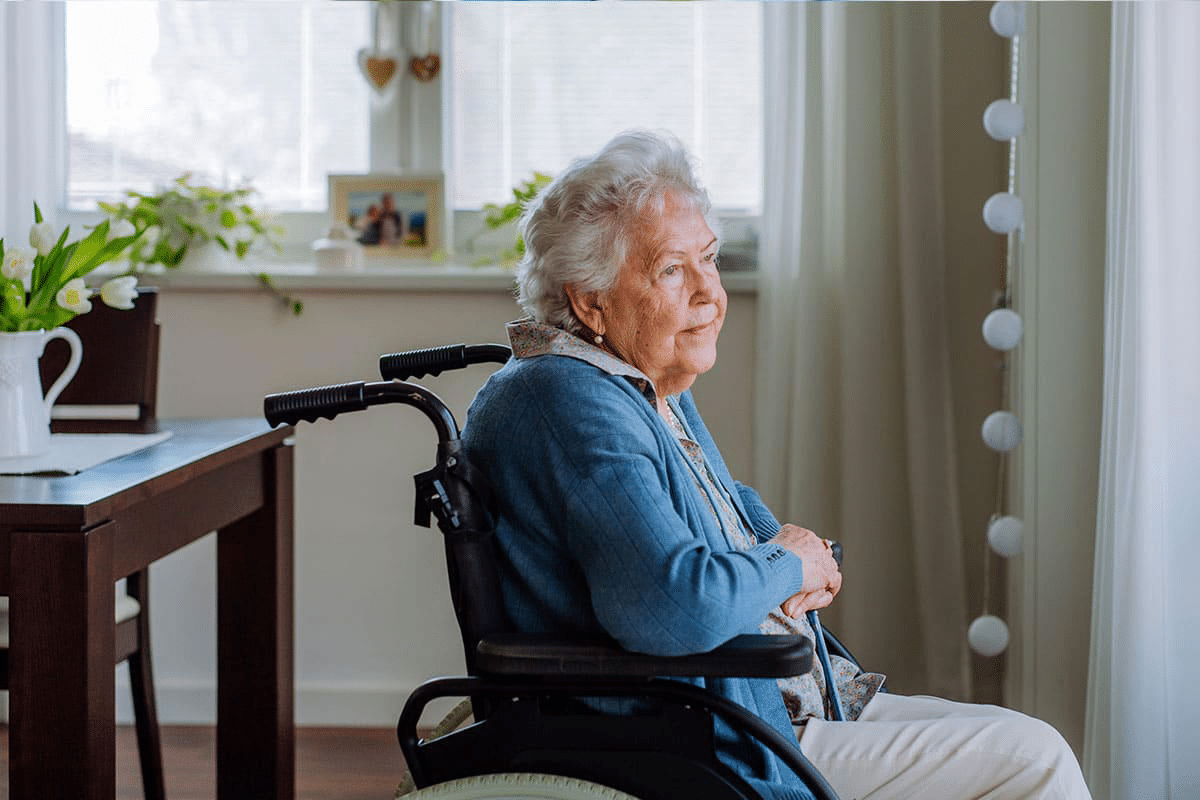
Research shows dementia hits women harder than men, with a big difference in risk. This isn’t just a random fact. It shows how biology and society play a part in women’s higher risk.
2:1 Female to Male Ratio
Studies reveal women face a 1 in 5 chance of Alzheimer’s by age 45, while men face a 1 in 10 chance. This 2:1 ratio is key to understanding how dementia affects men and women differently.
The difference isn’t just because women live longer. Even when adjusting for age, women are at higher risk. This means other factors are at work.
Biological and Social Factors Behind the Disparity
Biological and social factors both play a role in the gender gap in dementia risk. Biological factors include genetics, hormones, and brain differences between men and women. For example, estrogen might help protect the brain, reducing cognitive decline risk.
Social factors include lifestyle, healthcare access, and roles in society. Women often take on caregiving, which can increase their stress and health risks.
It’s important to understand these factors. This way, we can create better support for women at risk of dementia.
Early Sign #1: Short-Term Memory Loss in Women
Short-term memory loss is a key early sign of dementia, often seen in women. It shows up in many ways, making it key to know what it means.
It’s hard to remember recent things, learn new stuff, or recall names and words. This is common in older folks. But if it messes with daily life, it might be a sign of something serious.
Female-Specific Memory Change Patterns
Studies show women might have different memory changes than men. For example, they might struggle more with remembering words or conversations.
These changes in women’s memory can be small, so watching for them is important. Look out for signs like asking the same questions over and over or needing lots of reminders.
Distinguishing Normal Aging from Dementia-Related Memory Loss
Telling normal aging from dementia memory loss is hard. Normal aging might mean forgetting where you put things or names of people you know. But dementia makes it harder, like forgetting important stuff about yourself or getting lost in places you know.
To catch dementia early, watch for big changes in memory and thinking. If someone keeps forgetting things or gets lost easily, they should see a doctor.
Finding dementia early can really help manage it and improve life. Knowing the signs, like memory loss, helps us get help sooner.
Early Sign #2: Difficulty with Problem-Solving and Planning
One of the early signs of dementia is trouble with problem-solving and planning. This can show up in many parts of daily life. It’s a key sign to look out for.
Changes in Executive Function and Decision-Making
Dementia often messes with executive function. This includes planning, making decisions, and solving problems. Women might find it hard to handle tasks they used to do easily, like organizing the house or planning meals.
At first, these changes might seem small. But they can really affect how we live our day-to-day lives. For example, a woman might have trouble deciding what to wear or how to plan her day. This is because she’s having trouble processing information and making choices.
Real-World Examples: Financial Management Challenges
Another area where problem-solving and planning issues show up is in financial management. Women with early dementia might find it hard to balance their checkbooks, manage bills, or make smart investment choices.
For instance, a woman who was good with money might start to:
- Forget to pay bills on time
- Struggle to understand banking statements
- Make uncharacteristic financial decisions
These changes can be upsetting and are often noticed by family or friends before the person realizes it.
It’s important to spot these early signs to get help early. If you or someone you know is having trouble solving problems or planning, seeing a healthcare professional is a good step.
Early Sign #3: Mood and Behavior Changes
Early signs of dementia can include noticeable changes in mood and behavior. Women experiencing dementia may exhibit significant alterations in their emotional responses and behavioral patterns.
Emotional Volatility as an Early Indicator
Emotional volatility is a common early indicator of dementia. This can manifest as rapid mood swings, increased irritability, or uncharacteristic emotional outbursts. Studies suggest that such emotional changes can be among the first noticeable symptoms of dementia.
For instance, a person might become easily agitated or exhibit sudden shifts in mood without an apparent reason. These changes can be distressing for both the individual and their family members.
Depression and Anxiety: Warning Signs or Risk Factors?
Depression and anxiety are not only early signs of dementia but also possible risk factors. Research indicates that individuals experiencing depression and anxiety may have a higher risk of developing dementia.
The relationship between these mental health conditions and dementia is complex. While depression and anxiety can be early symptoms, they may also contribute to an increased risk of cognitive decline.
|
Mood/Behavior Change |
Possible Indication |
|---|---|
|
Increased irritability |
Early sign of dementia |
|
Depression |
Potential risk factor or early symptom |
|
Anxiety |
Potential risk factor or early symptom |
|
Emotional outbursts |
Early sign of dementia |
Understanding these changes is key for early detection and intervention. By recognizing mood and behavior changes as early signs of dementia, we can take proactive steps towards diagnosis and treatment.
Early Sign #4: Language and Communication Difficulties
Changes in how we talk and communicate are early signs of dementia. Women and caregivers should watch for these signs. As dementia gets worse, these changes can affect daily life and relationships.
Word-Finding Problems and Vocabulary Changes
One early sign of dementia is trouble finding the right words. Women might pause a lot in conversations, use substitutes, or generic terms. For example, they might say “the thing you use to…” instead of “the pen.”
Vocabulary changes are also common. Some words are used less or wrong. This can cause confusion in personal and work settings. Paying attention to these small changes is important, as they can show cognitive problems.
Conversation Challenges That May Signal Dementia
Conversation challenges are another key sign. Women with early dementia might find it hard to follow talks, understand complex sentences, or keep thoughts straight. They might struggle to keep up with rapid-fire questions or interrupt others by mistake.
To better understand these changes, let’s look at some common conversation challenges in a structured format:
|
Challenge |
Description |
Example |
|---|---|---|
|
Word-finding difficulties |
Struggling to retrieve the right word |
“I’m going to the… you know, the place with the books.” |
|
Following conversations |
Having trouble understanding or keeping up |
Losing track of the topic or asking for repetition. |
|
Maintaining coherence |
Difficulty in staying on topic or using filler words |
“So, uh, what was I saying? Oh yes, the party.” |
Spotting these early signs can help get medical help sooner. If you or someone you know is having trouble with language and communication, see a doctor.
Early Sign #5: Confusion with Time and Place
Disorientation in familiar settings and issues with time perception can be early signs of dementia. Women often show early signs of cognitive decline by getting confused with time and place.
Disorientation in Familiar Settings
Getting lost or disoriented in places you know well is a sign of early dementia. This can be very upsetting for women. Disorientation might make it hard to find your way or remember where you are.
- Getting lost while driving or walking in familiar areas
- Difficulty understanding directions or maps
- Confusion about the location of familiar places
These symptoms are not just small memory slips. They can show serious cognitive problems.
Time Perception Issues in Early Dementia
Women with early dementia may also struggle with time perception. They might find it hard to tell the time of day, day of the week, or month.
- Trouble keeping track of time
- Confusion about the sequence of events
- Difficulty planning tasks or activities due to distorted time perception
These issues can make daily tasks hard to manage. It’s tough to keep a regular schedule.
Knowing these early signs is key to getting medical help early. Recognizing confusion with time and place can lead to diagnosis and treatment.
Early Sign #6: Weight Loss and Appetite Changes
Women who lose weight without reason might be showing early signs of dementia. This symptom is often missed but can signal dementia years before it’s diagnosed. Weight loss and changes in appetite are key because they point to brain changes linked to dementia.
The link between nutrition and cognitive decline is complex. Poor eating can worsen brain symptoms, and brain decline can lead to bad eating. People with dementia often eat differently, leading to weight loss.
The Connection Between Nutrition and Cognitive Decline
Nutrition is vital for keeping the brain healthy. A diet lacking key nutrients can harm the brain. On the other hand, brain decline can make it hard to eat well, starting a bad cycle.
Research shows some nutritional gaps raise dementia risk. For example, not enough vitamin D or omega-3 fatty acids can lead to brain decline.
Gender Differences in Pre-Diagnosis Weight Changes
Studies found women lose more body mass before dementia diagnosis than men. This shows weight loss might be a clearer early sign of dementia in women.
Knowing these gender differences is key for early detection and help. Doctors should watch for weight loss and appetite changes as dementia signs, mainly in women.
Spotting these signs early lets doctors act fast. This could slow down dementia’s progress.
Early Sign #7: Cognitive Decline Symptoms in Daily Activities
Daily tasks become harder as cognitive decline sets in. It affects routine and personal care. People with dementia often struggle with their daily routines, showing early signs of the condition.
Struggling with Routine Tasks and Household Management
Difficulty with routine tasks is a big sign of cognitive decline. This includes:
- Managing finances and paying bills on time
- Preparing meals and following recipes
- Maintaining household chores and organization
These tasks need planning and organization, skills often lost in early dementia. For example, someone might forget appointments or miss medication, showing the need for help.
Changes in Personal Care and Hygiene
Changes in personal care and hygiene also point to cognitive decline. This can show as:
- Neglecting personal grooming and dressing properly
- Showing less interest in activities they once enjoyed
- Having trouble with bathing or using the toilet
These changes can upset both the person and their family. It’s important to understand these signs with empathy, seeing them as symptoms of a bigger issue.
Spotting these signs early can greatly help in managing the condition.
We need to be watchful and supportive. Providing the right care and help is key for those with cognitive decline.
The Role of Hormones in Women’s Dementia Risk
Hormones and dementia risk in women are linked in a complex way. Research shows that some hormones might protect against dementia. This makes it clear that hormones are key to keeping our brains healthy.
Estrogen’s Protective Effect on Brain Health
Estrogen seems to protect our brains, possibly lowering dementia risk in women. Studies found estrogen receptors in brain areas linked to memory and thinking. This suggests estrogen directly affects these brain functions.
Key mechanisms through which estrogen exerts its protective effects include:
- Promoting neuronal health and survival
- Enhancing synaptic plasticity
- Reducing inflammation in the brain
Menopause Timing and Cognitive Function
When menopause happens can affect our thinking and dementia risk. Early menopause, before 45, is linked to more cognitive decline and dementia.
Observational studies show that how long we’re exposed to estrogen matters. Women who menopause later tend to have lower dementia risk. This suggests longer estrogen exposure is protective.
Learning about hormones and dementia risk helps us find ways to prevent and treat it. As research digs deeper, we’re getting closer to helping women keep their brains healthy.
Reducing Risk and Seeking Help: Next Steps for Concerned Women
Women worried about dementia have hope. They can make lifestyle changes and get medical help. Reducing dementia risk means staying active, eating well, and keeping your mind sharp.
Concerned women should take charge of their health. They should see doctors regularly. This helps get advice tailored to their needs. Early action can slow down dementia’s progress. So, it’s key to get help if symptoms get worse.
Let’s look at how to manage dementia risk. We’ll check out some important stats and tips.
|
Risk Factor |
Management Strategy |
Potential Benefit |
|---|---|---|
|
Physical Inactivity |
Regular Exercise |
Reduced Risk of Cognitive Decline |
|
Poor Diet |
Mediterranean Diet |
Improved Cardiovascular Health |
|
Social Isolation |
Social Engagement |
Enhanced Cognitive Stimulation |
Knowing about dementia risk factors helps. Women can lower their risk by being active, eating right, and staying mentally active. We suggest talking to doctors to create a plan that fits their needs.
Conclusion: Early Detection Makes a Difference
Early detection of dementia can greatly improve life quality. It’s key to spot cognitive decline symptoms early, which is more important for women. They are more likely to get dementia.
We’ve looked at seven early signs of dementia in women. These include memory loss and changes in daily routines. Spotting these signs early is vital for timely help.
Women can lower their dementia risk by knowing the signs and risk factors. Early detection helps manage the condition better. This way, people can stay independent and get the right support.
As we move forward in dementia research, awareness and education are critical. We need to work together. Our goal is to promote early detection and offer full care for those with dementia.
FAQ
What are the early signs of dementia in women?
Early signs of dementia in women include short-term memory loss. They also have trouble solving problems and planning. Mood and behavior changes are common, as are language and communication issues.
Confusion with time and place is another sign. Weight loss and appetite changes are also indicators. Lastly, cognitive decline in daily activities is a symptom.
How can I distinguish between normal aging and dementia-related memory loss?
It’s hard to tell normal aging from dementia-related memory loss. But, dementia often involves trouble learning new things. It also includes forgetting recent information and struggling to remember familiar words and names.
Are mood changes a warning sign of dementia?
Yes, mood changes like emotional volatility, depression, and anxiety can signal dementia. These mood swings can be an early sign of cognitive decline.
How does dementia affect daily activities?
Dementia makes daily tasks hard. It affects routine, household management, and personal care. It also changes hygiene habits.
What is the connection between nutrition and cognitive decline?
Nutrition is key to brain health. Changes in appetite and weight loss can signal dementia. Eating a healthy diet rich in nutrients supports the brain.
Can hormonal changes affect dementia risk in women?
Yes, hormonal changes, like the decline of estrogen during menopause, can increase dementia risk in women. Estrogen protects the brain, and its decline may lead to cognitive decline.
What are the risk factors for dementia in women?
Risk factors for dementia in women include age and family history. Lifestyle and certain medical conditions also play a role. Women are more likely to get dementia due to biological and social factors.
How can I reduce my risk of developing dementia?
To lower dementia risk, live a healthy lifestyle. Eat well, exercise regularly, stay socially active, and manage health conditions. Talking to a healthcare professional can help identify risk factors.
What should I do if I’m concerned about my cognitive health?
If you’re worried about your cognitive health, see a healthcare professional. They can check your symptoms, find causes, and guide you on what to do next.
Reference
National Center for Biotechnology Information. Evidence-Based Medical Guidance. Retrieved from https://www.ncbi.nlm.nih.gov/pmc/articles/PMC9277692/



 Departments
 Related Videos
 Our Doctors
 News
News