
For those with ulcerative colitis, surgery can be a game-changer. Removing the entire large intestine can greatly reduce or even eliminate symptoms. This offers a new lease on life.colectomy pouch surgeryColorectal Surgery: Procedures & Specialists
The ileoanal pouch, also known as a J-pouch, is created during an ileoanal pouch colectomy procedure. This surgical option helps patients regain control over their health. It improves their quality of life.
Understanding the pouch after a colectomy is key for those considering this surgical option. It’s a big step towards recovery and regaining normal bodily functions.
Key Takeaways
- The ileoanal pouch is a surgical option for patients undergoing a colectomy.
- It is created to help patients regain control over their bowel movements.
- The procedure involves removing the entire large intestine.
- This surgical intervention can significantly reduce or eliminate ulcerative colitis symptoms.
- Understanding the ileoanal pouch procedure is critical for patients considering colectomy surgery.
Understanding Colectomy Surgery
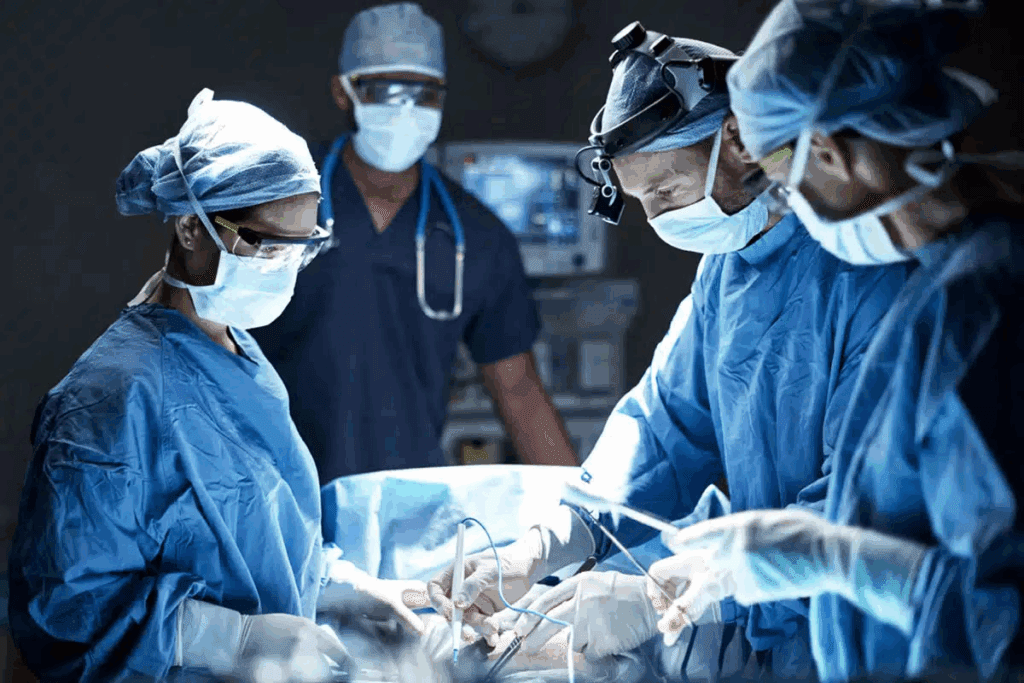
Colectomy surgery can change a person’s life for the better. It involves removing part or all of the colon. We’ll look into what it is, why it’s done, and when it’s needed. This will help you understand when it’s a good treatment option.
Definition and Purpose of Colectomy
Colectomy surgery removes part or all of the colon. Its main goal is to treat colon diseases that harm a person’s life quality. The surgery is often recommended for severe symptoms, cancer, or dysplasia in the colon. It aims to ease symptoms, stop further problems, and boost health.
Choosing to have colectomy surgery is a big decision. It’s usually considered when other treatments don’t work. The surgery changes the digestive system a lot. Knowing this is key for making the right choice.
Common Conditions Requiring Colectomy
Several conditions may need a colectomy. These include ulcerative colitis, a chronic inflammation and ulcer disease in the colon. Other reasons include colorectal cancer, dysplasia, and severe diverticulitis. Sometimes, it’s done for patients with familial adenomatous polyposis (FAP), a genetic condition.
It’s important to know why a colectomy is needed. This helps patients understand the surgery’s benefits. We aim to give full care and support to those going through this big procedure.
Types of Colectomy Procedures

There are many types of colectomy surgeries, each with its own benefits. The right procedure depends on the condition, how far the disease has spread, and the patient’s health.
Total vs. Partial Colectomy
A colectomy can be total or partial. Total colectomy means removing the whole colon. Partial colectomy means only removing the bad part of the colon.
- Total colectomy is often for conditions like familial adenomatous polyposis (FAP) or severe ulcerative colitis.
- Partial colectomy is used for colon cancer, diverticulitis, or localized Crohn’s disease.
Choosing between total and partial colectomy depends on the disease’s extent and the patient’s health. Our surgeons help decide the best surgery for each patient.
Minimally Invasive vs. Open Surgery Approaches
Colectomy procedures can be minimally invasive or open surgery. Minimally invasive surgery, like laparoscopic and robotic-assisted, uses small incisions. This can lead to less recovery time.
- Laparoscopic colectomy uses small incisions for instruments and a camera.
- Robotic-assisted colectomy offers high-definition views and precise dissection with a robotic system.
Open colectomy uses a bigger incision for direct access. It may need more recovery time. But, it’s sometimes needed for complex cases or when other methods can’t be used.
We know every patient is different. Our team is dedicated to personalized care and guidance during surgery.
The Need for a Pouch After Colectomy
After a colectomy, the body needs a new way to get rid of waste. This is why an intestinal pouch, like an ileal pouch-anal anastomosis (IPAA), is created.
Anatomical Changes Following Colon Removal
Removing the colon changes how waste is eliminated. The ileum, the last part of the small intestine, is connected to the rectum or anus. But, this connection alone might not be enough for normal bowel function. So, a pouch is needed.
Functional Purpose of Intestinal Pouches
An intestinal pouch, like an IPAA, acts as a reservoir for waste. It helps restore normal bowel function. This improves life quality by reducing bowel movements and avoiding the need for an external ostomy bag.
The ileal pouch-anal anastomosis (IPAA) is a surgery that makes a pouch from the ileum and connects it to the anus. It helps patients keep control over their bowel movements.
| Key Features | Benefits |
| Reservoir for waste storage | Reduces frequency of bowel movements |
| Connection to the anus | Preserves anal sphincter function |
| Minimally invasive surgery | Less post-operative pain and quicker recovery |
Understanding the role of intestinal pouches helps patients see their importance in bowel function after a colectomy.
Colectomy Pouch Surgery: The Procedure Explained
It’s important for patients to understand colectomy pouch surgery. This surgery creates a pouch from the ileum to store and pass stool. It helps restore bowel function.
Surgical Techniques for Pouch Creation
The way the pouch is created is key to the surgery’s success. Surgeons usually use the ileum for the pouch because it’s the best part of the intestine. The ileal pouch-anal anastomosis (IPAA) is a common method used.
In the IPAA procedure, the surgeon makes a pouch, often in a ‘J’ shape, and connects it to the anus. This lets stool pass normally. The surgical technique can change based on the patient’s body and the surgeon’s style.
The Role of the Surgeon in Pouch Design
The surgeon is very important in designing the pouch. They consider the patient’s health, intestine condition, and lifestyle. This helps tailor the pouch to the patient’s needs.
The pouch design aims to work well for storing and passing stool. The surgeon’s skill is vital in making adjustments during surgery for the best results.
With careful planning and execution, surgeons can greatly improve patients’ lives after this surgery.
Different Types of Pouches After Colectomy
After a colectomy, the type of pouch made can greatly affect a patient’s life and health. We’ll look at the different options, each tailored to meet specific needs and preferences.
J-Pouch Design and Function
The J-pouch is the most common choice after a colectomy. It’s made by shaping the ileum into a “J” shape and then attaching it. This creates a reservoir for stool, helping patients control their bowel movements better.
The J-pouch stores stool until it’s time to empty it. Patients usually do this several times a day. It’s connected to the anus, making bowel movements more natural than with external systems.
S-Pouch and W-Pouch Alternatives
While the J-pouch is the most common, the S-pouch and W-pouch are also options. The S-pouch has an extra limb for more capacity. The W-pouch offers even more room, which might mean fewer bowel movements.
These pouches are chosen based on the patient’s anatomy and the surgeon’s preference. For example, a patient with a shorter ileum might prefer an S-pouch or W-pouch for more flexibility and space.
Kock Pouch (Continent Ileostomy)
The Kock pouch, or continent ileostomy, is another option. It’s an internal pouch accessed through a stoma with a catheter. This is different from the J-pouch, which connects directly to the anus.
This pouch is less common but considered for those not suited for an IPAA or who prefer not to have a direct anus connection. The Kock pouch is continent, so patients don’t need an external bag for stool collection.
Each pouch type has its benefits and is suited for different patients. Choosing the right pouch is a big decision that requires careful thought from both the patient and their healthcare team.
Ileal Pouch-Anal Anastomosis (IPAA)
The Ileal Pouch-Anal Anastomosis procedure is a top choice for those needing colectomy. It helps keep bowel function more normal. This surgery makes a pouch from the ileum and connects it to the anus, keeping the natural bowel path.
Step-by-Step IPAA Procedure
The IPAA procedure is detailed and includes several steps:
- Removing the diseased colon and rectum.
- Making an ileal pouch, often a J-pouch, but S-pouch and W-pouch designs are used too.
- Connecting the ileal pouch to the anal canal.
- In some cases, a temporary ileostomy is made to heal the pouch before reversing it in another surgery.
Benefits of IPAA Over Traditional Ileostomy
IPAA has many advantages over traditional ileostomy, including:
More Natural Bowel Movements: IPAA lets patients move their bowels through the anus, which is more natural and often preferred.
| Feature | IPAA | Traditional Ileostomy |
| Bowel Movement Route | Through the anus | Through an ostomy bag |
| Control Over Bowel Movements | Generally better control | Limited control, managed with ostomy bags |
| Quality of Life | Often improved due to more natural function | Requires significant lifestyle adjustments |
Recent data shows IPAA is a top choice for many. It allows for more natural bowel movements and can greatly improve life quality. Each patient’s situation is different, and the decision to have IPAA should be made with a healthcare provider.
External Pouching Systems vs. Internal Pouches
It’s important for patients after a colectomy to know the difference between external and internal pouching systems. Choosing the right one can greatly affect their quality of life. It’s a decision that needs careful thought.
Colostomy and Ileostomy Bags
Patients with ostomy surgery often use external pouching systems like colostomy and ileostomy bags. These bags collect waste from the stoma, a surgically made opening in the abdomen. Colostomy bags are for when part of the colon is removed or diverted. Ileostomy bags are for when the whole colon is removed, and the ileum is brought to the abdomen’s surface.
Managing these external pouches means emptying and changing them regularly. This can be a hassle and might change a patient’s lifestyle. But, new ostomy supplies have made things easier, with features like odor control and skin-friendly adhesives.
Advantages of Internal Pouch Construction
Internal pouches are made inside the body during surgery. A big plus of internal pouch construction is that it doesn’t need an external appliance. This can make patients feel better about their body and lower the chance of skin problems from external pouches.
- Enhanced body image due to the absence of an external appliance
- Reduced risk of skin irritation and other stoma-related complications
- Potential for improved quality of life with more freedom in daily activities
But, making an internal pouch is a more complex surgery than creating an external ostomy. It needs careful patient selection, skilled surgeons, and good post-operative care.
In summary, picking between external pouching systems and internal pouches depends on many things. These include the patient’s health, why they had the colectomy, and what they prefer. Knowing the good and bad of each choice is key to making a smart decision.
Recovery After Colectomy Pouch Surgery
Knowing how to recover after colectomy pouch surgery is key for patients. The journey includes several stages, from the hospital to home. Each step is important for a smooth recovery.
Immediate Post-Operative Care
Right after surgery, patients are watched closely in the recovery room. Effective pain management is a top priority. Doctors use different medicines and methods to keep patients comfortable.
They also check for signs of infection, bleeding, or other issues. This is a critical time for monitoring.
Hospital Stay Duration
The time spent in the hospital varies, but it’s usually three to seven days. This allows doctors to keep an eye on the patient’s healing. They manage pain and quickly address any problems.
Transitioning to Home Recovery
Before leaving the hospital, patients get clear instructions for home care. They learn about wound care, diet, and what to watch for. Having a support system is vital for the first few weeks at home.
At home, recovery takes time and following doctor’s orders is important. Patients should start slowly with activities, avoiding heavy lifting and hard work.
The recovery from colectomy pouch surgery is a journey. It needs careful planning, following medical advice, and support. Understanding the recovery process helps patients heal and regain their life’s quality.
Adapting to Life With a New Digestive System
Getting used to a new digestive system after colectomy is a big change. It involves physical and mental adjustments. We’ll look at what these changes mean for your life.
Physical Adjustments and Expectations
After a colectomy, your body changes how it handles waste. Physical adjustments are key for a good recovery. You might notice changes in how often you go and what comes out.
Here are some tips for dealing with these changes:
- Drink plenty of water to help digestion
- Eat smaller meals more often
- Watch how your body reacts to different foods
Psychological Aspects of Adaptation
The mental side of adapting to a new digestive system is important. Emotional support is essential. Dealing with changes in your body can be tough. Counseling or support groups can help a lot.
Important mental aspects to consider are:
- Handling stress about bowel movements
- Overcoming feelings of embarrassment or shame
- Keeping a positive outlook with support
Understanding and tackling both physical and mental changes helps patients recover better. It improves their quality of life.
Diet and Nutrition After Pouch Surgery
Diet is key to healing and feeling good after pouch surgery. It’s important to know what foods to eat and avoid to help your new digestive system.
Dietary Progression After Surgery
Right after surgery, you’ll start with a liquid diet. Then, you’ll move to solid foods as your bowel gets stronger. This helps you feel better and avoids problems.
At first, you might drink clear liquids and electrolyte-rich drinks. Later, you can try soups, pureed foods, and then regular meals.
Long-Term Nutritional Considerations
After you’ve healed a bit, focus on eating a balanced diet. This means eating foods full of vitamins, minerals, and proteins.
Drinking lots of water is also important. The right amount and type of water can depend on your surgery and needs.
Foods to Embrace and Avoid
Some foods are good for you after pouch surgery, while others might not be. Knowing which foods to choose and avoid can really improve your life.
| Food Category | Foods to Embrace | Foods to Avoid |
| Proteins | Lean meats, fish, eggs, tofu | High-fat meats, processed meats |
| Fruits and Vegetables | Most fruits and vegetables, low in fiber | High-fiber fruits and vegetables like broccoli, cabbage |
| Grains | White bread, refined pasta, rice | Whole grains, high-fiber cereals |
| Dairy | Lactose-free or low-lactose products | High-lactose products if lactose intolerant |
Eating smaller meals more often can help with digestion. It also lowers the chance of irritating your pouch.
Potential Complications of J-Pouch Colectomy Surgery
It’s important for patients to know about the possible risks of J-pouch colectomy surgery. This surgery can greatly improve life for many. But, it’s key to understand the risks involved.
Short-Term Complications
Right after surgery, patients might face infections, bowel obstructions, or leaks at the anastomosis site. These issues can pop up during the first few weeks and might need extra medical care.
Infection is a big worry after any surgery, including J-pouch colectomy. Doctors often use antibiotics to lower this risk. But, sometimes, infections can happen.
Bowel obstruction is another early problem. It might come from adhesions or a narrowed intestine. This could mean more surgery is needed.
Long-Term Complications
Complications can show up months or years later. These might include pouchitis, an inflammation of the pouch, and bowel function issues like diarrhea or incontinence.
Pouchitis is a common long-term issue. It’s when the ileal pouch gets inflamed. The cause is not clear, but it can be treated with antibiotics or other meds.
- Pouchitis
- Bowel dysfunction
- Stricture formation
When to Seek Medical Attention
Patients should know when to get help. Severe stomach pain, high fever, or a lot of bleeding are signs to see a doctor right away.
Going for regular check-ups with your doctor is vital. It helps catch any problems early and deal with them quickly.
Pouch Function and Quality of Life
After a colectomy, patients are curious about their pouch’s function and its effect on their life. The pouch is a key part of the surgery. It aims to make the digestive system as normal as possible.
Bowel Movement Patterns and Control
The pouch’s role greatly affects bowel habits and control. Bowel movements change for everyone, and it can take time to get used to. A top gastroenterologist says, “Adjusting to a new bowel routine can be tough, but most people get used to it.”
What affects bowel habits includes the pouch type, health, and diet. Keeping a food diary helps find foods that might upset the stomach or change bowel habits.
Sexual Function and Fertility Considerations
Sexual health and fertility are key after colectomy surgery. The surgery aims to remove the sick part of the colon. But, it’s important to know how it might affect sex life. Studies show that most patients see little to no long-term sexual function issues. But, there might be short-term changes because of the surgery and recovery.
For younger patients, fertility is a big concern. Women might see a slight drop in fertility after surgery. But, many can get pregnant and carry a baby to term. It’s vital for patients to talk about fertility with their doctor before surgery.
“The key to maintaining quality of life after colectomy surgery lies in understanding the possible changes and being ready to adapt,” says a renowned colorectal surgeon.
Healthcare providers can offer better care by focusing on the pouch’s function. This helps address both physical and emotional needs. It improves the patient’s overall quality of life.
Long-Term Maintenance and Follow-Up Care
To keep your health after a colectomy, it’s key to follow up and take care of your pouch. This care includes regular doctor visits and watching your pouch for any problems. It helps keep your pouch working well for a long time.
Routine Medical Check-Ups
Seeing your doctor regularly is important. They can check your pouch and find any issues early. They also help manage any side effects you might have.
These visits include a physical check, looking at your medical history, and sometimes tests. Your doctor will tell you when to come in. This keeps your pouch healthy.
Pouch Endoscopy and Monitoring
Pouch endoscopy lets doctors see inside your pouch. They look for things like inflammation or ulcers. It’s a way to catch problems early.
Endoscopy helps doctors:
- Find issues before they get worse
- Change treatment plans if needed
- Give you peace of mind with regular checks
How often you need pouch endoscopy depends on your health and what your doctor says.
| Procedure | Purpose | Frequency |
| Pouch Endoscopy | To visually examine the inside of the pouch for abnormalities | As recommended by healthcare provider |
| Routine Medical Check-Ups | To monitor overall health and pouch functionality | Regularly scheduled |
Following a routine of doctor visits and pouch endoscopy helps a lot. It lowers the chance of problems and makes sure your colectomy works well for a long time.
Conclusion
Understanding colectomy pouch surgery and ileal pouch anal anastomosis is key for patients. The type of surgery and pouch made can greatly affect recovery and life quality.
A successful surgery can make a big difference in a patient’s life. They can start doing things they love again. But, it’s important to stick to a special diet and follow care instructions closely.
Adjusting to a new digestive system can be tough. But, with the right help and support, patients can make it through. Knowing about ileal pouch anal anastomosis helps patients look forward to a better life.
We urge patients to stay informed and involved in their care. This way, they can get the best results and live a happy life after surgery.
FAQ
What is a colectomy pouch and how does it work?
A colectomy pouch, or ileal pouch, is made during surgery. It holds and removes waste after the colon is removed. It helps restore normal bowel function and improves life quality.
What is the difference between a J-pouch and other types of pouches?
A J-pouch looks like a “J” and is made during the IPAA procedure. Other pouches, like S-pouch, W-pouch, and Kock pouch, have different shapes and functions.
What are the benefits of having an internal pouch instead of an external pouching system?
An internal pouch means no need for an external ostomy bag. It leads to more normal bowel movements and better body image. It also lowers the risk of skin irritation and other issues with external pouches.
What are the possible complications of J-pouch colectomy surgery?
Short-term risks include infection, bowel obstruction, and leakage. Long-term risks include pouchitis, bowel dysfunction, and reduced fertility.
How long does it take to recover from colectomy pouch surgery?
Recovery time varies. Patients usually stay in the hospital for a few days to a week. Full recovery can take weeks to months, requiring a new diet and lifestyle.
What dietary changes are necessary after pouch surgery?
Patients start with liquids and gradually move to solid foods. They should avoid foods that cause discomfort. Long-term, they need to watch their nutrition to avoid deficiencies.
How does the pouch affect bowel movement patterns?
The pouch can change bowel movement frequency and consistency. Most patients see better bowel control over time. Some may experience urgency or frequency, but this usually improves.
Can I have children after colectomy pouch surgery?
Fertility might be affected, but many patients can conceive. Women may face a higher risk of infertility, while men are less affected.
How often should I have follow-up care for my pouch?
Regular medical check-ups and pouch endoscopy are key to pouch health. Follow-up care frequency depends on individual needs and the surgeon’s advice.
What are the signs of pouch complications that I should watch for?
Watch for signs like increased stool frequency, abdominal pain, fever, or bleeding. Seek medical help if you notice these symptoms.
Can I lead a normal life with a colectomy pouch?
Yes, with proper care and adaptation, many patients live active, normal lives with a colectomy pouch. They enjoy improved quality of life and reduced symptoms.
National Center for Biotechnology Information. Evidence-Based Medical Insight. Retrieved from https://www.ncbi.nlm.nih.gov/pmc/articles/PMC6710180/