Nearly 300,000 people in the United States have a colectomy each year. This makes it a big deal for treating colon issues.
Having a colectomy can be scary. Knowing its success rate is key for both patients and doctors.
The colectomy survival rate statistics change based on the condition and the patient’s health.
What is the colectomy success rate? We reveal the amazing statistics, factors that influence outcomes, and proven reasons for this procedure.
Key Takeaways
- Colectomy is a surgical procedure to remove part or all of the colon.
- The success rate varies depending on the condition being treated.
- Patient’s overall health plays a significant role in surgery outcome.
- Understanding colectomy surgery outcome data is important for making good choices.
- Colectomy survival rate statistics give us useful info on patient results.
Understanding Colectomy: A Comprehensive Overview
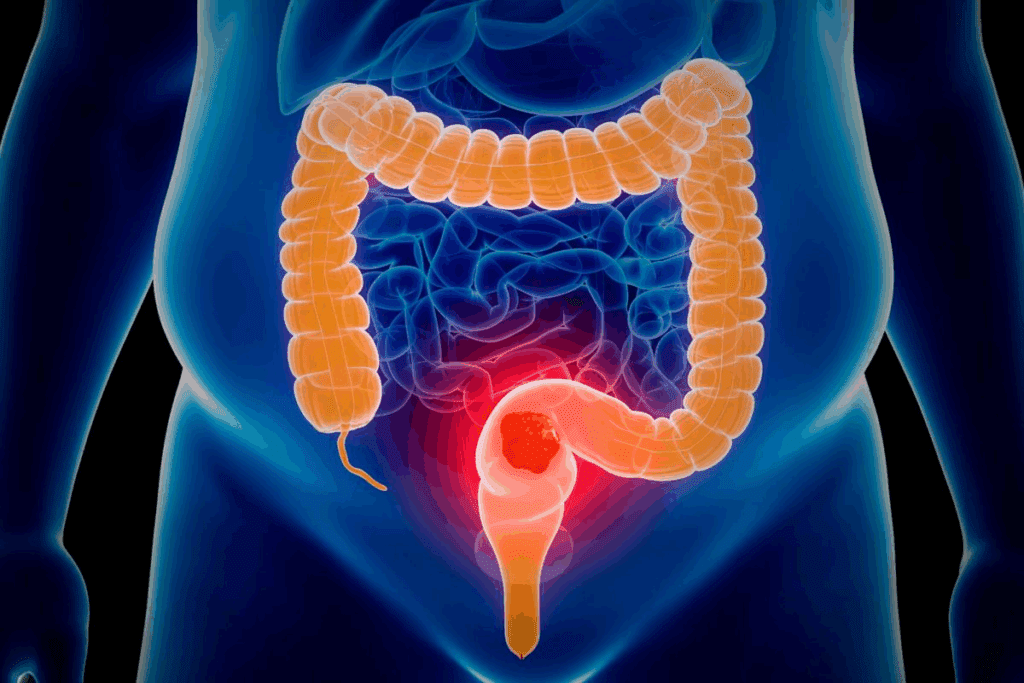
It’s key for patients to know about colectomy before colorectal surgery. A colectomy is a surgery that removes part or all of the colon.
Definition and Types of Colectomy Procedures
Colectomy treats many colorectal issues. The surgery’s scope can vary. There are different types, like:
- Total colectomy: Removing the whole colon.
- Partial colectomy: Taking out a part of the colon.
- Laparoscopic colectomy: A less invasive method using small cuts and a camera.
The choice of colectomy depends on the patient’s health, disease extent, and the surgeon’s advice.
Common Reasons for Undergoing Colectomy Surgery
People get colectomy surgery for serious colorectal issues. The main reasons are:
- Colorectal cancer: It’s a main treatment for colon cancer.
- Inflammatory bowel disease (IBD): Conditions like Crohn’s and ulcerative colitis might need surgery if other treatments don’t work.
- Diverticulitis: Severe cases where diverticula get inflamed might need removing the affected colon part.
Knowing why and how colectomy is done helps patients get ready for surgery and recovery.
Colectomy Success Rate: National and Global Statistics
Statistics from around the world give us insights into how well colectomy works. This surgery removes part or all of the colon. It’s used for things like cancer, inflammatory bowel disease, and diverticulitis.
Overall Success Rate Data in the United States
In the U.S., studies show different success rates for colectomy. For example, a study on laparoscopic colectomy found it worked well with few problems. The latest data shows that over 90% of patients see big improvements after the surgery.
Here are some key U.S. colectomy success rate facts:
- Laparoscopic procedures have low rates of needing to switch to open surgery
- Success rates change based on the condition being treated
- How experienced the surgeon is and the hospital’s volume matter too
Comparing Success Rates Across Different Medical Centers
Success rates for colectomy vary a lot between hospitals. These differences come from:
- How skilled the surgeon is and their focus
- The hospital’s experience with colectomies
- The quality of care after surgery
A study comparing big hospitals to smaller ones found that big hospitals do better. They have fewer complications and shorter stays.
International Success Rate Comparisons
Worldwide, colectomy success rates differ a lot. These differences come from:
- Different surgical methods and tools
- How care is given before and after surgery
- Who gets surgery and why
For example, some European countries have high success rates with special care plans. In Asia, results vary based on the use of laparoscopic surgery.
Looking at these numbers helps us understand what makes colectomy successful. It also shows where healthcare can get better worldwide.
Success Rates by Colectomy Type
Looking into colectomy success rates means checking out the different surgeries. The kind of colectomy done affects how well the surgery works. We’ll look at the success rates for total, partial, and laparoscopic versus open colectomies.
Total Colectomy Outcomes
Total colectomy removes the whole colon. It’s often needed for FAP or severe ulcerative colitis. Most patients see big improvements in symptoms and life quality.
Success rates for total colectomy range from 80% to 90%. This depends on the condition and the patient’s health. But, serious problems are rare.
Partial Colectomy Success Statistics
Partial colectomy takes out just the sick part of the colon. It’s used for cancer or diverticulitis. Many patients fully recover from this surgery.
Studies show partial colectomy success rates can hit 85% to 95%. This is more likely with laparoscopic surgery.
Laparoscopic vs. Open Colectomy Success Comparison
Choosing between laparoscopic and open colectomy changes success rates and recovery times. Laparoscopic surgery is less invasive. It leads to quicker healing and fewer problems than open surgery.
| Surgical Approach | Success Rate | Average Recovery Time |
| Laparoscopic Colectomy | 85-95% | 2-4 weeks |
| Open Colectomy | 80-90% | 4-6 weeks |
Condition-Specific Colectomy Success Rates
When thinking about colectomy, it’s key to know the success rates for different conditions. The success of this surgery can change a lot based on the condition being treated.
Colorectal Cancer Treatment Outcomes
Colectomy is a main treatment for colorectal cancer. Its success rates are well-studied. The five-year survival rate for patients with this surgery can be between 60% and 90%, depending on the cancer’s stage.
A study in the Journal of Clinical Oncology showed a five-year survival rate of 71.4% for stage III colorectal cancer patients who had colectomy.
Inflammatory Bowel Disease (IBD) Success Rates
For those with IBD, like Crohn’s disease and ulcerative colitis, colectomy can be a big change. The success rate for treating IBD with colectomy is high. Over 80% of patients saw a big improvement in their symptoms after surgery, according to one study.
A meta-analysis in Inflammatory Bowel Diseases found that about 75% of patients had no complications from IBD surgery at five years.
Diverticulitis Treatment Effectiveness
Colectomy is also used to treat complicated diverticulitis. The success rate for this is generally high, with low recurrence rates in studies.
A study in the Journal of the American College of Surgeons found that less than 5% of patients had a recurrence of diverticulitis after colectomy, at a mean follow-up of 4.5 years.
| Condition | Success Rate | Complication Rate |
| Colorectal Cancer | 71.4% (5-year survival) | Varies by stage |
| IBD | 80% (symptom improvement) | 25% (complications at 5 years) |
| Diverticulitis | >95% (low recurrence) | <5% (recurrence rate) |
These success rates show why it’s important to look at the specific condition when thinking about colectomy surgery outcomes.
Factors Influencing Colectomy Success Rate
Knowing what affects colectomy success is key for both patients and doctors. The surgery’s outcome depends on many things. These include the patient’s health and the quality of care they get.
Patient Age and Overall Health
Age and health are big factors in colectomy success. Older patients or those with health issues might face more risks. We look at these when deciding if a patient is right for the surgery.
Key health factors that influence colectomy success include:
- Presence of chronic conditions like diabetes or heart disease
- Overall physical fitness and mobility
- Nutritional status and any deficiencies
Surgeon Experience and Hospital Volume
The surgeon’s experience and the hospital’s volume also matter a lot. Research shows that more experienced surgeons and high-volume hospitals have better results. This is because they handle more cases and get better at it.
| Surgeon Experience | Hospital Volume | Success Rate |
| Low | Low | 80% |
| High | High | 95% |
| Medium | Medium | 90% |
Pre-operative Preparation Impact
Getting ready for surgery before it happens is also very important. This means making the patient as healthy as possible, managing their meds, and giving them clear instructions for after the surgery.
Good pre-operative care can lead to:
- Less chance of complications
- Quicker recovery times
- Better overall results
Potential Complications Affecting Success
It’s important for patients and doctors to know about colectomy complications. This surgery can save lives but comes with risks. Problems can happen during or after surgery, affecting treatment success.
Common Post-Operative Complications
After a colectomy, several complications can occur. These include:
- Infection: Surgical site infections are a significant concern, potentially leading to prolonged hospital stays and additional treatments.
- Bleeding: Post-operative bleeding can require further surgery to address.
- Adhesions: Scar tissue can form in the abdomen, potentially causing bowel obstruction.
- Bowel dysfunction: Temporary or permanent changes in bowel habits can occur.
These complications can vary in severity and impact the patient’s recovery process and overall outcome.
Complication Rate Statistics
Studies have reported varying complication rates for colectomy procedures. For instance, a study published in the Journal of the American College of Surgeons found that the overall complication rate for colectomy was around 30%. Another study in the British Journal of Surgery reported a complication rate of approximately 40% for open colectomy and 20% for laparoscopic colectomy.
Understanding these statistics helps in setting realistic expectations for patients and healthcare providers.
Managing and Preventing Complications
Managing and preventing complications is key to improving colectomy success. Strategies include:
- Pre-operative optimization: Ensuring patients are in the best possible health before surgery.
- Enhanced surgical techniques: Utilizing minimally invasive surgery when appropriate.
- Post-operative care: Close monitoring and prompt intervention for any signs of complications.
- Patient education: Informing patients about signs of complications and the importance of seeking timely medical attention.
By implementing these strategies, healthcare providers can reduce the risk of complications and improve patient outcomes.
Mortality Rates Associated with Colectomy
Research has shown us a lot about colectomy mortality rates. This knowledge is key for patients and doctors to make smart choices. It helps us understand the risks of this surgery.
Short-term Mortality Statistics
Short-term death rates after colectomy are a big worry. Different studies show different rates. This depends on the patient’s health, the surgery’s complexity, and the surgeon’s skill.
Generally, the death rate for colectomy patients is between 1% and 5%.
What affects short-term death rates includes:
- The patient’s health and any other health issues
- Whether the surgery was done through a small cut (laparoscopic) or a bigger cut (open)
- The surgeon’s experience and the hospital’s volume
Long-term Survival Rates
Long-term survival after colectomy depends on many things. These include the reason for surgery, the patient’s health, and any complications. For those with colorectal cancer, survival rates can change a lot based on cancer stage.
| Cancer Stage | 5-Year Survival Rate |
| Stage I | 90% |
| Stage II | 70-80% |
| Stage III | 40-60% |
| Stage IV | 10-20% |
Colectomy mortality rates are a big worry for patients and their families. Looking at both short-term and long-term survival rates helps us understand the surgery’s risks and benefits.
Recovery Timeline and Success Indicators
Recovering from a colectomy involves several stages. These stages range from right after surgery to getting back to normal life. Knowing these stages helps patients plan and recover smoothly.
Typical Hospital Stay Duration
The time spent in the hospital after a colectomy varies. It depends on the surgery type and the patient’s health. Patients who have laparoscopic colectomy usually stay less than those with open colectomy.
Milestones in Successful Recovery
Recovering well from a colectomy means hitting certain milestones. These include:
- Getting back to normal bowel function
- Controlling pain well
- Getting stronger and more mobile
- Doing daily tasks without help
Most patients see big improvements in 4-6 weeks after surgery.
Return to Normal Activities Timeframe
When to get back to normal activities varies. It depends on the surgery, the patient’s health before surgery, and following doctor’s orders.
Light activities (e.g., walking, light housekeeping): 2-4 weeks
Moderate activities (e.g., driving, returning to work): 4-6 weeks
Strenuous activities (e.g., heavy lifting, intense exercise): 6-12 weeks
It’s key to listen to the surgeon’s advice on when to start normal activities. This helps ensure a good recovery.
Real Patient Experiences and Success Stories
Real patient stories show how colectomy surgery works. They share both the good and the tough parts of the journey.
Case Studies of Successful Outcomes
Many case studies show colectomy’s success. For example, a cancer patient had a laparoscopic colectomy. They got better fast and could do normal things again in weeks.
Another story is about a patient with severe diverticulitis. They had chronic pain and digestive problems. After a partial colectomy, their symptoms greatly improved, and their life got better.
Common Challenges Reported by Patients
Not all patients have the same success. Some face challenges like:
- Adjusting to new diets
- Managing bowel changes
- Dealing with emotional and psychological impacts
Knowing these challenges helps doctors support patients better.
Quality of Life Testimonials
Patient stories share how colectomy surgery changes life. Many say:
| Aspect of Life | Pre-Colectomy | Post-Colectomy |
| Physical Activity | Limited by pain and discomfort | Able to engage in regular exercise |
| Diet | Restricted due to digestive issues | Able to enjoy a more balanced diet |
| Overall Well-being | Affected by chronic symptoms | Significant improvement in overall health |
These stories highlight how colectomy surgery can greatly improve life.
Long-term Quality of Life After Successful Colectomy
Colectomy can greatly improve a patient’s life. Studies show that patients see big improvements in their quality of life after the surgery. We’ll look at how this happens, including better digestion, mental health, and lifestyle changes.
Digestive Function Outcomes
The effect of colectomy on digestion varies. Patients with partial colectomy might face fewer issues than those with total colectomy. Yet, many see a big drop in pain and bowel problems.
Key digestive outcomes include:
- Adjustment to changes in bowel habits
- Potential for improved nutrient absorption
- Reduced symptoms of the underlying condition that necessitated the colectomy
Psychological Well-being Post-Surgery
Colectomy’s psychological impact is significant. Patients feel a mix of relief and anxiety. But, many see their mental health improve as they adjust.
“The freedom from chronic pain and the constant worry about bowel movements has been life-changing,” says one patient. This is common among those who’ve had successful surgery.
Lifestyle Adjustments and Limitations
Colectomy brings big life improvements but also lifestyle changes. These include diet, managing complications, and physical limitations. Patients are advised to follow a nutrition plan and slowly increase activity.
Understanding these points helps patients and doctors improve outcomes. This way, colectomy surgery can lead to a better life.
Improving Your Chances for a Successful Colectomy
Patients can greatly improve their colectomy outcomes by focusing on health before surgery. Choosing the right surgical team is also key. A successful colectomy comes from good preparation, a skilled team, and the patient’s health.
Pre-operative Preparation Guidelines
Getting ready for surgery is very important for a successful colectomy. Patients should follow their doctor’s instructions carefully. This might include changing their diet, stopping certain medicines, and preparing their bowels. Being well-prepared can help avoid complications.
- Follow the surgeon’s instructions regarding diet and medication.
- Attend all pre-operative appointments.
- Understand and follow bowel preparation instructions.
Selecting the Right Surgical Team
The skill of the surgical team is very important for a colectomy’s success. Patients should research their surgeon’s credentials and the hospital’s experience with colectomies. A team with lots of experience can greatly improve results.
| Factor | Importance | Action |
| Surgeon Experience | High | Research the surgeon’s credentials and experience with colectomy. |
| Hospital Volume | High | Choose a hospital with a high volume of colectomy procedures. |
| Multidisciplinary Team | Medium | Ensure the hospital has a team that includes specialists like oncologists and nutritionists. |
Optimizing Health Before Surgery
Improving health before surgery can greatly impact a colectomy’s success. Nutritional counseling and physical conditioning are key. Patients should work with their healthcare team to fix any health issues that could make surgery or recovery harder.
By focusing on preparation, choosing the right team, and improving health, patients can greatly increase their chances of a successful colectomy. It’s a team effort between the patient and healthcare team to get the best results.
Post-Operative Care and Its Impact on Success
Good post-operative care is key to a successful colectomy outcome. The time after surgery is vital for healing. Following a detailed care plan can greatly improve your recovery.
Adhering to Medical Recommendations
It’s important to follow your doctor’s advice after surgery. This means sticking to your medication, going to follow-up visits, and watching for any complications. Studies show that those who follow their care plans well tend to have better results and fewer problems.
A study in the Journal of the American College of Surgeons found that following care plans reduces problems and improves outcomes. This highlights how important it is to listen to your healthcare team for a smooth recovery.
Nutrition and Physical Activity Guidelines
Eating the right foods is important for healing after a colectomy. Doctors often suggest a diet that’s easy to digest and full of nutrients. Starting to move around, as advised by your healthcare team, can also help in your recovery and prevent issues like blood clots.
| Nutritional Element | Recommended Intake | Benefits |
| Protein | High-protein foods like lean meats, fish, and eggs | Aids in tissue repair and healing |
| Fiber | Gradually increase intake of fruits, vegetables, and whole grains | Supports digestive health |
| Hydration | Adequate fluid intake, mainly water | Essential for overall bodily functions and healing |
Signs of Successful Healing vs. Complications
It’s important to know the signs of healing versus complications after a colectomy. Healing is shown by less pain, better movement, and no signs of infection like fever or redness around the surgery site.
- Signs of Successful Healing:Feeling better overall
- Less pain after surgery
- Normal bowel movements returning
- Potential Complications:Infection signs (fever, redness, swelling)
- Severe abdominal pain
- Vomiting or trouble keeping fluids down
Spotting these signs early can help fix any issues quickly, making your recovery smoother.
Insurance Coverage and Cost Considerations in the US
When looking into colectomy options, knowing about insurance and costs is key. This knowledge helps reduce stress and lets patients focus on healing.
Typical Coverage for Colectomy Procedures
In the US, most health insurance plans cover colectomy surgeries when they’re needed. But, how much they cover can differ a lot. For example, some plans might cover laparoscopic colectomy but not open colectomy.
It’s important for patients to check their insurance before getting a colectomy. They should know what’s covered, what’s not, and any costs they’ll have to pay.
Out-of-Pocket Expenses to Anticipate
Even with insurance, patients might have to pay for some colectomy costs. These can include deductibles, copays, and coinsurance. The amount you’ll pay can change based on your insurance and the surgery details.
- Deductibles: The amount you pay before insurance starts.
- Copays: Fixed costs for doctor visits, prescriptions, and more.
- Coinsurance: A percentage of costs after meeting your deductible.
Resources for Financial Assistance
If colectomy costs are a problem, there’s help available. Non-profit groups, patient advocates, and healthcare providers offer financial aid or advice on bills.
Don’t be afraid to ask for help with medical costs. Talking to your doctor or a financial advisor can offer useful advice and solutions.
Understanding insurance, knowing about costs, and looking for financial aid can help manage colectomy expenses. This way, patients can focus on their health and recovery.
Recent Advancements Improving Colectomy Success Rates
The field of colectomy surgery has seen big changes. New technologies and better surgical methods have made things better for patients. We’ll look at what’s helped make colectomy procedures more successful.
Technological Innovations in Surgical Techniques
New tech has been key in making colectomies better. Laparoscopic surgery, for example, cuts down on recovery time and lowers the chance of complications. Robotic-assisted surgery also brings more precision and control to the table.
Key Technological Advancements:
- Laparoscopic surgery
- Robotic-assisted surgery
- Advanced imaging techniques
Enhanced Recovery After Surgery (ERAS) Protocols
ERAS protocols have changed how we care for patients after surgery. They aim to reduce stress from surgery, keep organs working well, and lower the risk of problems. Following ERAS guidelines helps improve patient results and shortens hospital stays.
| ERAS Protocol Component | Description | Benefit |
| Pre-operative Counseling | Educating patients on expectations and recovery | Reduced anxiety and improved compliance |
| Optimized Fluid Management | Careful management of fluids during surgery | Reduced complications and faster recovery |
| Early Mobilization | Encouraging patients to move post-surgery | Improved circulation and reduced morbidity |
Predictive Tools for Outcome Assessment
Predictive tools and analytics are now big helpers in figuring out how patients will do. They use data and algorithms to spot who might face more problems. This lets doctors tailor care to each patient’s needs.
The use of predictive analytics is a big step in making medicine more personal. It helps create care plans that are more precise and effective.
Conclusion: The Future Outlook for Colectomy Success
Medical technology and surgical techniques are getting better. This means the future for colectomy success looks good. Studies show that colectomy results are getting better, with more people having positive outcomes.
Things like Enhanced Recovery After Surgery (ERAS) and new ways to predict results are helping a lot. These advancements are key to better colectomy care.
Knowing what affects colectomy success is important. This includes the patient’s age, the surgeon’s skill, and how well the patient prepares before surgery. By focusing on these areas and using new care methods, we can make colectomy procedures even more successful.
The future of colectomy care is exciting. There’s always new research and ideas to make things better for patients. As we keep moving forward, we expect to see even better results from colectomy procedures.
FAQ
What is the overall success rate of colectomy surgery?
The success rate of colectomy surgery varies. It depends on the condition, type of surgery, and the patient. Studies show it can be as high as 80% to 95% successful.
How do success rates compare between different types of colectomy procedures?
Success rates differ by procedure type. Laparoscopic surgeries have quicker recovery and fewer complications than open surgeries. Total colectomy might have more risks but is needed for some conditions.
What are the success rates for colectomy in treating colorectal cancer?
Colectomy is a key treatment for colorectal cancer. Success rates are high, up to 90% or more, for early-stage cancer. This depends on the cancer’s stage at diagnosis.
How does surgeon experience impact colectomy success rates?
Surgeon experience greatly affects success rates. More experienced surgeons have better outcomes. They have lower complication and mortality rates.
What are the most common complications that can affect colectomy success?
Common complications include infection, bowel obstruction, and bleeding. These risks depend on patient health, surgery technique, and post-operative care.
How long does it typically take to recover from a colectomy?
Recovery time varies by procedure and patient. Hospital stays range from a few days to a week. Full recovery takes several weeks to months.
What can patients do to improve their chances of a successful colectomy?
Patients can improve success by following pre-op guidelines and choosing an experienced team. Staying healthy before surgery and following post-op care also helps.
How does post-operative care impact colectomy success?
Post-operative care is key. Following medical advice, eating right, and staying active are important. Monitoring for complications is also vital.
What are the typical out-of-pocket expenses for colectomy procedures in the US?
Expenses vary by insurance and hospital charges. Patients should expect costs for deductibles, copays, and post-op care.
How have recent advancements improved colectomy success rates?
Advances in surgery, ERAS protocols, and predictive tools have helped. These improvements reduce complications and enhance recovery, leading to better outcomes.
References
JAMA Network. Evidence-Based Medical Insight. Retrieved from https://jamanetwork.com/journals/jamasurgery/fullarticle/405455[2