Nearly 100,000 people in the United States have colectomy surgery each year. This shows how important this big surgery is. Understanding colectomy surgery seriousness is vital. We explore the critical facts, potential risks, and important outcomes you need to discuss.
Colectomy surgery means removing part or all of the colon. It’s needed for things like colorectal cancer, inflammatory bowel disease, and diverticulitis. It’s a big deal, and it’s normal to worry about the risks and how to get better.
We’re going to talk about how serious colectomy surgery is. We’ll cover the risks, why it’s needed, and what to expect when getting better. Our aim is to give you a full picture of this big medical step.
Key Takeaways
- Colectomy surgery is a major operation that involves removing part or all of the colon.
- It is often required for serious conditions such as colorectal cancer and inflammatory bowel disease.
- Understanding the risks and recovery process is key for patients.
- The surgery can greatly affect a patient’s quality of life.
- Getting the right care and support is vital for recovery.
Understanding Colectomy Surgery
Colectomy surgery is a big medical step. It involves taking out part or all of the colon. Knowing about this surgery helps you make smart health choices.
Definition and Purpose
Colectomy means removing part or all of the colon, also known as the large intestine. It’s done to treat colon diseases that other treatments can’t fix.
The colon is key in digestion. It absorbs water and salts from food and holds waste until it’s passed. If the colon gets sick or hurt, surgery might be needed to fix it.
When Colectomy is Necessary
Doctors suggest colectomy for severe colon problems that don’t get better with other treatments. Reasons for this surgery include:
- Colorectal cancer
- Inflammatory bowel disease (IBD), like Crohn’s disease and ulcerative colitis
- Diverticulitis
- Colon polyps
- Intestinal obstruction
Condition | Description | Typical Treatment |
Colorectal Cancer | Cancer that starts in the colon or rectum | Surgery, chemotherapy, radiation therapy |
Inflammatory Bowel Disease (IBD) | Chronic inflammation of the gastrointestinal tract | Medications, lifestyle changes, surgery (including colectomy) |
Diverticulitis | Inflammation of diverticula in the colon wall | Antibiotics, dietary changes, surgery in severe cases |
Types of Colectomy Procedures
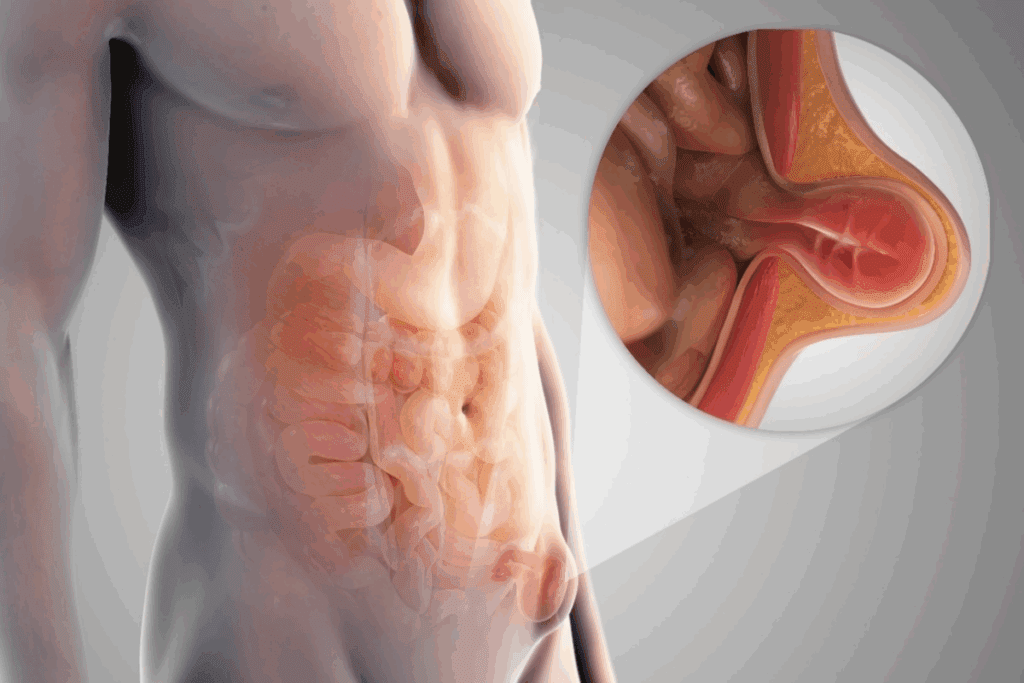
Knowing about the different colectomy procedures is key for those facing colon surgery. Colectomy, or bowel resection, removes part or all of the colon. The type chosen depends on the condition, its severity, and the patient’s health.
Total Colectomy
A total colectomy removes the whole colon. It’s often needed for conditions like familial adenomatous polyposis (FAP) or severe inflammatory bowel disease (IBD). After this surgery, patients might need an ileostomy or ileal pouch-anal anastomosis (IPAA) to manage bowel movements.
Partial Colectomy
Partial colectomy, or segmental colectomy, removes only the diseased part of the colon. It’s used for colon cancer, diverticulitis, or localized IBD. The healthy parts of the colon are then connected again to keep bowel function normal.
Hemicolectomy
Hemicolectomy removes half of the colon. It’s used when disease is on one side of the colon. Right hemicolectomy removes the right side, while left hemicolectomy removes the left side.
Proctocolectomy
Proctocolectomy removes both the colon and the rectum. It’s needed for severe rectal disease, like ulcerative colitis or FAP. After surgery, patients might need an ileostomy or IPAA to manage bowel movements.
Each colectomy procedure has its own risks and complications. It’s important for patients to understand these risks to make informed decisions about their care.
Procedure | Indications | Risks/Complications |
Total Colectomy | FAP, severe IBD | High risk of complications, need for ileostomy or IPAA |
Partial Colectomy | Colon cancer, diverticulitis, localized IBD | Risk of anastomotic leak, bowel obstruction |
Hemicolectomy | Disease confined to one side of the colon | Risk of wound infection, bowel dysfunction |
Proctocolectomy | Severe rectal disease, ulcerative colitis, FAP | High risk of complications, need for ileostomy or IPAA |
It’s vital for patients to talk to their healthcare provider about their condition and risks. This helps determine the best colectomy procedure for their needs.
Colectomy Surgery Seriousness: Is It a Major Operation?
Colectomy surgery is very serious. It’s a big deal because it’s major abdominal surgery. This surgery is not taken lightly and comes with big risks and a long recovery time.
Classification as Major Abdominal Surgery
Colectomy is seen as a major surgery because of its complexity. It affects the body a lot. This is due to the surgery’s extent, risks, and the need for a long hospital stay.
This surgery means big cuts in the belly to remove part or all of the colon. It’s done under general anesthesia. Patients need weeks in the hospital and lots of care after.
“Colectomy is a significant surgical intervention that requires careful consideration and a thorough pre-operative evaluation to minimize risks and ensure optimal outcomes.”
Comparison to Other Surgical Procedures
Colectomy stands out as a serious surgery when compared to others. Unlike simple surgeries done without staying overnight, colectomy needs a long hospital stay. It also comes with risks like infection, bleeding, and anesthesia problems.
Surgical Procedure | Complexity Level | Typical Hospital Stay |
Colectomy | Major | 5-7 days |
Appendectomy | Major | 2-4 days |
Hernia Repair | Moderate | 1-3 days |
The table shows colectomy is a complex surgery needing a longer hospital stay than simpler surgeries like hernia repair. This shows how serious colectomy is. It’s important for patients to prepare well and for doctors to give the best care.
In conclusion, colectomy surgery is a serious and major operation. Being classified as major abdominal surgery and compared to other surgeries shows its importance. It’s key for patients to understand its seriousness and for doctors to provide the best care.
Medical Conditions Requiring Colectomy
Many medical conditions can lead to a colectomy, a surgery to remove part or all of the colon. These issues can greatly affect a person’s life quality. Often, surgery is needed to improve health and prevent more problems.
Colorectal Cancer
Colorectal cancer is a main reason for colectomy. If cancer is found in the colon or rectum, removing the affected area is usually needed. Chemotherapy and radiation therapy might also be suggested to treat the cancer fully.
“Removing the cancerous part of the colon is key in treating colorectal cancer,” doctors say.
Inflammatory Bowel Disease
Inflammatory bowel disease (IBD), including Crohn’s disease and ulcerative colitis, can cause severe inflammation and damage to the colon. If medicines don’t work or if complications happen, surgery might be needed.
Diverticulitis
Diverticulitis is inflammation of the colon wall’s diverticula. Sometimes, surgery is required. If there are abscesses or perforations, a colectomy might be needed to remove the affected area.
Other Conditions
Other reasons for colectomy include:
- Severe colon injuries or trauma
- Colonic inertia or slow transit constipation
- Familial adenomatous polyposis (FAP), a genetic condition leading to multiple colon polyps
- Certain cases of gastrointestinal bleeding
These examples show why colectomy surgery is important. It helps manage many colon-related health issues.
Pre-Surgery Preparation and Assessment
Getting ready for a colectomy surgery is key. It makes sure patients are both physically and mentally ready. This affects how well they do and how they recover.
Medical Evaluation
A detailed medical check-up is vital before surgery. We run tests like blood work and imaging to check health. This finds risks and helps us plan to avoid them.
We also look at the patient’s past health, surgeries, allergies, and medicines. This info is important for safe surgery planning.
Bowel Preparation
Getting the bowel ready is also key. We often suggest a bowel cleanse or special diet. This lowers infection risk and makes the surgery easier.
Patients must follow bowel prep instructions well. We give clear advice on diet and meds.
Psychological Preparation
Preparing mentally is as important as physically. Surgery can be stressful and emotional. We help patients talk about their worries and offer support.
Mental prep for surgery and recovery is important. We provide resources and advice for patients and families. This ensures they feel supported and informed.
Surgical Approaches and Techniques
There are different ways to do colectomy surgery, like open, laparoscopic, and robotic-assisted methods. Each method is chosen based on the patient’s needs. This helps improve the chances of a good outcome.
Choosing the right surgery is key for a smooth recovery. It’s important for patients to understand the differences to make the best choice for themselves.
Open Colectomy
Open colectomy uses a big cut in the belly to reach the colon. It’s a traditional method that lets surgeons see and work on the area directly. But, it might take longer to get better than with newer methods.
According to a surgeon, “Open colectomy is important for complex cases.” The decision between open and minimally invasive surgery depends on the patient’s health and the surgery’s needs.
Laparoscopic Colectomy
Laparoscopic colectomy uses small cuts and a camera to see inside. It leads to less pain, shorter hospital stays, and faster healing. This is because it’s less invasive than open surgery.
This method needs a lot of skill from the surgeon. It results in less scarring and less mess in the belly.
Robotic-Assisted Colectomy
Robotic-assisted colectomy uses a robotic system for better control and vision. It offers clear 3D images and precise movements. This makes the surgery more accurate.
This method has many benefits, like better control and less blood loss. But, it needs special training and equipment. It might not be available everywhere.
In summary, picking the right surgery for colectomy depends on many things. These include the patient’s health, the surgeon’s skills, and the surgery’s needs. As surgery gets better, patients can look forward to better results and recovery times.
Anesthesia and Surgical Risks
Anesthesia and surgical risks are key when it comes to colectomy procedures. It’s important to know that both anesthesia complications and immediate surgical risks are vital for the surgery’s success.
Anesthesia Complications
Anesthesia is a critical part of colectomy surgery. It keeps patients comfortable and pain-free during the procedure. But, anesthesia comes with risks. These can include:
- Respiratory problems, such as difficulty breathing or respiratory failure
- Cardiovascular issues, including changes in heart rate or blood pressure
- Allergic reactions to anesthesia medications
- Nausea and vomiting after surgery
To reduce these risks, our anesthesiologists carefully check each patient’s medical history and current health. We also watch patients closely during and after surgery to quickly handle any complications.
Immediate Surgical Risks
There are also immediate risks tied to the surgery itself. These can include:
- Bleeding or hemorrhage during or after surgery
- Infection of the surgical site or internal organs
- Damage to surrounding tissues or organs
- Adverse reactions to surgical Page or equipment
We take all precautions to lower these risks. Our skilled surgeons and advanced techniques help. Our team is ready to manage any complications quickly and effectively.
Understanding the risks of anesthesia and surgery helps patients prepare for the procedure and recovery. We aim to provide the best care for our patients undergoing colectomy surgery.
Potential Complications of Colectomy Surgery
Colectomy surgery is often a lifesaver but comes with risks. It’s important to know about both short-term and long-term risks. These risks are part of the surgery’s impact.
Short-Term Complications
Short-term complications happen during or right after surgery. These can include:
- Infection: As with any surgery, there’s a risk of infection with colectomy.
- Bleeding: Excessive bleeding during or after surgery is a possible complication.
- Adhesions: Scar tissue can form.
- Complications related to anesthesia: Risks such as respiratory or cardiac issues can occur.
Doctors say, “The risk of complications can be minimized with proper pre-surgical evaluation and post-operative care.”
“Careful patient selection and meticulous surgical technique are key in reducing short-term complications.”
Long-Term Complications
Long-term complications can show up after recovery. These may include:
- Changes in bowel habits: Patients may see changes in bowel movements.
- Ostomy complications: For those with an ostomy, issues like skin irritation or stoma prolapse can happen.
- Nutritional deficiencies: There’s a risk of nutritional deficiencies, mainly if a big part of the colon is removed.
- Potential for future surgeries: Some patients might need more surgeries because of complications or the condition coming back.
Managing these complications involves a detailed follow-up care plan, including dietary changes and monitoring. A medical expert says, “Long-term care is key to reducing the risks of colectomy surgery.”
High-Risk Patients for Colectomy Complications
Certain patient factors can significantly increase the risk of complications following colectomy surgery. Understanding these risks is key for better patient care and outcomes.
Age-Related Risk Factors
Age is a big factor in colectomy surgery risks. Older adults face higher risks due to less physical strength, health issues, and possible brain problems. We need to carefully check the health of older patients to find the best care for them.
Older patients might need more checks before surgery to lower risks. This includes looking at their nutrition, heart health, and other factors that could affect their recovery.
Pre-existing Health Conditions
Patients with health issues like diabetes, heart disease, or COPD face higher risks after colectomy surgery. These conditions can slow healing, increase infection risk, and make anesthesia harder.
We stress the need to manage these conditions before surgery to lessen risks. This might involve working closely with other healthcare experts to improve the patient’s health.
Emergency vs. Planned Surgery
The urgency of the surgery is also key to patient outcomes. Emergency surgeries, often done quickly, have higher risks than planned surgeries. In emergencies, there’s less time for full preparation.
Planned surgeries, on the other hand, allow for detailed preparation and evaluation. This helps us reduce risks and improve results. Patients having planned colectomy can get detailed pre-surgery instructions and health optimization.
By understanding these factors, we can better spot high-risk patients. We can then tailor our approach to meet their needs, improving the safety and success of colectomy surgery.
Hospital Stay and Immediate Recovery
After a colectomy, the hospital stay is key for managing pain and avoiding problems. The time in the hospital can change a lot. It depends on the surgery type, the patient’s health, and if any issues come up during or after surgery.
Typical Length of Hospitalization
The time in the hospital after a colectomy can be a few days to over a week. Patients who have laparoscopic colectomy usually stay less than those with open colectomy. Here’s what we usually see:
- 3 to 5 days for laparoscopic procedures
- 5 to 7 days or more for open colectomy
These are just general guidelines. The actual stay can change based on many factors, like any post-operative problems.
Post-Operative Care in Hospital
In the hospital, patients get a lot of care after surgery. This includes watching their vital signs, managing pain, and stopping any problems. Our team keeps an eye out for signs of infection, bleeding, or other urgent issues.
Aspect of Care | Description |
Vital Sign Monitoring | Continuous observation of temperature, blood pressure, heart rate, and other vital signs to ensure stability. |
Pain Management | Administration of appropriate analgesics to manage pain effectively. |
Nutritional Support | Guidance on diet and nutrition to aid in recovery and bowel function. |
Pain Management
Managing pain well is very important after surgery. We use different ways to help with pain. This includes:
- Patient-controlled analgesia (PCA) for self-administered pain relief
- Oral analgesics as the patient recovers and can tolerate oral intake
- Regional anesthesia techniques to reduce pain in specific areas
We want patients to be comfortable. This helps them recover better, including moving around and doing breathing exercises to avoid problems.
Living with an Ostomy After Colectomy
For some, colectomy surgery means living with an ostomy. An ostomy is a surg PageSpeedically PageSpeedcreated opening in the abdomen for waste. It’s important to know about the different types, how to care for them, and the emotional adjustments needed.
Types of Ost PageSpeedies era PageSpeedcreated
After a colectomy, patients might have different types of ostomies. The most common include:
- Ileostomy: This is when the bottom of the small intestine (ileum) is attached to an opening in the abdomen. It’s often needed when the large intestine is removed or needs to heal.
- Colostomy: A part of the colon is brought to the surface of the abdomen, creating an opening for waste. The type of colostomy depends on which part of the colon is involved.
Stoma Care Basics
Stoma care is key to prevent problems and keep the patient comfortable. Basic care includes:
- Keeping the stoma and surrounding skin clean.
- Using the right type and size of ostomy bag.
- Changing the ostomy bag regularly to prevent leakage.
- Monitoring the stoma for any signs of complications, such as irritation or blockage.
Care Activity | Frequency | Purpose |
Cleaning the stoma | Daily | Prevent infection and irritation |
Changing the ostomy bag | Every 3-7 days | Maintain hygiene and prevent leakage |
Inspecting the stoma | Daily | Early detection of complications |
Psychological Adjustment
Adjusting to life with an ostomy can be tough, not just physically but also emotionally. Patients may feel anxious, depressed, or angry. Support from healthcare, family, and support groups is vital for adjusting.
We know living with an ostomy means big lifestyle changes. But with the right care PageSpeedand support, many patients lead active and PageSpeedful lives.
Long-Term Recovery Timeline
The journey to recovery after a colectomy is slow and requires patience. Every person’s path is different. It’s important to understand this.
First Few Weeks After Discharge
Right after leaving the hospital, the first weeks are key. You might feel weak and have some pain. This is normal and can be managed with medicine.
Rest well and avoid heavy lifting or hard work. Bowel changes and diet adjustments are common. You might also feel pain around the surgery site, but it should get better over time.
1-3 Months Post-Surgery
In the 1-3 months after surgery, you’ll likely feel much better. The pain will lessen, and you can start doing light exercises again.
Adjusting your diet will also become more important. You might need to keep changing your eating habits to manage your bowel movements.
Complete Recovery Expectations
The time it takes to fully recover varies. It depends on the surgery type, your health, and following doctor’s orders.
It can take months or even a year to get back to how you were before surgery. Regular check-ups with your doctor are vital. They help track your healing and address any issues.
Knowing the recovery timeline helps you prepare. It sets realistic expectations and can improve your recovery experience.
Life After Colectomy: Long-Term Effects
Colectomy surgery can change a patient’s digestive system and life quality. It’s key to know the changes and how to adapt for a healthy life after surgery.
Digestive System Changes
Colectomy surgery can change how the digestive system works. Removing part or all of the colon can affect water and electrolyte absorption. Patients might have diarrhea or constipation, depending on the surgery and colon function.
Some may notice changes in bowel movements or stool consistency. These can be managed with diet and sometimes medication.
Dietary Adjustments
Diet is very important after colectomy surgery. Patients are often told to eat smaller, more frequent meals. They should avoid foods that cause gas or diarrhea and drink plenty of water.
A balanced diet is key for recovery and health. Foods high in sugar, fat, or spice should be avoided. A diet with enough fiber can help with bowel movements, but tolerance varies.
Dietary Recommendations | Foods to Avoid |
High-fiber foods (in moderation) | High sugar foods |
Lean proteins | Fatty or fried foods |
Adequate hydration | Spicy foods |
Quality of Life Impact
The quality of life after colectomy surgery varies. Some see big improvements, while others face ongoing digestive challenges.
With the right care and support, many lead active, fulfilling lives. It’s vital for patients to work with their healthcare providers to manage issues and make lifestyle changes.
Understanding colectomy’s long-term effects helps patients prepare for changes. With proper care and support, maintaining a good quality of life is possible.
Conclusion
Colectomy surgery is a big deal. It involves removing part or all of the colon. We’ve talked about how serious it is, being a major surgery with big risks and a long recovery.
The risks of colectomy surgery are real. They show why patients need careful care before and after the surgery. Knowing how serious it is helps both patients and doctors work towards the best results.
Even though colectomy surgery is serious, understanding it well can help a lot. It can improve how patients recover and live their lives after surgery. We stress the need for full support for those going through colectomy. This support should cover the surgery’s risks and its lasting effects.
FAQ
What is colectomy surgery, and when is it necessary?
Colectomy, or bowel resection, is a major surgery to remove part or all of the colon. It’s needed for conditions like colorectal cancer, inflammatory bowel disease (IBD), and diverticulitis.
What are the different types of colectomy procedures?
Types include total colectomy, partial colectomy, hemicolectomy, and proctocolectomy. Each has specific indications and risks.
How serious is colectomy surgery?
It’s a major abdominal operation with significant risks, requiring careful monitoring and preparation.
What are the risks associated with colectomy surgery?
Risks include anesthesia complications, surgical bleeding or infection, changes in bowel habits, ostomy-related issues, and nutritional deficiencies. Older adults, patients with pre-existing conditions, or emergency surgeries have higher risks.
What is the typical hospital stay after colectomy?
Hospitalization usually lasts 3–5 days for laparoscopic surgery and 5–7+ days for open surgery, depending on the patient’s condition.
How is pain managed after surgery?
Pain is managed with medications, including patient-controlled analgesia (PCA), oral analgesics, and regional anesthesia when needed.
What is life like after colectomy surgery?
Life may involve dietary adjustments and possibly living with an ostomy. Recovery takes time, and ongoing support is important.
Can I fully recover from colectomy surgery?
Recovery depends on surgery type, health, and complications, but with proper care, many patients can live well post-surgery.
How does colectomy affect the digestive system long-term?
Bowel habits and nutrient absorption may change. Diet adjustments and healthcare support help manage these changes.
How do I care for an ostomy after colectomy?
Ostomy care includes cleaning, changing the bag regularly, and monitoring for complications, with guidance from healthcare teams.
References
National Center for Biotechnology Information. Evidence-Based Medical Insight. Retrieved from https://pmc.ncbi.nlm.nih.gov/articles/PMC1421107/