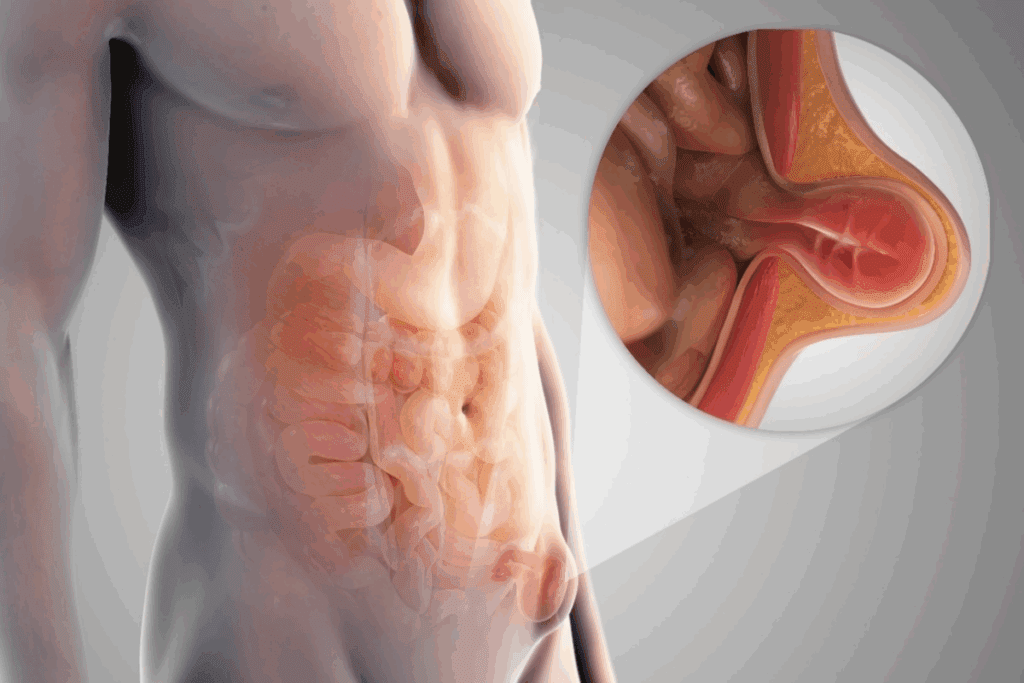
Colorectal surgery is key in treating many gastrointestinal issues. A lot of people have colectomy surgery each year. This is often due to colon cancer, diverticulitis, or inflammatory bowel disease. Our expert guide to the colectomy surgical procedure. Discover what to expect, the different techniques, and essential preparation steps.
Thinking about surgery can be scary, but knowing what happens can ease worries The colectomy surgical procedure means removing part or all of the colon. It’s important to understand the steps and what recovery is like.
Key Takeaways
- Understanding the reasons for undergoing a colectomy
- Preparation steps before the surgery
- An overview of the colectomy surgery steps
- Insights into the colectomy recovery process
- Post-surgery care and management
Understanding Colectomy: Definition and Purpose
Colectomy is a major surgery that removes part or all of the colon. It treats many diseases of the large intestine. We’ll look into what it is, why it’s needed, and the various surgeries involved.
What is a Colectomy?
A colectomy is a surgery that takes out some or all of the colon. It’s done to treat diseases of the colon. The amount removed depends on the disease and its severity.
Medical Conditions Requiring Colectomy
Many health issues might need a colectomy. These include:
- Colorectal Cancer: A cancer in the colon or rectum that needs surgery to remove it.
- Diverticulitis: Inflammation of the colon’s small pouches, often needing surgery if it gets worse.
- Inflammatory Bowel Disease (IBD): Diseases like Crohn’s and ulcerative colitis, causing long-term inflammation, might need surgery if other treatments don’t work.
- Polyposis: A condition with many polyps in the colon, some of which can become cancerous.
Types of Colectomy Procedures
Colectomy surgeries differ based on how much and where the colon is removed. The main types are:
Type of Colectomy | Description |
Partial Colectomy | Removes a part of the colon. |
Total Colectomy | Takes out the whole colon. |
Right Colectomy | Removes the right side of the colon. |
Left Colectomy | Removes the left side of the colon. |
Sigmoid Colectomy | Removes the sigmoid colon. |
Knowing about the different colectomy surgeries helps patients understand their options and what to expect during and after surgery.
Pre-Surgical Evaluation and Preparation
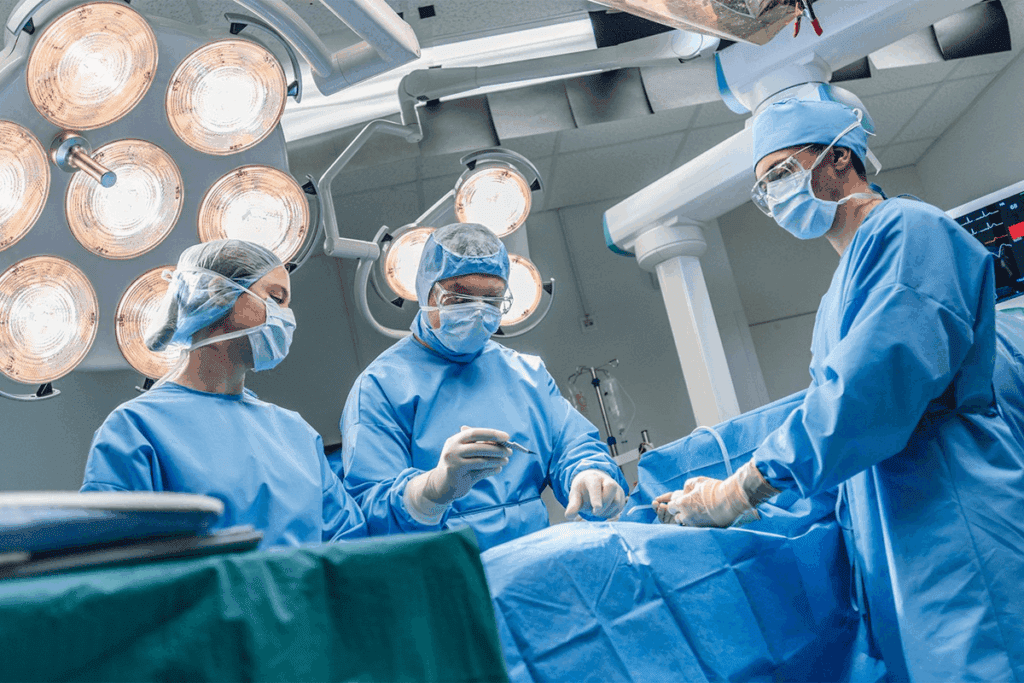
Before a colectomy, patients go through many evaluations and steps to prepare. This helps find and fix any risks. It makes the surgery safer and more effective.
Initial Consultation and Diagnosis
The first meeting is key. The doctor checks the patient’s health and why they need the surgery. They talk about the patient’s health history, do a physical check, and look at test results. This helps plan the surgery.
Pre-operative Testing and Imaging
Tests and scans are done before surgery. These include blood tests, colonoscopy, CT scans, or MRI scans. These tools help us understand the disease and plan the surgery.
Bowel Preparation Process
Cleaning the bowel is a big part of getting ready for surgery. It helps prevent infections. Patients follow special diet and laxative instructions. It’s important to follow these steps carefully.
Dietary and Medication Guidelines
Before surgery, patients change their diet and may stop or change medications. We give clear instructions on what to eat and what medications to avoid. This ensures the patient’s safety during the surgery.
The Colectomy Surgical Procedure: Step-by-Step Process
The colectomy surgery is a detailed process to keep patients safe and ensure good results. We will walk you through the main steps of this complex operation.
Patient Positioning and Preparation
Getting the patient in the right position is key for a successful colectomy. The patient is put under general anesthesia and placed on the operating table. This allows us to access the abdominal cavity. We make sure the patient is securely fastened to prevent movement during surgery.
Anesthesia Administration
Anesthesia is essential for the patient’s comfort and safety. General anesthesia is given to make the patient unconscious and pain-free. Our anesthesiologists watch the patient’s vital signs closely and make any needed adjustments.
Operating Room Setup and Sterile Field
The operating room is set up to keep everything sterile, reducing infection risk. The surgical team scrubs in, and the abdominal area is cleaned and covered. We use only sterile equipment and follow strict protocols to keep the environment clean.
Initial Surgical Approach
The first cut is made, and the approach depends on the type of colectomy. For open colectomy, a bigger incision is used for direct access. Laparoscopic surgery, on the other hand, uses smaller incisions for instruments and a camera.
Step | Description | Key Considerations |
Patient Positioning | Securing the patient on the operating table | Preventing movement, ensuring access |
Anesthesia Administration | Rendering the patient unconscious | Monitoring vital signs, adjusting as necessary |
Operating Room Setup | Maintaining a sterile environment | Using sterile equipment, following protocols |
Initial Surgical Approach | Making the initial incision | Varying the approach based on surgery type |
Open Colectomy Technique
The open colectomy technique has been used for many years to treat colon issues. It involves making a cut in the belly to reach the colon directly.
Abdominal Incision Approach
The surgeon makes a cut in the belly, usually down the middle. The size of the cut depends on the patient’s needs and the surgery’s extent. Choosing the right spot for the cut helps reduce scarring and aids in recovery.
Exposure and Visualization of the Colon
After the cut is made, the surgeon moves tissues aside to see the colon. This is key to seeing the problem area and figuring out how bad it is. Good visibility helps with more accurate surgery.
Colon Mobilization and Blood Vessel Management
The colon is then freed from its attachments. This is needed to find and remove the bad part. The blood vessels are tied off to stop bleeding during the surgery.
Step | Description | Importance |
Colon Mobilization | Freeing the colon from attachments | Essential for isolating the affected colon segment |
Blood Vessel Management | Ligating and dividing blood vessels | Critical for preventing bleeding |
Resection | Removing the affected colon segment | Primary goal of the surgery |
Resection and Removal Techniques
The bad part of the colon is cut out, and the healthy parts are joined back together. The way the colon is cut out depends on where and how big the problem is. The aim is to get rid of the bad part while keeping as much colon function as possible.
By following these steps, surgeons can do a successful open colectomy. This helps patients get better from colon problems.
Laparoscopic Colectomy Procedure
In a laparoscopic colectomy, surgeons use a camera and special tools through small cuts to remove a part of the colon. This method cuts down on recovery time and scarring for those having colon surgery.
Small Incisions and Port Placement
The procedure starts with small cuts in the belly, about 0.5 to 1 cm long. These cuts are for the tools and camera. Where these cuts are made is key for the surgeon to see and work on the area well.
Port placement is planned to help the surgeon work accurately and safely. This way, they avoid harming nearby tissues and organs.
Camera and Instrument Utilization
A high-definition camera is put through one of the cuts. It shows a clear, big view of the colon and nearby areas on a screen. This helps the team see exactly what they’re doing.
The tools, like dissectors and graspers, are used to move the colon and cut blood vessels. They help remove the bad part of the colon without hurting the rest. This careful work reduces damage to the area.
Minimally Invasive Colon Removal Steps
The steps to remove a part of the colon include:
- Mobilizing the colon to access the diseased segment
- Dividing the blood vessels supplying the affected area
- Transecting the colon proximal and distal to the diseased segment
- Removing the specimen through an enlarged port site or a small abdominal incision
Specimen Extraction Methods
Removing the bad part of the colon is a key part of the procedure. It’s usually taken out through a bigger cut in the belly or a small incision. The choice depends on the size of the part removed and the surgeon’s preference.
Specimen Extraction Method | Description | Advantages |
Enlarged Port Site | Removing the specimen through one of the existing port sites, which is slightly enlarged. | Minimizes additional scarring |
Small Abdominal Incision | Making a small incision in the lower abdomen to extract the specimen. | Allows for removal of larger specimens |
Robotic-Assisted Colectomy Techniques
Robotic-assisted colectomy is a big step forward in surgery. It brings better precision and vision. This method has changed colorectal surgery a lot, giving surgeons more control and skill in tough operations.
Robotic System Configuration
The robotic setup for colectomy is designed for the best view and control. It has a console for the surgeon, robotic arms for the patient, and a 3D vision system. The setup is made for each procedure’s needs, giving the surgeon the best view and control.
Surgeon Control and 3D Visualization
Robotic-assisted colectomy gives surgeons more control. The 3D visualization lets them see the area clearly, making precise cuts and handling tissues well. This precision is hard to get with old laparoscopic methods.
Precision Dissection and Tissue Handling
The precision of robotic-assisted colectomy is key in dissection and handling tissues. The robotic tools can move with very small accuracy, which helps avoid damage to nearby tissues. This precision helps remove the bad part of the colon better, which can lead to better results for patients.
Advantages and Limitations
Robotic-assisted colectomy has many benefits, like less recovery time, less pain, and better looks because of smaller cuts. But, it also has downsides, like being expensive and needing special training. Despite these, its benefits make it a good choice for many.
- Advantages:Enhanced precision and visualization
- Reduced postoperative pain and recovery time
- Improved cosmetic outcomes
- Limitations:High cost of robotic systems
- Need for specialized training
- Limited availability in some regions
Intestinal Anastomosis: Reconnecting the Bowel
Intestinal anastomosis is a key part of colectomy surgery. It involves reconnecting the bowel. This is vital for the normal flow of intestinal contents and the patient’s recovery.
Hand-Sewn Anastomosis Technique
The hand-sewn anastomosis technique requires the surgeon to sew the bowel ends together. This method offers precise control and is used in complex cases.
Key steps in hand-sewn anastomosis include:
- Preparing the bowel ends for anastomosis
- Placing initial stay sutures to align the bowel
- Completing the anastomosis with a continuous or interrupted suture technique
Stapled Anastomosis Methods
Stapled anastomosis uses a surgical stapler to join the bowel ends. It’s faster than hand-sewn and can be less likely to leak.
The stapling device is designed to:
- Cut the bowel ends to prepare them for anastomosis
- Insert staples to secure the bowel in place
- Create a secure seal to prevent leakage
Testing Anastomosis Integrity
After the anastomosis, the surgeon checks for leaks. This is done by filling the abdomen with saline and then inflating the bowel with air.
The presence of bubbles indicates a leak, which must be addressed:
- Repairing the leak with additional sutures
- Revising the anastomosis if necessary
Reinforcement Strategies
To lower the risk of leakage, surgeons use reinforcement strategies. These include omental flaps or other tissue to cover the anastomosis site.
Reinforcement techniques can:
- Provide additional support to the anastomosis
- Enhance the healing process
- Reduce the risk of complications
Stoma Creation in Certain Colectomy Procedures
In some colectomy procedures, a stoma is created. A stoma, or ostomy, is an opening in the abdomen. It allows waste to be diverted when the normal route is not possible.
Indications for Temporary or Permanent Stomas
Stomas can be temporary or permanent. A temporary stoma helps the bowel heal after surgery. A permanent stoma is needed when a lot of the colon or rectum is removed.
We look at several factors to decide if a stoma is needed. These include the disease extent, patient health, and the surgery type.
Colostomy Formation Technique
A colostomy brings a part of the colon to the abdomen. We carefully choose the right colon segment and attach it to the abdominal wall.
The stoma is then secured to the skin. This makes a functional opening.
Ileostomy Creation Process
An ileostomy brings the ileum to the abdomen. This is done when the colon is removed or bypassed.
We mobilize the ileum, bring it through the wall, and secure it. This creates a stoma.
Site Selection and Marking
Choosing the right stoma site is key for comfort and management. We look at the patient’s body shape, skin, and scars.
Type of Stoma | Description | Indications |
Colostomy | Involves bringing a portion of the colon to the abdominal surface | Disease or injury affecting the colon |
Ileostomy | Involves bringing the ileum to the abdominal surface | Removal or bypass of the colon |
Specific Colectomy Variations by Location
The type of colectomy surgery depends on where and how much of the colon is affected. This lets surgeons tailor the surgery to each patient’s needs. It ensures the best treatment for them.
Right Colectomy Procedure
A right colectomy removes the right side of the colon. It’s used for cancer or severe disease in this area. We use advanced techniques to remove the bad part while keeping the good tissue.
To do this, we make incisions, either open or laparoscopic. Then, we mobilize the colon and tie off blood vessels. After that, we remove the diseased part.
Left Colectomy Procedure
A left colectomy removes the left side of the colon. It’s needed for diverticulitis or tumors in the left colon. Our surgeons are very careful to remove the bad part without harming the rest of the digestive system.
We find and tie off blood vessels, then remove the diseased part. If we can, we reconnect the colon to keep bowel function normal.
Sigmoid Colectomy Procedure
The sigmoid colectomy removes the sigmoid colon in the lower abdomen. It’s used for cancer or severe diverticulitis. We use the latest tools and imaging to remove the bad area precisely.
We carefully dissect to find the sigmoid colon, then remove it. We reconnect the rest of the colon to keep bowel function right.
Total Colectomy Procedure
A total colectomy removes the whole colon. It’s for severe conditions like FAP or ulcerative colitis. We plan carefully to meet each patient’s needs and get the best results.
In a total colectomy, we take out the whole colon, trying to keep the rectum. We might make an ileostomy or connect the small intestine to the rectum or anus, based on the patient’s situation and the surgeon’s advice.
Surgical Tools and Technology in Colectomy Surgical Procedure
Innovative tools and technology have changed colectomy procedures. They improve precision, safety, and patient results. We’ll look at the tools and tech used in these surgeries.
Stapling Devices for Bowel Reconnection
Stapling devices are key in colectomy surgery for joining the bowel. Modern devices offer better precision and reliability. They have features like:
- Variety of staple sizes for different tissues
- Advanced design for easier use
- Safety features to prevent accidents
Ethicon’s Echelon Flex and Medtronic’s Tri-Staple are examples. They make bowel reconnection more efficient and reliable.
Energy Devices for Tissue Sealing
Energy devices are used for sealing and dissecting tissues in colectomy. They use ultrasonic or bipolar energy for precise cutting and sealing. Their benefits include:
- Less bleeding and complications
- Minimal damage to nearby tissues
- More precise dissection
Harmonic Scalpel by Ethicon and Ligasure by Medtronic are examples. They are essential in modern colectomy surgery.
Imaging and Navigation Systems
Imaging and navigation systems improve colectomy precision. They offer real-time images and guidance. This helps surgeons navigate complex anatomy accurately. Key features include:
- High-definition images for clear views
- Real-time navigation for instrument tracking
- Integration with other tools for a complete approach
Medtronic’s SuperDimension and Stryker’s Navigation System are examples. They have greatly improved colectomy accuracy and safety.
Specialized Retraction Equipment
Specialized retraction equipment is vital for clear views during colectomy. These tools gently move tissues for better exposure. Their benefits include:
- Improved exposure for complex surgeries
- Less risk of tissue damage
- Enhanced ergonomics for surgeons
Bookwalter retractors and Thompson retractors are examples. They provide stable and effective retraction, making surgery smoother.
Immediate Post-Operative Care
After a colectomy, patients need close monitoring and care. This is key to a smooth recovery. It helps catch and manage any early complications.
Recovery Room Monitoring
In the recovery room, our team watches the patient’s vital signs. This includes heart rate, blood pressure, and oxygen levels. We also check their consciousness and pain to keep them comfortable and stable.
Pain Management Strategies
Pain management is a top priority. We use medicines and other methods to reduce pain. Our plan is made just for the patient, ensuring they get the best care.
Early Mobilization Protocols
Early mobilization helps prevent problems like deep vein thrombosis. It also aids in healing. Our team teaches patients how to move safely and increase their activity gradually.
Wound Care and Drain Management
Good wound care is vital for healing and avoiding infection. Our team shows patients how to care for their surgical site and manage any drains. We watch for signs of infection or other issues.
Managing Possible Complications During Surgery
Surgeons doing colectomies need to handle unexpected problems that might happen during the surgery. It’s key to manage these complications well for the surgery’s success and the patient’s recovery.
Bleeding Control Techniques
Stopping bleeding is a big part of colectomy surgery. Hemostasis can be done with electrocautery, ligation, and hemostatic agents. Surgeons must know these methods well to reduce blood loss.
Bleeding Control Method | Description | Advantages |
Electrocautery | Uses electrical energy to cut and coagulate tissue | Effective for immediate hemostasis |
Ligation | Involves tying off blood vessels | Secure method for larger vessels |
Hemostatic Agents | Topical agents that promote clotting | Useful for diffuse bleeding |
Infection Prevention Measures
Stopping infections is also key in managing complications during colectomy surgery. Prophylactic antibiotics are given before surgery to lower infection risk. Keeping the area clean and using sterile tools are also important.
Addressing Anatomical Challenges
Surgeons might face unique anatomical issues during a colectomy. Preoperative imaging helps spot these problems early. This allows for better planning. Quick decisions during surgery are also key to handle unexpected anatomical challenges.
Intraoperative Decision-Making
Quick and smart decisions during surgery are vital. Surgeons need to think fast and make the right choices to get the best results for patients.
Hospital Recovery Process After Colectomy
The recovery in the hospital after a colectomy is very important. It involves managing wounds, starting to eat again, and watching how the bowel works. Our team works hard to give patients the best care to help them get better.
Wound Care and Management
Good wound care is key to avoid infections and help wounds heal. Our doctors and nurses will clean and cover the surgical area often. They also teach patients how to care for their wound when they go home.
Key aspects of wound care include:
- Watching for signs of infection, like redness, swelling, or more pain
- Keeping the wound clean and dry
- Changing dressings as told by healthcare staff
Resuming Oral Intake
Patients start with liquids after surgery and move to solid foods as they get better. Our nutrition team gives advice on food to help with this change.
It’s important to:
- Drink lots of fluids
- Eat small meals often to help with digestion
- Avoid foods that might upset the stomach or cause gas
Monitoring Bowel Function Return
When the bowel starts working again is a big step in getting better. Our team watches for signs like passing gas or having a bowel movement.
Indicator | Description | Timeline |
Bowel Sounds | Return of normal bowel sounds | 1-3 days post-op |
Passing Gas | First passage of gas after surgery | 2-4 days post-op |
Bowel Movement | First bowel movement after surgery | 3-5 days post-op |
Physical Therapy and Ambulation
Moving around early is important to avoid problems and help recovery. Our physical therapy team helps patients with exercises to get stronger and more mobile.
Benefits of physical therapy include:
- Lower risk of blood clots and pneumonia
- Better circulation and wound healing
- Improved physical function and less tiredness
Discharge Planning and Home Care Instructions
When patients are ready to go home after a colectomy, they get detailed plans and instructions. This step is key for a smooth move from hospital to home care.
Activity Restrictions and Guidelines
We tell patients to avoid heavy lifting and bending to prevent problems and help healing. They should start with short walks and light exercises as they get back to normal.
Dietary Recommendations
After a colectomy, eating the right foods is important. We suggest a balanced diet full of nutrients. Patients start with liquids or soft foods and then move to solid foods as their bowel gets better.
Medication Management
Managing medications is key for pain, preventing infection, and handling side effects. We give clear instructions on how to take the medicines, when, and what to watch for.
Follow-up Appointment Schedule
We set up follow-up visits to check on the patient’s healing, remove stitches, and talk about any issues. Keeping these appointments is critical for a good recovery.
By following these plans and instructions, patients can improve their recovery after a colectomy. Our team is here to support and guide them every step of the way.
Potential Complications and Management
Colectomy is usually safe, but it can have risks. Knowing these risks helps with recovery and care.
Short-Term Surgical Complications
Right after surgery, patients might face bleeding, infection, or bad reactions to anesthesia. We watch patients closely to spot and fix these problems fast.
To stop bleeding, we use different methods, like going back into surgery. We also use antibiotics to prevent infection.
Long-Term Functional Issues
After surgery, some people might have bowel problems, obstruction, or need a stoma. We help manage these with diet changes, meds, and follow-up visits.
Patients might need to change their diet to handle bowel issues. For those with a stoma, we offer detailed care advice.
When to Seek Medical Attention
It’s important for patients to know when to get help after surgery. Look out for severe pain, fever, vomiting, and a lot of bleeding or discharge.
We tell patients to watch their recovery closely. If they see any worrying signs, they should reach out to their doctor right away.
Strategies for Complication Prevention
Stopping complications is a big part of colectomy care. We use careful surgery, thorough checks before surgery, and detailed care after.
Teaching patients is also key. By knowing the signs of problems and following instructions, patients can lower their risk of bad outcomes.
Conclusion
We’ve looked into the details of colectomy procedures, from the start to aftercare. A colectomy is a big surgery that needs careful planning, exact execution, and detailed follow-up.
It’s important to know about the different colectomy methods, like open, laparoscopic, and robotic-assisted. Each has its own reasons for use, advantages, and possible issues.
Good colectomy care is more than just surgery. It includes educating patients, managing aftercare well, and providing ongoing support. This shows how important a team effort is for the best results.
In wrapping up our talk on colectomy, we see that knowing a lot and having a great healthcare team are key. Our aim is to offer top-notch care and support to patients from around the world who need colectomy and other complex treatments.
FAQ
What is a colectomy, and why is it performed?
A colectomy is a surgery where part or all of the colon is removed. It treats conditions like colon cancer and inflammatory bowel disease. This surgery helps manage various colon disorders.
What are the different types of colectomy procedures?
There are several colectomy procedures. These include right, left, sigmoid, and total colectomy. The choice depends on the disease’s location and extent.
How is a colectomy performed?
A colectomy can be done through open surgery, laparoscopic surgery, or robotic-assisted surgery. The method chosen varies based on the patient’s health and the surgeon’s expertise.
What is the difference between open and laparoscopic colectomy?
Open colectomy uses a big incision. Laparoscopic colectomy uses small incisions for a camera and tools. Laparoscopic surgery is less painful and leads to quicker recovery.
What is robotic-assisted colectomy?
Robotic-assisted colectomy is a minimally invasive surgery. It uses a robotic system for better visualization and precision. This method allows for more accurate surgery.
How long does it take to recover from a colectomy?
Recovery time after a colectomy varies. It depends on the surgery type, the patient’s health, and any complications. Patients usually stay in the hospital for days and take weeks to fully recover.
What are the possible complications of a colectomy?
Complications can include bleeding, infection, and bowel obstruction. There’s also a risk of long-term issues like changes in bowel habits.
How is pain managed after a colectomy?
Pain management involves medications like opioids and acetaminophen. The plan depends on the patient’s needs and the surgeon’s preference.
What are the dietary recommendations after a colectomy?
After a colectomy, start with clear liquids and gradually move to solid foods. Avoid foods that irritate the bowel. A specific diet may be needed to manage bowel function.
When can I resume normal activities after a colectomy?
When to resume normal activities depends on recovery and the surgeon’s instructions. Avoid heavy lifting and strenuous activities for weeks after surgery.
References
National Center for Biotechnology Information. Evidence-Based Medical Insight. Retrieved from https://www.ncbi.nlm.nih.gov/pmc/articles/PMC5380454/