Last Updated on December 3, 2025 by Bilal Hasdemir
Stem cells are the body’s raw materials.Collagen building vitamins can turn into different cell types. A huge 1 in 10 adults in the U.S. could be helped by stem cell therapy. Nutrition and vitamins affect how stem cells are made.
Nutrients are key for making stem cells. This is important for staying healthy. Vitamins that help make collagen are also important. They keep skin, bones, and connective tissue healthy.
Key Takeaways
- Vitamins play a crucial role in supporting stem cell production.
- What we eat is important for stem cell health.
- Collagen production is linked to health and wellness.
- Some vitamins help make collagen.
- Eating well is key for stem cell health.
The Relationship Between Vitamins, Stem Cells, and Collagen
Vitamins, stem cells, and collagen work together to help our bodies heal and stay healthy. Vitamins are key nutrients that help our bodies work right. They help make stem cells and collagen.
What Are Stem Cells and Why Are They Important?
Stem cells are special cells that can turn into many types of cells in our body. They help us grow, repair tissues, and keep our body systems healthy. Stem cells can become skin cells, muscle cells, or even nerve cells, which is why they’re so important for our health and healing.
- Stem cells help our body fix itself.
- They can help treat many health problems.
- Stem cells are key for keeping our skin and tissues healthy.
How Vitamins Influence Stem Cell Production and Collagen Synthesis
Vitamins are very important for stem cells and collagen. Vitamin A helps control how stem cells grow and is linked to collagen production. Vitamin C is also key for making collagen because it helps create collagen fibers.
- Vitamin A helps stem cells stay healthy.
- Vitamin C is important for making collagen.
- B vitamins help with how stem cells work.
Knowing how vitamins, stem cells, and collagen work together helps us find ways to naturally boost collagen. By eating enough vitamins, we can help our body heal and keep our tissues healthy.
Understanding Stem Cell Biology and Regeneration
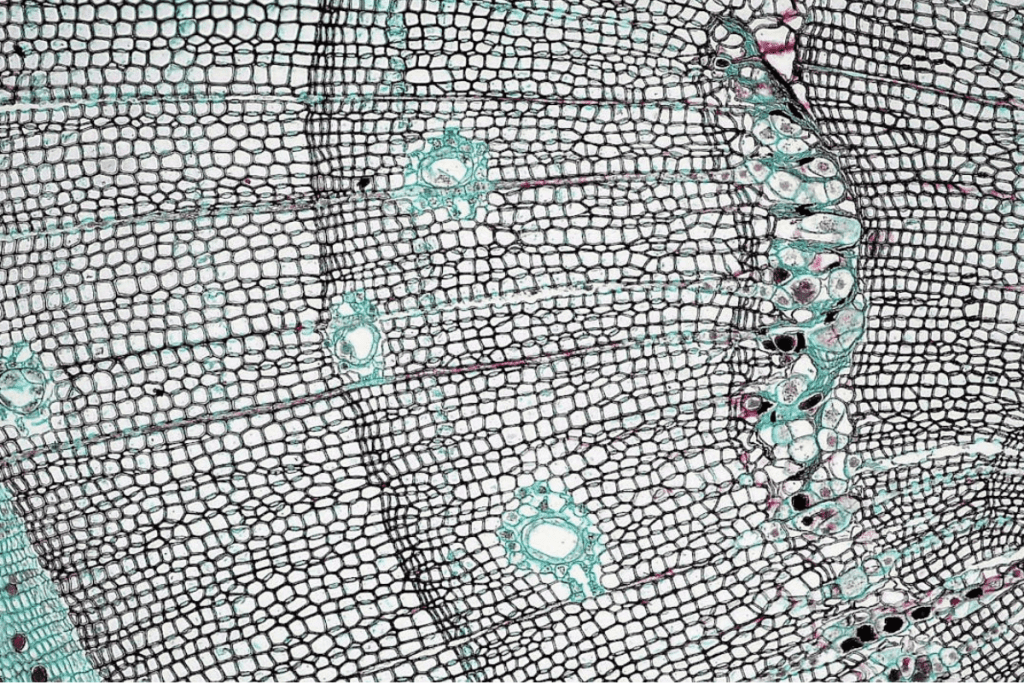
Stem cell biology is key to unlocking regeneration secrets in medicine. Stem cells can turn into different cell types. They play a big role in growth, repair, and health.
Stem cell biology studies their properties and role in repair. New discoveries show stem cells’ power in medicine. They offer hope for many diseases and injuries.
The Science of Cellular Regeneration
Cellular regeneration is complex, involving many cell types, including stem cells. Stem cells are essential because they can renew themselves and become specialized cells. These cells replace damaged or sick cells.
The science of regeneration focuses on how stem cells work. It looks at how they help keep tissues healthy and repair them. Vitamins and nutrients are important for stem cell health and regeneration.
How Stem Cells Contribute to Tissue Repair
Stem cells help repair tissues by turning into the right cell types. This is key for keeping tissues working well, after injury or disease.
Stem cell repair work depends on many factors. Nutrients and vitamins are important for their health and function. For example, vitamins A, C, and D help regulate stem cells and aid in repair.
The Connection Between Stem Cells and Collagen Production
Collagen production is tied to stem cells, as they can become fibroblasts. Collagen is vital for tissue structure and strength. It’s found in skin, bones, and connective tissue.
The link between stem cells and collagen shows the need to support stem cell health. Good nutrition, including vitamins and minerals, helps collagen production. This supports tissue repair and overall health.
Vitamin A: A Powerful Regulator of Stem Cell Function
Vitamin A is key in controlling stem cell activity, affecting many body processes. It’s a fat-soluble vitamin needed for healthy skin, vision, and immune system. Studies show it’s important in stem cell development, helping them turn into specific cell types.
Mechanisms of Vitamin A in Stem Cell Differentiation
Vitamin A’s active form, retinoic acid, affects stem cell development. It works by changing gene expression. It binds to receptors that control gene activity, guiding cell development.
The process involves several key steps:
- Retinoic acid binds to RARs and RXRs, forming a complex that translocates to the nucleus.
- This complex then binds to specific DNA sequences, known as retinoic acid response elements (RAREs), to regulate gene transcription.
- The resulting changes in gene expression drive the differentiation of stem cells into specialized cell types, such as epithelial cells and neurons.
Vitamin A and Collagen: Understanding the Relationship
Vitamin A is also linked to collagen production. Collagen gives skin, bones, and connective tissue strength and flexibility. Vitamin A doesn’t directly boost collagen but helps keep cells that make collagen healthy.
Some key points to consider:
- Vitamin A helps regulate the expression of genes involved in collagen synthesis.
- It supports the health of fibroblasts, the cells responsible for producing collagen.
- Adequate Vitamin A levels are essential for maintaining the integrity of skin and connective tissue.
In conclusion, Vitamin A is vital for stem cell regulation and collagen production. Getting enough Vitamin A through diet or supplements supports health and may boost collagen.
Vitamin C: The Essential Cofactor for Stem Cells and Collagen
Vitamin C is key for stem cells and collagen. It’s a water-soluble vitamin that helps with collagen making and keeps stem cells healthy.
Promoting Stem Cell Proliferation
Vitamin C helps stem cells grow by turning on genes for cell growth. It also helps enzymes that keep stem cells healthy.
- Enhances stem cell self-renewal
- Supports the expression of key stem cell genes
- Acts as a cofactor for enzymes involved in epigenetic regulation
Vitamin C does many things for stem cells. It helps them keep growing and stay able to become different cell types.
Critical Component for Collagen Synthesis
Vitamin C is very important for making collagen. It helps enzymes that make collagen strong and stable.
- Acts as a cofactor for prolyl hydroxylase
- Essential for the hydroxylation of lysine and proline residues in collagen
- Supports the formation of stable collagen triple helices
Without enough Vitamin C, collagen making stops. This can weaken tissues and cause scurvy. So, Vitamin C is not just good, it’s necessary for healthy skin and bones.
In short, Vitamin C is essential for stem cells and collagen. Eating foods rich in Vitamin C or taking supplements is important. It helps the body fix tissues and keep connective tissue strong.
Vitamin D: Regulating Stem Cell Differentiation and Function
Vitamin D is key for healthy stem cell work. It helps in tissue repair and growth. Vitamin D affects stem cells in many ways.
Vitamin D works through special receptors in stem cells. These receptors are important for stem cell function.
The Role of Vitamin D Receptors in Stem Cell Activation
Vitamin D receptors (VDRs) control gene expression in stem cells. They help guide stem cells to become functional cells. This is important for fixing or replacing damaged tissues.
Vitamin D’s role in activating VDRs is critical. When Vitamin D binds to VDRs, it changes gene activity. This supports tissue health and repair.
Sunlight, Supplementation, and Stem Cell Health
Keeping Vitamin D levels right is key for stem cell health. There are two main ways to do this: sunlight and supplements.
- Sunlight Exposure: UVB rays from the sun make Vitamin D in the skin. Getting some sun helps keep Vitamin D levels up.
- Supplementation: For those who can’t get enough sun or are at risk of low Vitamin D, supplements help.
Choosing between sunlight and supplements depends on your needs. Having enough Vitamin D, from sun, supplements, or both, is essential for stem cell health.
B Vitamins: Fueling Stem Cell Metabolism and Regeneration
The B vitamin complex is key for stem cell health. It helps with DNA making and energy production. B vitamins are important for many cell functions, including stem cell metabolism and regeneration.
Folate, B12, and Their Impact on Stem Cell DNA Synthesis
Folate (B9) and B12 are vital for stem cell DNA making. They help with DNA methylation and synthesis. This is important for stem cells to grow and change correctly.
Folate is key for turning homocysteine into methionine. This is needed for DNA making and fixing.
- Folate shortage can harm DNA making, slowing down stem cell growth.
- B12 helps make fatty acids and energy, keeping stem cells healthy.
How B Complex Vitamins Support Cellular Energy for Regeneration
B vitamins are needed for making ATP, the cell’s energy. B vitamins like B1 (thiamine), B2 (riboflavin), B3 (niacin), B5 (pantothenic acid), and B7 (biotin) help make ATP.
- B1 is important for the Krebs cycle.
- B2 and B3 are in FAD and NAD+, key for energy.
- B5 is needed for CoA making, important for energy.
B vitamins help stem cells make energy for repair and growth. This shows why we need enough B vitamins for healthy stem cells.
Vitamin E: Protecting Stem Cells from Oxidative Damage
Vitamin E is key in keeping stem cells safe from damage. It helps them work well and stay healthy. Stem cells are very sensitive and need a safe environment to grow and repair tissues.
Oxidative damage happens when our body can’t fight off harmful free radicals. Vitamin E is a strong antioxidant that fights these free radicals. This protects stem cells from harm.
Antioxidant Mechanisms in Stem Cell Preservation
Vitamin E fights free radicals and keeps oxidative stress low. This keeps stem cells healthy and helps them repair tissues. It also lets stem cells grow and change into different types of cells.
Vitamin E’s role in stem cell preservation is big. It keeps the stem cell area healthy, helps cells renew themselves, and makes them ready to change into different cells. This is key for fixing and making new tissues in our body.
Vitamin E’s Role in Skin Regeneration and Collagen Protection
Vitamin E is very important for our skin. It helps our skin grow back and keeps collagen safe. This makes our skin elastic and reduces wrinkles.
- Enhances skin regeneration by protecting stem cells
- Supports collagen production, improving skin elasticity
- Reduces oxidative stress, minimizing skin damage
In short, vitamin E is essential for protecting stem cells from damage. Its antioxidant powers are vital for keeping stem cells healthy. It also helps our skin grow back and keeps collagen strong. Eating foods rich in vitamin E or taking supplements can help keep us healthy.
Vitamin K: Regulating Stem Cell Differentiation and Activation
Vitamin K is more than just for blood clotting. It’s key for stem cell function. Recent studies show Vitamin K’s role in stem cell differentiation and activation. These processes are vital for fixing and growing tissues.
The Emerging Role of Vitamin K in Stem Cell Biology
Vitamin K affects stem cell biology in many ways. It activates proteins needed for stem cell development. Stem cell differentiation is important for cell type development, and Vitamin K plays a role in this.
Vitamin K also helps activate stem cells. It does this by controlling gene expression. This is important for fixing and growing tissues. The synergistic effect of Vitamin K with other nutrients boosts its impact on stem cell health.
Synergistic Effects of Vitamin K with Other Nutrients
Vitamin K works best with other nutrients. For example, Vitamin K and Vitamin D, along with B vitamins, help stem cells. Together, they create a good environment for stem cell health.
The synergistic effects of Vitamin K with other nutrients show the need for a balanced diet. Knowing how these nutrients work together helps people make better food choices. This supports stem cell health.
Collagen Building Vitamins: A Complete Overview
Collagen synthesis is a complex process. It relies on specific vitamins that act as cofactors and regulators. Knowing which vitamins help with collagen production is key for better skin health and overall well-being.
Key Vitamins That Stimulate Collagen Production
Several vitamins are vital for collagen production. Vitamin C is key because it helps enzymes needed for collagen. Vitamin A also plays a role by controlling genes involved in collagen.
B vitamins, like folate and B12, support metabolic processes for collagen. Vitamin E acts as an antioxidant, protecting collagen from damage.
Creating the Perfect Vitamin Stack for Collagen Synthesis
To boost collagen synthesis, a vitamin stack is needed. It should include vitamins C, A, E, and B vitamins. Getting enough of these vitamins through diet or supplements can help a lot.
When making a vitamin stack, think about how vitamins work together. For example, vitamin C and vitamin E protect collagen from damage. Vitamin A helps control genes for collagen.
In summary, knowing about collagen building vitamins and making the right vitamin stack is key. It helps increase collagen production and improves overall health.
How to Stimulate Collagen Production Naturally
To boost collagen naturally, you need to focus on nutrition, lifestyle, and key nutrients. Collagen is vital for our skin, bones, and connective tissue. As we get older, our collagen levels drop, causing wrinkles and joint pain.
Dietary Strategies to Boost Collagen Production in Skin
Eating foods rich in vitamins and minerals is key for collagen. Vitamin C is very important. It helps enzymes needed for making collagen. You can find vitamin C in citrus fruits, berries, and leafy greens.
Other important nutrients are proline and glycine. These amino acids are in foods like meat, fish, and eggs. Eating a diet full of these can help your body make more collagen.
“A well-balanced diet rich in vitamins and minerals is fundamental to maintaining healthy collagen levels.”
Lifestyle Factors That Enhance or Inhibit Collagen Formation
Lifestyle choices greatly affect collagen production. UV exposure harms collagen, causing skin damage. Using sunscreen and wearing protective clothes can help keep your skin’s collagen intact.
Some lifestyle choices can actually help collagen. Exercise boosts collagen by improving blood flow and bringing nutrients to the skin. Also, sleep is essential for collagen repair and growth.
- Maintain a balanced diet rich in vitamins and minerals.
- Protect your skin from UV exposure.
- Exercise regularly to stimulate collagen synthesis.
- Get adequate sleep to allow for collagen repair and regeneration.
Boost Collagen Production: Effective Supplement Strategies
Boosting collagen production is key for healthy skin and supporting stem cells. As we age, our collagen levels drop, causing wrinkles and joint pain. The right nutrients can help slow down this decline.
Evaluating Collagen Supplements: Types and Efficacy
Collagen supplements come in powders, capsules, and liquids. It’s important to look at their type and how well they work. Types of collagen supplements include:
- Type I collagen: Most abundant in skin, bones, and tendons
- Type II collagen: Primarily found in cartilage
- Type III collagen: Often associated with blood vessels and muscles
The effectiveness of collagen supplements depends on several factors. These include the source of collagen (bovine, marine, or chicken), how it’s made, and any extra ingredients. Studies show that hydrolyzed collagen peptides are better absorbed, making them more effective.
Combining Supplements for Enhanced Stem Cell and Collagen Support
Using supplements together can make them work better. For instance, taking collagen with vitamin C boosts collagen making, as vitamin C is needed for it. Other good pairs include:
- Collagen + Vitamin C: Enhances collagen synthesis
- Collagen + Omega-3 fatty acids: Supports skin health and reduces inflammation
- Collagen + Probiotics: May improve gut health and collagen absorption
When mixing supplements, think about what you need and possible side effects. Talking to a healthcare professional can help find the best mix for your health goals.
Natural Collagen Enhancers: Beyond Basic Vitamins
There are many natural compounds that help boost collagen production and support stem cell health. These enhancers offer a natural way to keep your skin, hair, and connective tissue healthy.
Herbal and Botanical Compounds That Support Stem Cell Function
Herbal and botanical compounds have been used for centuries to improve health. Some of these have been found to help stem cells work better. This is key for growing new tissue and making collagen.
Turmeric is famous for its anti-inflammatory effects and boosting stem cell activity. Ginkgo biloba also helps stem cells and collagen production.
- Green Tea: It’s full of antioxidants and helps with collagen production.
- Ginseng: It’s good for adapting to stress and helps with stem cell and collagen work.
Antioxidants and Phytonutrients for Collagen Protection
Antioxidants are key in keeping collagen safe from damage by free radicals. Phyto-nutrients in fruits and veggies are strong antioxidants for collagen health.
Resveratrol in grapes and berries is a strong antioxidant for collagen. Quercetin in apples and onions also helps collagen by fighting inflammation and stress.
- Pomegranate: It’s full of antioxidants and helps collagen production and reduces stress.
- Berries: Berries like blueberries and raspberries are full of nutrients for collagen health.
Adding these natural collagen enhancers to your diet can help your stem cells and collagen. This leads to better skin, hair, and overall health.
Common Myths About Vitamins, Stem Cells, and Collagen
The world of vitamins, stem cells, and collagen is full of false information. It’s hard to know what’s true and what’s not. We need to sort out the myths from the facts.
Many people believe exaggerated claims about collagen-boosting supplements. They think these products will make their skin look young again. But the truth is more complex.
Debunking Misinformation About Collagen-Boosting Supplements
Some supplements promise to dramatically improve skin health by boosting collagen. But how well they work varies a lot.
- Look for products with clinically proven ingredients like vitamin C, which is key for collagen.
- Be cautious of unsubstantiated claims and make sure the product has scientific backing.
- Think about the bioavailability of the supplement. This is how well your body can use the nutrients.
Scientific Evidence vs. Marketing Claims in Stem Cell Nutrition
In stem cell nutrition, the difference between scientific evidence and marketing claims is big. Some products say they help stem cells, but the real benefits might not be as big as they claim.
To make smart choices, rely on credible sources and peer-reviewed research. This way, you can figure out what really works in stem cell nutrition and collagen support.
Safety Considerations When Using Vitamins for Stem Cell Support
When you look into vitamins for stem cell support, knowing about safety is key. Vitamins are vital for healthy stem cells. But, using them wrong can cause problems.
Potential Interactions and Contraindications
Vitamins can affect how medicines work or make health issues worse. For example, too much vitamin A can be toxic. Vitamin K can mess with blood thinners like warfarin. Knowing these risks helps avoid serious issues.
- Vitamin A: Too much can lead to toxicity, headaches, and dizziness.
- Vitamin K: It can cause problems with blood thinners, leading to clots.
- Vitamin C: Taking too much can upset your stomach.
When to Consult Healthcare Professionals About Supplementation
Always talk to a healthcare professional before starting vitamins for stem cell support. They can figure out what’s best for you based on your health.
- If you have a health condition already.
- If you’re on medicines that might clash with vitamins.
- If you’re expecting or breastfeeding.
Doctors can watch how you’re doing and change your vitamin plan if needed. This helps avoid risks and gets the most benefits.
Conclusion: Optimizing Your Vitamin Regimen for Stem Cell and Collagen Health
It’s important to optimize your vitamin intake for healthy stem cells and collagen. Vitamins like A, C, D play key roles in these processes. Knowing this helps you make better choices about what you eat.
A balanced diet supports stem cell health and collagen production. This keeps your skin elastic and tissues regenerating. Getting the right vitamins and nutrients is key for health. You can do this through food, supplements, and lifestyle changes.
By focusing on vitamins, you can boost your stem cell and collagen health. This leads to better health and a younger look. Always talk to a healthcare expert to find the right supplements for you.
FAQ
What vitamins are essential for stem cell production?
Vitamins A, C, D, E, and K are key for stem cells. B vitamins also play a role. They help stem cells grow and protect them from damage.
How do vitamins influence collagen synthesis?
Vitamins C, A, and E are vital for making collagen. Vitamin C helps make collagen amino acids. Vitamin A controls genes for collagen production. Vitamin E keeps collagen safe from damage.
Can vitamins alone stimulate collagen production?
Vitamins are important for collagen, but more is needed. A good diet, enough water, and a healthy life are also key.
What is the role of Vitamin D in stem cell differentiation?
Vitamin D helps control how stem cells turn into different types of cells. It does this by binding to Vitamin D receptors.
Are there any natural collagen enhancers beyond basic vitamins?
Yes, plants like ginseng, green tea, and turmeric help too. Antioxidants and phytonutrients also support stem cells and collagen.
How can I boost collagen production naturally?
Eat foods high in vitamin C, omega-3s, and antioxidants. Keep a healthy weight, don’t smoke, and protect your skin from the sun.
What are the best vitamins for collagen production?
Vitamins C, A, E, and K are top for collagen. Vitamin C is key for making collagen. Vitamin A controls collagen genes. Vitamin E protects collagen, and Vitamin K helps activate proteins for collagen.
Can supplements really boost collagen production?
Yes, some supplements like collagen peptides and vitamin C can help. But choose quality ones and talk to a doctor first.
Are there any safety considerations when using vitamins for stem cell support?
Yes, be careful of interactions and things you shouldn’t take. Always talk to a doctor, even for vitamins, if you have health issues.
How can I optimize my vitamin regimen for stem cell and collagen health?
Eat well, with lots of vitamins and nutrients. Think about supplements if needed. And live a healthy life to support your stem cells and collagen.
References:
- Ratajczak, M. Z., Kucia, M., Jadczyk, T., Greco, N. J., & Wojakowski, W. (2017). Emerging strategies for enhancing bone marrow stem cell trafficking for cardiovascular repair. Frontiers in Pharmacology, 8, 248. https://doi.org/10.3389/fphar.2017.00248
- Mandl, J., Szarka, A., & Bánhegyi, G. (2009). Vitamin C: Update on physiology and pharmacology. British Journal of Pharmacology, 157(7), 1097“1110. https://doi.org/10.1111/j.1476-5381.2009.00282.x