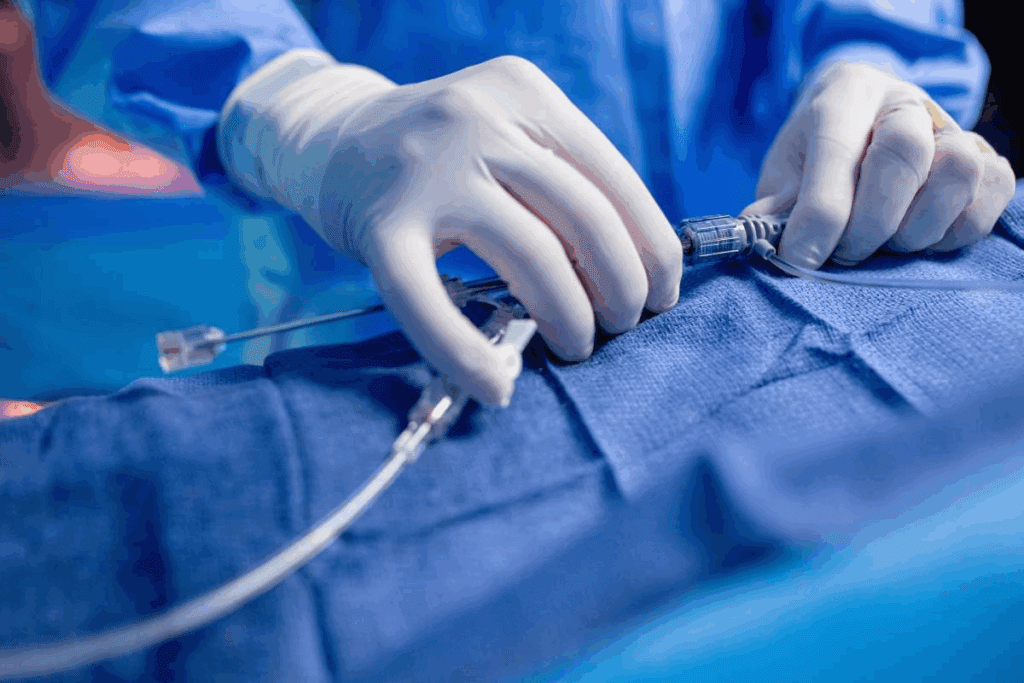
Nutrition is key for patients getting treatment, like those with stage 3 disease. A balanced diet helps keep a healthy weight, provides enough protein, and calories.
The American Cancer Society suggests eating lots of veggies, fruits, and whole grains. These foods are full of vitamins, minerals, fiber, and nutrients that may lower cancer risk. A good colon cancer diet focuses on whole foods, including lean proteins and healthy fats.
It’s important to get enough protein, over 1g per kg body weight daily. Also, make sure to eat enough calories to help with healing and energy. By focusing on these nutritional points, you can improve your health, recovery, and life quality.
Key Takeaways
- Eat a diet rich in vegetables, fruits, and whole grains.
- Maintain adequate protein intake (over 1g per kg body weight daily).
- Ensure sufficient calorie intake to support healing and energy.
- Focus on whole, nutrient-dense foods.
- Incorporate lean proteins and healthy fats into your diet.
The Critical Role of Nutrition in Colon Cancer Recovery
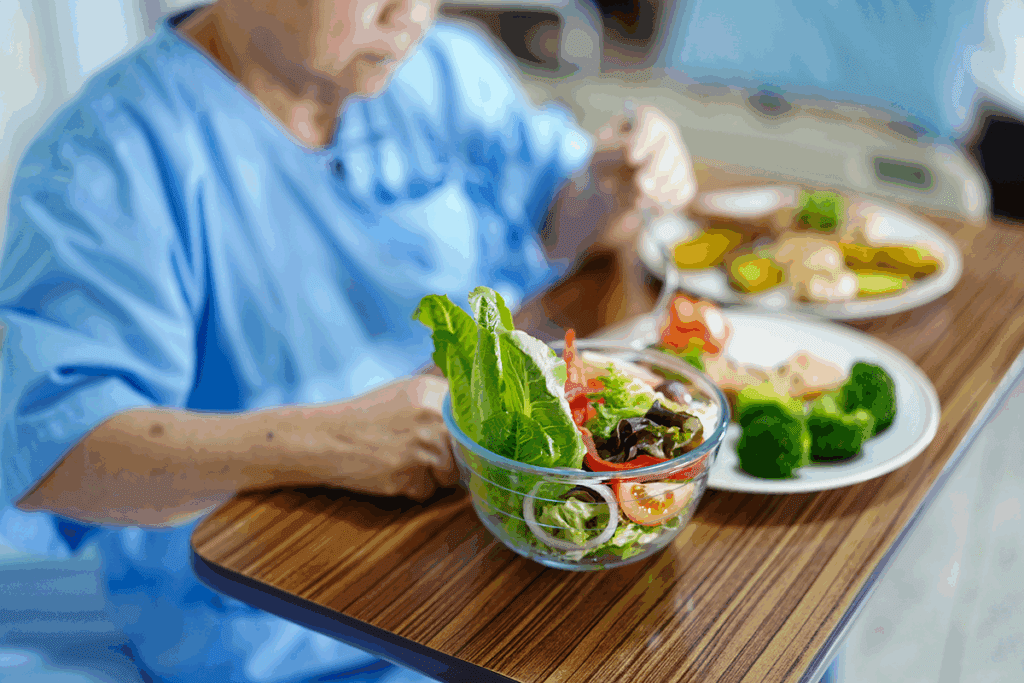
Nutrition is key in colon cancer recovery. It affects treatment success. A balanced diet helps manage side effects, supports health, and boosts quality of life.
How Diet Impacts Treatment Outcomes
A diet full of fiber, whole grains, and plant-based foods is good for colon cancer patients. Adequate protein intake is also vital for muscle health and overall well-being. Studies suggest a healthy diet can lower cancer risk and improve treatment results.
Nutrition helps manage side effects like nausea, fatigue, and diarrhea. A colon cancer diet should aim for a healthy weight and enough protein. Eating a variety of fruits, vegetables, whole grains, and lean proteins supports healing.
Nutritional Needs for Stage 3 Colon Cancer Patients
Stage 3 colon cancer patients need specific nutrients for treatment and recovery. A diet rich in nutrients and calories is key to keeping strength up and supporting healing.
| Nutritional Element | Recommended Intake | Benefits |
| Protein | 1.0-1.5 grams/kg body weight | Supports muscle mass and overall health |
| Fiber | 25-30 grams/day | Promotes a healthy gut microbiome |
| Calories | Sufficient to maintain a healthy weight | Supports energy needs and overall health |
Stage 3 colon cancer patients need to get a personalized nutrition plan. This should be made with a healthcare provider or a registered dietitian. The plan should consider the patient’s needs, treatment, and health status.
Understanding the Optimal Colon Cancer Diet

Eating the right foods is key for colon cancer patients. A diet full of nutrients helps manage side effects and boosts quality of life.
Caloric Requirements for Healing and Energy
Colon cancer patients need more calories because of treatment and healing. Getting enough calories is important for energy and recovery.
Caloric Needs Based on Activity Level:
| Activity Level | Caloric Needs per Day |
| Sedentary | 1,600-2,000 calories |
| Moderately Active | 2,000-2,400 calories |
| Active | 2,400-2,800 calories |
Protein Needs During Treatment and Recovery
Protein is very important for colon cancer patients. It helps fix tissues and keep muscles strong. Patients might need more protein during treatment.
Good sources of protein include lean meats, fish, eggs, dairy products, and plant-based options like beans and tofu.
Balancing Nutrients for Immune Support
Eating a variety of foods helps support the immune system in colon cancer patients. Foods high in fiber, vitamins, and minerals are best.
Some key nutrients for immune support include:
- Vitamin C: Found in citrus fruits and leafy greens
- Vitamin D: Found in fatty fish, fortified dairy products, and sunlight exposure
- Zinc: Found in red meat, poultry, beans, and nuts
5 Best Protein Sources for Colon Cancer Patients
Protein is key for colon cancer patients. It helps with healing and keeps strength up. It’s important for muscle mass and health during treatment.
Lean Poultry and Fish
Lean proteins like poultry and fish are full of amino acids. These are important for recovery. They are also low in bad fats, making them great for colon cancer patients.
- Chicken breast
- Turkey
- Salmon
- Cod
Plant-Based Proteins
Plant-based proteins like beans, lentils, and tofu are good for colon health. They are full of fiber and nutrients. Plus, they can be used in many dishes.
- Lentil soup
- Black bean salad
- Tofu stir-fry
Greek Yogurt and Cottage Cheese
Greek yogurt and cottage cheese are great for protein. They also have probiotics, which are good for the gut.
Benefits: High protein, probiotics for gut health.
Eggs and Egg Whites
Eggs and egg whites are full of protein. They can be cooked in many ways to please different tastes.
- Scrambled eggs
- Egg white omelette
Adding these protein sources to their diet helps colon cancer patients stay healthy and recover. It’s important to talk to a healthcare provider or nutritionist for a diet plan that fits their needs.
4 Essential Fiber-Rich Foods for Colon Health
Colon cancer patients can greatly benefit from eating foods high in fiber. This improves their health and how well they respond to treatment. Fiber helps keep the gut healthy and ensures regular bowel movements. This can also help manage side effects from treatment.
Whole Grains (Oats, Brown Rice, Quinoa)
Whole grains are packed with fiber, vitamins, and minerals. Adding oats, brown rice, and quinoa to your meals can boost colon health. A study found that a high-fiber diet can lower the risk of colon cancer coming back.
“A diet rich in whole grains can lower the risk of colon cancer.”
Legumes and Beans
Legumes and beans are full of fiber and protein, making them great for colon cancer patients. They help with overall health and can be added to many dishes. Black beans, lentils, and chickpeas are good choices for salads, soups, or as a main dish.
Cooked Vegetables
Cooked vegetables are easier to digest and full of nutrients and fiber. Broccoli, carrots, and spinach are high in fiber and antioxidants. They support both overall health and colon health.
Low-Sugar Fruits
Fruits are a good source of fiber, but choose low-sugar ones to avoid too much sugar. Apples, berries, and pears are not only high in fiber but also in antioxidants. They help with overall health.
Eating these fiber-rich foods can greatly improve your health and recovery if you have colon cancer. Always talk to a healthcare provider or nutritionist to create a diet plan that fits your needs.
3 Beneficial Fats for Your Colon Cancer Diet
Healthy fats are key for colon cancer patients. They give energy and support health. Adding the right fats to your diet can help with treatment side effects and recovery.
Omega-3 Rich Fish
Omega-3 fatty acids in fish like salmon and sardines fight inflammation. This is great for colon cancer patients. These fats also help the heart and may lessen inflammation from cancer treatment.
Salmon and sardines are full of omega-3s and protein. They’re a top choice for a colon cancer diet.
Avocados and Olive Oil
Avocados and olive oil have monounsaturated fats that are good for you. They help with weight, reduce inflammation, and support nutrition during treatment.
Avocados are easy to add to many dishes. Olive oil is great for cooking and dressings.
Nuts and Seeds
Nuts and seeds, like walnuts and flaxseeds, are full of healthy fats, fiber, and nutrients. They make a good snack and can be added to meals easily.
Eating a few nuts or seeds a day can help you feel full. They support nutritional needs during colon cancer treatment.
In summary, adding fats like omega-3 fish, avocados, olive oil, nuts, and seeds to your diet is important. They give energy and support health. These fats help manage treatment side effects and aid in recovery when part of a balanced diet.
“The right fats can make a significant difference in the diet of colon cancer patients, supporting their overall health and potentially aiding in the management of treatment side effects.”
Foods to Avoid During Colon Cancer Treatment
When you’re getting treatment for colon cancer, what you eat is very important. It helps your treatment work better and makes side effects less severe. Some foods can make side effects worse and harm your health.
Red and Processed Meats
Eating red and processed meats can make colon cancer worse. Try to eat less of:
- Red meat (beef, pork, lamb)
- Processed meats (hot dogs, sausages, bacon)
High Saturated Fat Products
Foods with a lot of saturated fats are not good for colon cancer treatment. Avoid:
- Full-fat dairy products
- Processed snacks
- Fatty cuts of meat
Highly Processed Foods and Added Sugars
Processed foods and foods with added sugars can harm your health. They can make you gain weight and cause inflammation. Try to eat less of:
- Packaged snacks
- Sugary drinks
- Refined grains
Alcohol and Stimulants
Drinking alcohol and using stimulants can mess with your treatment. Try to cut down on:
- Alcoholic beverages
- Caffeine
- High-sugar energy drinks
Staying away from these foods can help you feel better during treatment. Eating foods that are whole and full of nutrients is best.
| Food Category | Examples | Reason to Avoid |
| Red and Processed Meats | Beef, pork, hot dogs, sausages | Increased colon cancer risk |
| High Saturated Fat Products | Full-fat dairy, processed snacks | Negative impact on treatment |
| Highly Processed Foods and Added Sugars | Packaged snacks, sugary drinks | Weight gain, increased inflammation |
| Alcohol and Stimulants | Alcoholic beverages, caffeine | Interferes with treatment |
Practical Nutrition Strategies for Managing Treatment Side Effects
Nutrition is key in handling colon cancer treatment side effects. A good diet can ease symptoms and boost health during tough times.
Dealing with Nausea and Appetite Loss
Nausea and loss of appetite are common with colon cancer treatment. Eating small, frequent meals can help. This method can lessen nausea and keep nutrition levels up.
Choosing bland foods like crackers, toast, or plain rice is smart. Steer clear of foods with strong smells. Also, eat in a calm place.
Hydration Guidelines and Electrolyte Balance
Drinking enough water is critical for colon cancer patients. Aim for 8-10 glasses of fluid daily. Include water, clear broths, and drinks like coconut water or sports drinks.
| Fluid Type | Examples | Benefits |
| Water | Plain water, flavored water | Hydration, digestion |
| Electrolyte-rich beverages | Coconut water, sports drinks | Replenishes electrolytes, supports hydration |
| Clear broths | Chicken broth, vegetable broth | Provides essential salts, hydration |
Small, Frequent Meals Approach
Eating small, frequent meals can tackle nausea and appetite loss. Instead of 3 big meals, aim for 4-6 small ones.
Try yogurt with fruit, scrambled eggs, or a protein smoothie. These are easy to digest and packed with nutrients.
Food Texture Modifications
Changing food texture can also help with side effects. For mouth sores or swallowing trouble, soft or pureed foods are best.
Soft foods like mashed potatoes, cooked veggies, or pureed soups are good. They’re easy on the stomach and keep nutrition up.
Exercise and Physical Activity Recommendations for Colon Cancer Patients
Regular exercise is key for colon cancer patients. It boosts treatment results and health. Exercise during and after treatment helps manage side effects and improve well-being.
Benefits of Regular Movement During Treatment
Exercise during treatment has many benefits. It reduces fatigue, improves mood, and boosts physical function. It also helps manage side effects like nausea and pain. Plus, studies show it can improve survival rates and lower cancer recurrence risk.
Key benefits of exercise during treatment include:
- Reduced fatigue and improved energy levels
- Improved mood and reduced anxiety
- Enhanced physical function and mobility
- Better management of treatment side effects
Safe Exercise Options Based on Treatment Stage
The right exercise for colon cancer patients depends on their treatment stage and health. Low to moderate intensity exercises are best, mainly during active treatment.
Examples of safe exercises include:
- Brisk walking
- Swimming or water aerobics
- Yoga or Pilates
- Cycling on a stationary bike
Patients should talk to their healthcare provider before starting or changing an exercise program. This is important, even with health concerns.
Combining Nutrition and Exercise for Optimal Recovery
Combining a balanced diet with regular exercise is vital for colon cancer patients. Nutrition gives the body fuel for exercise and recovery. Exercise helps the body use nutrients better.
A complete recovery plan should include:
- A balanced diet rich in fruits, vegetables, whole grains, and lean proteins
- Adequate hydration
- Regular physical activity tailored to the patient’s abilities and treatment stage
By combining nutrition and exercise, colon cancer patients can improve treatment outcomes and quality of life. This supports their overall well-being.
Conclusion: Building a Sustainable Nutrition Plan for Long-Term Wellness
Creating a sustainable nutrition plan is key to long-term wellness in colon cancer patients. A balanced colon cancer diet is essential for recovery and health.
The best diet for colon cancer patients includes whole, nutrient-rich foods. This includes lean proteins, fiber-rich fruits and veggies, and healthy fats. These foods support health and wellness during and after treatment.
A colon cancer nutrition diet must fit the patient’s needs. It should consider their treatment stage and any dietary restrictions. Adding regular physical activity to a balanced diet for colon cancer patients helps manage side effects and supports long-term wellness.
By choosing the right foods and staying active, colon cancer patients can actively support their recovery. A sustainable nutrition plan helps achieve the best health outcomes and improves quality of life.
FAQ
What is the best diet for colon cancer patients?
For colon cancer patients, a balanced diet is key. It should include fruits, vegetables, whole grains, lean proteins, and healthy fats.
How much protein should I consume during colon cancer treatment?
Aim for over 1g of protein per kg of body weight daily. This helps keep muscle mass and supports health.
What are the best protein sources for colon cancer patients?
Good protein sources include lean poultry, fish, plant-based proteins, Greek yogurt, cottage cheese, eggs, and egg whites. They help with overall health.
Why is fiber important for colon cancer patients?
Fiber is vital for a healthy gut and regular bowel movements. It also helps manage treatment side effects.
What are the best fiber-rich foods for colon health?
Foods high in fiber include whole grains, legumes, cooked veggies, and low-sugar fruits. They support colon health.
What types of fat are beneficial for colon cancer patients?
Omega-3-rich fish, avocados, olive oil, nuts, and seeds are good fats. They provide energy and support health.
What foods should I avoid during colon cancer treatment?
Avoid red and processed meats, high saturated fats, processed foods, and added sugars. Also, limit alcohol and stimulants to avoid worsening side effects.
How can I manage treatment side effects through nutrition?
To manage side effects, try small, frequent meals and adjust food textures. Stay hydrated and use strategies for nausea and appetite loss.
Is exercise important for colon cancer patients?
Yes, exercise is key. It helps manage side effects, supports health, and improves treatment outcomes.
How can I create a sustainable nutrition plan for long-term wellness?
Combine a balanced diet with regular exercise for long-term wellness. Focus on whole, nutrient-dense foods and avoid unhealthy options.
What is the role of nutrition in colon cancer recovery?
Nutrition is critical in colon cancer recovery, helping stage 3 patients. It supports health, manages side effects, and improves outcomes.
References
National Institutes of Health, National Cancer Institute. (2021). Nutrition in cancer care. https://www.cancer.gov/about-cancer/treatment/side-effects/appetite-loss/nutrition