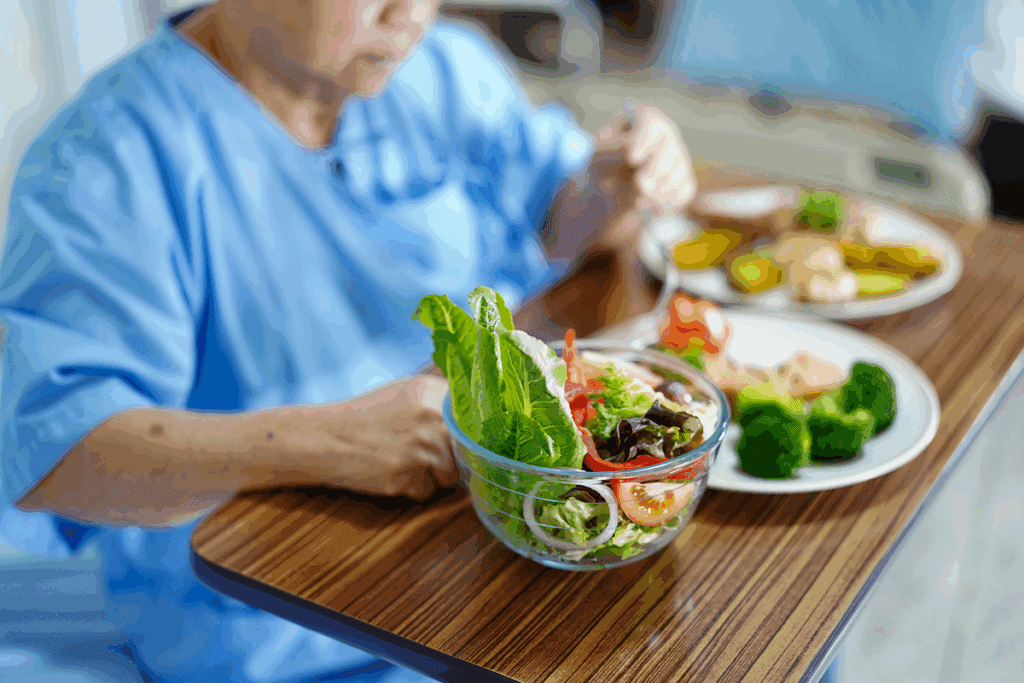
For those with colon cancer, eating right is key to feeling better and getting better. We stress how important good food is in treatment. We focus on high-fiber, plant-based foods to help the gut and cut down on inflammation. Explore the best colon cancer foods to eat for better recovery, health, and cancer prevention.
Eating well is more than just dealing with symptoms. It’s about building a strong health base. By choosing the right foods, patients can help their bodies during treatment.
Key Takeaways
- A diet rich in fiber and plant-based foods supports gut health.
- Nutrition plays a critical role in the treatment plan for colon cancer patients.
- Choosing the right foods can help reduce inflammation.
- A balanced diet is vital for health and recovery.
- High-fiber foods are great for colon cancer patients.
The Impact of Nutrition on Colon Cancer Recovery

Nutrition is key for colon cancer recovery. A balanced diet supports health and aids in healing during and after treatment.
How Diet Influences Colon Health
A diet full of nutrients keeps the colon healthy. Foods like fruits, vegetables, and whole grains are great because they help with bowel movements and prevent constipation.
Also, a healthy diet can manage treatment side effects. For example, drinking plenty of water and eating foods with electrolytes can reduce diarrhea and fatigue.
Nutritional Priorities During Cancer Treatment
When you’re in treatment, your diet needs change. You need enough protein to fix tissues and keep muscles strong. Eat lean proteins like chicken, fish, and beans.
Antioxidant-rich foods, like berries and leafy greens, protect cells from treatment damage. Adjusting your diet can also help with nausea and loss of appetite. Try eating smaller meals more often.
By focusing on nutrition, colon cancer patients can help their recovery. This improves their life quality during and after treatment.
Colon Cancer Foods to Eat: The Complete List

Colon cancer patients can greatly benefit from a diet rich in specific foods. These foods help in healing and improve health and well-being.
Overview of the 15 Best Foods
Some foods are very good for colon cancer patients. They are full of nutrients. These include:
- Cruciferous vegetables like broccoli and cauliflower
- Leafy greens such as spinach and kale
- Berries and citrus fruits rich in antioxidants
- Whole grains like oats, brown rice, and quinoa
- Legumes including beans, lentils, and chickpeas
- Lean proteins such as fish rich in omega-3 fatty acids
- Nuts and seeds like walnuts, flaxseeds, and chia seeds
- Probiotic-rich foods like yogurt and kefir
- Electrolyte-rich foods including bananas, potatoes, and coconut water
These foods give the body important nutrients, fiber, and antioxidants. They help in healing.
Why These Foods Support Healing
The foods listed above are full of nutrients that help the body heal. For example, cruciferous vegetables have compounds that fight cancer.
| Food Group | Nutritional Benefits |
| Cruciferous Vegetables | Contain sulforaphane, which has anti-cancer properties |
| Leafy Greens | Rich in antioxidants and fiber |
| Berries and Citrus Fruits | High in vitamin C and antioxidants |
| Whole Grains | Provide fiber, vitamins, and minerals |
| Legumes | Rich in protein, fiber, and various nutrients |
By eating these foods, colon cancer patients can help their recovery. They can also improve their health.
Cruciferous Vegetables: Cancer-Fighting Powerhouses
Cruciferous vegetables are known for their strong cancer-fighting abilities. They are full of vitamins, minerals, and nutrients. These help keep you healthy and fight cancer.
Broccoli and Cauliflower
Broccoli and cauliflower are famous for their health benefits. They have sulforaphane, which fights cancer. Sulforaphane helps remove harmful substances and supports detox. You can add them to salads, steam them, or blend into soups.
Brussels Sprouts and Cabbage
Brussels sprouts and cabbage are also part of the cruciferous family. They are full of fiber, vitamins C and K, and phytochemicals. They help with digestion, which is key during cancer treatment. You can roast or sauté them, making them easy to add to meals.
Preparation Methods That Preserve Nutrients
How you prepare cruciferous vegetables matters a lot. Eating them raw or lightly cooked keeps their health benefits. Steaming is great because it keeps vitamins and minerals in. Don’t overcook them, as it can lose the good stuff.
Eating a variety of cruciferous vegetables boosts your health. They help your body fight cancer. Knowing how to prepare them right can make a big difference in your health and recovery.
Leafy Greens and Colorful Fruits
Eating leafy greens and colorful fruits is key when you’re fighting cancer. These foods are full of nutrients and antioxidants. They help fight off treatment side effects and keep you feeling good.
Spinach, Kale, and Other Nutrient-Dense Greens
Leafy greens like spinach and kale are superfoods. They’re loaded with vitamins A, C, and K, and minerals like calcium and iron. These help keep your blood cells healthy, boost your immune system, and lower inflammation.
Adding these greens to your meals is easy. Just toss spinach into your morning smoothie or sauté kale with garlic as a side.
Berries and Citrus Fruits
Berries and citrus fruits are tasty and full of antioxidants and vitamins. Berries like blueberries, strawberries, and raspberries are packed with vitamin C and fiber. They help with fatigue and digestive problems.
Citrus fruits like oranges, lemons, and grapefruits are also great. They’re full of vitamin C and flavonoids. These have anti-inflammatory effects.
Antioxidant Benefits for Cancer Patients
Antioxidants in leafy greens and colorful fruits are a big plus for cancer patients. They protect cells from damage by free radicals. Free radicals can be more common during treatment.
Eating foods rich in antioxidants can reduce oxidative stress. This supports your body’s healing and can improve your quality of life during and after treatment.
Fiber-Rich Foods for Optimal Gut Health
Keeping your gut healthy is key when you’re fighting colon cancer. Foods high in fiber are very important. They help your digestive system work well and boost your overall health and recovery.
Whole Grains: Oats, Brown Rice, and Quinoa
Whole grains are packed with dietary fiber. They offer nutrients that are great for your colon. You can easily add oats, brown rice, and quinoa to your meals every day.
- Oats: They’re full of soluble fiber. Oats help keep your bowel movements regular. You can have them as oatmeal or overnight oats.
- Brown Rice: It’s a good source of insoluble fiber. Brown rice helps keep your gut healthy. It’s perfect for main meals.
- Quinoa: This grain is not only high in fiber but also in protein. It’s great for salads and main dishes.
Legumes: Beans, Lentils, and Chickpeas
Legumes are also vital for gut health. Beans, lentils, and chickpeas are full of fiber, protein, and important nutrients.
Here are some ways to add legumes to your meals:
- Beans: Add black beans or kidney beans to soups, salads, or as a main ingredient in vegetarian dishes.
- Lentils: Lentil soups or stews are nutritious and filling. They’re a good source of fiber.
- Chickpeas: Use chickpeas in salads, make hummus, or roast them as a crunchy snack.
How Fiber Supports Colon Function During Treatment
Fiber is essential for colon health, even more so during cancer treatment. It helps keep bowel movements regular, prevents constipation, and supports good gut bacteria.
Eating a diet rich in fiber can also help manage side effects like diarrhea or constipation. It keeps your gut environment balanced.
By eating more whole grains and legumes, colon cancer patients can improve their health. This can also help them recover faster.
Lean Proteins That Support Recovery
Colon cancer recovery greatly benefits from lean proteins. These proteins help repair body tissues and support the immune system. They are also key for producing enzymes and hormones. When you’re going through cancer treatment, your body needs more protein to heal and handle therapy stress.
Fish Rich in Omega-3 Fatty Acids
Fish like salmon, mackerel, and sardines are full of omega-3 fatty acids. These fats help reduce inflammation, which is good for cancer patients. “Adding these fish to your diet can help with treatment side effects and improve your health,” says a top oncology nutritionist.
- Salmon: High in protein and omega-3 fatty acids
- Mackerel: Rich in omega-3s and vitamin D
- Sardines: Packed with calcium and omega-3s
Poultry and Plant-Based Protein Sources
Poultry like chicken and turkey are also great lean protein sources. For those who prefer plants, legumes (lentils, chickpeas, black beans), nuts, and seeds are good options. These foods offer protein, fiber, vitamins, and minerals.
“A balanced diet with various protein sources helps cancer patients stay strong and recover better.”
Protein Needs During Different Treatment Phases
Protein needs change during cancer treatment. During chemotherapy or radiation, you might need more protein to fix damaged tissues. It’s important to talk to your healthcare team about your protein needs.
| Treatment Phase | Protein Needs |
| Before Treatment | Maintain usual protein intake |
| During Treatment | Increase protein intake to support healing |
| After Treatment | Continue high protein intake for recovery |
By focusing on lean proteins and knowing your protein needs, colon cancer patients can support their recovery and health better.
Nuts and Seeds: Small Foods With Big Benefits
Nuts and seeds are full of healthy fats, antioxidants, and nutrients. They support recovery and well-being. These small foods are a great addition to a colon cancer patient’s diet.
Walnuts, Flaxseeds, and Chia Seeds
Walnuts, flaxseeds, and chia seeds are very nutritious. Walnuts are rich in omega-3 fatty acids, which are good for the heart and reduce inflammation. Flaxseeds are high in fiber and contain lignans, which are antioxidants. Chia seeds are full of fiber, protein, and minerals, making them very nutritious.
It’s easy to add these nuts and seeds to your meals. You can put walnuts in oatmeal or yogurt. Mix flaxseeds and chia seeds into smoothies or baked goods.
Anti-inflammatory Properties and Cancer Risk Reduction
The anti-inflammatory properties of nuts and seeds are key in reducing cancer risk and supporting recovery. The antioxidants and polyphenols in these foods fight oxidative stress and inflammation. These are linked to cancer development and progression.
Studies show that eating nuts and seeds can lower the risk of many cancers, including colon cancer. The nutrients and compounds in these foods work together to support health and well-being.
Healthy Portion Sizes and Serving Suggestions
Even though nuts and seeds are nutritious, it’s important to eat them in moderation because of their high calorie content. A healthy portion is about 1 ounce, or a small handful. This is roughly 49 walnut halves, 23 almonds, or 2 tablespoons of chia seeds or flaxseeds.
To add nuts and seeds to your diet, try them in salads, yogurt, or oatmeal. You can also use them as a topping for vegetables or whole grain cereals. Try different recipes and ways of preparing them to enjoy these nutritious foods in your meals.
Beneficial Dairy and Calcium-Rich Alternatives
Managing colon cancer can be helped by adding dairy and calcium-rich foods to your diet. Yogurt and kefir, for example, are full of probiotics. These support your gut health, which is key during cancer treatment.
Yogurt and Kefir: Probiotic Benefits
Yogurt and kefir are packed with probiotics. These live bacteria and yeasts are good for your digestive system. They help keep your gut healthy, which is vital when you’re fighting colon cancer.
Key benefits of yogurt and kefir include:
- Enhanced gut health through probiotics
- Improved digestion and reduced symptoms of diarrhea
- Boosted immune system function
Plant-Based Calcium Sources
If you can’t have dairy or prefer plants, there are many calcium-rich options. Try fortified plant-based milk, leafy greens like kale and broccoli, or fish like sardines and salmon.
Some excellent plant-based calcium sources are:
- Fortified almond milk and soy milk
- Leafy greens such as kale, broccoli, and spinach
- Tofu and other soy products
- Nuts and seeds like almonds and sesame seeds
Balancing Dairy in Your Cancer Diet
While dairy is good, it’s important to keep it balanced in your diet. Talk to a healthcare provider or a dietitian to find the right mix for you during colon cancer treatment.
Tips for balancing dairy in your diet:
- Choose low-fat or fat-free dairy products to reduce calorie intake
- Incorporate a variety of calcium-rich foods to meet your daily calcium needs
- Be mindful of your overall calorie and protein intake to support your nutritional needs during treatment
Electrolyte-Rich Foods for Managing Treatment Side Effects
Managing side effects is key for colon cancer patients. Foods rich in electrolytes help a lot. Side effects like nausea and diarrhea can cause imbalances.
Electrolytes like potassium, magnesium, and sodium are vital. Eating foods high in these can lessen side effects.
Bananas, Potatoes, and Coconut Water
Some foods are great for electrolyte levels. Bananas are full of potassium, important when you’re losing it. Potatoes with skin are also good for potassium. Coconut water has potassium and sodium, making it perfect for fluids and electrolytes.
Leafy Greens for Magnesium and Potassium
Leafy greens like spinach and kale are packed with magnesium and potassium. They also have other nutrients. Adding these to your diet helps keep electrolytes balanced.
| Food | Primary Electrolyte | Benefits |
| Bananas | Potassium | Replenishes potassium lost due to diarrhea or vomiting |
| Potatoes | Potassium | Rich in potassium, even more with skin |
| Coconut Water | Potassium, Sodium | Natural source of electrolytes for fluid replenishment |
| Leafy Greens | Magnesium, Potassium | Provides essential nutrients and maintains electrolyte balance |
Hydration Strategies During Cancer Treatment
Drinking enough water is vital during treatment. Drink lots of water, coconut water, and electrolyte-rich drinks. Keep an eye on your electrolyte levels and adjust your diet as needed.
Eating foods rich in electrolytes and staying hydrated helps colon cancer patients. It makes managing side effects easier and supports overall health.
Specialized Diet Plans for Stage 3 and Stage 4 Colon Cancer
When colon cancer reaches stages 3 and 4, eating right becomes even more critical. Patients at these stages have different nutritional needs based on their cancer stage and treatment. We’ll discuss diet plans tailored to help patients through these tough times.
Nutritional Needs for Stage 3 Patients
For stage 3 colon cancer patients, the goal is to boost nutrition during treatment. This treatment can include surgery, chemotherapy, or radiation. A diet full of protein, fiber, and vitamins is key. Focus on lean proteins, whole grains, and a variety of fruits and veggies.
Stage 3 patients should also keep a healthy weight and manage side effects with food. Eating foods like soups and cooked veggies can ease digestion during treatment.
Dietary Approaches for Stage 4 Patients
Stage 4 colon cancer patients need a different nutritional strategy. The aim is to improve quality of life and manage symptoms. Choose foods packed with calories and protein to avoid losing weight and muscle.
Stage 4 patients might find it helpful to eat smaller, more frequent meals. This can help with nausea and tiredness. Drinking lots of fluids is also important.
Adapting Your Diet to Treatment Intensity
Treatment intensity greatly affects nutritional needs, regardless of stage. During intense treatment, side effects can make eating and digesting hard. Switching to softer, easier-to-digest foods can help.
Working with healthcare providers, like registered dietitians, is vital. They can help create a diet plan that changes as treatment does. Keeping an eye on nutrition and adjusting as needed can help manage side effects and keep health up.
Creating Your Personalized Colorectal Cancer Meal Plan
Creating a personalized meal plan is key for those with colorectal cancer. A diet tailored to your needs can help manage side effects and aid in recovery. It also boosts your overall health.
Working With Oncology Nutritionists
Oncology nutritionists create diet plans for cancer patients. They focus on your unique nutritional needs, treatment phase, and any dietary restrictions. This ensures your meal plan is just right for you.
Benefits of Working with Oncology Nutritionists:
- They offer dietary advice based on your health and treatment plan.
- They help manage side effects through diet.
- They support maintaining optimal nutrition during and after treatment.
Sample Daily Meal Plans
A sample daily meal plan can be a good starting point for a healthier diet during treatment. Here’s an example:
| Meal | Sample Foods |
| Breakfast | Oatmeal with berries and nuts |
| Lunch | Grilled chicken with quinoa and steamed vegetables |
| Dinner | Baked salmon with brown rice and roasted sweet potatoes |
| Snacks | Yogurt with honey, carrot sticks with hummus |
Adjusting Your Diet Through Different Treatment Phases
Colorectal cancer treatment has different phases, each with its own challenges and nutritional needs. Adjusting your diet to match the treatment phase can help manage side effects and support recovery.
For example, during chemotherapy, you might feel nauseous or have mouth sores. You’ll need a diet that’s easy on your stomach and simple to chew.
Understanding the nutritional needs of each treatment phase is important. Working closely with healthcare providers helps you create a meal plan that supports your health and well-being throughout your cancer journey.
Conclusion: Nourishing Your Body Through the Cancer Journey
When dealing with colon cancer, a balanced diet is key. It helps our health and recovery. The food we choose greatly affects how our body heals and handles treatment.
A diet for colorectal cancer should be full of important nutrients. It helps manage side effects and keeps our gut healthy. Eating foods like cruciferous vegetables, leafy greens, and whole grains gives our body what it needs to recover.
It’s not just about food when we’re fighting cancer. It’s about creating a healing environment. Making smart food choices helps us recover better and feel better overall.
Having a diet plan made just for you, with help from doctors, is very helpful. We suggest patients work with nutritionists to get a diet that fits their needs.
FAQ
What are the best foods to eat during colon cancer treatment?
Eat foods high in fiber and plants. This includes veggies like broccoli and whole grains. They help your gut and reduce inflammation.
How does diet impact colon cancer recovery?
A good diet is key for recovery. It keeps you healthy, manages side effects, and helps your gut work well.
What are the benefits of cruciferous vegetables for colon cancer patients?
Foods like broccoli and cauliflower have compounds that fight cancer. They help lower cancer risk and boost health.
Are leafy greens and colorful fruits beneficial for colon cancer patients?
Yes, they are. Spinach, kale, and fruits like berries and citrus are full of antioxidants. They’re great for cancer patients.
How do fiber-rich foods support colon health during cancer treatment?
Foods like whole grains and legumes keep your gut healthy. They help your colon work right and keep you regular.
What are the best protein sources for colon cancer patients?
Choose lean proteins like fish, poultry, and plant-based options. They help you recover and stay healthy during treatment.
Can nuts and seeds be part of a healthy diet for colon cancer patients?
Yes, they can. Walnuts and chia seeds are anti-inflammatory. They’re good for you in small amounts.
How can I balance dairy in my diet during colon cancer treatment?
Mix dairy like yogurt with plant-based calcium sources. This balances your nutrition and helps with side effects.
What are the best foods to manage treatment side effects?
Foods like bananas and coconut water are full of electrolytes. Leafy greens also help manage side effects and keep you hydrated.
Are there specialized diet plans for stage 3 and stage 4 colon cancer patients?
Yes, we have diet plans for each stage. They focus on nutritional needs and dietary strategies for each stage.
How can I create a personalized colorectal cancer meal plan?
Work with oncology nutritionists to make a meal plan. It will meet your nutritional needs and change with treatment phases.
What are the key dietary recommendations for colon cancer patients?
Eat a balanced diet with lots of fiber, plants, lean proteins, and electrolyte-rich foods. This supports your health and recovery.
How can a balanced diet support my overall health during colon cancer treatment?
A balanced diet gives you the nutrients you need. It helps manage side effects and keeps your gut healthy. This supports your well-being during treatment.
References:
Centers for Disease Control and Prevention. (2023). Colorectal Cancer Screening. https://www.cdc.gov/cancer/colorectal/basic_info/screening/index.htm