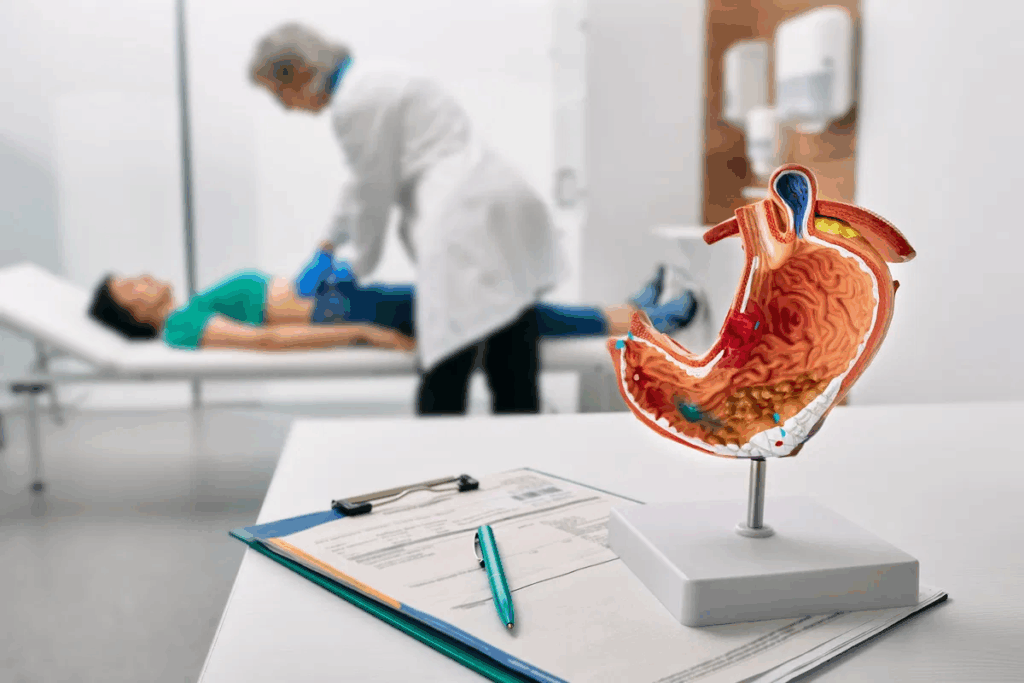
Getting ready for a colonoscopy might seem tough, but it’s doable with the right help. The American Society of Gastrointestinal Endoscopy and the American Cancer Society agree. They say good prep is key for a successful screening.
This is your ultimate guide to colonoscopy prep. Discover 7 amazing, best-practice tips and tricks to make your prep easy and effective.
At Liv Hospital, we know how important clear talk and full support are for our international patients. Our focus is on you, making sure you’re well-prepared for the best results.
We’ll share top tips to simplify your prep. You’ll learn why prep is so important and how to stay comfortable while doing it.
Key Takeaways
- Understand the importance of proper preparation for a colonoscopy.
- Learn practical tips to make the preparation process easier.
- Discover how to improve comfort during the preparation process.
- Find out how a patient-centered approach can support your needs.
- Get insights into the significance of clear communication for effective preparation.
Why Proper Bowel Preparation Is Critical
Getting your colon ready for a colonoscopy is key to getting accurate results. A clean colon lets doctors see clearly. They can then find and remove early signs of cancer more easily.
Preparation is more than just a step in the process. It’s essential for the success of the colonoscopy. Up to 30 percent of colonoscopies fail because the colon isn’t clean enough. This can lead to missed cancers and more risks.
The Impact on Diagnostic Accuracy
How well the colon is prepared affects the colonoscopy’s success. If the colon isn’t clean:
- Small polyps or lesions might be missed.
- You might need to have the procedure done again, which is costly and inconvenient.
- Doctors might not be able to give the right advice for follow-up care.
Consequences of Inadequate Preparation
Not preparing well enough can lead to big problems. These include:
- Less accurate results, which might mean missing cancers or needing more tests.
- More risks during or after the test.
- Higher costs because of extra tests or longer care.
Knowing how important bowel prep is, patients can help make their colonoscopy a success. Stick to the prep plan to increase your chances of a good outcome.
Understanding Colonoscopy Prep Solutions
Choosing the right colonoscopy prep solution is key. The goal is to clean the colon well. This lets doctors see everything clearly during the test. We’ll look at the different prep solutions and their benefits.
Types of Bowel Cleansing Medications
Bowel cleansing meds are essential for colonoscopy prep. They come as powders, tablets, or liquids. Osmotic laxatives like polyethylene glycol (PEG) and sodium phosphate are common. PEG is often seen as the best because it works well and is safe.
A study in the Journal of Clinical Gastroenterology found PEG works well and is easy on the stomach.
“The use of PEG-based bowel preparation has become widespread due to its ability to cleanse the colon effectively without causing significant fluid shifts.”
Low-Volume vs. High-Volume Solutions
The amount of prep solution matters. Low-volume solutions, about 2 liters, are liked by patients because they’re less and taste better. High-volume solutions might work better but can be harder to take.
Characteristics | Low-Volume Solutions | High-Volume Solutions |
Volume | 2 liters or less | More than 2 liters |
Tolerability | Generally better | Can be challenging |
Efficacy | Effective with proper regimen | Often considered more effective |
Split-Dose Regimens and Their Benefits
Split-dose regimens mean taking two doses of prep. One dose is the night before, and the other a few hours before the test. This makes it easier for patients to follow.
Split-dosing leads to better colon cleaning and fewer side effects. A study in the American Journal of Gastroenterology showed it’s better and patients like it more.
Knowing about different colonoscopy prep solutions helps patients get ready better. This makes the procedure easier and less stressful.
One Week Before: Early Preparation Steps
As we get closer to your colonoscopy date, it’s time to start preparing. These early steps are important for a successful procedure.
Medication Adjustments
About a week before, you might need to stop some medications. Blood thinners and iron supplements are often stopped. But, always talk to your doctor first.
Your doctor will tell you which meds to stop and when to start again. It’s important to follow these instructions to avoid risks during the procedure.
Shopping for Prep Supplies
Getting the right prep supplies is a key step. Your doctor will give you a bowel cleansing medication to buy at the pharmacy.
Make sure to check the prescription and buy the right medication. Common ones include polyethylene glycol and sodium picosulfate. If you have questions, ask your doctor.
Arranging Transportation
Because you’ll be sedated, you’ll need a ride home. Have a trusted friend or family member ready to drive you on the day of your colonoscopy.
Task | Timeline | Notes |
Stop certain medications | 1 week before | Consult with your healthcare provider |
Purchase prep supplies | 1 week before | Check prescription details |
Arrange transportation | 1 week before | Ensure a trusted driver is available |
By doing these early steps, you can make your colonoscopy go smoothly.
“Proper preparation is key to a successful colonoscopy. By following these steps, you can help ensure a clear and accurate examination.”
Medical Expert, Gastroenterologist
Three Days Before: Dietary Modifications
Three days before your colonoscopy, it’s time to make some diet changes. We focus on a low-residue diet to ease digestion.
Foods to Eliminate
We need to cut out certain foods. Foods high in fiber like nuts, seeds, and whole grains are hard to digest. They can also leave residue in the colon. Avoid:
- Nuts and seeds
- Whole-grain bread and cereals
- Raw or undercooked vegetables
- Fruits with seeds or pulp
By skipping these foods, we reduce colon residue. This makes the colonoscopy more effective.
Recommended Low-Residue Diet Options
A low-residue diet includes foods low in fiber and easy to digest. Good choices are:
- White bread and refined pasta
- Cooked vegetables without seeds
- Ripe fruits without seeds or pulp
- Tender meats and fish
These foods are gentle on your stomach. They help keep the colon clean.
Increasing Fluid Intake
Drinking more water is also key. Hydration softens stool and makes prep easier. Drink lots of:
- Water
- Clear broths
- Electrolyte-rich beverages like sports drinks
Drink fluids all day. But, avoid caffeinated and carbonated drinks. They can dehydrate you.
By making these diet changes and drinking more, we prepare better for the colonoscopy. This improves the procedure’s success and makes it more comfortable.
The Day Before: Clear Liquid Diet Guidelines
As we get closer to your colonoscopy day, it’s key to know about the clear liquid diet. This diet is vital for cleaning your colon. It makes sure the procedure’s results are accurate.
A clear liquid diet means drinking fluids that are clear and easy to digest. These liquids don’t leave any residue in your colon. Drinking them helps lower the risk of problems during the procedure.
Approved Clear Liquids
On a clear liquid diet, you can drink many things. Here are some examples:
- Water
- Clear broth or bouillon
- Electrolyte-rich beverages, such as sports drinks
- Clear fruit juices, like apple or grape juice
- Gelatin
- Clear tea or coffee (without cream or milk)
These liquids are not only easy to digest. They also help keep you hydrated and balanced in electrolytes.
Foods and Drinks to Avoid
It’s also important to know what not to drink. Stay away from:
- Milk and dairy products
- Red or purple liquids
- Liquids with pulp
- Alcoholic beverages
Avoiding these items ensures your colon is ready for the colonoscopy.
Maintaining Caloric Intake
Even though a clear liquid diet seems limited, you can get some calories. Drinking clear liquids like gelatin or electrolyte-rich beverages can give you energy. Try to drink fluids throughout the day to manage hunger and stay hydrated.
Following these guidelines and making smart diet choices the day before your colonoscopy will help make the procedure go smoothly.
Making Your Colonoscopy Prep More Tolerable
Colonoscopy prep can be tough, but we’ve got some advice to help. A few simple steps can make it easier. You’ll feel less discomfort and find the prep more bearable.
Chilling Your Prep Solution
Chilling your prep solution can make it more comfortable. It can lessen the taste and make it easier to drink. Keep it in the fridge for at least 30 minutes before drinking. You can also add ice, but don’t water it down too much.
Flavor Enhancement Techniques
Flavor enhancement can also help. The prep solution isn’t meant to taste good, but you can make it better. Try using flavor packets or a bit of clear juice like apple or white grape. But don’t add too much, as it can mess with the prep’s effectiveness.
Setting Up a Comfortable Environment
A comfy environment can also improve your prep experience. Make sure you have a cozy spot to sit or lie down while drinking the prep. Books, movies, or games can take your mind off the discomfort. Having someone with you can also offer emotional support and help if needed.
Comfort Measure | Description | Benefit |
Chilling Prep Solution | Store in refrigerator or add ice | Reduces taste, easier to consume |
Flavor Enhancement | Use flavor packets or clear juice | Masks unpleasant taste |
Comfortable Environment | Cozy space, entertainment, support | Reduces stress, improves experience |
By using these tips, you can make your colonoscopy prep easier. The goal is to clean your colon well for the procedure. These strategies can help you do that with less discomfort.
Optimal Timing for Taking Prep Solutions
To have a successful colonoscopy, knowing when to take prep solutions is key. The right time for your colonoscopy prep can greatly affect the success of the procedure.
Benefits of Split-Dosing
Split-dosing means taking the prep solution in two parts. One dose is in the evening before, and the other a few hours before the procedure. This method makes it easier for patients to handle and keeps the prep effective. It gives a break between doses, making it less hard on the patient and improving the prep quality.
The advantages of split-dosing are:
- It’s easier for patients to follow because of the smaller doses
- It cleans the bowel better
- It makes the prep process more comfortable for the patient
Evening Dose Instructions
Take the evening dose as your doctor tells you, usually between 4-6 pm. It’s important to listen to the instructions and drink plenty of water.
Here’s what to do with the evening dose:
Timing | Action |
4-6 pm | Take the first dose of the prep solution |
After consumption | Drink clear liquids to stay hydrated |
Morning Dose Timing
Take the morning dose 4-5 hours before your colonoscopy. This lets the bowel clean well and reduces the chance of leftover stool during the test.
Here’s an example of the best timing:
Procedure Time | Morning Dose Time | Evening Dose Time |
9:00 am | 4:00 am – 5:00 am | 4:00 pm – 6:00 pm (previous day) |
By sticking to the recommended timing for your colonoscopy prep, you’ll have a better and more comfortable prep experience.
Hydration Strategies During Colonoscopy Prep
Hydration is key during colonoscopy prep. It keeps you safe and helps the procedure work well. Drinking enough water prevents dehydration and keeps electrolyte levels balanced.
Importance of Fluid Replacement
The prep for a colonoscopy makes you lose a lot of fluids. It’s important to replace these fluids to stay hydrated. Drinking clear liquids helps replace lost fluids and electrolytes.
Electrolyte Maintenance
Electrolytes like sodium and potassium are important for your body. The prep can upset these balances, causing muscle cramps and fatigue. Drinking electrolyte-rich drinks or taking supplements can help keep these balances right.
When to Stop Drinking
Your doctor will tell you when to stop drinking before the colonoscopy. Usually, you should stop a few hours before to avoid problems during the test. We’ll give you the exact time to stop drinking.
Knowing how to stay hydrated makes colonoscopy prep safer and more comfortable. We’re here to help you every step of the way.
Managing Common Side Effects
Managing side effects of colonoscopy prep is key for a better experience. The prep is vital for a good procedure but can cause discomfort.
Dealing with Nausea and Vomiting
Nausea and vomiting are common during colonoscopy prep. Try taking your prep solution chilled. This can make the taste less bad and slow down how fast you drink it.
Using flavor enhancers can also help. A bit of lemon or lime juice in the prep solution can make it taste better.
Addressing Abdominal Discomfort
Abdominal discomfort or cramping can happen because of the prep solution. Drinking lots of water is important. It helps keep electrolytes balanced and can lessen discomfort.
Your doctor might suggest over-the-counter anti-spasmodics for bad cramping.
Preventing Skin Irritation
Skin irritation around the anal area can be a problem. Keeping the area clean and using barrier creams can prevent irritation.
Using soft, moist wipes instead of dry toilet paper can also help avoid irritation.
Side Effect | Management Strategy |
Nausea and Vomiting | Chill prep solution, use flavor enhancers |
Abdominal Discomfort | Stay hydrated, consider anti-spasmodics |
Skin Irritation | Keep area clean, apply barrier creams |
By using these tips, patients can lessen the discomfort of colonoscopy prep. This makes the whole process easier to handle.
Special Considerations for Different Patients
Getting ready for a colonoscopy needs to fit each person’s needs. This is true for the elderly and those with ongoing health issues. They might need special care to make the prep work well and be easy to handle.
Adaptations for Elderly Patients
Elderly people face special challenges when getting ready for a colonoscopy. Dehydration is a big worry because they might not feel thirsty as much. We suggest drinking more water and keeping an eye on how much they’re drinking.
They might also react differently to the medicines used for prep. So, we might need to change the dose. It’s also important to check their medicines and make any needed changes to avoid problems during the test.
Modifications for Chronic Conditions
People with ongoing health issues like diabetes, heart disease, or kidney disease need special care. For example, diabetics might need to change their insulin plan because of the clear liquid diet. We work closely with their doctors to help manage their health during prep.
For those with heart or kidney problems, watching their fluids and electrolytes is key. We might adjust the prep solution to avoid making these conditions worse.
Solutions for Previous Failed Preps
If someone has trouble with colonoscopy prep before, there are other ways to try. We might use a different prep solution or change when they take it. This can help make the prep work better.
Having someone help during prep can also be helpful. We encourage talking to their doctor about past struggles. This way, we can make a plan that fits their needs.
What to Expect on Procedure Day
Getting ready for your colonoscopy can make you feel less anxious. Knowing what to expect on the day can help a lot. There are a few important things to keep in mind for a smooth procedure.
Signs of Complete Bowel Cleansing
One key sign you’re ready is clear or light yellow liquid in your stool. This means your bowel is clean. This is thanks to the bowel prep, which is vital for the colonoscopy.
Look out for these signs:
- Clear or light yellow liquid in your stool
- No solid food particles
- Little to no belly pain
Items to Bring to Your Appointment
Being prepared is key for a smooth colonoscopy. Here’s what to bring:
Item | Purpose |
Insurance cards and identification | For admin tasks |
List of medications | To tell your doctor |
Comfortable clothes | For easy recovery |
The Procedure Experience
You’ll lie on a table, usually on your left side, with your knees up. The procedure is done under sedation to keep you comfortable.
After, you’ll go to a recovery area. You’ll be watched until the sedation wears off. Make sure someone drives you home because you might feel drowsy.
Knowing these details can make your colonoscopy day easier and less stressful.
Conclusion: Ensuring a Successful Colonoscopy Experience
A successful colonoscopy starts with good preparation. By following the tips in this article, patients can have a smooth procedure. It’s important to prepare your bowels well for accurate results.
Choosing the right prep solution and staying hydrated are key. We’ve talked about how to pick the best prep and manage side effects. These steps help make the experience less uncomfortable.
Being well-prepared makes the colonoscopy easier. We suggest you follow the advice given to prepare well. With the right prep, you can have a good colonoscopy and stay healthy.
FAQ
What is colonoscopy prep like?
Colonoscopy prep means drinking a special solution to clean your colon. You’ll also eat only clear liquids. It might feel uncomfortable, but there are ways to make it easier.
When should I start a clear liquid diet for colonoscopy?
Start the clear liquid diet the day before your colonoscopy. This makes sure your colon is empty of solid food, helping the procedure work better.
Can I drink water before my colonoscopy?
Yes, you can drink water before your colonoscopy. Just remember to follow your doctor’s advice on when to stop drinking fluids.
How can I make colonoscopy prep easier?
To make prep easier, chill the solution and add flavor. Make your environment comfy. Stay hydrated and follow the prep instructions closely.
What are the best ways to prepare for a colonoscopy?
The best prep includes following the prep instructions and adjusting your diet. Stay hydrated and arrange for a ride on the procedure day.
Can I have blue dye before a colonoscopy?
It’s best to avoid colored substances, like blue dye, before a colonoscopy. They might mess with the procedure. Always check with your doctor first.
How do I get through colonoscopy prep?
To get through prep, stay hydrated and manage side effects. Follow the prep instructions and use tips like chilling the solution to make it easier.
What should I expect on the day of my colonoscopy?
On the day, your colon should be empty from the prep. Bring your documents and be ready for the procedure. It usually involves sedation and monitoring.
How do I know if my bowel prep is complete?
If your prep is complete, your stool should be clear or light yellow. Your doctor will check your colon’s cleanliness before starting the procedure.
What are the common side effects of colonoscopy prep, and how can I manage them?
Side effects include nausea, vomiting, and discomfort. To manage them, stay hydrated and use anti-nausea meds if needed. Use comfort measures to lessen discomfort.
References:
National Center for Biotechnology Information. Colonoscopy Preparation: Essential Tips for Successful Screening. Retrieved from https://pmc.ncbi.nlm.nih.gov/articles/PMC4805732/