

A colonoscopy is a key medical test. It lets doctors see inside the colon and rectum. They use a flexible colonoscopy tube, or colonoscope, for this.
The patient lies on their left side with knees to their chest. This makes the exam smooth and effective.
This test is vital for checking many colon and rectum issues. It uses the latest technology and careful patient care.
Key Takeaways
- Knowing about the colonoscopy tube is key for a good colonoscopy.
- The patient’s position is very important for the test’s success.
- Special tools help during a colonoscopy for diagnosis and treatment.
- A colonoscopy lets doctors check the colon and rectum.
- Keeping the patient safe and comfortable is the top priority.
Understanding Colonoscopy: Definition and Purpose
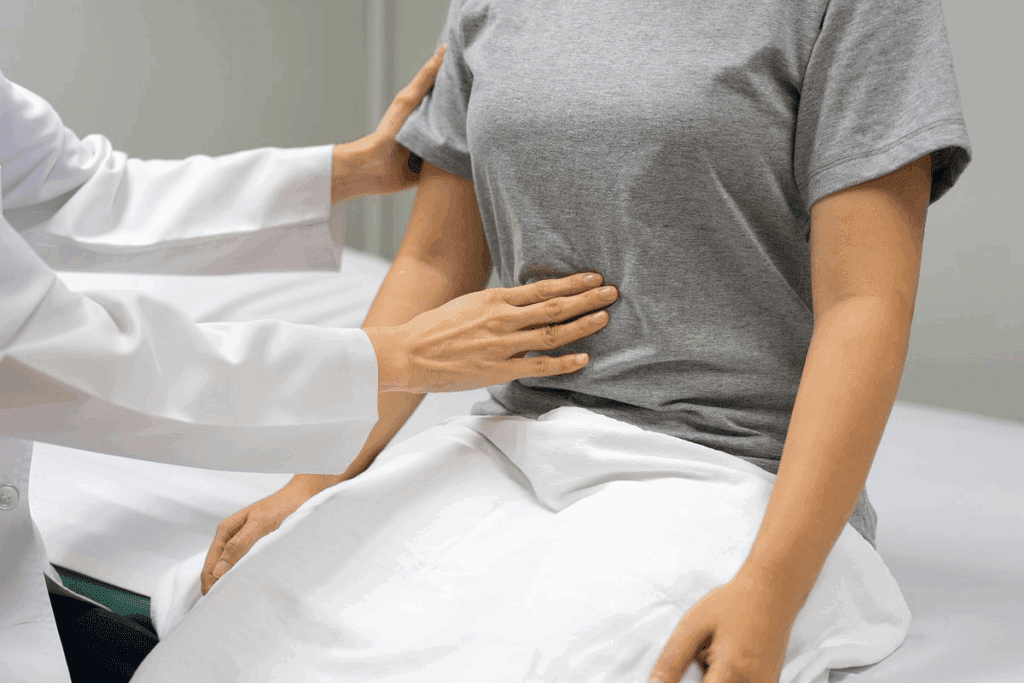
The colonoscopy procedure is key in finding and preventing colorectal cancer and other colon issues. It is seen as the top method for checking and diagnosing colorectal cancer.
What Is a Colonoscopy?
A colonoscopy is a medical test that uses a flexible tube with a camera and light. It looks at the inside of the colon and rectum. This diagnostic tool helps doctors find problems like polyps, inflammation, or cancer. The findings from a colonoscopy help doctors make better care plans for patients.
Medical Indications for Colonoscopy
Colonoscopy is used for many health reasons. It’s for checking for colorectal cancer, finding the cause of bleeding or pain, and watching over patients with polyps or cancer history. It’s recommended for people over 45 as a way to prevent problems. Those with a family history of colorectal cancer or other risk factors might need it earlier.
Preventive vs. Diagnostic Applications
Colonoscopy is not just for finding problems; it’s also for preventing them. Doctors can remove polyps during the test, stopping them from turning into cancer. This makes colonoscopy a strong ally in the battle against colorectal cancer. Knowing how colonoscopy works helps patients see its value in keeping their gut healthy.
The Colonoscopy Tube: Components and Technology
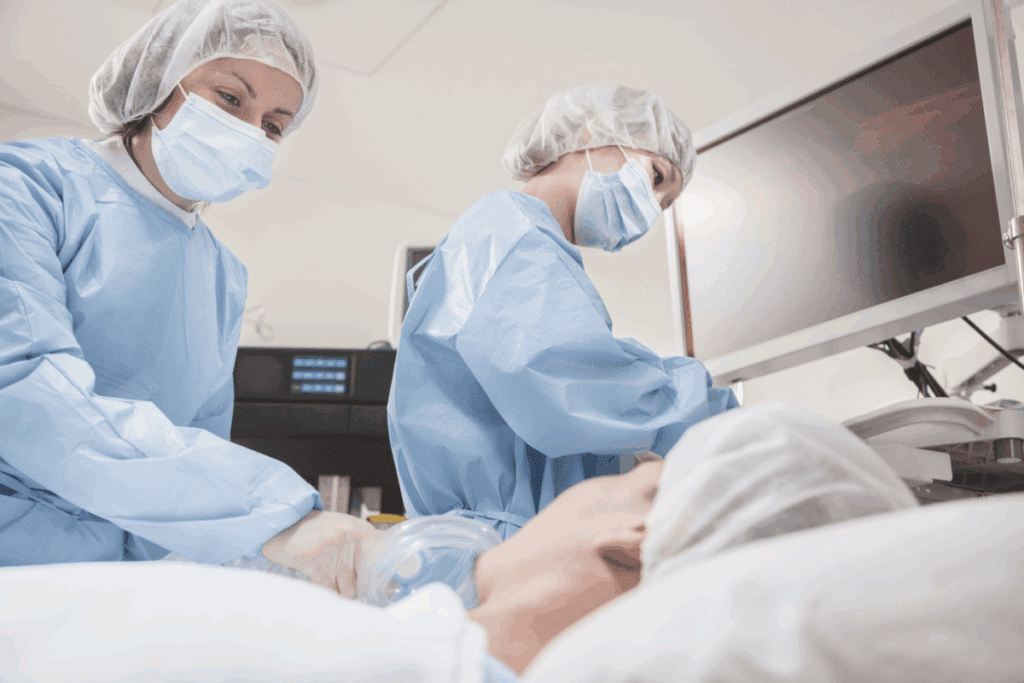
The colonoscopy tube is a key tool in checking the gut. It uses advanced tech for a thorough colon check. This device helps see inside the colon and rectum, aiding in finding and treating gut problems.
Anatomy of a Modern Colonoscope
A modern colonoscope is a flexible tube for easy use. It has a high-def camera and LEDs for clear views inside the colon. Its flexibility lets it move smoothly through the colon’s bends.
The colonoscope’s flexibility is key. It lets doctors move it around the colon. This, along with clear images, makes it a must-have for spotting colon issues.
Camera and Lighting Systems
The camera and lights are vital parts of the colonoscopy tube. The high-definition camera shows detailed images of the colon’s lining. This helps spot problems like polyps or ulcers. The LEDs give bright light, making sure images are clear, even in dark spots.
Control Mechanisms and Flexibility Features
The colonoscope’s controls let the doctor steer it. These controls help adjust the tube’s direction and flexibility. This is important for reaching all parts of the colon.
The colonoscopy tube’s advanced tech, precise lighting, and control make it a top tool for diagnosis. It provides clear images and helps with treatments, showing its value in gut medicine.
Pre-Procedure Preparation for Colonoscopy
Getting ready for a colonoscopy is very important. You’ll need to change your diet and clean your bowel. This makes sure the doctor can see everything clearly during the test.
Dietary Restrictions and Timeline
Before your colonoscopy, you’ll need to eat a special diet. This might be a low-fiber or clear liquid diet for a few days.
Start following this diet a day or two before your test. Your doctor will tell you exactly what to do to get your colon ready.
Bowel Preparation Process
Cleaning your bowel is a big part of getting ready for a colonoscopy. You’ll use special agents to get rid of stool and other stuff.
Start cleaning your bowel the day before your test. Your doctor will tell you how to use the cleansing agent.
Medications and Supplements Considerations
Some medicines and supplements might need to be changed or stopped before your colonoscopy. Always tell your doctor about what you’re taking.
| Medication/Supplement | Action Required | Timing |
| Blood Thinners | Stop or adjust dosage | As directed by healthcare provider |
| Iron Supplements | Stop | A few days before colonoscopy |
| Diabetes Medications | Adjust dosage | As directed by healthcare provider |
It’s very important to follow your doctor’s advice about medicines and supplements. This helps keep you safe during the test.
Patient Positioning During Colonoscopy
Colonoscopy success depends on the right patient position. This position helps move the colonoscope smoothly and clearly. It’s key for a good procedure.
Left Lateral Position: The Standard Approach
The left lateral position is the usual choice for colonoscopy. Patients lie on their left side with knees drawn to their chest. This setup is best for moving the colonoscope well.
Why This Position Optimizes Scope Advancement
The left lateral position optimizes scope advancement. It makes it easier to move through the colon. This is because it reduces the colonoscope’s twists and turns.
Positioning for Ascending Colon Examination
For the ascending colon, the left lateral position works great. It makes it easier to see and reach the ascending colon.
Modifications for Special Patient Circumstances
Sometimes, the usual left lateral position needs changing. Patients with certain health issues or physical challenges might need special adjustments. This ensures they’re comfortable and safe during the procedure.
Healthcare providers must understand these details. They need to tailor the colonoscopy to each patient. This way, they ensure the procedure is both effective and comfortable for the patient.
Step-by-Step Colonoscopy Procedure
To understand a colonoscopy, we need to look at each step. The colonoscopy procedure has several key parts. These steps help check the colon thoroughly.
Initial Examination and Sedation Options
First, patients get checked to see their health and any colon concerns. Then, they talk about sedation to stay comfortable.
Sedation is key for the colonoscopy test. It makes patients less anxious and uncomfortable. The sedation level can change, from a little to a lot, based on the patient and the procedure.
Insertion and Navigation Techniques
Next, the colonoscope is put into the patient’s rectum. This tube has a camera and lights. It moves through the colon with special controls.
Visualization of the Entire Colon
The camera shows the colon’s inside on a screen. Doctors look for polyps or inflammation.
They aim to see the whole colon. This includes the cecum, ascending, transverse, descending, and rectum. Seeing the whole colon is key to finding problems early.
Withdrawal and Final Examination
When the colonoscope reaches the cecum, it starts to come out. This lets doctors check the colon again.
They can remove polyps and take biopsies if needed. The last step is to talk about the findings and what to do next.
It’s important to know a colonoscopy is not surgery. It’s a test that can also help fix problems. It’s a big part of keeping the gut healthy.
Essential Colonoscopy Tools Used During the Procedure
During a colonoscopy, several key tools are used. These tools help with both checking for problems and fixing them. The colonoscopy tube carries special tools for taking biopsies, removing polyps, or doing other treatments.
Biopsy Forceps and Their Application
Biopsy forceps are a vital tool in colonoscopy. They are used to take tissue samples for lab tests. There are different sizes and types of forceps, like hot and cold ones, for various needs.
These forceps help doctors find conditions like colorectal cancer and inflammatory bowel disease. The tissue samples are key to figuring out if there’s cancer or other issues.
Snares for Polyp Removal
Snares are key for removing polyps during colonoscopy. They grab and cut polyps, which are then checked further.
Removing polyps with snares, or polypectomy, is a common part of colonoscopy. It stops cancer by taking out polyps that could turn cancerous.
Injection Needles and Hemostatic Devices
Injection needles are used to put medicine or dye into the lining of the colon. This helps with marking lesions for later and stopping bleeding.
Hemostatic devices, like clips, stop bleeding during the procedure. They are important for keeping the patient safe.
Specialized Brushes and Retrieval Tools
Special brushes are used for taking cells and cleaning the lining of the colon. They help get cells for tests.
Tools like nets or baskets are used to get polyps or other samples back. They make sure the samples are safely taken for more checks.
Colonoscopy as a Diagnostic vs. Surgical Procedure
It’s important to know the difference between colonoscopy and surgery for those getting GI exams. Colonoscopy is a way to look inside the colon and can also treat some issues. It’s not the same as surgery.
Why Colonoscopy Is Not Considered Surgery
Colonoscopy is not surgery because it doesn’t cut or remove tissue like surgery does. It’s a gentle way to see inside the colon with a flexible tube and camera.
Key differences between colonoscopy and surgery include:
- Level of invasion: Colonoscopy uses a flexible tube, while surgery needs cuts.
- Purpose: Colonoscopy is for looking and sometimes treating, surgery is for fixing bigger problems.
Diagnostic Capabilities and Limitations
Colonoscopy can spot polyps, ulcers, and other colon issues. But, it can’t see outside the colon or check the colon wall’s thickness.
| Diagnostic Capability | Description | Limitation |
| Visualization of Polyps | Can find and remove polyps that might turn cancerous. | Only sees the inside of the colon. |
| Detection of Ulcers and Inflammation | Helps find conditions like ulcerative colitis. | May miss early or mild signs. |
A gastroenterology expert says, “Colonoscopy is key for catching and stopping colorectal cancer early. But, it’s just one part of a patient’s health care.”
“Colonoscopy has changed gastroenterology, giving us a new way to see the colon.”
— Dr. John Smith, Gastroenterologist
When Colonoscopy Findings Lead to Surgery
Even though colonoscopy isn’t surgery, it can lead to surgery. For example, if a big polyp is found and can’t be removed, surgery might be needed.
In summary, colonoscopy is a special tool for looking and sometimes treating the colon. It’s different from surgery. Knowing its role and limits is key for patients and doctors.
Therapeutic Applications of Gastrointestinal Colonoscopy
Colonoscopy is more than just a tool for diagnosis. It’s also a powerful way to treat many gastrointestinal diseases. This approach has changed how we manage these conditions, making it less invasive than surgery.
Polypectomy Procedures
Removing polyps from the colon is a key use of colonoscopy. This helps stop colorectal cancer by taking out growths that could turn cancerous. Polypectomy techniques have improved, with methods like cold and hot snare polypectomy each having their own benefits.
| Polypectomy Technique | Indications | Advantages |
| Cold Snare Polypectomy | Diminutive polyps ( | No risk of electrocautery-related complications |
| Hot Snare Polypectomy | Larger polyps (≥5 mm) | Effective for larger lesions |
Treatment of Gastrointestinal Bleeding
Colonoscopy is key in treating gastrointestinal bleeding. It helps find and fix the source of bleeding, like ulcers or angiodysplasia. Doctors use injection therapy, thermal coagulation, and clips to stop the bleeding.
Stricture Dilation and Stent Placement
Colonoscopy helps widen narrowed parts of the colon. This is often due to Crohn’s disease or cancer. Balloon dilation is a common method to open up the area. Sometimes, a stent is placed to keep the colon open.
Endoscopic Mucosal Resection
Endoscopic mucosal resection (EMR) is a technique for removing big mucosal lesions. It involves lifting the lesion with a solution and then removing it with a snare. This method is great for early-stage cancers and big adenomas.
Potential Complications and Safety Measures
Colonoscopy is a useful tool for diagnosing health issues. But, it comes with risks that need to be managed. Knowing these risks is key to keeping patients safe and improving results.
Common Risks During Colonoscopy
Colonoscopy can lead to bleeding, colon perforation, and reactions to sedation. Bleeding might happen during or after, mainly if a biopsy is done or a polyp is removed. Perforation, though rare, is a serious issue that might need surgery.
“The risk of complications from colonoscopy is low,” says the American Society for Gastrointestinal Endoscopy. “But, it’s important for patients to know these risks.”
Prevention Strategies
There are ways to lower the risks of colonoscopy. Goodpatient preparation is key, including clean bowels and managing medications. Using carbon dioxide instead of air can also make the procedure less painful and safer.
- Careful patient selection and assessment before the procedure
- Use of appropriate sedation and monitoring during the procedure
- Skilled and experienced endoscopists performing the colonoscopy
Post-Procedure Monitoring
Watching patients after colonoscopy is vital for catching any problems early. They are kept under observation until the sedation wears off. Patients and their caregivers are given clear instructions on what to watch for, like severe pain or a lot of bleeding.
“Post-procedure care is as important as the procedure itself in ensuring patient safety,” notes a leading gastroenterology journal.
Quality Assurance in Colonoscopy
Ensuring quality in colonoscopy is essential. This means ongoing training for doctors, following guidelines, and checking how well the procedure works. By focusing on quality, we can lower risks and make the procedure more effective.
Understanding the risks and taking safety steps helps keep colonoscopy safe and useful. This way, it can continue to help diagnose and treat digestive problems.
Recovery and Post-Procedure Care
The recovery period after a colonoscopy is key for patient safety and comfort. Patients are watched in a recovery area until the sedation wears off.
Immediate Recovery Period
Right after the procedure, patients are checked for any bad reactions or problems. Their heart rate, blood pressure, and oxygen levels are closely watched. Good monitoring is key to catch and handle any issues fast.
Managing Post-Colonoscopy Symptoms
After a colonoscopy, some symptoms like bloating, gas, or mild stomach pain might happen. These symptoms usually go away on their own or with over-the-counter meds. It’s very important for patients to follow their doctor’s post-procedure instructions to feel better and recover faster.
When to Seek Medical Attention
Most colonoscopies go well, but sometimes, patients need to see a doctor right away. Severe stomach pain, heavy bleeding, or a fever are signs to get help fast. Knowing these signs and when to call the doctor is important.
Follow-up Recommendations
Getting follow-up care after a colonoscopy is a big part of the process. Patients get advice on when to start normal activities, what to eat, and when to come back for more checks. Following these steps helps make sure any issues from the colonoscopy are taken care of and future checks are set up.
- Resume normal activities as advised by your healthcare provider.
- Follow dietary recommendations to manage post-procedure symptoms.
- Attend scheduled follow-up appointments for further evaluation and care.
Understanding recovery and post-procedure care helps patients get the best results from a colonoscopy.
Conclusion: The Importance of Colonoscopy in Gastrointestinal Health
Colonoscopy is key for keeping our guts healthy. It helps find and fix problems early. This makes it a big part of caring for our stomachs and intestines.
It’s great for spotting and removing polyps before they turn into cancer. It also helps figure out why we might be feeling sick. This makes colonoscopy a must-have for keeping our guts in top shape.
By using colonoscopy, we can stop and treat many diseases. This helps avoid serious problems and makes treatments work better. Regular checks can really help us stay healthy and avoid diseases.
In short, colonoscopy is a big deal for our stomach and intestine health. It’s important to keep using it and making it better. This way, we can all stay healthier and avoid more serious diseases.
FAQ
What is a colonoscopy?
A colonoscopy is a medical test. It uses a flexible tube with a camera and light. This lets doctors see inside the colon and rectum.
What is the colonoscopy tube used for?
The colonoscopy tube, or colonoscope, is a special tool. It helps doctors see inside the colon and rectum. This allows for both diagnosis and treatment.
What position are you in during a colonoscopy?
During a colonoscopy, you usually lie on your left side. This position helps the doctor see better, mainly the ascending colon.
Which side do you lay on for a colonoscopy?
For a colonoscopy, you typically lie on your left side. This makes it easier for the doctor to move the scope and see the colon.
Is a colonoscopy a procedure or surgery?
Colonoscopy is not surgery. It’s a test that can help find problems. Sometimes, it might lead to surgery.
What tools are used during a colonoscopy?
During a colonoscopy, doctors use special tools. These include biopsy forceps, snares, and needles. They help with both diagnosis and treatment.
What are the therapeutic applications of colonoscopy?
Colonoscopy can treat many things. This includes removing polyps, stopping bleeding, and widening narrow areas. It can also remove cancerous tissue.
What are the possible complications of colonoscopy?
Colonoscopy is usually safe. But, it can cause bleeding, a hole in the colon, or reactions to the sedation.
How is a colonoscopy done?
The colonoscopy process has several steps. First, the doctor examines you and gives sedation. Then, they insert the scope and move it through your colon. They look at the whole colon and then remove the scope.
What is the role of the colonoscopy tube in gastrointestinal health?
The colonoscopy tube is key for checking the colon and rectum. It helps find and treat problems like polyps, inflammation, and cancer.
What is GI colonoscopy?
GI colonoscopy is when doctors use colonoscopy to check and treat the stomach and intestines. It’s important for keeping these areas healthy.
What is the meaning of colonoscopy?
Colonoscopy is a medical test. It uses a flexible tube with a camera and light. This lets doctors see inside the colon and rectum.
Is colonoscopy therapy effective?
Yes, colonoscopy therapy works well. It treats problems like polyps, bleeding, and narrow areas in the colon.
What is colonoscopy therapy used for?
Colonoscopy therapy is used for many treatments. This includes removing polyps, stopping bleeding, and widening narrow areas. It also removes cancerous tissue.
References
Dahmiwal, T., et al. (2024). Dietary considerations in cholecystectomy. Journal of Gastrointestinal Surgery, 28(5), 345-350. Retrieved from
https://pmc.ncbi.nlm.nih.gov/articles/PMC11200314



 Departments
 Related Videos
 Our Doctors
 News
News