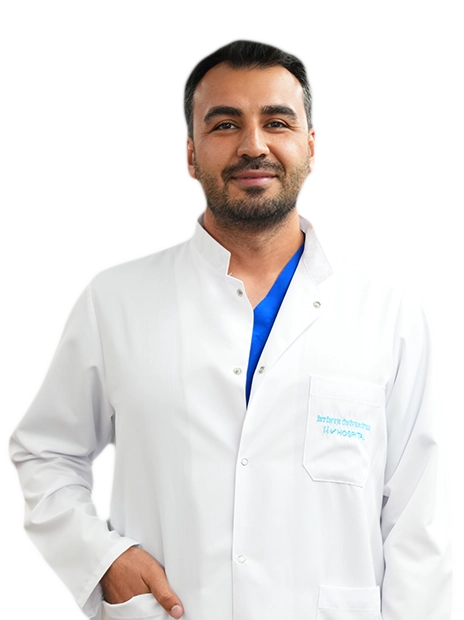

Colorectal surgery deals with the colon, rectum, and anus. It treats issues like colorectal cancer, inflammatory bowel disease, and hemorrhoids. Learn what colorectal surgery is, when it’s needed, and how specialists perform it.
Knowing about what is colorectal surgery is key for those with these problems. It helps in diagnosing and treating issues with the rectum, anus, and colon.
Liv Hospital combines global expertise with care focused on the patient. They offer top-notch coloproctology services. Their goal is quality care and outcomes.
Key Takeaways
- Colorectal surgery addresses a wide range of conditions affecting the colon, rectum, and anus.
- Specialists in this field are trained to diagnose and treat complex disorders.
- Understanding when to seek a coloproctologist is key for effective diagnosis and treatment.
- Liv Hospital offers complete care with a focus on patient-centered values.
- Advanced coloproctology services are available for conditions such as colorectal cancer and inflammatory bowel disease.
The Field of Colorectal Surgery: An Overview

Colorectal surgery is a medical specialty that deals with the colon, rectum, and anus. It’s also known as proctology or coloproctology. Doctors in this field are called proctologists, coloproctologists, or colorectal surgeons.
Definition and Scope of Practice
The word “proctology” comes from Greek. It means “study of the anus” or “hindparts.” Colorectal surgery includes many treatments, from simple to complex.
Colorectal surgeons handle many issues, like cancer, inflammatory bowel disease, and hemorrhoids. They use both surgery and non-surgical methods.
| Condition | Common Treatments |
| Colorectal Cancer | Surgery, Chemotherapy |
| Inflammatory Bowel Disease | Medication, Surgery |
| Diverticulitis | Antibiotics, Surgery |
| Hemorrhoids | Lifestyle Changes, Hemorrhoidectomy |
Historical Development of the Specialty
Colorectal surgery has grown a lot over time. It started in general surgery and became a special field. New technology, surgical methods, and understanding of diseases helped it grow.
Key milestones in the development of colorectal surgery include:
- The establishment of specialized training programs for colorectal surgeons.
- The development of new surgical techniques, such as laparoscopic and robotic-assisted surgery.
- Advances in the understanding and management of colorectal diseases.
Common Conditions Treated with Colorectal Surgery

Colorectal surgeons deal with many disorders of the colon, rectum, and anus. These issues can greatly affect a person’s health and happiness. They need effective treatments to improve their lives.
Colorectal Cancer
Colorectal cancer is a common cancer that affects the colon or rectum. Early detection is key for treatment. Symptoms include changes in bowel habits, blood in the stool, and abdominal pain.
Treatment varies. It can be surgery, chemotherapy, or radiation therapy. This depends on the cancer’s stage and location.
Inflammatory Bowel Disease
Inflammatory bowel disease (IBD) includes Crohn’s disease and ulcerative colitis. These conditions cause chronic inflammation in the gut. Medical management is often the first step.
But, surgery may be needed for complications or when other treatments don’t work. Surgical options include bowel resection or creating an ostomy.
Diverticulitis
Diverticulitis happens when small pouches in the colon get inflamed. It can cause severe pain, fever, and changes in bowel habits. Treatment may include antibiotics, dietary changes, or surgery for severe cases.
Surgery is often needed for recurrent or severe diverticulitis.
Hemorrhoids and Anal Conditions
Hemorrhoids are swollen veins in the rectum or anus. They can cause discomfort, pain, and bleeding. Other issues include anal fissures and fistulas.
Treatment varies. It can range from lifestyle changes and medications to surgery. For severe cases, a hemorrhoidectomy may be necessary.
It’s important for patients to know about these common conditions treated by colorectal surgeons. These doctors are trained to diagnose and treat these complex issues. They offer various treatments based on each patient’s needs.
Understanding Colorectal Surgery Procedures
It’s important for patients to know about colorectal surgery options. These surgeries treat problems in the colon and rectum. Knowing what to expect helps with preparation and recovery.
Colectomy: Partial and Total
A colectomy means removing part or all of the colon. It’s needed for things like cancer, severe diverticulitis, or inflammatory bowel disease. There are two types: partial and total.
A partial colectomy takes out the sick part of the colon. A total colectomy removes the whole colon. The choice depends on the condition and the patient’s health.
Rectal Resection
Rectal resection, or proctectomy, removes part or all of the rectum. It’s used for rectal cancer or severe disease. The amount removed depends on the condition’s location and severity.
Rectal resection aims to keep the anal sphincter, helping with bowel function. But, in severe cases, a permanent colostomy might be needed.
Colostomy and Ileostomy
A colostomy or ileostomy creates an opening in the abdomen for waste. A colostomy brings the colon to the skin, while an ileostomy brings the ileum to the skin.
These are needed when part of the colon or rectum is removed or bypassed. Patients with an ostomy must learn to care for their stoma and adjust to new bowel habits.
Minor Procedures and Office-Based Treatments
Minor procedures are key in colorectal surgery. They offer quick fixes for many anorectal issues. These treatments happen in an office, avoiding the need for hospital stays.
Hemorrhoidectomy
A hemorrhoidectomy removes swollen veins in the lower rectum or anus. It’s for severe or ongoing hemorrhoids that other treatments can’t fix.
The surgery takes out the hemorrhoidal tissue. It can be done in different ways, like traditional excision or stapled hemorrhoidopexy.
Fistula Repair
An anal fistula is an abnormal link between the anus and skin. Fistula repair surgery aims to close this link. It helps in healing and stops infections.
There are many ways to do the surgery. Some methods include opening the fistula and draining it, or more complex repairs like advancement flap repair.
Anal Fissure Treatment
An anal fissure is a tear in the anus lining. It causes pain and bleeding. Treatment depends on the fissure’s severity and how long it lasts.
First, doctors try non-surgical methods like diet changes and topical treatments. Sometimes, surgery is needed. This might include lateral internal sphincterotomy.
Polyp Removal
Polyp removal, or polypectomy, takes out polyps from the colon or rectum. It’s often done during a colonoscopy. Special tools are used to remove the polyp.
The removed polyp is checked for abnormal cells. This helps find out if there’s a risk of colorectal cancer.
These minor procedures and office treatments are vital in colorectal surgery. They offer effective, often less invasive solutions for many anorectal problems.
Who Are Colorectal Surgeons?
Colorectal surgeons are experts in treating the colon, rectum, and anus. They use both open and minimally invasive surgery. Their goal is to help patients with these conditions.
Training and Certification Requirements
To be a colon surgeon or colo rectal surgeon, one needs a lot of training. They start with a general surgery residency. Then, they do a colorectal surgery fellowship.
Getting certified involves passing a board exam in general surgery. Sometimes, they also get certified in colorectal surgery. This shows they are ready to give top-notch care.
Difference Between Colorectal Surgeons and Gastroenterologists
Colorectal surgeons and gastroenterologists both work with the gut. But, they focus on different things. Gastroenterologists handle medical treatments for gut diseases. On the other hand, colorectal surgeons do surgeries for the colon, rectum, and anus.
A colon surgeon can do many surgeries. This includes removing parts of the colon or creating an ostomy. They use both open and minimally invasive methods. This way, they can choose the best surgery for each patient.
In short, colorectal surgeons are key in treating colorectal diseases. Their training and certification make them the best choice for complex surgeries.
Coloproctology Terminology Explained
Understanding coloproctology terms helps patients grasp their health issues and treatment choices. This field is also called proctology or coloproctology. The terms are often used the same way, but there are differences based on where you are.
Proctology vs. Coloproctology
Proctology and coloproctology are the same medical field. They deal with the colon, rectum, and anus. Historically, proctology focused more on the rectum and anus. Now, coloproctology is used more, covering the colon too.
Here are the main points about these terms:
- Both terms are about the same surgical field.
- Proctology is an older term used in the past.
- Coloproctology covers more, including the colon, rectum, and anus.
- The use of coloproctology shows a broader focus on the colorectal area.
Regional and International Variations in Terminology
There are differences in how these terms are used around the world. For example:
- In some places, proctology is the preferred term, showing its historical use.
- In other areas, coloproctology is used more, showing a wider scope of the field.
Knowing these differences helps in clear communication between doctors and patients globally.
Finding the Right Specialist
Finding the right doctor for colorectal issues is key. Here are some tips:
- Look for a surgeon certified in coloproctology surgery or a related field.
- Make sure the specialist has experience with your condition.
- Check patient feedback and referrals from other doctors.
By understanding the terms and finding a qualified doctor, patients can get better care.
When to See a Coloproctologist
If you’re dealing with symptoms related to your colon or rectum, seeing a specialist is key. Colorectal surgeons, or coloproctologists, are experts in treating these areas. They can diagnose and treat many conditions.
Reasons to see a coloproctologist include colorectal cancer, hemorrhoids, and more. These issues can really affect your life. Getting help early is often very important.
Signs and Symptoms Indicating the Need for a Coloproctologist
Here are some signs you might need to see a coloproctologist:
- Persistent changes in bowel habits
- Rectal bleeding or blood in the stool
- Abdominal pain or cramping
- Unexplained weight loss
- Fecal incontinence or leakage
- Painful or swollen hemorrhoids
Age also plays a part in when to see a coloproctologist. Adults should start screening at 45, unless they have a family history. Then, they might need to start earlier.
Referral Process from Primary Care
Usually, a visit to a coloproctologist starts with a referral from your primary care doctor. They’ll send you if you have symptoms that need special care or if screening results are abnormal.
| Condition | Common Symptoms | When to Seek Care |
| Colorectal Cancer | Blood in stool, changes in bowel habits, abdominal pain | Upon noticing symptoms or after screening tests |
| Hemorrhoids | Painful swelling, bleeding during bowel movements | If symptoms persist or worsen |
| Inflammatory Bowel Disease (IBD) | Diarrhea, abdominal pain, weight loss | Upon experiencing persistent or severe symptoms |
Knowing when to see a coloproctologist is important for your health. Recognizing symptoms that need special care can help you get the right treatment early.
Advances in Colorectal Surgery Techniques
Colorectal surgery has seen big changes, thanks to new methods that help patients heal faster and with fewer problems. These new ways of treating patients offer better and less invasive options.
Minimally Invasive Approaches
Laparoscopic and minimally invasive surgery are key in colorectal surgery today. They use smaller cuts, leading to less pain and faster healing. Laparoscopic tools help surgeons work more precisely, causing less damage to tissues.
These methods cut down on complications, hospital stays, and scarring. But, they need skilled surgeons and the right tools, showing the importance of staying up-to-date.
Robotic-Assisted Surgery
Robotic-assisted surgery is another big step forward in colorectal surgery. It uses a robotic system to improve the surgeon’s skills, giving better dexterity and clearer views. It’s great for tricky surgeries, making dissection and rebuilding more precise.
Robotic surgery brings many benefits, like better precision, less blood loss, and quicker healing. But, it’s pricey and needs special training, which are big factors to consider.
Transanal Endoscopic Microsurgery
Transanal endoscopic microsurgery (TEM) is a special method for taking out rectal tumors. It lets surgeons work through the anus, avoiding big cuts. TEM is good for small rectal cancers and benign growths, as a less invasive option.
TEM lowers the risk of problems, pain after surgery, and keeps the anus working well. It needs special tools and training, showing the need for skilled surgeons.
Enhanced Recovery After Surgery (ERAS) Protocols
ERAS protocols are guidelines to help patients recover better after surgery. They cover things like pre-op advice, good nutrition, and standard pain relief. ERAS aims to lessen surgery’s impact and speed up recovery.
Studies show ERAS cuts down on complications, shortens hospital stays, and boosts patient results. It standardizes care, ensuring patients get top-notch care from start to finish.
Preparing for Colorectal Surgery
Getting ready for colorectal surgery is a big step. It involves several important steps to make sure everything goes smoothly. Proper preparation can greatly affect the surgery’s success and your recovery.
Preoperative Testing and Evaluation
Before surgery, patients go through tests to check their health. These tests include:
- Blood tests to look for anemia, infection, or other health issues
- Imaging tests like CT scans or MRI to see the affected area
- Electrocardiogram (ECG) to check the heart’s health
- Consultations with specialists like cardiologists or pulmonologists if needed
These tests help find any risks and help the surgical team plan. As “a thorough preoperative evaluation is key to minimizing complications”, a study in a leading medical journal says.
Bowel Preparation
Bowel preparation is a key step before surgery. It includes:
- Mechanical bowel preparation: Cleansing the bowel with laxatives or enemas to remove stool.
- Antibiotic prophylaxis: Giving antibiotics to lower the risk of surgical site infections.
The goal of bowel preparation is to lower the risk of complications during and after surgery. Patients must follow their surgeon’s specific instructions for bowel preparation.
What to Expect Before Surgery
On the day before surgery, patients should:
- Follow the bowel preparation regimen as directed
- Avoid eating or drinking anything after midnight
- Take any prescribed medications as directed by their surgeon
- Arrive at the hospital or surgical center at the designated time
Following these instructions carefully is important for a smooth surgical process.
Questions to Ask Your Surgeon
Before surgery, patients should talk to their surgeon about their concerns and questions. Important questions include:
- What are the possible risks and complications of the surgery?
- What are the expected outcomes, and how will they be measured?
- What is the typical recovery time, and what can I expect during this period?
- Are there any specific post-operative instructions I should follow?
As “open communication between the patient and surgeon is vital for achieving the best possible outcomes”, a leading colorectal surgeon emphasizes.
Recovery After Colorectal Surgery
Knowing how to recover after colorectal surgery is key for a smooth healing. The recovery phase includes important steps to manage health well.
Hospital Stay Duration
The time in the hospital after surgery varies. It depends on the surgery type and the patient’s health. Minimally invasive surgeries usually mean shorter stays than open surgeries.
Typical Hospital Stay Durations:
| Procedure Type | Average Hospital Stay |
| Laparoscopic Surgery | 2-4 days |
| Open Surgery | 5-7 days |
Pain Management
Managing pain is a big part of recovery. Doctors use different medicines to help with pain. This can include opioids, non-opioid pain relievers, and other treatments.
Pain management strategies include:
- Patient-controlled analgesia (PCA)
- Oral pain medications
- Regional anesthesia techniques
Dietary Considerations
What you eat is important after surgery. Doctors often suggest a special diet. This helps with nutrition and avoids problems.
Dietary Recommendations:
- Start with clear liquids
- Slowly add solid foods
- Drink plenty of water
Return to Normal Activities
When you can go back to normal activities varies. It depends on the surgery. Doctors usually tell you to avoid heavy work for weeks.
Guidelines for Resuming Activities:
| Activity Level | Recommended Timeframe |
| Light activities (e.g., walking) | Within 1-2 weeks |
| Moderate activities (e.g., light exercise) | 2-4 weeks |
| Strenuous activities (e.g., heavy lifting) | 4-6 weeks or more |
Understanding these recovery aspects helps patients prepare better. Working with your colorectal doctor ensures a good outcome.
Living with an Ostomy
An ostomy, whether temporary or permanent, changes a person’s life a lot. It needs a lot of care. You have to know about the types, daily care, and how to deal with the emotional side. Also, knowing about support and reversal options is important.
Types of Ostomies
There are many types of ostomies, each for a different reason. The most common ones are:
- Colostomy: A surgical opening in the colon to divert fecal matter.
- Ileostomy: An opening in the ileum (part of the small intestine) to divert intestinal contents.
- Urostomy: A diversion for urine, not directly related to colorectal surgery but often discussed alongside other ostomies.
Knowing your ostomy type is key to managing it well.
Ostomy Care and Management
Good care and management of an ostomy are very important. They help avoid problems and keep your life good. This includes:
- Regular cleaning and changing of the ostomy bag.
- Monitoring for signs of complications such as infection or blockage.
- Dietary adjustments to manage output and prevent issues.
It’s best to work with your healthcare provider to make a care plan that’s just right for you.
Psychological Aspects and Support Resources
Having an ostomy can affect your mind, causing anxiety, depression, and body image issues. It’s important to have support, like:
- Counseling or therapy to address emotional challenges.
- Support groups, either in-person or online, to connect with others who have ostomies.
- Educational materials to understand and manage their condition better.
These resources can help a lot in dealing with your ostomy.
Ostomy Reversal Procedures
For some, reversing the ostomy is an option. This surgery reconnects the intestine to restore normal bowel function. The choice to reverse depends on why you had the ostomy and your health.
Reversal can greatly improve your life, but it’s not without risks. It’s something to think about carefully.
Conclusion: The Importance of Colorectal Health
Understanding colorectal health is key to staying well. A colon and rectal surgeon is important for diagnosing and treating colon, rectum, and anus issues.
Health problems in the colon and rectum can really affect your life. It’s important to get medical help if you notice symptoms. Knowing about colorectal surgery and the skills of colorectal surgeons helps you take care of your health.
Good colorectal health comes from prevention, timely medical care, and sometimes surgery. This article has shown that colorectal surgeons can handle many conditions, from simple to complex.
In short, taking care of your colorectal health is essential for your overall well-being. Knowing when to see a specialist can greatly improve your treatment.
FAQ
What is colorectal surgery?
Colorectal surgery is a field that deals with the colon, rectum, and anus. It involves diagnosing and treating diseases in these areas.
What conditions are treated with colorectal surgery?
This surgery treats many conditions. These include colorectal cancer, inflammatory bowel disease, and more.
What is the difference between a colorectal surgeon and a gastroenterologist?
A colorectal surgeon performs surgery on the colon and anus. A gastroenterologist treats digestive issues without surgery.
What is a coloproctologist?
A coloproctologist is a specialist in the colon, rectum, and anus. They are often the same as colorectal surgeons.
What are the symptoms that indicate the need to see a coloproctologist?
You might need to see a coloproctologist if you have rectal bleeding or changes in bowel habits. Abdominal pain and anal discomfort are also signs.
What is laparoscopic colorectal surgery?
Laparoscopic colorectal surgery is a minimally invasive method. It uses small incisions and a camera for surgery.
What is an ostomy?
An ostomy is a procedure that creates an opening in the abdomen. It’s often needed after colorectal surgery.
How do I prepare for colorectal surgery?
Preparing for surgery includes tests and bowel prep. You’ll also talk about medications with your surgeon.
What can I expect during recovery from colorectal surgery?
Recovery may involve a hospital stay and pain management. You’ll also need to follow dietary changes and gradually return to activities.
What are the benefits of Enhanced Recovery After Surgery (ERAS) protocols?
ERAS protocols help reduce stress and promote recovery. They often lead to shorter hospital stays and fewer complications.
How do I care for my ostomy?
Caring for an ostomy requires good hygiene and the right supplies. A healthcare professional can guide you through any complications.
Can I have an ostomy reversal?
Ostomy reversal reconnects the intestine, restoring normal bowel function. It’s possible depending on your situation.
References:
- Skalitzky, M. K., et al. (2023). Characteristics and symptomatology of colorectal cancer. Journal of Clinical Oncology. https://pmc.ncbi.nlm.nih.gov/articles/PMC10116569/



 Departments
 Related Videos
 Our Doctors
 News
News