
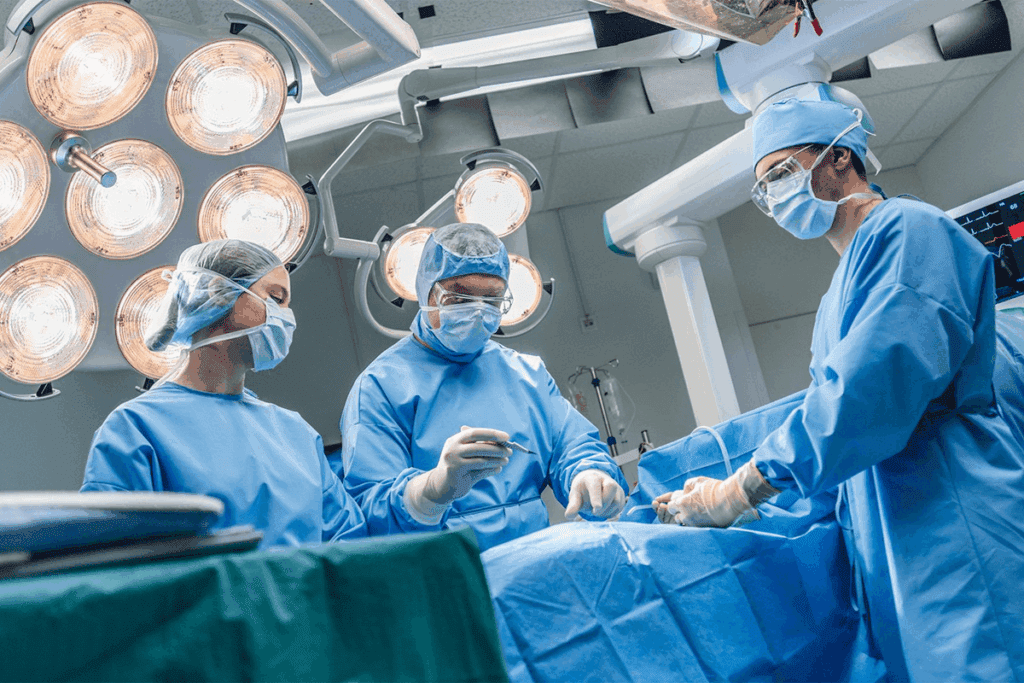
Choosing colorectal surgery is a big step. Knowing how recovery time changes with each procedure helps patients and families get ready for healing. Learn aboutcolorectal surgery recovery time and how procedure type impacts healing.
Liv Hospital is dedicated to top-notch care. They make sure every patient gets the best support during their colorectal surgical procedures.
The recovery time for colorectal operations really depends on the surgery type. Minimally invasive surgeries usually mean shorter recovery times.
Key Takeaways
- Recovery time varies a lot based on the colorectal surgery type.
- Minimally invasive procedures often lead to shorter recovery times.
- Liv Hospital offers care tailored to each patient’s needs during their colorectal surgery journey.
- It’s important to know the differences in colorectal surgical procedures to prepare well.
- At Liv Hospital, quality and ethical care always come first.
Understanding Colorectal Surgery and Its Importance

Colorectal surgery deals with treating conditions like colon cancer and inflammatory bowel disease. It’s a specialized field that focuses on the colon, rectum, and anus. This surgery is vital for many patients.
What Is Colorectal Surgery?
Colorectal surgery is a medical field that treats diseases of the lower digestive tract. It offers patients a chance to recover from conditions once thought untreatable. Experts say it has improved a lot, using new techniques that help patients heal faster.
Expert Opinion
Common Conditions Requiring Colorectal Surgery
Many conditions need colorectal surgery, including:
- Colon cancer
- Inflammatory bowel disease (IBD)
- Diverticulitis
- Rectal prolapse
These issues can really affect a person’s life. Surgery is often the best way to treat them.
What Does a Colorectal Surgeon Do?
A colorectal surgeon deals with the colon, rectum, and anus. They do everything from checking patients before surgery to caring for them after. Their skill is key in choosing the right surgery for each patient.
Knowing about colorectal surgery and the surgeon’s role helps patients make better choices. It’s important for their care.
Types of Colorectal Surgical Procedures
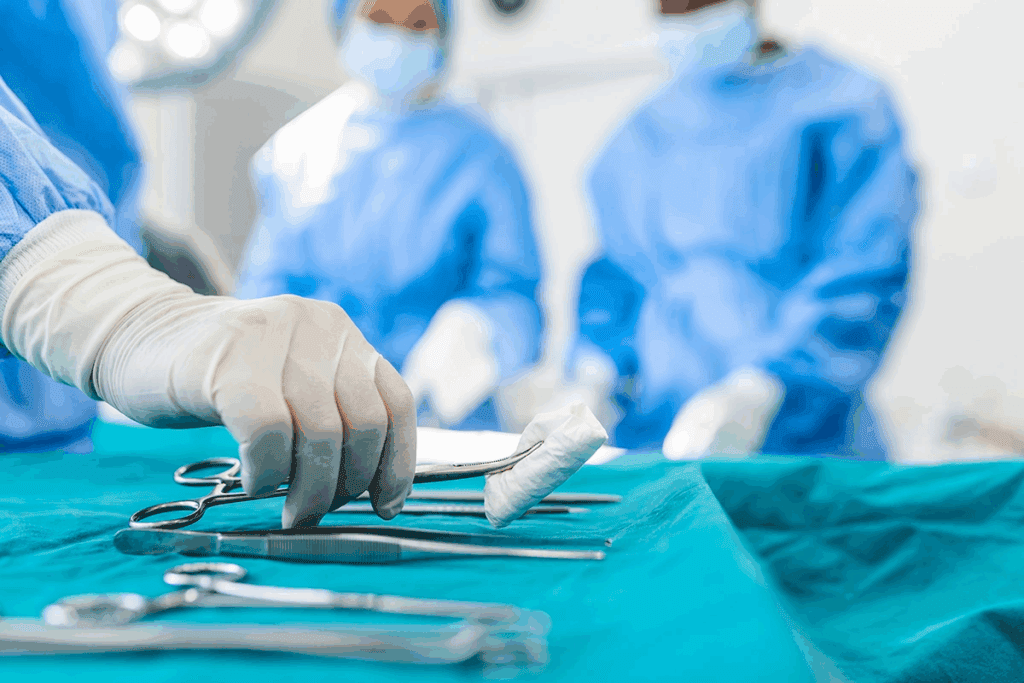
Colorectal surgery includes many procedures. These range from minimally invasive techniques to open surgeries. Each is designed to treat different issues in the colon and rectum.
Minimally Invasive Procedures
Minimally invasive surgeries use smaller cuts. This leads to less damage and pain. Laparoscopic surgery and robotic-assisted surgery are popular for these reasons.
They offer quicker recovery times and less pain. Plus, they leave smaller scars. These methods let surgeons work with more precision and control.
Open Surgical Procedures
Open surgery uses a bigger cut to directly access the area. It’s more invasive but sometimes needed for complex cases. This method is used when other techniques can’t be used.
It allows for detailed procedures that are hard or impossible with other methods.
Common Bowel Operation Types
Many bowel operations treat conditions like colorectal cancer and inflammatory bowel disease. Some common ones are:
- Colectomy: Removing part or all of the colon.
- Proctectomy: Taking out part or all of the rectum.
- J-pouch surgery: Making a pouch for a new rectum after removing part of it.
These surgeries can be done with either small cuts or open surgery. The choice depends on the patient’s health and the surgeon’s advice.
Colorectal Surgery Recovery Time: What to Expect
After colorectal surgery, patients often wonder about the recovery time. The recovery period is key and needs careful planning and patience. It’s important to know what to expect during this time.
General Timeline for Recovery
The recovery time after colorectal surgery varies. Minimally invasive surgeries usually have shorter recovery times than open surgeries. Patients can expect to recover in 4 to 6 weeks, but it can take longer for some.
Hospital Stay Duration
The hospital stay after surgery depends on the procedure’s complexity and the patient’s health. On average, patients stay 3 to 7 days. But, some may go home sooner, like after minimally invasive surgeries.
Return to Normal Activities
Getting back to normal after surgery takes time. Patients should avoid heavy lifting and bending for 4 to 6 weeks. The exact time to return to work depends on the job and recovery.
Long-term Recovery Considerations
Long-term recovery includes managing complications and following care instructions. Patients should eat a balanced diet and stay hydrated. Regular check-ups with the healthcare provider are also important to track progress and address concerns.
How Serious Is Colorectal Surgery? Risk Assessment
The seriousness of colorectal surgery depends on the condition being treated. This includes colorectal cancer, inflammatory bowel disease (IBD), or diverticulitis. Each condition needs a different surgical approach. It’s important for patients to know the risks involved.
Potential Complications
Like any major surgery, colorectal surgery has risks. These can include infection, bleeding, and reactions to anesthesia. Knowing these risks helps patients make informed choices.
- Infection: Surgical site infections are a risk, and measures are taken to minimize this risk.
- Bleeding: Excessive bleeding during or after surgery is a possible complication.
- Adverse reactions to anesthesia: Some patients may have bad reactions to the anesthesia used during surgery.
Risk Factors That Affect Surgical Outcomes
Several factors can affect the outcome of colorectal surgery. These include the patient’s health, age, and any existing health conditions. For example, patients with diabetes or heart disease may face higher risks.
| Risk Factor | Description | Impact on Surgery |
| Age | Older patients may have more health issues. | Increased risk of complications. |
| Comorbidities | Presence of other health conditions like diabetes or heart disease. | Higher risk of surgical complications. |
| Disease Stage | The stage at which the disease is diagnosed and treated. | Affects the complexity and risk of the surgery. |
Mortality and Morbidity Statistics
Mortality and morbidity rates for colorectal surgery have improved. This is thanks to better surgical techniques and care before and after surgery. These rates can change based on the surgery’s complexity and the patient’s health.
Psychological Impact of Colorectal Surgery
The psychological effects of colorectal surgery should not be ignored. Patients may feel anxious, depressed, or have body image issues after surgery. Support from healthcare providers, family, and friends is key during this time.
In conclusion, while colorectal surgery is a serious step, understanding its risks and outcomes is vital. By looking at the condition, possible complications, and individual risks, patients can better understand their treatment journey.
Recovery After Minimally Invasive Colorectal Procedures
Minimally invasive colorectal surgery has changed the game. It makes recovery faster for patients. This method reduces the harm from traditional surgery.
Laparoscopic Surgery Recovery
Laparoscopic surgery uses small cuts for a camera and tools. It leads to quicker recovery than open surgery, with less pain and scars.
Patients usually go home in a few days. It takes a few weeks to fully recover. They should avoid heavy lifting and hard activities.
Robotic-Assisted Surgery Recovery
Robotic-assisted surgery uses a robotic system for the procedure. It causes less tissue damage, which can mean faster recovery.
Like laparoscopic surgery, recovery is short. It takes a few weeks to get back to normal activities.
Endoscopic Procedure Recovery
Endoscopic procedures use an endoscope to see inside the body. They are often for checking things or small fixes. Recovery is very quick, with most back to normal in a day or two.
Benefits of Minimally Invasive Approaches
These methods have big advantages. They cut down recovery time, pain, and scarring.
“The shift towards minimally invasive surgery represents a significant advancement in the field of colorectal surgery, improving patient outcomes and satisfaction.”
- Reduced hospital stay
- Less post-operative pain
- Minimal scarring
- Quicker return to normal activities
Overall, these procedures lead to faster recovery and less risk. They are a great choice for patients.
Recovery After Major Open Colorectal Surgeries
Open colorectal surgery is more invasive, leading to a longer and tougher recovery. A detailed post-operative care plan is needed for the best healing.
Traditional Open Surgery Healing Process
The healing after traditional open colorectal surgery takes time. Patients first face pain, discomfort, and tiredness. These symptoms lessen as the body heals.
Key stages of the healing process include:
- Immediate post-operative recovery in the hospital
- Pain management and monitoring for complications
- Gradual return to normal activities
- Follow-up care to ensure proper wound healing
Extended Recovery Needs
Those who have open colorectal surgery need more time to recover. This can take weeks or even months.
| Recovery Aspect | Typical Recovery Time | Notes |
| Hospital Stay | 5-7 days | Variable depending on individual health and surgical complexity |
| Return to Light Activities | 2-4 weeks | Gradual increase in activity level |
| Full Recovery | 6-12 weeks | Complete healing and return to normal activities |
Managing Post-Surgical Pain
Managing pain is key after open colorectal surgery. Patients get pain meds to help with discomfort.
Wound Care and Infection Prevention
Good wound care is vital to avoid infection and aid healing. Patients must follow their surgeon’s wound care advice and watch for infection signs like redness, swelling, or fever.
Key wound care practices include:
- Keeping the wound clean and dry
- Following dressing change instructions
- Monitoring for signs of infection
Factors That Influence Colorectal Surgery Recovery Time
Knowing what affects recovery time is key for those having colorectal surgery. Many things can influence how long it takes to get better. These include the patient’s health and the details of the surgery.
Patient-Related Factors
Things about the patient can greatly affect recovery. Age, health, and any health issues like diabetes or heart disease matter. For example, older patients or those with health problems might need more time to recover.
Being active and eating well before surgery can help you heal faster. Also, being well-nourished is important for healing. Not smoking before surgery is very beneficial, as smoking can slow healing and increase risks.
Procedure-Related Factors
The type of surgery done affects recovery time. Smaller, less invasive surgeries like laparoscopic or robotic-assisted ones usually mean quicker recovery. The surgery’s complexity and the surgeon’s skill also play a part.
Using new surgical methods and technology can help you heal faster. This is because they cause less damage and pain.
Post-Operative Complications
Complications after surgery can make recovery longer. Issues like infections, bleeding, or bowel problems need extra treatment. They can keep you from getting back to normal sooner.
Getting up and moving early, and following doctor’s orders, helps avoid problems. If complications happen, you might stay in the hospital longer and need more care after you go home.
The Multidisciplinary Approach to Colorectal Surgery
In colorectal surgery, a team effort is key. This means many healthcare experts working together. They aim to give the best care to patients.
The Colorectal Clinic Experience
A colorectal clinic is the center of this team effort. It offers services from start to finish. Patients get a smooth care process thanks to the team’s coordination.
“Having different specialists in one place makes a big difference,” says a top colorectal surgeon. “It’s not just about the surgery. It’s about the whole journey, from start to finish.”
Role of Different Specialists
A team includes surgeons, gastroenterologists, radiologists, oncologists, and nurses. Each one is vital to the patient’s care.
- Colorectal surgeons lead the surgical team.
- Gastroenterologists help with diagnosis and non-surgical treatments.
- Radiologists provide imaging for diagnosis and planning.
- Oncologists help with chemotherapy and cancer treatments.
Coordinated Care and Its Impact on Recovery
Coordinated care is central to this approach. It ensures all care aspects are managed well. This improves recovery.
Good communication among team members is essential. It helps spot and fix problems early.
Advanced Techniques in Coloproctology Surgery
Coloproctology has seen big advances in surgery. Minimally invasive and robotic surgeries are now common. These techniques reduce recovery time and pain, making care better.
“The future of colorectal surgery is in using technology and teamwork,” says a leading expert.
By using a team approach, clinics can give better care. This improves patient results and the healing process.
Conclusion: Optimizing Your Healing Journey After Colorectal Surgery
Recovering well after colorectal surgery needs a team effort. Knowing what surgery you had helps you get ready for healing. This knowledge makes your recovery smoother.
Good tips for recovery include following your doctor’s advice, eating right, and going to all your follow-ups. A care plan from experts can really help you heal faster.
New surgery methods aim to cut down on problems and speed up recovery. Using the latest tech means you might not stay in the hospital as long. You could get back to your life sooner.
Getting better after surgery is about more than just the surgery itself. It’s also about good care after and listening to your doctor’s advice. This combination is key to a successful recovery.
FAQ
What is colorectal surgery?
Colorectal surgery deals with the colon, rectum, and anus. It involves diagnosing and treating diseases in these areas.
What does a colorectal surgeon do?
A colorectal surgeon treats conditions of the colon, rectum, and anus. They often perform surgeries to fix or remove damaged tissues.
What are the common conditions that require colorectal surgery?
Conditions needing surgery include colorectal cancer and diverticulitis. Inflammatory bowel disease, hemorrhoids, and rectal prolapse are also common.
What are the different types of colorectal surgical procedures?
There are minimally invasive and open surgeries. Minimally invasive ones use small incisions. Open surgeries need a bigger cut.
How serious is colorectal surgery?
The seriousness of colorectal surgery varies. It depends on the procedure, the patient’s health, and any other medical conditions.
What is the typical recovery time for colorectal surgery?
Recovery time varies. It depends on the surgery type, the patient’s health, and other factors. Patients usually take weeks to months to fully recover.
What are the possible complications of colorectal surgery?
Complications can include infection and bleeding. Bowel obstruction and adhesions are also possible.
How can I optimize my recovery after colorectal surgery?
Follow your surgeon’s advice and eat healthily. Stay hydrated and go to follow-up appointments. This helps your recovery.
What is a colorectal clinic, and what can I expect from it?
A colorectal clinic offers care for colorectal disorders. It has a team approach for diagnosis, treatment, and management.
What is the role of different specialists in colorectal surgery?
Specialists like colorectal surgeons and gastroenterologists work together. They provide care for patients undergoing surgery.
How do patient-related factors influence colorectal surgery recovery time?
Factors like age and health affect recovery. Underlying medical conditions also play a role.
What are the benefits of minimally invasive colorectal procedures?
These procedures have many benefits. They cause less pain, require shorter hospital stays, and lead to faster recovery.
References:
- Gude, S. S., et al. (2023). Colorectal cancer diagnostic methods: The present and future. PMC. https://pmc.ncbi.nlm.nih.gov/articles/PMC10185295/