
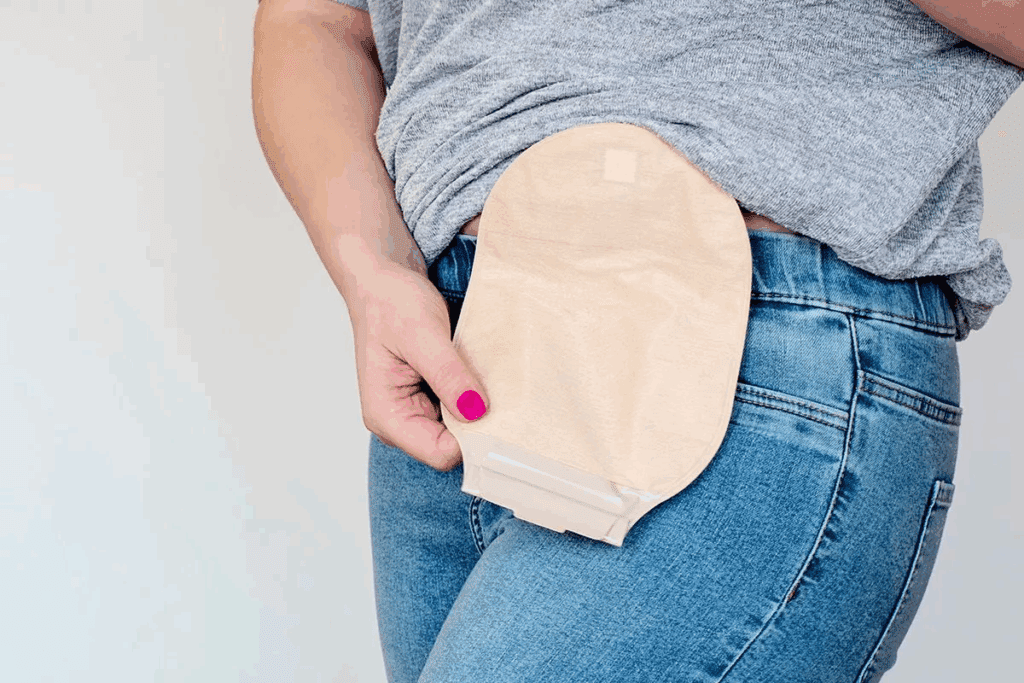
Emptying an ostomy pouch is key for managing bowel movements after certain surgeries. When the pouch is one-third to one-half full, it’s time to empty it.Step-by-step guide on how to empty a colostomy bag full of poop safely and hygienically.
Liv Hospital focuses on quality and patient care. They teach you how to empty your colostomy bag safely and with confidence. You’ll need to prepare supplies, get into a comfy position, open the pouch carefully, and then seal it again.
Learning to empty your ostomy bag right is important for staying clean and avoiding problems. By following this guide, you can have a better experience and get the best medical results.
Key Takeaways
- Empty the ostomy pouch when it’s one-third to one-half full.
- Prepare necessary supplies before emptying the pouch.
- Assume a comfortable position to facilitate the process.
- Carefully open and reseal the pouch to maintain hygiene.
- Mastering the emptying technique ensures confidence and comfort.
Understanding Colostomy Bags and Their Purpose

A colostomy bag is a medical device for collecting waste from an opening in the abdomen. This opening, called a stoma, lets stool pass outside the body, skipping the anus. Knowing about colostomy bags is key for those who have had or might have a colostomy.
What Is a Colostomy and Why It’s Performed
A colostomy is a surgery that makes an opening in the colon. This opening lets stool leave the body through the stoma. It’s done for reasons like colorectal cancer, diverticulitis, or severe bowel disease.
The surgery can be temporary or permanent, based on the condition and surgery extent.
There are different types of colostomies, including:
- End colostomy: The colon is brought to the surface of the abdomen, and the stoma is created.
- Loop colostomy: A loop of the colon is brought to the surface, and the stoma is formed.
What Does a Colostomy Bag Look Like
A colostomy bag, or ostomy pouch, is a flat, flexible plastic pouch. It’s attached to the stoma. Modern bags are made to be discreet and comfy, with odor-resistant materials.
The pouch is secured to the abdomen with an adhesive flange or wafer. This ensures a snug fit.
How a Colostomy Bag Works
The colostomy bag collects stool from the stoma. It has a seal or closure at the bottom for easy emptying. The bag is attached with an adhesive system, which is changed often to keep things clean and prevent irritation.
People with a colostomy must learn how to use and care for their bag. This includes emptying the pouch, cleaning the stoma, and changing the adhesive flange.
Types of Colostomy Pouches and Their Features

It’s important for people with a colostomy to know about the different types of pouches. These pouches collect waste from the stoma. They come in various styles to meet different needs.
Drainable vs. Closed-End Pouches
Colostomy pouches are mainly two types: drainable and closed-end. Drainable pouches need to be emptied often before being replaced. They have a bottom outlet for easy emptying.
Closed-end pouches are thrown away after each use. They’re good for solid or semi-solid waste. They’re also discreet because they can be tossed out entirely.
One-Piece vs. Two-Piece Systems
There’s a big difference in how these pouches are designed. One-piece systems combine the pouch and skin barrier into one. This makes them easier to apply and more discreet.
Two-piece systems have a pouch and a separate skin barrier. The pouch can be changed without removing the barrier. This system is flexible and can save money over time.
Modern Materials and Odor Control Technology
Today’s colostomy pouches use new materials and tech for better comfort. Many have odor-control filters to keep smells down. The materials are also softer on the skin, making them more comfortable to wear.
Also, new adhesives keep the pouch on longer and more securely. This lets people with a colostomy live more active lives without worrying about leaks or pouch falling off.
When to Empty Your Colostomy Bag Full of Poop
Knowing when to empty your colostomy bag is key to feeling comfortable and confident every day. How often you empty it depends on the bag type, your diet, and your body’s digestive rhythm.
Optimal Filling Levels
It’s best to empty your colostomy bag when it’s one-third to one-half full. This prevents it from getting too heavy. A heavy bag can leak or fall off, which is uncomfortable and smells bad.
Signs That Indicate Emptying Is Needed
There are signs that tell you it’s time to empty your bag. These include:
- Feeling the bag is heavy or sagging
- Noticing leakage or seepage around the stoma or bag
- Experiencing discomfort or pain due to a full bag
- Noticing an increase in odor
How Diet Affects Emptying Frequency
Your diet affects how often you need to empty your bag. Some foods can make you go more often or produce more gas. For example:
| Food Type | Effect on Colostomy Output |
| High-fiber foods (e.g., beans, cabbage) | Can increase gas and frequency of emptying |
| Dairy products | May cause gas or odor |
| Spicy or fatty foods | Can increase output or cause discomfort |
Knowing how foods affect your output helps you manage your diet. This can reduce how often you need to empty your bag. Keeping a food diary can help you see which foods affect you the most.
By watching your bag’s level, recognizing when it’s full, and adjusting your diet, you can manage your colostomy well. This helps you live a better life.
Supplies Needed for Emptying a Colostomy Bag
Having the right supplies is key for emptying a colostomy bag. It makes the process easier and keeps things clean. This helps avoid problems.
Essential Supplies Checklist
To empty a colostomy bag well, you need some basic items. These are:
- A new colostomy pouch or the parts you need for your system
- A pouch clip or closure device
- Scissors for cutting the pouch to size
- A clean towel or paper towels for cleaning
- Stoma powder or paste for skin protection
- Skin wipes or cleansing wipes
Having these supplies ready is important. It lets you empty and change your bag easily, without delays.
Optional Supplies for Comfort and Convenience
There are also extra items that can make emptying your colostomy bag better. These include:
- Odor-control products or sprays
- Comfortable, disposable wipes for the skin around the stoma
- A small bag or container for carrying supplies when you’re out
- Supportive garments or ostomy belts for extra security
A study in the Journal of Wound, Ostomy, and Continence Nursing found that using odor-control products helps. It makes patients feel less anxious about odors.
“The use of odor-control products can significantly improve the quality of life for ostomy patients by reducing odor-related distress.”
Creating a Portable Kit for On-the-Go Emptying
For those who are always on the move, a portable kit is a big help. It should have the basic and extra supplies you need. Pack these in a bag or container that’s easy to carry.
With a portable kit, you can manage your colostomy bag anywhere. This is great for work, travel, or fun activities.
Preparing to Empty Your Colostomy Bag
To empty your colostomy bag smoothly and hygienically, preparation is key. This includes several important steps. These steps help avoid problems and make the process easier.
Setting Up Your Environment
Start by making your environment comfortable and clean. Find a quiet, well-lit spot where you can sit or stand easily. Make sure all needed supplies are close to avoid accidents or contamination.
Having a special area for this task is helpful. It should have a toilet or a container for disposal. This makes the process smoother and less stressful.
Hand Hygiene and Infection Prevention
Before you start, wash your hands well. Use soap and warm water for at least 20 seconds. If you can’t find soap and water, use an alcohol-based hand sanitizer.
Keeping your hands clean is important for your health and to prevent infections. Clean hands help avoid bacteria from getting into the colostomy site or the bag.
Positioning Options: Sitting vs. Standing
The position you choose affects the ease and safety of emptying your colostomy bag. Sitting on a toilet is often best because it’s more controlled and easy to clean up. But, some people might prefer standing, like with a drainable pouch over a toilet.
What’s most important is finding a position that feels right for you. Try different ways to see what works best. Think about the type of bag you have and what feels most comfortable.
Step-by-Step Process for Emptying a Colostomy Bag
Emptying a colostomy bag is simple but needs attention to detail. Follow these steps for a clean and safe experience.
Removing Clothing and Accessing the Pouch
Start by taking off clothes that block the pouch. It’s important to create a comfortable and private environment. This helps avoid stress and complications.
- Gently remove clothing that covers the colostomy site.
- Ensure the area around the stoma is clean and free from any debris.
- If necessary, use a cloth or towel to cover the stoma temporarily while preparing to empty the pouch.
Opening the Outlet or Cap Properly
Next, open the outlet or cap. This step is critical to avoid spills or leaks.
To open the outlet correctly:
- Locate the outlet or cap at the bottom of the colostomy bag.
- Twist or pull the cap according to the manufacturer’s instructions.
- Be prepared to direct the contents into the toilet.
Controlling and Directing the Contents
Now, direct the contents into the toilet. It’s important to maintain control over the flow to prevent accidents.
- Stand or sit over the toilet, depending on what is most comfortable and safe.
- Slowly release the contents into the toilet.
- If necessary, use toilet paper or a cloth to clean any residue from the outlet.
Thoroughly Cleaning the Outlet
After emptying, clean the outlet well. This prevents odors and bacterial growth.
To clean the outlet:
- Rinse the outlet with water to remove any remaining contents.
- Use mild soap and warm water to clean the outlet thoroughly.
- Rinse again with clean water to remove any soap residue.
- Dry the outlet with a clean towel or let it air dry.
By following these steps, you can empty your colostomy bag safely and hygienically. Regular cleaning and maintenance are vital for health.
Managing Different Types of Ostomy Pouches
Ostomy pouches come in many types, each with its own features and needs. They are not all the same. They differ in design, how they work, and what users need.
Techniques for Drainable Pouches
Drainable pouches are made for use over and over again. They are handy and flexible. To use them well:
- Empty the pouch when it’s one-third to half full to prevent overflow.
- Use a clean water source to rinse the pouch thoroughly.
- Ensure the outlet is securely closed after emptying and cleaning.
Drainable pouches have big benefits: they save waste, are cost-effective, and let you track output better.
Handling Closed-End Pouches
Closed-end pouches are for one-time use and get thrown away after filling. To manage them:
- Watch the filling level to know when to change the pouch.
- Remove the pouch carefully to avoid spills.
- Dispose of the used pouch in a biohazard bag.
It’s key to follow good hygiene when dealing with closed-end pouches to lower infection risk.
Special Considerations for Different Brands and Models
Each brand and model of ostomy pouch has its own special features. For example:
| Brand/Model | Unique Feature | Management Tip |
| Brand A | Odor-control filter | Ensure the filter is not clogged. |
| Brand B | Soft, flexible material | Gently handle to prevent creasing. |
| Brand C | Integrated closure system | Listen for the click to ensure it’s secure. |
Knowing these details can really improve how well you use the pouch and your experience.
Troubleshooting Common Issues When Emptying a Colostomy Bag
Dealing with common problems when emptying a colostomy bag is key to staying clean and comfortable. Even with modern technology, issues like leakage, smell, and skin problems can happen. Knowing how to fix these problems can greatly improve life for those with a colostomy.
Dealing with Leakage Problems
Leakage can be a big worry and cause discomfort. To cut down on leaks, make sure the colostomy bag fits well on the stoma.
- Look for any gaps or weak spots in the adhesive seal around the stoma.
- Make sure the stoma size matches the flange or adhesive.
- Apply a skin barrier or protective film to help the adhesive stick better.
If leaks keep happening, talk to a healthcare expert or an ostomy nurse for help.
Managing Odor Effectively
Controlling smell is a big part of caring for a colostomy. Here are some ways to reduce odor:
- Try using products made to cut down on smell, like deodorants or filters for colostomy bags.
- Keep the stoma and skin around it clean to prevent smell buildup.
- Changing your diet can also help; avoid foods that make a strong smell.
“Using a colostomy bag with a built-in filter has significantly reduced odor issues for me.”
— Colostomy Bag User
Addressing Skin Irritation Around the Stoma
Skin problems around the stoma can come from allergies to adhesives or rubbing. To fix skin issues:
- Use mild, fragrance-free soap to clean the stoma and skin.
- Apply a skin barrier or protective powder to shield the skin.
- Try switching to a different adhesive or flange that’s gentler on the skin.
In summary, solving common problems with a colostomy bag involves the right techniques, choosing the right products, and making lifestyle changes. By tackling leakage, smell, and skin issues, people with a colostomy can live more comfortably and confidently.
Conclusion
Keeping a colostomy bag clean is key for those with a colostomy. It helps them live better and feel good. Knowing about different pouches and their uses helps manage the condition better.
Emptying a colostomy bag needs care and cleanliness. This article shows how to do it right. It helps avoid leaks and bad smells.
It’s important to keep the bag clean and empty regularly. Following the steps in this article helps. This ensures the bag works well and stays clean.
Knowing how to empty the bag is important. Adding these steps to your daily routine helps. It lets people with a colostomy live fully and happily.
FAQ
What is a colostomy bag and how does it work?
A colostomy bag is a flat, flexible pouch attached to the stoma. It has a seal at the bottom for emptying. It collects waste from the colon, aiming to be discreet and odor-free.
How often should I empty my colostomy bag?
Emptying frequency varies based on diet, pouch type, and output. It’s best to empty when it’s one-third to one-half full.
What are the signs that indicate my colostomy bag needs to be emptied?
Signs include feeling the pouch get heavy, noticing leakage, or seeing it reach the max level.
How do I empty a drainable colostomy pouch?
To empty, open the outlet, direct contents into the toilet, and clean the outlet before sealing it again.
What supplies do I need to empty my colostomy bag?
You’ll need a toilet, toilet paper or wipes, and clean water. Optional items include a portable kit with extra pouches, wipes, and hand sanitizer.
How can I manage odor from my colostomy bag?
Modern bags have odor control technology. Good hygiene, odor-controlling products, and diet adjustments also help.
What should I do if I experience leakage from my colostomy bag?
If you leak, check for damage and ensure the seal is tight. Adjust the pouch if needed. If it continues, talk to your healthcare provider.
How can I prevent skin irritation around my stoma?
Keep the area clean, use a skin barrier, and ensure a proper fit. Regularly check for irritation signs.
Can I travel with my colostomy bag?
Yes, with planning and preparation, travel is possible. Create a portable kit and research accessible places at your destination.
How do I handle a closed-end colostomy pouch?
Dispose of closed-end pouches after use. Follow hygiene practices and use a disposal bag or sanitary method.
References
National Health Service (NHS). (2022). Living with a colostomy. Retrieved from https://www.nhs.uk/conditions/colostomy/living-with/