Last Updated on December 4, 2025 by Bilal Hasdemir

Constipation is a common problem for many after surgery, including those who’ve had a hernia operation. Anesthesia, pain meds, and less activity play a big role in this issue.
About 30-50 percent of patients get constipated after hernia surgery. This can make recovery slower and more uncomfortable. Knowing why it happens and how to fix it is key for a better recovery.
Key Takeaways
- Constipation is a common post-operative issue affecting many hernia surgery patients.
- Factors like anesthesia and pain medication contribute to constipation.
- Effective relief methods can help ensure a smooth recovery.
- Understanding the causes of constipation is important for managing it.
- Liv Hospital offers trusted, patient-first approaches to relieving constipation.
Why Constipation After Hernia Operation Occurs
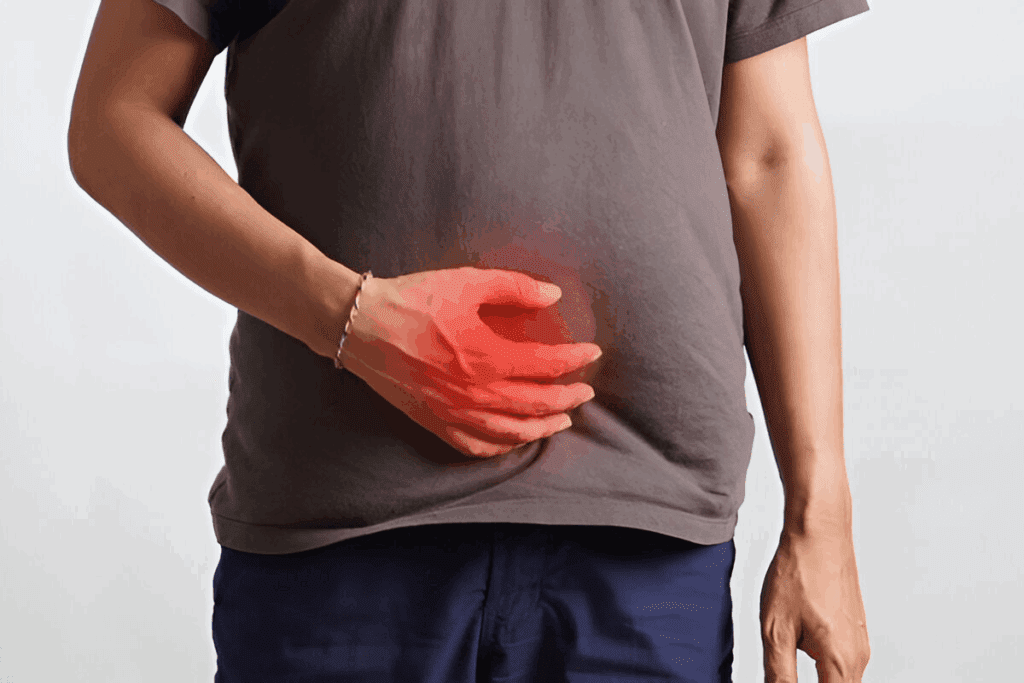
After hernia surgery, many patients face constipation. This issue is caused by several factors that affect bowel movements.
The Impact of Anesthesia on Bowel Function
Anesthesia slows down bowel movements after surgery. Anesthetic drugs can temporarily stop the intestines from working, causing constipation. This effect is usually short-lived but can affect recovery.
How Pain Medications Contribute to Constipation
Pain meds, like opioids, often cause constipation. Opioids slow down the intestines, making stool harder and drier. This makes recovery from hernia surgery harder.
Reduced Physical Activity and Its Effects
Less physical activity after surgery also leads to constipation. Not moving much slows down bowel movements. Doctors suggest slowly starting to move more to help.
These factors can greatly affect bowel movements after hernia surgery. Knowing why helps manage and prevent constipation during recovery.
- Anesthesia affects bowel function temporarily.
- Pain medications, like opioids, cause constipation.
- Less physical activity slows down bowel movements.
By understanding these causes, patients and doctors can work together to reduce constipation risks after hernia surgery.
Recognizing Post-Hernia Surgery Constipation Symptoms
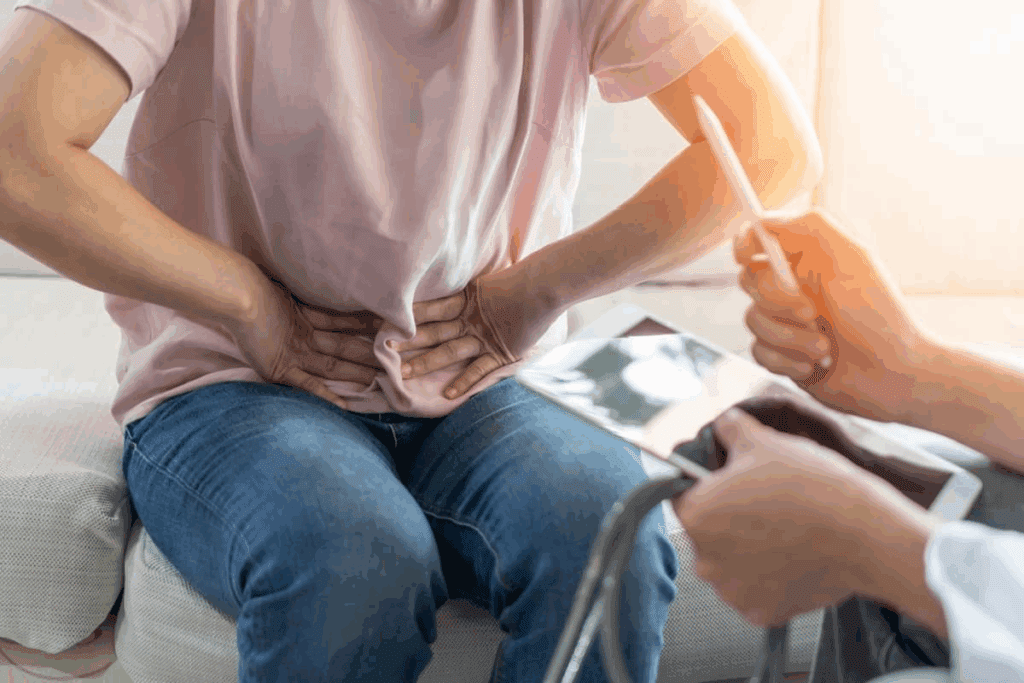
Constipation is common after hernia surgery. It’s important to know the signs to manage it well. Pay attention to changes in bowel movements and other symptoms to tackle constipation quickly.
Normal vs. Concerning Bowel Changes
After hernia surgery, bowel movements might change. It’s key to tell normal from concerning changes. Normal changes include temporary constipation or irregular bowel movements due to anesthesia and pain meds. But, concerning changes are severe constipation lasting long, with symptoms like abdominal pain or bloating.
“Keep a close eye on your bowel movements after surgery,” advises Medical Expert, a top surgeon. “If you see unusual symptoms or constipation doesn’t go away, see your healthcare provider.”
When to Contact Your Healthcare Provider
It’s important to know when to get medical help. Contact your healthcare provider if you have:
- Severe abdominal pain
- Persistent constipation beyond a few days
- Bloating or cramping
- Fever or chills
- Redness, swelling, or discharge at the incision site
These signs might mean you need urgent medical care.
Distinguishing Between Constipation and Surgical Complications
It’s vital to tell constipation from possible surgical complications. While constipation is uncomfortable, serious issues like infection or bowel obstruction need quick action. Signs of complications include fever, severe pain, redness, swelling, or discharge at the incision site. If you’re not sure about your symptoms, always check with your healthcare provider.
Understanding constipation symptoms after hernia surgery and knowing when to get help can make recovery easier. It also lowers the chance of serious complications.
Is It Safe to Push During Bowel Movements After Surgery?
After hernia surgery, many people wonder if it’s okay to strain during bowel movements. This is a valid concern because straining can put pressure on the repair site. It’s important to know the risks and learn how to move without putting too much pressure on the area.
Understanding the Risks of Straining on Your Repair Site
Straining can increase pressure in your abdomen, which might harm the hernia repair. It’s advised to avoid heavy lifting for at least four weeks after surgery. This helps the repair site heal enough to handle everyday stresses. But, straining can increase pressure on the repair site.
To lower this risk, eating foods high in fiber can help prevent constipation. This means you won’t have to strain as much. Also, learning the right way to move your bowels can help avoid putting too much pressure on the repair site.
Proper Techniques for Bowel Movements Without Pressure
Using the right posture can help you move without straining. Try using a footstool to lift your feet and make it easier to move your bowels. This can help you avoid straining and put less pressure on the repair site.
Some good techniques include:
- Take your time and don’t rush
- Avoid straining or pushing too hard
- Use a relaxed breathing technique
Supporting Your Incision During Toilet Use
Supporting your incision site can make bowel movements more comfortable. Place a hand or a pillow against the incision site to support it and reduce discomfort. This can be really helpful in the first few weeks after surgery.
By knowing the risks and using the right techniques, you can make bowel movements more comfortable and support your recovery. Always talk to your healthcare provider for advice on managing bowel movements after surgery.
Solution #1: Optimize Your Fiber Intake
One of the best ways to fight constipation after hernia surgery is to eat more fiber. Foods high in fiber make stool softer. This makes it easier to pass and lessens the strain on your surgery area.
Best High-Fiber Foods for Post-Surgery Recovery
Eating foods high in fiber can really help you recover. Include bran, beans, apples, pears, prunes, squash, sweet potatoes, spinach, and collard greens in your diet. These foods are not only high in fiber but also packed with nutrients that boost your health.
Gradually Increasing Fiber to Prevent Bloating
It’s important to increase fiber slowly to avoid bloating and gas. Start with a small amount of high-fiber foods in your meals. Then, slowly add more. This lets your body adjust without discomfort.
Sample Meal Plan for Preventing Constipation
A good meal plan can help you get enough fiber. Here’s a sample:
- Breakfast: Oatmeal with sliced banana and a sprinkle of bran
- Lunch: Grilled chicken with roasted sweet potatoes and steamed broccoli
- Dinner: Lentil soup with a side of whole-grain bread
- Snacks: Apple slices with almond butter, or a handful of dried prunes
By adding these high-fiber foods and meal plans to your diet, you can manage constipation after hernia surgery. This also supports your overall recovery.
Solution #2: Proper Hydration Strategies
Staying hydrated is a simple yet effective way to alleviate constipation after hernia surgery. Adequate fluid intake helps soften stool, making it easier to pass and reducing the strain on your incision site.
Optimal Daily Fluid Intake During Recovery
Drinking enough water is key to preventing constipation. It’s advised to drink at least four glasses of water daily. Increasing fluid intake can greatly improve bowel movements and overall recovery.
Types of Fluids That Best Promote Bowel Movements
While water is the best beverage for hydration, other fluids can also aid bowel health. Herbal teas, such as peppermint or chamomile tea, can help relax the digestive system and promote bowel movements. Clear broths also provide essential fluids and electrolytes.
Creating a Hydration Schedule After Surgery
To ensure adequate hydration, creating a hydration schedule can be helpful. Start by setting a goal to drink a certain amount of water at specific times of the day. For example, drinking a glass of water as soon as you wake up and before each meal can help establish a routine. Monitoring your urine output is also a good way to check if you’re hydrated; it should be pale yellow or clear.
By incorporating these hydration strategies into your recovery plan, you can help prevent constipation and support your overall healing process.
Solution #3: Effective Medications for Quick Relief
Effective medications can help with constipation after hernia surgery. A mix of treatments is often needed. Medication is a key part of recovery for many.
The Best Stool Softeners After Hernia Surgery
Stool softeners are often the first choice for constipation after surgery. Docusate sodium (Colace) makes stool softer and easier to pass. This helps reduce strain on the surgical area.
Docusate calcium works the same way as Docusate sodium. These are safe for use after surgery and help manage constipation.
Safe Laxative Options for Post-Operative Use
Some patients need a laxative in addition to stool softeners. Psyllium husk (Metamucil) and Methylcellulose (Citrucel) are fiber-based laxatives. They help with regular bowel movements and are gentle.
Start with a low dose of laxative and follow the instructions. Stay well-hydrated to avoid side effects like bloating or gas.
When to Consider Prescription Constipation Medications
If OTC options don’t work, talk to your doctor about prescription medications. Linaclotide (Linzess) and Lubiprostone (Amitiza) can increase bowel movements and soften stool.
Use these medications only as directed by a healthcare provider. They can have side effects and aren’t for everyone. Always discuss your medical history and other medications with your doctor.
Solution #4: Safe Physical Activity to Stimulate Bowel Function
After hernia surgery, adding physical activity to your routine can boost bowel function. Gentle exercises can help move your digestive system, leading to regular bowel movements. It’s key to listen to your doctor about when to start exercising, as it varies based on surgery type and recovery pace.
Walking: The Ideal Post-Hernia Surgery Exercise
Walking is a top choice for post-hernia surgery exercises. It’s easy on the incision site, perfect for early recovery. Start with short walks, like 5-10 minutes, and increase as you get stronger. Walking boosts bowel movements by improving blood flow and muscle contractions.
- Begin with short walks around your home or hospital room
- Gradually increase walking distance and duration
- Aim for at least 10-15 minutes of walking per day
Gentle Movements That Won’t Strain Your Incision
Other than walking, there are gentle exercises that can help without straining your incision. These include:
- Leg lifts while lying down or sitting
- Gentle stretching exercises
- Deep breathing exercises
These movements enhance circulation and stimulate abdominal muscles, aiding bowel movements.
Creating a Progressive Activity Plan for Recovery
Creating a progressive activity plan is vital for recovery. This means:
- Consulting with your healthcare provider to determine the appropriate level of activity
- Starting with low-intensity exercises and gradually increasing the intensity
- Monitoring your body’s response to different activities and adjusting your plan as needed
By having a structured plan, you can safely enhance bowel function and recovery.
Solution #5: Abdominal Massage Techniques
Abdominal massage is a gentle way to help digestion and ease constipation after hernia surgery. It involves soft manipulation of the abdominal muscles. This helps move the bowels and makes recovery more comfortable.
Safe Self-Massage Methods Around the Surgical Area
When doing self-massage after hernia surgery, be gentle and avoid the surgical area at first. Use your fingertips for soft, circular motions around your belly. As you get more comfortable, you can apply more pressure.
- Start with light strokes, moving your fingers in a clockwise direction.
- Gradually increase the pressure, but avoid pressing directly on the incision site.
- Use your palms to apply gentle, consistent pressure around the abdominal area.
Pressure Points for Digestive Stimulation
There are specific spots on your belly that can help with digestion. These are around your navel and lower belly. Massaging these spots can encourage bowel movements.
- Find the area around your navel and gently massage in a circular motion.
- Apply gentle pressure to the lower abdomen, just above the pubic bone.
When to Avoid Abdominal Massage
While abdominal massage is helpful, there are times to skip it. These include:
- Right after surgery, when the incision is sore.
- If you feel pain or discomfort while massaging.
- In cases of surgical complications or if your doctor says not to.
Always talk to your healthcare provider before trying new therapies like abdominal massage. They can make sure it’s safe for you.
Solution #6: Optimal Bathroom Positioning
Optimal bathroom positioning is key after hernia surgery. It helps reduce discomfort and strain on the surgical site. This makes bowel movements easier and less painful.
Using Footstools for Better Bowel Movement Mechanics
Using a footstool during bowel movements can align the rectum. It makes passing stools easier. Placing a footstool under your feet while on the toilet can elevate your knees above your hips. This simulates a squatting position that is more conducive to bowel movements.
Body Positioning That Reduces Strain on Your Incision
Maintaining a comfortable position on the toilet is key. Leaning forward and supporting your elbows on your knees can help reduce pressure on your abdomen. Keeping your back straight and avoiding slouching also helps.
Creating a Comfortable Bathroom Environment
A comfortable bathroom environment is important too. It reduces stress and promotes relaxation during bowel movements. Some people find it helpful to use a warm bath or a heating pad on the abdomen before attempting a bowel movement. This stimulates bowel activity and relaxation.
By implementing these strategies, individuals can create a more conducive environment for bowel movements. This reduces the discomfort associated with constipation after hernia surgery.
Solution #7: Natural Remedies and Supplements
Natural remedies and supplements can help with constipation after hernia surgery. They work alongside traditional treatments to improve bowel movements and gut health.
Herbal Teas That Promote Bowel Movements
Some herbal teas have natural laxative properties. Senna tea is effective but should be used carefully. Peppermint tea and chamomile tea are gentler and can help with digestion.
Probiotics for Post-Surgical Gut Health
Probiotics are good bacteria for a healthy gut. They can help after surgery. Foods like yogurt or kefir, or supplements, can be good. Always talk to a doctor before starting new supplements.
Safe Natural Supplements During Recovery
Choosing safe supplements is key during recovery. Psyllium husk is a fiber supplement that helps with bowel movements. Always check with a doctor before trying new supplements.
| Natural Remedy | Benefits | Precautions |
| Senna Tea | Natural laxative, stimulates bowel movements | Use under medical guidance, may lead to dependency |
| Peppermint Tea | Relaxes digestive system, promotes regularity | Generally safe, but may interact with medications |
| Probiotics | Restores gut flora balance, eases constipation | Consult healthcare provider before starting supplements |
| Psyllium Husk | Softens stool, promotes regularity | Needs plenty of water, consult healthcare provider |
Solution #8: Establishing a Regular Bathroom Routine
Creating a consistent bathroom routine can help with constipation after hernia surgery. A regular schedule for bowel movements helps regulate digestion and reduces discomfort.
The Importance of Timing for Bowel Movements
Timing is key in a regular bathroom routine. Try to have a bowel movement at the same time each day. Many find their bowel is most active after meals, like breakfast.
For example, make using the bathroom a morning routine. Give yourself enough time for bowel movements without rushing.
Creating Environmental Cues for Regularity
Environmental cues can help with a regular routine. Make your bathroom comfortable and consistent to signal it’s time to go. This could mean using a footstool or keeping the bathroom warm.
Responding to Your Body’s Natural Signals
It’s important to listen to your body’s signals and act on them. Ignoring the urge to go can cause constipation. By responding quickly, you can keep bowel movements regular.
Being aware of your body’s signals and adding them to your routine can make it better. You might need to adjust the timing or environment based on how you feel.
Solution #9: Managing Stress for Better Bowel Function
Stress and constipation are closely linked. Knowing this can help patients improve their bowel health after surgery. Stress can make constipation worse. So, managing stress is key to recovery.
The Connection Between Anxiety and Constipation
Anxiety and stress slow down bowel movements. They affect the digestive system’s function. When stressed, our body’s “fight or flight” response kicks in, reducing blood flow to the digestive system.
This reduction in blood flow can slow down bowel movements, leading to constipation. Understanding how stress affects our body is important. Stress hormones like cortisol can change gut bacteria and slow down the intestines. Regular stress can cause chronic constipation if not managed.
Relaxation Techniques to Support Digestive Health
Relaxation techniques can greatly help digestive health. Deep breathing exercises, progressive muscle relaxation, and meditation can lower stress. This promotes a healthier digestive system.
- Deep Breathing: Focus on slow, deep breaths to calm the mind and body.
- Progressive Muscle Relaxation: Systematically relax different muscle groups to release physical tension.
- Meditation: Practice mindfulness meditation to reduce overall stress.
Mindfulness Practices During Recovery
Mindfulness practices are also important for managing stress and bowel health. Being mindful helps patients recognize and manage stress. This can reduce its impact on digestion.
Effective mindfulness practices include:
- Mindful Eating: Pay attention to the taste, texture, and smell of food to enhance digestion.
- Body Scan Meditation: Lie down or sit comfortably and bring awareness to different parts of the body, releasing tension as you focus on each area.
- Mindful Movement: Engage in gentle, mindful physical activities like yoga or tai chi to promote relaxation and flexibility.
By adding these practices to their daily routine, patients can better manage stress. This can help alleviate constipation and support digestive health during recovery.
Conclusion: Restoring Normal Bowel Function After Hernia Surgery
Many patients worry about bowel function after hernia surgery. Constipation can be uncomfortable but can be managed. By making dietary changes, staying hydrated, and doing gentle exercises, patients can help.
Eating foods high in fiber and drinking enough water helps. Safe exercises also encourage bowel movements. Techniques like abdominal massage and the right bathroom position can also help.
It’s key for patients to work with their healthcare provider. Together, they can create a plan to manage constipation. With the right steps, patients can reduce discomfort and recover smoothly. Combining lifestyle changes and medication can help achieve relief from hernia constipation.
FAQ
What are the common causes of constipation after hernia surgery?
After hernia surgery, constipation can be caused by several factors. Anesthesia and pain meds slow down your bowel. Also, not moving much can make it harder to go.
How can I relieve constipation after hernia surgery?
To ease constipation, eat more fiber and drink lots of water. You might also need stool softeners or laxatives. Gentle exercise and abdominal massage can help too.
Is it safe to push during bowel movements after hernia surgery?
No, it’s not safe to push hard during bowel movements after surgery. This can harm the repair site. Instead, support your incision and find a comfortable position.
What are some high-fiber foods that can help prevent constipation after hernia surgery?
Foods high in fiber can prevent constipation. Include fruits, veggies, whole grains, and legumes in your diet. Slowly adding more fiber can also help avoid bloating.
How much fluid should I drink after hernia surgery to prevent constipation?
Drink plenty of water and other fluids that help with bowel movements. Prune juice or warm liquids are good choices. The right amount of fluid varies, but aim to stay hydrated.
Can I take laxatives after hernia surgery?
Yes, you can use laxatives after surgery, but choose safe ones and follow the dosage. Always talk to your doctor before taking any medication.
How can I stimulate bowel movements after hernia surgery?
Gentle activities like walking can help. Abdominal massage and the right bathroom position also aid in bowel movements.
Are there any natural remedies that can help alleviate constipation after hernia surgery?
Yes, herbal teas and probiotics can help. Some natural supplements might also work. But, always check with your doctor before trying new remedies.
How can I manage stress-related constipation after hernia surgery?
Stress can cause constipation. Try relaxation techniques like deep breathing, meditation, or yoga. These can help your digestive health.
When should I contact my healthcare provider about constipation after hernia surgery?
If you have severe constipation, pain, or other symptoms, reach out to your doctor. They can offer guidance and support.
References
- Celik, S. (2015). Constipation risk in patients undergoing abdominal surgery. African Journal of Urology, 21(2), 88-93. https://pmc.ncbi.nlm.nih.gov/articles/PMC4568432/