

Recovering from hernia surgery can be tough, with constipation being a big challenge. At Liv Hospital, we know how key it is to handle this issue well. This ensures a smooth and comfy recovery for you.
Research shows that 40-95 percent of patients on opioid pain meds after surgery get constipated. This can cause a lot of pain and even more serious problems if not fixed right away. Our team is all about giving you care that’s focused on you. We’ll help you get comfortable bowel movements after your operation.
Key Takeaways
- Understand the causes of constipation after hernia surgery
- Learn effective strategies for managing and preventing constipation
- Discover evidence-based tips for promoting comfortable bowel movements
- Explore the importance of patient-focused care in recovery
- Get guidance on when to seek medical attention for constipation
Understanding Constipation After Hernia Surgery
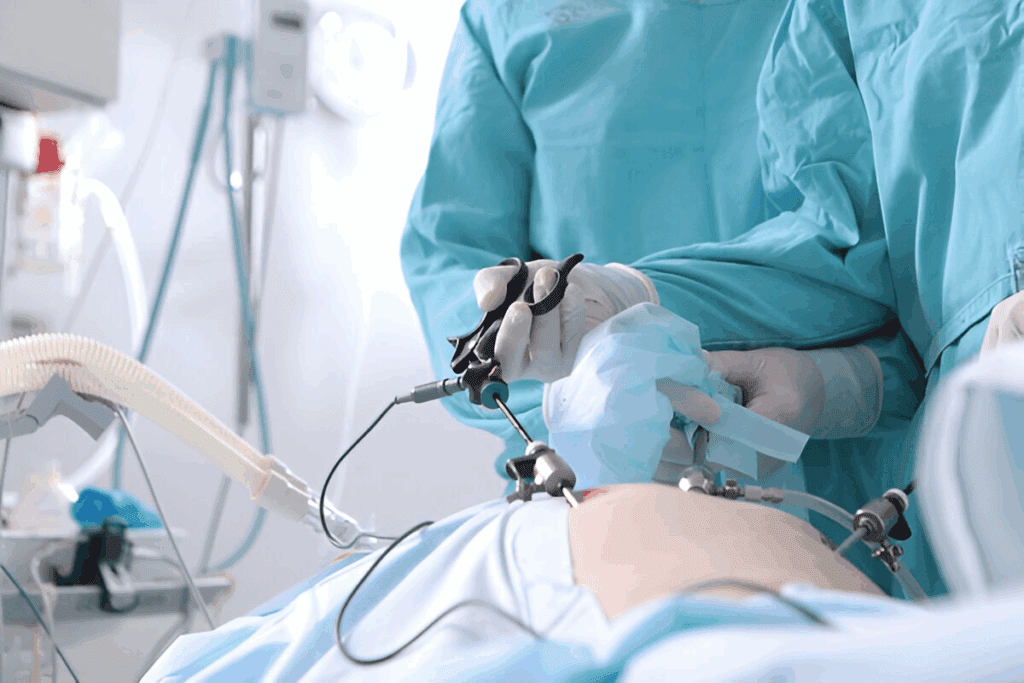
Constipation after hernia surgery is more common than many think. It affects a big part of patients. This issue can make recovery hard, causing discomfort and pain.
The Prevalence: Affecting 40-95% of Patients
Constipation affects between 40% to 95% of patients after hernia surgery. This wide range comes from different surgery types, anesthesia, pain management, and bowel habits.
“Constipation after hernia repair is a big worry,” say doctors. “It can affect how comfortable patients are and might change how well the surgery works.”
Why Managing Constipation Is Critical for Your Recovery
Managing constipation is key to a smooth recovery. If not treated, constipation can cause straining. This can put extra pressure on the surgical area, leading to problems.
Good constipation management makes patients more comfortable. It also helps avoid complications after surgery. By tackling constipation early, patients can lessen discomfort and pain from bowel movements during recovery.
How Constipation Can Impact Your Surgical Site
Constipation can directly harm the surgical area. Straining can raise abdominal pressure, affecting the hernia repair. This might cause pain, discomfort, or even serious issues like wound opening or hernia coming back.
Patients need to understand how constipation affects the surgical site. By managing bowel movements during recovery, they can lower the risk of complications. This ensures a smoother healing process.
What Causes Constipation Following Hernia Repair?
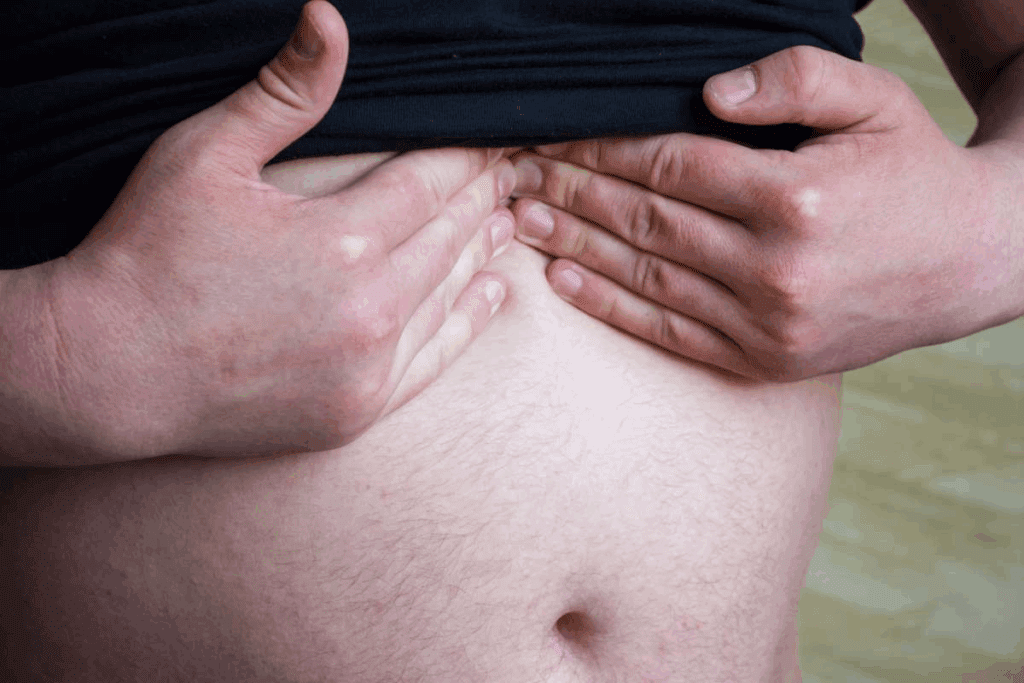
Constipation after hernia surgery comes from many sources. Knowing these causes helps find ways to manage them.
Effects of Anesthesia on Bowel Function
Anesthesia can slow down the intestines during surgery. This can lead to constipation. The effects of anesthesia on bowel movements can last for several days after surgery.
Opioid Pain Medications and Bowel Movement
Opioid pain meds, often given after surgery, can cause constipation. They slow down bowel movements. It’s essential to discuss alternative pain management options with your healthcare provider.
Reduced Physical Activity During Recovery
Less physical activity during recovery can cause constipation. Moving around helps the bowels. Gentle walking and light exercises can help prevent constipation.
Dietary Changes and Their Impact
Changes in diet after surgery can also affect bowel movements. A diet low in fiber and high in processed foods can make constipation worse. Increasing fiber intake through fruits, vegetables, and whole grains can help alleviate constipation.
These factors together can raise the risk of constipation after hernia surgery. Understanding them helps patients take steps to manage and prevent constipation.
- Effects of anesthesia on bowel function
- Impact of opioid pain medications on bowel movements
- Role of reduced physical activity during recovery
- Influence of dietary changes on bowel function
By tackling these issues, patients and healthcare providers can reduce the risk of constipation. This ensures a smoother recovery.
Tip 1: Optimize Your Hydration Strategy
Managing constipation after hernia surgery starts with staying hydrated. Drinking enough water helps soften stool and keep bowel movements regular. It’s a key part of your recovery.
Ideal Daily Fluid Intake After Surgery
Boost your fluid intake after hernia surgery to avoid constipation. Try to drink at least 8-10 glasses of fluid each day. Your needs might change based on your age, sex, and health.
Best Types of Fluids for Constipation Relief
Choosing the right fluids is important for constipation relief. Water is the top choice because it’s calorie-free and hydrates well. Other good options include:
- Herbal teas, like peppermint or chamomile, which calm the digestive system
- Clear broths, providing salts and hydration
- Prune juice, with its natural laxative effect
Creating a Hydration Schedule
Make a plan to drink enough fluids. Split your daily water into smaller amounts and drink at set times. For instance, drink a glass of water:
- When you wake up
- With meals
- Before and after short walks or exercise
- Before bed
By focusing on hydration, you can improve your bowel movements after hernia surgery. This makes your recovery more comfortable.
Tip 2: Gradually Introduce Fiber-Rich Foods
Adding fiber-rich foods to our diet is key to beating constipation after hernia surgery. This step helps keep bowel movements regular. It also makes us feel better while we’re recovering.
Best Fiber Sources That Won’t Strain Your Abdomen
Choosing the right fiber-rich foods is important. They should be easy on your stomach. Here are some good options:
- Oatmeal: A comforting, easy-to-digest breakfast that helps with bowel movements.
- Ripe Bananas: Gentle on your stomach and full of fiber.
- Avocados: Full of healthy fats and fiber, great in many meals.
- Yogurt: Has probiotics that help your gut and keep bowel movements regular.
Start with small amounts of these foods and watch how your body reacts. Doing this helps avoid any discomfort.
Foods to Avoid During Hernia Recovery
Knowing which foods to skip is just as important. During recovery, it’s best to limit or avoid:
- Dairy products, if you’re lactose intolerant, as they can make constipation worse.
- Processed foods that are low in fiber and high in unhealthy fats.
- High-fat foods slow down digestion.
Staying away from these foods can help prevent constipation. It also supports a smoother recovery.
Sample Meal Plan for Constipation Relief
Creating a meal plan that’s easy on the stomach and rich in fiber is simple. Here’s a sample plan:
| Meal | Food |
| Breakfast | Oatmeal with ripe banana |
| Lunch | Grilled chicken with steamed vegetables and avocado |
| Dinner | Fish with quinoa and sautéed spinach |
As shown, adding fiber-rich foods to our diet is easy. By making smart choices and slowly introducing these foods, we can fight constipation. This helps us recover better.
“A well-planned diet is key after hernia surgery. Slowly adding fiber-rich foods can greatly help with constipation.”
Tip 3: Safe Movement to Stimulate Bowel Function
Gentle exercises can help your bowel movements after hernia surgery. They improve circulation, reduce swelling, and aid healing. Start with short sessions to avoid straining your surgical site.
Gentle Walking Routines to Wake Up Your Bowels
Gentle walking is a simple way to help your bowel function after surgery. Start with short walks around your home or hospital room. Gradually increase the distance as you get more comfortable. Walking stimulates your digestive system and helps prevent constipation.
A study in the Journal of Clinical Gastroenterology found that walking improves bowel function and reduces constipation risk.
“Regular physical activity is associated with a reduced risk of constipation.”
Safe Exercises That Won’t Compromise Your Surgical Site
Avoid heavy lifting, bending, or strenuous activities. But there are safe exercises to help your bowel function. These include:
- Leg lifts: Slowly lift your legs while lying down to improve circulation.
- Pelvic tilts: Gently tilt your pelvis upwards and then back down to help stimulate bowel movements.
- Deep breathing exercises: Practice deep, controlled breathing to reduce stress and promote relaxation.
| Exercise | Benefits | Precautions |
| Leg Lifts | Improves circulation, aids bowel function | Avoid lifting too high or too fast |
| Pelvic Tilts | Stimulates bowel movements, reduces discomfort | Perform gently, avoid straining |
| Deep Breathing | Reduces stress, promotes relaxation | Practice regularly, avoid hyperventilation |
When to Increase Activity Levels
Always follow your doctor’s advice on increasing activity levels. Start with short, gentle exercises. Gradually increase intensity and duration as your body allows. Stop if you feel pain or discomfort.
Keep a log of your activities and bowel movements as you recover. This helps you find what works best for your body. It ensures a smoother recovery.
Tip 4: Proper Toilet Techniques After Hernia Surgery
Learning the right toilet techniques is key to a smooth recovery after hernia surgery. Good toilet habits help prevent problems and aid in healing. We’ll show you how to make your bathroom comfy, sit right, and avoid straining when you go.
Creating a Comfortable Bathroom Environment
A comfy bathroom makes bowel movements easier. Make sure it’s warm and free from distractions. You might want to use a bathroom stool or a raised toilet seat to ease strain on your belly.
How to Sit and Position Without Straining
The right positioning on the toilet is important. Keep your feet flat on the floor or on a footstool, and keep your back straight. Don’t hover or sit on the edge of the seat.
- Use a footstool to elevate your feet, if necessary, to achieve a more natural position.
- Lean forward slightly to help straighten your rectum.
- Relax and take your time; rushing can lead to straining.
Why You Should Never Push to Poop After Hernia Surgery
Pushing or straining can harm your surgery site. It’s important to avoid pushing or forcing a bowel movement. Let it happen naturally. Use stool softeners or laxatives as your doctor suggests to help.
“The key to a comfortable recovery is not just about the surgery itself, but also about how you manage your daily activities, including using the toilet.”
By following these toilet tips, you can lower the risk of problems and make your recovery smoother and more comfortable after hernia surgery.
Tip 5: Effective Medications for Hernia Constipation Relief
Managing constipation after hernia surgery often requires medication. These drugs help make bowel movements easier. They are key when diet and water don’t work.
Best Stool Softeners After Hernia Surgery
Stool softeners are a gentle way to manage constipation. They make stool softer and easier to pass. Docusate sodium is a good over-the-counter option. Always follow your doctor’s dosage advice to avoid side effects.
| Stool Softener | Dosage | Side Effects |
| Docusate sodium | 100-200 mg daily | Stomach cramps, diarrhea |
| Psyllium husk | 1-2 tablespoons daily | Bloating, gas |
When and How to Use Laxatives Safely
Use laxatives if stool softeners don’t work. There are stimulant and osmotic laxatives. Always follow your doctor’s advice to avoid side effects and dependence.
“Laxatives should be used judiciously and under medical supervision to avoid complications such as electrolyte imbalances.”
- Stimulant laxatives (e.g., bisacodyl) stimulate the bowel muscles to move stool.
- Osmotic laxatives (e.g., polyethylene glycol) help retain fluid in the bowel.
Prescription Options When Over-the-Counter Remedies Fail
When OTC remedies don’t work, prescription drugs might be needed. Linaclotide and lubiprostone are examples. They help increase bowel movements.
Always talk to your doctor to find the best treatment for you.
Tip 6: Natural Remedies to Restore Normal Bowel Movements
Natural remedies can help a lot with constipation after hernia surgery. They are gentle and effective in getting bowel movements back to normal.
Herbal Teas and Natural Supplements
Herbal teas like peppermint, chamomile, and senna tea can help move your bowels. Senna tea is known for its laxative effects. But use it carefully and not for too long.
Supplements like psyllium husk can also help. They add bulk to stool and encourage regular bowel movements.
Safe Abdominal Massage Techniques
Gentle abdominal massage can also help. Use circular motions with your fingertips, starting from the right lower abdomen and moving up. This can help move stool along.
Probiotics and Their Role in Digestive Health
Probiotics are good bacteria for a healthy gut. You can find them in foods like yogurt, kefir, and sauerkraut, or take them as supplements. They keep your gut flora balanced, which is key for regular bowel movements and good digestion.
| Natural Remedy | Benefits | Precautions |
| Peppermint Tea | Soothes dthe igestive system | May interact with certain medications |
| Senna Tea | Stimulates bowel movements | Should not be used long-term |
| Probiotics | Promotes healthy gut bacteria | Choose a reputable brand |
Adding these natural remedies to your post-surgery care can help manage constipation. This makes your recovery smoother.
Tip 7: Balancing Pain Management and Bowel Function
After hernia surgery, finding the right balance is key. You need to manage pain and keep your bowel function normal. Opioids help with pain but can cause constipation. So, it’s important to find other ways to manage pain without hurting your bowel health.
Non-Opioid Pain Control Strategies
There are many ways to control pain without opioids. These methods can help you avoid constipation. Here are a few:
- Try acetaminophen or ibuprofen. They’re less likely to cause constipation than opioids.
- Use physical therapy. Gentle exercises and stretches can help reduce pain and improve movement.
- Consider alternative therapies like acupuncture or TENS. They can help manage pain.
Talking to Your Doctor About Alternative Pain Medications
Talk to your doctor about your pain and bowel concerns. They can suggest alternative pain medications that won’t cause constipation. Ask them these questions:
- What non-opioid pain relief options are available for my condition?
- Can I mix different pain management strategies for better relief?
- How can we keep an eye on my bowel movements and adjust my pain plan?
A study in the Journal of Pain Research found that non-opioid pain relievers are effective. They can also reduce opioid side effects like constipation.
“Using non-opioid pain relievers as part of a pain management plan can lower opioid use and side effects.”
Timing Pain Medication to Minimize Constipation
When you take pain medication can affect constipation. Here are some tips:
| Timing Strategy | Benefit |
| Taking pain medication after meals | Reduces stomach upset and can help manage bowel movements. |
| Spacing out medication doses | Prevents overmedication and reduces constipation risk. |
| Monitoring bowel movements | Allows for adjustments to the pain management plan to prevent constipation. |
By following these tips, you can balance pain management with bowel function. This will help you recover more comfortably after hernia surgery.
Tip 8: When to Seek Medical Help for Post-Hernia Surgery Constipation
Getting medical help on time is key to a smooth recovery from post-hernia surgery constipation. Constipation is common after hernia surgery. But some situations need quick medical attention to avoid serious problems.
Warning Signs That Require Immediate Attention
If you notice any of these symptoms, get medical help right away:
- Severe abdominal pain that doesn’t get better with medicine
- Vomiting, if it’s bloody or keeps happening
- Bloody stools or rectal bleeding
- Fever over 101.5°F (38.6°C)
- Abdominal tenderness or swelling
These signs might mean a serious problem like bowel obstruction or infection. You need quick medical help.
Questions to Ask During Your Follow-up Appointment
At your follow-up, ask important questions to help your recovery. Ask about:
| Question | Purpose |
| What are the normal bowel changes I can expect after surgery? | Learn about usual recovery changes |
| How long should I wait before seeking help for constipation? | Find out when to get medical help |
| Are there any specific medications or remedies you recommend? | Get advice tailored to you |
What Your Doctor Can Do to Help
Your doctor can offer great advice and treatment for constipation. They can:
- Check your overall health and look for any complications
- Recommend treatments, like medicines or diet changes
- Guide you on safe exercises to help with bowel movements
Knowing when to get medical help and what to talk about with your doctor can make your recovery easier and more comfortable.
Conclusion: Achieving Comfortable Recovery After Hernia Surgery
Recovering from hernia surgery can be tough, but managing constipation is key to feeling better. We’ve talked about ways to tackle this common problem after surgery.
Drinking plenty of water, eating foods high in fiber, and doing gentle exercises can help. Using the right toilet techniques and choosing the right medicines or natural remedies can also help a lot.
Dealing with constipation after hernia surgery needs a few different steps. By using the tips from this article, patients can lower the chance of problems and have an easier recovery. It’s important to balance managing pain with keeping the bowels working right to stay healthy during recovery.
By using these methods, patients can look forward to feeling better and getting back to normal bowel movements. This will make their recovery after hernia surgery much better.
FAQ
What is constipation after hernia surgery?
Constipation after hernia surgery is a common issue. It makes it hard to pass stools or go to the bathroom often. This is due to anesthesia, pain meds, less movement, and diet changes.
How can I relieve constipation after hernia surgery?
To ease constipation, drink more water and eat foods high in fiber. Start with gentle walks and use stool softeners or laxatives as needed.
What is the best stool softener after hernia surgery?
Docusate sodium is a top choice for stool softeners after hernia surgery. It makes stool softer and easier to pass.
How can I poop after hernia surgery without straining?
For easy bowel movements, make your bathroom comfy. Sit right on the toilet and avoid pushing hard.
Can I push to poop after hernia surgery?
No, pushing hard can harm your surgery site. It may slow down your recovery or cause more problems.
How can I stimulate bowel function after hernia surgery?
Gentle walks and safe exercises can help your bowel function. They do this without risking your surgery site.
What are some natural remedies for constipation relief after hernia surgery?
Try herbal teas, safe belly massages, and probiotics. They can help with your bowel movements and digestive health.
How can I balance pain management with bowel function after hernia surgery?
Use non-opioid pain meds and talk to your doctor about other options. Time your pain meds to avoid constipation.
When should I seek medical help for post-hernia surgery constipation?
Get medical help if you have severe pain, vomiting, or bloody stools. Also, if constipation doesn’t get better with home remedies.
What can my doctor do to help with post-hernia surgery constipation?
Your doctor can check your condition and suggest pain management options. They can also prescribe medications and offer advice on bowel movements.
Reference:
Dagan, S. S., Goldenshluger, A., Globus, I., Schweiger, C., Kessler, Y., Sandbank, G., & Goitein, D. (2017). Nutritional recommendations for adult bariatric surgery patients: Clinical practice. Frontiers in Endocrinology.https://pmc.ncbi.nlm.nih.gov/articles/PMC5347111/



 Departments
 Related Videos
 Our Doctors
 News
News