
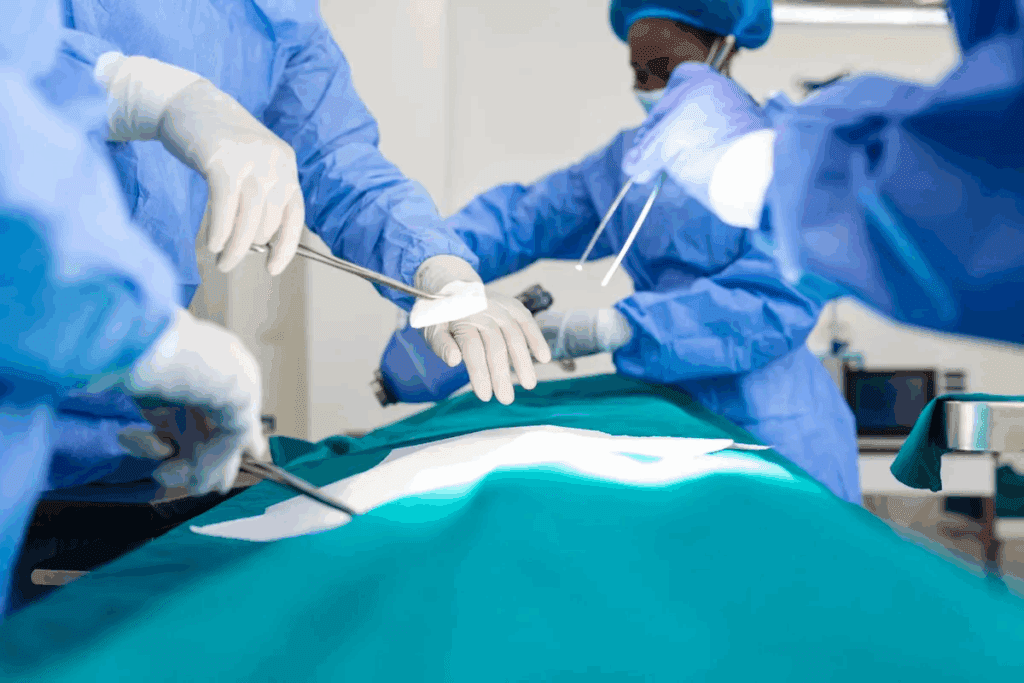
Nearly 800,000 hernia repair surgeries are performed annually in the United States, making it a common procedure. However, certain health conditions or personal factors can make surgery risky or unsuitable for some patients.
At our institution, we prioritize patient safety and well-being. Our team of experts is dedicated to delivering exceptional care and support throughout your treatment journey. We understand that undergoing surgery can be daunting, and we’re here to provide comprehensive information about the contraindications that may affect your eligibility for hernia surgery.
Factors such as severe medical conditions, uncontrolled diabetes, and patient preferences play a significant role in determining the suitability of hernia surgery. Understanding these factors enables you to make informed decisions about your care and collaborate effectively with your healthcare provider to determine the best treatment options.
Our critical list of contraindications for hernia surgery. Learn the shocking reasons, from poor health to active infection, for delay.
Key Takeaways
- Certain health conditions can make hernia surgery risky or unsuitable.
- Severe medical conditions, uncontrolled diabetes, and patient preferences are key factors in determining eligibility.
- Our team is dedicated to delivering exceptional care and support throughout your treatment journey.
- Understanding contraindications helps patients make informed decisions about their care.
- Collaboration with your healthcare provider is crucial in determining the best course of treatment.
Understanding Hernia Surgery: An Overview
Hernia surgery encompasses various techniques, and knowing the differences is vital for making informed decisions. At our institution, we believe in empowering our patients with comprehensive knowledge about their treatment options. Hernia surgery is a surgical procedure aimed at repairing or removing the hernia. Our experienced surgeons work closely with patients to determine the most suitable approach for their specific needs.
What is Hernia Surgery?
Hernia surgery involves repairing or removing the hernia to prevent further complications. It’s a common procedure performed to address hernias in various parts of the body, such as the abdomen. The primary goal is to alleviate symptoms and prevent potential complications.
Types of Hernia Surgery Procedures
There are different types of hernia surgery procedures, including open and laparoscopic surgery.
- Open Hernia Surgery: Involves making a single incision to access the hernia.
- Laparoscopic Hernia Surgery: Involves several small incisions through which a camera and surgical instruments are inserted.
| Surgery Type | Description | Recovery Time |
| Open Hernia Surgery | Single incision to access and repair the hernia | Typically longer |
| Laparoscopic Hernia Surgery | Multiple small incisions for camera and instruments | Generally shorter |
Understanding these factors enables you to make informed decisions about your care and collaborate effectively with your healthcare provider to determine the best treatment options.
Common Contraindications for Surgery
Before proceeding with hernia surgery, it’s crucial to assess the patient’s overall health status. Certain health conditions and patient characteristics can significantly impact the outcome of the procedure. At our institution, we carefully evaluate each patient’s unique situation to determine the best course of action.
We consider various factors that could potentially contraindicate surgery or require special precautions. Two critical aspects we examine closely are the patient’s age and health status, as well as obesity and weight factors.
Patient’s Age and Health Status
A patient’s age and overall health status play a significant role in determining their suitability for hernia surgery. We assess the presence of any underlying health conditions that could increase surgical risks. For instance, older patients or those with compromised health may require additional evaluation or alternative treatment options.
Our healthcare team evaluates the patient’s nutritional status and provides guidance on optimizing their health before surgery. This comprehensive approach enables us to minimize potential complications and ensure the best possible outcome.
Obesity and Weight Factors
Obesity is another critical factor that can affect the outcome of hernia surgery. Excess weight can put additional strain on the abdominal wall, potentially complicating the surgical procedure and recovery. We work closely with patients to develop a plan to achieve a healthy weight before surgery, if necessary.
By addressing obesity concerns and other health-related issues, we can reduce the risks associated with hernia surgery and improve the likelihood of a successful outcome. Our team is committed to providing personalized care and support throughout the treatment process.
Medical Conditions Affecting Surgery Options
When considering hernia surgery, it’s crucial to assess the impact of pre-existing medical conditions on surgical options. Certain health conditions can significantly influence the outcome of the surgery and the patient’s recovery process.
We recognize that pre-existing medical conditions can play a significant role in determining the suitability of hernia surgery for our patients. Our multidisciplinary team works closely with patients to manage these conditions and develop a personalized treatment plan that addresses their unique needs.
Cardiovascular Diseases
Cardiovascular diseases, including heart failure, coronary artery disease, and hypertension, can complicate hernia surgery. Patients with these conditions are at a higher risk of experiencing cardiac complications during and after surgery.
- Risk Assessment: We conduct thorough risk assessments to understand the patient’s cardiac health and determine the best course of action.
- Preoperative Optimization: Optimizing the patient’s cardiovascular health before surgery is crucial. This may involve managing medications, lifestyle changes, and other interventions.
Respiratory Disorders
Respiratory disorders, such as chronic obstructive pulmonary disease (COPD) and asthma, can affect the outcome of hernia surgery. These conditions can increase the risk of respiratory complications during and after surgery.
To mitigate these risks, we:
- Assess the patient’s lung function through pulmonary function tests.
- Optimize the patient’s respiratory health through medication and lifestyle adjustments.
- Closely monitor the patient during and after surgery.
Diabetes and Poor Blood Sugar Control
Diabetes, particularly when poorly controlled, can impact the healing process and increase the risk of infection after hernia surgery. Managing blood sugar levels is essential to minimize these risks.
We work with patients to:
- Monitor Blood Sugar: Closely monitor blood glucose levels before, during, and after surgery.
- Adjust Medications: Adjust diabetes medications as necessary to maintain optimal blood sugar control.
- Promote Wound Care: Educate patients on proper wound care to prevent infection.
By carefully managing these medical conditions, we can reduce the risks associated with hernia surgery and improve patient outcomes. Our goal is to provide safe, effective, and personalized care to each patient.
Impact of Medications on Surgery Eligibility
Your medication regimen is an essential factor in assessing your readiness for hernia surgery. Certain medications can impact your eligibility for surgery, and it’s crucial that we carefully manage these to minimize potential risks.
Blood Thinners and Anticoagulants
Blood thinners, such as anticoagulants, are medications that prevent the formation of blood clots. While they are crucial for patients at risk of clotting, they can complicate surgery by increasing the risk of bleeding.
- We may need to adjust or temporarily stop your blood thinner medication before surgery to minimize bleeding risks.
- Our team will work closely with your cardiologist or primary care physician to ensure safe management of your anticoagulant therapy.
- It’s essential to follow our instructions regarding the cessation or adjustment of these medications to ensure a smooth surgical process.
Immunosuppressive Medications
Immunosuppressive medications are used to suppress the immune system, often in patients who have received organ transplants or are suffering from autoimmune diseases.
- These medications can increase the risk of infection after surgery, so we need to carefully assess the risks and benefits.
- We may adjust your immunosuppressive regimen around the time of surgery to balance the risk of rejection against the risk of surgical complications.
- Our team will monitor you closely for any signs of infection or other complications during the postoperative period.
By carefully managing your medications and conducting a thorough preoperative assessment, we can ensure that you’re optimized for a safe and successful surgical experience.
Situations Requiring Surgery Delay
In certain situations, delaying hernia surgery may be necessary to ensure patient safety and optimal outcomes. We carefully evaluate each patient’s condition to determine the best course of action.
Active Infections
The presence of active infections is a significant concern when considering hernia surgery. Infections can complicate the surgical process and recovery. We recommend treating any active infections before proceeding with surgery to minimize risks.
Some common types of infections that may require attention include:
- Skin infections at or near the surgical site
- Respiratory infections, such as pneumonia
- Urinary tract infections
By addressing these infections prior to surgery, we can reduce the risk of complications and ensure a smoother recovery.
Uncontrolled Chronic Conditions
Uncontrolled chronic conditions can also impact the timing of hernia surgery. Conditions such as diabetes, hypertension, and heart disease need to be managed effectively before surgery to prevent potential complications.
Our team works closely with patients to:
- Monitor their chronic conditions
- Adjust medications as necessary
- Optimize their overall health before surgery
This comprehensive approach enables us to determine the optimal timing of surgery, ensuring that patients are in the best possible health for their procedure.
By delaying surgery until active infections are resolved and chronic conditions are under control, we can significantly improve patient outcomes and reduce the risk of complications.
Patient-Specific Factors in Surgery Decision
We assess various patient-specific factors to determine the best course of treatment for hernia. Each patient’s unique characteristics play a significant role in deciding whether surgery is the most appropriate option.
Allergies and Reactions to Anesthesia
One crucial factor is the patient’s allergy profile and potential reactions to anesthesia. Allergic reactions to anesthesia can be severe, and understanding a patient’s history is vital. We conduct thorough assessments to identify any allergies or sensitivities that could impact the surgery.
- Review of patient’s medical history to identify known allergies
- Discussion with the patient about any previous reactions to anesthesia
- Preoperative tests to assess the patient’s overall health
Psychological Readiness
A patient’s psychological readiness for surgery is another important consideration. Being mentally prepared can significantly impact the outcome of the surgery and the recovery process. We work closely with patients to ensure they are well-informed and prepared for what to expect.
| Psychological Readiness Factors | Description | Impact on Surgery |
| Patient Education | Understanding the surgical process and what to expect | Reduces anxiety and improves outcomes |
| Mental Health | Assessing the patient’s mental health status | Helps in managing expectations and recovery |
| Support System | Availability of family or friends for support during recovery | Enhances recovery and patient satisfaction |
Understanding these factors enables you to make informed decisions about your care and collaborate effectively with your healthcare provider to determine the best treatment options.
Surgeon’s Perspective on Patient Safety
The safety of our patients undergoing hernia surgery is ensured through meticulous preoperative assessments and risk evaluations. At our institution, we understand that each patient’s condition is unique, requiring a tailored approach to their care.
Risk Evaluation in Surgery
Evaluating surgical risks is a critical step in the preoperative process. Our surgeons carefully consider various factors, including the patient’s overall health, age, and any pre-existing medical conditions, to assess the potential risks associated with the surgery.
Preoperative Assessment Importance
A thorough preoperative assessment is essential for identifying potential complications early on. This assessment includes a detailed medical history, physical examination, and necessary diagnostic tests to ensure that our patients are adequately prepared for surgery.
We ensure open communication with healthcare providers and patients to align expectations and outcomes. A key aspect of this communication involves discussing the findings of the preoperative assessment and any identified risks.
| Assessment Component | Description | Importance |
| Medical History | Review of patient’s past medical conditions and surgeries | Helps identify potential risks and complications |
| Physical Examination | Comprehensive physical assessment | Assesses overall health and detects any abnormalities |
| Diagnostic Tests | Laboratory and imaging tests as necessary | Provides critical data for surgical planning |
By prioritizing patient safety through meticulous risk evaluation and preoperative assessment, we strive to achieve the best possible outcomes for our patients undergoing hernia surgery.
Alternatives to Surgery in Certain Cases
In certain cases, a non-surgical approach may be recommended for hernia management. We understand that surgery isn’t the right choice for everyone, and we’re committed to exploring alternative options that cater to your individual needs.
Watchful Waiting Approach
A watchful waiting approach involves closely monitoring the hernia for any changes or symptoms. This method is often recommended for patients with small, asymptomatic hernias. Regular check-ups are crucial to ensure that the hernia doesn’t worsen or cause complications.
During this period, patients are advised to watch for signs of complications, such as increased pain, swelling, or difficulty pushing the hernia back into place. If any of these symptoms occur, prompt medical attention is necessary.
Non-Surgical Treatment Options
For some patients, non-surgical treatment options may be viable. These can include lifestyle modifications and the use of supportive devices.
- Lifestyle Changes: Maintaining a healthy weight, avoiding heavy lifting, and managing chronic coughing can help alleviate symptoms.
- Supportive Devices: Using hernia support belts or trusses can provide additional support and help manage discomfort.
We work closely with our patients to determine the most appropriate non-surgical treatment plan based on their individual preferences and medical needs.
By considering alternatives to surgery, we can tailor our approach to best support your health and well-being. Our team is dedicated to providing personalized care and ensuring that you receive the most suitable treatment for your condition.
Patient Education on Surgical Risks
We prioritize patient education to ensure informed decisions about surgical risks. As part of our comprehensive care, we believe in empowering patients with the knowledge they need to understand the potential complications and benefits associated with hernia surgery.
Discussing Potential Complications
It’s essential to discuss the potential complications that can arise during or after hernia surgery. These may include infection, bleeding, or adverse reactions to anesthesia. Our team will thoroughly explain these risks and address any concerns you may have.
Some potential complications to be aware of include:
- Infection at the surgical site
- Bleeding or hematoma
- Adverse reactions to anesthesia
- Recurrence of the hernia
- Bowel obstruction or injury
Understanding these factors enables you to make informed decisions about your care and collaborate effectively with your healthcare provider to determine the best treatment options.
Importance of Informed Consent
Informed consent is a critical aspect of the preoperative process. It ensures that patients are fully aware of the potential risks and benefits associated with their treatment. By obtaining informed consent, we can work together to make decisions that align with the patient’s best interests.
As noted by the American Medical Association, “Informed consent is a process of communication between a patient and a physician that results in the patient’s authorization or agreement to undergo a particular medical intervention.”
“Informed consent is more than just a signature on a form; it is a process that ensures patients are fully informed and involved in decisions about their care.”
| Key Elements of Informed Consent | Description |
| Disclosure of Information | Providing patients with relevant information about their treatment, including risks and benefits. |
| Patient Understanding | Ensuring that patients comprehend the information provided and can make informed decisions. |
| Patient Consent | Obtaining the patient’s consent or authorization for the proposed treatment. |
By emphasizing patient education and informed consent, we can ensure that our patients are well-equipped to navigate their treatment journey. Our team is committed to providing the necessary support and guidance throughout the process.
Conclusion: Making Informed Decisions About Hernia Surgery
Understanding these factors enables you to make informed decisions about your care and collaborate effectively with your healthcare provider to determine the best treatment options.that influence the decision to undergo hernia surgery, including medical conditions, medications, and patient-specific factors.
Our healthcare team is committed to providing exceptional support and guidance throughout the treatment journey, ensuring that patients receive comprehensive patient education to make informed decisions about their hernia surgery. This includes discussing potential complications and the importance of preoperative assessment to minimize risks.
Ultimately, the goal is to provide personalized care and support systems that cater to the unique needs of each patient. By working closely with healthcare professionals, patients can navigate the complexities of hernia surgery and make choices that align with their individual circumstances and preferences.
FAQ
What are the contraindications for hernia surgery?
Contraindications for hernia surgery include severe medical conditions, uncontrolled diabetes, heart disease, respiratory issues, obesity concerns, active infections, and certain medications such as blood thinners.
How does a patient’s age affect their eligibility for hernia surgery?
A patient’s age is an essential factor in determining their eligibility for hernia surgery. Older patients may be at a higher risk for complications due to age-related health issues.
Can obesity affect my eligibility for hernia surgery?
Yes, obesity can increase the risks associated with hernia surgery. Our healthcare team will assess your nutritional status and provide guidance on optimizing your health before surgery.
What role do pre-existing medical conditions play in determining suitability for hernia surgery?
Pre-existing medical conditions such as cardiovascular diseases, respiratory disorders, and uncontrolled diabetes require careful consideration. Our multidisciplinary team will work closely with you to manage these conditions and develop a personalized treatment plan.
How do certain medications impact eligibility for hernia surgery?
Certain medications, such as blood thinners and immunosuppressive medications, require careful management to minimize potential risks. Our team will conduct a thorough preoperative assessment to ensure that your medications are optimized for surgery.
Can active infections or uncontrolled chronic conditions delay hernia surgery?
Yes, in some cases, hernia surgery may need to be delayed due to active infections or uncontrolled chronic conditions. Our team will work with you to manage these conditions and determine the optimal timing for surgery.
How do patient-specific factors influence the decision to undergo hernia surgery?
Patient-specific factors, such as allergies and reactions to anesthesia, as well as psychological readiness, are essential considerations. Our team will work closely with you to address any concerns and provide education on what to expect during the surgical process.
What alternatives to surgery are available for hernia treatment?
In certain cases, a watchful waiting approach or non-surgical treatment options may be recommended. Our team will work with you to determine the best course of treatment based on your individual needs and preferences.
How will my surgeon evaluate the risks associated with hernia surgery?
Our surgeons carefully evaluate the risks associated with hernia surgery and conduct thorough preoperative assessments to ensure that you are adequately prepared for the procedure.
Why is informed consent important before undergoing hernia surgery?
Informed consent is crucial as it ensures that you understand the risks and benefits associated with hernia surgery. Our team will discuss potential complications and ensure that you are comfortable with the proposed treatment plan.
National Center for Biotechnology Information. Evidence-Based Medical Insight. Retrieved from https://www.ncbi.nlm.nih.gov/pmc/articles/PMC5832744/