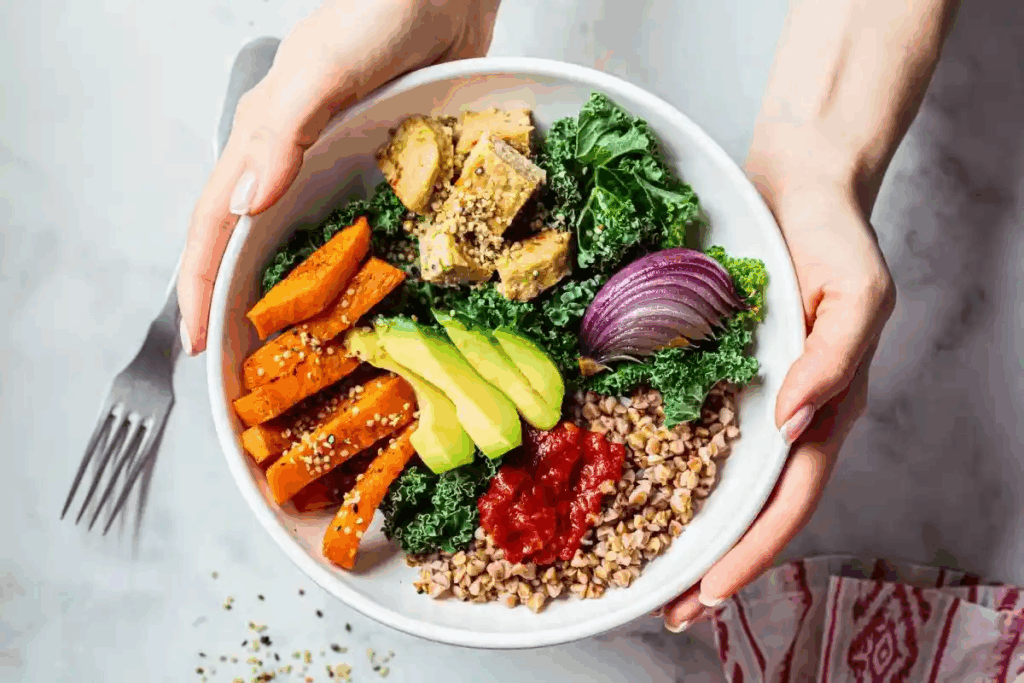
The DASH diet stands for Dietary Approaches to Stop Hypertension. It’s a well-studied eating plan to lower blood pressure and boost heart health. The National Institutes of Health created it. It focuses on foods rich in nutrients like fruits, veggies, whole grains, lean proteins, and low-fat dairy.
It cuts down on unhealthy fats, cholesterol, sodium, and processed foods. This helps lower the risk of heart disease. We believe in using science-backed nutrition to fight high blood pressure and improve health.
At Liv Hospital, we’re all about patient care that works. We use the DASH diet to help people manage their heart health.
Key Takeaways
- The DASH diet is a complete eating plan to lower blood pressure.
- It focuses on nutrient-rich foods and limits unhealthy fats and sodium.
- Developed by the National Institutes of Health, it’s a well-researched nutritional strategy.
- The DASH diet helps reduce the risk of cardiovascular disease.
- Liv Hospital uses evidence-based protocols like the DASH diet for patient care.
Understanding Hypertension and the DASH Diet

High blood pressure is a silent threat that can harm your health. It’s why the DASH diet is so important. About one in three adults have high blood pressure, making it a big public health issue.
What is High Blood Pressure and Its Health Risks
High blood pressure means your blood pressure is too high. This can lead to heart disease, stroke, and kidney disease. It can also cause heart disease, kidney damage, and vision loss.
Knowing the risks is key to preventing them. Diet plays a big role in managing high blood pressure.
Health Risks | Description |
Cardiovascular Disease | Increased risk of heart attacks and strokes due to high blood pressure. |
Kidney Damage | Hypertension can lead to kidney failure by damaging the blood vessels in the kidneys. |
Vision Loss | High blood pressure can cause blood vessels in the eyes to bleed or burst, leading to vision loss. |
The DASH Diet: Dietary Approach to Stop Hypertension
The DASH diet fights high blood pressure with foods high in potassium, calcium, and magnesium. These nutrients help lower blood pressure and improve heart health.
The DASH diet includes fruits, vegetables, whole grains, lean proteins, and low-fat dairy. It avoids foods high in saturated fat, cholesterol, and sodium.
How the DASH Diet Impacts Blood Pressure
The DASH diet focuses on nutrient-rich foods to manage blood pressure. Foods like bananas and leafy greens help balance sodium levels.
Research shows the DASH diet lowers blood pressure in hypertensive and pre-hypertensive people. It also helps with weight loss and improves heart health.
For those with high blood pressure, the DASH diet is a good choice. It’s a balanced way to lower blood pressure and reduce heart disease risk.
Scientific Evidence Behind the DASH Diet

The DASH diet has been studied a lot for its effects on high blood pressure. A lot of evidence shows it works well in managing blood pressure. We’ll look at the clinical trials and research that support its benefits.
Clinical Trials and Research Findings
Many clinical trials have tested the DASH diet’s ability to lower blood pressure. These studies found that the DASH diet can lower both systolic and diastolic blood pressure. The diet’s focus on whole grains, fruits, vegetables, and lean proteins is key. By eating nutrient-rich foods, people can manage their blood pressure better.
Blood Pressure Reduction Statistics
Research has shown how much the DASH diet can lower blood pressure. Studies found that it can reduce systolic blood pressure by 5.5 to 11.6 mmHg and diastolic by 2.2 to 5.3 mmHg. When combined with less sodium, the effects are even bigger. This shows the diet’s value as a way to manage high blood pressure without medication. By following the DASH diet, people can take control of their blood pressure and heart health.
The DASH diet also helps with high cholesterol and blood pressure. It’s a healthy diet for the heart. By adding the DASH diet to their lives, people can lower their heart disease risk and feel better overall.
Core Principles of the DASH Diet
The DASH diet focuses on a balanced eating plan. It’s rich in nutrients and low in sodium. This helps lower blood pressure and improve health.
Recommended Food Groups and Portions
The DASH diet suggests eating a variety of foods. These include:
- Grains: 6-8 servings a day, with a focus on whole grains.
- Vegetables: 4-5 servings a day, with different colors and types.
- Fruits: 4-5 servings a day, choosing whole fruits over juices.
- Dairy: 2-3 servings a day, opting for low-fat or fat-free options.
- Lean Proteins: 6 servings or less a day, including lean meats, poultry, and fish.
- Nuts, Seeds, and Legumes: 4-5 servings a week, providing healthy fats and protein.
Following these guidelines ensures you get the nutrients you need. It also helps keep sodium intake low.
Sodium Restriction Guidelines
The DASH diet emphasizes reducing sodium intake. Aim for 2,300 mg per day, with 1,500 mg per day being ideal for those at risk or with high blood pressure. To do this, you should:
- Read food labels to find out how much sodium is in them.
- Choose low-sodium versions of canned goods, soups, and processed foods.
- Use less salt when cooking and at the table.
Balancing Nutrients for Optimal Blood Pressure Control
The DASH diet also focuses on other nutrients for blood pressure control. These include:
- Potassium: Found in fruits, vegetables, and dairy, potassium lowers blood pressure.
- Calcium: Dairy and leafy greens are rich in calcium, important for heart health.
- Magnesium: Nuts, seeds, and whole grains are magnesium sources, supporting blood vessel function.
By balancing these nutrients and following the DASH diet, you can manage your blood pressure. This improves your overall health.
DASH Diet Food List: What to Eat and Avoid
To follow the DASH diet well, knowing which foods to eat and avoid is key. The DASH diet aims to control high blood pressure through diet. It focuses on foods rich in nutrients but low in sodium, added sugars, and unhealthy fats.
Foods to Prioritize
The DASH diet suggests eating a variety of nutrient-rich foods. These include:
- Whole grains like brown rice, quinoa, and whole-wheat bread
- Lean meats such as poultry, fish, and lean beef or pork
- Fruits and vegetables for a range of vitamins and minerals
- Low-fat dairy products like milk, yogurt, and cheese
- Nuts, seeds, and legumes for healthy fats, protein, and fiber
These foods are packed with nutrients, fiber, and antioxidants. They help lower blood pressure and boost heart health.
Foods to Limit or Avoid
While the DASH diet includes many food groups, some should be limited or avoided. These are high in sodium, saturated fats, and added sugars. Examples include:
- Fatty and processed red meats like sausages and bacon
- Full-fat dairy products, high in saturated fats
- Foods with added sugars, such as sugary drinks, candy, and baked goods
- Processed and packaged foods, often high in sodium and unhealthy fats
Reducing these foods helps cut down on harmful substances. This can lower blood pressure and improve heart health.
Reading Food Labels for DASH Compliance
Reading food labels is a critical part of the DASH diet. It helps you check for:
Nutrient | DASH Recommendation | Example |
Sodium | Less than 2300 mg per day, ideally 1500 mg | A soup can with 450 mg per serving |
Saturated Fat | Less than 6% of total daily calories | A pack of cookies with 3g per serving |
Added Sugars | Less than 10% of total daily calories | A cereal with 8g per serving |
By reading labels carefully, you can make choices that fit the DASH diet. This helps manage high blood pressure and promotes health.
Creating Your Coronary Diet Menu: DASH Style
A well-structured DASH diet menu can greatly help control blood pressure and improve health. To make a good meal plan, we must consider several key factors. These include calorie needs, portion sizes, meal structure, and adapting favorite recipes to DASH guidelines.
Calorie Requirements and Portion Control
Knowing our daily calorie needs is key to a successful DASH meal plan. Our calorie needs change based on age, sex, weight, and activity level. The DASH diet suggests:
- 1,600 calories per day for sedentary women and some older adults
- 2,000 calories per day for most adults
- 2,400 calories per day for active men and larger or more active women
- 3,000 calories per day for very active men or those with higher energy needs
Controlling portion sizes is also vital. Using smaller plates and measuring food can help us stay on track. For example, a serving of cooked rice or pasta is about 1/2 cup. A serving of meat is roughly the size of a deck of cards.
Meal Structure and Timing
Organizing our meals throughout the day helps keep energy levels stable and supports blood pressure control. We suggest:
- Eating three main meals and one or two snacks per day
- Including a variety of food groups in each meal
- Spacing meals to maintain stable energy levels
A typical day on the DASH diet might include oatmeal with fruit for breakfast, a salad with lean protein for lunch, and grilled fish with vegetables for dinner.
Adapting Favorite Recipes to DASH Guidelines
It’s easier than we think to adapt our favorite recipes to the DASH diet. Here are some tips:
- Reduce salt by using herbs and spices for flavor instead
- Increase vegetables and whole grains in our recipes
- Choose lean proteins and limit saturated fats
- Limit added sugars and refined carbohydrates
For example, we can adapt a favorite pasta recipe by using whole-grain pasta, adding more vegetables, and reducing salt.
By following these guidelines and making gradual changes, we can create a coronary diet menu that supports our health and well-being.
7-Day DASH Diet Meal Plan
Starting a 7-day DASH diet meal plan can change how we manage high blood pressure. The DASH diet is made to lower blood pressure through food choices. It includes many nutrient-rich foods for a balanced diet that helps with blood pressure and overall health.
Breakfast Options
Starting your day with a healthy breakfast is key. Here are some DASH diet-friendly breakfast ideas:
- Oatmeal with fresh fruits and nuts
- Whole-grain toast with avocado and eggs
- Greek yogurt with berries and honey
- Smoothies made with spinach, banana, and almond milk
These breakfasts are tasty and full of nutrients for heart health. For example, oatmeal is high in fiber, which can lower cholesterol.
Lunch and Dinner Ideas
For lunch and dinner, we can choose foods that fit the DASH diet. Some ideas include:
- Grilled chicken salads with mixed vegetables
- Baked salmon with quinoa and steamed broccoli
- Lentil soup with whole-grain bread
- Grilled turkey burgers on whole-grain buns with sweet potato fries
These meals are low in sodium, saturated fats, and added sugars, following the DASH diet. By eating whole grains, lean proteins, and lots of vegetables, we can make a balanced and tasty meal plan.
Day | Breakfast | Lunch | Dinner |
Monday | Oatmeal with banana | Grilled chicken salad | Baked salmon with quinoa |
Tuesday | Greek yogurt with berries | Lentil soup | Grilled turkey burger |
Wednesday | Smoothie bowl | Whole-grain pasta with marinara sauce and vegetables | Grilled chicken with roasted vegetables |
Healthy Snacks and Desserts
Snacking is important in the DASH diet to keep energy up and prevent overeating. Healthy snack options include:
- Fresh fruits and raw vegetables with hummus
- Nuts and seeds
- Low-fat dairy products like cheese and yogurt
For desserts, try fruit-based options or dark chocolate in small amounts. These choices are sweet and add to your nutrient intake.
By following this 7-day DASH diet meal plan, we can manage high blood pressure and improve our health. The key is to eat nutrient-rich foods, limit sodium, and keep a balanced diet.
Combining DASH with Other Heart-Healthy Approaches
To get the most out of the DASH diet, we can mix it with other heart-healthy habits. This way, we can see better results in managing blood pressure and improving heart health.
DASH and Mediterranean Diet Fusion
Merging the DASH diet with the Mediterranean diet can boost heart health. Both diets focus on whole grains, fruits, and veggies. The Mediterranean diet also highlights healthy fats from olive oil and nuts.
To blend these diets, follow DASH’s sodium and portion rules. Then, add Mediterranean touches like:
- Using olive oil as the main fat
- Eating fatty fish for omega-3s
- Enjoying nuts and seeds
- Using herbs and spices for flavor instead of salt
Exercise Recommendations for Blood Pressure Management
Regular exercise is key for managing blood pressure and boosting the DASH diet’s benefits. Aim for at least 150 minutes of moderate-intensity aerobic activity weekly. This can be brisk walking, cycling, or swimming.
Adding strength training and flexibility exercises can also help. A good routine might include:
- Aerobic exercise most days
- Strength training 2-3 times a week
- Flexibility and stretching 2-3 times a week
Stress Reduction Techniques to Complement Dietary Changes
Chronic stress can hurt blood pressure, so it’s important to manage it. Effective stress-reduction methods include:
- Meditation and mindfulness
- Deep breathing exercises
- Yoga or tai chi
- Progressive muscle relaxation
By adding these stress-reduction techniques to the DASH diet and exercise, we can tackle blood pressure and heart health comprehensively.
Overcoming Common DASH Diet Challenges
Learning to handle the DASH diet’s challenges is key. This includes eating out and dealing with cravings. To succeed, you need practical tips for everyday hurdles.
Dining Out While Following DASH Guidelines
Eating out on the DASH diet can be tough. But, there are ways to make it easier. Start by choosing foods that are simply prepared. Go for grilled, baked, or steamed options instead of fried.
- Limit sauces and condiments, as they can be high in sodium.
- Be mindful of portion sizes, as restaurant servings are often larger than needed.
- Consider sharing a meal or taking some home to avoid overeating.
Managing Salt Cravings and Taste Adaptation
It’s important to manage salt cravings on the DASH diet. Gradually reducing salt intake helps your taste buds adjust over time.
- Start by reducing the amount of salt used in cooking and at the table.
- Experiment with herbs and spices to add flavor without salt.
- Choose low-sodium options when shopping for packaged foods.
Budget-Friendly DASH Diet Implementation
Starting the DASH diet doesn’t have to break the bank. Planning meals around seasonal produce is a smart move. It’s cost-effective and ensures your food is fresh.
- Buy in bulk and store properly to reduce waste.
- Prepare meals at home using whole ingredients instead of processed foods.
- Consider shopping at local farmers’ markets or using community-supported agriculture programs.
By using these tips, you can beat common DASH diet challenges. This way, you can manage your blood pressure effectively.
Tracking Progress and Adjusting Your Plan
Starting the DASH diet means more than just changing what you eat. It also means keeping an eye on how it works for you. Tracking your progress and tweaking your plan as needed is key to reaching your blood pressure goals.
Blood Pressure Monitoring at Home
Monitoring your blood pressure at home is a big part of managing high blood pressure. By watching your readings closely, you can spot trends and catch problems early. Use a validated digital blood pressure monitor and track your readings in a log or app.
The American Heart Association says home monitoring gives a fuller picture of your blood pressure than clinic visits. This hands-on approach lets you take charge of your health and work better with your healthcare team.
Expecting Results
Starting the DASH diet, you might wonder when you’ll see changes. While everyone is different, many people see blood pressure improvements in a few weeks. Sticking to the diet and lifestyle changes is the best way to see results.
“The DASH diet is not just a short-term solution but a long-term approach to healthy eating that can lead to sustained blood pressure control.”
Collaboration with Healthcare Providers
Working with your healthcare providers is vital for getting the most out of the DASH diet. Regular visits help your team see how you’re doing and make changes as needed. Share your home blood pressure readings and any worries with your healthcare provider to stay on track.
By following the DASH diet, monitoring your blood pressure, and getting guidance from your healthcare team, you can manage your blood pressure and boost your health.
Conclusion: Making the DASH Diet a Sustainable Lifestyle
Choosing the DASH diet as a long-term choice can greatly improve blood pressure and heart health. Adding meals good for high blood pressure to your daily meals is a big step towards a healthier life.
We’ve looked at the DASH diet’s main points, like the foods to eat, how much sodium to limit, and balancing nutrients for blood pressure. Making these changes can greatly improve your health.
To keep the DASH diet a lasting choice, try new recipes and meal ideas that follow the diet’s rules. This keeps your diet interesting and ensures you get all the nutrients your body needs.
By sticking to the DASH diet and making healthy lifestyle choices, we can all work towards better heart health. This helps lower the risk of heart problems caused by high blood pressure.
FAQ
What is the DASH diet?
The DASH diet, or Dietary Approaches to Stop Hypertension, is a plan to lower blood pressure. It focuses on foods rich in nutrients and limits unhealthy fats and sodium.
How does the DASH diet help lower blood pressure?
It emphasizes whole grains, fruits, vegetables, lean proteins, and low-fat dairy. It limits sodium, sugar, and saturated fats, which can raise blood pressure.
What foods are recommended on the DASH diet?
The DASH diet recommends whole grains, fruits, vegetables, lean proteins, and low-fat dairy. It also includes healthy fats like nuts and seeds.
What foods should I limit or avoid on the DASH diet?
Limit or avoid foods high in sodium, sugar, and saturated fats. This includes processed foods, sugary drinks, and fatty meats.
How much sodium can I have on the DASH diet?
The DASH diet suggests less than 2,300 milligrams of sodium daily. Aim for 1,500 milligrams for most adults.
Can I follow the DASH diet if I have other dietary restrictions or preferences?
Yes, you can adapt the DASH diet to fit your needs. Focus on its core principles and make suitable substitutions.
How long does it take to see results on the DASH diet?
Results vary, but many see blood pressure improvements in weeks to months.
Can I combine the DASH diet with other heart-healthy lifestyle approaches?
Yes, combining the DASH diet with exercise, stress reduction, and other heart-healthy habits can enhance benefits.
How can I track my progress on the DASH diet?
Track progress by monitoring blood pressure and keeping a food diary. Regular health assessments are also important.
Is the DASH diet a sustainable long-term lifestyle choice?
Yes, the DASH diet is a balanced plan for long-term health. It promotes well-being beyond just blood pressure management.
What are some tips for dining out while following the DASH diet?
Choose restaurants with healthy options and be mindful of portion sizes. Opt for dishes low in sodium and rich in fruits, vegetables, and whole grains.
How can I manage salt cravings on the DASH diet?
Reduce sodium intake gradually and explore herbs and spices for flavor. Choose low-sodium alternatives to high-sodium foods.
Can the DASH diet help with weight loss?
The DASH diet can support weight loss, focusing on whole, nutrient-rich foods. Regular exercise is also key.
References
Government Health Resource. Evidence-Based Medical Guidance. Retrieved from https://www.nejm.org/doi/10.1056/NEJM199704173361601