Neurosurgery is a highly intricate and delicate procedure. It carries significant risks and potential complications. Nearly 1 in 5 patients undergoing brain surgery may face adverse effects. These can range from infection and bleeding to neurological damage.
Exploring the intricacies of neurosurgical procedures reveals the importance of understanding risks. This includes craniotomy and cerebral tumor surgery. It’s vital for both patients and healthcare providers to grasp these risks.
Key Takeaways
- Neurosurgery carries significant risks, including infection and neurological damage.
- Patients undergoing brain surgery may experience adverse effects.
- Understanding the potential risks is crucial for patients and healthcare providers.
- Craniotomy and cerebral tumor surgery are complex neurosurgical procedures.
- A brain surgeon’s expertise is essential for minimizing risks.
The Basics of Neurosurgical Procedures
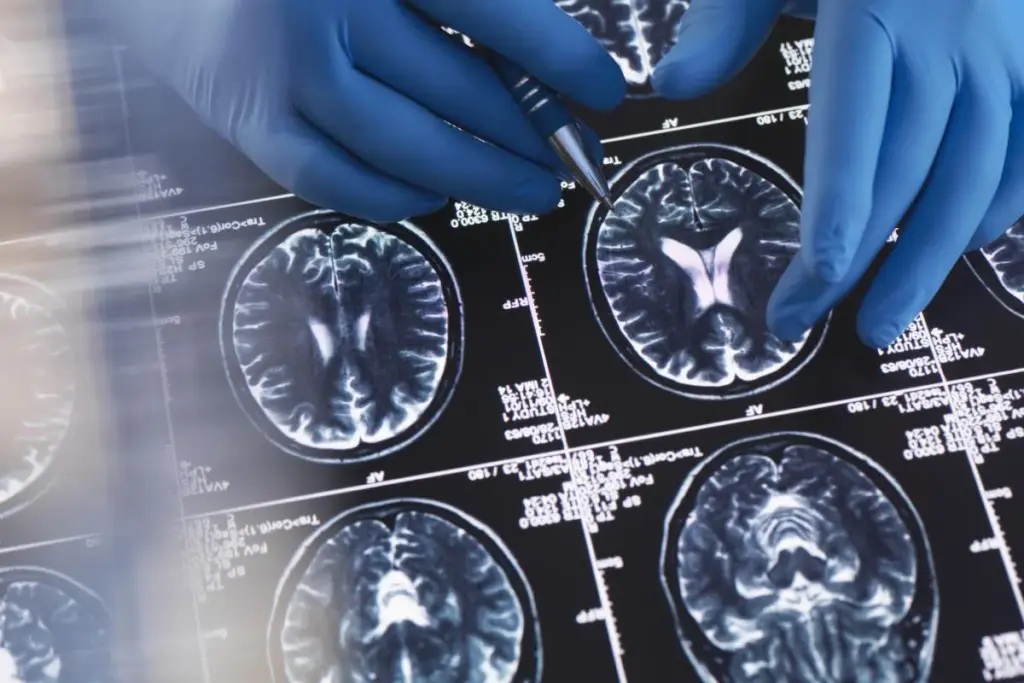
It’s important for patients to know about neurosurgical procedures before brain surgery. Neurosurgery deals with surgeries for brain and nervous system issues.
These procedures include brain tumor surgery, aneurysm clipping, and epilepsy surgery. Each needs careful planning and execution.
Common Types of Brain Surgery
Brain surgery covers several types, such as:
- Tumor removal: This surgery removes brain tumors, which can be benign or malignant.
- Aneurysm clipping: It’s a procedure to treat aneurysms by clipping the neck to prevent rupture.
- Epilepsy surgery: It aims to reduce or stop seizures in patients with epilepsy.
Indications for Neurosurgical Intervention
Neurosurgery is needed for many conditions, including:
- Brain tumors causing symptoms or thought to be malignant.
- Aneurysms at risk of rupture.
- Epilepsy not helped by medicine.
- Traumatic brain injuries needing surgery.
A leading neurosurgeon says, “Choosing neurosurgery is a big decision. It involves weighing the risks and benefits.”
“New neurosurgical techniques have greatly improved results. Now, surgery is an option for many who were once thought inoperable.”
Advances in Neurosurgical Techniques
New neurosurgical techniques have changed the field. They make surgical procedures more precise and less invasive. These include:
- Improved imaging like MRI and CT scans for better planning.
- Minimally invasive surgery for quicker recovery and less scarring.
- Intraoperative monitoring to avoid damaging brain areas during surgery.
These advancements have made intracranial operations safer and more effective. They offer hope to those with complex brain conditions.
Understanding Craniotomy and Its Purposes
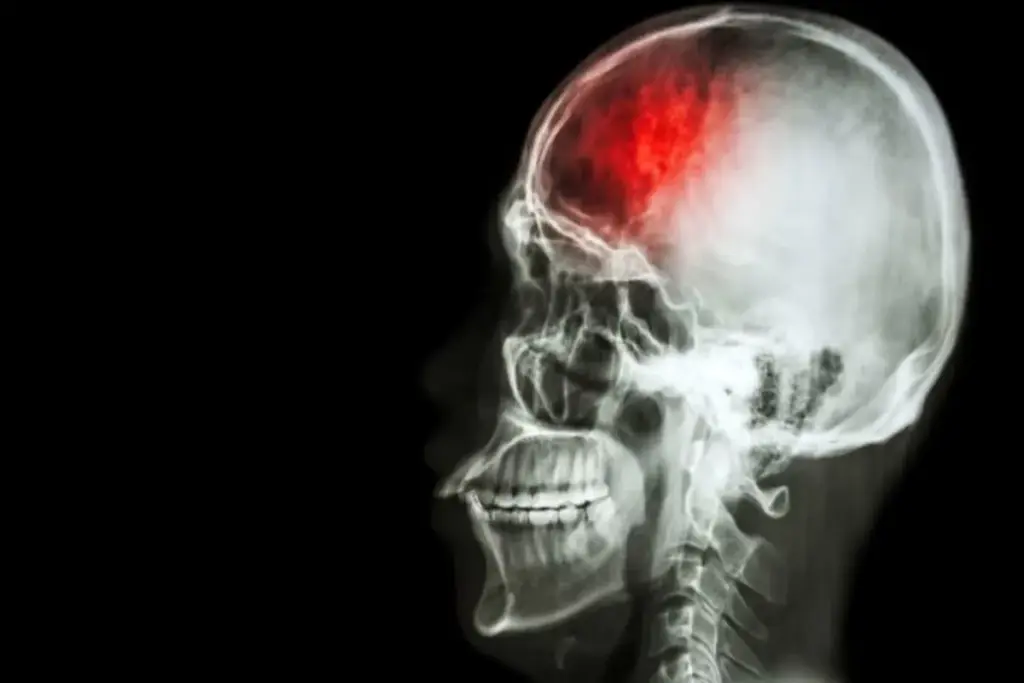
A craniotomy is a key neurosurgical procedure for treating brain disorders and injuries. It involves temporarily removing a part of the skull to access the brain. This allows neurosurgeons to perform detailed operations that can save lives or greatly improve a patient’s life quality.
What Happens During a Craniotomy
During a craniotomy, the patient is under general anesthesia to keep them comfortable and pain-free. We plan the skull removal location and size carefully, based on the patient’s condition and the surgery’s goals. The bone flap is then removed temporarily, and the dura mater is opened to reach the brain.
Key steps in the procedure include:
- Preparation and positioning of the patient
- Surgical planning using advanced imaging techniques
- Removal of the bone flap
- Opening of the dura mater
- The actual surgical intervention on the brain
- Closure of the dura mater and replacement of the bone flap
Different Types of Craniotomy Procedures
There are various craniotomy procedures, each suited to a patient’s specific needs. These include:
- Standard Craniotomy: The traditional method involving a larger bone flap.
- Keyhole Craniotomy: A minimally invasive approach using a smaller incision and bone removal.
- Burr Hole Surgery: Involves making small holes in the skull to relieve pressure or drain fluid.
Burr Hole Surgery vs. Full Craniotomy
Burr hole surgery and full craniotomy are used to access the brain but differ in their approach. Burr hole surgery is less invasive, making small holes in the skull. It’s often used for procedures like relieving pressure or draining cerebrospinal fluid. A full craniotomy, however, removes a larger portion of the skull for broader brain access.
The choice between these procedures depends on the patient’s condition, the surgery’s complexity, and recovery potential. Understanding these differences helps patients and their families make informed decisions about their care.
Immediate Post-Operative Complications
Neurosurgery is lifesaving but comes with risks right after surgery. It’s important for patients and caregivers to know about these risks. This knowledge helps in caring for patients after surgery.
Anesthesia-Related Issues
Problems with anesthesia can happen right after neurosurgery. These issues include respiratory depression and hypotension. Experts say the anesthesiologist is key in managing these risks.
Surgical Site Infections
Surgical site infections (SSIs) are a big worry after neurosurgery. They can cause longer hospital stays and more surgeries. To reduce this risk, we use prophylactic antibiotics and follow strict sterile techniques.
Post-Operative Bleeding
Post-operative bleeding is another risk after neurosurgery. It needs quick attention to avoid serious problems. Monitoring in the post-anesthesia care unit (PACU) helps catch and manage bleeding fast.
We focus on detailed post-operative care to lower these risks. Knowing about these complications and acting early helps us get the best results for our patients.
Neurological Complications After Brain Surgery
Brain surgery can lead to neurological issues. These problems can affect a patient’s recovery and quality of life. We will look into these complications and how to manage them.
Neurological complications vary among patients. The type of surgery, the brain area involved, and the patient’s health play a role. These factors can change the risk and severity of complications.
Seizures and Epilepsy Risk
Seizures are a possible complication after brain surgery. They can be caused by the surgery itself or the underlying condition. In some cases, seizures can lead to epilepsy, a condition with recurring seizures.
Risk factors for seizures include:
- Previous history of seizures
- Type and location of the brain surgery
- Presence of underlying neurological conditions
Cognitive and Memory Changes
Cognitive and memory changes are a concern after brain surgery. These changes can be mild or severe, depending on the brain area affected.
|
Cognitive Domain |
Potential Changes |
|---|---|
|
Memory |
Short-term memory loss, difficulty recalling familiar information |
|
Attention |
Difficulty concentrating, easily distracted |
|
Executive Function |
Impaired decision-making, planning difficulties |
Speech and Language Disorders
Speech and language disorders can occur if the brain’s language areas are affected. These disorders can affect speech production, comprehension, reading, or writing.
Speech therapy can help patients recover or adapt to these changes.
Motor Function Impairments
Motor function impairments can result from brain surgery. These impairments include weakness, paralysis, or coordination problems. They often occur if the motor areas of the brain are involved.
Rehabilitation is key in helping patients regain motor function. It helps them adapt to any lasting impairments.
Intracranial Complications Following Brain Tumor Removal
After brain tumor removal, patients may face several intracranial complications. These can affect their recovery and outcome. We will look at these complications and why they need careful monitoring and management.
Brain Edema (Swelling)
Brain edema, or swelling, is a common issue after brain tumor surgery. This swelling can increase intracranial pressure, causing more brain damage. It’s crucial to monitor and manage brain edema to avoid long-term brain problems. Doctors may use corticosteroids to reduce swelling and improve symptoms.
Intracranial Pressure Changes
Changes in intracranial pressure (ICP) are a big worry after brain tumor removal. High ICP can cause severe problems, like brain herniation. It’s important to keep a close eye on ICP to catch and manage any changes quickly. Doctors might use medications or surgery to lower pressure.
Cerebrospinal Fluid Leaks
Cerebrospinal fluid (CSF) leaks can happen after brain tumor surgery. These leaks can lead to infections and other issues. It’s vital to find and treat CSF leaks quickly to avoid more problems. Treatment might include surgery to fix the leak or other methods to manage symptoms and prevent infection.
Hydrocephalus Development
Hydrocephalus, or fluid buildup in the brain, can occur after brain tumor removal. This condition can raise intracranial pressure and cause other brain symptoms. It’s important to catch and treat hydrocephalus early to prevent lasting damage. Doctors might use a shunt to drain excess CSF.
Cardiovascular Risks After Neurosurgery
Cardiovascular risks are a big worry for patients after neurosurgery. It’s important to watch them closely and manage them well. Neurosurgery is needed for many brain and nervous system problems. But, it can also affect the heart and blood vessels.
Blood Pressure Fluctuations
Right after surgery, blood pressure can swing wildly. This can happen because of the surgery itself, the anesthesia, or pain. Keeping blood pressure stable is key to avoid serious problems like heart attacks or brain swelling.
- Keep a close eye on blood pressure
- Give medicines to control blood pressure
- Manage pain well
Deep Vein Thrombosis
Deep vein thrombosis (DVT) is a big risk after neurosurgery. Being still for too long can cause blood clots in the legs. To prevent this, doctors use:
- Start moving and doing physical therapy early
- Wear compression stockings or use special devices
- Give medicines to prevent blood clots
Pulmonary Embolism
Pulmonary embolism (PE) is a serious problem that can happen from DVT. It’s when a blood clot goes to the lungs and blocks blood flow. Symptoms include sudden trouble breathing, chest pain, and even heart failure. Quick treatment with medicines is very important.
Cardiac Arrhythmias
After neurosurgery, heart rhythm problems can happen. This includes irregular heartbeats and other issues. These can be caused by many things like imbalances in the body’s salts, stress, or heart problems before surgery. Doctors handle this by:
- Watching the heart rhythm
- Fixing salt imbalances
- Using medicines to control the heart
It’s crucial to understand and lower these heart risks after neurosurgery. By using prevention and watching patients closely, doctors can make sure they do better.
Respiratory Complications Post-Brain Surgery
Respiratory issues are a big worry after brain surgery. They can change how well a patient recovers. These problems can happen for many reasons, like the surgery itself or the patient’s health.
Pneumonia Risk Factors
Pneumonia is a dangerous infection that can happen after brain surgery. It’s more common in patients on ventilators or with breathing problems. Older patients, those with breathing issues, and long surgeries are at higher risk.
To lower pneumonia risk, doctors take several steps. These include:
- Strict infection control measures
- Early mobilization and respiratory therapy
- Appropriate use of antibiotics
Pulmonary Aspiration
Pulmonary aspiration happens when something like food or stomach acid gets into the lungs. This can cause serious breathing problems, like aspiration pneumonia.
Things that make aspiration more likely include:
- Impaired consciousness or neurological deficits
- Dysphagia (swallowing difficulties)
- Gastroesophageal reflux disease (GERD)
Respiratory Failure
Respiratory failure is a serious condition that can happen after brain surgery. It means the lungs can’t get enough oxygen into the body. It’s a life-threatening situation that needs quick medical help.
Many things can cause respiratory failure after brain surgery. These include:
- Direct brain injury affecting respiratory centers
- Pulmonary complications such as pneumonia or edema
- Cardiac issues leading to respiratory compromise
Ventilation Requirements
After brain surgery, some patients need mechanical ventilation. This is especially true for those with breathing problems or can’t breathe on their own.
Doctors decide if a patient needs ventilation based on several factors. These include:
|
Factor |
Description |
|---|---|
|
Respiratory Rate |
An abnormal respiratory rate can indicate the need for ventilation support. |
|
Oxygen Saturation |
Low oxygen saturation levels despite supplemental oxygen may necessitate mechanical ventilation. |
|
Arterial Blood Gases |
Abnormal levels of oxygen and carbon dioxide in the blood can indicate respiratory failure. |
It’s important to understand these respiratory issues and their causes. By knowing who’s at risk and taking the right steps, doctors can help patients recover better from brain surgery.
Endocrine Disruptions Following Intracranial Operations
After intracranial operations, patients may face endocrine disruptions. These can affect their recovery and health. The endocrine system, which controls many bodily functions, can be impacted by surgery in the brain.
Diabetes Insipidus
Diabetes insipidus can happen after brain surgery, especially if the pituitary gland or hypothalamus is touched. It’s caused by not enough antidiuretic hormone (ADH) or the kidneys not responding to it. Symptoms include too much thirst and peeing.
To manage diabetes insipidus, we watch fluid and electrolyte levels closely. Sometimes, synthetic ADH is given to control urine.
Syndrome of Inappropriate Antidiuretic Hormone
The syndrome of inappropriate antidiuretic hormone secretion (SIADH) can also occur after brain surgery. It’s when too much ADH is released, causing water retention and low sodium levels in the blood.
We treat SIADH by limiting fluids and using medications to counteract ADH’s effects. It’s important to keep an eye on electrolyte levels.
Pituitary Dysfunction
Pituitary dysfunction can happen if the pituitary gland is damaged during surgery. This can cause hormone deficiencies, affecting growth, metabolism, and reproductive functions.
Treatment involves hormone replacement therapy, tailored to the specific deficiencies found.
Cortisol and Thyroid Abnormalities
Cortisol and thyroid issues can also arise after brain surgery, especially if the hypothalamic-pituitary axis is affected. These can show up as hypothyroidism or adrenal insufficiency.
We diagnose these conditions by checking hormonal levels. We manage them with the right replacement therapies.
Pain Management Challenges After Skull Surgery
Recovering from skull surgery means dealing with pain management. It’s key to getting better and going back to normal life. Good pain management helps patients heal faster and feel better sooner.
Post-Craniotomy Headaches
Headaches are a big issue after skull surgery. They can be mild or very bad. Post-craniotomy headaches happen for many reasons, like tissue damage or changes in brain pressure.
It’s important to manage these headaches well. We use medicine, rest, and sometimes more to fix the problem.
Neuropathic Pain Syndromes
Neuropathic pain is another big challenge. It’s caused by nerve damage during surgery. This pain is hard to treat and can last a long time.
We work with patients to find the best treatment. This might include special medicines or other methods to help with nerve pain.
Medication Side Effects and Management
Medicines help with pain but can have side effects. These can include feeling sick, being very tired, or having trouble going to the bathroom. Adjusting medication is key to avoiding these side effects while still controlling pain.
We focus on the patient in pain management. We consider their health history, current condition, and what they prefer. This way, we can find the best pain relief with fewer side effects.
Psychological and Emotional Effects
Neurosurgery can change a person’s life in many ways, not just physically. It can also affect their emotions and mind. These changes can impact not just the person but also their family and friends.
Depression and Anxiety
Many people feel sad and worried after neurosurgery. The surgery itself and the unknown outcome can make them feel hopeless and anxious about the future.
Post-Traumatic Stress
Some may develop PTSD after surgery. This can include remembering the surgery, avoiding things that remind them of it, and feeling very alert or reactive.
Personality Changes
Neurosurgery can sometimes change a person’s personality. These changes can be small or big, affecting their mood and behavior.
Impact on Family Dynamics
Neurosurgery affects not just the patient but also their family. The stress of caring for someone who has had surgery and any changes in their behavior can strain relationships.
It’s important to understand these effects to help patients and their families. By recognizing and addressing these issues, healthcare providers can offer better support.
|
Psychological Effect |
Description |
Support Strategies |
|---|---|---|
|
Depression |
Feelings of sadness and hopelessness |
Counseling, medication, support groups |
|
Anxiety |
Fear and worry about the future |
Relaxation techniques, therapy, medication |
|
Post-Traumatic Stress |
Flashbacks, avoidance, heightened arousal |
PTSD therapy, counseling, support groups |
|
Personality Changes |
Shifts in mood, behavior, or personality traits |
Family support, counseling, behavioral therapy |
Risk Factors That Increase Post-Neurosurgical Complications
It’s important to know what increases the risk of problems after neurosurgery. Many things can affect the chance of complications. Knowing these factors helps us improve patient care.
Pre-existing Medical Conditions
People with conditions like diabetes, high blood pressure, or heart disease face a higher risk. Managing these conditions well before, during, and after surgery is key. We keep a close eye on patients with these conditions to make sure they’re healthy enough for surgery.
Age-Related Risks
Age is a big factor in the risk of complications after neurosurgery. Older people might face more risks because of their age and health issues. Adjusting the surgery and care to fit the needs of older patients can help reduce these risks.
Surgical Complexity Factors
The complexity of the surgery also plays a role. More complex surgeries, especially those in critical brain areas, carry higher risks. Having skilled neurosurgeons and using advanced techniques is crucial in lowering these risks.
Tumor Location and Size Considerations
The location and size of brain tumors affect the surgery’s complexity and risk. Tumors in hard-to-reach or sensitive areas need special approaches. Using advanced imaging before surgery helps us plan the safest and most effective way to remove the tumor.
Understanding and tackling these risk factors can lead to better outcomes and fewer complications after neurosurgery. Good pre-surgery checks, careful planning, and detailed post-surgery care are all key. They help us minimize risks and improve patient care.
20 Things to Expect After Brain Surgery
Recovering from brain surgery is a complex journey. Knowing what to expect can make it easier for patients and their families. The road to recovery has many stages, each with its own challenges and achievements.
The First 48 Hours Post-Operation
The first 48 hours after surgery are crucial. Patients are watched closely in the ICU for any immediate issues. We can expect:
- Close monitoring of vital signs and neurological status
- Management of pain and discomfort
- Initial swelling and bruising around the surgical site
- Potential for nausea and vomiting due to anesthesia
The First Week of Recovery
In the first week, patients usually stay in the hospital for observation. Key aspects to expect include:
- Continued monitoring for complications
- Gradual improvement in symptoms
- Introduction to physical therapy and rehabilitation
- Adjustment to any new medications
Weeks 2-4 After Surgery
As patients move into weeks 2-4, they can expect:
- Increased mobility and independence
- Continued rehabilitation to regain strength and cognitive function
- Potential for follow-up imaging tests (e.g., MRI or CT scans)
- Adjustments to the treatment plan based on recovery progress
Long-Term Recovery Milestones
Long-term recovery varies among individuals. Generally, patients can expect:
- Gradual improvement over several months
- Potential for some permanent changes, depending on the surgery’s location and extent
- Ongoing rehabilitation and therapy as needed
- Follow-up appointments to monitor recovery and address any concerns
Understanding these recovery expectations helps patients and their families prepare. It’s crucial to follow the healthcare team’s advice and report any concerns or unusual symptoms promptly.
|
Recovery Stage |
Key Expectations |
|---|---|
|
First 48 Hours |
Close monitoring, pain management, potential nausea |
|
First Week |
Hospital stay, gradual improvement, introduction to rehabilitation |
|
Weeks 2-4 |
Increased mobility, continued rehabilitation, follow-up tests |
|
Long-Term |
Gradual improvement, potential for permanent changes, ongoing rehabilitation |
When to Seek Immediate Medical Attention
Knowing when to get medical help is vital for a good recovery after brain surgery. Patients can face serious risks, some of which are life-threatening. It’s important to act fast.
Warning Signs of Serious Complications
Some symptoms after brain surgery mean you need to see a doctor right away. Look out for severe headaches, confusion, trouble speaking, weakness, and vision changes.
- Severe Headache: A sudden, severe headache can be a sign of bleeding or other serious issues.
- Confusion or Altered Mental State: Disorientation or confusion may indicate a problem with brain function.
- Difficulty Speaking or Swallowing: Speech difficulties can signal a neurological issue.
Emergency Symptoms That Require Immediate Care
Other symptoms need urgent care too. These include fever, seizures, and trouble breathing.
|
Symptom |
Possible Cause |
|---|---|
|
Fever |
Infection |
|
Seizures |
Neurological complication |
|
Difficulty Breathing |
Respiratory issue |
Communication with Your Healthcare Team
Talking to your healthcare team is key. Make sure you know who to call and how to reach them in an emergency.
Rehabilitation and Recovery After Craniotomy
Recovery after a craniotomy involves a detailed rehabilitation plan. This plan is key to helping patients regain strength, function, and mental clarity after brain surgery.
Physical Therapy Needs
Physical therapy is essential in the recovery process. It helps patients regain their physical strength and mobility. Physical therapists focus on improving balance, coordination, and physical function. Each patient’s therapy is customized to address their specific challenges, like weakness or difficulty walking.
Occupational Therapy Interventions
Occupational therapy helps patients with daily tasks for independence. Occupational therapists create personalized plans to improve daily functions. This might include learning new ways to do tasks or using assistive devices.
Speech and Cognitive Rehabilitation
Speech and cognitive therapy are vital for those with speech or cognitive issues after surgery. Speech therapists aim to enhance communication skills, while cognitive therapy boosts memory, attention, and problem-solving. These therapies are tailored to meet each patient’s needs, crucial for independence and quality of life.
Timeline for Returning to Normal Activities
The time it takes to get back to normal varies among patients. Factors like overall health, surgery complexity, and rehabilitation adherence affect this timeline. Patients generally see improvement over weeks to months, with some needing up to a year or more to fully recover.
Conclusion: Navigating Life After Neurosurgery
Life after neurosurgery needs a deep understanding of possible problems and being ready for recovery. We talked about the risks of neurosurgery, like immediate problems, brain issues, and heart risks.
Knowing these risks is key for a smooth recovery. Patients can handle recovery better by understanding these challenges. They should also get medical help quickly if needed. A good recovery involves medical care, rehab, and support from doctors and family.
It’s important for patients to follow their doctor’s advice and ask for help when they need it. With the right support and care, patients can beat the challenges of neurosurgery. We aim to provide top-notch healthcare and support for international patients. We want to help them get the care they need on their recovery journey.
FAQ
What are the most common complications after brain surgery?
Common issues include infection, bleeding, and seizures. You might also face neurological problems like weakness, numbness, or trouble with speech and thinking.
How long does it take to recover from a craniotomy?
Recovery time varies. Most patients need weeks to months to get better. Full recovery can take up to a year or more.
What are the risks associated with burr hole surgery?
Risks include infection, bleeding, and brain damage. There are also risks from anesthesia and the specific condition being treated, like a subdural hematoma.
Can brain surgery cause long-term cognitive problems?
Yes, brain surgery can lead to cognitive issues. These might include memory, attention, and processing speed problems. This depends on the surgery’s location and extent.
What is the role of rehabilitation after neurosurgery?
Rehabilitation is key to help patients regain lost functions. It also helps manage symptoms and adapt to changes. It includes physical, occupational, and speech therapy.
How can I manage pain after skull surgery?
Managing pain involves medication, rest, and tailored strategies. The goal is to reduce discomfort and aid in recovery.
Are there any specific warning signs I should watch for after brain surgery?
Yes, watch for severe headache, confusion, and weakness or numbness. Also, look out for trouble speaking, seizures, and signs of infection like fever or redness around the surgical site.
Can neurosurgery affect my emotional or psychological well-being?
Yes, neurosurgery can impact your emotional and psychological health. This might include anxiety, depression, and mood changes. You may need support and professional help.
What factors influence the risk of complications after neurosurgery?
Several factors affect the risk of complications. These include your overall health, age, the surgery’s complexity and location, and any pre-existing medical conditions.
How do I know when to seek immediate medical attention after brain surgery?
Seek immediate medical help for severe symptoms. This includes sudden severe headache, confusion, trouble speaking or moving, or signs of infection.
What can I expect during the first week after brain surgery?
The first week involves rest, monitoring for complications, managing pain, and starting rehabilitation. Follow your healthcare team’s specific instructions.
How much does a neurological surgeon make?
Neurological surgeons’ salaries vary. They depend on location, experience, and practice type. They are generally among the highest-paid medical specialists.
What is neurosurgery?
Neurosurgery is a medical specialty. It involves surgical procedures for brain, spine, and nervous system disorders and injuries.
What is a craniotomy?
A craniotomy is a procedure where part of the skull is temporarily removed. It allows access to the brain for treating various conditions.
National Center for Biotechnology Information. Evidence-Based Medical Insight. Retrieved from https://pmc.ncbi.nlm.nih.gov/articles/PMC10006024/



 Departments
 Related Videos
 Our Doctors
 News
News