
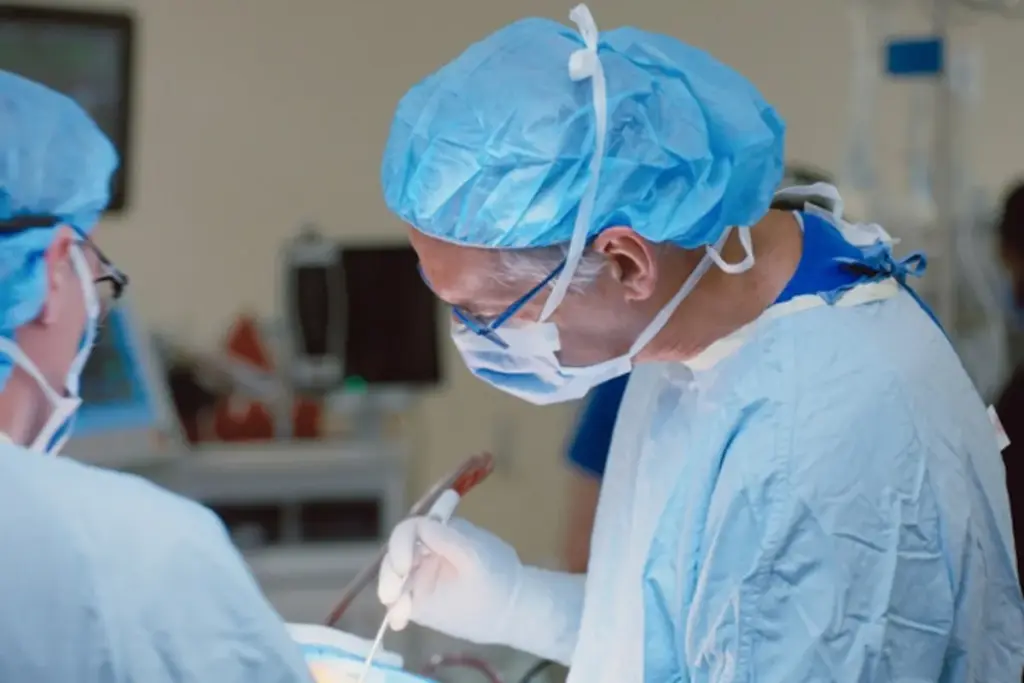
Going through neurosurgery can be scary. Knowing what to expect in the hospital can help ease your worries. A craniotomy is a detailed surgery that needs careful care after.
After a craniotomy surgery, patients usually stay in the hospital for a few days to a week or more. This depends on their health and how complex the surgery was. Doctors and nurses watch over the patient closely, managing pain and looking out for any issues.
Knowing what to expect can really help your hospital stay. In this article, we’ll cover how long you might stay in the hospital after a craniotomy. We’ll also talk about what affects your recovery and what you can expect while you’re there.
Key Takeaways
- The length of hospital stay after neurosurgery varies depending on individual patient needs.
- Close monitoring and post-operative care are key for a smooth recovery.
- Knowing what affects your recovery can help manage your expectations.
- Patients usually stay in the hospital for several days to a week or more after a craniotomy.
- Good pain management is a big part of post-operative care.
Understanding Neurosurgery and Hospital Stays

Neurosurgical procedures vary widely. Knowing what to expect can make the process easier for patients. These surgeries are complex and require precise care and hospitalization.
Types of Neurosurgical Procedures
Neurosurgery includes many procedures like craniotomies, craniectomies, and minimally invasive surgeries. Each surgery has its own needs and recovery times.
- Craniotomy: A surgical operation where a part of the skull is temporarily removed to access the brain.
- Craniectomy: A procedure where a portion of the skull is removed to allow a swollen brain to expand.
- Minimally invasive surgeries: Procedures that use small incisions and specialized tools to reduce tissue damage.
General Factors Affecting Length of Hospital Stay
Several factors influence how long a patient stays in the hospital after neurosurgery. These include:
- The complexity of the surgical procedure.
- The patient’s overall health and presence of pre-existing conditions.
- The occurrence of any post-operative complications.
- The type of neurosurgical procedure performed.
Understanding these factors can help patients and their families prepare for the hospital experience.
What to Bring to the Hospital
To ensure a comfortable hospital stay, it’s essential to bring necessary items. These may include:
- Comfortable clothing.
- Personal hygiene items.
- Any personal medical devices.
- Important documents such as insurance cards and identification.
Checking with the hospital for their specific list of recommended items is also advisable.
What is a Craniotomy? Procedure Overview and Purpose

A craniotomy is a key neurosurgical method to reach different brain areas for surgery. It involves temporarily taking out a skull part, called a bone flap. This lets surgeons do precise work on the brain.
Definition and Surgical Technique
A craniotomy means removing a skull part to see the brain. The steps are very detailed:
- Preparation: The patient’s head is fixed, and the scalp area is cleaned and sterilized.
- Incision and Bone Flap Removal: An incision is made, and a bone flap is removed to get to the brain.
- Surgical Intervention: The neurosurgeon does the needed work on the brain, like removing tumors or clipping aneurysms.
- Closure: After the surgery, the bone flap is put back, and the scalp is closed.
Common Reasons for Craniotomy Procedures
Craniotomies are done for many reasons, including:
- Tumor Removal: To take out brain tumors, whether they are benign or cancerous.
- Aneurysm Clipping: To treat aneurysms by clipping them off to stop rupture.
- Traumatic Brain Injury: To ease pressure on the brain from injury.
- Epilepsy Surgery: To remove the seizure focus in patients with epilepsy.
Technological Advances in Craniotomy
New technologies have greatly improved craniotomy surgeries. Some of these advancements include:
- Image-Guided Surgery: Using advanced imaging to guide surgeons during the operation.
- Minimally Invasive Techniques: Making the incision and bone flap smaller to reduce recovery time.
- Intraoperative Monitoring: Keeping an eye on brain function during surgery to avoid damage.
Knowing about craniotomy’s definition, techniques, and reasons, along with the latest tech, helps patients prepare. It also helps them know what to expect during recovery.
Craniotomy vs. Craniectomy: Key Differences and Recovery Implications
Craniotomy and craniectomy are two neurosurgical procedures with different goals and recovery paths. It’s important for patients and their families to understand these differences. This knowledge helps them navigate the complex world of neurosurgery.
Defining Craniectomy
A craniectomy involves removing part of the skull to ease brain pressure. This can happen due to trauma, stroke, or tumors. Unlike a craniotomy, where the bone is put back, in a craniectomy, the bone might be saved for later or replaced with a synthetic material.
Craniectomy vs. Craniotomy: Procedure Overview
|
Procedure |
Craniotomy |
Craniectomy |
|---|---|---|
|
Purpose |
Access brain for surgery, often with bone replacement |
Relieve pressure by removing part of the skull |
|
Bone Replacement |
Typically replaced during the same surgery |
May be preserved for later or replaced with synthetic material |
|
Recovery |
Generally shorter recovery due to less invasive nature |
Potentially longer recovery due to the complexity and the need for future surgeries |
When Each Procedure is Recommended
The choice between a craniotomy and a craniectomy depends on several factors. These include the patient’s condition, the nature of the injury or disease, and the surgeon’s judgment. A craniotomy is often chosen for conditions needing brain access without decompression, like certain tumors or aneurysms.
A craniectomy is usually recommended for cases needing to relieve brain pressure due to swelling or hemorrhage.
Impact on Hospital Stay Duration
The length of hospital stay varies based on surgery complexity, patient health, and any complications. Generally, craniotomy patients might have a shorter stay than those who had a craniectomy. This is because craniotomy is often less invasive. Yet, each patient’s recovery is unique, and the healthcare team provides personalized care.
Knowing the differences between craniotomy and craniectomy helps patients prepare better for surgery and recovery. This knowledge can reduce anxiety and help patients focus on their recovery.
Typical Hospital Stay Duration After Craniotomy
Knowing how long you’ll stay in the hospital after a craniotomy is key. The time you spend there can change based on the surgery type and if it was urgent or planned.
Average Length of Stay Statistics
The time in the hospital after a craniotomy can be a few days to over a week. Studies show the average stay is about 4 to 6 days. But, this can change based on how complex the surgery was and your health.
Most patients stay 4 to 6 days in the hospital after a craniotomy. This time is for watching for any problems and taking care of you after surgery.
Minimally Invasive vs. Traditional Approaches
Minimally invasive craniotomies, with smaller cuts and less damage, might mean a shorter stay. “These procedures cause less harm to the brain and surrounding areas, leading to faster recovery,” a study on neurosurgery advancements found.
Emergency vs. Planned Procedures
Emergency craniotomies, for urgent issues like brain injuries or bleeding, might have longer stays. This is because the initial condition is severe and can lead to more complications.
Doctors say,
“The type of procedure, whether urgent or planned, greatly affects your recovery and how long you’ll stay in the hospital.”
Pre-Surgery Preparation and Its Impact on Recovery Time
Getting ready for surgery is key to a successful brain operation and quick recovery. Knowing what to do before your surgery can make a big difference. It can affect how fast you get better and your stay in the hospital.
Medical Evaluations Before Surgery
Before your brain operation surgery, you’ll go through many medical checks. These checks make sure you’re ready for the surgery. They include:
- Blood tests to check for infections or health issues
- Imaging tests like MRI or CT scans to see your brain
- Heart checks to make sure your heart is healthy
- Neurological tests to see how your brain is working
These tests help your doctors find any problems that might affect your surgery or recovery. This way, they can prepare for anything.
Lifestyle Adjustments to Improve Recovery
Changing your lifestyle before surgery can help you heal faster. You might need to:
- Stop smoking to avoid breathing problems
- Eat healthy foods to help your body heal
- Drink plenty of water to keep your body working right
- Do gentle exercises as your doctor suggests to stay strong
By making these changes, you can help your body recover better from surgery.
“The key to a successful surgery lies not just in the operation itself, but in the preparation that precedes it.”
Mental Preparation for Hospital Stay
Getting your mind ready for the hospital is just as important as getting your body ready. Knowing what to expect can reduce stress and anxiety. Here’s what we suggest:
- Talk to your healthcare team about your worries and hopes
- Learn to relax with deep breathing or meditation
- Have loved ones nearby for emotional support
By preparing mentally, you can face your surgery and recovery with more confidence and strength.
The First 24 Hours After Brain Surgery
In the first 24 hours after brain surgery, patients get immediate care and monitoring. This time is key for watching for any problems.
Immediate Post-Operative Care
Right after surgery, patients go to the PACU or ICU for watchful eyes. Immediate post-operative care checks vital signs and manages pain.
Our team keeps an eye out for complications like bleeding or infection. We also help with basic needs like drinking water and eating.
Intensive Care Unit Monitoring
The ICU is a place where our team can quickly act if something changes. Continuous monitoring tracks heart rate, blood pressure, and more.
|
Monitoring Aspect |
Description |
Importance |
|---|---|---|
|
Vital Signs |
Heart rate, blood pressure, temperature |
Indicates overall health status |
|
Neurological Function |
Assessments of cognitive and motor functions |
Critical for detecting neurological complications |
|
Oxygen Levels |
Monitoring blood oxygen saturation |
Ensures adequate oxygenation of tissues |
Pain Management Approaches
Managing pain well is key for comfort and recovery. We use medicines and other methods to help each patient.
- Medications: Given as needed to control pain
- Positioning: Adjusting the patient’s position to reduce discomfort
- Relaxation Techniques: Such as deep breathing or meditation
By focusing on pain management, we make recovery easier and lower the chance of problems.
Hospital Recovery Timeline: Days 2-5 After Neurosurgery
Your healthcare team manages your recovery in the hospital. They make sure you get better smoothly. They watch several important parts of your recovery closely.
Mobility Progression
Days 2-5 are when you start moving more. Early mobilization helps avoid blood clots and keeps muscles strong. Your team will help you move from simple to complex activities, at your own pace.
You’ll start with bed exercises, then sit, stand, and walk with help. How fast you move depends on your health and surgery type.
Neurological Assessments
Checking your brain function is key after surgery. These tests watch for any problems or neurological deficits. They check how awake you are, how your pupils react, and how strong your limbs and senses are.
These tests happen often in the first few days. It’s to catch any issues early and fix them fast.
Nutrition and Hydration Management
Good food and water are essential for healing. Your team will make sure you eat right. You might start with a special diet or get nutrients through an IV.
As you get better, your diet will change. It’s important to listen to your team to recover well.
Knowing what to expect in the hospital can ease your worries. Your team focuses on getting you moving, checking your brain, and keeping you nourished. They tailor care to fit your needs.
Factors That May Extend Your Hospital Stay
Several factors can make your hospital stay longer after neurosurgery. Knowing these can help you and your family get ready. It also helps in managing your recovery better.
Medical Complications
Medical issues are a big reason for longer stays. These can include:
- Infection: Infections at the surgery site or in the hospital can slow down recovery.
- Bleeding or Hematoma: Too much bleeding or a hematoma might need more surgery.
- Stroke or Cerebral Vasospasm: These can make recovery harder and need extra treatment.
- Seizures: Seizures after surgery might need changes in medication.
Quickly finding and treating these problems is key to shortening your stay.
Age and Pre-existing Conditions
Being older or having health issues before surgery can also affect your stay. People with conditions like diabetes, high blood pressure, or heart disease might need more time to get better. They might also need extra care to manage their health.
Pre-operative optimization of these conditions can lower risks. But, some patients might take longer to recover.
Surgical Complexity Factors
The type of surgery is also important. More complex surgeries or those in critical brain areas can lead to longer stays. Factors that make surgery complex include:
- Duration of Surgery: Longer surgeries carry a higher risk of problems.
- Location and Size of the Lesion: Lesions in hard-to-reach or critical areas need special techniques.
- Intraoperative Challenges: Unexpected issues during surgery can make recovery longer.
Understanding these factors helps patients and families prepare for challenges. It makes the transition from hospital to home smoother.
Special Considerations for Awake Craniotomy Recovery
Recovering from an awake craniotomy is a detailed process. It needs careful planning and post-operative care. This special surgery requires unique steps to ensure the best results for patients.
Unique Recovery Aspects
Awake craniotomy recovery has its own special needs. These include:
- Watching neurological functions closely after surgery
- Managing pain and discomfort, as patients might face temporary brain function changes
- Changing the recovery plan based on how the patient does during the awake surgery
These points help create a recovery plan that meets the needs of awake craniotomy patients.
Typical Hospital Timeline Differences
The hospital stay for awake craniotomy patients is often shorter than for traditional craniotomy patients. Key differences are:
- Shorter stays in the ICU because the surgery is less invasive
- Quicker start to moving and rehab, as patients tend to recover faster
- Possible earlier discharge, based on the patient’s health and how they do after surgery
These differences mainly come from the awake craniotomy’s specific methods and the patient’s health before surgery.
Psychological Considerations
Psychological factors are very important in awake craniotomy recovery. Things like anxiety, stress, and mental readiness can greatly affect recovery. We focus on:
- Pre-surgery counseling to talk about worries and what to expect
- Support after surgery to handle any mental issues or discomfort
- Getting family involved in care to support the patient emotionally
By looking at these psychological aspects, healthcare teams can make recovery better for awake craniotomy patients.
Discharge Criteria: When You’re Ready to Leave the Hospital
Leaving the hospital after neurosurgery is a big step in your recovery. We know this transition is important. We make sure you meet certain criteria to keep you safe and help you recover well at home.
Physical Milestones for Discharge
We check if you’re physically ready to go home by looking at several things:
- Stable Vital Signs: Your blood pressure, heart rate, and other vital signs must be stable.
- Manageable Pain: Your pain should be controlled with oral medication, indicating that you’re able to manage discomfort effectively.
- Mobility: You should be able to move around safely, either independently or with assistance, depending on your condition.
- Wound Care: You or your caregiver should understand how to care for your surgical wound to prevent infection.
Cognitive Assessments
We also check your mental function before you leave:
- Alertness and Orientation: You should be alert and oriented to person, place, and time.
- Communication: Your ability to communicate effectively, both in understanding and being understood, is assessed.
- Memory: We check for any significant memory issues that could impact your ability to follow post-operative instructions.
Home Preparation Requirements
Getting your home ready for recovery is key. We make sure you have:
- Safe Environment: A safe environment at home, free from hazards that could lead to falls or other injuries.
- Support System: A support system in place, whether it’s family, friends, or professional caregivers, to assist with daily needs and medication management.
- Follow-up Care: Arrangements are made for follow-up appointments and any necessary rehabilitation services.
By meeting these discharge criteria, we can confidently send you home. We know you’re ready for the next part of your recovery.
20 Things to Expect After Brain Surgery During Your Hospital Stay
Being ready for your hospital stay after brain surgery is key for a smooth recovery. Knowing what to expect can make you feel more confident during this time.
Physical Symptoms and Sensations
After brain surgery, you might feel a variety of physical symptoms. These can include:
- Headaches or pain at the surgical site
- Nausea and vomiting
- Fatigue or feeling extremely tired
- Swelling or bruising around the surgical area
- Sensitivity to light or sound
a renowned neurosurgeon, says, “Managing pain well is key for a comfortable recovery.” Keeping pain under control is a top priority early on.
Emotional and Cognitive Experiences
Brain surgery can also affect your emotions and thinking. You might feel:
- Mood swings or emotional changes
- Confusion or disorientation
- Difficulty concentrating or memory issues
- Anxiety or fear about your recovery
“It’s normal to feel overwhelmed,” says a patient who had brain surgery. Getting support from family and hospital staff is very important during this time.
Daily Hospital Routines
Knowing the daily routines in the hospital can make you feel more comfortable. You can expect:
- Regular neurological assessments
- Medication management
- Physical therapy or mobility exercises
- Nutritional support and hydration management
- Visitation hours and restrictions
The hospital staff will closely watch your progress as part of your care.
“Our goal is to provide complete care that meets both your physical and emotional needs,”
a hospital caregiver
Here is a summary of the 20 things you might experience, categorized for easier reference:
|
Category |
Experiences |
|---|---|
|
Physical Symptoms |
Headaches, nausea, fatigue, swelling, sensitivity to light/sound |
|
Emotional/Cognitive |
Mood swings, confusion, difficulty concentrating, anxiety |
|
Daily Routines |
Neurological assessments, medication management, physical therapy, nutritional support |
By knowing these aspects of your hospital stay, you can better prepare for recovery. It’s important to follow your healthcare provider’s advice and ask questions if you’re unsure about your care.
Transitioning Home: The Hospital-to-Home Recovery Bridge
The move from the hospital to home after brain surgery is a big step. It needs careful planning and preparation. Knowing the steps for a smooth transition is key.
Discharge Planning Process
Discharge planning involves you, your family, and the healthcare team. It starts early in your stay to make sure you’re ready to go home safely. This includes:
- Checking your physical and mental health
- Getting any medical equipment or supplies you need
- Setting up follow-up care and appointments
- Learning about managing your medications and wound care
Good discharge planning helps avoid problems and ensures you get the right care at home.
Home Care Setup Essentials
Setting up your home for recovery means making it safe and comfy. You should think about:
- Clearing the way and removing hazards
- Creating a recovery area with what you need
- Getting help with daily tasks
- Having easy access to your meds and emergency numbers
Having a good recovery space can really help your healing and well-being.
When to Contact Your Surgeon
Knowing when to call your surgeon is important after you leave the hospital. Call them if you have:
- More pain or new symptoms
- Signs of infection, like fever or redness at the surgery site
- Changes in how you move or think, like weakness or confusion
- Issues with your meds or worries about your recovery
By understanding discharge planning, setting up your home, and knowing when to call your surgeon, you can make the transition home easier. This helps support your recovery after neurosurgery.
Brain Tumor Removal: Specific Recovery Timelines
Recovering from brain tumor removal is complex. It depends on the tumor’s type and size. Knowing these details helps patients and their families prepare for the journey ahead.
Recovery Differences Between Benign and Malignant Tumors
The type of tumor affects recovery. Benign tumors usually have an easier recovery. They are less aggressive and often don’t need treatments like chemotherapy or radiation. On the other hand, malignant tumors may need more treatments, making recovery harder and longer.
Key differences in recovery include:
- Length of hospital stay: Patients with malignant tumors may stay longer in the hospital due to the need for additional treatment planning.
- Recovery pace: Benign tumor patients might experience a faster recovery, while malignant tumor patients may face a longer and more challenging recovery.
- Rehabilitation needs: Malignant tumor patients may require more intensive rehabilitation due to the tumor’s impact and the effects of additional treatments.
Impact of Tumor Size and Location on Hospital Stay
The size and location of the tumor affect hospital stay length and complexity. Larger tumors or those in critical brain areas may need more complex surgeries. This can lead to longer hospital stays.
Consider the following factors:
- Tumor size: Larger tumors often require longer surgical times and may result in more tissue damage, affecting recovery.
- Tumor location: Tumors near vital brain structures can complicate surgery and recovery, potentially leading to longer hospital stays.
- Surgical complexity: The complexity of the surgery, influenced by tumor size and location, can impact the patient’s recovery timeline.
Additional Treatments and Their Effect on Recovery
Additional treatments like chemotherapy, radiation therapy, or targeted therapy can greatly affect recovery. These treatments are often needed for malignant tumors but can make recovery longer and more complex.
Key considerations include:
- Side effects: Treatments like chemotherapy and radiation can cause side effects that prolong recovery, such as fatigue, nausea, and cognitive changes.
- Treatment duration: The length of additional treatments can extend the overall recovery period.
- Monitoring requirements: Patients undergoing additional treatments may require more frequent follow-up appointments and monitoring.
Understanding these factors helps patients prepare for their recovery. They can work closely with their healthcare team to manage their care effectively.
Long-term Recovery After Leaving the Hospital
Your recovery doesn’t stop when you leave the hospital. It’s a journey that needs careful attention and follow-up. Knowing what to expect in the long term can help you heal better.
Follow-up Appointments
Regular check-ups are key to tracking your progress and solving any issues. You’ll see your neurosurgeon and other doctors during these visits.
- Initial follow-up: usually within 1-2 weeks post-discharge
- Subsequent appointments: scheduled based on your recovery progress
- Imaging tests: such as MRI or CT scans, as recommended by your doctor
Physical and Occupational Therapy
Rehabilitation is important for getting back your strength and mobility. Physical and occupational therapy are customized to fit your needs. They may include:
|
Therapy Type |
Focus |
Goals |
|---|---|---|
|
Physical Therapy |
Improving mobility and strength |
Regaining physical function, reducing pain |
|
Occupational Therapy |
Enhancing daily living skills |
Returning to daily activities, improving independence |
Return to Normal Activities Timeline
When you can go back to normal activities depends on your surgery, health, and doctor’s advice. Generally, you can:
- Resume light activities within 4-6 weeks
- Gradually increase activity levels over the next 2-3 months
- Return to more strenuous activities or work as advised by your doctor
Long-term Monitoring Requirements
Keeping an eye on your health long-term is vital. This includes regular check-ups, scans, and tests as your healthcare team suggests.
By following these guidelines, you can make your recovery smoother and improve your life after neurosurgery.
Conclusion: Planning for Your Neurosurgery Hospital Stay
Planning for your neurosurgery can make a big difference in your experience and recovery. We’ve talked about everything from getting ready for surgery to recovering long-term. Being informed and ready can make your hospital stay smoother and your recovery better.
Understanding your craniotomy hospital stay is key to effective planning. We’ve covered the average stay and what might affect your recovery. It’s clear that getting ready before surgery, taking care of yourself after, and following up later are all important for a good recovery.
Knowing what to expect can help you feel more confident during your hospital stay. This confidence can lead to a better outcome. Don’t hesitate to ask your healthcare provider any questions or concerns. This way, you’ll be fully prepared for your neurosurgery journey.
FAQ
`What is a craniotomy, and how does it differ from a craniectomy?
A craniotomy is a surgery where a part of the skull is removed to reach the brain. A craniectomy is similar but doesn’t replace the skull right away. The choice depends on your medical condition and the surgeon’s opinion.
How long do you typically stay in the hospital after a craniotomy?
After a craniotomy, hospital stay varies. It can be a few days to over a week. This depends on the surgery’s complexity, your health, and if it was planned or an emergency.
What factors can extend my hospital stay after neurosurgery?
Several things can make your stay longer. These include medical issues, age, health before surgery, and surgery complexity. Understanding these factors can assist you in managing expectations for potential recovery delays.
What should I expect during the first 24 hours after brain surgery?
In the first 24 hours, you’ll get immediate care and be in the ICU. You’ll also get pain management. This period is key for recovery, and your team will watch your condition closely.
How can I prepare for my hospital stay and recovery?
To prepare, get medical checks, make lifestyle changes, and mentally prepare. Being ready can affect your recovery time and hospital experience.
What are the typical physical symptoms and sensations after brain surgery?
After surgery, you might feel pain, swelling, and discomfort. You could also have neurological symptoms. Your team will manage these to keep you comfortable.
How do I transition home after being discharged from the hospital?
Going home involves planning, setting up home care, and knowing when to call your surgeon. Good planning and support help your recovery at home.
What is the recovery timeline for brain tumor removal, and how does it vary?
The recovery time for brain tumor removal varies. It depends on the tumor type, size, and location. Knowing these details helps you understand your recovery journey.
What role do follow-up appointments play in my long-term recovery?
Follow-up appointments are key for monitoring your recovery and addressing any issues. They help adjust your treatment plan for long-term health after surgery.
When can I return to normal activities after brain surgery?
When you can return to normal activities varies. It depends on your recovery, surgery type, and your surgeon’s advice. Your team will guide you on when it’s safe to start again.
National Center for Biotechnology Information. Evidence-Based Medical Insight. Retrieved from https://pubmed.ncbi.nlm.nih.gov/26621410/