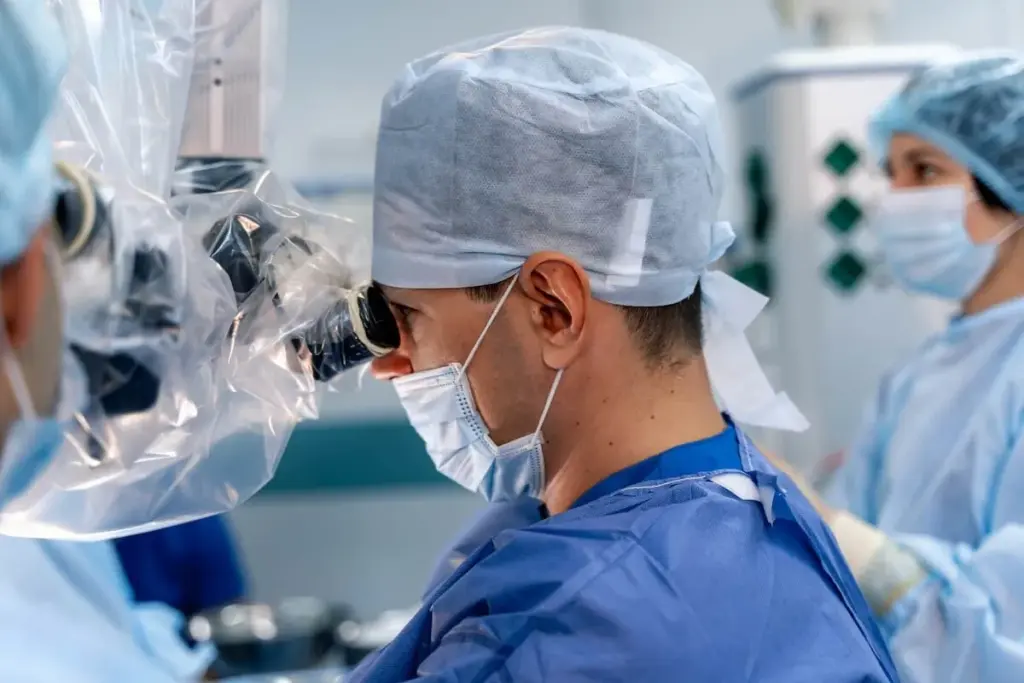
Neurosurgery, including brain surgery and craniotomy, is a complex field. It carries various risks. Every year, thousands of patients worldwide undergo these procedures.
It’s important for patients and their families to understand the risks of neurosurgery. We know the concerns and fears that come with such a big medical step.
We aim to give a detailed look at the risks of craniotomy and other neurosurgical procedures. Our goal is to meet the needs and questions of those seeking healthcare internationally.
Key Takeaways
- Neurosurgery carries significant risks that patients should be aware of.
- Understanding these risks is crucial for informed decision-making.
- Procedures like craniotomy require careful consideration and planning.
- Patients and their families should be aware of the potential complications.
- Seeking comprehensive care can help mitigate some of these risks.
Understanding Neurosurgery: Types and Applications
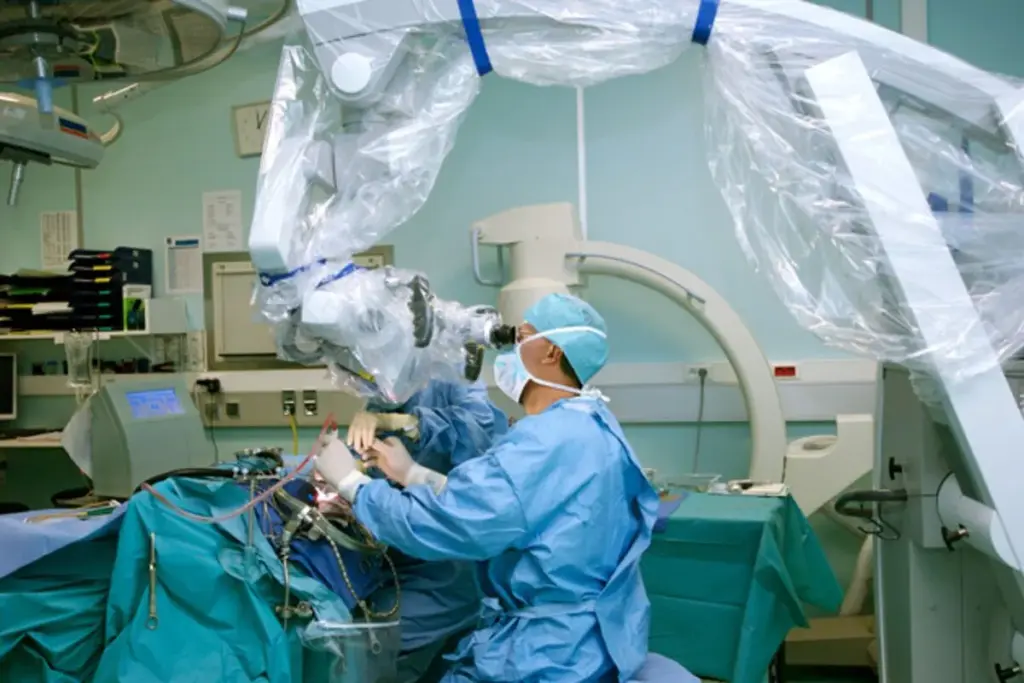
Neurosurgery is a specialized field that deals with many neurological issues. It includes surgeries for tumors and vascular problems. Each surgery is designed to treat specific brain and nervous system conditions.
Common Neurosurgical Procedures
Neurosurgery covers a wide range of procedures. These include craniotomies and tumor removals to aneurysm clipping. These surgeries aim to relieve brain pressure, remove dangerous tumors, or fix vascular issues.
” “It’s a field that needs precision, skill, and a focus on the patient.”
When Brain Surgery Is Necessary
Brain surgery is needed when other treatments fail. This includes conditions like brain tumors, aneurysms, and some types of epilepsy.
The Role of a Brain Surgeon
A brain surgeon, or neurosurgeon, is key in diagnosing and treating neurological issues. They work with other healthcare teams to decide the best treatment plan, whether it’s surgery or not.
The job of a brain surgeon is complex. It involves surgery, pre-op evaluation, and post-op care. Their knowledge is vital in handling neurosurgery’s challenges.
The Craniotomy Procedure Explained
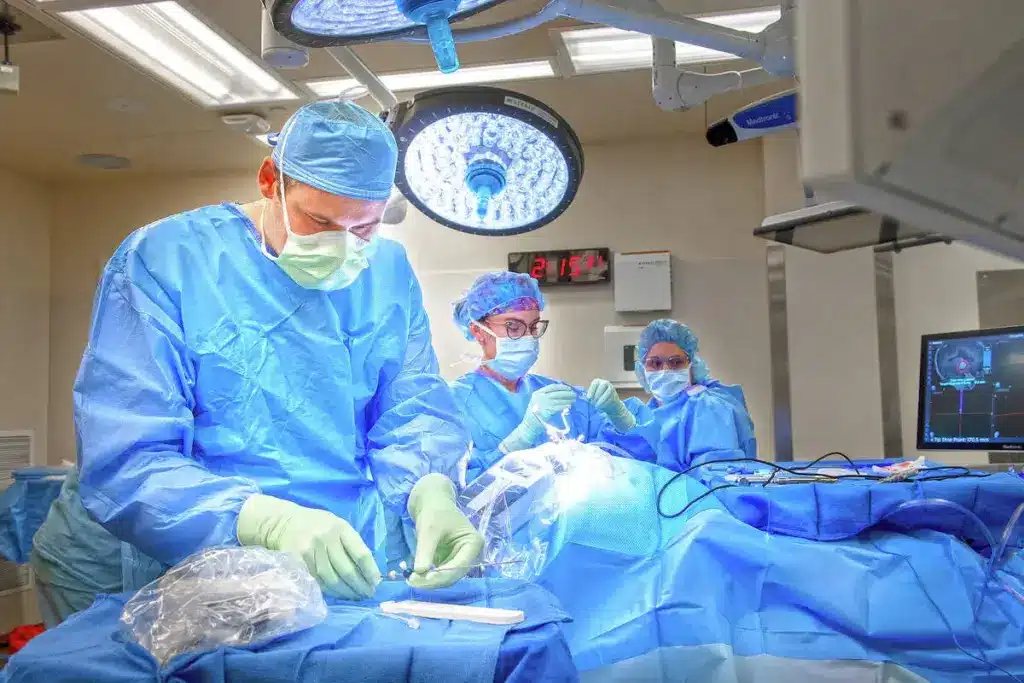
A craniotomy is a complex surgery. It involves temporarily removing a part of the skull to reach the brain. This is key for diagnosing and treating brain issues.
What Happens During a Craniotomy Surgery
First, the patient gets general anesthesia. This keeps them asleep and pain-free. Then, the scalp is cut, and a part of the skull is removed.
This bone flap lets the neurosurgeon get to the brain.
Types of Craniotomies
There are different types of craniotomies. One is the awake craniotomy. Here, the patient stays awake during part of the surgery. Another is craniotomy with intraoperative monitoring. This uses special tools to watch brain activity during the surgery.
Burr Hole Surgery vs. Full Craniotomy
Burr hole surgery is less invasive. It uses small holes in the skull to relieve pressure or drain fluid. On the other hand, a full craniotomy removes a bigger part of the skull. This gives more access to the brain.
Understanding the craniotomy procedure is vital. It helps patients and their families deal with brain surgery. Knowing what to expect makes the process and recovery easier.
General Risks Associated with Any Surgery
General surgical risks, like complications from anesthesia and infection, apply to neurosurgery too. Neurosurgery has grown more advanced, but knowing these risks is key for patients. It helps them make better choices about their care.
Anesthesia Complications
Anesthesia complications can happen during neurosurgery, just like in other surgeries. We do our best to avoid these risks. But, it’s important for patients to tell us about any health issues that might affect anesthesia.
Common anesthesia complications include:
- Respiratory issues
- Allergic reactions
- Nausea and vomiting
Infection Risks
Infection is a risk with any surgery, including neurosurgery. We use strict protocols to lower this risk. This includes antibiotics and keeping the operating area clean.
Blood Clots and Bleeding
Blood clots and bleeding are risks during and after surgery. We watch patients closely for these signs. We also use anticoagulant meds and compression stockings to help prevent them.
Following post-operative instructions carefully is crucial to reduce these risks.
Specific Risks of Brain Surgery
Neurosurgical procedures, despite their advancements, carry inherent risks that can impact patient outcomes significantly. Brain surgery is a complex medical intervention that requires careful consideration of potential complications.
Brain Swelling (Cerebral Edema)
Cerebral edema, or brain swelling, is a serious risk associated with brain surgery. It occurs when there’s an accumulation of fluid in the brain, leading to increased intracranial pressure. This condition can result in further brain damage if not managed properly.
Seizures
Seizures are another potential complication of brain surgery. They can occur during or after the surgery due to irritation of the brain tissue. Anticonvulsant medications are often used to prevent seizures, but in some cases, seizures can still occur.
Stroke
A stroke during or after brain surgery is a significant concern. It can result from various factors, including blood clots, bleeding, or vasospasm. The risk of stroke varies depending on the type of surgery and the patient’s condition.
Neurological Damage
Neurological damage is a potential risk of brain surgery, as it involves operating on delicate brain tissue. This damage can result in a range of deficits, from cognitive impairments to motor function losses, depending on the area of the brain affected.
|
Risk |
Description |
Potential Impact |
|---|---|---|
|
Cerebral Edema |
Brain swelling due to fluid accumulation |
Increased intracranial pressure, further brain damage |
|
Seizures |
Irritation of brain tissue leading to seizures |
Potential for injury, impact on recovery |
|
Stroke |
Blood clots, bleeding, or vasospasm |
Neurological deficits, potential long-term disability |
|
Neurological Damage |
Damage to brain tissue during surgery |
Cognitive, motor, or sensory deficits |
Understanding these risks is crucial for patients and their families to make informed decisions about undergoing brain surgery. While these complications are serious, advancements in neurosurgery continue to improve outcomes for patients.
Potential Complications During Brain Tumor Surgery
Brain tumor surgery is a complex procedure with several risks. The delicate brain tissue and the intricate structures around the tumor make it challenging.
Incomplete Tumor Resection
One major risk is not removing the tumor completely. This can happen if the tumor is deeply embedded or mixed with critical brain structures. Incomplete resection may cause the tumor to come back, needing more treatment.
Damage to Surrounding Tissue
Brain tumors are close to vital brain areas, risking damage during surgery. This damage can lead to neurological problems, affecting the patient’s life quality. Advanced imaging techniques and careful planning are key to reduce this risk.
Cerebrospinal Fluid Leakage
Cerebrospinal fluid (CSF) leakage is another risk of brain tumor surgery. It happens when the dura mater, the brain and spinal cord’s protective membrane, is breached. CSF leakage can cause infections and serious complications.
Risks Specific to Cerebral Tumor Surgery
Cerebral tumor surgery has unique risks due to the tumor’s location and its effect on brain structures. Intraoperative monitoring and minimally invasive approaches help reduce these risks and improve results.
It’s crucial to understand these complications to manage patient expectations and improve care. By knowing the risks and challenges of brain tumor surgery, healthcare providers can better prepare patients for the possibilities and consequences of surgery.
Post-Operative Risks and Complications
The time after neurosurgery is very important. Many complications can happen, needing careful care. It’s key to know the risks that can affect recovery.
Infection at the Surgical Site
One big post-operative risk is infection at the surgery site. This can happen from bacteria during or after surgery. Signs include redness, swelling, and fever. Quick treatment with antibiotics is needed to stop the infection from spreading.
Meningitis
Meningitis is inflammation of the brain and spinal cord’s protective membranes. It can come from infection and show symptoms like headache, fever, and stiff neck. Quick diagnosis and treatment are important to handle this well.
Brain Abscess
A brain abscess is a pocket of pus in the brain, caused by infection. Symptoms include headache, confusion, and seizures. Treatment often involves antibiotics and sometimes draining the abscess surgically.
Hydrocephalus
Hydrocephalus is when cerebrospinal fluid (CSF) builds up in the brain, causing increased pressure. Symptoms are headache, nausea, and problems with thinking. Treatment might include a shunt to drain the extra CSF.
Knowing these post-operative risks and complications is vital for patients and their caregivers. Watching closely and acting fast can greatly help recovery after neurosurgery.
Cognitive and Psychological Risks After Brain Operations
People who have brain surgery might face many challenges after. These can affect their thinking and feelings. It’s important to know about these risks to help with recovery.
Memory Problems
Memory issues are common after brain surgery. Patients might struggle to make new memories or remember things they already know. How much memory is affected can vary a lot.
Personality Changes
Brain surgery can sometimes change how someone acts. These changes might include being more irritable, less interested, or having mood swings. How big these changes are depends on where in the brain the surgery was.
Depression and Anxiety
It’s common for patients to feel depressed or anxious after surgery. These feelings can come from the surgery, the reason for it, or adjusting to life after. Getting help from doctors, family, and friends is key.
Cognitive Impairment
Brain surgery can also lead to thinking problems. These can include trouble focusing, paying attention, and processing information. How bad and long-lasting these problems are can vary a lot.
Dealing with these risks can be tough. But, with the right care and support, many people can get through them and have a good recovery.
Physical Side Effects and Disabilities
Neurosurgery can save lives but also comes with physical side effects. These can change a patient’s life and need careful care and rehab.
Motor Function Impairment
Neurosurgery can lead to motor function issues. This might show as weakness, paralysis, or trouble with coordination. Rehabilitation therapy is key to getting these skills back.
Speech and Language Difficulties
Some people face speech and language problems after surgery. This can be anything from mild word finding issues to severe speaking or understanding challenges. Speech therapy is essential for recovery.
Vision Problems
Vision can also be affected by neurosurgery. Issues might include blurred vision, double vision, or losing peripheral vision. The type of vision problem depends on the brain area affected.
Balance and Coordination Issues
Balance and coordination problems are common after neurosurgery. Patients might feel dizzy or unsteady, which raises the risk of falls. Physical therapy can help improve balance and lower injury risk.
|
Physical Side Effect |
Possible Causes |
Rehabilitation Approach |
|---|---|---|
|
Motor Function Impairment |
Damage to motor control areas of the brain |
Physical Therapy |
|
Speech and Language Difficulties |
Damage to language centers in the brain |
Speech Therapy |
|
Vision Problems |
Damage to visual pathways or centers |
Vision Therapy or Rehabilitation |
|
Balance and Coordination Issues |
Damage to balance and coordination centers |
Physical Therapy |
Post-Craniotomy Care and Recovery
The recovery after a craniotomy is very important. It needs careful watching and support. Knowing what to expect can help manage hopes and results.
Immediate Post-Operative Care
After a craniotomy, patients go to the ICU for close watch. Immediate post-operative care focuses on pain management, watching for problems, and keeping the patient stable.
Key parts of immediate care include:
- Monitoring vital signs and brain health
- Managing pain and discomfort
- Preventing and treating possible problems
- Ensuring proper wound care
20 Things to Expect After Brain Surgery
Recovering from brain surgery is complex. Here are 20 things patients might experience or need to know during recovery:
|
Expectation |
Description |
|---|---|
|
1. Pain or discomfort |
Managed with medication |
|
2. Swelling or bruising |
Common around the surgical site |
|
3. Fatigue |
Rest is crucial |
|
4. Nausea or vomiting |
Can be managed with anti-nausea medication |
|
19. Follow-up appointments |
Regular check-ups with your doctor |
|
20. Gradual return to normal activities |
As advised by your healthcare provider |
Long-Term Recovery Timeline
The long-term recovery timeline can vary significantly based on the patient’s overall health, the complexity of the surgery performed, and any potential complications encountered.
Generally, patients see big improvements in the first few months. They continue to get better over a year or more. They might need ongoing rehab.
When to Contact Your Doctor
It’s important to know when to contact your doctor during recovery. Seek immediate help if you have:
- Severe headache or pain not helped by meds
- Confusion, drowsiness, or trouble staying awake
- Weakness or numbness in any part of the body
- Signs of infection, like fever or redness around the surgical site
Understanding post-craniotomy care and recovery helps patients and their families. It makes navigating the recovery better and leads to the best results.
Risk Factors That Increase Complications in Skull Surgery
It’s important to know the risks of skull surgery to set realistic expectations. Several factors can make complications more likely during and after the surgery.
Age and Overall Health
Older age and poor health can raise the risk of surgery problems. Older patients might have health issues that make them more at risk.
We check our patients’ health to spot potential risks. Then, we plan ways to reduce them.
Pre-existing Medical Conditions
Conditions like diabetes, high blood pressure, and heart disease can increase surgery risks. These can make it harder for the body to heal and react to surgery.
Location and Size of the Brain Lesion
The brain lesion’s location and size can affect the risk of problems. Lesions in tricky spots may need more complex surgery, raising the risk of issues.
Emergency vs. Planned Procedures
Emergency surgeries are often riskier than planned ones. In emergencies, there’s less time to prepare the patient before surgery.
We aim to carefully plan each surgery. This helps us lower risks and get the best results for our patients.
How Neurosurgeons Minimize Risks During Brain Mass Removal
Neurosurgeons use advanced techniques to reduce risks in brain surgery. They combine cutting-edge technology with their surgical skills. This approach is crucial for complex brain surgeries.
Advanced Imaging and Planning
MRI and CT scans are key in planning surgeries. They help neurosurgeons see the brain mass and its surroundings clearly. This makes planning the surgery more precise.
Functional MRI maps brain areas important for speech and movement. This helps surgeons avoid these areas during surgery.
|
Imaging Technique |
Description |
Benefit |
|---|---|---|
|
MRI |
Magnetic Resonance Imaging |
Detailed soft tissue visualization |
|
CT Scan |
Computed Tomography Scan |
Quick and accurate bone and tissue imaging |
|
Functional MRI |
Functional Magnetic Resonance Imaging |
Mapping of brain function |
Intraoperative Monitoring
Intraoperative monitoring tracks brain function during surgery. Techniques like electroencephalography (EEG) and neurophysiological monitoring are used. They help avoid damaging important brain areas.
These methods give feedback in real-time. This allows surgeons to adjust their approach to lower risks.
Minimally Invasive Approaches
Minimally invasive surgery reduces risks by causing less tissue damage. It leads to faster recovery times. Tools like endoscopic tools and stereotactic guidance are often used.
These methods make incisions smaller and disrupt less brain tissue. This significantly lowers the chance of complications after surgery.
The Importance of Surgeon Experience
The neurosurgeon’s experience is crucial in reducing risks. Experienced surgeons have refined their skills over time. They also keep up with new techniques and technologies.
Research shows that surgeon experience leads to better outcomes in complex surgeries like brain mass removal.
The Neurosurgery Profession: Training and Compensation
Neurosurgeons are among the most skilled medical professionals. Their pay reflects their hard work and expertise. Becoming a neurosurgeon takes a long time and a lot of effort.
How Much Do Brain Surgeons Make
Brain surgeons, or neurosurgeons, earn a lot. Their pay depends on where they work, how long they’ve been practicing, and their specialty. In the United States, they can make between $400,000 and over $600,000 a year.
Education and Training Requirements
Neurosurgeons go through a lot of education and training. First, they study for four years in college. Then, they spend four years in medical school to get their MD or DO degree.
After that, they need at least six years of residency in neurosurgery. Many also do extra training through fellowship programs.
Subspecialties in Neurological Surgery
Neurological surgery has many areas of focus:
- Spine surgery
- Pediatric neurosurgery
- Neuro-oncology
- Functional and stereotactic neurosurgery
These areas let neurosurgeons specialize and become experts.
Choosing a Qualified Neurosurgeon
When picking a neurosurgeon, look at their experience and training. Also, check their patient results. Make sure they are board-certified and respected by their peers and patients.
Conclusion
Neurosurgery is a complex field that deals with the brain and nervous system. It comes with risks and complications, but it can save lives and improve quality of life. This is true for brain surgery and craniotomy procedures.
We’ve looked at the different parts of neurosurgery in this article. This includes the types of surgeries, the risks, and how doctors try to avoid these problems. Knowing about neurosurgery helps patients and their families make better choices about their care.
Neurosurgeons are key in brain surgery, using new techniques and tools to get good results. Recognizing the risks of neurosurgery shows how much these doctors care about their patients. They work hard to make sure patients do well.
Neurosurgery shows how far medical science has come and the hard work of healthcare workers. We hope this article has given you a clear view of neurosurgery’s risks and benefits. This knowledge helps patients make informed choices about their treatment.
FAQ
What is neurosurgery, and when is it necessary?
Neurosurgery is a medical field that deals with brain, spine, and nervous system surgeries. It’s needed when other treatments fail to help with conditions like brain tumors or spinal injuries.
What are the different types of neurosurgical procedures?
Neurosurgery includes many procedures like craniotomy and spinal surgery. Each one is chosen based on the patient’s condition and health.
What happens during a craniotomy surgery?
In a craniotomy, a part of the skull is removed to access the brain. This is done for conditions like brain tumors. The bone is put back after the surgery.
What are the risks associated with brain surgery?
Brain surgery risks include infection, bleeding, and neurological damage. The risks depend on the surgery type and the patient’s health.
How can cognitive and psychological impacts be managed after brain surgery?
After brain surgery, a rehab plan is key. It includes therapy, support, and lifestyle changes. This helps manage cognitive and psychological impacts.
What are the potential physical side effects of neurosurgery?
Neurosurgery can cause issues like motor function problems and vision issues. Rehabilitation helps address these side effects.
How long does recovery take after a craniotomy?
Recovery time after a craniotomy varies. It depends on health, surgery complexity, and the condition treated. Patients usually need weeks to months to fully recover.
What are the risk factors that increase complications in skull surgery?
Older age and pre-existing conditions can raise risks in skull surgery. The size and location of the brain lesion also matter. Emergency procedures carry higher risks.
How do neurosurgeons minimize risks during complex procedures?
Neurosurgeons use advanced imaging and planning to reduce risks. They also use minimally invasive methods and rely on their experience.
How much do brain surgeons make, and what are their education and training requirements?
Brain surgeon pay varies by location, experience, and specialty. They need extensive education and training, including medical school and residency.
What subspecialties are there within neurological surgery?
Neurological surgery has subspecialties like pediatric neurosurgery and spinal surgery. Each focuses on specific areas or conditions.
How do I choose a qualified neurosurgeon?
Look for a neurosurgeon’s experience, subspecialty, and patient reviews. Check the hospital’s reputation and ensure they are board-certified.
Reference
National Center for Biotechnology Information. Evidence-Based Medical Insight. Retrieved from https://pubmed.ncbi.nlm.nih.gov/25793440/