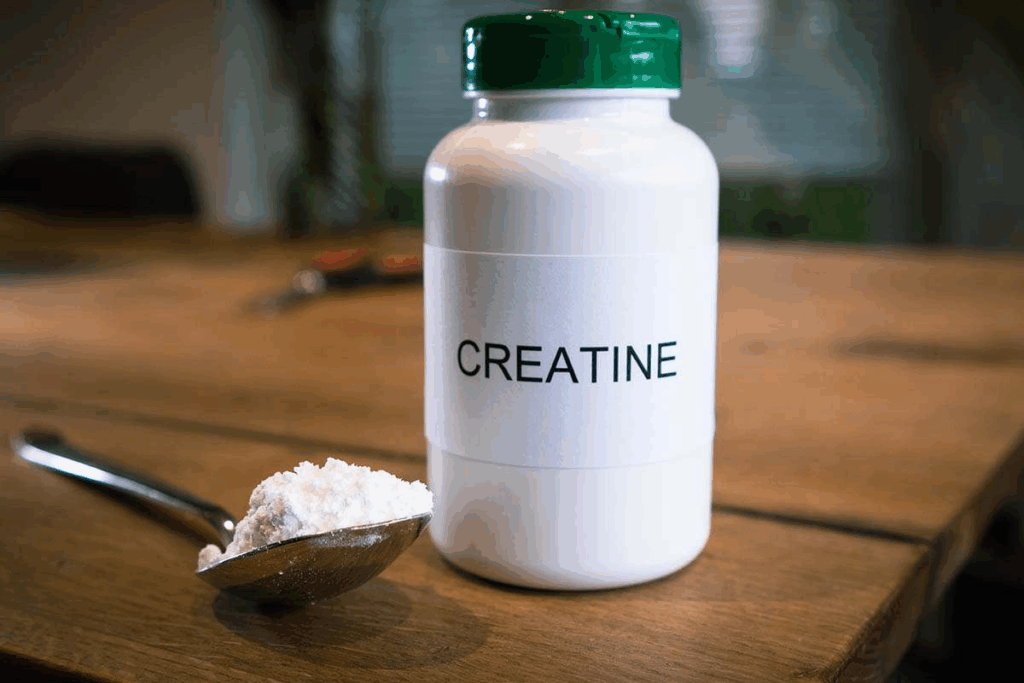
Knowing the right creatine dosage is key for athletes and anyone wanting to boost their physical performance safely. Get the best ‘creatine dose’ in our simple guide. We give you the proven, safe amount (5g) for the most amazing results and muscle growth.
Many are unsure about the best daily amount of creatine supplements. They wonder about the benefits and risks.
At Liv Hospital, we offer clear, evidence-based advice on creatine supplements. Studies show that 3 to 5 grams a day is safe and works for adults. It helps increase muscle mass, strength, and recovery.
Key Takeaways
- Adults can safely take 3 to 5 grams of creatine daily.
- Creatine supplementation improves muscle mass and strength.
- Proper dosing enhances training and recovery.
- Consult a healthcare professional before starting creatine.
- Creatine is a naturally occurring compound synthesized in the body.
What Is Creatine and How Does It Work?

Creatine is a key supplement for athletes, but many don’t know how it works. We’ll dive into the science behind it, its natural sources, and how it boosts physical performance.
The Science Behind Creatine Synthesis
Creatine is made from three amino acids: arginine, glycine, and methionine. This happens mainly in the kidneys, liver, and pancreas. The creatine then goes to muscle cells to help with energy during intense workouts.
Creatine synthesis is a detailed biochemical process. It involves many steps and enzymes. Knowing this helps us see how supplements can improve muscle performance.
“Creatine supplementation has been shown to increase muscle creatine levels, leading to improved performance in high-intensity exercise.”
Natural Sources vs. Supplementation
While you can get creatine from foods like red meat and fish, it’s not enough for big performance boosts. Supplements are a better way to up your muscle creatine levels.
Source | Creatine Content (grams) |
Red Meat (100g) | 0.5-1.0 |
Fish (100g) | 0.2-0.5 |
Creatine Supplement (daily dose) | 3-5 |
The table shows supplements give more and consistent creatine than food. This is great for athletes wanting to up their game.
The impacts of creatine on muscle performance and recovery are clear. By knowing how it works, athletes can see real gains in strength and endurance.
Benefits of Creatine Supplementation

Creatine is a top choice in sports nutrition, known for boosting physical performance. Studies show adults can safely take 3 to 5 grams daily. This is the recommended dose for maintaining its benefits.
Using the correct amount of creatine at the right time can enhance its effects. It can improve exercise performance and strength gains. Many studies agree on its effectiveness.
Performance Enhancement Effects
Creatine is famous for boosting athletic performance. It increases muscle creatine phosphate, allowing athletes to work out harder. This leads to better strength and power.
Key benefits include:
- Increased muscle creatine levels
- Enhanced high-intensity exercise performance
- Greater strength gains during training
Recovery and Muscle Growth Benefits
Creatine also helps with recovery and muscle growth. It reduces muscle soreness after hard workouts. It also supports muscle growth by allowing for more intense training.
“Creatine supplementation can be a valuable addition to a training regimen, supporting both performance and recovery.”
Adding creatine to their routine can help athletes perform better and recover faster. It’s a key supplement for those looking to improve their physical abilities.
Recommended Creatine Dose for Daily Use
Understanding the right amount of creatine is key for both good results and safety. The best dose depends on your weight and what you want to achieve.
For most adults, taking 3 to 5 grams of creatine daily is advised. This amount is backed by research as safe and effective for long-term use.
Standard Maintenance Dosing (3-5g Daily)
A daily dose of 3 to 5 grams keeps muscles full of creatine. This amount boosts performance and follows safety guidelines.
Studies show it helps both athletes and non-athletes. It improves muscle strength, power, and endurance in intense activities.
Body Weight Considerations for Dosing
Some studies suggest adjusting the dose based on body weight. A good rule is about 0.03 grams per kilogram of body weight daily. For a 150-pound person (about 68 kg), this means about 2 grams a day. A 200-pound person (about 91 kg) would need around 2.7 grams.
But, the standard 3 to 5 grams daily dose works well for many. It makes taking creatine easier for most people.
Remember, everyone reacts differently to creatine. Your kidney health and overall health also play a role in finding the right dose.
Loading Phase vs. Maintenance Phase
The creatine loading phase quickly fills muscle creatine stores. Then, a maintenance phase keeps levels high. This method lets people feel creatine’s benefits fast.
Implementing a 20g Loading Protocol
To start a loading phase, take about 20 grams of creatine daily. Split it into 4 servings of 5 grams each, for 5 to 7 days. This loading protocol boosts muscle creatine levels fast, helping athletes see benefits sooner.
Studies back this loading method. They show it can greatly increase muscle creatine levels in the first week.
Transitioning to Long-Term Maintenance
After loading, move to a maintenance phase. Here, the daily creatine dose drops. Research finds 3 to 5 grams daily keeps muscle creatine levels high.
In the maintenance phase, aim to keep muscle creatine stores full with a lower dose. This phase is key for long-term use. It keeps creatine levels up without needing high doses.
Knowing the difference between loading and maintenance phases helps optimize creatine use. Whether starting with a loading phase or going straight to maintenance, the goal is to be consistent and patient. Creatine’s benefits are most noticeable when taken regularly over time.
Different Types of Creatine Supplements
Creatine supplements have evolved to meet various needs and preferences. Not all types are equally researched or effective.
Creatine Monohydrate: Research-Backed Benefits
Creatine monohydrate is the most studied and affordable supplement. It has about 88% creatine and is well-absorbed. It boosts muscle strength, power, and endurance during intense activities.
Key Benefits:
- Extensive research backing its efficacy
- High absorption rate
- Cost-effective compared to other forms
- Proven to enhance muscle strength and endurance
Alternative Forms: Worth the Extra Cost?
Other creatine forms like citrate, malate, and buffered creatine are available. But, do they really offer more than traditional creatine monohydrate?
Creatine Form | Absorption Rate | Research Backing | Cost |
Creatine Monohydrate | Near 100% | Extensive | Low |
Creatine Citrate | Good | Limited | Moderate |
Buffered Creatine | Good | Moderate | High |
Creatine Malate | Good | Limited | Moderate |
The table shows that while other forms have benefits, creatine monohydrate leads due to its research and cost. It’s also important to note that creatine supplements don’t have protein.
When picking a creatine supplement, think about the type, absorption rate, and research support. Creatine monohydrate is the top choice because of its proven benefits and affordability.
Best Practices for Taking Creatine
To get the most out of creatine, knowing how to take it is key. Taking it every day is best for the best results.
Optimal Timing for Creatine Consumption
When to take creatine is a big question. While timing isn’t everything, research shows it helps. Taking it after working out is good because muscles are ready to absorb it then.
Also, mixing creatine with carbs or carbs and protein can help it work better. Studies found that adding about 94 grams of carbs or 47 grams of carbs with 50 grams of protein boosts muscle gain.
Mixing and Administration Methods
How you mix and take creatine matters too. Creatine monohydrate, the most studied type, is usually mixed with water. Mixing it with warm liquid makes it dissolve better.
Some people like mixing it with a post-workout drink for better absorption.
Here are some tips to get the most from your creatine:
- Take creatine every day, at the same time.
- Mix it with warm liquid for better solubility.
- Take it after working out for better muscle uptake.
- Use carbs or carbs and protein to help it work better.
By following these tips, you can make your creatine work best for you. This will help you perform better and build muscle.
Debunking Creatine Myths and Misconceptions
Creatine is a supplement that science supports, but it’s often misunderstood. We need to look at the facts to know its real benefits and effects.
Creatine vs. Steroids: Setting the Record Straight
Many think creatine is like steroids, but that’s not true. Creatine is a natural substance in our muscles. It helps us perform better in intense activities when we take it as a supplement.
“Creatine is not a steroid, and its effects are fundamentally different from those of anabolic steroids,” as noted by sports nutrition experts. Unlike steroids, creatine doesn’t change hormone levels or cause lasting harm. It boosts muscle energy, helping us work out longer without getting tired.
Does Creatine Affect Testosterone Levels?
Some believe creatine lowers testosterone, but research says it doesn’t. Studies show creatine doesn’t change testosterone levels much. This means it’s safe for athletes and anyone wanting to get in shape.
A study in the Journal of Strength and Conditioning Research found no change in testosterone with creatine. This shows creatine’s benefits come from how it works on muscles, not hormones.
“The available evidence suggests that creatine supplementation does not significantly affect testosterone levels, reinforcing its safety profile for athletes and individuals looking to improve their physical performance.”
In summary, by clearing up these myths, we see creatine’s real value and safety. It’s a great choice for athletes and anyone wanting to boost their fitness.
Safety Profile and Possible Side Effects
Creatine supplements are usually safe when used right. But, knowing the possible side effects is key. We’ll look into creatine’s safety, focusing on its effect on kidneys and other side effects.
Is Creatine Safe for Your Kidneys?
Many worry about creatine’s impact on kidney health. Studies say creatine is safe for those with healthy kidneys. But, people with kidney problems should talk to their doctor before using creatine.
Research shows creatine doesn’t harm kidney function in healthy people. But, it’s important to stick to the recommended amounts.
Most experts agree that creatine is safe for most people when taken as directed. But, it’s wise to watch your kidney health if you plan to use creatine for a long time.
Managing Common Side Effects
Even though creatine is mostly safe, some people might face side effects. These can include stomach cramps, diarrhea, and muscle cramps. Drinking enough water helps a lot in avoiding these issues.
To handle side effects well:
- Drink lots of water to stay hydrated.
- Try taking your creatine in smaller doses throughout the day.
- Take creatine with a meal to ease stomach upset.
By following these tips, most people can safely add creatine to their workout routine without major problems.
Creatine and Hydration Requirements
Drinking enough water is key when taking creatine. It helps your muscles use creatine better and keeps side effects away. Staying hydrated means your body works its best, and you avoid muscle cramps and dehydration.
Why Proper Hydration Matters with Creatine
Using creatine makes your muscles hold more water. This can make you weigh a bit more at first. Adequate hydration is vital for your body to soak up creatine well. Without enough water, you might see your performance drop, get muscle cramps, and face other issues.
Here’s why staying hydrated is important with creatine:
- It boosts your performance by making muscles work better.
- It cuts down on muscle cramps caused by creatine.
- It helps your body recover faster after hard workouts.
Recommended Fluid Intake Guidelines
To make sure you drink enough while on creatine, follow these tips:
- Drink at least 8-10 glasses of water every day.
- Check your urine color. If it’s pale yellow or clear, you’re drinking enough.
- Change how much water you drink based on how active you are and where you live.
Remember, how much water you need can change. Your size, how active you are, and where you live can affect it. Listen to your body and adjust your water intake to get the most from creatine.
Long-Term Creatine Use: Research-Backed Safety
Creatine is a well-studied supplement in sports nutrition. It has shown to be safe for long-term use. We need to look at the research on its long-term effects.
Studies on Extended Supplementation (Up to 5 Years)
Many studies have looked at creatine’s safety over long periods. A detailed review shows it’s safe for up to 5 years. Research-backed dosing protocols confirm adults can safely use it for a long time. This makes it a good choice for athletes wanting to improve their performance.
A study in the Journal of the International Society of Sports Nutrition found creatine safe for 5 years. It didn’t cause more problems than a placebo. This study shows long-term creatine use is safe, giving athletes confidence in their choice.
“The available evidence suggests that creatine monohydrate is safe for long-term use, with no significant adverse effects reported in studies lasting up to 5 years.”
Study Duration | Dosage | Adverse Effects |
1-2 years | 3-5g daily | Minimal |
2-3 years | 3-5g daily | None significant |
4-5 years | 3-5g daily | No significant difference from placebo |
Cycling Creatine: Necessary or Myth?
The idea of cycling creatine has sparked debate. Some think it’s needed to keep creatine effective, while others believe it’s not necessary.
Research shows cycling creatine may not be necessary for most people. Studies found continuous use doesn’t lead to decreased effectiveness or more side effects. Staying consistent can keep muscle levels high for better performance.
In conclusion, research backs the safety and effectiveness of long-term creatine use. Understanding the evidence helps athletes make smart choices about their creatine use.
Conclusion: Implementing Creatine Safely Into Your Routine
To get the most out of creatine, be consistent. Adding it to your workout and diet plan can boost your performance. Aim for 3-5g daily to keep your muscles ready.
Think about your weight and how hard you train when figuring out your creatine dose. You might start with a loading phase, but it’s not for everyone. The main thing is to stick to your daily dose to see results.
Knowing how to use creatine safely can help you fit it into your fitness routine. Don’t forget to drink plenty of water to help your body use the supplement. With the right knowledge on how to take creatine and a steady dose, you can reach your fitness goals.
FAQ
How much creatine should I take per day?
You should take 3-5 grams of creatine daily. Some people start with 20 grams for 5-7 days. Then, they drop to the usual 3-5 grams.
What is considered a high dose of creatine?
Taking more than 5 grams daily is seen as high. Studies show doses up to 30 grams are safe for short times.
Is there protein in creatine?
No, creatine is not a protein. It’s a natural substance in muscles and a dietary supplement.
How many grams of creatine should I take per day based on my body weight?
For 0.3 grams per kilogram of body weight, a 154-pound person would need 21 grams. But, the usual dose is 3-5 grams.
What are the dangers of creatine powder?
Creatine is safe when used right. But, high doses can cause stomach issues and muscle cramps. Always drink plenty of water.
Does creatine affect testosterone levels?
Studies on creatine and testosterone are mixed. Some say it doesn’t affect levels, while others see small increases. More research is needed.
Is creatine like steroids?
No, creatine is not a steroid. It boosts muscle energy naturally. Steroids are synthetic hormones with serious side effects.
How much creatine is safe for kidneys?
Creatine is safe for healthy kidneys. But, those with kidney disease should talk to a doctor before using it.
What is the best way to take creatine?
You can mix creatine with water or drinks. Taking it with a meal or after exercise helps it absorb better.
Should I cycle creatine?
The need to cycle creatine is debated. Some studies say continuous use is safe and effective. Others suggest cycling to keep it effective. More research is needed.
References
National Center for Biotechnology Information. Evidence-Based Medical Guidance. Retrieved from https://pubmed.ncbi.nlm.nih.gov/12546637/