

Acne scars can last a long time, affecting many people around the world. Microneedling has become a promising treatment for these marks. It offers a gentle way to make skin look better.
Microneedling uses tiny needles to make small injuries in the skin. This helps make more collagen and renew the skin. It can make derma acne scars look less noticeable, making skin smoother and more even.
We will look into how well microneedling works for acne scars. We’ll talk about its benefits, how it’s done, and what you can expect from this new treatment.
Answering does microneedling help acne (yes, excellent for scarring) and treating derma acne scars texture and depth.
Key Takeaways
- Microneedling is a minimally invasive treatment for acne scars.
- It stimulates collagen production to improve skin texture.
- The process involves micro-injuries to promote skin renewal.
- Microneedling can reduce the appearance of derma acne scars.
- It’s a promising solution for those seeking to improve skin appearance.
What Microneedling Is and How It Works
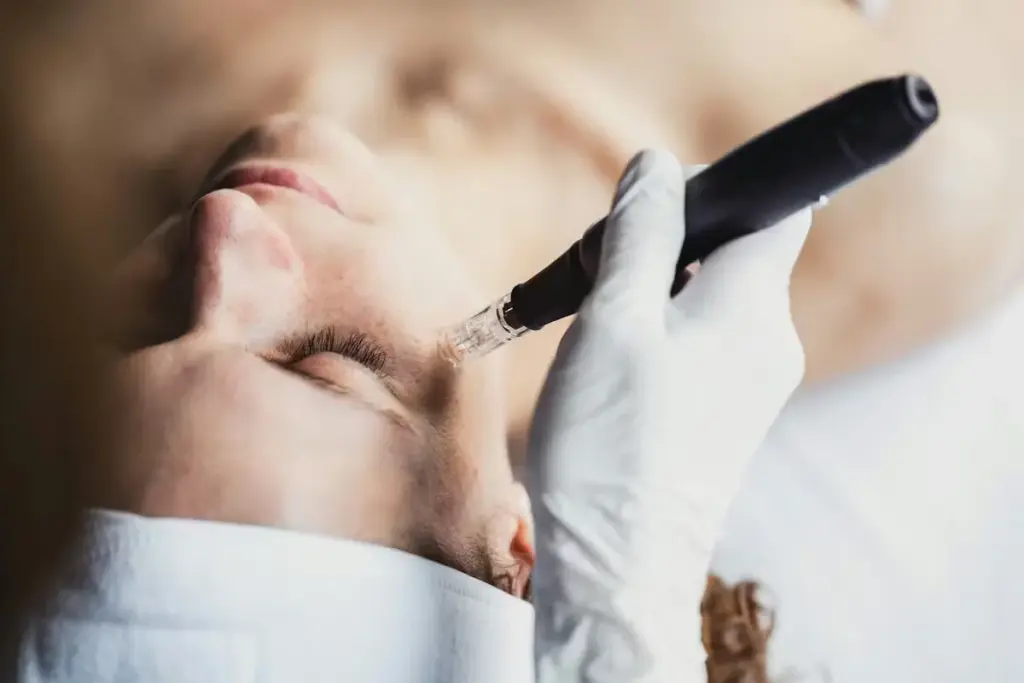
Microneedling is a non-surgical treatment for acne scarring. It uses tiny needles to make micro-injuries in the skin. This triggers a natural healing response.
The Science Behind Microneedling
Microneedling starts the body’s natural healing process. The micro-injuries cause the body to make new collagen and elastin. These proteins are key for skin elasticity and texture.
This helps to fill in depressed acne scars. It improves the skin’s overall look.
Types of Microneedling Devices
There are many microneedling devices out there. They range from professional, high-intensity machines to at-home dermarollers. Professional devices offer more control over needle depth and intensity.
This makes them better for treating deeper scars.
How Microneedling Stimulates Skin Regeneration
The micro-injuries from microneedling release growth factors. These factors help the skin regenerate. As the skin heals, new collagen is made.
This leads to better skin texture and less visible acne scars. It not only treats scars but also prevents new ones.
The Connection Between Acne and Scarring
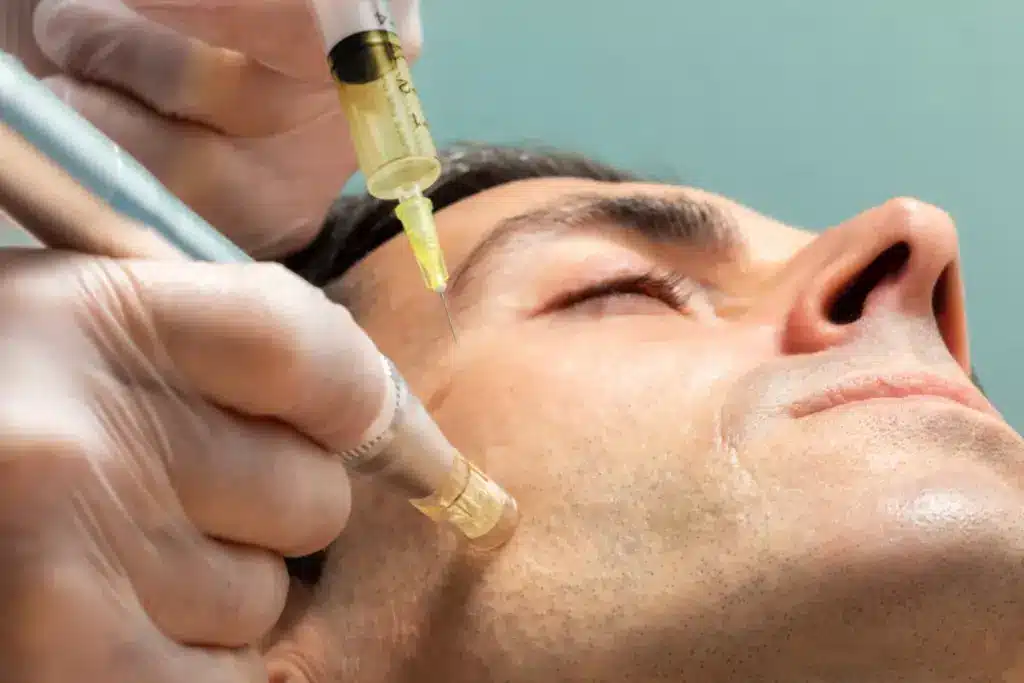
It’s important to know how acne causes scarring. This knowledge helps in treating it effectively. Scarring can change how your skin looks and how you feel about yourself.
Why Acne Leads to Scarring
Acne often causes inflammation. This inflammation can harm the skin and lead to scarring. The severity and how long acne lasts can affect the chance of scarring.
Inflammatory Response and Scar Formation
The body’s natural response to acne is inflammation. This can sometimes cause scars. The inflammation can damage the skin’s collagen, leading to rolling acne scars or other scars.
Factors That Increase Scarring Risk
Several factors can make scarring from acne more likely. These include:
- Severity of acne
- Duration of acne
- Genetic predisposition
- Picking or popping pimples
Dermatologists say that the risk of scarring can be lowered with the right treatment and care. Treatments like microneedling can help make scars less noticeable.
|
Factor |
Impact on Scarring |
|---|---|
|
Acne Severity |
Higher severity increases scarring risk |
|
Genetic Predisposition |
Family history can play a role |
Understanding Different Types of Derma Acne Scars
Acne scars vary in type, each with its own look. Knowing these differences helps find the best treatment.
Atrophic Scars: Depressions in the Skin
Atrophic scars are skin depressions that happen when skin can’t make new tissue. They include ice pick, boxcar, and rolling scars, also called roller acne scars because of their shape.
These scars differ in depth and size, changing skin texture and look. Microneedling is a good treatment for them. It boosts collagen, filling in the depressions.
Hypertrophic and Keloid Scars
Hypertrophic and keloid scars are raised and grow too much collagen. They can itch, hurt, and grow bigger over time. They’re about the skin’s reaction to injury, unlike atrophic scars.
To treat these scars, we aim to make them smaller. We use silicone gel, steroid shots, and sometimes surgery.
Post-Inflammatory Hyperpigmentation
Post-inflammatory hyperpigmentation (PIH) isn’t a scar but skin darkening from inflammation. It happens after acne heals and is more common in darker skin tones.
PIH treatment includes creams to lighten skin, chemical peels, and other non-surgical methods. It’s key to tell PIH apart from scarring for the right treatment.
|
Scar Type |
Description |
Treatment Approach |
|---|---|---|
|
Atrophic |
Depressions in the skin |
Microneedling, fillers |
|
Hypertrophic/Keloid |
Raised scars |
Silicone gel, steroid injections |
|
PIH |
Skin darkening due to inflammation |
Topical creams, chemical peels |
Knowing the different acne scars is key to picking the right treatment. Each type needs a specific approach for the best results.
How Microneedling Addresses Different Acne Scar Types
Microneedling works differently for each type of acne scar. It’s important to know how it can help and what it can’t. This treatment is most effective for certain scar types.
Effectiveness for Rolling Acne Scars
Rolling scars look like waves on your skin. Microneedling can help by making more collagen. This fills in the scars, making your skin smoother.
Results for Boxcar and Ice Pick Scars
Boxcar scars have clear edges and are wide. Ice pick scars are narrow and deep. Microneedling can make these scars less noticeable. It works by boosting collagen and renewing the skin. Clinical evidence shows it can reduce scar visibility, but you might need more than one treatment.
Limitations for Certain Scar Types
But microneedling isn’t perfect for all scars. It might not work as well for very deep or severe scars. For these, doctors might suggest other treatments to get the best results.
|
Scar Type |
Microneedling Effectiveness |
Expected Outcomes |
|---|---|---|
|
Rolling Scars |
Highly Effective |
Smoother skin texture, reduced scar visibility |
|
Boxcar Scars |
Moderately Effective |
Improved skin texture, some reduction in scar depth |
|
Ice Pick Scars |
Moderately Effective |
Reduced scar visibility, improved skin texture |
It’s key to know what microneedling can and can’t do for different scars. This helps set realistic goals and get the best results. Always talk to a professional to find the right treatment plan for you.
The Clinical Microneedling Procedure Explained
The clinical microneedling procedure is a detailed method for treating different types of acne scars. It’s popular because it helps the skin heal and look better.
Pre-Treatment Consultation and Preparation
First, a detailed consultation is done to check the skin and decide on the best treatment. You’ll talk about your medical history, skin issues, and what you hope to achieve. You might need to stop using certain skincare products and avoid the sun.
Step-by-Step Professional Process
The microneedling process uses a special device with fine needles to make tiny injuries in the skin. This helps make more collagen. The steps include cleaning the skin, applying a numbing cream, and then doing the microneedling. How long it takes depends on the area being treated.
Topical Treatments Used During Procedure
During or right after microneedling, special serums or creams are applied. These are full of growth factors to help the skin heal and look better.
Immediate Post-Treatment Care
Right after, the skin might look red and swollen. To care for it, use calming products and avoid rough skincare. Also, stay away from the sun and use gentle skincare.
|
Post-Treatment Day |
Care Instructions |
|---|---|
|
1-2 |
Apply soothing creams, avoid harsh products |
|
3-5 |
Gradually introduce gentle skincare products |
|
5+ |
Resume normal skincare routine, with continued sun protection |
Knowing about the clinical microneedling process helps you get ready for it and take good care of your skin afterward. This makes the treatment work better.
At-Home Roller Acne Scar Treatments vs. Professional Microneedling
Many people are looking for ways to get rid of acne scars. They might use at-home dermarollers or go for professional microneedling. Both methods aim to boost collagen and improve skin texture. But, they differ in how they work, their effectiveness, and safety.
Dermarollers and Their Effectiveness
Dermarollers are handheld tools with tiny needles that roll over your skin. They create small injuries to help your skin make more collagen. They can help with acne scars, fine lines, and skin texture. But, how well they work depends on the needle length, your skin type, and the scar’s severity.
Effectiveness Comparison:
|
Treatment Aspect |
At-Home Dermarollers |
Professional Microneedling |
|---|---|---|
|
Needle Length |
Typically 0.2-1.5 mm |
Can range from 0.5-3.0 mm or more |
|
Customization |
Limited by device |
Highly customizable |
|
Safety Features |
User-dependent |
Professional supervision |
Safety Considerations for DIY Approaches
Using dermarollers at home can be risky. You might get infections, use it wrong, or not clean it properly. It’s important to follow good hygiene and use guidelines to avoid these problems.
“The risk of complications from at-home microneedling devices is significant if not used correctly. Professional treatments offer a safer alternative with proper aftercare.”
Needle Length and Penetration Differences
The depth of penetration is key in microneedling. Professional devices can go deeper into your skin. This might lead to better results for deeper scars.
When to Choose Professional Treatment
If you have severe acne scars or want better results, go for professional microneedling. You’ll likely need multiple sessions for the best results. Knowing how many microneedling sessions for acne scars you need helps set realistic goals.
In summary, at-home dermarollers are easy and affordable. But, professional microneedling is more controlled, effective, and safe for acne scars. Your choice depends on your skin concerns, scar severity, and what you prefer.
Microneedling Acne Scars Before and After: Real Results
The power of microneedling in treating acne scars is clear when you see before-and-after photos. Many people who try it see big changes in their scars.
Documented Results for Different Scar Types
Research shows microneedling works well on different kinds of acne scars. It boosts collagen, which fills in scars and makes skin smoother.
- Rolling Scars: Microneedling makes rolling scars look better by fixing collagen.
- Boxcar Scars: It can make boxcar scars less deep and less noticeable.
- Ice Pick Scars: It’s harder to fix ice pick scars, but microneedling can help a bit.
Timeline of Visible Improvements
People start seeing changes after a few treatments. The best results come after a few months. How fast you see changes depends on your skin and scars.
- First signs of improvement come after 1-2 treatments.
- More noticeable changes appear 3-6 months later.
- Best results are seen 6-12 months after treatment.
Patient Satisfaction Rates
Many people are happy with microneedling for their scars. They notice their scars look less deep and their skin feels better.
Factors Affecting Treatment Success
Several things can affect how well microneedling works for scars:
- Severity of Scarring: Deeper scars might need more treatments.
- Skin Type: Everyone’s skin reacts differently to microneedling.
- Treatment Frequency: Getting regular treatments is key for the best results.
Knowing these factors helps people decide if microneedling is right for them.
How Many Microneedling Sessions for Acne Scars Are Typically Needed?
The number of microneedling sessions for acne scars varies. It depends on the scar’s severity and how your skin reacts. Knowing these factors helps set realistic goals and get the best results.
Factors Determining Session Requirements
Several factors affect how many sessions you’ll need for acne scars. These include:
- Severity of scarring: Deeper scars might need more treatments.
- Skin type and condition: Everyone’s skin reacts differently to microneedling.
- Individual healing response: Skin heals at different rates for everyone.
- Treatment depth and intensity: More intense treatments might work faster.
Typical Treatment Schedules and Intervals
Usually, you’ll need 3 to 6 microneedling sessions. These should be 4 to 6 weeks apart. This schedule lets your skin heal fully between treatments, making each session more effective.
Maintenance Sessions for Long-Term Results
To keep your skin looking good after microneedling, you might need periodic maintenance sessions. These can be every 6 to 12 months. This depends on how fast your skin ages and how much stress it gets from the environment.
Understanding what affects the number of sessions and sticking to a treatment plan boosts your chances of improving your acne scars.
Light Scar Treatment Micro Needling: Specialized Approaches
Light scar treatment micro needling is becoming popular for mild acne scars and texture problems. It’s a gentler method than traditional microneedling, perfect for those with subtle scars.
Superficial Microneedling Techniques
Superficial microneedling uses shorter needles to make tiny injuries in the skin’s top layer. It boosts collagen without going too deep. This is great for mild scarring and texture issues because it makes the skin look better with little downtime.
The advantages of superficial microneedling are:
- Less chance of getting post-inflammatory hyperpigmentation (PIH)
- It’s less painful during and after the treatment
- Healing happens faster than with deeper microneedling
Combining Light Therapy with Microneedling
Another method is mixing light therapy with microneedling. It uses light of different wavelengths to make microneedling work better. For example, LED light therapy helps reduce swelling, aids in healing, and makes the skin smoother.
|
Light Therapy Type |
Benefits |
|---|---|
|
Red Light |
Boosts collagen, lessens fine lines and wrinkles |
|
Blue Light |
Fights bacteria that cause acne, lowers inflammation |
Benefits for Mild Scarring and Texture Issues
Light scar treatment micro needling has many benefits for mild scarring and texture problems. It improves skin texture, reduces fine lines and wrinkles, and evens out skin tone. Treatments are quick, lasting 30 to 60 minutes.
Using superficial microneedling and light therapy together, doctors can tailor treatments for each patient. Always talk to a professional to find the best treatment for your skin.
Advanced Microneedling for Scars: Combination Therapies
Advanced microneedling techniques have changed how we treat acne scars. They mix microneedling with other treatments. This mix has shown great promise in making microneedling better for different types of acne scars.
Microneedling with PRP (Platelet-Rich Plasma)
Microneedling with PRP is a new and exciting therapy. PRP comes from the patient’s own blood. It’s made to have more platelets and growth factors.
When you mix PRP with microneedling, it’s put right into your skin. This boosts collagen, makes your skin smoother, and improves treatment results.
Radiofrequency Microneedling
Radiofrequency microneedling combines microneedling with radiofrequency energy. This treatment makes your skin tighter and improves elasticity. It also helps reduce scars.
Microneedling with Growth Factors
Microneedling can also be used with growth factors. Growth factors are proteins that help your skin heal and produce collagen. Adding growth factors to microneedling can lead to better results in treating acne scars.
Chemical Peel Combinations
Some doctors mix microneedling with chemical peels. Chemical peels can make your skin smoother and reduce dark spots. This mix is great for people with acne scars and other skin issues.
These advanced treatments are a big step forward in treating acne scars. They offer patients more effective and personalized ways to tackle their skin problems.
Potential Side Effects and Risks of Microneedling Scars
Microneedling is a good way to treat acne scars. But, it’s important to know about the possible side effects and risks. There are common temporary side effects and rare complications to watch out for.
Common Temporary Side Effects
Most people get temporary side effects from microneedling. These can include redness, swelling, and mild discomfort. These usually go away in a few days.
Rare Complications to Be Aware Of
Even though rare, there are serious complications like infection, scarring, and post-inflammatory hyperpigmentation (PIH). Knowing about these risks helps you make a smart choice.
Contraindications for Treatment
Some conditions make microneedling not suitable. These include active acne, eczema, psoriasis, and a history of keloid scarring. Always talk to a professional before starting treatment.
Minimizing Risk Factors
To lower the chance of side effects and complications, follow the pre- and post-treatment advice carefully. It’s also key to choose a qualified practitioner.
|
Risk Factor |
Prevention Measure |
|---|---|
|
Infection |
Proper sterilization and post-care |
|
Scarring |
Avoiding picking at the skin |
|
PIH |
Sun protection and avoiding irritants |
By knowing the possible side effects and taking steps to reduce risks, you can make a well-informed choice about microneedling for acne scars.
Recovery Process and Aftercare Following Microneedling for Acne
Understanding the recovery process after microneedling for acne scars is key. Proper aftercare can greatly improve treatment results and reduce side effects.
Day-by-Day Recovery Timeline
The recovery time after microneedling varies. Right after, the skin might look red and inflamed, like a mild sunburn. Here’s what you can expect:
- Day 1-2: Expect redness and swelling to be at their highest. Keeping your skin moisturized is important.
- Day 3-4: The redness starts to fade, and your skin might flake or peel as it heals.
- Day 5 and beyond: Your skin will start to look normal again. It will keep getting better in texture and look over the next few weeks.
Recommended Skincare Products Post-Treatment
Choosing the right skincare products after microneedling is vital. Gentle, hydrating products are best, such as:
- Moisturizers rich in hyaluronic acid
- Gentle cleansers without fragrances
- Sunscreen with high SPF to protect your skin from UV damage
Activities and Products to Avoid
To ensure a smooth recovery, avoid certain activities and products. These include:
- Strenuous exercise for at least 24 hours
- Makeup for at least 24 hours
- Harsh skincare products with exfoliating ingredients like alpha-hydroxy acids (AHAs) or beta-hydroxy acids (BHAs)
When to Contact Your Provider
If you notice unusual side effects, like more redness, swelling, or signs of infection, contact your provider right away. They can offer advice and help if needed to avoid complications.
Cost Considerations for Microneedling Acne Scars
The cost of microneedling for acne scars can vary a lot. Knowing what affects the price is key to planning your treatment.
Average Pricing for Professional Treatments
Prices per session can be between $500 and $1,000. This depends on where you are and the practitioner’s skill. Usually, you need more than one session for the best results.
Factors Affecting Treatment Costs
Several things can change the price. These include the area’s size, how many sessions you need, and the technology used. Using advanced microneedling devices might cost more but can give better results.
Insurance Coverage Possibilities
Insurance usually doesn’t cover microneedling for acne scars because it’s seen as cosmetic. But, some places might offer payment plans.
Value Assessment: Is It Worth the Investment?
Even though it might seem expensive, many people think it’s long-lasting and worth it. Talking to a professional can help figure out the best plan for you.
Comparing Microneedling to Alternative Acne Scar Treatments
There are many ways to treat acne scars. It’s important to know the differences between microneedling and other treatments. This helps you choose the best option for you.
Chemical Peels and Exfoliation
Chemical peels remove the top skin layers to encourage new growth. They work well for mild scarring and improving skin texture. But, they might not help with deeper scars as much.
Comparison Table: Microneedling vs. Chemical Peels
|
Treatment Aspect |
Microneedling |
Chemical Peels |
|---|---|---|
|
Depth of Penetration |
Deeper penetration for significant scar improvement |
Surface-level exfoliation |
|
Treatment Duration |
Several sessions, spaced weeks apart |
Multiple sessions, potentially more frequent |
|
Downtime |
Minimal to moderate |
Minimal |
Laser Resurfacing Options
Laser resurfacing uses beams to remove damaged skin, boosting collagen. It works for many scar types. But, it can be more expensive and invasive than microneedling.
Dermal Fillers for Acne Scars
Dermal fillers fill in depressed scars, giving quick results. But, they’re not permanent and need to be done again.
Subcision and Surgical Approaches
Subcision breaks up scar tissue under the skin. Surgical methods, like punch excision, can also work. These options are effective but more invasive and risky.
In summary, microneedling is a top choice for acne scars. But, it’s key to look at other options based on your scars and needs. Talking to a dermatologist can help find the right treatment for you.
Conclusion: Making an Informed Decision About Microneedling for Acne Scars
Microneedling is a promising treatment for acne scars. It’s a minimally invasive method with great benefits. Knowing how it works and its effects can help you decide if it’s right for you.
This treatment boosts collagen production and helps the skin heal. While results can vary, many people see big improvements in their skin’s look and feel.
Before trying microneedling, think about its benefits and possible downsides. You might face temporary side effects and need more than one session. Talking to a professional can help you decide if it’s the best choice for you.
In the end, microneedling is a good option for those wanting to lessen acne scar appearance. By looking at the facts and getting advice from experts, you can move closer to having smoother, more even skin.
FAQ
What is microneedling and how does it work for acne scars?
Microneedling is a treatment that uses tiny needles to make small injuries in the skin. This helps the skin make more collagen and heal itself. It can make acne scars less noticeable.
How many microneedling sessions are needed for acne scars?
The number of sessions needed depends on the scar’s severity, your skin type, and how well you respond to treatment. Usually, it’s between 3 to 6 sessions, spaced 4-6 weeks apart.
Is microneedling effective for all types of acne scars?
Yes, it works well for many types of acne scars, like rolling, boxcar, and ice pick scars. But, it might not work as well for very deep or severe scars.
What is the difference between at-home dermarolling and professional microneedling?
At-home dermarolling uses shorter needles and is less intense. Professional microneedling uses longer needles and is better for deeper scars. It also offers customized treatment and expert care.
Are there any side effects or risks associated with microneedling for acne scars?
You might see redness, swelling, and mild discomfort after treatment. But, serious problems like infection, scarring, or dark spots are rare. Following your provider’s aftercare advice can help avoid these risks.
Can microneedling be combined with other treatments for acne scars?
Yes, microneedling can be used with other treatments like PRP, radiofrequency, growth factors, or chemical peels. This can make your treatment more effective and address specific skin issues.
How long does it take to see results from microneedling for acne scars?
You might start seeing improvements in a few weeks to months. The best results usually come after a series of sessions, as your skin keeps getting better over time.
Is microneedling suitable for all skin types?
Most skin types can use microneedling, but some might need special care. For example, people with very sensitive skin or active acne might need different treatment plans.
How do I care for my skin after microneedling treatment?
After treatment, use gentle skincare products and avoid harsh exfoliants or makeup. Also, keep your skin away from the sun. Your provider will give you specific advice to help your skin heal and look its best.
Is microneedling for acne scars worth the investment?
Whether microneedling is worth it depends on your goals, budget, and what you expect from the treatment. Many people find it a good investment because it can lead to lasting and significant improvements in their skin.
Reference
National Center for Biotechnology Information. Evidence-Based Medical Insight. Retrieved from https://www.ncbi.nlm.nih.gov/pmc/articles/PMC5734946/