
Dermaplaning and chemical peels are two top skincare treatments. They aim to refresh the skin but in different ways. Each addresses different skin issues.
Comparing the benefits of both exfoliation methods and contrasting chemical peel vs microneedling for deep collagen stimulation.
How Skin Renewal Works
Skin renewal is a natural process. It involves shedding old skin cells and making new ones. But, aging, pollution, and lifestyle can slow it down, making skin look dull.
Skin resurfacing techniques like dermaplaning and chemical peels speed up renewal. They remove dead skin and boost collagen.
“The skin is the body’s largest organ and plays a key role in protecting us,” says Dr. Jane Smith, a dermatologist. “Good skincare can greatly improve skin health and look.”
The Evolution of Professional Skin Treatments
Professional skin treatments have changed a lot over time. New tech and research have led to better, more focused treatments. Dermaplaning and chemical peels are just a few examples.
- Dermaplaning: A non-invasive exfoliating treatment that removes dead skin cells and vellus hair.
- Chemical Peels: A solution applied to the skin to remove the top layers and stimulate collagen production.
Identifying Your Skin Concerns
Before picking between dermaplaning and chemical peels, know what you want to fix. Do you want to get rid of fine lines, spots, or scars? Knowing your skin needs helps choose the right treatment.
A recent study found that facial rejuvenation options like dermaplaning and chemical peels can really improve skin. Understanding how they work and what they can do helps you make a smart skincare choice.
What is Dermaplaning?
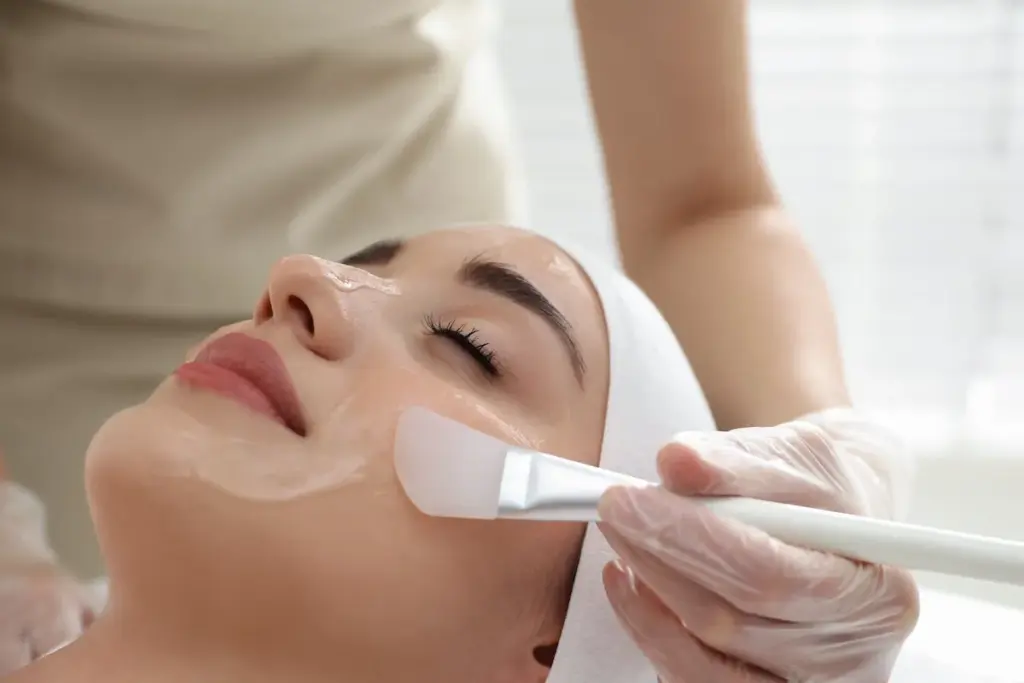
Dermaplaning is a popular skincare treatment. It gently removes dead skin cells and vellus hair. This makes the skin smoother and brighter.
The Dermaplaning Procedure Explained
A special tool is used in dermaplaning. It’s moved gently over the skin to remove dead cells and fine hairs. This exfoliates the skin and removes unwanted facial hair, leaving it smooth.
Key aspects of the dermaplaning procedure include:
- Gentle exfoliation
- Removal of vellus hair
- Improvement in skin texture
How Dermaplaning Affects Skin Physiology
Dermaplaning removes the top layer of dead skin cells. This improves skin brightness and texture. It also promotes cell turnover, making the skin look better.
Removing vellus hair makes the skin smoother. This makes it easier to apply makeup and skincare products. The gentle exfoliation also boosts blood flow, helping deliver oxygen and nutrients to the skin.
Immediate and Long-Term Effects
Right after dermaplaning, the skin looks smoother and brighter. Regular treatments can keep improving skin texture and appearance. It also makes skincare products work better.
Long-term benefits may include:
- Enhanced skin clarity
- Improved skin texture
- Better absorption of skincare products
What is a Chemical Peel?
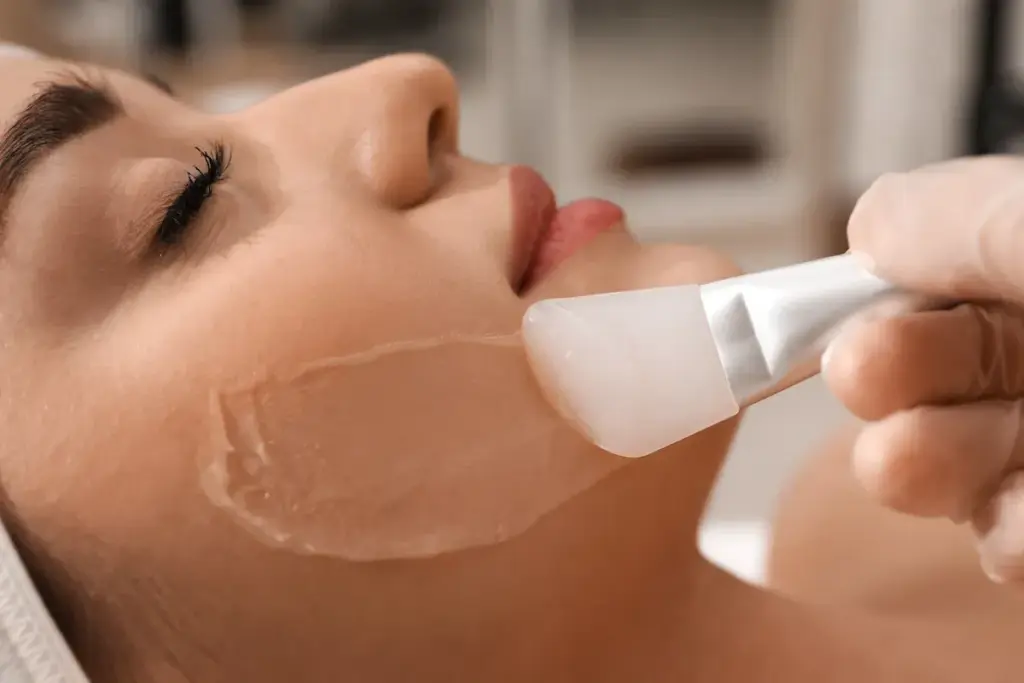
A chemical peel is a non-surgical way to improve your skin’s look. It uses a chemical solution to remove the top skin layers. This reveals smoother, brighter skin.
The Science Behind Chemical Exfoliation
Chemical exfoliation breaks down dead skin cells. This lets the outer skin layer be gently removed. It also boosts cell turnover for healthier skin.
The peel’s chemical solution can target different skin issues. This includes acne, hyperpigmentation, or fine lines.
Types of Chemical Peels
Peels are sorted by how deep they penetrate: superficial, medium, and deep.
|
Type of Peel |
Depth of Penetration |
Common Ingredients |
|---|---|---|
|
Superficial |
Removes top layer of skin |
Glycolic acid, salicylic acid |
|
Medium |
Penetrates to the papillary dermis |
Trichloroacetic acid (TCA) |
|
Deep |
Reaches the reticular dermis |
Phenol |
Common Ingredients and Their Functions
Peels use different ingredients for specific results. Some common ones are:
- Glycolic Acid: Boosts collagen and improves skin texture.
- Salicylic Acid: Treats acne by clearing pores.
- Trichloroacetic Acid (TCA): Targets deeper skin issues in medium-depth peels.
Chemical peels are great for many skin problems. They can help with acne, hyperpigmentation, and fine lines. Knowing about the different peels and their ingredients helps you choose the right treatment.
What is Microneedling?
Microneedling uses tiny injuries to make the skin smoother and healthier. It’s a treatment that’s getting a lot of attention. It helps make the skin look better by boosting collagen and improving texture.
The Microneedling Process
A special device with fine needles is used in microneedling. These needles make tiny injuries in the skin. This starts the body’s healing process, making new collagen and elastin.
Collagen induction therapy is key in microneedling. It helps the skin renew itself naturally. The treatment can be tailored to fit your skin needs and body areas.
Collagen Induction Therapy Explained
Collagen induction is what makes microneedling work. It creates tiny injuries that start the body’s healing process. This leads to more collagen, making the skin more elastic and reducing wrinkles.
Types of Microneedling Devices
There are many microneedling devices out there. They range from simple dermarollers to advanced electronic tools. The right device depends on your skin issue and where you’re treating it.
|
Device Type |
Description |
Benefits |
|---|---|---|
|
Manual Dermaroller |
A handheld device with needles that roll over the skin. |
Portable, cost-effective, and easy to use. |
|
Electronic Microneedling Device |
A device that uses adjustable needle depth and speed. |
Customizable, precise, and effective for deeper treatments. |
|
Professional Microneedling System |
Advanced systems used in clinical settings. |
Highly effective, customizable treatment options, and professional guidance. |
Knowing about the different microneedling devices can help you choose the right treatment for your skin.
Chemical Peel vs Microneedling: Key Differences
Two popular treatments for skin rejuvenation are chemical peels and microneedling. They work in different ways. Knowing how they differ helps choose the right treatment for your skin.
Mechanism of Action Comparison
Chemical peels use a solution to remove the top skin layers. This boosts cell turnover and collagen production. Microneedling, on the other hand, uses tiny needles to create micro-injuries. This stimulates collagen production and skin renewal.
Chemical peels exfoliate the skin’s surface. Microneedling targets deeper layers. This difference affects how they are used and their results.
Depth of Treatment and Tissue Response
Chemical peels can be superficial or deep, depending on the agent used. Microneedling’s depth can be adjusted, usually from 0.5 to 2.5 mm. This allows for customized treatments.
Chemical peels cause a controlled injury to the skin, leading to regeneration. Microneedling triggers a wound-healing response in the dermis. This boosts collagen and elastin production.
Scientific Evidence for Efficacy
Research supports both treatments. Chemical peels improve skin texture and reduce fine lines. Microneedling increases collagen, reduces scars, and enhances skin elasticity.
Comparing their efficacy is complex due to varied treatment parameters and skin types. Yet, clinical evidence shows they can be very effective when used correctly.
Recovery Timeline Differences
Recovery times differ for both treatments. Chemical peels can cause redness and peeling for days to weeks. Microneedling results in mild redness and swelling that fades in a few days.
Knowing these differences helps manage patient expectations and aftercare. Proper care can greatly affect the outcome and recovery for both treatments.
Dermaplaning vs Chemical Peel: A Detailed Analysis
Dermaplaning and chemical peels are two skincare treatments used for exfoliation. They have different methods and results. Knowing these differences helps choose the right treatment for your skin.
Exfoliation Methods: Mechanical vs Chemical
Dermaplaning uses a tool to remove dead skin cells and vellus hair. Chemical peels use acids to break down dead skin cells for deeper exfoliation.
Mechanical exfoliation with dermaplaning gives immediate results like smoother skin. Chemical exfoliation goes deeper to tackle acne, hyperpigmentation, and fine lines.
Immediate Results Comparison
Both treatments give immediate results. Dermaplaning makes skin look bright and smooth right away. Chemical peels also brighten the skin, but results depend on the peel’s strength and your skin.
Downtime and Recovery Differences
Dermaplaning has little to no downtime, so you can go back to normal activities quickly. Chemical peels can have more downtime, ranging from a few days to a week, depending on the peel’s depth.
Suitability for Different Skin Types
|
Skin Type |
Dermaplaning Suitability |
Chemical Peel Suitability |
|---|---|---|
|
Sensitive Skin |
Generally suitable with caution |
May be too harsh; depends on peel strength |
|
Dry Skin |
Suitable; helps remove dead skin cells |
Suitable; can help hydrate and brighten |
|
Acne-Prone Skin |
Suitable; helps remove dead skin cells and reduce acne appearance |
Suitable; can help reduce acne and prevent future breakouts |
Choosing between dermaplaning and chemical peels depends on your skin concerns, type, and preferences. Talking to a skincare professional can help pick the best treatment for you.
Dermaplaning vs Microneedling: Which Offers Better Results?
When looking to improve your skin, knowing the difference between dermaplaning and microneedling is key. Both are popular in cosmetic dermatology but work in different ways. They tackle different skin issues.
Surface Treatment vs Collagen Induction
Dermaplaning is a surface treatment that removes dead skin cells and vellus hair. This makes your skin smoother. Microneedling, on the other hand, is a collagen induction therapy. It creates tiny injuries in the skin to boost collagen production.
Dermaplaning gives you immediate results by removing dead skin cells. Microneedling, though, works over time. It improves skin texture and reduces wrinkles by increasing collagen.
Addressing Different Skin Concerns
Dermaplaning is great for improving skin texture, like dullness and uneven tone. It also removes vellus hair, making your skin look smoother and brighter.
Microneedling is better for deeper issues like fine lines, wrinkles, and scarring. It also boosts skin elasticity and firmness.
Maintenance Requirements
Dermaplaning needs more frequent sessions (every 4-6 weeks) to keep your skin looking smooth.
Microneedling might need fewer sessions (3-6, spaced 4-6 weeks apart). But, you’ll need to get it done periodically to keep the collagen production going.
Choosing between dermaplaning and microneedling depends on your skin concerns and goals. Talking to a dermatologist or skincare expert can help pick the right treatment for you.
Benefits of Chemical Peels for Various Skin Concerns
Chemical peels help with many skin problems. They are good for acne, hyperpigmentation, aging signs, and skin texture. This makes them a great choice for many people.
Chemical Peels for Acne and Acne Scars
Chemical peels are great for acne and scars. They use ingredients like salicylic acid to clear pores and reduce inflammation. This leads to fewer breakouts and less visible scars.
Key benefits for acne:
- Unclogs pores and reduces acne severity
- Minimizes appearance of acne scars
- Promotes healing and reduces inflammation
Addressing Hyperpigmentation and Melasma
Chemical peels can also tackle hyperpigmentation and melasma. They use kojic acid or vitamin C to lighten dark spots. This helps achieve a more even skin tone.
The process involves:
- Reducing melanin production
- Exfoliating the skin to remove pigmented cells
- Promoting a more even skin tone
Anti-Aging Benefits and Collagen Stimulation
Chemical peels also fight aging by boosting collagen. This makes fine lines and wrinkles less noticeable. The result is smoother, younger-looking skin.
|
Anti-Aging Benefit |
Description |
|---|---|
|
Collagen Stimulation |
Increases collagen production to reduce fine lines and wrinkles |
|
Skin Texture Improvement |
Enhances skin texture, making it smoother and more radiant |
|
Youthful Appearance |
Gives the skin a more youthful and vibrant appearance |
Improving Overall Skin Texture and Tone
Lastly, chemical peels can greatly improve skin texture and tone. They remove the top skin layers and encourage new cell growth. This leaves the skin looking brighter and feeling smoother.
Benefits of Dermaplaning for Skin Enhancement
Dermaplaning is a popular skincare treatment. It gently removes the top skin layers, revealing smoother, brighter skin.
Immediate Smoothing and Brightening Effects
One key benefit of dermaplaning is its immediate effects. It smoothes and brightens the skin. This is because it removes dead skin cells and vellus hair.
Vellus Hair Removal Benefits
Dermaplaning removes vellus hair, or peach fuzz. This makes the skin look dull and uneven. Removing this hair helps achieve a more even skin tone.
Enhanced Product Absorption
After dermaplaning, the skin absorbs skincare products better. The top layer of dead skin cells is removed. This lets serums and moisturizers penetrate deeper, providing better hydration and nourishment.
Makeup Application Improvements
Dermaplaning also improves makeup application. Makeup glides on smoothly after removing vellus hair and dead skin cells. This results in a flawless finish, making it a favorite among makeup wearers.
In summary, dermaplaning offers many benefits for the skin. It provides immediate smoothing and brightening, enhances makeup application, and improves product absorption. As a skincare treatment, it’s a simple yet effective way to get healthier, more radiant-looking skin.
Benefits of Microneedling for Skin Rejuvenation
Microneedling is a new way to make your skin look better. It helps with many skin problems. This method is popular because it makes your skin look younger and smoother.
It works by making tiny injuries in your skin. This makes your skin heal and produce new collagen and elastin. These are important for healthy, young-looking skin.
Collagen and Elastin Production
Microneedling boosts collagen and elastin production. As we get older, we make less of these. This leads to wrinkles and sagging skin. Microneedling helps by making more collagen, which:
- Makes your skin more elastic
- Reduces wrinkles and fine lines
- Makes your skin firmer
Scar Reduction Capabilities
Microneedling also helps with scars. It breaks up scar tissue and makes new collagen. This makes your skin look smoother and more even.
Pore Size Reduction
It also makes your pores smaller. By making more collagen and improving your skin, microneedling makes your skin look finer.
Treatment of Stretch Marks and Scarring
Microneedling is good for stretch marks and scars too. It makes more collagen, which makes these marks look better.
Here are some benefits of microneedling:
- Improved skin texture and tone
- Reduced fine lines and wrinkles
- Smaller pores
- More collagen production
In short, microneedling is great for making your skin look better. It’s safe and works well. It’s a top choice for anyone wanting to improve their skin.
Combining Treatments: Synergistic Approaches
Looking for a way to improve your skin? Combination therapy might be the answer. It mixes different treatments to tackle many skin issues at once. This leads to better and longer-lasting results.
Dermaplaning and Chemical Peel Combinations
Dermaplaning and chemical peels together boost exfoliation and brightening. Dermaplaning gets rid of dead skin and soft hair. A chemical peel goes deeper to fix hyperpigmentation and fine lines.
Right away, dermaplaning makes your skin smoother. Then, a chemical peel can make your skin even better by improving texture and tone.
Microneedling with Chemical Peel Protocols
Microneedling and chemical peels work together to boost collagen and rejuvenate the skin. Microneedling makes tiny injuries to start the healing process. A chemical peel then improves texture and reduces wrinkles.
- Boosts collagen production
- Improves skin texture
- Reduces fine lines and wrinkles
Creating a Custom Treatment Plan
Every skin is different, so a treatment plan should be made just for you. It might include dermaplaning, chemical peels, and microneedling. Treatments are spaced out to get the best results.
Using combination therapy means a more complete skincare routine. It tackles many issues at once. You’ll get a brighter, younger look.
Recovery and Aftercare: What to Expect
Knowing how to recover from skincare treatments is important. Proper aftercare helps get the most out of treatments like chemical peels, microneedling, and dermaplaning. It also helps reduce downtime.
Post-Chemical Peel Care Protocol
After a chemical peel, your skin might look red and feel sensitive. It’s important to use gentle skincare to help it heal. Avoid harsh products or exfoliating for 7-10 days.
Keep your skin moist and calm with a gentle moisturizer. Remember to use sunscreen with at least SPF 30 every day. This prevents more irritation and dark spots.
Post-Microneedling Recovery Timeline
Microneedling might make your skin look red and swollen, but these signs usually go away in a few days. The recovery time can differ based on how deep the treatment was and your skin type.
For the first 24 hours, stay away from hard activities and the sun. After that, you can start using your usual skincare again, usually in 3-5 days.
Post-Dermaplaning Skin Maintenance
Dermaplaning is a low-risk treatment with little downtime. To keep your skin looking good, stick to a skincare routine. Gently exfoliate 1-2 times a week to avoid dead skin and keep your skin bright.
Also, getting dermaplaning regularly helps keep the results, usually every 4-6 weeks. This depends on your skin type and what you want to fix.
By following these aftercare tips, you can have a smooth recovery and great results from your skincare treatments. Always talk to a professional to make sure the aftercare fits your skin and treatment.
Who is the Ideal Candidate for Each Treatment?
Knowing who is best for dermaplaning, chemical peels, and microneedling is key. Each treatment works differently and suits various skin types and concerns.
Skin Type and Tone Considerations
Dermaplaning, chemical peels, and microneedling fit different skin types. Dermaplaning is safe for most, including sensitive skin, as it’s a physical exfoliation. Chemical peels, though, are better for lighter skin to avoid dark spots.
Microneedling works on many skin types, even darker tones. It boosts collagen without harming the skin’s surface.
Age-Related Treatment Selection
Age matters when choosing treatments. Dermaplaning helps all ages by removing dead skin and hair. Chemical peels are great for the young to keep skin healthy or fight early aging signs.
Microneedling is popular among older adults. It helps reduce wrinkles and skin sagging by boosting collagen.
Specific Concern Matching
Choosing the right treatment for your skin concern is important. Dermaplaning smooths and brightens the skin. Microneedling tackles deeper issues like scars and wrinkles. Chemical peels handle acne, dark spots, and fine lines.
Contraindications and Safety Precautions
It’s vital to know what treatments to avoid. People with active acne, eczema, or rosacea should be cautious. Pregnant or breastfeeding women might need to wait on some treatments.
Skincare experts can match treatments to the right person. This ensures safe and effective results.
Conclusion: Making the Right Choice for Your Skin Goals
Choosing the right skincare treatment depends on your skin goals and concerns. Dermaplaning, chemical peels, and microneedling each have unique benefits. They help with exfoliation, brightening, collagen induction, and scar reduction.
When picking a treatment, think about your skincare goals. Do you want to fix hyperpigmentation, acne scars, or fine lines? Or do you aim for a smoother, brighter look? Knowing your skin concerns is key to making a good choice.
Getting skincare advice from a pro can guide you. They can help you pick the best treatment for your skin. This way, you get a plan that fits your needs and improves your skin health.
In the end, finding the right treatment for your skin goals needs careful thought. Consider your skin type, concerns, and what you want to achieve. This approach will help you make a choice that’s right for you.
FAQ
What is the difference between a chemical peel and microneedling?
A chemical peel removes the top skin layers with a solution. Microneedling uses tiny needles to create micro-injuries. This stimulates collagen production and rejuvenates the skin.
Which is better for acne scars, chemical peel or microneedling?
Both can treat acne scars. Microneedling is often chosen for its ability to improve skin texture. Chemical peels remove top skin layers to reduce scar appearance.
What are the benefits of dermaplaning?
Dermaplaning is a non-invasive treatment. It removes vellus hair, improves texture, and enhances product absorption. This leaves the skin smoother and brighter.
Can I combine dermaplaning with other treatments like chemical peels or microneedling?
Yes, you can combine dermaplaning with other treatments. This can enhance their effectiveness and lead to better results.
How often should I get a chemical peel or microneedling treatment?
Treatment frequency varies based on skin concerns and goals. Chemical peels are usually done every 4-6 weeks. Microneedling is done every 6-12 weeks.
What is the downtime for microneedling and chemical peels?
Downtime varies. Microneedling may cause a few days of redness and sensitivity. Chemical peels can cause peeling and redness for a few days to a week.
Are chemical peels and microneedling suitable for all skin types?
Both treatments work for many skin types. But, certain conditions may need special care. It’s best to consult a professional for the right treatment plan.
Can I get a chemical peel or microneedling treatment if I have sensitive skin?
Yes, but it’s important to talk to a professional. They can adjust the treatment for sensitive skin.
How do I care for my skin after a chemical peel or microneedling treatment?
Aftercare includes gentle cleansing, moisturizing, and sun protection. Always follow the aftercare instructions from your treatment provider.
What are the benefits of combining chemical peels and microneedling?
Combining these treatments can enhance their benefits. It promotes deeper penetration of the peel and stimulates collagen production. This improves skin texture and rejuvenation.
Can dermaplaning help with hyperpigmentation?
Dermaplaning can improve skin texture and tone. It may not directly address hyperpigmentation. But, it can help other treatments penetrate better to target hyperpigmentation.
How does microneedling stimulate collagen production?
Microneedling creates micro-injuries. This stimulates the body’s natural healing process. It promotes collagen production, improving skin texture and firmness.
Reference
National Center for Biotechnology Information. Evidence-Based Medical Insight. Retrieved from https://www.ncbi.nlm.nih.gov/pmc/articles/PMC2921757/



 Departments
 Related Videos
 Our Doctors
 News
News