
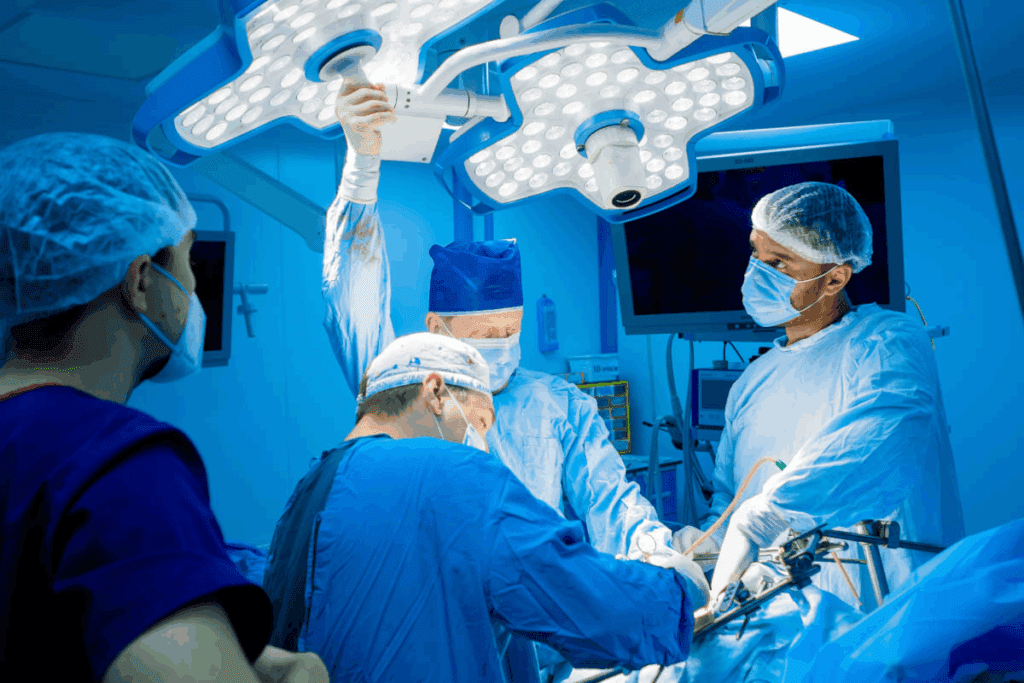
A craniotomy is a surgery where a part of the skull is removed to access the brain. It’s a complex procedure with different recovery times for everyone. Most people can start driving again a few weeks to a few months after surgery. But, how long it takes depends on the surgery type and your overall health.Learn the crucial timeline for driving restrictions post-craniotomy. Understand the typical waiting period before you can safely get behind the wheel clearly.
It’s important to know about the recovery and driving rules after a craniotomy. We’ll give you a detailed guide on when it’s okay to drive again after brain surgery. This will help you understand your recovery journey better.
Key Takeaways
- Recovery times after a craniotomy vary among individuals.
- The type of surgery and overall health influence the recovery period.
- Most patients can return to driving within a few weeks to a few months.
- A comprehensive guide will help determine when it’s safe to drive after brain surgery.
- Understanding driving restrictions post-craniotomy is crucial for safety.
Understanding Craniotomy: A Brief Overview
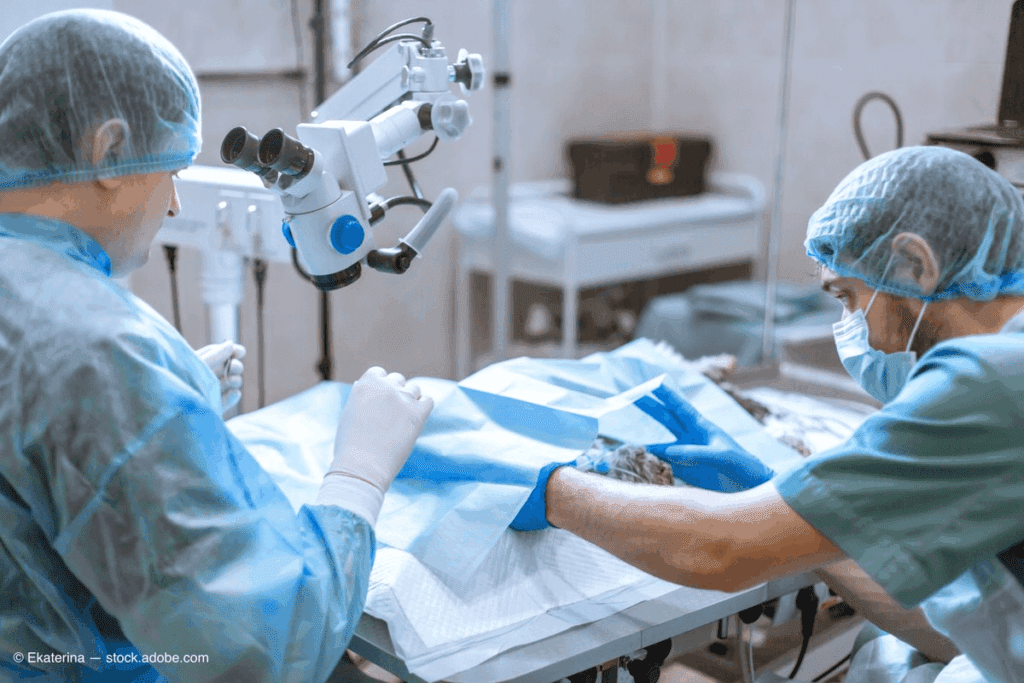
A craniotomy is a surgery where a part of the skull is opened. This lets surgeons work on the brain. It’s a key way to treat serious conditions.
Definition and Purpose of a Craniotomy
A craniotomy means removing a part of the skull to reach the brain. It’s done to ease brain pressure, take out tumors or blood clots, or fix blood vessels. Doctors say it’s a lifesaving surgery that has improved a lot.
“Craniotomy is a lifesaving procedure that has been refined over the years to address complex brain conditions.”
Doctors decide on a craniotomy after careful checks and tests. They use tools like MRI or CT scans.
Common Reasons for Craniotomy Procedures
Craniotomies are done for important reasons. These include:
- removing brain tumors,
- fixing or removing aneurysms,
- getting rid of blood clots,
- reducing pressure from injuries or swelling.
Each reason needs a careful and precise surgery. This is to help patients get the best results.
| Reason for Craniotomy | Description |
| Brain Tumor Removal | Surgical removal of tumors within the brain. |
| Aneurysm Clipping | Clipping or removing aneurysms to prevent rupture. |
| Evacuating Blood Clots | Removing blood clots that cause pressure on the brain. |
Differences Between Craniotomy and Craniectomy
Craniotomy and craniectomy both remove skull parts. But, the main difference is in putting the bone back. In a craniotomy, the bone is put back right after. In a craniectomy, it’s not put back right away and might be done later.
Knowing these differences helps patients and their families understand their surgery. It also helps them know what to expect when they recover.
The Craniotomy Procedure Explained
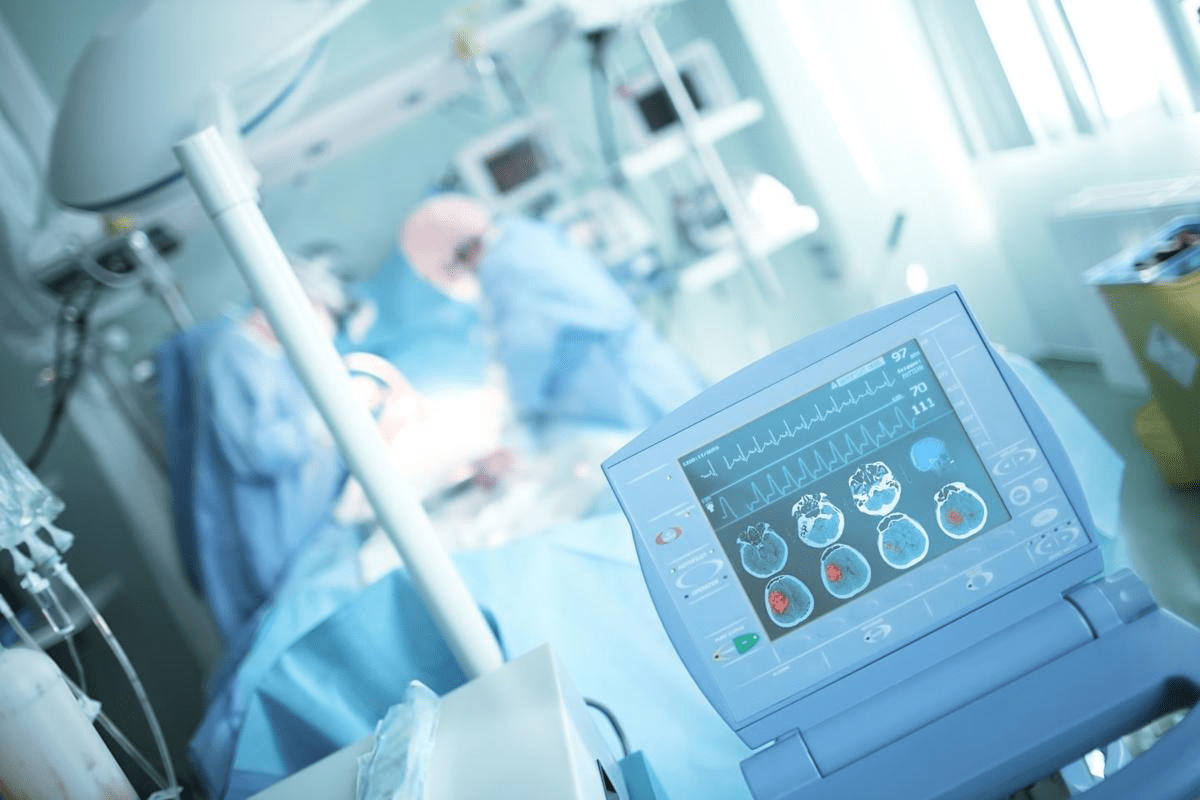
Understanding a craniotomy is key for those facing brain surgery. This procedure has many steps, from start to finish, that are vital for success.
Pre-Surgical Preparation
Before surgery, patients are told to avoid heavy lifting and bending. Pre-surgical preparation also includes a detailed medical check-up. This helps identify any risks.
Patients are asked to stop certain medications that might affect the surgery. They may also need to have tests done. These help the neurosurgeon plan the surgery.
During the Surgery: What Happens
During the procedure, patients are under general anesthesia. This keeps them comfortable and pain-free. The neurosurgeon then removes part of the skull to reach the brain.
The surgical team keeps a close eye on the patient’s vital signs and brain activity. This ensures the surgery is safe and works well.
Immediate Post-Operative Care
After surgery, patients go to the ICU for close monitoring. The medical team watches for any complications and manages pain. This helps keep the patient comfortable.
Immediate care also includes helping the patient move and breathe. This is to prevent problems like pneumonia or blood clots.
General Recovery Timeline After Craniotomy
After a craniotomy, patients follow a general recovery timeline. This timeline varies based on the surgery’s complexity and the patient’s health.
Hospital Stay Duration
The hospital stay after a craniotomy can last from a few days to a week. This depends on the patient’s condition and the surgery details. Medical staff closely monitor the patient, managing pain and watching for complications.
First Week After Surgery
The first week is key for recovery. Patients often feel tired, have headaches, and swelling. Resting and following the doctor’s instructions are crucial for a smooth recovery.
First Month of Recovery
In the first month, patients start to regain strength and do normal activities again. It’s important to not rush back to hard activities too soon. Regular check-ups with the healthcare provider are vital to track the healing.
Long-Term Recovery Expectations
Full recovery from a craniotomy can take several months. Some may face long-term side effects like seizures or cognitive changes. These effects vary widely based on the case and surgery type.
| Recovery Stage | Typical Duration | Common Symptoms |
| Hospital Stay | 3-7 days | Pain, discomfort, swelling |
| First Week | 1 week | Fatigue, headaches, swelling |
| First Month | 1 month | Gradual improvement, some fatigue |
| Long-Term | Several months | Variable, may include cognitive changes or seizures |
Knowing the recovery timeline after a craniotomy helps patients and their families prepare. By following the healthcare team’s advice and understanding potential long-term effects, individuals can better navigate their recovery.
Typical Timeframes: When Most Patients Return to Driving
The time it takes to drive again after a craniotomy varies. It depends on the surgery type and the patient’s health. Understanding these general guidelines is key to recovery.
Minimum Waiting Periods by Surgery Type
The waiting time to drive again is not the same for everyone. It changes based on the surgery’s complexity and type. Here are some examples:
- Uncomplicated craniotomies: Patients might need to wait 4-6 weeks.
- Craniotomies involving tumor removal or aneurysm clipping: Waiting time can be 2-3 months.
- Complex cases or those with complications: Restrictions might last up to 6 months or more.
Average Return Times for Uncomplicated Procedures
For simple craniotomy procedures, driving can usually start again in 1-3 months. This time ensures enough recovery and safety from seizures or other issues.
Doctors say, ‘’Safe driving after brain surgery depends not only on time but also on the patient’s neurological recovery and stability.”1
Extended Restrictions for Complex Cases
For more complex surgeries or if complications arise, driving restrictions may be longer. Reasons for this include:
- Seizures or the need for seizure medication.
- Significant neurological deficits that could impair driving ability.
- Visual or cognitive impairments that affect safe driving.
It’s vital for patients to listen to their healthcare provider’s advice on driving. These recommendations are made with the patient’s specific condition and needs in mind.
Physical and Cognitive Effects Impacting Driving Ability
Patients who have had a craniotomy may face many challenges. These changes can affect their ability to drive safely. It’s important to assess their driving skills carefully.
Motor Skills and Coordination Changes
After a craniotomy, some patients may notice changes in their motor skills. They might feel weakness, numbness, or clumsiness in their hands or feet. This can make it hard to drive.
These changes can vary from person to person. The surgery’s location and extent play a big role. A healthcare professional’s assessment is key to understanding the impact on driving.
Vision and Perception Issues
Vision and perception problems are also important. Patients might see things blurry, have double vision, or lose peripheral vision. These issues can make driving unsafe.
The brain’s ability to process visual information can be affected. This makes judging distances and reacting to road cues harder.
“Visual disturbances after brain surgery can be particularly challenging for patients, as they directly impact the ability to navigate roads safely.”
Cognitive Processing and Reaction Time
Cognitive processing and reaction time are also affected. Patients might struggle with concentration, memory, or decision-making. These are key for driving.
Slower reaction times can be dangerous. They make it hard to respond quickly to unexpected situations on the road.
| Cognitive Function | Potential Impact on Driving |
| Concentration and Attention | Difficulty staying focused on the road |
| Memory | Forgetting directions or road signs |
| Decision-Making | Slower reaction to changing traffic conditions |
Seizure Risks and Implications
Seizure risks after a craniotomy are a big concern. They can affect driving safety. Patients might take anti-seizure medications, which can have side effects.
It’s important to follow medical guidelines for driving after a craniotomy. Patients should work closely with their healthcare providers to determine when they can drive again.
Driving Restrictions Post-Craniotomy: Medical Guidelines
Deciding if you can drive after a craniotomy is complex. It’s based on specific medical guidelines. These rules are to keep you and others safe on the road.
Standard Medical Recommendations
Doctors usually tell patients not to drive for a while after a craniotomy. This time is until they stop taking strong pain meds and have no major brain issues. How long depends on how fast you recover and the surgery type.
Factors That Influence Restriction Duration
Several things can change how long you can’t drive. These include:
- The type of craniotomy performed (e.g., supratentorial vs. infratentorial)
- The presence of any post-operative complications
- The patient’s overall health and recovery pace
- The occurrence of seizures or other neurological issues
Variations Based on Surgery Type and Location
The surgery’s location and type affect driving rules. For example, surgeries in certain brain areas might need longer no-driving times. This is because they could have big effects on the brain.
International vs. US Guidelines
Guidelines can vary by country and region in the US. It’s key to follow your doctor’s advice. They tailor it to your needs and local laws.
Understanding these rules can be tough. But our medical team is here to help. We give personalized advice for a safe and successful recovery.
Legal Requirements for Returning to Driving
After a craniotomy, knowing the legal rules for driving again is key. These rules differ and can be complex.
State-by-State Regulations in the US
In the US, driving laws after a craniotomy change a lot from state to state. Some states have clear rules for when you can drive again. Others let your doctor decide.
| State | Minimum Waiting Period | Physician Clearance Required |
| California | 3 months | Yes |
| New York | 6 months | Yes |
| Texas | Varies | Yes |
Physician Clearance Requirements
Getting a doctor’s okay is almost always needed before you can drive again. This is because doctors check if you’re ready to drive safely.
Reporting Obligations to DMV
In some places, you must tell the DMV about certain health issues. Not doing this can lead to legal trouble.
Legal Consequences of Driving Against Medical Advice
Driving when you shouldn’t can be dangerous and illegal. If you’re in an accident, you might be blamed for any harm caused.
The Role of Anti-Seizure Medications in Driving Clearance
Anti-seizure medications are key in managing seizure risks after a craniotomy. They help prevent seizures, a common issue after surgery. The type, dosage, and treatment length of these medications affect a patient’s driving safety.
Common Medications and Their Effects
After a craniotomy, patients often take levetiracetam (Keppra), phenytoin (Dilantin), or valproate (Depakote). Each has different side effects that can affect driving. Some may cause drowsiness or dizziness, while others might slow down thinking or reaction time.
Seizure-Free Periods Required
How long a patient must be seizure-free before driving varies. It usually ranges from 3 to 12 months. This depends on the type of seizure, its cause, and how well the patient responds to medication.
Medication Side Effects That Impact Driving
Side effects from anti-seizure medications can greatly affect driving. Common issues include feeling tired, dizzy, or having blurred vision and thinking problems. For example, a patient on strong sedating medications might need to wait longer to drive. This is because these effects can slow down reaction times and judgment.
| Medication | Common Side Effects | Impact on Driving |
| Levetiracetam (Keppra) | Drowsiness, dizziness | Moderate |
| Phenytoin (Dilantin) | Dizziness, ataxia, cognitive impairment | Significant |
| Valproate (Depakote) | Tremors, drowsiness, weight gain | Moderate to Significant |
Neurological Assessments Before Returning to Drive
Before patients can drive again after a craniotomy, they must go through neurological assessments. These tests check if they can safely drive. They look at cognitive and motor functions needed for driving.
Cognitive Function Testing
Cognitive function testing is key. It checks memory, attention, and decision-making skills. These are vital for safe driving. The tests include memory recall and problem-solving tasks.
Visual Field and Acuity Examinations
Visual field and acuity tests are also important. They check a patient’s vision, including their field of view and clarity. Any vision problems could make driving unsafe.
Motor Skills and Reaction Time Evaluation
Motor skills and reaction time tests evaluate physical abilities. They check strength, coordination, and quick responses. These are essential for safe driving.
When Assessments Are Required vs. Recommended
How often assessments are needed depends on the surgery’s complexity and the patient’s recovery. For complex surgeries, they are required. For simpler ones, they are recommended to ensure safety.
Neurological assessments are a crucial part of recovery. Our medical team makes sure patients get the right tests to drive safely again.
Specialized Driving Evaluations After Brain Surgery
Specialized driving evaluations are key for brain surgery patients to know if they can drive again. These tests check if a patient can drive safely and well.
Clinical Driving Assessments
Clinical driving assessments look at a patient’s physical and mental skills. They check:
- Cognitive function tests to see memory, attention, and decision-making skills.
- Motor skills assessments to check coordination and reaction time.
- Visual field and acuity examinations to ensure adequate vision for driving.
These tests help doctors know if a patient is ready to drive.
On-Road Driving Tests
On-road driving tests check a patient’s driving in real-life situations. A certified driving evaluator goes with the patient. They look at:
- Ability to follow traffic rules and signs.
- Skill in navigating different road types and conditions.
- Reaction to unexpected situations on the road.
Driving Simulation Programs
Driving simulation programs test driving skills in a safe setting. They can:
- Mimic various driving conditions, such as day/night driving or different weather conditions.
- Test a patient’s response to emergency situations.
- Provide immediate feedback on driving performance.
Finding Certified Driving Rehabilitation Specialists
To get these evaluations, patients need to find certified specialists. Here’s how:
- Ask your neurosurgeon or primary care physician for recommendations.
- Check with local rehabilitation centers or driving schools that specialize in driver rehabilitation.
- Verify the credentials of potential evaluators through professional organizations.
By working with certified specialists, patients get a detailed and accurate driving assessment.
Gradual Return to Driving: Best Practices
Getting back to driving after a craniotomy needs careful steps. It’s important to follow a plan that makes sure you’re safe and feel confident on the road. This helps patients get their driving skills back in a safe way.
Starting with Short, Familiar Routes
Start with short, easy routes when you begin driving again. This helps you feel more confident and checks if you can drive well. Short trips let you see how you react and feel comfortable driving.
Avoiding High-Stress Driving Conditions
Stay away from stressful driving situations at first. Avoid heavy traffic, night driving, or tricky intersections. As you get better, you can handle harder driving situations.
Building Confidence and Stamina
It’s key to build your confidence and stamina for driving. Start with short drives and make them longer as you get more comfortable. This incremental approach helps you regain your energy and feel less anxious about driving.
When to Stop and Reassess
Know when to stop and check if you can still drive. If you feel uncomfortable, confused, or notice any issues while driving, stop right away. Talk to your doctor. This cautious approach keeps you safe and addresses any problems quickly.
By sticking to these best practices, patients can safely get back to driving after a craniotomy. This makes their recovery better and safer.
Psychological Aspects of Returning to Driving
Getting back to driving after brain surgery is a big step. It’s filled with anxiety and uncertainty. The mind and body work together, making it a complex challenge. Understanding these aspects is key for a safe return to driving.
Anxiety and Fear After Brain Surgery
Many patients feel anxiety or fear about driving after surgery. The brain’s healing and the risk of seizures can make these feelings worse. They worry about reacting fast or making good decisions while driving.
Some fear having a seizure while driving. This fear is a big concern. It’s important to talk about these fears with healthcare professionals.
Building Confidence Behind the Wheel
Getting confident in driving again takes time and practice. Start with short, easy routes and slowly add more challenging ones. Having someone with you during these first drives can help a lot.
- Begin with driving in low-stress conditions.
- Gradually increase exposure to more challenging driving scenarios.
- Consider using driving simulation programs to build confidence in a controlled environment.
When to Seek Psychological Support
If anxiety or fear is too much, you might need psychological support. Mental health experts can help manage driving anxiety. They can help you feel more confident while driving.
If you’re always scared, avoid driving, or feel really upset while driving, you might need help. Getting help early can greatly improve your recovery.
Alternative Transportation Options During Recovery
Recovering from a craniotomy can be tough, especially when you can’t drive. You might need to use different ways to get around. This helps you stay mobile and independent.
Family and Caregiver Support
Family and caregivers are key during recovery. They can drive you to doctor’s visits and help with daily tasks. Having a strong support system can make a big difference in how well you recover.
Talking openly with your family and caregivers is important. This way, they know how to help you best. You can plan out who will drive you and when.
Public Transportation Considerations
If you can’t drive, public transport is a good option. Many cities have buses and trains that are easy to use. Public transport helps you stay connected and independent.
- Look into your local public transport options.
- Think about getting a transit pass for easier travel.
- Plan your routes ahead of time.
Rideshare and Medical Transport Services
Rideshare and medical transport services are also available. They’re great for those who need help or have mobility issues. Some services are designed for patients with special needs.
When using these services, tell them about your health and any special needs you have.
Community Resources for Non-Drivers
Many places have programs for people who can’t drive. These include senior transport, non-emergency medical transport, and volunteer driver services. These resources can be a big help in staying connected to your community.
Exploring these options can help you stay mobile and independent while recovering. It’s important to use the resources available to ensure a safe and smooth recovery.
When Permanent Driving Restrictions May Be Necessary
Deciding on permanent driving restrictions after a craniotomy is complex. It involves checking how well the brain works and if seizures are controlled. This can be tough for some patients.
Persistent Neurological Deficits
Those with lasting brain problems after a craniotomy might not drive forever. Issues like motor skill impairments or cognitive processing difficulties can make driving unsafe.
Uncontrolled Seizure Disorders
Seizures that can’t be stopped with medicine are a big risk on the road. If a patient’s seizures can’t be managed, they might not drive anymore. This is to keep them and others safe.
Vision or Cognitive Impairments
Big vision or brain problems from a craniotomy can also mean no driving. These issues can make it hard to drive safely.
Adapting to Life Without Driving
Life without driving can be tough, but there are ways to stay mobile. Look into family and caregiver support, public transportation, and rideshare services. These can help you stay independent.
Adjusting to life without driving needs a big plan. Use community resources and support to make this change easier. Knowing your options and planning ahead can help you through this big change.
Patient Experiences: Real-Life Recovery and Return to Driving
Recovering from a craniotomy is different for everyone. Patients share their unique experiences, offering insights into the recovery journey. These stories help us understand what affects a person’s ability to drive again.
Typical Recovery Timelines
Studies show that recovery times after a craniotomy vary. A medical journal reported on a group of patients. Most felt better in a few months, but recovery speeds differed.
A 45-year-old man drove again in six weeks after his surgery. But a 30-year-old woman needed three months. These examples show the need for tailored recovery plans.
Challenges Faced by Patients
Patients face many challenges after a craniotomy. These can make driving hard or impossible. Common problems include:
- Cognitive issues like memory loss or trouble focusing
- Physical problems like weakness or numbness in limbs
- Risks of seizures and the worry of losing driving rights
- Issues with vision or perception that affect driving
Overcoming these challenges needs a full approach. This includes medical care, rehab, and support from doctors and loved ones.
“The biggest challenge was regaining my confidence behind the wheel. With the support of my healthcare team and family, I was able to gradually return to driving.” – A patient recovering from craniotomy
Successful Strategies for Returning to Driving
Those who drive again after a craniotomy use certain strategies. These include:
- Following a rehab plan made just for them
- Starting with short, easy drives
- Staying away from stressful driving situations
- Getting help from driving specialists if needed
By knowing the recovery process and using these strategies, patients can drive again successfully.
Every person’s recovery is unique. What works for one might not work for another. So, it’s key to work with healthcare experts to create a recovery plan that fits.
Conclusion: Navigating the Road to Recovery
Recovering from a craniotomy takes time, patience, and careful planning. The journey to get back on the road after brain surgery depends on many things. These include the surgery type, the patient’s health, and medical guidelines.
Knowing the recovery timeline and what affects driving is key. Patients must follow doctor’s orders and legal rules to stay safe. We’ve looked at how doctors check if someone is ready to drive again. This shows how important physical and neurological checks are.
Real-life stories show the ups and downs of recovery. We share these to help patients make smart choices about driving. As they recover, we urge them to listen to doctors, stay informed, and put their health first.
FAQ
What is a craniotomy, and why is it performed?
A craniotomy is a surgery where part of the skull is removed to reach the brain. It’s done for many reasons, like to relieve pressure, remove tumors, or fix blood vessels.
How long does it take to recover from a craniotomy?
Recovery time varies. It depends on the surgery type and the patient’s health. Generally, it takes weeks to months to get better.
When can I drive after a craniotomy?
When you can drive again depends on your surgery and health. Doctors usually say wait a few weeks to months before driving.
What are the physical and cognitive effects that can impact driving ability after a craniotomy?
You might notice changes in how you move, see, and think. These changes can affect driving. Also, there’s a risk of seizures, so you might need to follow certain rules.
Are there any specific medical guidelines for driving restrictions after a craniotomy?
Yes, there are guidelines based on your surgery. These can vary, so always check with your doctor.
What are the legal requirements for returning to driving after a craniotomy?
Legal rules differ by state. You must get your doctor’s okay and report to the DMV. Driving without permission is illegal.
How do anti-seizure medications impact driving clearance after a craniotomy?
These medicines can affect your driving. You might need to wait a certain time without seizures before driving again.
What neurological assessments are required before returning to driving after a craniotomy?
You’ll need tests to check your brain function, vision, and how you move. These help doctors decide if you’re ready to drive.
Are there specialized driving evaluations available for patients after brain surgery?
Yes, there are tests to help you get back to driving. These include driving tests on the road and in simulators.
What are the best practices for a gradual return to driving after a craniotomy?
Start with short, easy routes. Avoid stressful driving situations. Gradually build your confidence and endurance.
Can I experience anxiety or fear when returning to driving after a craniotomy?
Yes, feeling anxious or scared is common. You might need to talk to a psychologist to feel more comfortable driving.
What alternative transportation options are available during recovery?
You can use family, public transport, and rideshare services. There are also resources for people who can’t drive.
Can permanent driving restrictions be necessary after a craniotomy?
Yes, if you have lasting brain problems, seizures, or vision issues, you might not be able to drive forever.
How can I adapt to life without driving?
Look into other ways to get around and use community resources. This helps you adjust to not driving.
References
New England Journal of Medicine. Evidence-Based Medical Insight. Retrieved from https://www.nejm.org/doi/full/10.1056/NEJMoa0902358